Tso Ltak Lake Ladakh high altitude glacial lake icon
Tso Ltak Lake, Ladakh, India

Tso Ltak Lake, Ladakh: A Hidden High-Altitude Glacial Lake Near Chang La Pass

A Scenic Stopover on the Way to Pangong Tso

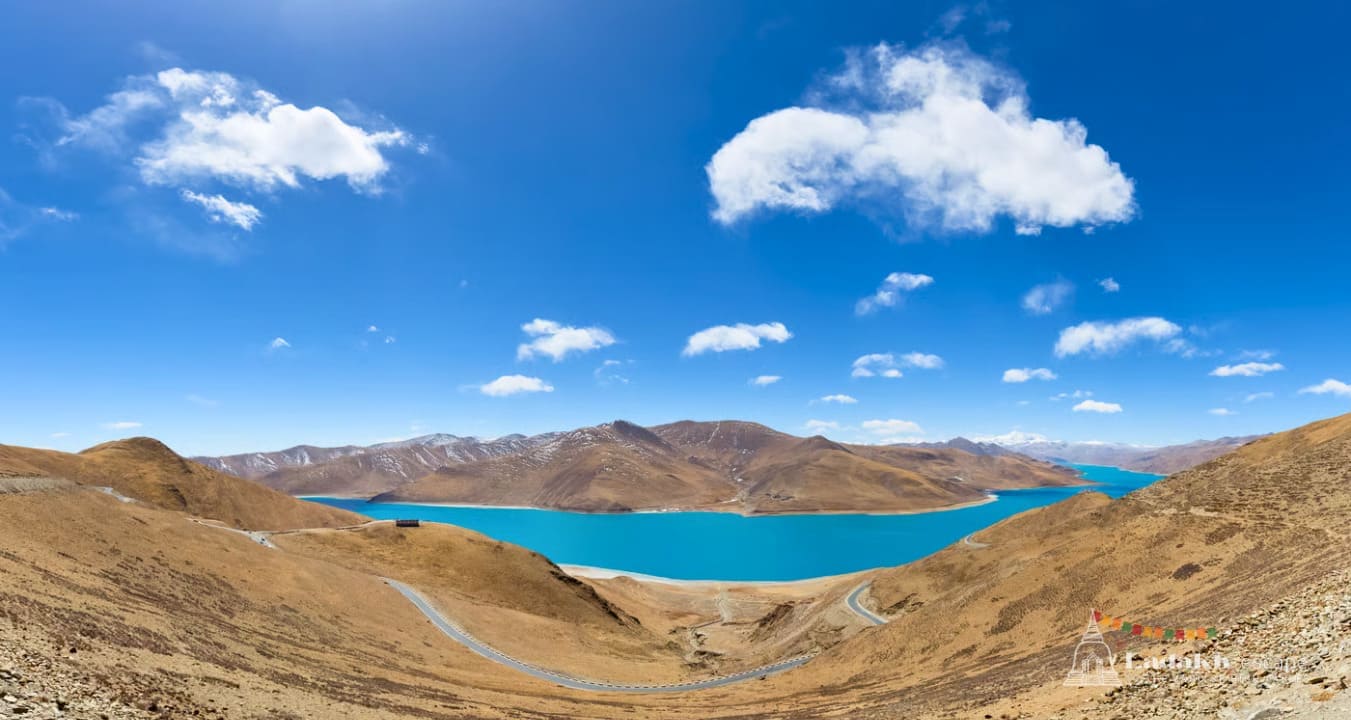
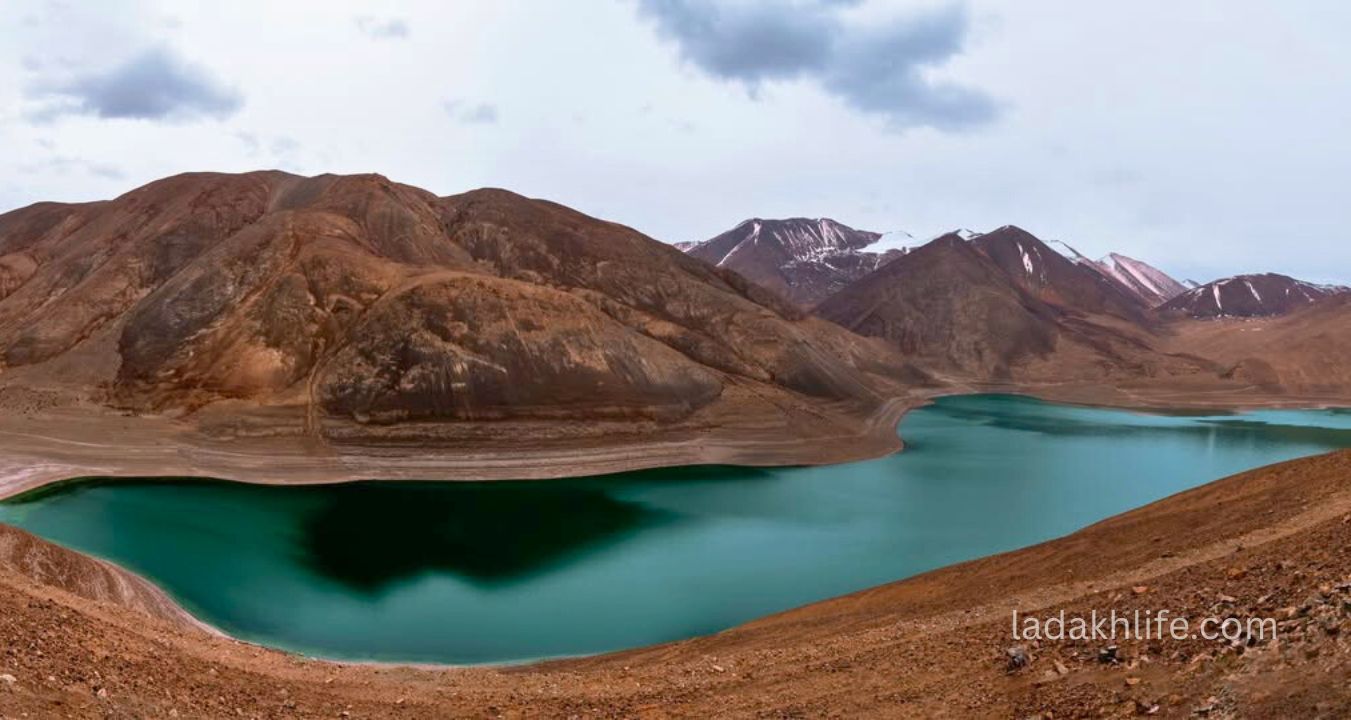
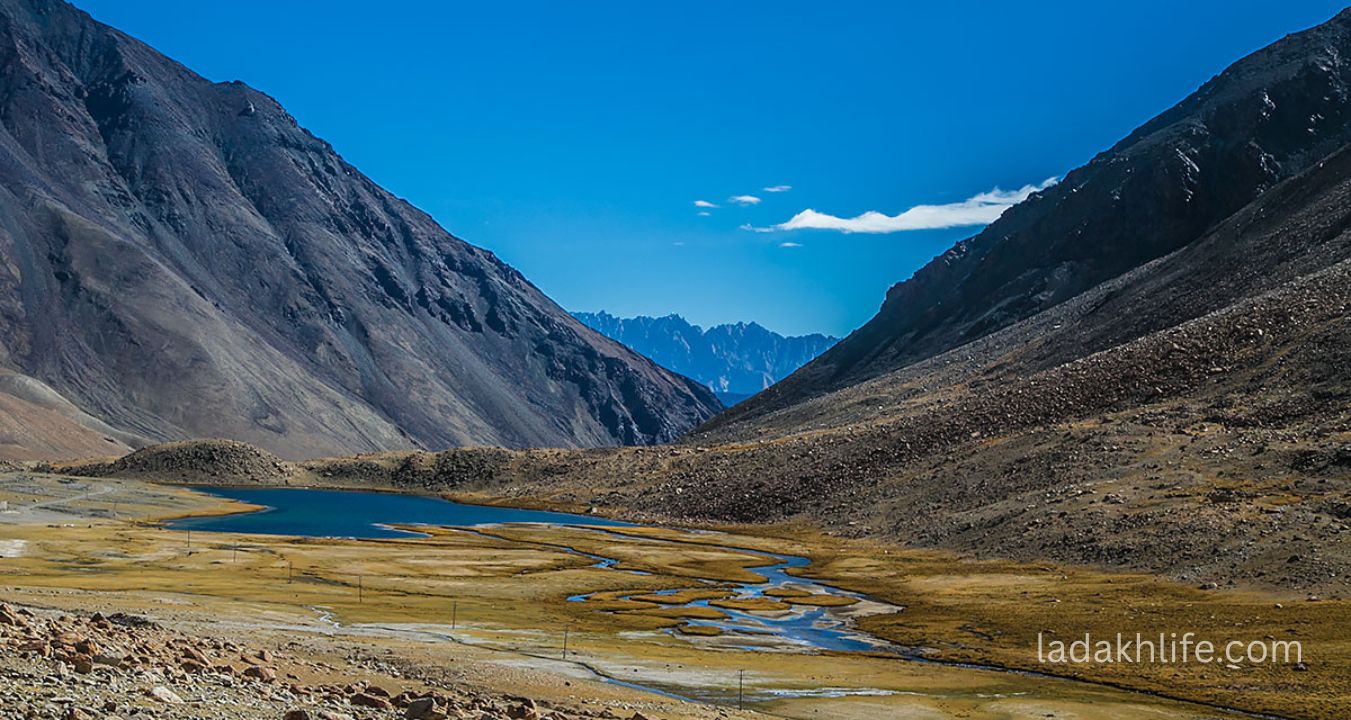
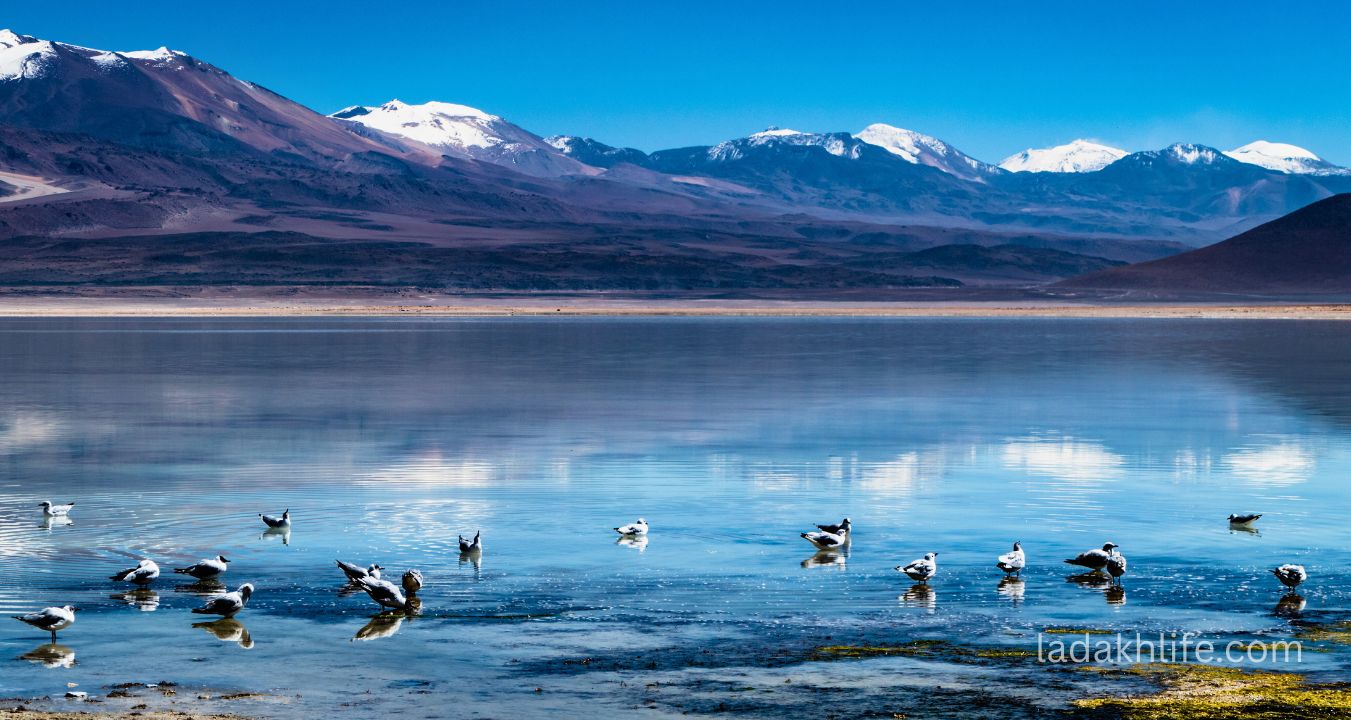
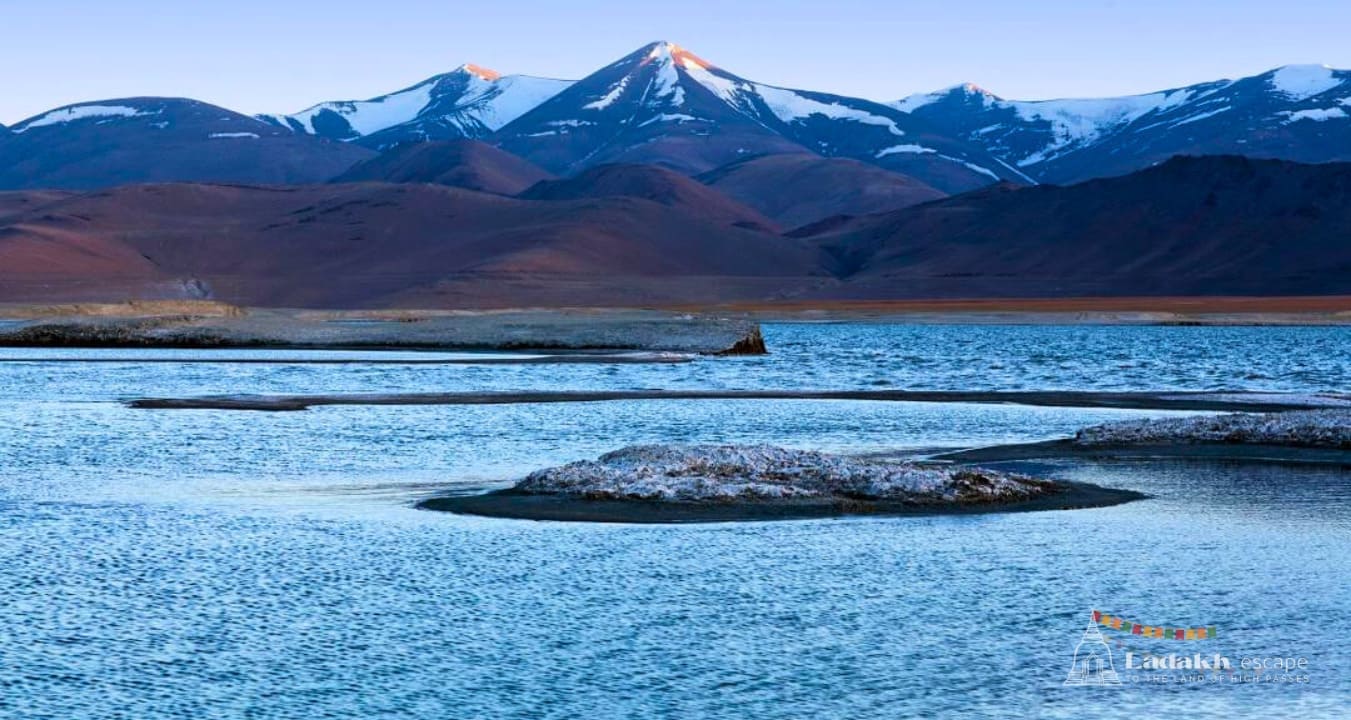
Tso Ltak (also known as Tsoltak) is a beautiful high-altitude glacial lake located in Ladakh, India, on the scenic Leh to Pangong Tso route near Chang La Pass. Situated at an altitude of approximately 16,618 feet (5,065 meters), the lake is known for its striking blue waters, dramatic Himalayan surroundings, and peaceful atmosphere.

Unlike more popular tourist attractions in Ladakh, Tso Ltak remains relatively less crowded, making it a perfect roadside stop for travelers seeking quiet moments and photography opportunities amidst raw Himalayan landscapes.

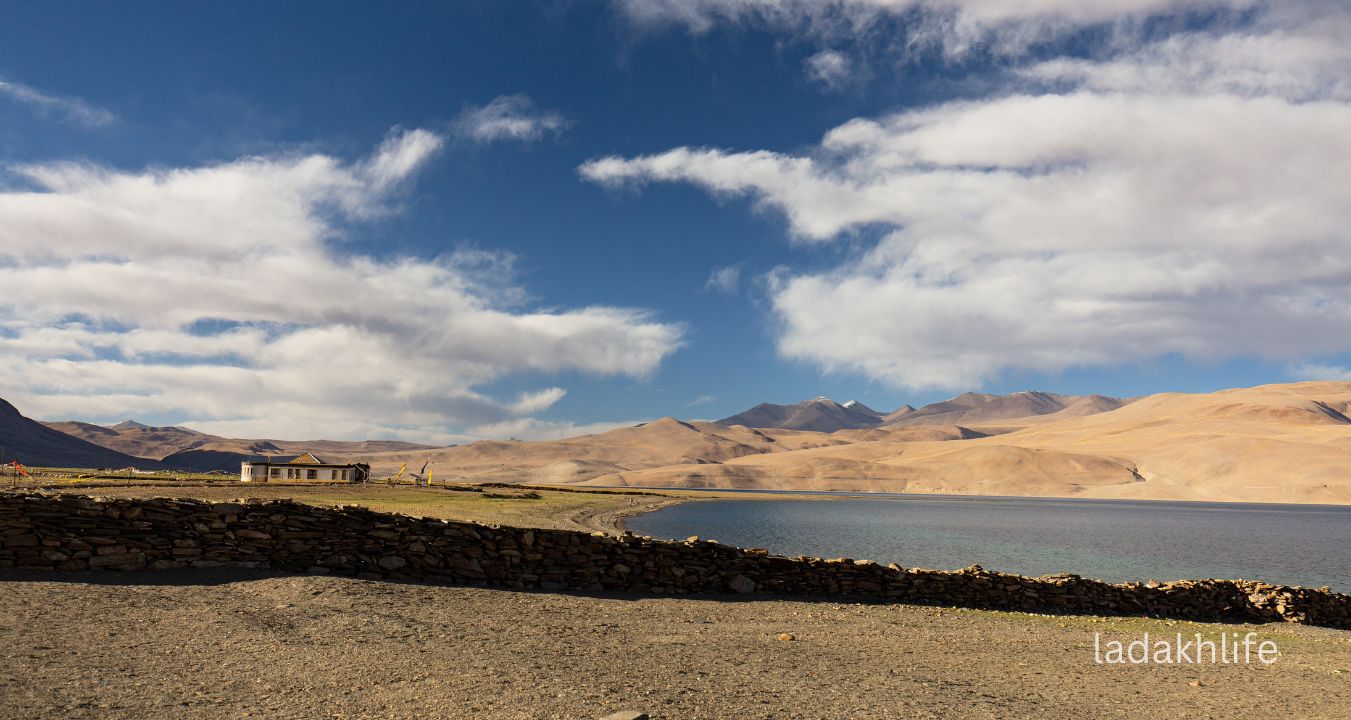
The lake is surrounded by rugged mountains and cold desert terrain, offering a surreal view of the Changthang region. During the travel season, visitors often pause here to enjoy the scenery, and in some cases, seasonal boating activities may be available depending on local conditions.

Tso Ltak is an ideal stop for road trippers, bikers, and adventure travelers exploring the Leh–Pangong circuit, offering a refreshing break before reaching the iconic blue waters of Pangong Tso.

Tso Ltak Lake Ladakh, Tsoltak Lake, Chang La Pass lake stop, Leh to Pangong route attractions, high altitude lakes Ladakh, glacial lakes Ladakh, offbeat stops Ladakh road trip, hidden lakes Ladakh, Ladakh sightseeing stops, Pangong Tso route lake, Changthang region lakes, Ladakh travel guide, scenic lakes near Chang La.

Ladakh travel guide brand logo Tso Ltak Lake exploration
LadakhLife.com
To The Land of High Passes
5,065+ Meters Above Sea Level

Tso Ltak Lake, Ladakh Travel Guide, Scenic Landscape & Route Experience

Explore Tso Ltak (Tsoltak) Lake in Ladakh, a breathtaking high-altitude glacial lake located on the Leh to Pangong Tso route near Chang La Pass, known for its crystal-blue waters and peaceful Himalayan surroundings.

About Tso Ltak Lake

Tso Ltak (also known as Tsoltak) is a stunning high-altitude glacial lake in Ladakh, situated at an elevation of approximately 5,065 meters (16,618 feet). Located near Chang La Pass on the scenic route to Pangong Tso, the lake is a quiet and lesser-known stop surrounded by rugged mountains and cold desert landscapes.

Scenic Landscape of Tso Ltak

The lake is known for its striking blue waters that beautifully reflect the surrounding Himalayan peaks. The ever-changing light conditions create dramatic scenery throughout the day, making it a perfect stop for photography and short breaks during the Leh–Pangong road journey.

Tso Ltak Travel Experience

Visiting Tso Ltak offers a peaceful and offbeat travel experience in Ladakh. Unlike crowded tourist destinations, this lake remains relatively untouched, making it ideal for bikers, road trippers, and photographers exploring the Changthang region.

Best Time to Visit Tso Ltak Lake

The best time to visit Tso Ltak Lake is from May to September when the Leh–Pangong route remains open and weather conditions are suitable for travel. During winter, heavy snowfall and extreme cold make the area inaccessible.

Travel Tips for Tso Ltak Visitors

  • Acclimatize in Leh before traveling due to extreme high altitude conditions.
  • Carry warm clothing as temperatures can drop even during summer.
  • Keep sufficient fuel, water, and snacks as facilities are limited on this route.
  • Mobile network coverage is very weak or unavailable near Chang La region.
  • Respect the fragile Himalayan ecosystem and avoid littering around the lake.

Reflections of the Himalayas

Ladakh is home to breathtaking high-altitude lakes in the world, crystal-clear waters reflect towering Himalayan peaks and vast open skies. Serene beauty of Tso Moriri, these lakes offer tranquil escape into nature’s raw and untouched splendor.

Discover the Timeless Wonders of Ladakh

Journey through Ladakh’s crystal-clear high-altitude lakes, ancient Buddhist monasteries, winding mountain passes, and tranquil Himalayan villages where every landscape tells a story of raw, untouched beauty.