So, What Exactly is Dras Valley?
Dras Valley is a high-altitude valley in the Kargil district, sitting at 3,280 meters (10,760 feet) along the Dras River, a tributary of the Suru River. It's the first major settlement after crossing the Zoji La pass from Srinagar, which is why it's often called the "Gateway to Ladakh."
The valley is home to the Shina people, an ethnic group with their own language, culture, and traditions. Unlike the Buddhist-majority regions of Leh and Nubra, Dras is predominantly Muslim a beautiful reminder that Ladakh is a land of many faiths living side by side.
But here's what Dras is most famous for the cold. In winter, temperatures routinely drop to -30°C to -45°C. The Dras River freezes so thick you can drive trucks on it. Schools close for months. People stock up on firewood and dry vegetables and wait for spring. And somehow, they not only survive they thrive. There's a resilience here that humbles you.
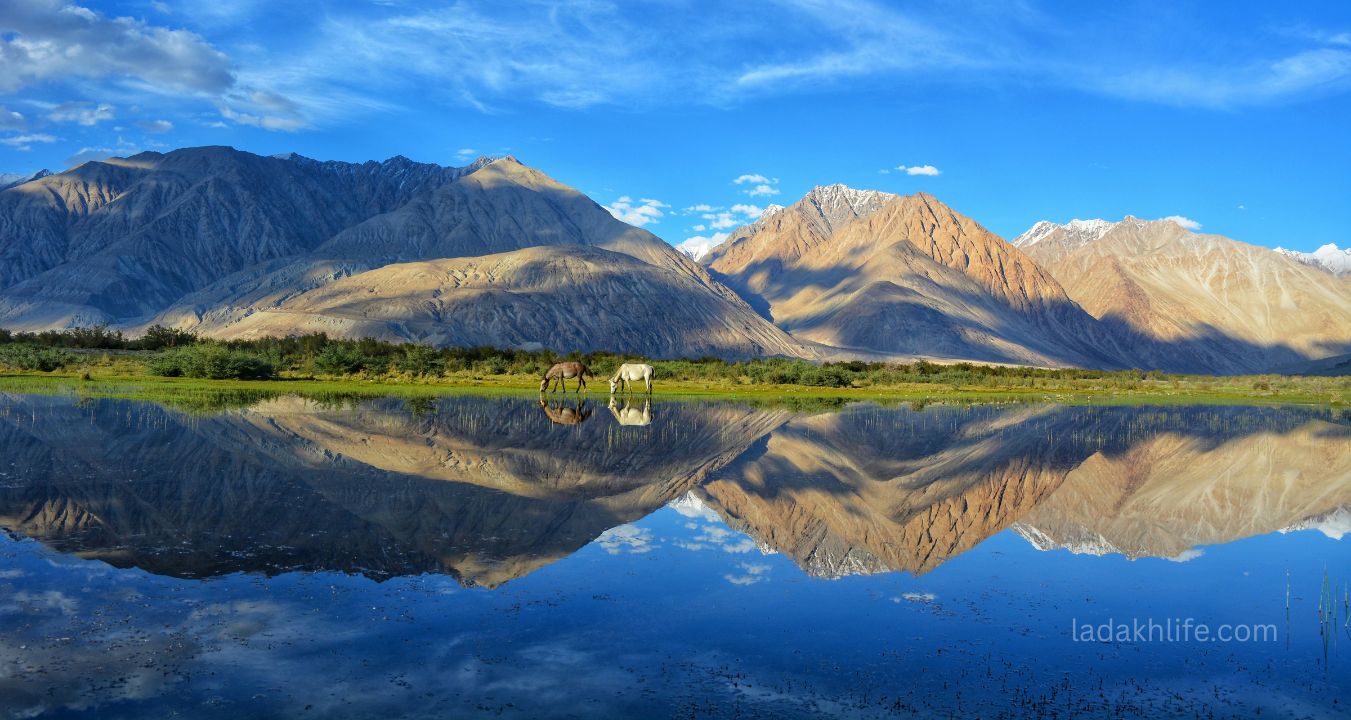
In summer, Dras transforms. The snow melts, revealing green meadows, wildflowers, and breathtaking views of the Tiger Hill and Tololing Peak names that every Indian remembers from the Kargil War of 1999. The valley becomes lush, the weather is pleasant (15-25°C), and the famous Dras apples ripen on the trees. Summer in Dras is so beautiful that you'll forget, for a moment, how brutal winter can be.
Why Dras Valley is Worth More Than a Drive-Through
Most people treat Dras as a lunch stop on the Srinagar-Leh highway. They take a photo at the "Second Coldest Place" sign, maybe visit the war memorial, and drive on. Here's why you should stay longer:
- The Kargil War history. The Dras War Memorial is a moving tribute to the soldiers who fought and died on these mountains. Standing there, looking up at Tiger Hill, is an emotional experience.
- The Shina culture. The people of Dras are incredibly warm and welcoming. Their language, music, and food are unique to this valley. A homestay here is unforgettable.
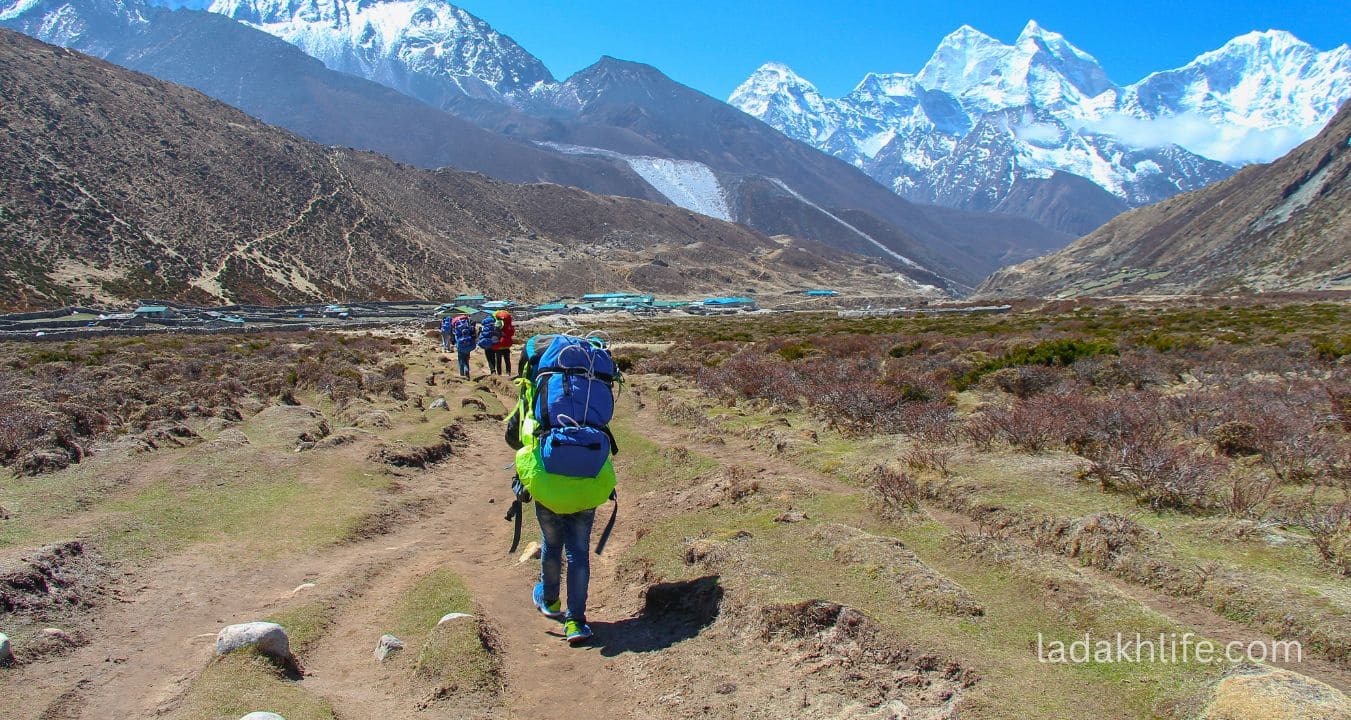
- Stunning trekking. Dras is the starting point for treks to the Amarnath Cave (via the Kashmir side) and several high-altitude lakes. Less crowded than the treks near Leh.
- The apples. Dras apples are small, sweet, and famous across Ladakh. If you visit in August or September, you'll understand why.
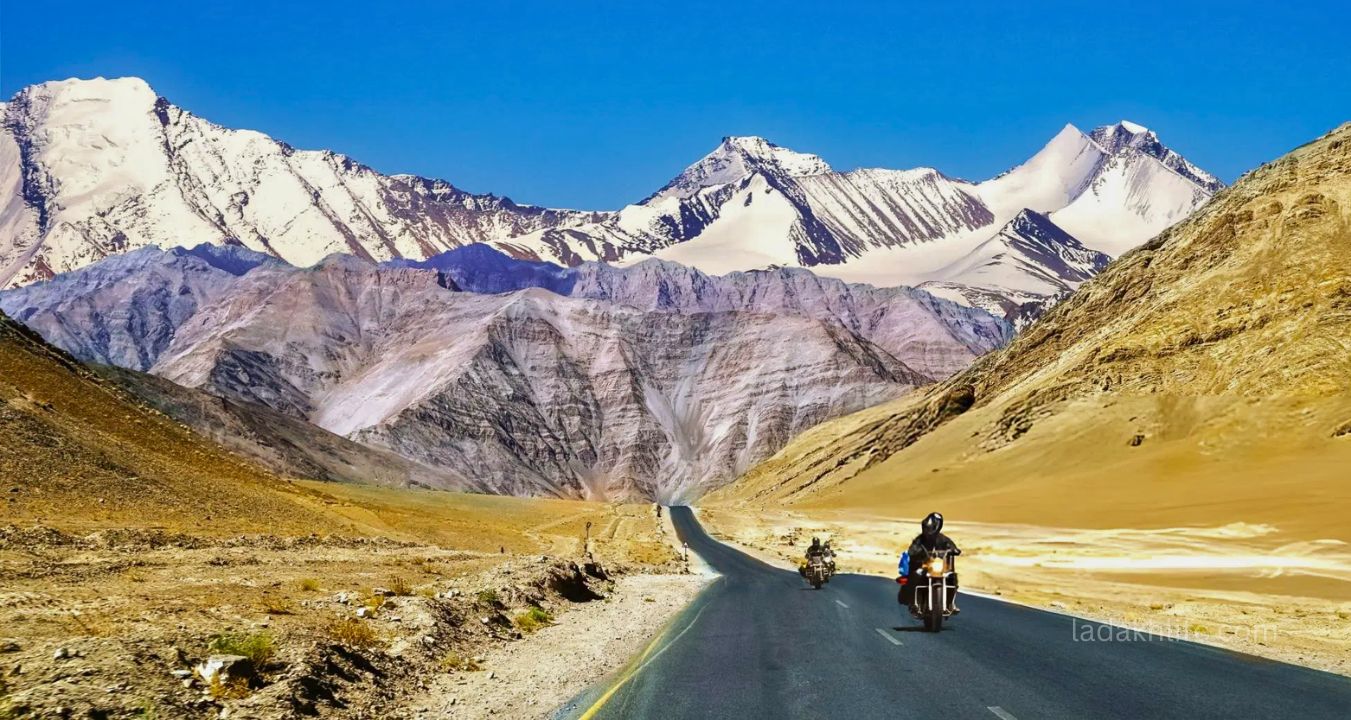
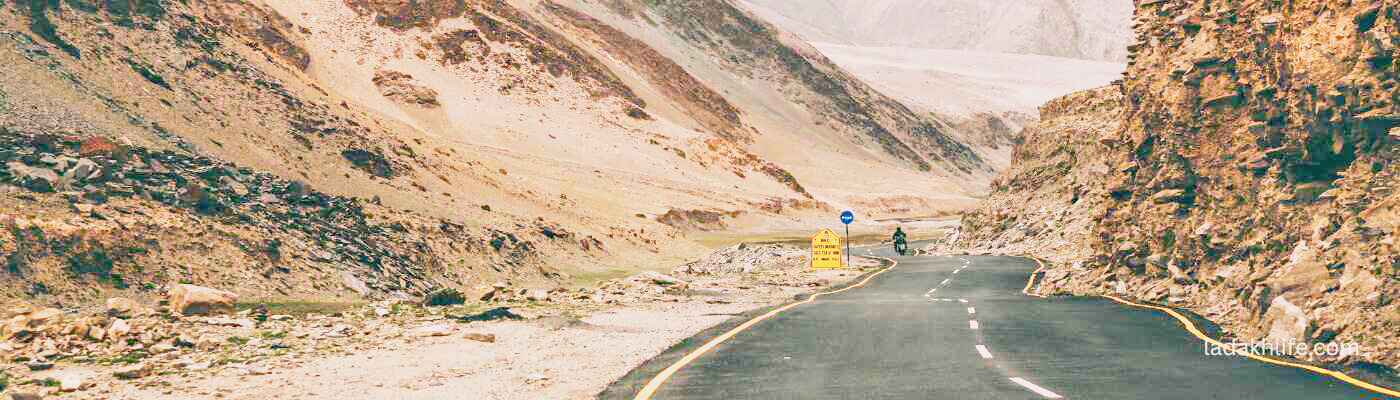
- The drive itself. The road from Dras to Kargil, following the Suru River, is one of the most beautiful stretches of highway in the Himalayas. Stop. Take photos. Breathe it in.
Dras doesn't have big monasteries or famous lakes. What it has is quieter a raw, honest beauty that grows on you the longer you stay.
The Crown Jewels of Dras Valley (Don't Miss These)
1. Dras War Memorial The Kargil War Tribute
About 5 kilometers before Dras town, on the left side of the highway, is the Kargil War Memorial (also called the Dras War Memorial). It's a simple but powerful tribute to the soldiers who lost their lives in the 1999 Kargil War. The names of the martyrs are carved in stone. The actual peaks where the battles were fought Tiger Hill, Tololing, Point 4875 loom above you. There's a small museum with photos and weapons from the war. And every evening, there's a flag-lowering ceremony that will give you goosebumps.
I stood there, looking up at Tololing, and tried to imagine soldiers climbing those sheer rock faces under enemy fire. I couldn't. The scale of their courage is almost impossible to comprehend. If you're Indian or even if you're not this place will move you.
2. Tiger Hill & Tololing Peak The Mountains That Made History
You can't visit Dras without looking up at Tiger Hill and Tololing Peak. These are the mountains that became household names during the Kargil War. Today, they're peaceful. Prayer flags flutter on the lower slopes. Shepherds graze their goats. But the bunkers and trenches are still there, hidden among the rocks, reminders of a time when these hills roared with gunfire.
You can't climb them without permission (they're still near the border), but you can hike to nearby viewpoints. Ask at the war memorial or at your homestay for guidance.
3. Mushkoh Valley The Secret Meadow
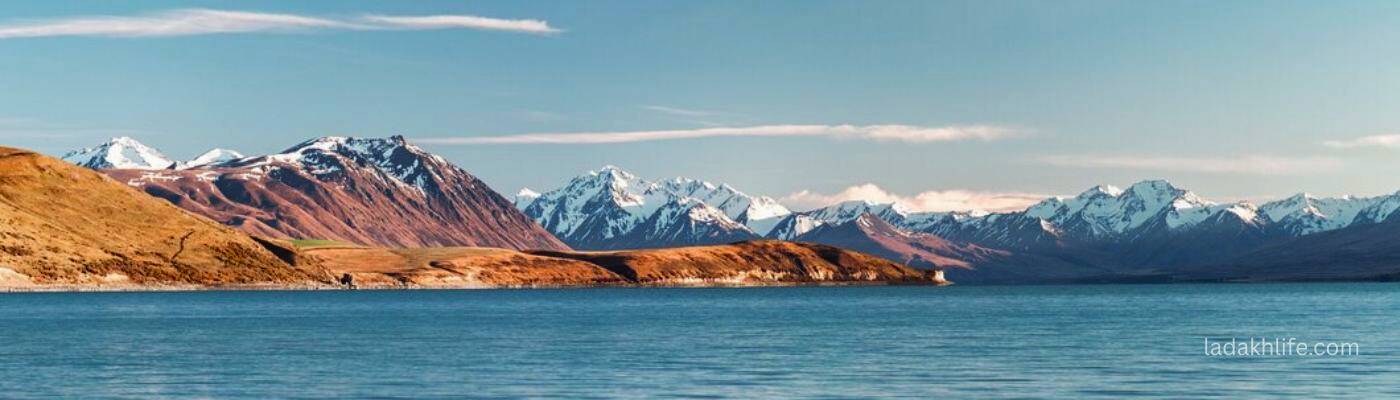
A side valley off the main Dras Valley, Mushkoh Valley is a hidden gem that almost no tourists visit. It's a wide, green meadow surrounded by snow-capped peaks, with the Mushkoh River flowing through the middle. In summer, it's carpeted with wildflowers. In winter, it's buried under 10 feet of snow. The road is rough a 4x4 is recommended but the silence and beauty at the end are worth every bump.
4. Minamarg The Last Village Before Zoji La
A few kilometers west of Dras is Minamarg, a tiny village that marks the boundary between Ladakh and Kashmir. The views of the surrounding peaks from here are stunning. There's a small dhaba (roadside eatery) that serves hot maggi and chai to travelers crossing Zoji La. Stop here. Warm up. Talk to the locals. You'll hear stories of winter months of isolation, snow so deep it covers the houses, and the first truck of spring arriving like a festival.
5. The Dras River Walk Follow the Water
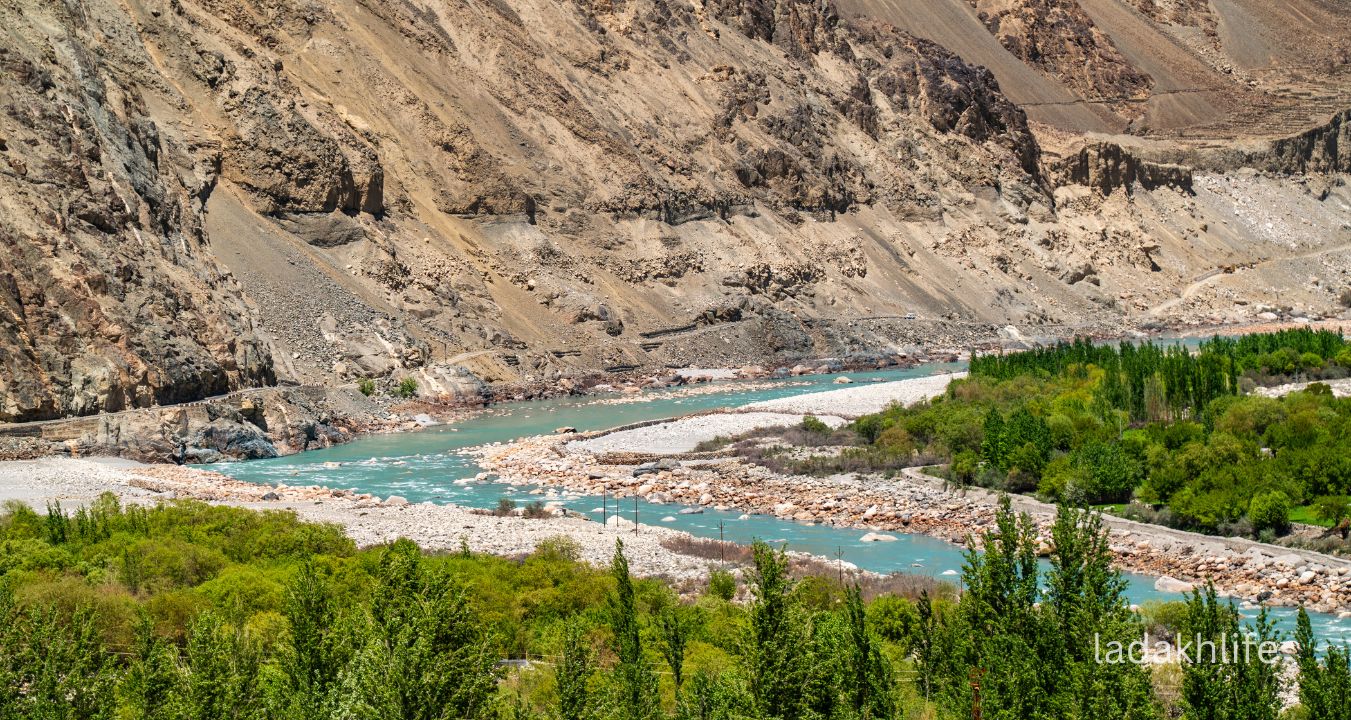
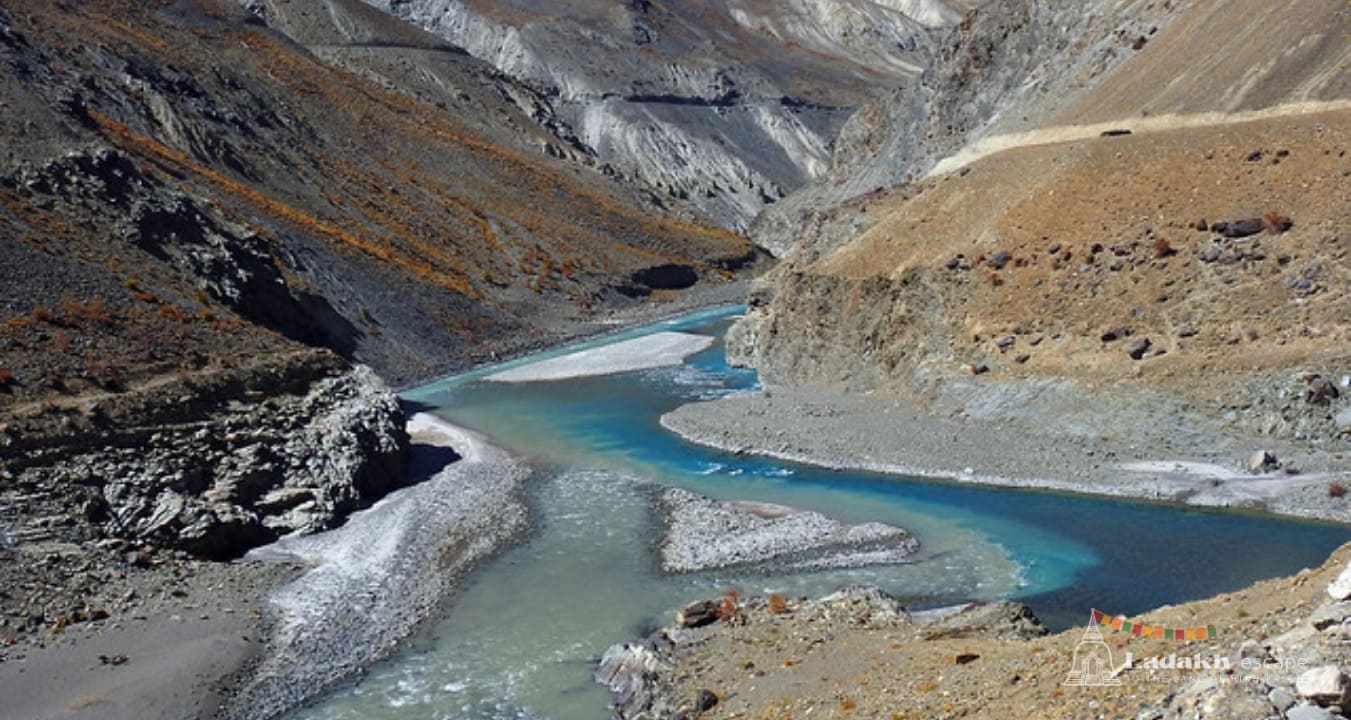
The Dras River runs right through the valley. Follow it upstream or downstream both directions are beautiful. You'll pass through farmland, cross wooden bridges, and see traditional Shina houses with their distinctive wooden balconies. In late summer, the river is full and grey-green. In spring, it's low and clear. Either way, it's a peaceful walk that costs nothing and gives everything.
6. Local Homestays The Real Heart of Dras
I'm putting this as a "crown jewel" because it is. The Shina people of Dras are some of the most hospitable I've met anywhere in Ladakh. Stay in a homestay, and you'll eat home-cooked food, hear stories about winter survival, and maybe even learn a few words of Shina. The food is simple but delicious hearty soups, fresh bread, apricot jam, and endless cups of chai. You'll leave with new friends.
Best Time to Visit Dras Valley
This depends entirely on what you want. Dras has two very different personalities summer and winter.
Summer (June to September): This is the best time for most travelers. The road from Srinagar is open, the weather is pleasant (15-25°C during the day, 5-10°C at night), the valley is green, and the apples are ripe in August-September. You can visit the war memorial, explore the side valleys, and stay in homestays comfortably.
Winter (December to February): This is for the truly adventurous or the crazy. Temperatures drop to -30°C to -45°C. The road from Srinagar is often closed due to snow (Zoji La closes). But if you can get here, you'll experience the famous Dras winter frozen rivers, complete silence, and a landscape so stark and beautiful it's almost surreal. Do not attempt without a 4x4, extreme cold weather gear, and a very good reason.
May and October: Shoulder months. May is cool but lovely snow is melting, the first green shoots appear. October is cold (near freezing at night) but the autumn colors are beautiful. Some homestays close by mid-October, so call ahead.
Pro tip: September is my favorite month in Dras. The weather is perfect, the apples are ripe, the summer crowds are gone, and the light is golden.
Where to Stay in Dras Valley
Homestays are the way to go. Dras has a few hotels (basic at best), but staying with a Shina family is an experience you'll remember forever.
Local homestays (ask in town): Several families in Dras town and the surrounding villages offer rooms. Just ask around or check with the tourist information center (if it's open). Expect basic but clean rooms, shared bathrooms (squat toilet, sometimes outside), and the warmest hospitality. Cost: ₹500-1000 per night including dinner and breakfast.
Hotel Dras: The main hotel in town. Basic but reliable. Private rooms, attached bathrooms, and hot water sometimes. Around ₹1500-2000 per night. Fine if you prefer privacy, but you'll miss the homestay experience.
Camping: You can camp near the river with permission, but at 3,280 meters, nights are cold even in summer. Only camp if you have a -5°C or -10°C sleeping bag.
Important: Call ahead in peak season (July-August) as options are limited. No online booking apps work here.
How to Get to Dras Valley
Dras is on the main Srinagar-Leh highway (NH 1), which makes it accessible at least in summer.
From Srinagar (140 km, 4-5 hours): Drive Srinagar → Sonamarg → Zoji La pass (3,528m) → Dras. The road is good until Sonamarg, then gets rougher over Zoji La. In summer, the pass is open and manageable in a regular car (though a 4x4 is better). Shared taxis run from Srinagar to Dras and Leh ask at the Tourist Reception Centre in Srinagar.
From Leh (340 km, 8-9 hours): Drive Leh → Kargil → Dras. The road is good except near Fotu La (4,108m). Most of the drive is stunning Moonland, Mulbekh, the Suru River. Break the journey in Kargil overnight, then drive to Dras the next morning.
From Kargil (60 km, 1.5 hours): The closest town. Shared taxis and buses run from Kargil to Dras regularly in summer. Cheap and easy.
Public transport: Buses run from Srinagar to Leh via Dras. They're cheap, slow, and crowded. But if you're on a budget, they're your best bet.
Altitude, Fitness, and Acclimatization
Dras sits at 3,280 meters lower than Leh (3,500m) and much lower than most of Ladakh. Altitude sickness is less of an issue here, but it's still possible.
- If coming from Srinagar (low altitude), take it easy on day 1. You're climbing from 1,500m to 3,280m in a few hours. Some people feel it.
- Drink plenty of water. 3-4 liters a day. Dehydration makes altitude symptoms worse.
- If you feel a headache or nausea, rest. Don't push yourself. Dras is lower, so descending isn't usually necessary just take it slow.
- No special fitness required. Walking around Dras is easy. Hiking to the hills requires moderate fitness but nothing extreme.
What to Pack for Dras Valley
Dras is colder than most of Ladakh in winter, but summer is pleasant. Here's what you need:
- Shoes: Comfortable walking shoes for town and easy hikes.
- Clothing (summer): T-shirts, fleece sweater, windproof jacket (evenings are chilly), trekking pants, warm socks, hat, scarf.
- Clothing (winter only if you're brave): Extreme cold weather gear down jacket rated to -30°C, thermals, woolen layers, thick gloves, balaclava, insulated boots. Seriously, do not underestimate Dras winter.
- Accessories: Sunscreen (the sun is strong at altitude), sunglasses, lip balm, reusable water bottle.
- Gear: Power bank (charging may not be available in your room), headlamp, basic first aid kit, toilet paper, wet wipes.
- Cash: ATMs in Dras are unreliable. Bring enough cash from Srinagar or Kargil.
Essential Tips for Visiting Dras Valley
- No permits needed for Dras. Unlike much of Ladakh, Dras is not near the border, so no Inner Line Permit is required. That's one thing less to worry about.
- Respect the war memorial. It's a place of remembrance. Dress modestly, speak quietly, and don't litter.
- Dress modestly in the valley. Dras is a conservative Muslim region. Cover shoulders and knees, especially in villages.
- Learn As-salamu alaykum. It's the traditional greeting here. A little effort goes a long way.
- Ask before taking photos of people. Most will say yes, but always ask first.
- Don't litter. Carry your plastic waste back to Kargil or Srinagar. There's limited garbage collection here.
- Check road conditions before traveling. Zoji La can close due to snow even in May or October. Ask locally before heading to Srinagar.
- Carry snacks and water. Shops in Dras are limited. Stock up in Kargil or Srinagar.
Dras Valley vs Other Ladakh Destinations A Quick Comparison
- Dras vs Kargil: Kargil is larger, with more shops, hotels, and amenities. Dras is smaller, quieter, and more rural. Stay in Kargil for convenience. Stay in Dras for peace and homestay warmth.
- Dras vs Leh: Leh is the tourist hub monasteries, cafes, adventure activities. Dras is the opposite quiet, rustic, and off the beaten path. Both are worth visiting for different reasons.
- Dras vs Sham Valley: Sham has ancient Buddhist monasteries and the Indus River. Dras has war history and Shina Muslim culture. Different worlds. See both.
Why Most Tourists Rush Through Dras (And Why You Shouldn't)
Let me be honest. Dras doesn't have the dramatic monasteries of Hemis or the turquoise lakes of Pangong. It doesn't have the sand dunes of Nubra or the frozen rivers of Zanskar. What it has is quieter but no less valuable.
Dras is the kind of place that grows on you slowly. It's the old man who invites you for tea and tells you about winters past. It's the taste of fresh bread baked in a traditional tandoor. It's standing at the war memorial, looking up at Tiger Hill, and feeling a lump in your throat. It's the silence of the Dras River at sunset, when the valley seems to hold its breath.
Most people miss this because they're in a hurry to get to Leh, to start a trek, to check off a bucket list. But if you have an extra day, stop. Stay. Walk by the river. Eat the apples. Talk to the people.
Dras won't give you a famous photo for Instagram. But it will give you something rarer a quiet moment in a place that has seen both the worst and the best of humanity, and somehow, still thrives.
Dras Valley is not a place to "see." It's a place to feel. The cold, the history, the hospitality, the resilience it all seeps into you slowly. Stay a night. Maybe two. Walk by the river. Look up at the mountains. And let this frozen frontier teach you something about strength, warmth, and the beauty of simply surviving.