So, What Exactly is Sham Valley?
Sham Valley is the western stretch of Ladakh, following the Indus River from Leh all the way to Lamayuru and beyond toward Kargil. It's sometimes called Lower Ladakh because the altitude here is slightly lower than Leh around 3,200m to 3,500m (10,500 to 11,500 feet). That doesn't sound like a big difference, but trust me, your lungs will notice. Breathing feels easier here.
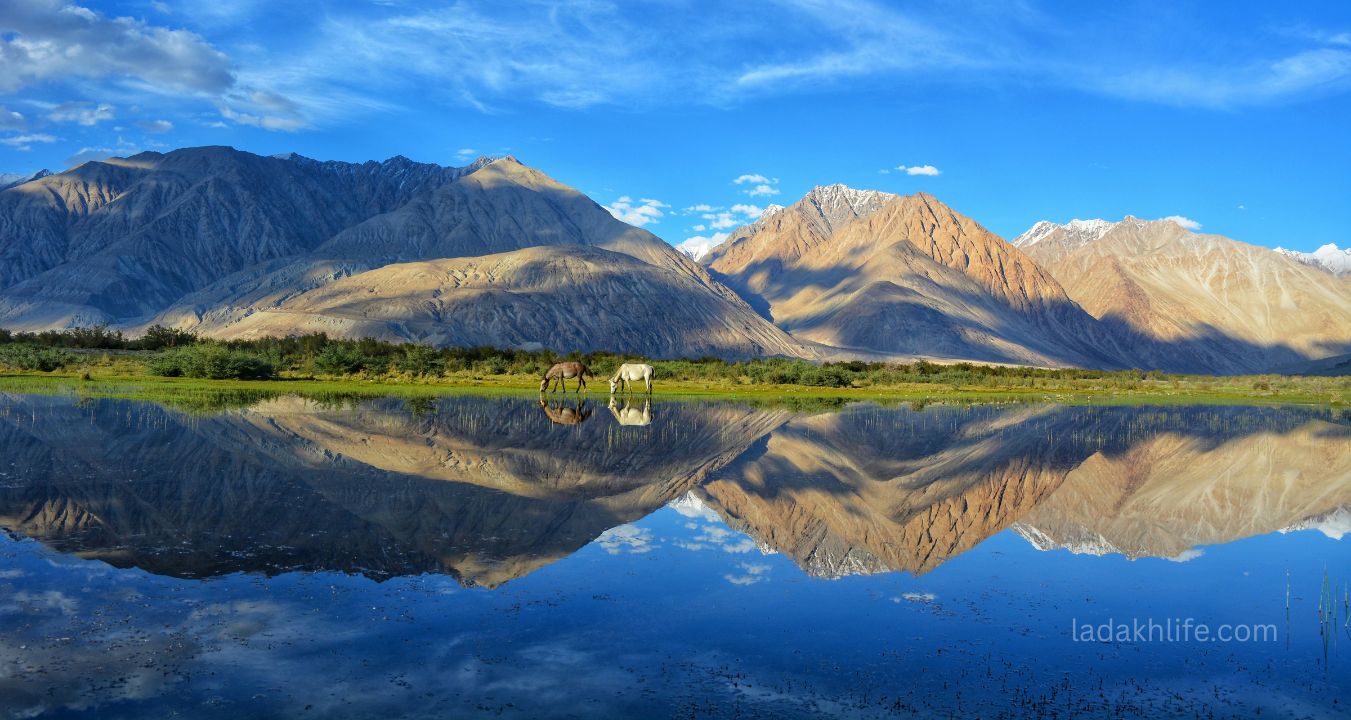
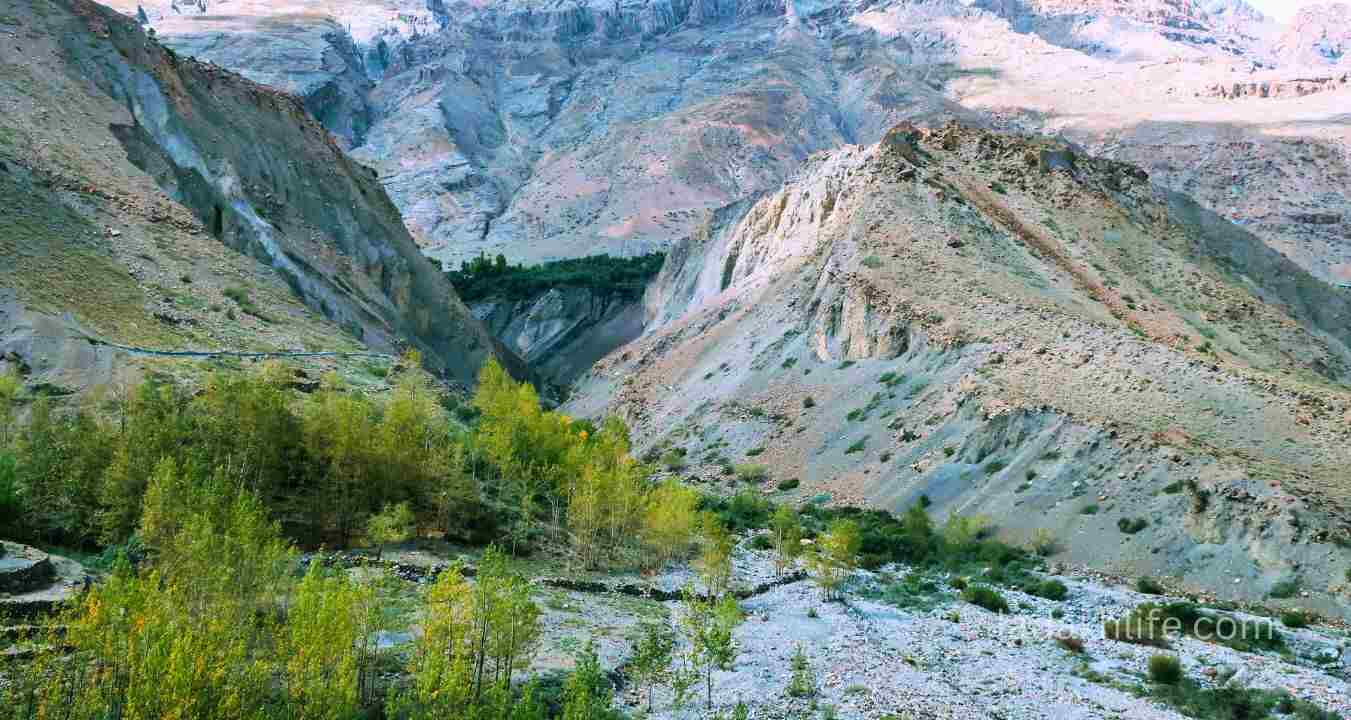
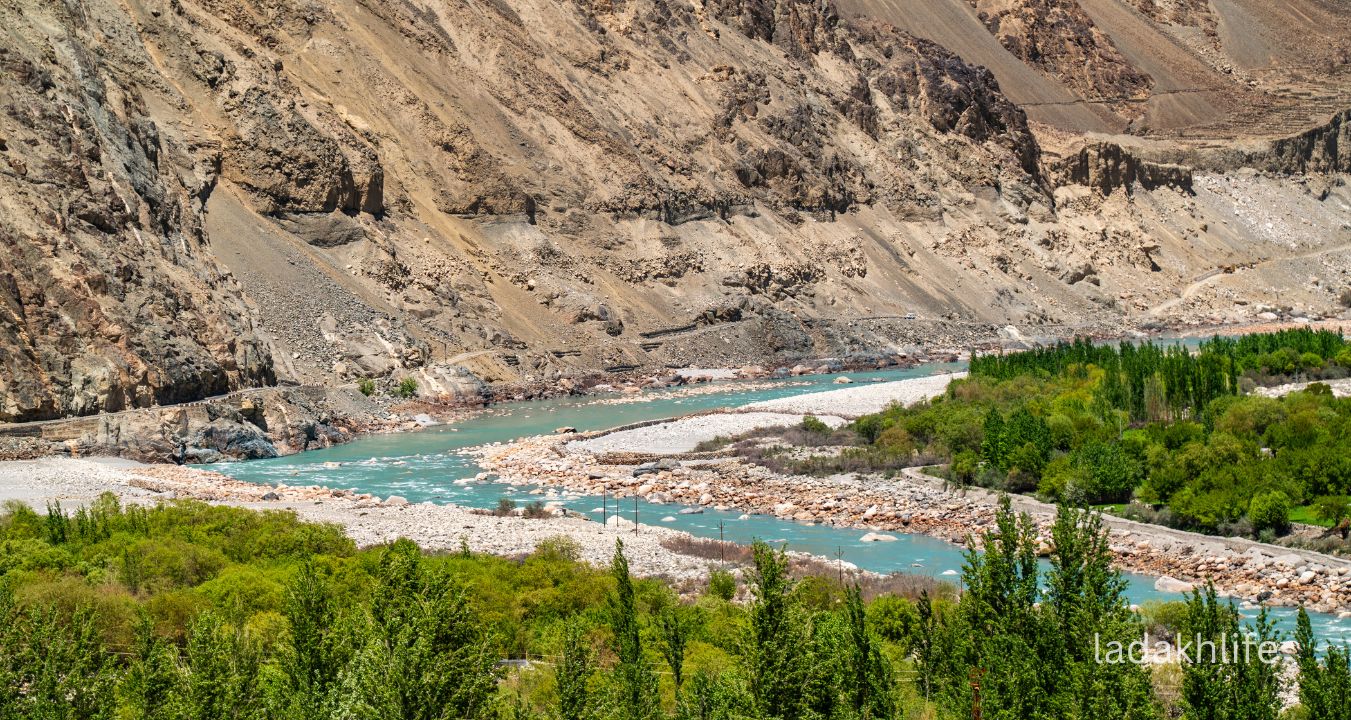
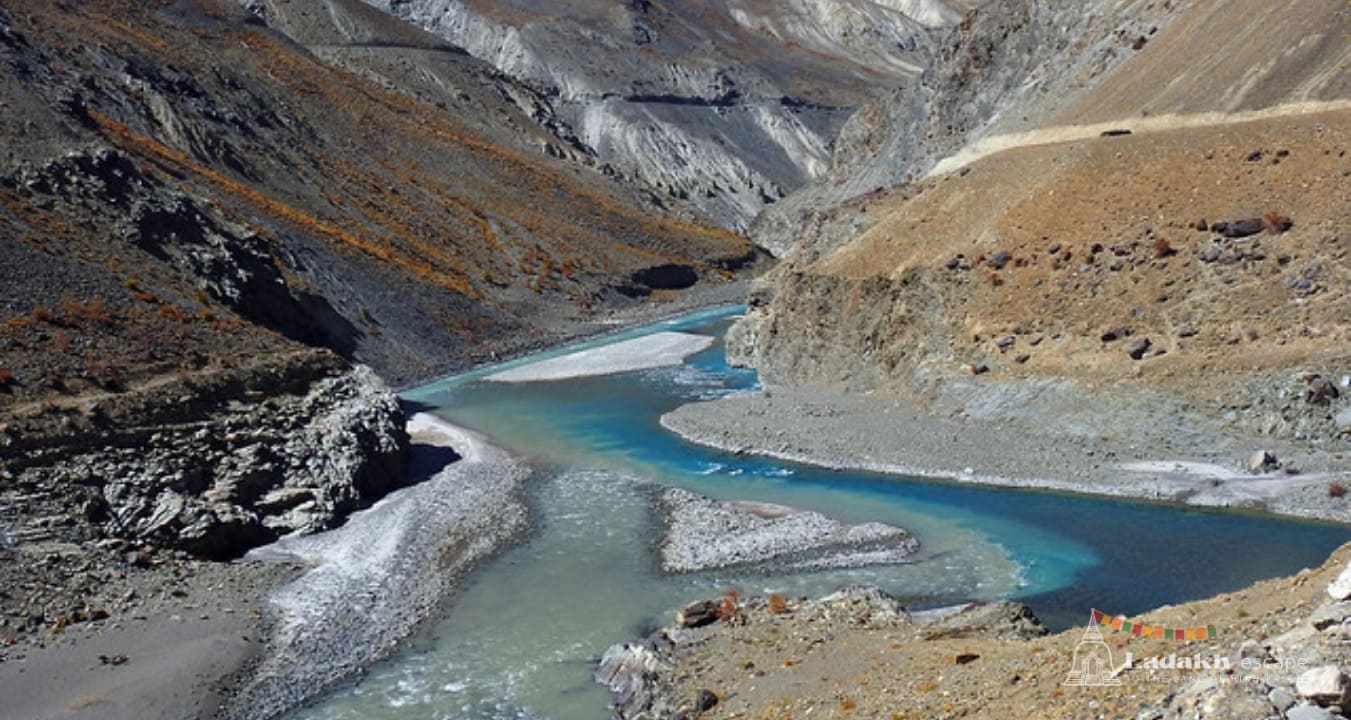
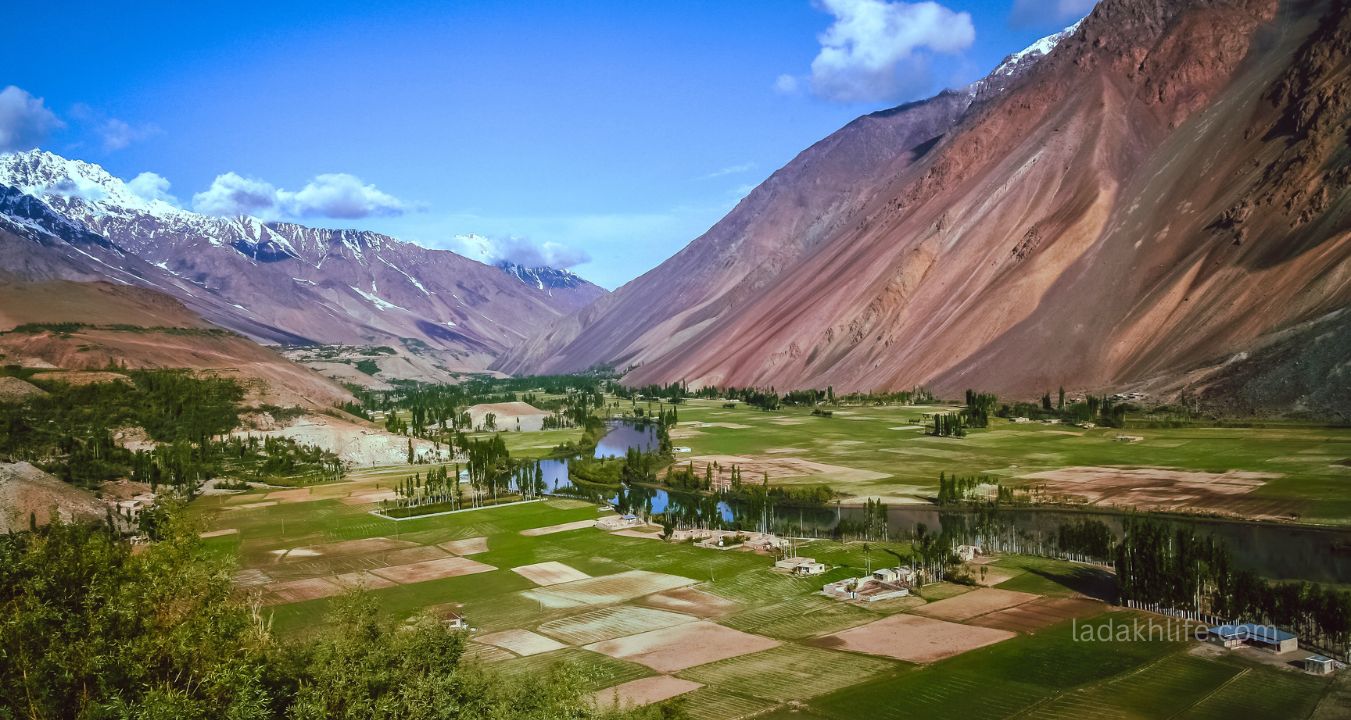
The valley is a string of beautiful villages Likir, Basgo, Saspol, Alchi, Tingmosgang, and Lamayuru. Each one has its own character. Likir has a stunning monastery on a hill. Alchi has one of the oldest and most unique Buddhist temples in Ladakh (more on that later). Lamayuru looks like the surface of the moon. And between all of them runs the Indus River, wide and grey-green, with patches of farmland and willow trees along its banks.
What I love about Sham Valley is that you don't need to be a hardcore trekker to enjoy it. You can drive, you can walk short distances, or you can do the Sham Valley trek a 3-5 day walk from Likir to Lamayuru that's considered one of the easiest and most rewarding treks in Ladakh. Perfect for beginners, families, or anyone who wants to experience the Himalayas without suffering.
Why Sham Valley is Perfect for First-Time Visitors to Ladakh
Look, not everyone comes to Ladakh to test their limits. Some people just want to see beautiful places, meet kind people, and take photos without gasping for air every five minutes. That's exactly what Sham Valley offers.
Here's why I recommend Sham Valley to almost every first-timer:
- Lower altitude means easier acclimatization. You can start exploring Sham Valley on day 2 or 3, while Leh might need 4-5 days before you feel normal.
- Roads are paved. Most of the main attractions are connected by good roads. No bumpy, spine-crushing off-roading required.
- Short, gentle treks. The Likir to Lamayuru trek is only 3-5 days, with max altitude of 3,800m (12,500 ft). No mountain passes over 4,000m. Your knees will survive.
- Homestays everywhere. Every village has families welcoming trekkers. You'll eat home-cooked food, sleep in warm rooms, and learn more about Ladakhi culture in three days than you would in a week in Leh.
- Ancient monasteries without the crowds. Alchi Monastery gets visitors, but nothing like Hemis or Thiksey. You'll often have entire prayer halls to yourself.
If you're traveling with parents, kids, or someone who's nervous about high altitudes, start your Ladakh trip in Sham Valley. Let them fall in love with the region gently. Then decide if you want to push further east to Nubra or Pangong.
The Crown Jewels of Sham Valley (Don't Miss These)
1. Alchi Monastery The Oldest & Most Unique
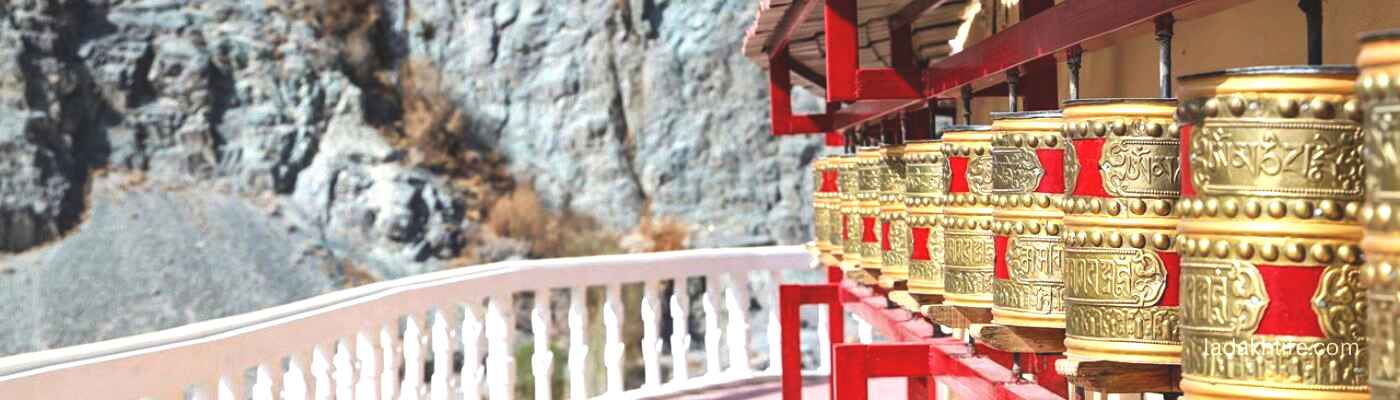
Okay, I need you to pay attention here. Alchi Monastery is different from every other monastery in Ladakh. While most gompas sit on hilltops, Alchi is on flat ground by the river. And instead of Tibetan-style architecture, it has Kashmiri and Indian influences. The wood carvings, the murals, the statues they're over 1,000 years old. The main temple has a massive statue of Avalokiteshwara with 1,000 arms. I stood there for ten minutes, just staring. No photos allowed inside, and honestly, that's fine. Some things are meant to be seen with eyes, not lenses.
2. Lamayuru Monastery & Moonland The Martian Landscape
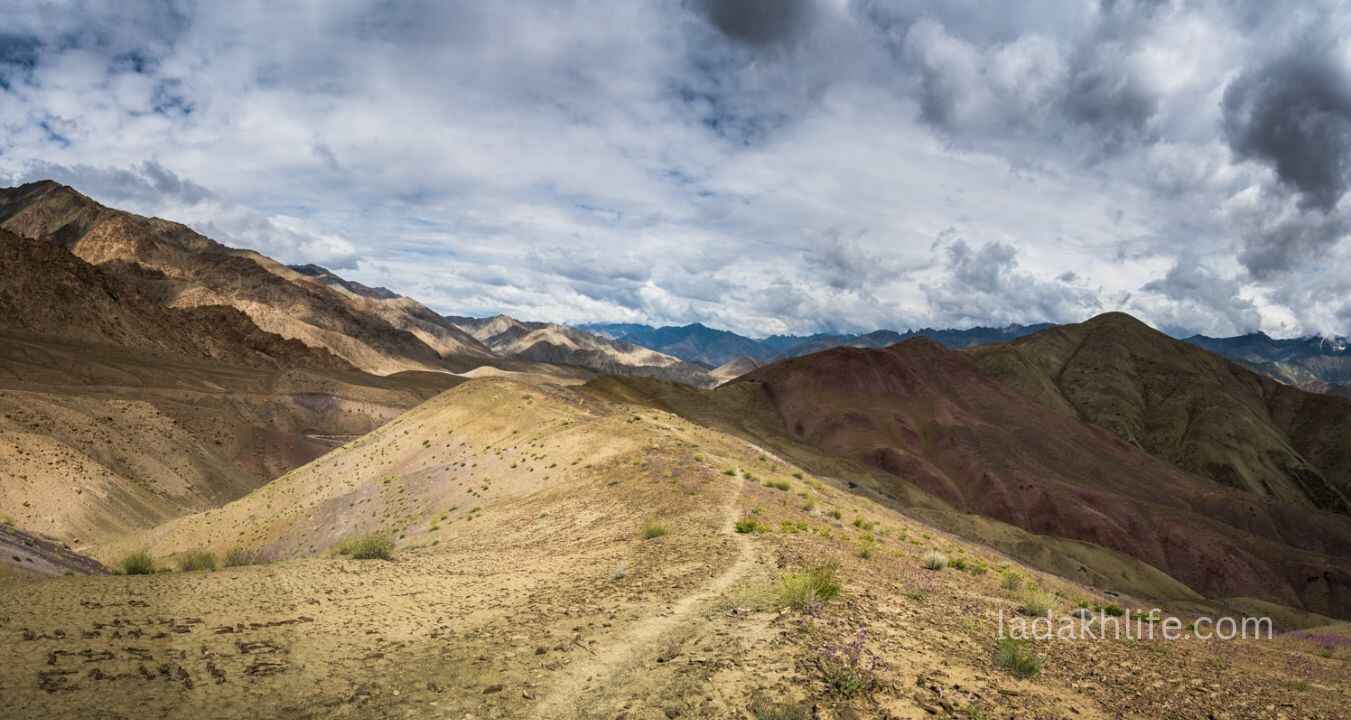
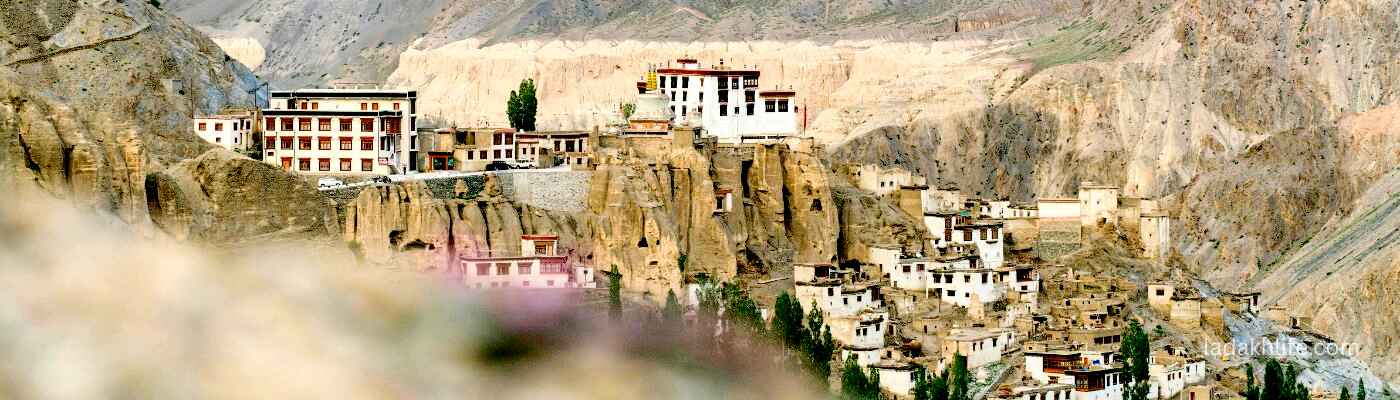
Lamayuru is the westernmost point of Sham Valley, and the landscape here is straight out of a sci-fi movie. The mountains are eroded into weird, jagged shapes grey, brown, orange, like the surface of Mars. Locals call it "Moonland". The monastery itself is one of the oldest in Ladakh, founded by the great translator Rinchen Zangpo over 1,000 years ago. Sit on the hill behind the monastery around sunset. The way the light hits those weird rock formations is something I still dream about.
3. Likir Monastery The Golden Buddha
Likir Monastery is a short drive from Leh and a common starting point for the Sham Valley trek. The monastery has a massive golden Buddha statue that you can see from miles away. What I love about Likir is the energy. It's calm. The monks are friendly. The views of the Indus Valley from the top are postcard-perfect. If you only have one day, do Likir in the morning and Alchi in the afternoon.
4. Basgo Palace The Ruined Fortress
Most tourists zoom past Basgo on their way to Alchi. Don't. This ruined palace and monastery complex sits on a hill shaped like a ship. It was once the capital of a Ladakhi kingdom. Today, it's crumbling but beautiful. You'll have the place almost to yourself. Climb to the top for a view of the Indus River snaking through the valley below. It's quiet. It's ancient. It's free.
5. Tingmosgang The Village That Time Forgot
A little off the main road, Tingmosgang is a village that feels like stepping back 200 years. Mud-brick houses, narrow lanes, old men sitting in the sun, and a small palace where the royal family of Ladakh once lived. There's a tiny monastery, a chorten, and the friendliest people you'll meet. Stay overnight in a homestay here if you want to experience real village life.
The Sham Valley Trek Perfect for Beginners & Families
Let me be honest. When people hear "trek in Ladakh," they think of 5,000-meter passes and camping in -10°C. The Sham Valley trek is not that. It's a gentle introduction to Himalayan trekking, and that's exactly why I love it.
The classic route is Likir to Lamayuru, taking 3 to 5 days depending on your pace. You walk through villages, farmland, and easy hills. The highest point is just under 4,000 meters enough to feel like you've accomplished something, not enough to make you regret every life choice.
Here's a sample itinerary:
- Day 1: Drive Leh to Likir (1 hour). Visit Likir Monastery. Walk to Yangthang village (3-4 hours). Stay in homestay.
- Day 2: Yangthang to Hemis Shukpachan (4-5 hours). This is the most beautiful stretch forests of juniper and birch, views of the Stok Range. Stay in homestay.
- Day 3: Hemis Shukpachan to Temisgang (5 hours). You cross a small pass (Mebtak La, 3,720m). The village of Temisgang is famous for its apricots. Stay in homestay.
- Day 4: Temisgang to Lamayuru (4-5 hours). You walk through the Moonland landscape before reaching the monastery. Spend the night in Lamayuru or drive back to Leh.
You don't need camping gear. You don't need a guide (though I recommend one for navigation and cultural context). You just need good shoes, a small backpack, and a willingness to walk at a relaxed pace. Best time for the Sham Valley trek is June to September. Avoid July if you hate rain August and September are perfect.
Best Time to Visit Sham Valley
The good news? Sham Valley is accessible longer than most of Ladakh because it's at a lower altitude.
May to October is the main season. May is lovely wildflowers starting, fewer tourists, rivers full from snowmelt. June to September is peak season with the best weather (20-25°C during the day, 5-10°C at night). October is crisp and clear, but nights get cold (near freezing). The landscapes in October are golden and stunning.
Winter (November to April): Most homestays close, but the main road remains open unless there's heavy snow. Lamayuru and Alchi are still visitable as day trips from Leh if you don't mind the cold. But for trekking or homestays, come in summer.
Pro tip: September is my favorite month in Sham Valley. The monsoon rains have stopped, the skies are crystal clear, and the autumn light makes the mountains glow. Plus, the tourist crowds from July-August have thinned out.
Where to Stay in Sham Valley
Homestays are the soul of Sham Valley. You'll find them in almost every village Likir, Yangthang, Hemis Shukpachan, Temisgang, Alchi, Saspol, Lamayuru. Expect basic but clean rooms (₹500-1000 per night including dinner and breakfast). The food is home-cooked Ladakhi meals thukpa, momos, khambir, butter tea, and endless cups of sweet chai.
If you prefer slightly more comfort, Alchi Resort and Lamayuru Hotel offer private rooms with attached bathrooms. But honestly? Stay in a homestay. The warmth of Ladakhi hospitality is something no hotel can match.
Book in advance during July-August if you're doing the trek, as the few homestays fill up. In September, you can usually find a bed by just showing up.
How to Get Around Sham Valley
By taxi: The easiest way. Hire a taxi from Leh for a full day (₹3000-5000 depending on the distance). Most drivers know the circuit: Likir → Basgo → Alchi → Saspol → Lamayuru → back to Leh. It's a long day (10-12 hours), but you'll see everything.
By bus: There are local buses from Leh to Lamayuru via Alchi. They're cheap (₹100-200) but slow, crowded, and unpredictable. The bus drops you at the main road, not at the monasteries, so you'll need to walk or hitch from there. Doable for budget travelers with time and patience.
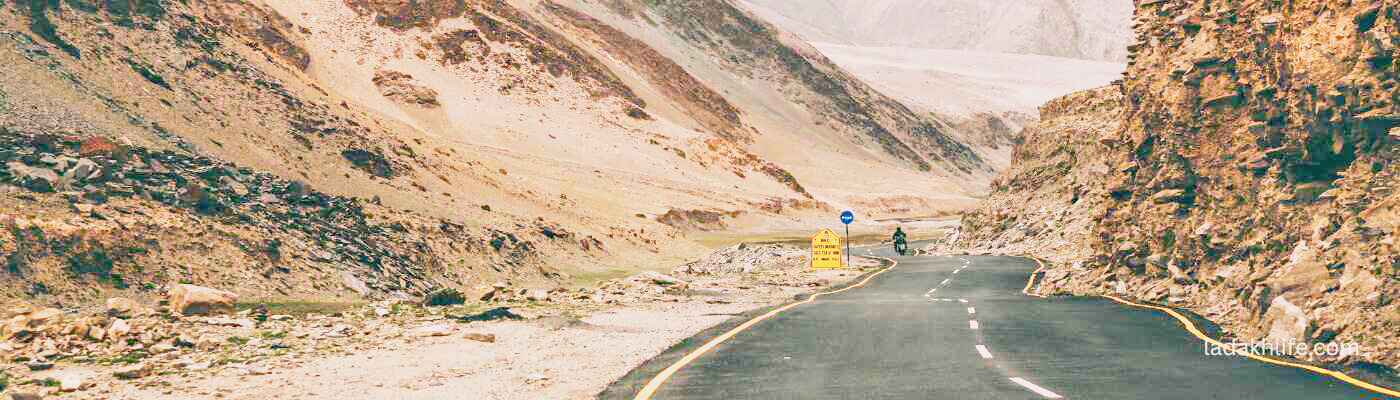
By bike: The Leh to Lamayuru road is paved and not too busy. Many travelers rent Royal Enfields in Leh and ride to Sham Valley. Just drive carefully the road is narrow in places, and occasional trucks come around blind corners.
On foot (trekking): The Likir to Lamayuru trek is well-marked. You don't need a vehicle at all. Just walk from village to village and stay in homestays along the way.
What to Pack for Sham Valley (Keep It Light)
Because Sham Valley is at lower altitude and you're not camping in the snow, you can pack lighter than other Ladakh treks.
- Shoes: Comfortable walking shoes or light trekking shoes. You don't need heavy mountaineering boots.
- Clothing: T-shirts (2-3), a fleece or light sweater, a windproof jacket for evenings, trekking pants (2 pairs), warm socks, thermals for October nights.
- Sleeping bag: Optional in summer. Homestay blankets are enough for June-September. Bring a light liner if you're fussy about cleanliness.
- Accessories: Sunscreen, sunglasses, lip balm, hat, scarf (for monasteries cover your shoulders), reusable water bottle.
- Gear: Power bank (charging is available but not always in your room), headlamp, basic first aid, water purification tablets.
- Cash: Enough for your entire stay. No ATMs in Sham Valley. The last ATM is in Leh.
Sham Valley vs Other Ladakh Valleys A Quick Comparison
- Sham vs Nubra: Nubra has sand dunes and camels. Sham has green villages and ancient monasteries. Nubra is more dramatic. Sham is more peaceful.
- Sham vs Zanskar: Zanskar is remote, hard, and extreme. Sham is accessible, gentle, and relaxed. Do Sham first. Do Zanskar only if you're ready for a challenge.
- Sham vs Markha: Markha is a 5-7 day trek through Hemis National Park. Sham is shorter, easier, and has more cultural sites. Markha for adventure. Sham for culture + easy walking.
Sham Valley won't give you the hardest trek of your life or the most dramatic Instagram shot. But it will give you something rarer a few days of genuine peace, warm smiles, and the slow rhythm of life by the Indus River. And honestly? After all the chaos of modern travel, that might be exactly what you need.