First Things First Where Even is Zanskar?
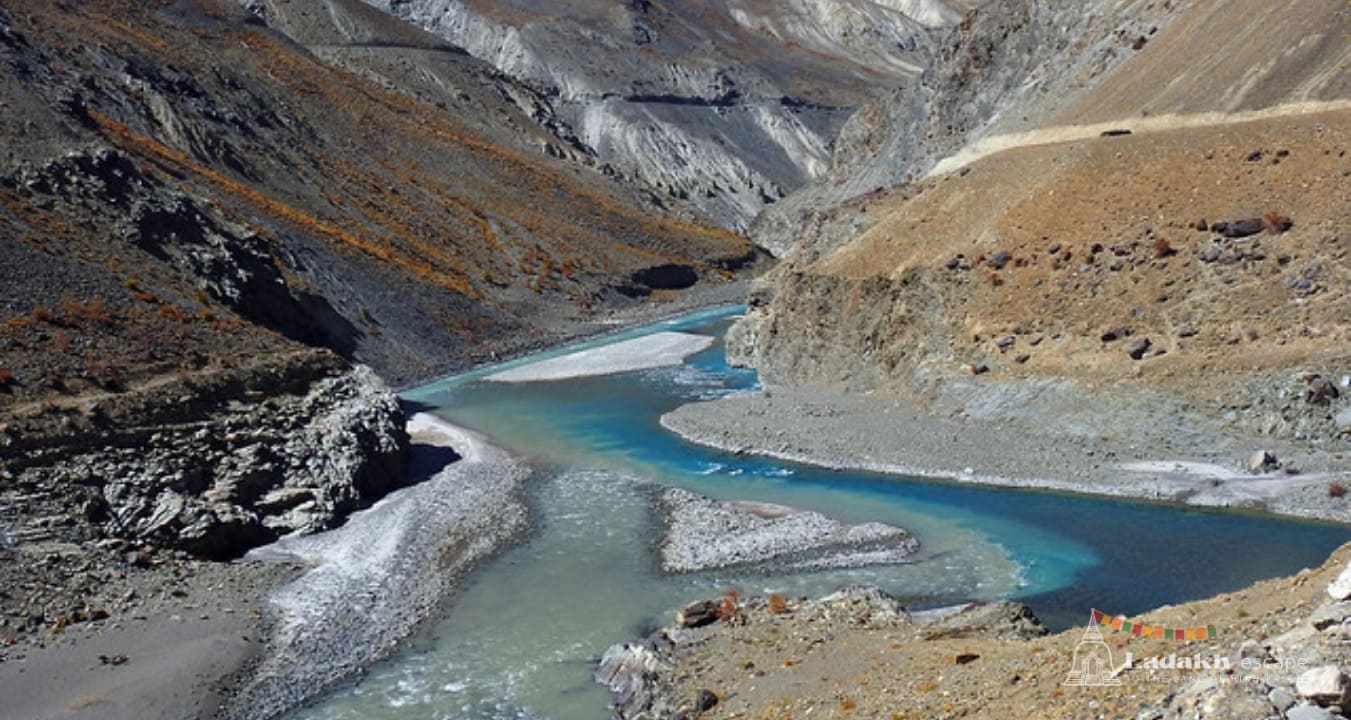
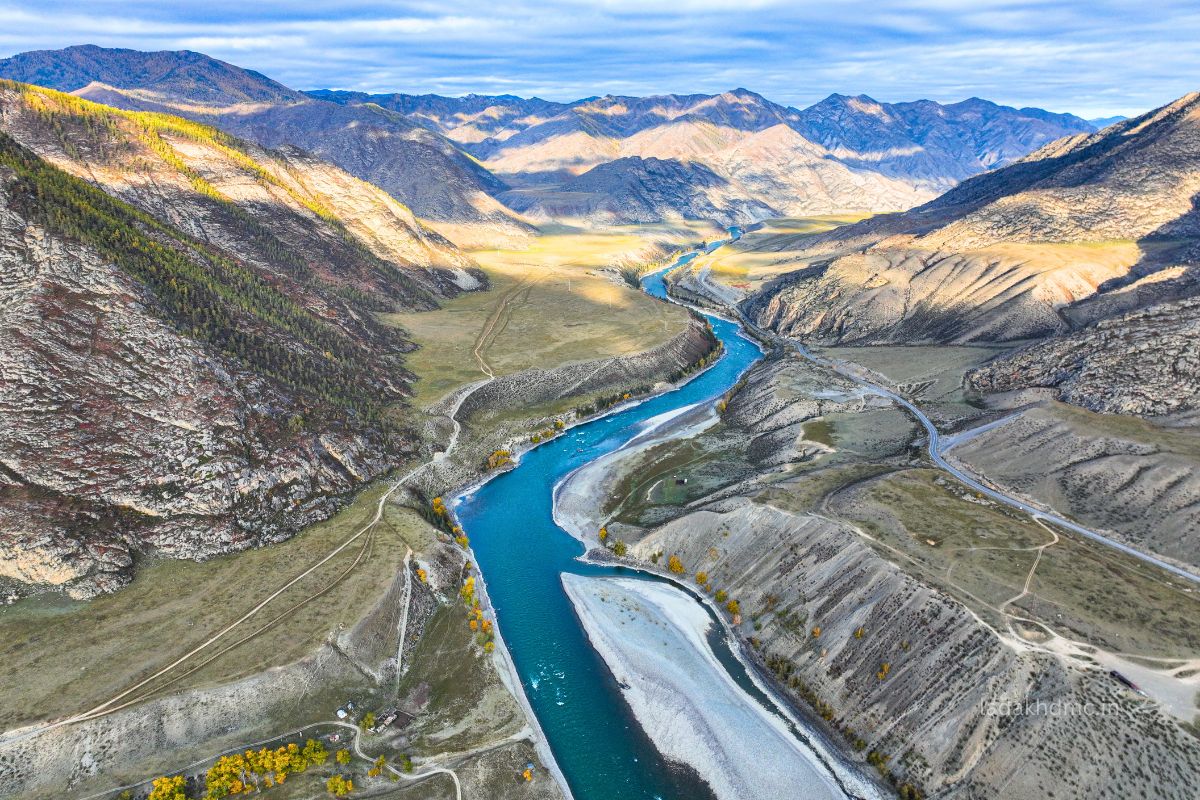
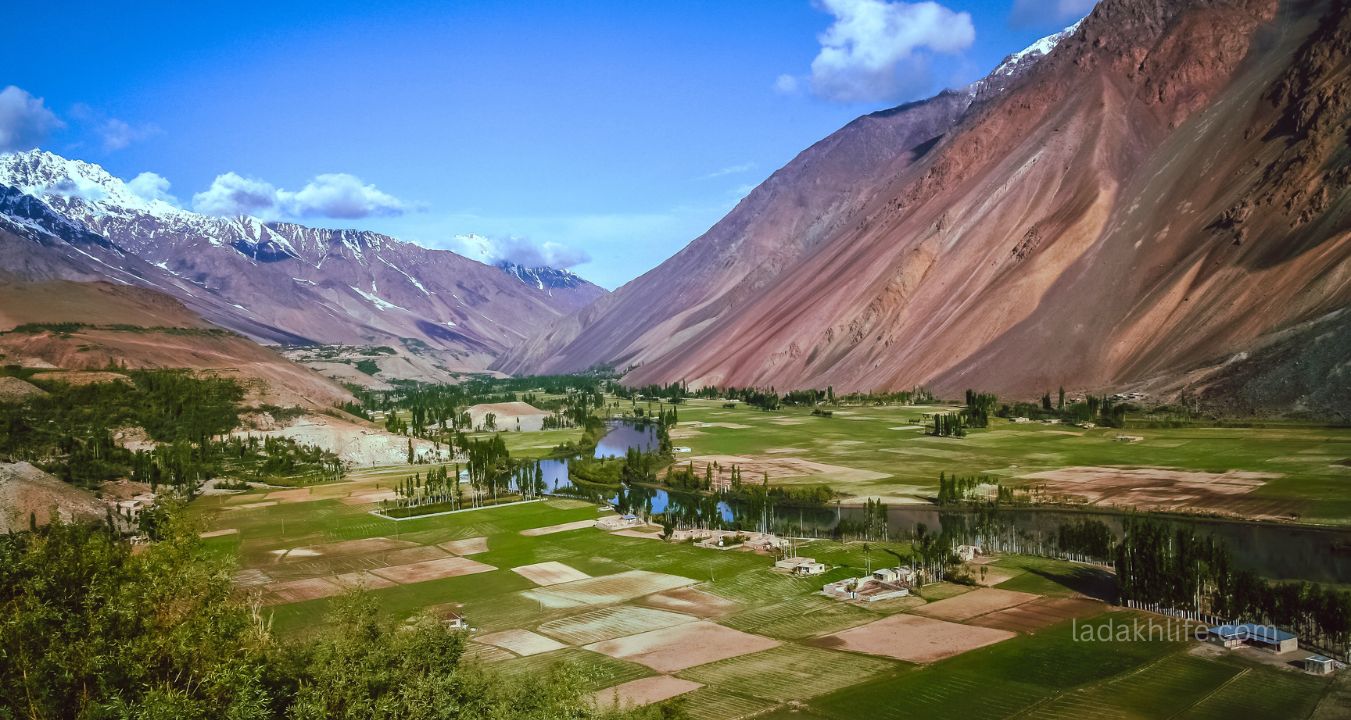
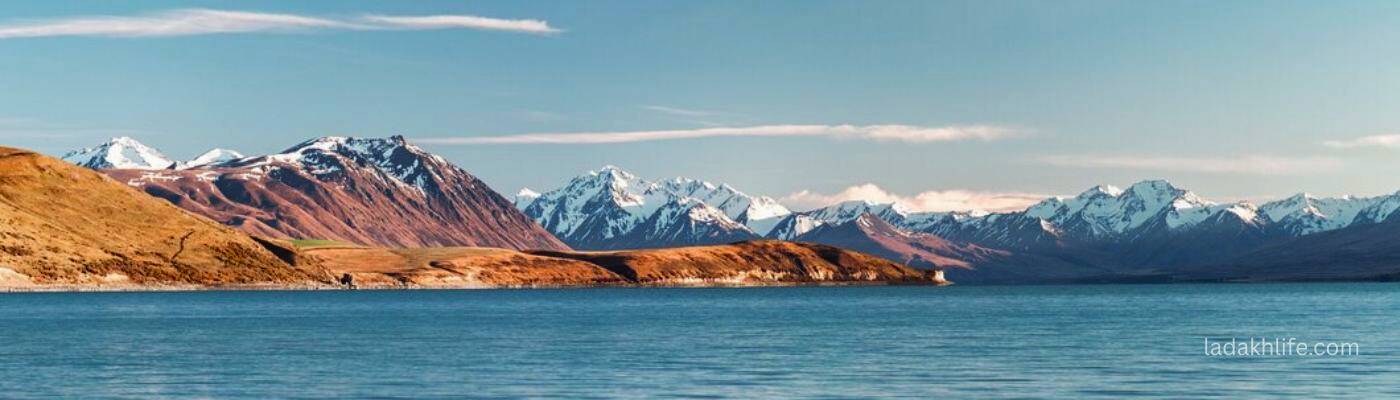
Look at a map of Ladakh. Find Kargil. Then go east. Keep going until the roads disappear. That's Zanskar. It's a high-altitude desert valley surrounded by the Great Himalayan Range and the Zanskar Range. The Zanskar River runs right through the middle, carving one of the deepest gorges in the world.
The main town is Padum and calling it a "town" is generous. A few shops, a couple of guesthouses, one or two places to eat. That's it. From Padum, the valley spreads out into smaller villages like Rangdum, Karsha, Zangla, and Stongde. Some of these places have 20 houses. Maybe 30. People here farm barley in the short summer, keep pashmina goats, and survive winters that last eight months.
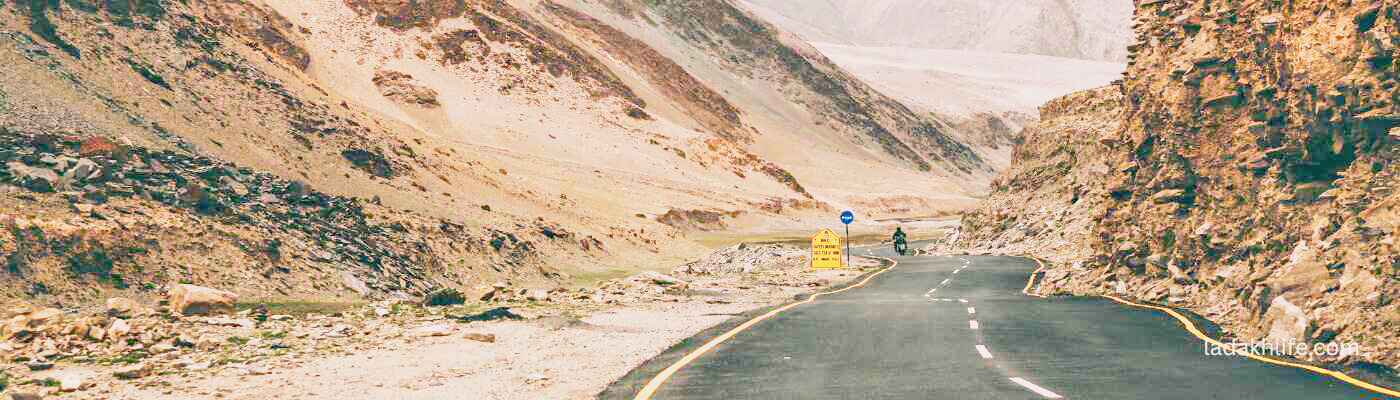
Getting here is an adventure in itself. The road from Leh to Zanskar via Kargil takes two full days if the weather cooperates. There's also a route via Manali through Darcha, but that's even rougher. Most people come here for one reason: to experience a corner of India that still feels undiscovered.
What Makes Zanskar So Different From Rest of Ladakh?
Good question. Leh and Nubra have become tourist-friendly over the years. And that's fine they're beautiful. But Zanskar? Zanskar is untamed.
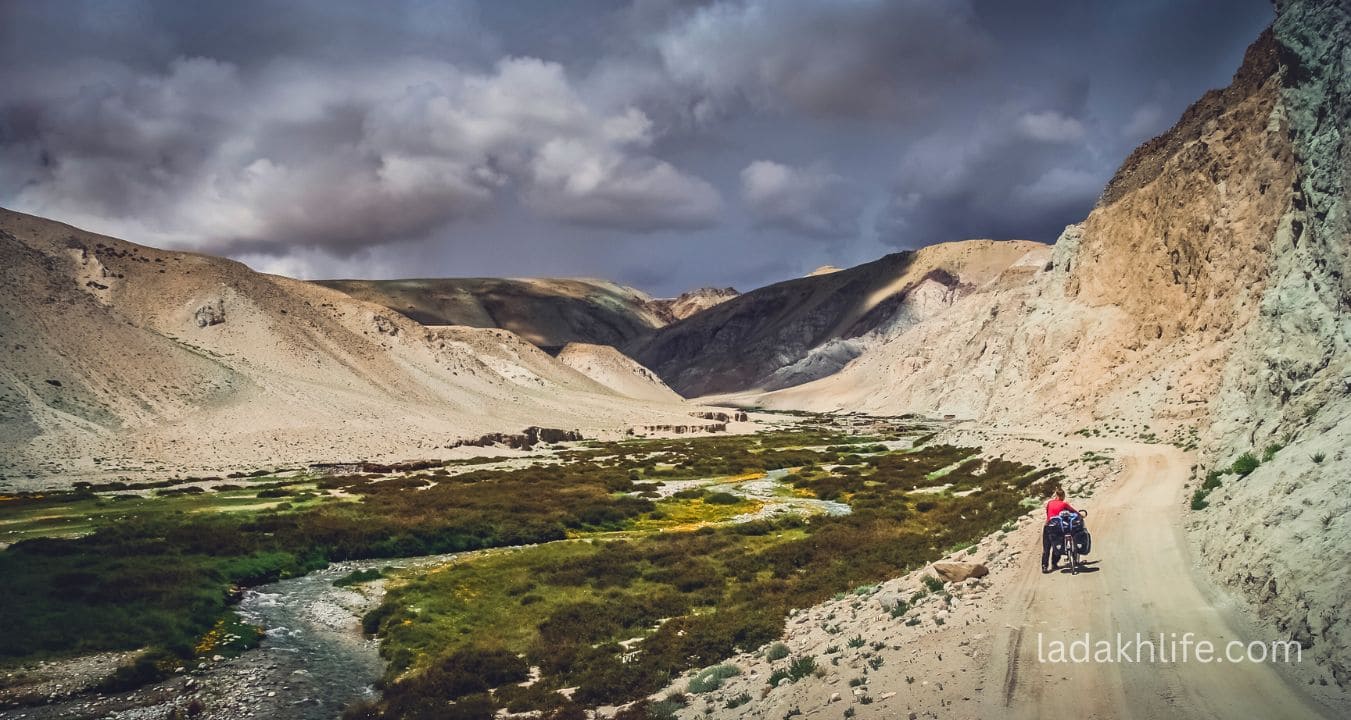
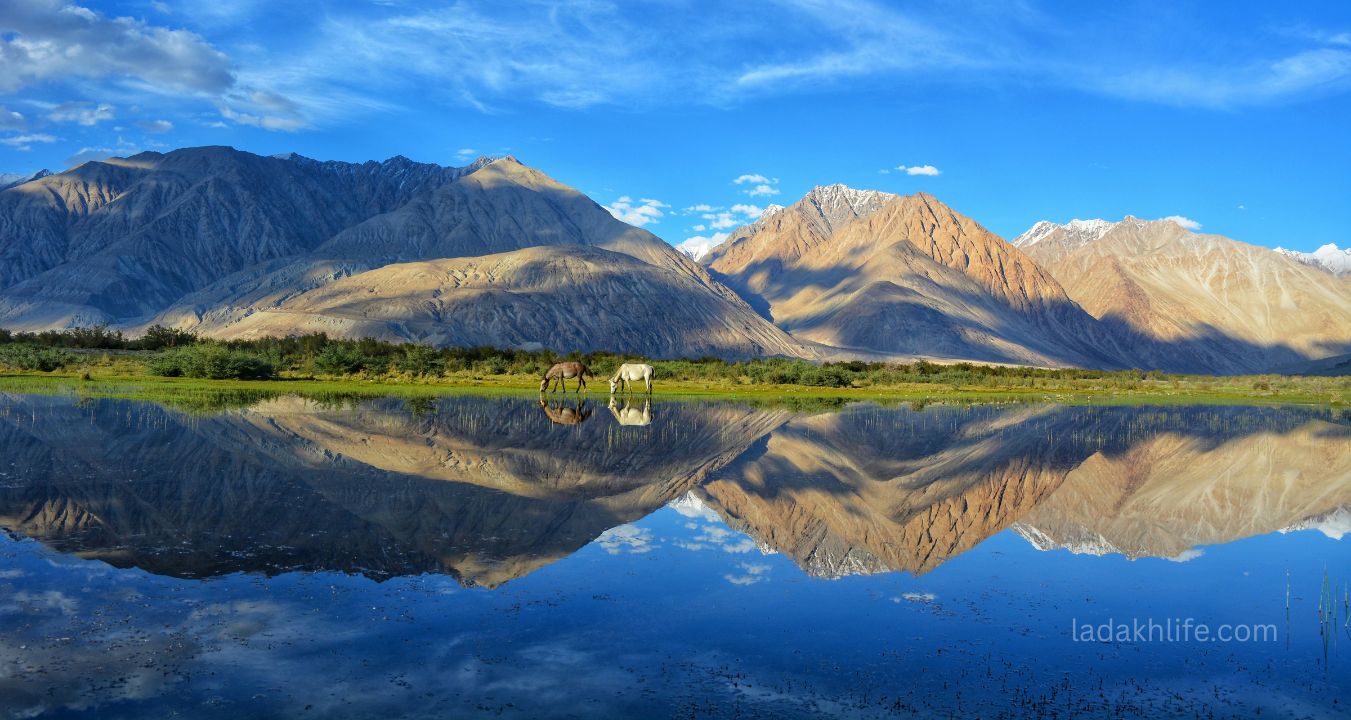
The landscape here is harsher, more dramatic. The mountains are sharper. The valleys are deeper. And the silence I can't describe how loud the silence is in Zanskar. You'll wake up at 3 AM because it's so quiet that your ears start ringing. No traffic. No generators. Just the occasional bark of a village dog or the distant sound of a prayer bell.
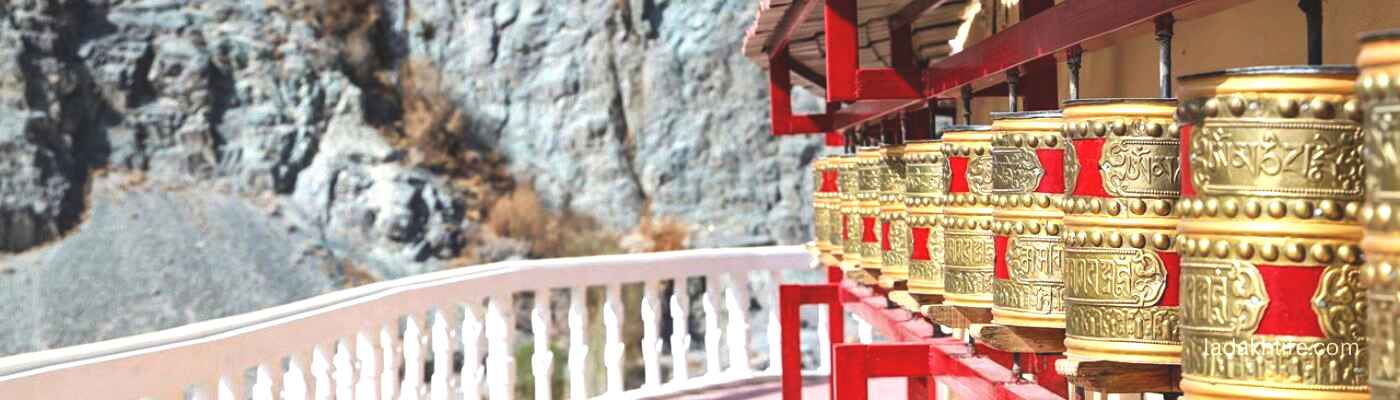
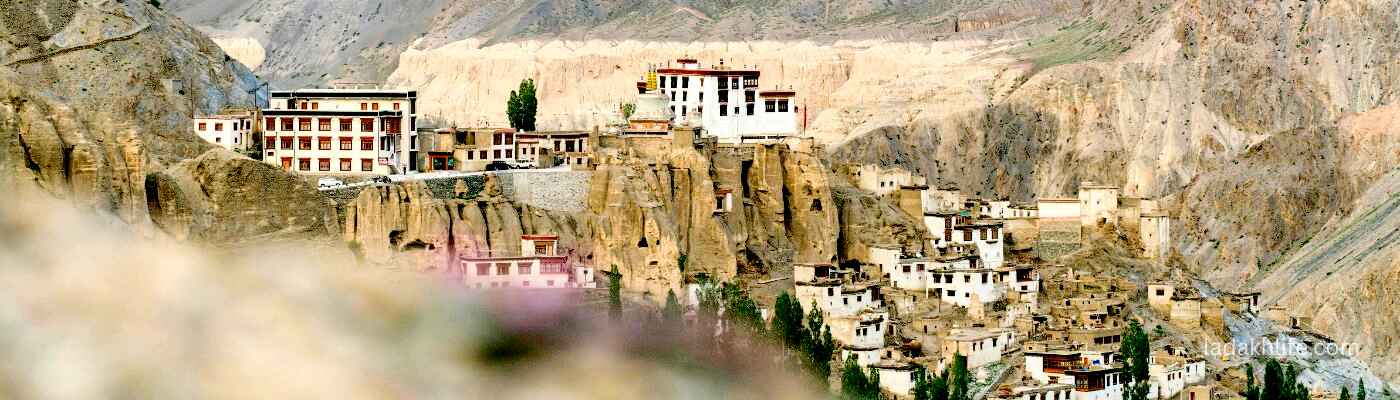
Culturally, Zanskar is pure Tibetan Buddhism. Not the tourist version. The real thing. Karsha Monastery looks like a mini Potala Palace clinging to a hillside. Stongde Monastery is even more remote. Monks here don't speak much English. They don't need to. They're busy studying, praying, and living a life that hasn't changed in 500 years.
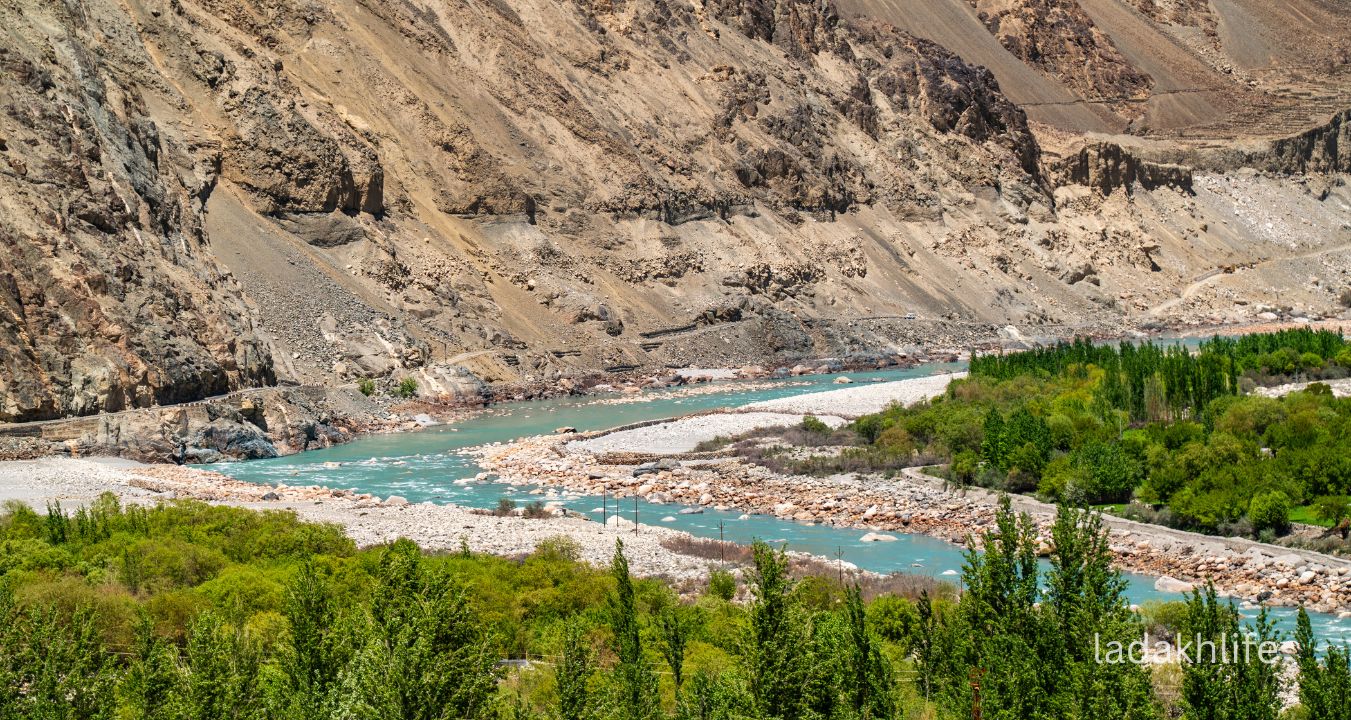
And then there's the Zanskar River Gorge. It's often called the Grand Canyon of Asia. When the river freezes in winter, it becomes the Chadar trek a 60-kilometer walk on ice. In summer, the same gorge rages with grey, icy water that will numb your feet in seconds. Either way, it demands respect.
The Chadar Trek Walking on a Frozen River (Yes, Really)
Okay, let's talk about the elephant in the room. Or rather, the frozen river.
Every winter, when temperatures drop to -20 or -30, the Zanskar River freezes solid. And for centuries, locals used this frozen highway to walk between villages when the roads were buried in snow. Today, trekkers from around the world come to experience the Chadar Trek named after the "blanket" of ice covering the river.
Here's the honest truth. It's not a walk in the park. You'll wake up at 5 AM when it's still dark and -25 outside. You'll put on three layers of socks, two gloves, a balaclava that fogs up your sunglasses, and you'll still be cold. You'll walk on ice that cracks under your feet (don't worry, the river is shallow there). You'll camp in caves or on riverbanks, cooking noodles on a tiny stove while your breath freezes mid-air.
And yet, people come back. Year after year. Because walking through a frozen gorge, with icicles hanging 20 feet above your head and absolute silence all around, is something no photo can capture. It's hard. It's uncomfortable. It's magical.
Chadar trek happens only in January and February. No other months. If you want to do it, prepare properly. Get good gear. Go with an experienced local guide. Don't be a hero.
Summer in Zanskar When the Valley Wakes Up
From July to September, Zanskar transforms. The snow melts. The rivers swell. Wildflowers yes, wildflowers in a cold desert bloom along the trails. This is when most visitors come, and honestly, summer is the right time for first-timers.
The Padum to Karsha to Stongde loop is a beautiful day walk. You'll pass through barley fields, cross wooden bridges, and see monasteries that look like they grew out of the rocks. The light in Zanskar during late afternoon is unreal golden and soft, making the mountains look like they're on fire.
You can also drive to Zangla, the former royal seat of Zanskar. There's a small palace there (more like a big house) and a nunnery where young Buddhist nuns study. They'll offer you tea and show you their prayer room if you ask nicely.
And then there's Rangdum a tiny village with a monastery on a hill, surrounded by mountains that seem to touch the sky. The drive from Kargil to Rangdum is one of the most scenic roads I've ever been on. It's also one of the roughest. Your spine will remember it for days.
For summer trekking & sightseeing: June to mid-September
Roads are open. Weather is pleasant during the day (15-20°C). Nights are cold (5-10°C). You can visit monasteries, do short treks, and stay in homestays. July and August have the greenest landscapes. September has clearer skies but colder nights.
For the Chadar Trek (frozen river): January to February
This is the only time the river is solid enough to walk on. Temperatures range from -10°C to -30°C. It's not for beginners. But if you're experienced, it's a once-in-a-lifetime adventure.
Avoid: October to December & March to May
In October-November, roads start closing due to early snow. December is too cold for comfort but not cold enough for Chadar. March-May is thaw season the roads are slushy, rivers are dangerous, and most homestays are closed. Just don't.
What to Pack for Zanskar (Summer Edition)
I've seen people arrive with huge suitcases. Don't. You'll hate yourself. Here's the real list:
- Footwear: One sturdy pair of trekking shoes (broken in). One pair of sandals or slippers for homestays.
- Clothing: T-shirts (2-3), fleece jacket, down jacket or heavy woolen sweater, windproof/waterproof outer layer, thermal innerwear (top and bottom), trekking pants (2 pairs), warm socks (3-4 pairs).
- Sleeping bag: Bring a -5°C or -10°C bag even in summer. Homestay blankets help, but your own bag is warmer.
- Accessories: Beanie, gloves, scarf or buff, sunglasses (good quality, UV protection), sunscreen (SPF 50+), lip balm.
- Gear: Headlamp or flashlight (power cuts are common), power bank (large capacity), reusable water bottle, water purification tablets, basic first aid kit (Diamox for altitude, paracetamol, band-aids, ORS sachets).
- Toiletries: Biodegradable soap, toothbrush, toothpaste, toilet paper, wet wipes (you'll understand why).
And yes, leave the hairdryer at home. There's no electricity for that.
Altitude, Fitness, and Acclimatization (Don't Skip This)
Zanskar sits between 3,500m and 4,500m (11,500 to 14,800 feet). That's high. Higher than Leh. If you fly directly into Leh, spend at least 2-3 days there before driving to Zanskar. Drink water constantly 3-4 liters a day. Avoid alcohol (yes, even that one beer). Walk slowly. Listen to your body.
Altitude sickness is real. Headaches, nausea, dizziness, shortness of breath. If symptoms get worse, descend immediately. Don't be stubborn. The mountains don't care about your itinerary.
Fitness-wise, you don't need to run marathons. But you should be able to walk 10-15 km a day on uneven terrain with a daypack. If you're planning long treks like Chadar or the Padum to Lamayuru route, start training 2-3 months in advance. Walk. Do stairs. Squats help. Strong legs happy trekker.
Permits, Guides, and Money Matters
Inner Line Permit (ILP): Yes, you need one for Zanskar. Indian nationals can get it in Leh (or online in some cases). Foreign nationals need a Protected Area Permit (PAP), usually arranged through a registered tour agency. Your taxi driver or homestay host can help, but don't rely on them sort it out in Leh first.
Do you need a guide? For the main villages and short walks, no. The trails are mostly obvious. But for remote treks or crossing passes? Yes, absolutely. Locals know the weather, the river crossings, and the safe routes. They'll also save you when you inevitably get lost. Hire one. It's not expensive (₹1000-2000 per day), and you're supporting local livelihoods.
Cash: I'm saying it again. Bring enough cash from Leh or Kargil. Padum has no ATM. The shops won't take cards. Your homestay won't take UPI (no network). Figure out your budget, add 30% extra, and carry that much cash in small denominations.
Zanskar isn't a vacation. It's an experience. It's hard. It's beautiful. It's real. If that sounds like your kind of place, start planning. The valley has been waiting for centuries. It can wait a little longer for you to get ready.