So, What Exactly is Suru Valley?
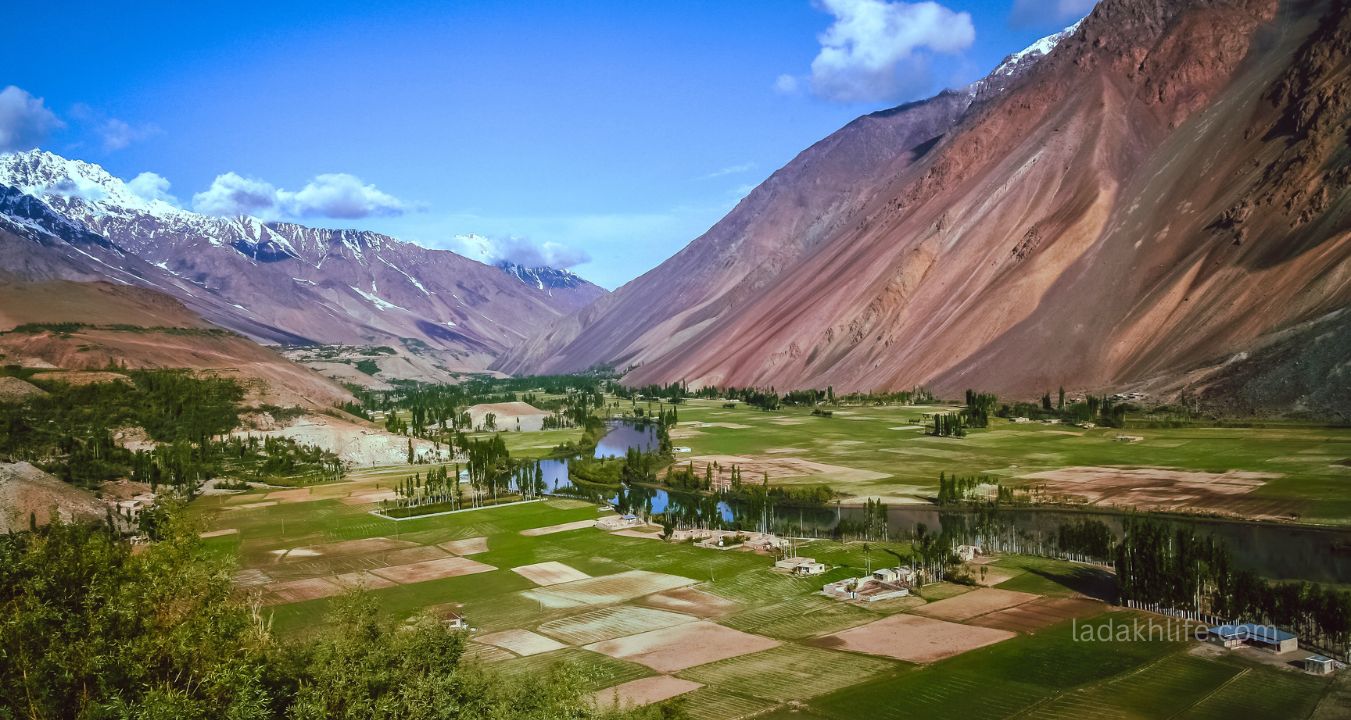
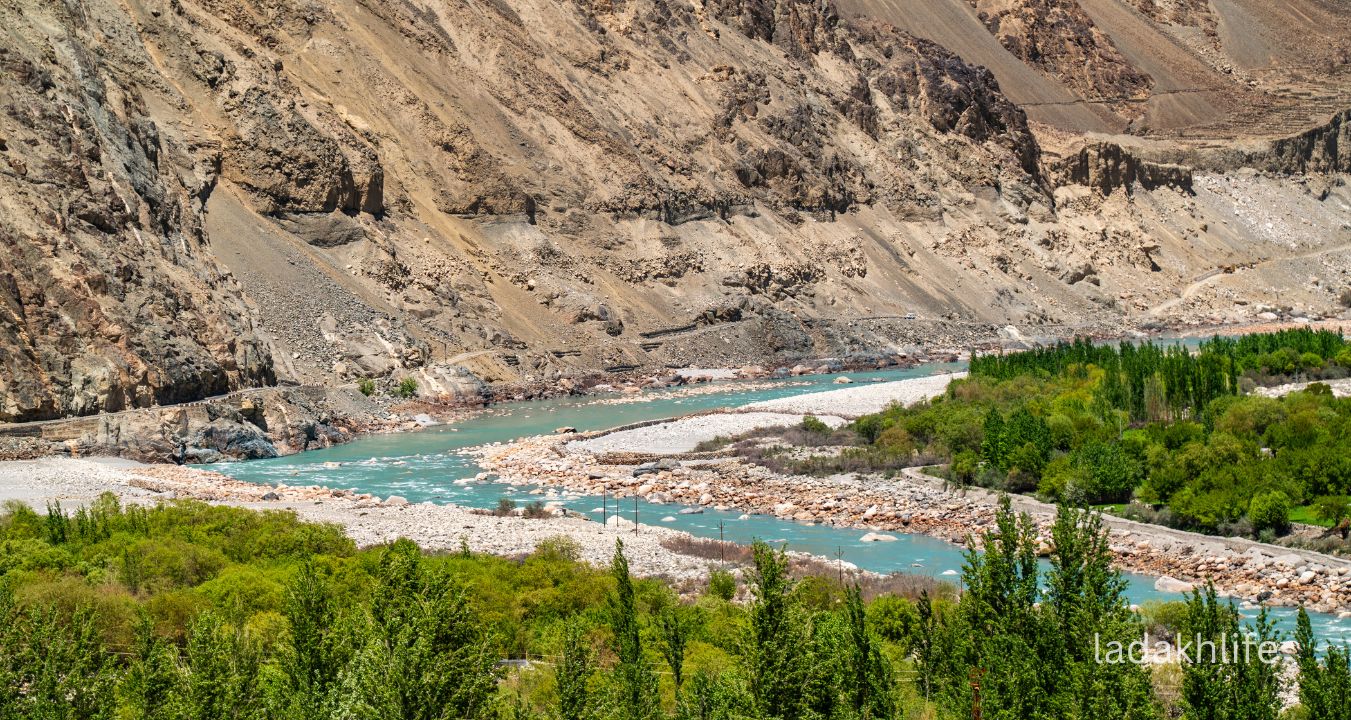
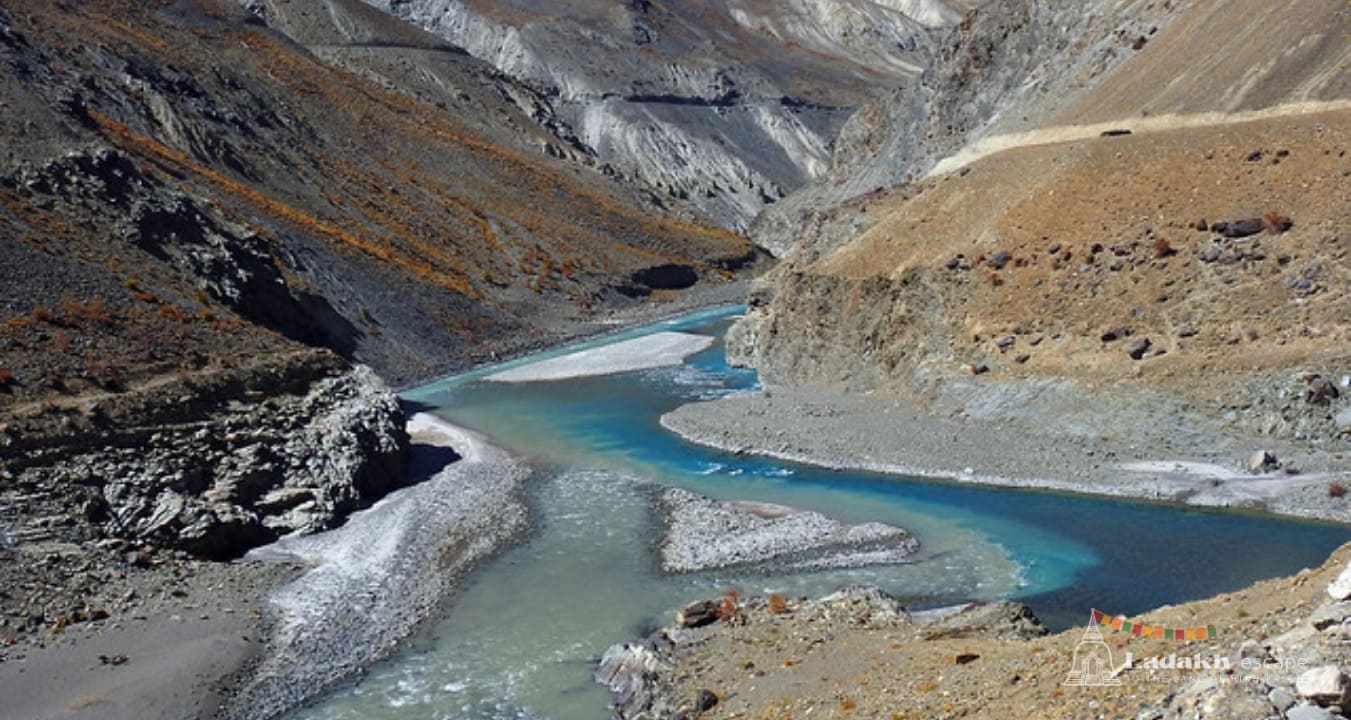
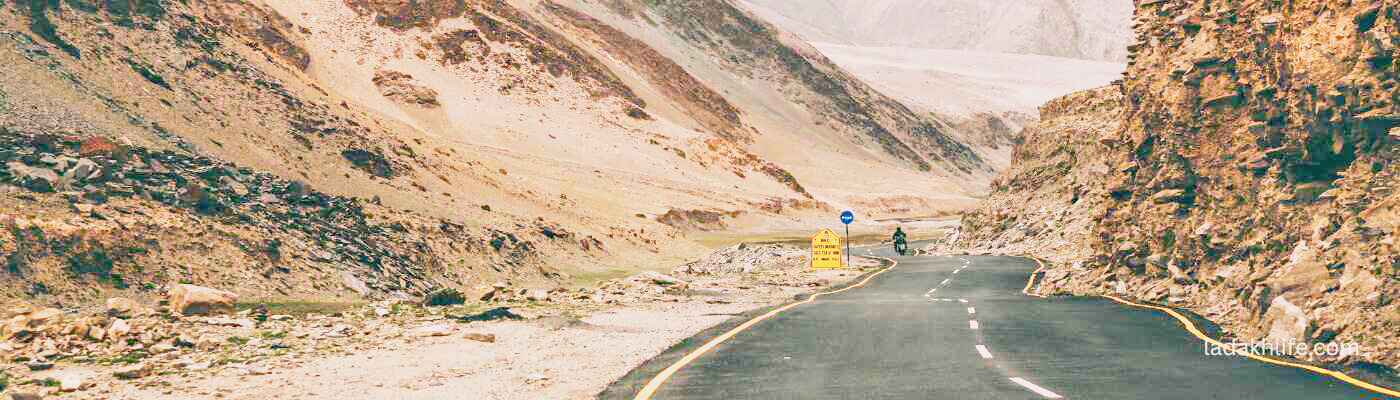
Let me paint you a picture. Suru Valley is the stretch of land that follows the Suru River from Kargil town all the way south to Rangdum, where it meets the road to Zanskar. It's about 120 kilometers long, and every single kilometer is beautiful.
The valley is home to a mix of Buddhists and Shia Muslims a rare and beautiful harmony in this part of the world. The villages here Panikhar, Parkachik, Rangdum, Sankoo, and Tangole are some of the greenest you'll find in Ladakh. Apricot trees, walnut trees, barley fields, and wild roses. The air smells different here. Softer. Sweeter.
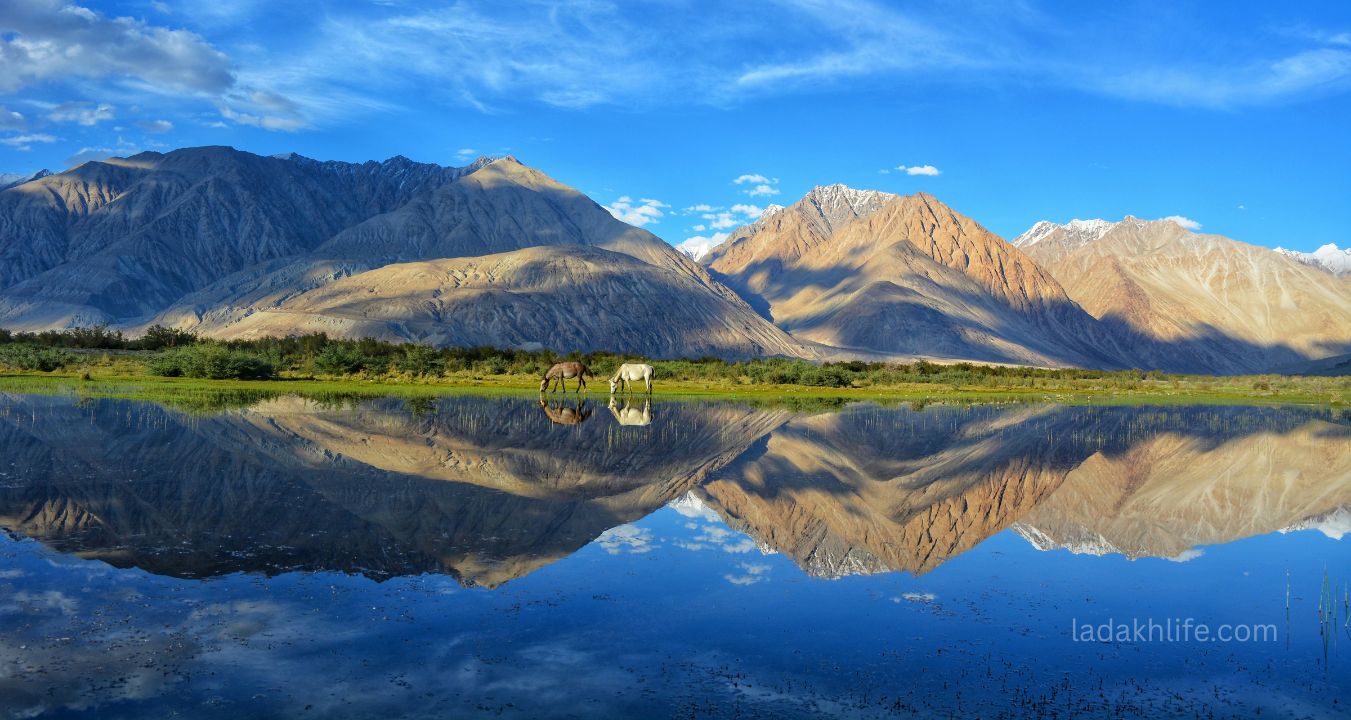
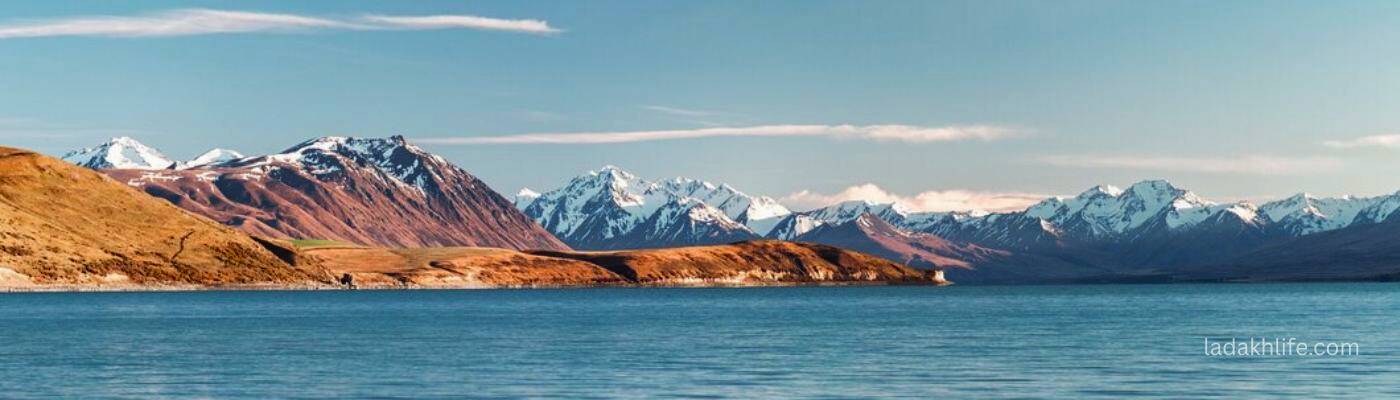
But here's what makes Suru Valley truly special. The Nun Kun mountain massif. Nun (7,135m) and Kun (7,077m) are two of the highest peaks in the Himalayas, and they dominate the skyline for almost the entire valley. You'll be driving along, looking at green fields, and then you look up BAM. A wall of snow and ice rising 7,000 meters into the sky. It's the kind of view that makes you pull over the car, step out, and just stand there with your mouth open.
Why Suru Valley is Ladakh's Best-Kept Secret
Okay, let me be honest with you. Most tourists don't come to Suru Valley. They fly into Leh, do the Nubra-Pangong circuit, and fly back out. Maybe they drive the Manali-Leh highway and see the edge of Suru from a distance. But actually stopping here? Exploring the villages? Trekking beneath Nun Kun? Almost nobody does it.
And that's exactly why you should come.
- Zero crowds. You'll have entire villages, trekking trails, and viewpoints completely to yourself.
- Insanely beautiful mountain views. The Nun Kun massif is visible from almost everywhere. Sunrise and sunset here are religious experiences.
- Lush green landscapes. After days of brown desert in other parts of Ladakh, the green of Suru Valley feels like a gift.
- Authentic homestays. The local communities are welcoming, warm, and genuinely happy to see travelers. Not jaded by mass tourism.
- Treks for all levels. From easy day walks to multi-day expeditions to the base camps of Nun and Kun.
- Driveable from both Leh and Manali. It's on the main Kargil-Zanskar road, so you don't have to go out of your way.
If you're the kind of traveler who hates crowded viewpoints and overpriced "tourist villages," Suru Valley will feel like striking gold.
The Crown Jewels of Suru Valley (Don't Miss These)
1. Nun Kun Mountains The Giant Guardians
I can't talk about Suru Valley without talking about Nun and Kun. These twin peaks are among the highest in the Indian Himalayas. Nun (7,135m) is the highest peak entirely within Indian territory. And the best part? You don't need to trek for days to see them. From the road near Panikhar and Parkachik, you get postcard-perfect views. The mountains rise straight from the valley floor no foothills, no distance. Just green fields, then suddenly, 7,000 meters of ice and rock. Wake up early for sunrise. The way the first light hits those peaks is something I still close my eyes and remember.
2. Panikhar Village The Best Viewpoint
If you only stop at one place in Suru Valley, make it Panikhar. This tiny village sits right at the base of the Nun Kun massif. The view from the village is so good that it's almost unfair. Green fields, the Suru River flowing below, and the massive white wall of Nun Kun behind. There's a small hill behind the village climb it for sunset. You'll have the entire valley to yourself. I sat there for two hours, watching the light change, and I don't think I said a single word the whole time. Some views leave you speechless.
3. Parkachik Gateway to the Glacier
A few kilometers south of Panikhar is Parkachik, home to a stunning glacier that flows down from the Kun peak. You can trek to the Parkachik Glacier in about 2-3 hours from the village. It's not a hard trek just a steady walk through boulder fields and moraine. The glacier itself is massive, with ice caves and crevasses that glow electric blue in the sunlight. Don't go close to the crevasses unless you're with a guide. But standing there, looking at that river of ice? Worth every step.
4. Rangdum Monastery & Valley The Gateway to Zanskar
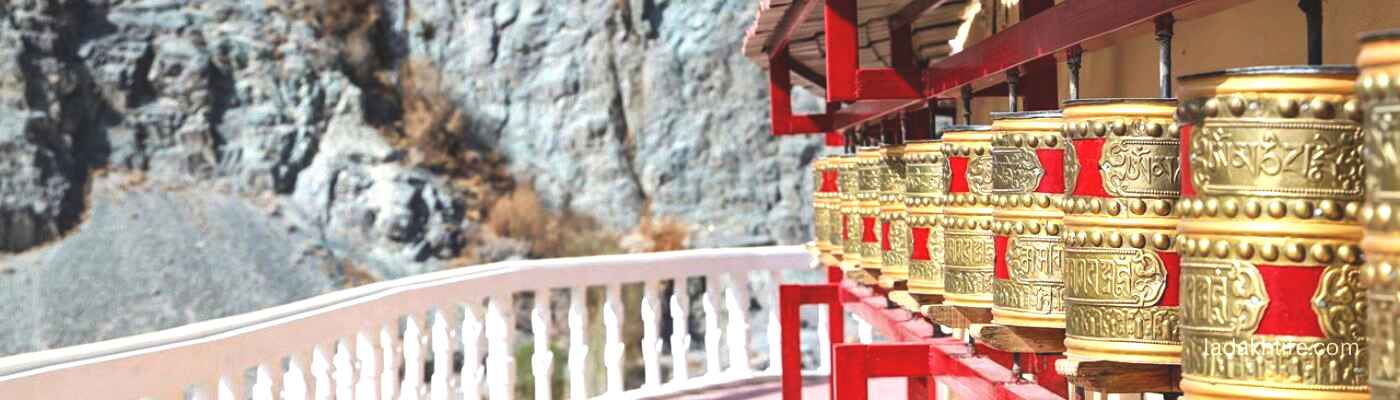
At the southern end of Suru Valley, just before the road climbs up to the Pensi La pass (4,400m) into Zanskar, lies Rangdum. The landscape here changes dramatically from lush green to a wide, barren valley surrounded by jagged peaks. On a hill in the middle of this valley sits Rangdum Monastery, a lonely white fortress looking out over nothing but mountains and sky. The monks here live a hard, isolated life. If you visit, be respectful. And look up at night the stars here are so bright you'll feel like you can touch them.
5. Sankoo & Apricot Orchards
About 30 kilometers south of Kargil is Sankoo, a village famous for its apricot orchards. If you visit in July or August, the trees are heavy with golden fruit. Locals will offer you dried apricots, fresh apricots, apricot jam, apricot oil everything apricot. Sit under a tree, eat fruit until your stomach hurts, and watch the Suru River flow by. This is what slow travel looks like.
6. Mulbekh The Giant Rock Buddha
Just south of Kargil, before the valley opens up, is Mulbekh. Here, carved into a massive rock face right next to the road, is a 9-meter tall statue of Maitreya Buddha (the future Buddha). It's believed to be over 1,000 years old. The rock art and smaller carvings around it are fascinating. Most people drive past without stopping. Don't be most people.
Trekking in Suru Valley From Easy Walks to High Expeditions
Suru Valley is a trekker's paradise that almost nobody talks about. Here's what's possible:
- Easy (No gear needed): Trek to Parkachik Glacier (2-3 hours from village). Walk from Panikhar to the Nun Kun viewpoint. Explore the trails around Rangdum.
- Moderate (Basic camping gear): Nun Kun base camp trek (3-4 days). You walk through meadows, moraines, and rivers to reach the base of the mountain. Stunning views, not technically difficult.
- Challenging (Experienced climbers only): Climbing Nun or Kun. These are serious mountaineering expeditions requiring technical skills, permits, and a guide. Not for beginners.
The best time for trekking in Suru Valley is July to September. June is okay but some trails have snow. October is too cold for camping.
Do you need a guide for the base camp trek? I'd say yes, unless you're experienced with route-finding in the Himalayas. The trails aren't marked, and the weather can change fast. A local guide from Panikhar or Parkachik costs around ₹1500-2000 per day. Worth every rupee.
Best Time to Visit Suru Valley
Because Suru Valley is at a lower altitude than Leh and Nubra, the season is slightly longer.
June to September is the main season. June has snowmelt, full rivers, and the first green shoots. July and August are peak everything is lush, apricots are ripe, and the weather is perfect (20-25°C during the day, 5-10°C at night). September is my personal favorite fewer people, golden autumn light, crisp clear skies.
May and October are shoulder months. May is cool but beautiful, with snow still on the peaks. October is colder but the autumn colors are stunning. Some homestays close by mid-October, so call ahead.
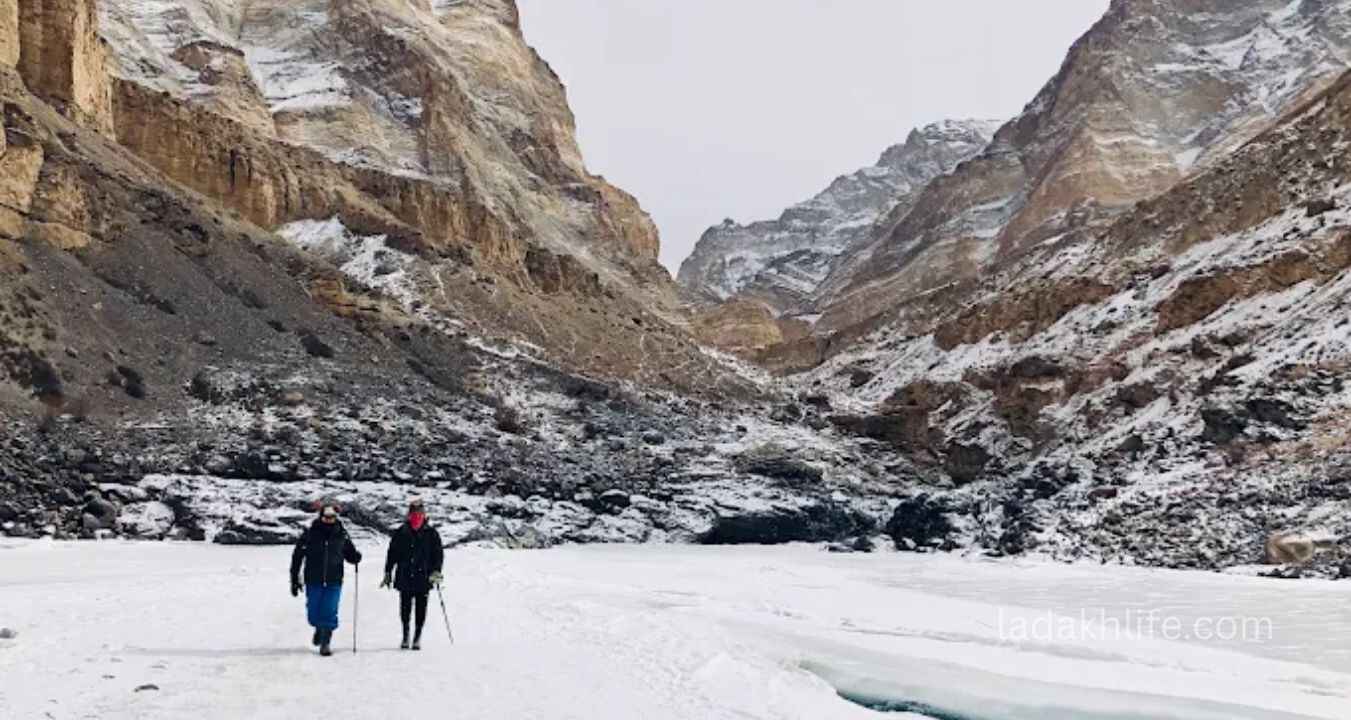
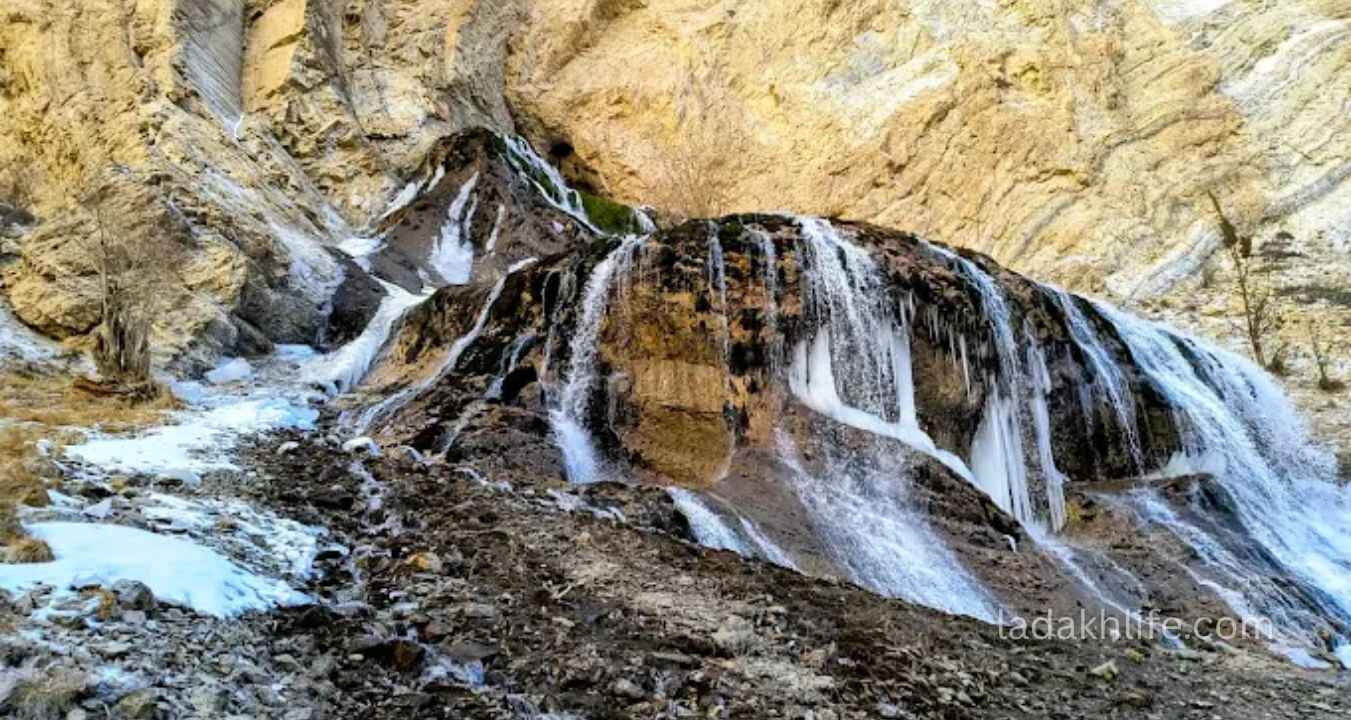
Winter (November to April): The road to Zanskar closes, but the Kargil-Leh highway remains open. Suru Valley in winter is a frozen wonderland but bitterly cold (-15°C to -25°C). Only visit if you're prepared for extreme cold and have a 4x4 vehicle.
Pro tip: July is the best month for apricots. August for trekking. September for photography.
Where to Stay in Suru Valley
Homestays are the way to go. Unlike the more touristy parts of Ladakh, Suru Valley's homestays feel incredibly authentic. The families are welcoming, the food is home-cooked, and you'll often be the only guest.
In Panikhar: Several families offer homestays. Just ask around when you arrive. Expect basic rooms, shared bathrooms (squat toilets, sometimes outside), and the warmest hospitality you'll find in Ladakh. Cost: ₹500-800 per night including dinner and breakfast.
In Parkachik: A few homestays near the glacier trailhead. These are even more basic but the views are unbeatable.
In Rangdum: There's a basic guesthouse near the monastery, plus a few homestays in the village. Don't expect luxury. Do expect silence and stars.
Hotels in Kargil: If you want more comfort, stay in Kargil town and do day trips to Suru Valley. Hotels like Hotel Barula and Kargil Continental offer clean rooms and hot water.
No booking apps work here. Call ahead or just show up. In peak season (July-August), call a day or two in advance. Numbers are usually available on local tourism boards or ask at the Kargil tourist office.
How to Get to Suru Valley
From Leh (240 km, 6-7 hours): Drive Leh → Kargil → Suru Valley. The road is good except near Fotu La (one of the highest passes at 4,108m). Most of the drive is stunning Lamayuru, Moonland, the green patch of Mulbekh. Break the journey in Kargil overnight, then explore Suru the next day.
From Manali (470 km, 2 days): Drive Manali → Keylong → Darcha → Shinku La → Rangdum → Suru Valley. This is the classic Manali-Leh highway route. You'll enter Suru Valley from the south, near Rangdum. This road is rough, high, and only open July-September. Doable in a 4x4 or by bus (but bus is slow and uncomfortable).
From Kargil (30 km to Mulbekh, 80 km to Panikhar): Kargil is the gateway. Hire a taxi from Kargil (₹2000-3000 for a full day) to explore Suru Valley. Or take a shared sumo (local jeep) heading toward Zanskar and get off wherever you like.
Public transport exists but is unreliable. Buses run from Kargil to Panikhar and Rangdum, but not daily. Shared taxis (sumos) are more dependable. Ask at the Kargil bus stand.
What to Pack for Suru Valley
Suru is greener and slightly warmer than other Ladakh valleys, but don't underestimate the mountain weather.
- Shoes: Comfortable walking shoes or light trekking shoes for short hikes. Heavy boots only if you're doing the base camp trek.
- Clothing: T-shirts (2-3), a fleece sweater, a windproof jacket (evenings are chilly), trekking pants (2 pairs), warm socks, thermals for September nights.
- Rain gear: July and August can have occasional rain. A light rain jacket or poncho is smart.
- Accessories: Sunscreen (still necessary), sunglasses, lip balm, hat, scarf, reusable water bottle.
- Gear for trekking: Daypack, sleeping bag (if camping), headlamp, water purification, basic first aid.
- Cash: No ATMs in Suru Valley. The last ATM is in Kargil. Bring enough for homestays, food, and transport.
- Power bank: Electricity is limited in homestays. Solar power works during the day, but nights can be dark.
Essential Tips for Visiting Suru Valley
- Respect the local culture. Suru Valley has both Buddhist and Shia Muslim communities. Dress modestly (cover shoulders and knees, especially in villages). Ask before taking photos of people.
- Learn "Juley" but also "Salaam." In Muslim villages, "Salaam Alaikum" is appreciated. In Buddhist villages, "Juley" works. A little effort goes a long way.
- Friday prayers. In Muslim-majority villages, things slow down on Fridays. Homestays might be busy, and shops might close. Plan accordingly.
- Carry snacks and water. Shops are few and far between. Stock up in Kargil before heading south.
- Don't litter. Carry your plastic waste back to Kargil. There's no garbage collection in Suru Valley.
- Check road conditions. The road to Rangdum can close after heavy rain or early snow. Ask locally before driving far south.
- Hire a local guide for treks. Not just for safety they'll tell you stories about the mountains, point out wildlife, and introduce you to their families. It makes the experience ten times richer.
Suru Valley vs Other Ladakh Valleys A Quick Comparison
- Suru vs Sham: Sham is greener near the Indus. Suru is even greener, with higher mountains (Nun Kun) and fewer tourists. Suru feels more remote. Sham feels more accessible.
- Suru vs Nubra: Nubra has sand dunes and camels. Suru has glaciers, green fields, and 7,000m peaks. Nubra is dramatic. Suru is majestic.
- Suru vs Zanskar: Zanskar is extreme, remote, and harsh. Suru is the softer, greener cousin that leads to Zanskar. Do Suru first, then cross Pensi La into Zanskar when you're ready for a challenge.
- Suru vs Markha: Markha is a trekking circuit. Suru is a valley you drive through with trekking options. Markha is for walkers. Suru is for everyone.
Why Most Tourists Skip Suru Valley (And Why You Shouldn't)
Let me be blunt. Most people don't know Suru Valley exists. The ones who do are usually rushing from Leh to Zanskar or Manali to Leh. They drive through, glance at the mountains, and keep going.
That's a shame. Because Suru Valley is where Ladakh shows its soft side. After days of brown, dusty landscapes, the green of Suru feels like a reward. The people here have seen fewer tourists, so their hospitality feels genuine not rehearsed. The treks are empty. The viewpoints are yours alone. And the Nun Kun mountains? They'll stay with you long after you've left.
So here's my advice. Slow down. Spend two or three nights in Panikhar or Parkachik. Walk to the glacier. Watch the sunset from that little hill. Eat apricots until you're sick of them. Sit by the Suru River and do nothing.
You came all the way to Ladakh. Don't miss the best part.
Suru Valley won't give you the most famous Instagram spots. It won't give you luxury resorts or guided tours with umbrellas. But it will give you something rarer a few days of genuine peace, towering mountains, green fields, and the feeling that you've discovered something special. And in a world where every place feels "discovered," that's worth everything.