Geological & Natural History of Nubra Valley
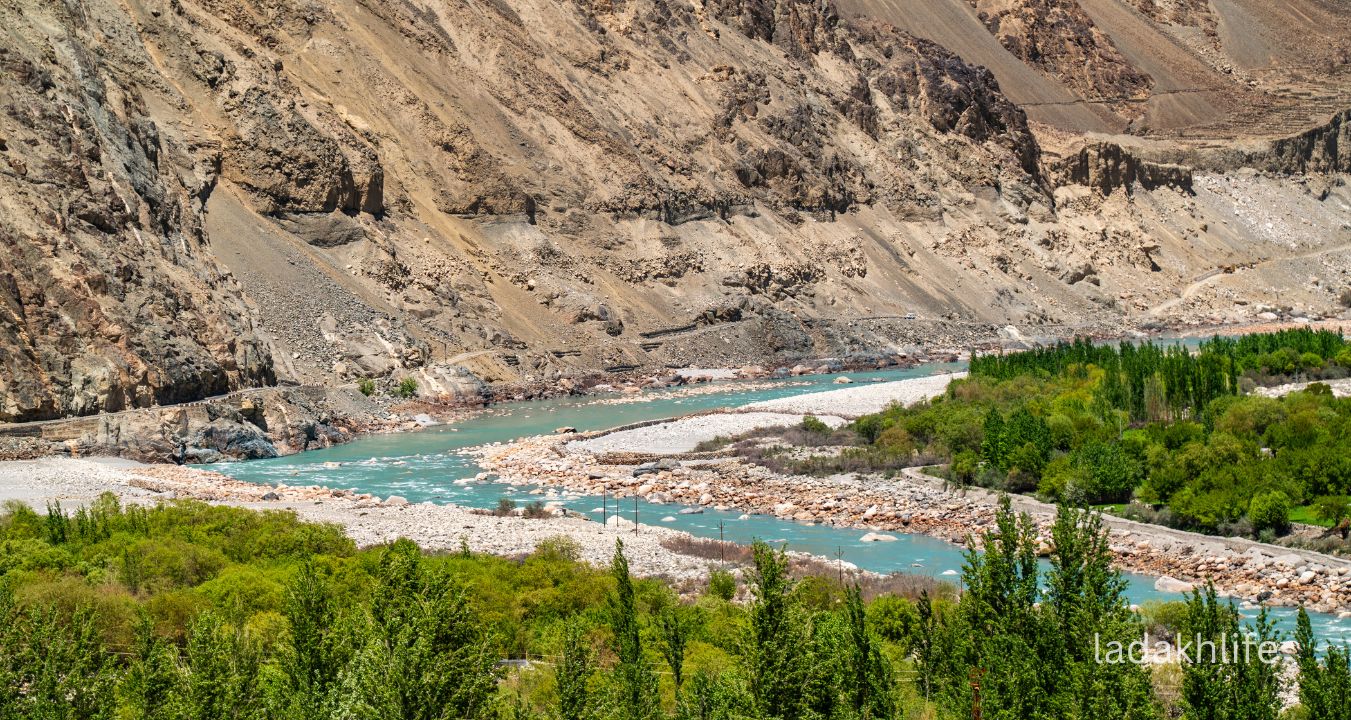
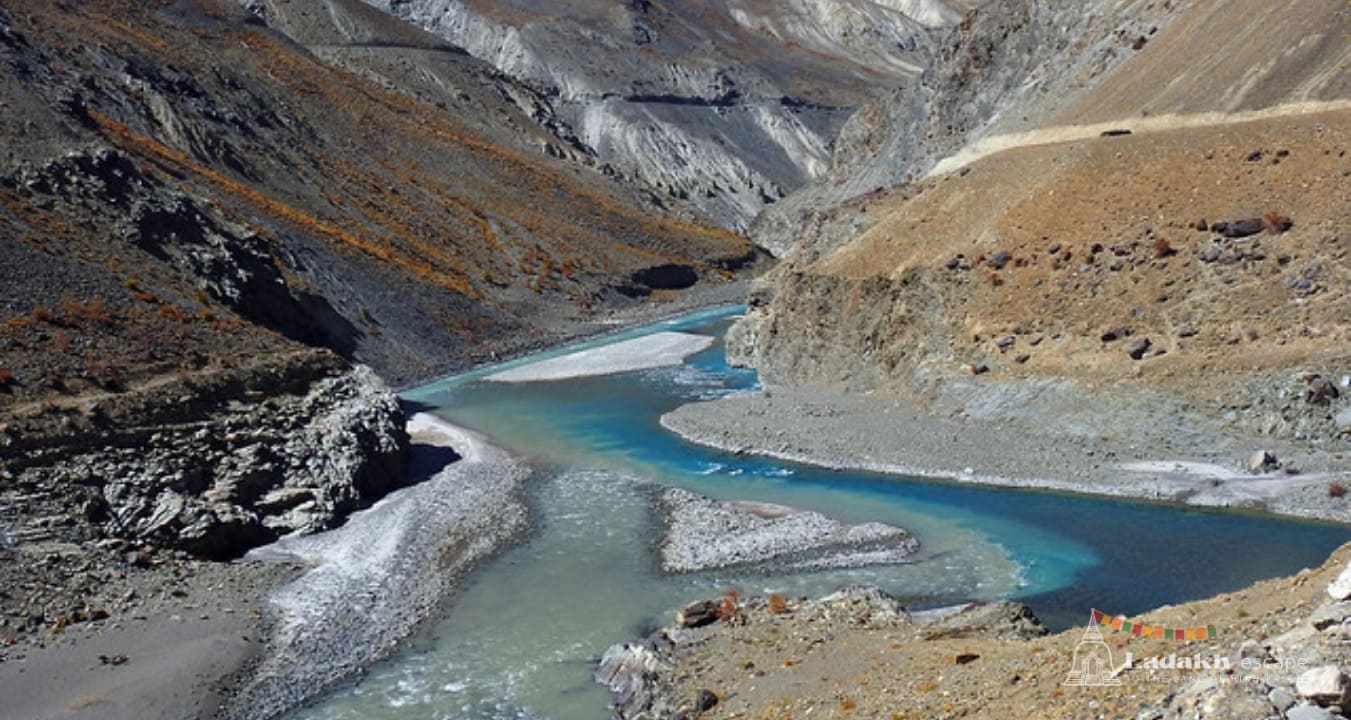
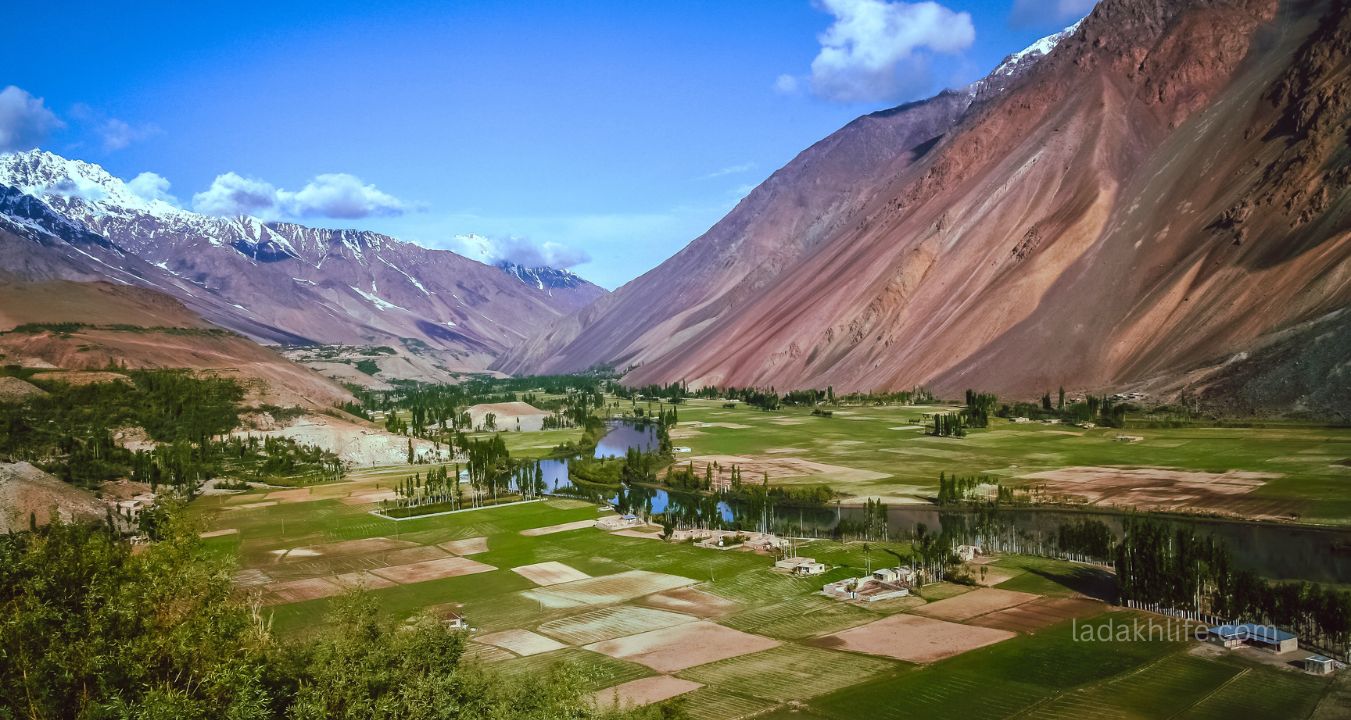
Nubra Valley lies in the northernmost part of Ladakh, formed by the relentless flow of the Nubra and Shyok river systems cutting through the Karakoram range. Geologically, it was shaped by massive glacial activity during the Ice Age, followed by centuries of river erosion. This process created a rare high-altitude cold desert ecosystem (average elevation 10,000 ft), featuring fertile riverbanks (called 'chars') alongside vast stretches of wind-blown sand dunes.
The valley's strategic location made it a vital part of the Silk Route. Traders from Tibet, Central Asia, and Kashmir would rest here, leading to a unique blend of cultures. The presence of Bactrian camels (still found in Hunder today) is a direct genetic and historical relic of these trade routes, as these animals were used to carry heavy loads across the frozen passes.
Striking Himalayan Desert Landscape: Sand Dunes vs. Snow
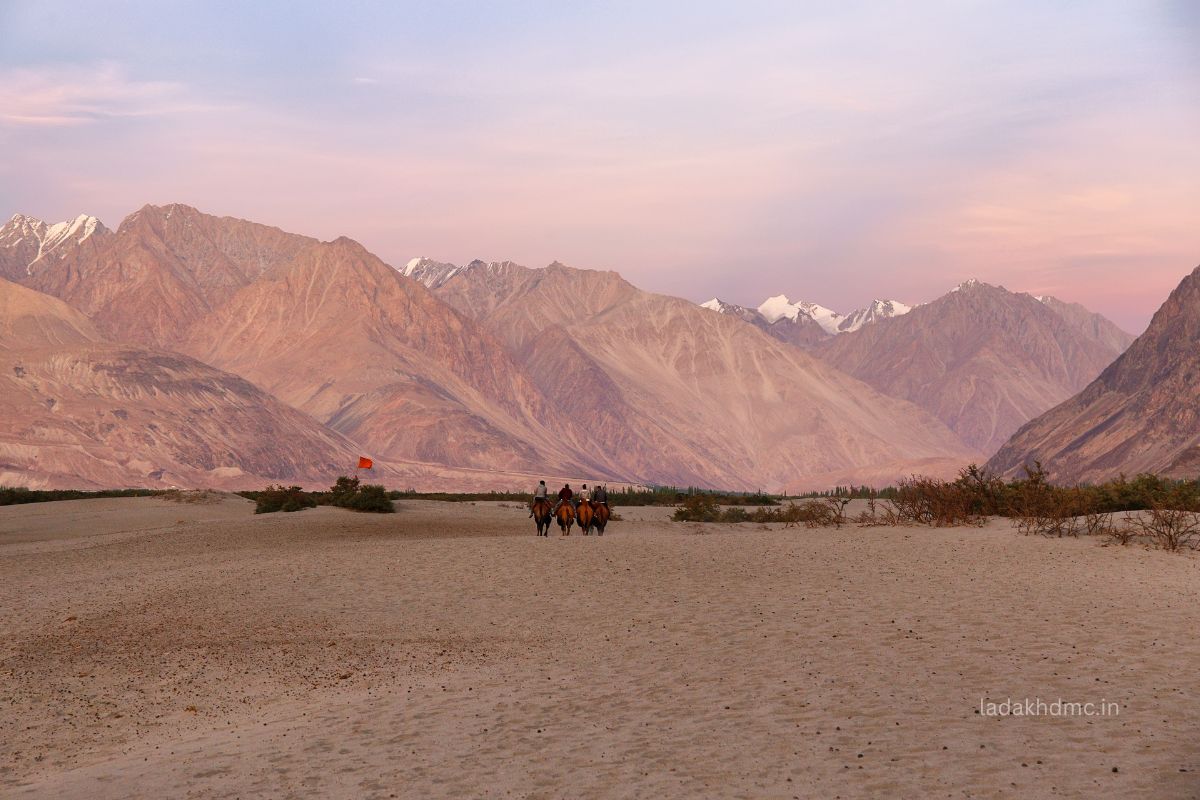
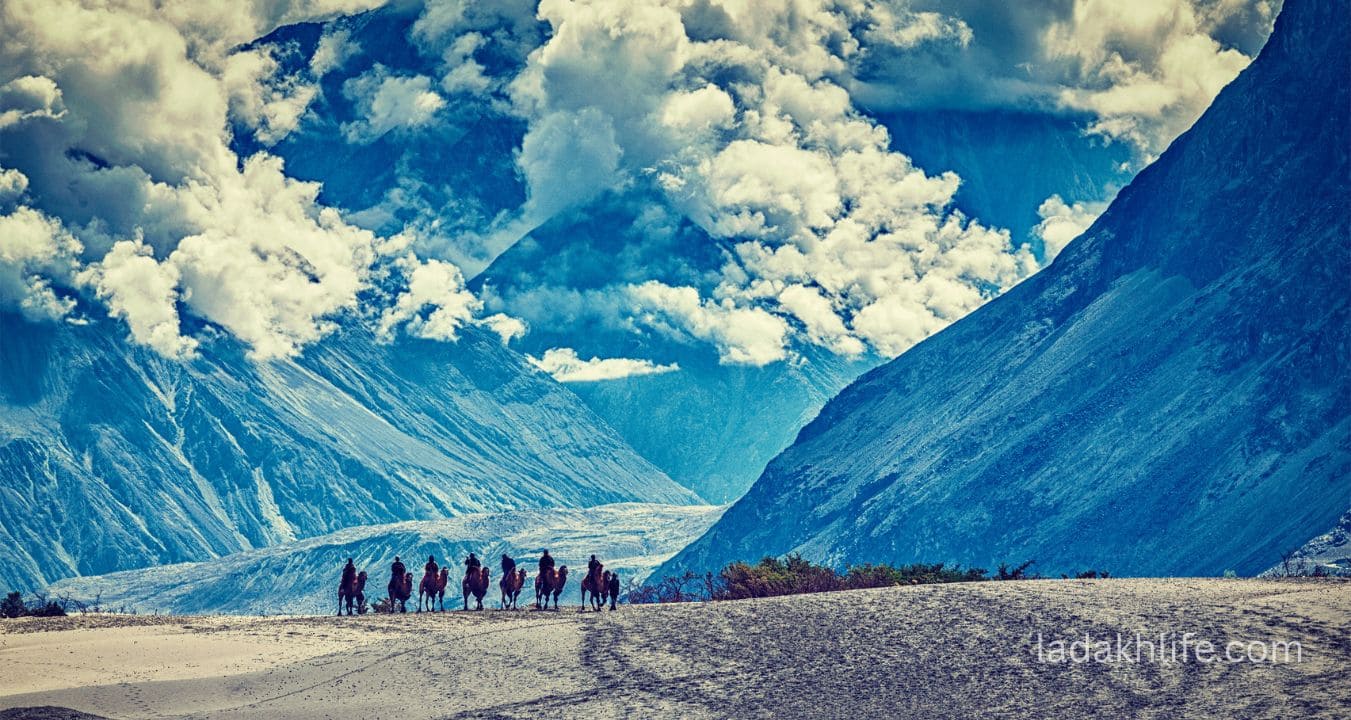
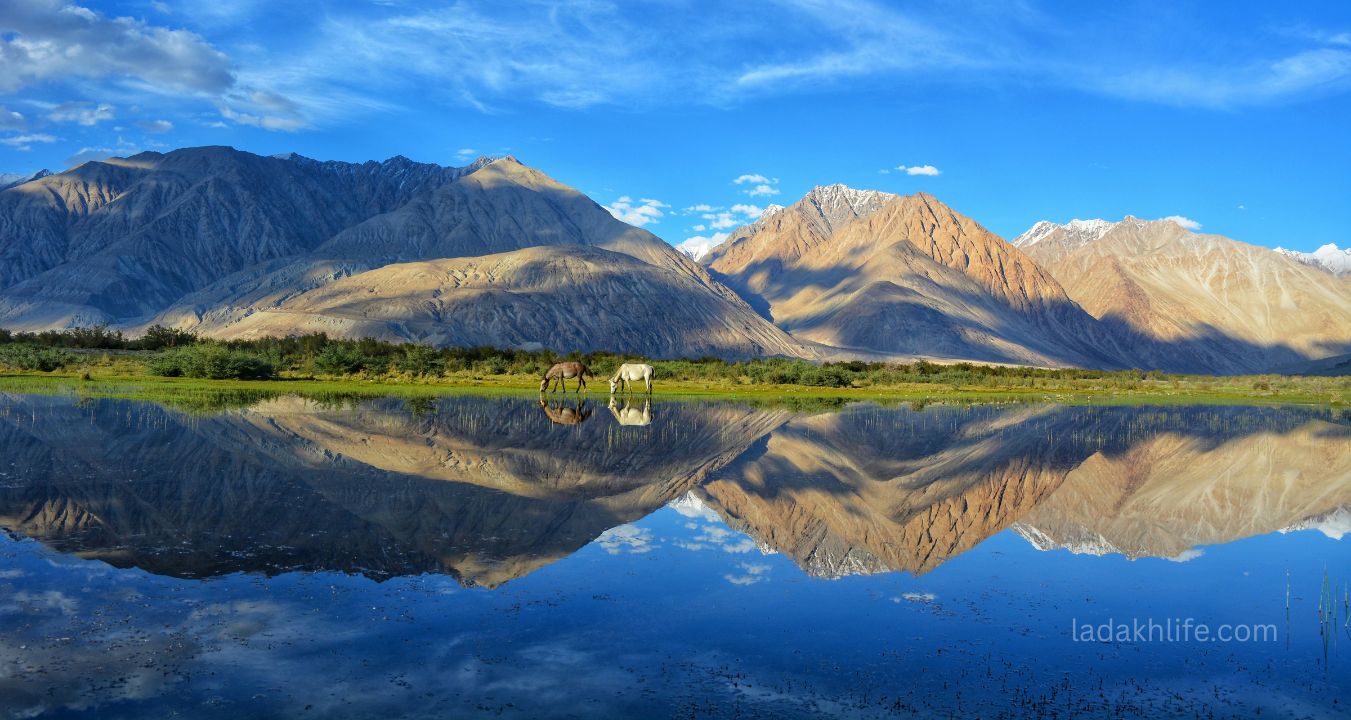
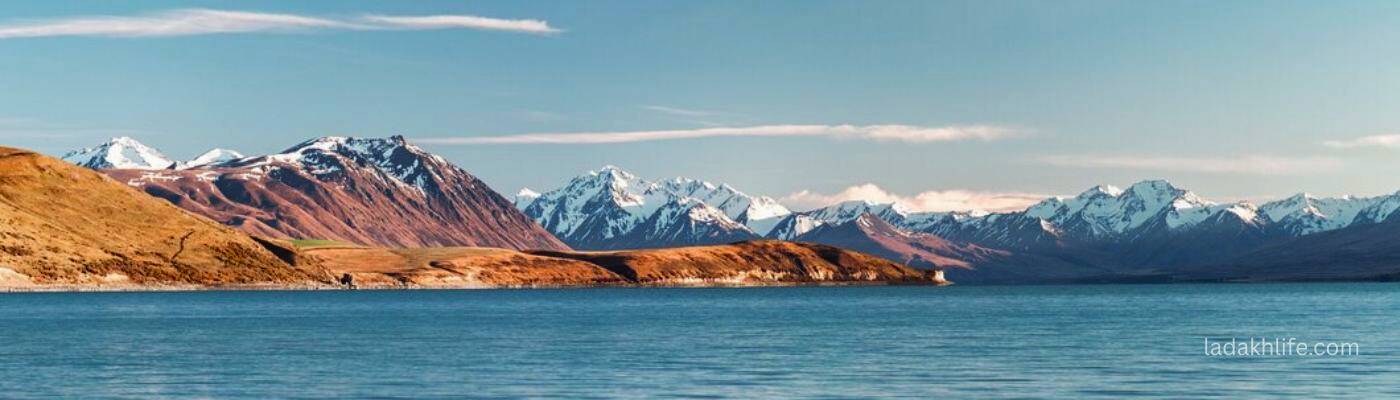
What makes Nubra a photographer’s paradise is its extraordinary contrast. At Hunder Sand Dunes, you will see two-humped camels walking over rippling sand, with a backdrop of pure white snow-covered Himalayan peaks. The stark beauty of the desert against the lush green patches of sea-buckthorn shrubs along the riverbanks creates a surreal visual. Unlike Leh or Pangong Tso, Nubra feels greener yet more remote, offering a diverse landscape that changes color with the sun.
Top Experiences & Things to Do in Nubra Valley
Visiting Nubra Valley offers a rare combination of adventure, spirituality, and serenity. Here are the must-do activities for your Ladakh itinerary:
- Bactrian Camel Safari: Ride the double-humped camels at Hunder Sand Dunes, a unique experience found only here and in Mongolia.
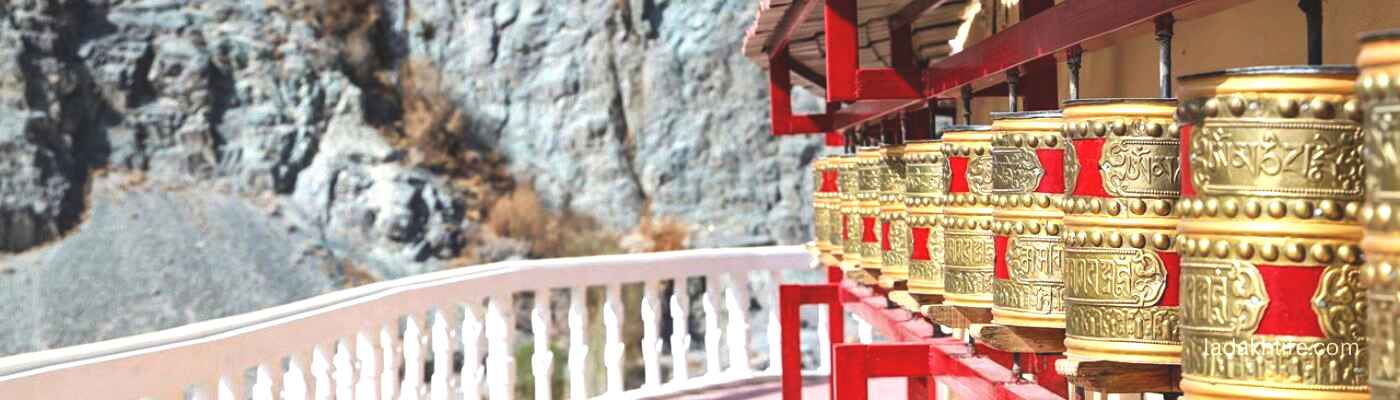
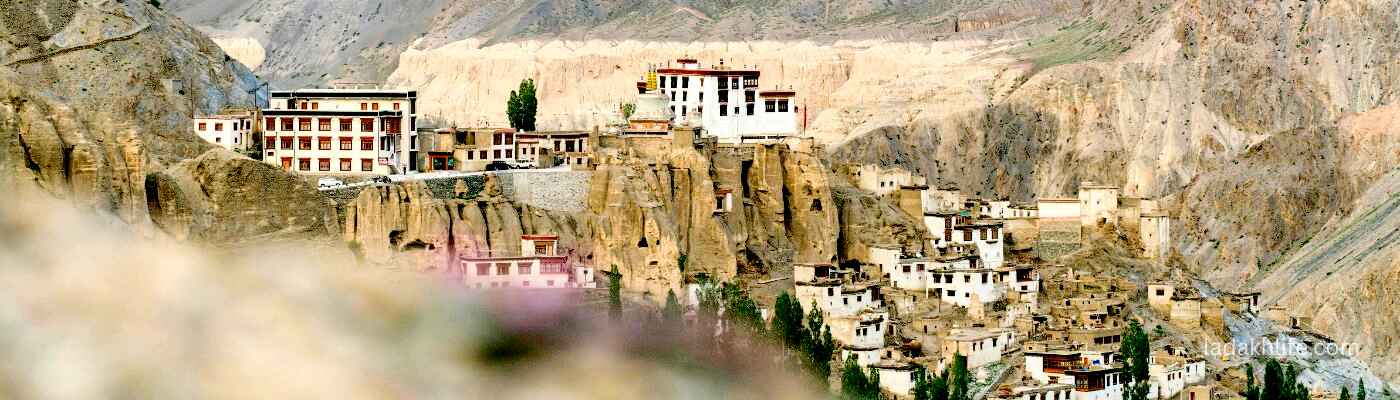
- Diskit Monastery & Buddha Point: Visit the oldest monastery in Nubra, featuring a 32-meter high golden statue of Maitreya Buddha overlooking the valley.
- Panamik Hot Springs: Relax in natural sulfur hot springs believed to have medicinal properties (located near the Siachen base camp).
- Stargazing at Sumur: Stay in a homestay in Sumur village for zero light pollution and clear views of the Milky Way.
- Shyok River Camping: Experience riverside camping with the sound of flowing water echoing off the canyon walls.
Best Time to Visit Nubra Valley (Seasonal Guide)
The best time to visit Nubra Valley is from May to September. During these months, the historic Khardung La pass remains open for vehicles, the weather is pleasantly sunny (15°C to 25°C during the day), and the Nubra River flows visibly, adding life to the landscape.
Winter (October to April): While the valley looks magical under snow, temperatures drop to -20°C, and most passes close due to heavy snowfall, making it inaccessible except for very specific winter treks.
Essential Travel Tips for First-Time Visitors
- Acclimatization is mandatory: Spend at least 2 nights in Leh (11,500 ft) before descending to Nubra (10,000 ft) to avoid Acute Mountain Sickness (AMS).
- Inner Line Permit (ILP): Indian nationals require an ILP to enter Nubra. It is usually arranged by your taxi driver or tour operator in Leh.
- Pack layers: Even in summer, the wind after sunset is icy. Carry thermals, jackets, gloves, and sunscreen (UV rays are harsh at altitude).
- Cash is King: There are limited ATMs (only in Diskit), and they often run out of cash. Carry sufficient Indian Rupees from Leh.
- Stay Connected: Mobile connectivity is poor. BSNL and Jio have limited signals in Diskit, but no network in Hunder or Turtuk.
- Eco-Friendly Travel: Avoid plastic water bottles. Carry a reusable bottle and use the 'refill' facilities at homestays.
To make the most of your trip, consider combining your Nubra visit with Pangong Tso Lake and Tso Moriri. A standard 7-day Ladakh road trip allows you to experience the "Valley of Flowers" (Nubra) without rushing.