So, What Exactly is Markha Valley?
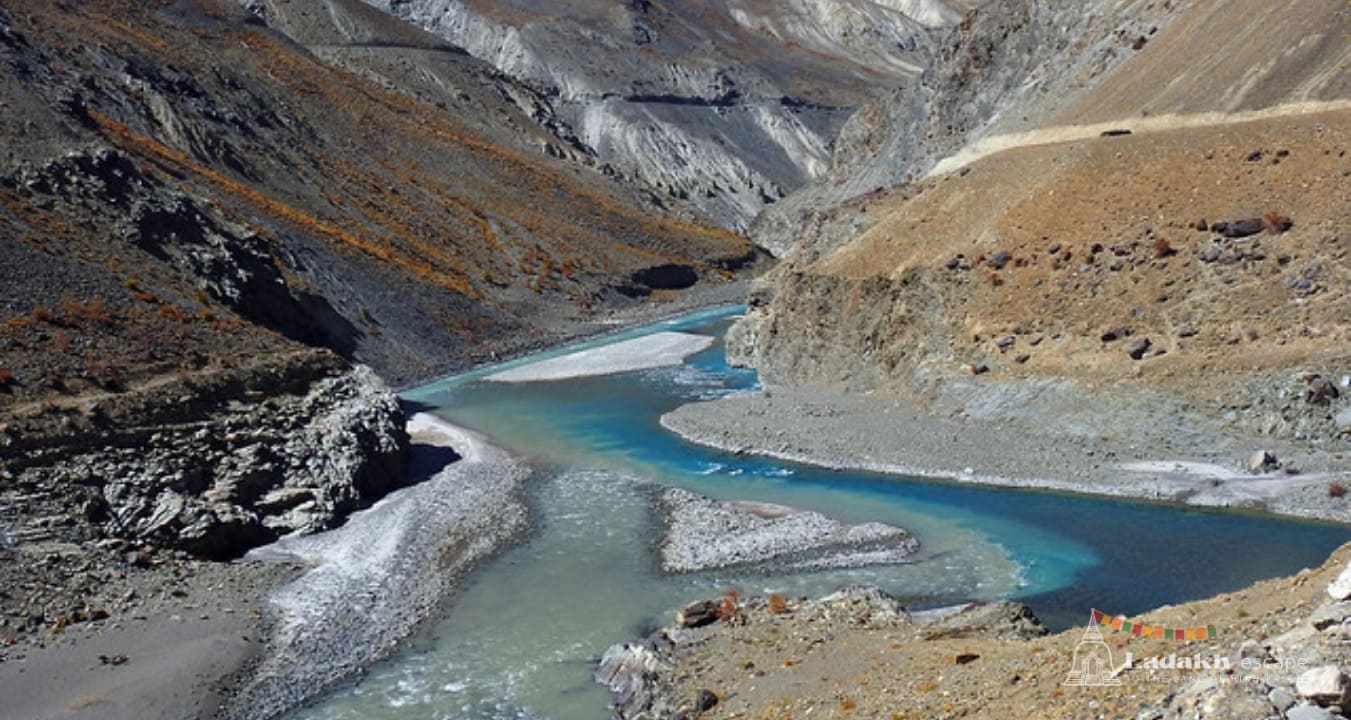
Let me put it simply. Markha Valley is a 70-kilometer trekking circuit that takes you through the heart of Hemis National Park. You start near the famous Hemis Monastery, walk along the Markha River, cross two high passes (Ganda La and Kongmaru La), and end up back on the Leh-Manali highway. Most people take 5 to 7 days to complete it.
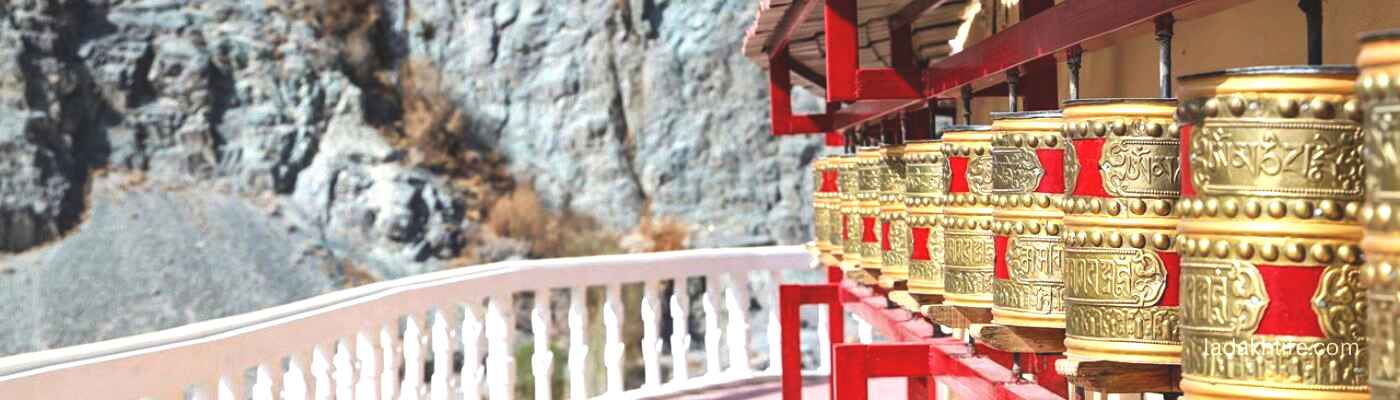
But here's the thing, don't get too caught up in the numbers. What you'll remember isn't the distance. It's the old woman in Umlung village who offers you apricots from her garden. It's the sound of wind whistling through Hankar Monastery, perched on a cliff like it's been there forever. It's sitting around a kerosene lamp at night, sharing stories with strangers who quickly become friends.
The valley sits at an altitude between 3,700m and 5,200m (that's about 12,000 to 17,000 feet for those keeping track). So yes, you'll feel the thin air. But no, you don't need to be a professional mountaineer. Just reasonably fit, mentally prepared, and respectful of the mountains.
What Makes Markha Valley So Special?
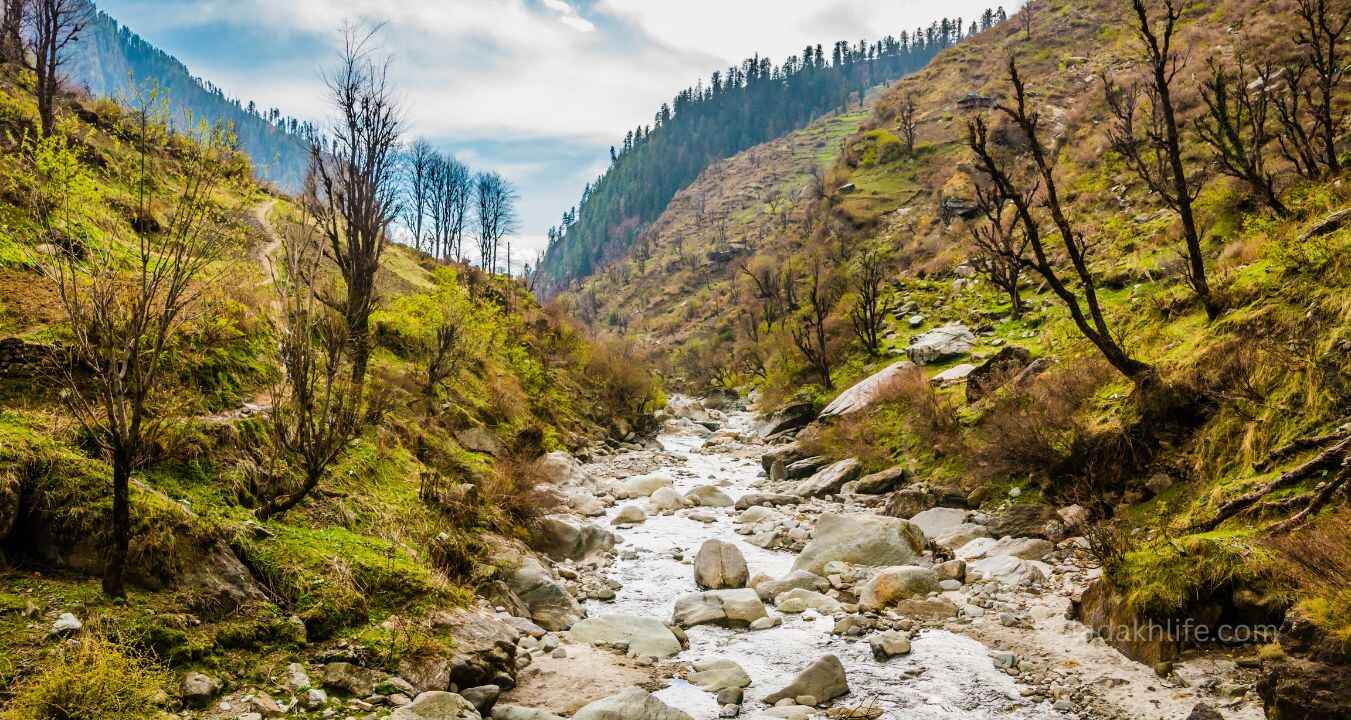
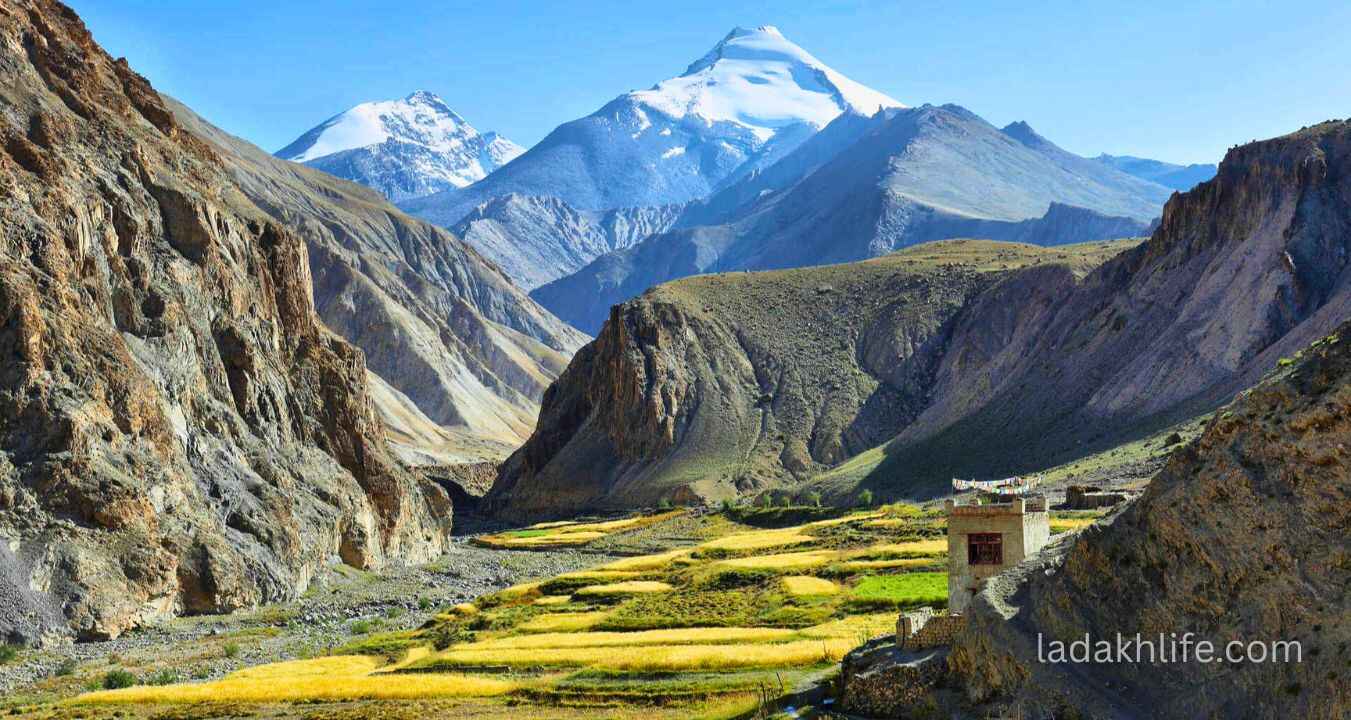
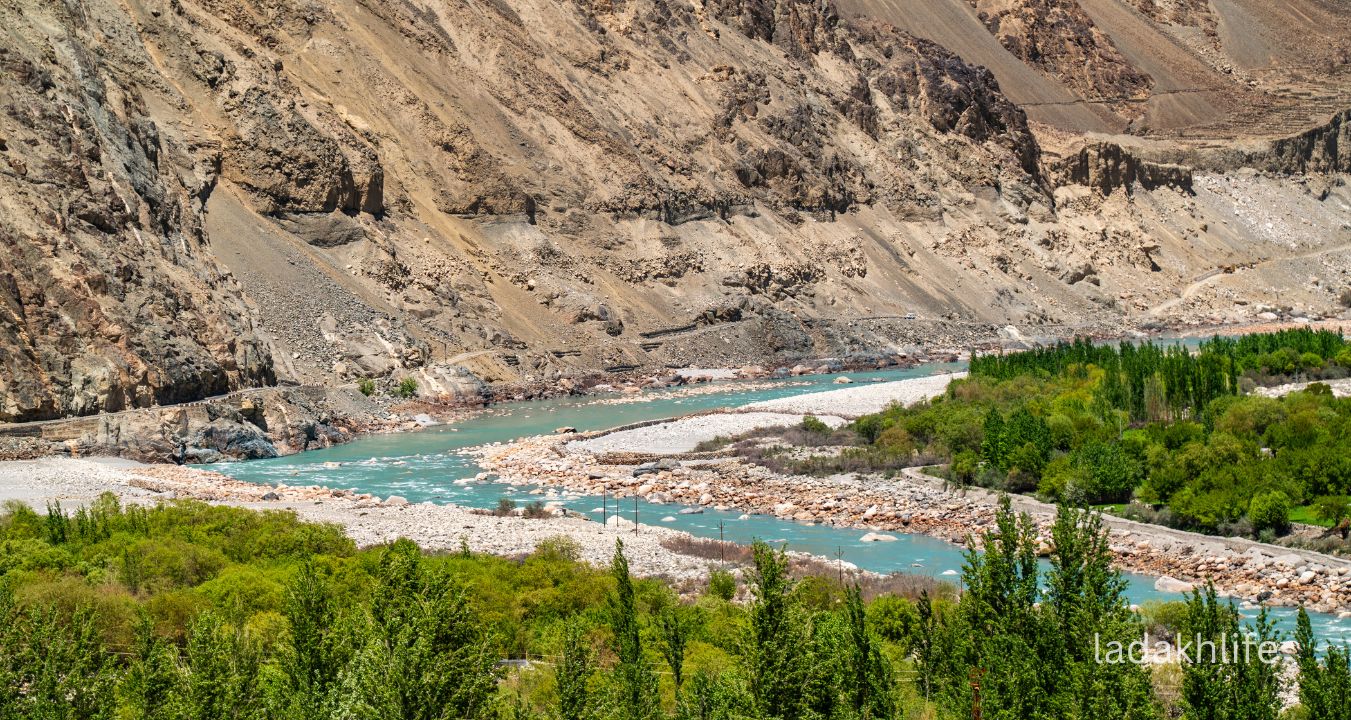
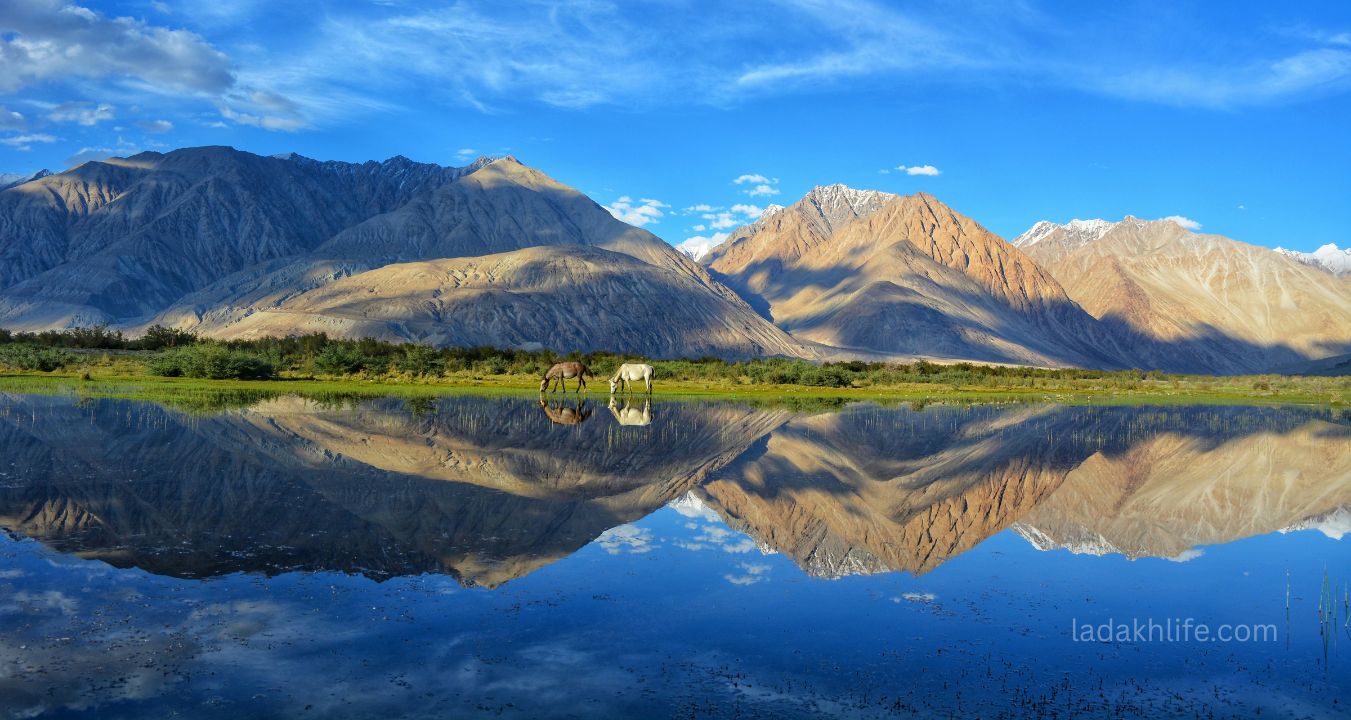
Look, Ladakh has no shortage of stunning landscapes. But Markha has a certain rawness that's hard to describe. One moment you're walking through green farmland with irrigation canals and willow trees. The next, you're crossing a barren, rocky stretch that looks like Mars. Then suddenly, you spot a red-robed monk walking silently towards a gompa.
The valley is also home to the snow leopard (though spotting one is pure luck, don't get your hopes too high). More likely, you'll run into blue sheep, Himalayan marmots sunbathing on rocks, and maybe a golden eagle circling above.
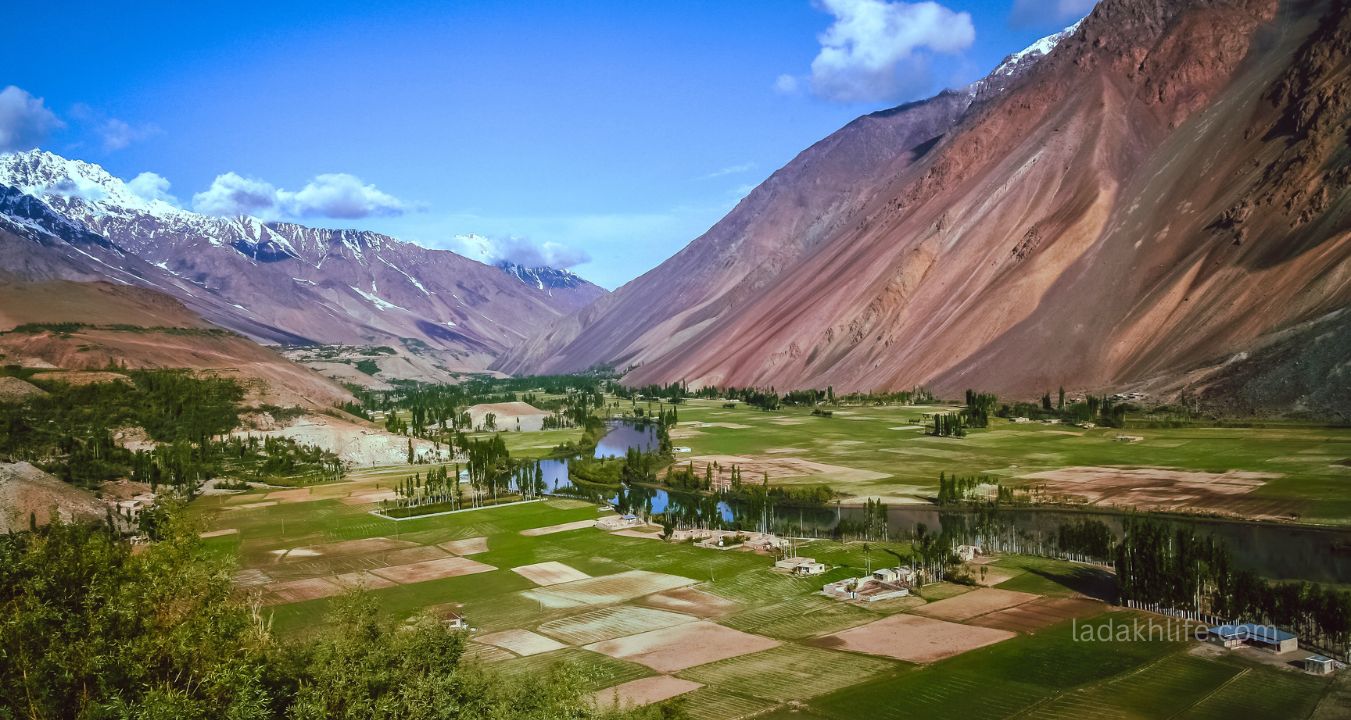
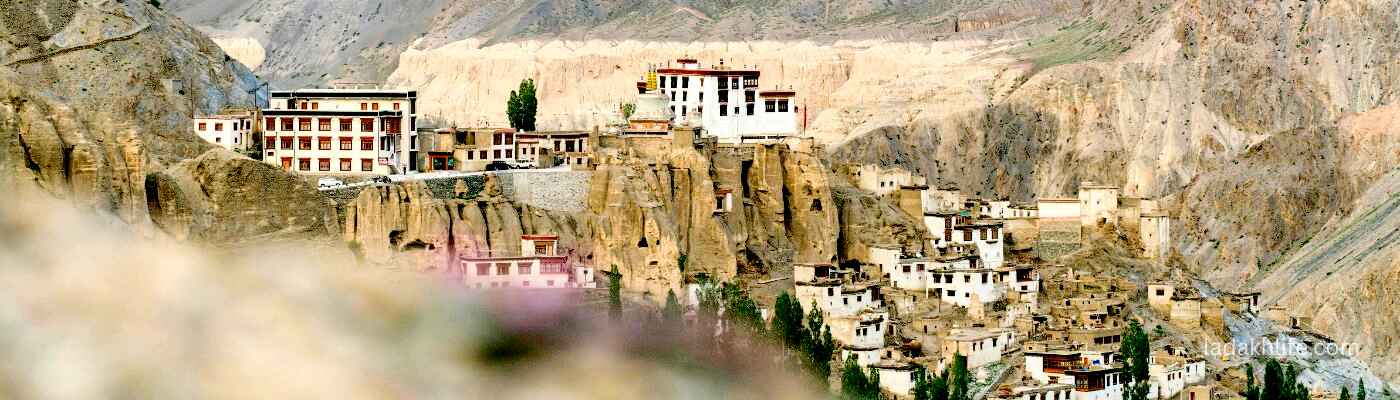
And the villages? Markha, Skiu, and Hankar are tiny clusters of mud-brick houses where life moves at a pace that makes you wonder why we're all in such a hurry back home. Most families here are farmers or herders. They grow barley, potatoes, and peas. They keep yaks and pashmina goats. And somehow, they always have a spare bed and a hot meal for a tired traveler.
A Typical Day on the Markha Valley Trek (Real Talk)
Let me walk you through what a day actually looks like, not the glossy brochure version.
- Morning (6:00 AM): You wake up to the sound of bells, not alarms, actual bells from grazing sheep. Your homestay host brings you a metal mug of sweet, strong chai. The kind that wakes you up from the inside.
- Breakfast (7:00 AM): Tibetan bread (khambir), butter tea if you're brave, and maybe an egg. You pack your bag, fill your water bottle, and step outside into cold, crisp air that smells like dust and juniper.
- Walking (8:00 AM - 12:00 PM): This is when the magic happens. The sun is warm but not hot. The trail follows the river. You cross wooden bridges, pass chortens (stupas), and stop every hour just to look around and say, "Wow."
- Lunch Break (12:30 PM): Dal-chawal or maggi noodles. Always maggi noodles. You sit on a rock, dip your feet in an icy stream (if you're brave), and laugh at how simple life feels right now.
- Afternoon Walk (2:00 PM - 5:00 PM): This is the harder stretch. The sun gets intense. The trail might go uphill for an hour straight. You'll question why you thought this was a good idea. But then you reach the top, turn around, and see the entire valley behind you. Worth it.
- Evening (6:00 PM onwards): You reach the next village. Wash your face with freezing cold water. Change into your one clean shirt. Dinner is served by candlelight because electricity is a luxury here. You fall asleep by 9 PM, exhausted but happy.
The Two Mountain Passes (Where Things Get Real)
Let's talk honestly about the two big challenges.
Ganda La (4,980m / 16,340ft): This comes around day 3 or 4. It's a steady climb, nothing too technical, but your lungs will protest. The top is covered in colorful prayer flags flapping like crazy. Locals believe the wind carries those prayers to the sky. Stand there for a minute. Take it in.
Kongmaru La (5,200m / 17,060ft): This is the real test. Steeper, higher, and usually colder. The last hour before the pass is tough, every step feels heavier than the last. But here's the secret: don't rush. One step at a time. Breathe. Drink water. And when you finally reach the top? The view of the Karakoram Range stretching into the distance will make you forget every bit of pain.
What goes up must come down, the descent on the other side is long, dusty, and hard on your knees. But you'll see the valley opening up below, and somehow your legs find the energy to keep going.
Where You'll Sleep (Spoiler: It's Not Hotels)
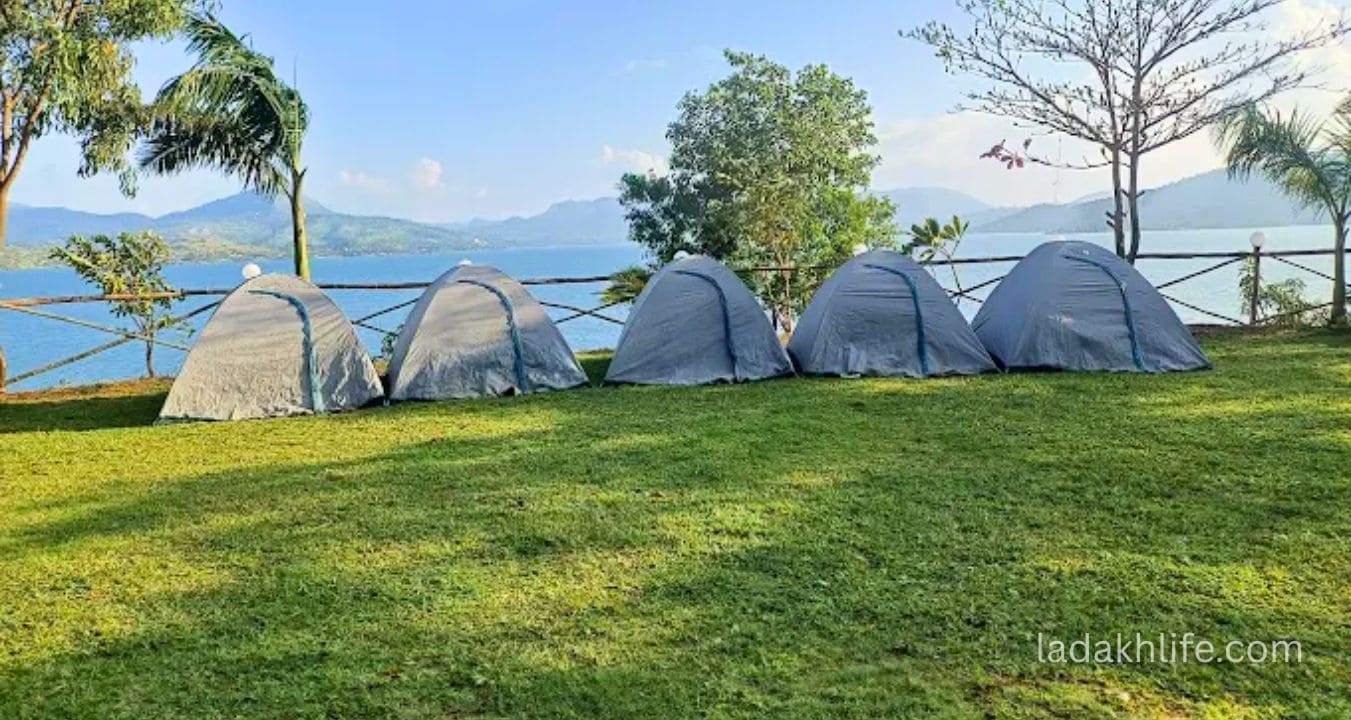
Forget luxury resorts. In Markha Valley, you stay in village homestays. These are simple family homes with a separate room for guests. A mattress on the floor, a thick blanket (or three), and maybe a solar-powered light bulb that works until midnight.
Bathrooms? A small structure outside with a door that barely closes. Running water? Ice-cold and comes from a tap in the yard. Wi-Fi? Hah. Mobile network? Doesn't exist.
And here's the surprising part, you won't miss any of it. You'll love the simplicity. You'll realize how little you actually need to be happy. The family will serve you dinner (usually momos, thukpa, or khambir with butter tea), and you'll sit with them in their kitchen, the warmest room in the house. No phones. No distractions. Just good food and genuine conversation, even if it's half sign language.
Best Time to Walk Through Markha Valley
Mid-June to mid-October is your window.
July and August are the warmest months, but you might get some afternoon rain. September is perfection, clear skies, pleasant days, and the autumn colors starting to show. Early October is still okay, but nights get seriously cold.
Avoid winter (November to May) unless you're an experienced winter trekker. The passes get buried in snow, and most homestays close down for the season.
What to Pack (Keep It Simple, Please)
I've seen people show up with massive 70-liter backpacks full of "just-in-case" items. Don't be that person. Here's what you actually need:
- Footwear: A broken-in pair of trekking shoes. Not new, not falling apart. Just right.
- Clothing: Layers. A t-shirt, a fleece, a windproof jacket. Thermals for the night. That's it.
- Sleeping bag: A must. Homestay blankets are decent, but a -5°C or -10°C bag will save you from cold nights.
- Water purification: Tablets or a filter. You'll refill from streams, don't drink it straight.
- Sunscreen & lip balm: The high-altitude sun is brutal. You will burn if you skip this.
- Power bank: Charging points are rare. Keep your phone alive for photos and emergencies.
- Basic first aid: Diamox for altitude, painkillers, band-aids, and your personal medicines.
And please, leave the drones at home. Markha Valley is inside Hemis National Park, and drones are banned without permits. Just enjoy the view with your eyes.
How Fit Do You Really Need to Be?
Let's be real. You don't need to be an athlete. But you should be able to walk 10-15 kilometers (about 5-7 miles) for 5-6 hours a day, with a backpack, on uneven terrain.
If you live a mostly sedentary life, do yourself a favor, start walking 2-3 months before your trip. Stairs are your best friend. So are squats and lunges. Your knees and thighs will thank you later.
Also, acclimatization is non-negotiable. Spend at least 2-3 days in Leh before starting the trek. Walk slowly in Leh. Drink water like it's your job. Avoid alcohol. Respect the altitude, or it will humble you.
Permits, Guides, and Local Rules
You need an Inner Line Permit (ILP) to enter Markha Valley (since it's close to the border). Indian nationals can get this in Leh. Foreign nationals need a Protected Area Permit (PAP), usually arranged through a registered tour agency.
Do you need a guide? Not legally, but honestly? Get one. The trail is mostly marked, but routes near the river can be confusing. A local guide also opens doors, they'll introduce you to families, translate conversations, and share stories you'd never hear otherwise. Plus, you're supporting the local economy.
If you're going solo or with friends, at least hire a local porter or a horse to carry the heavy stuff. Walking empty-handed is a totally different (and much more enjoyable) experience.
Ready to walk the Markha Valley? Start planning, train a little, pack light, and come with an open mind. The mountains are waiting.