So, What Exactly is Padum?
Padum is the largest town in Zanskar Valley, sitting at 3,557 meters (11,670 feet) along the Zanskar River. It's the administrative headquarters of Zanskar, which means it has a few government buildings, a hospital, a school, and wait for it a market with more than three shops. In Zanskar, that's basically a city.
But don't get the wrong idea. Padum is still incredibly remote. The nearest ATM is days away (in Kargil or Leh). Mobile networks work sometimes, if the wind is blowing the right direction. And the "market" sells essentials rice, dal, biscuits, maybe some vegetables if the truck has arrived from Kargil.
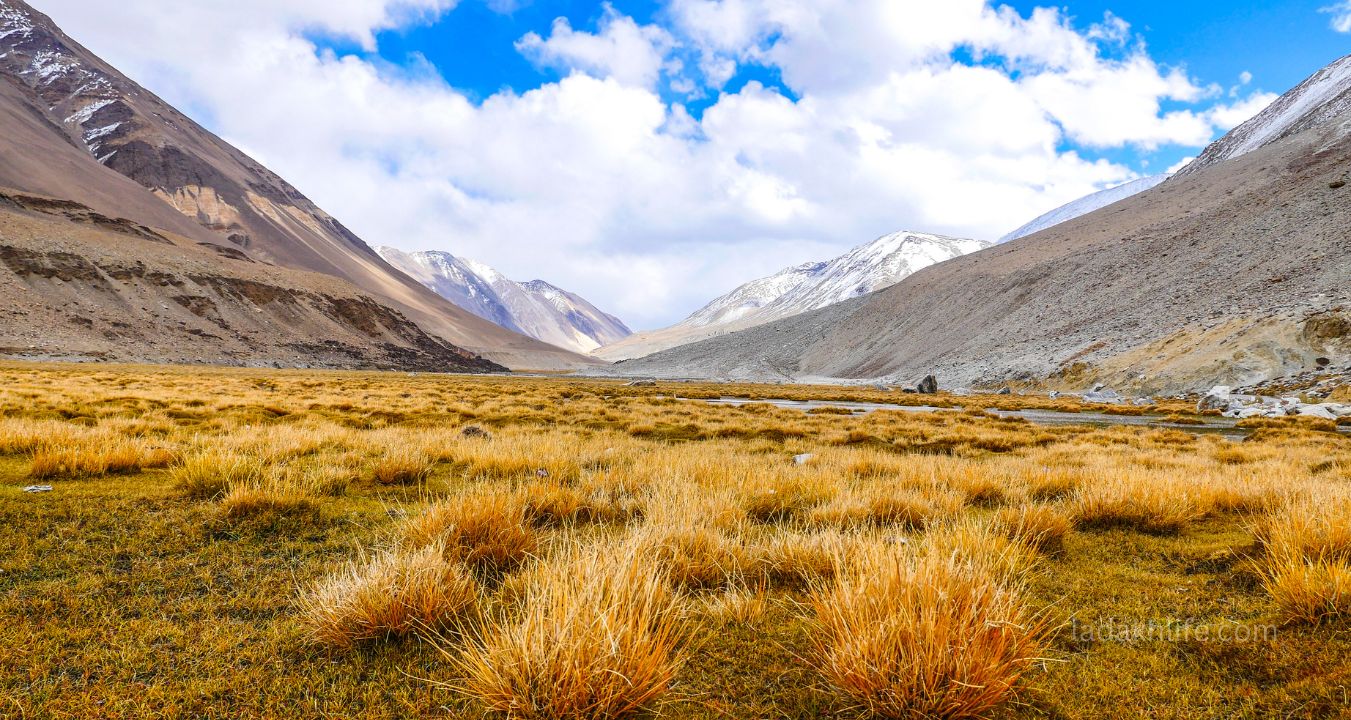
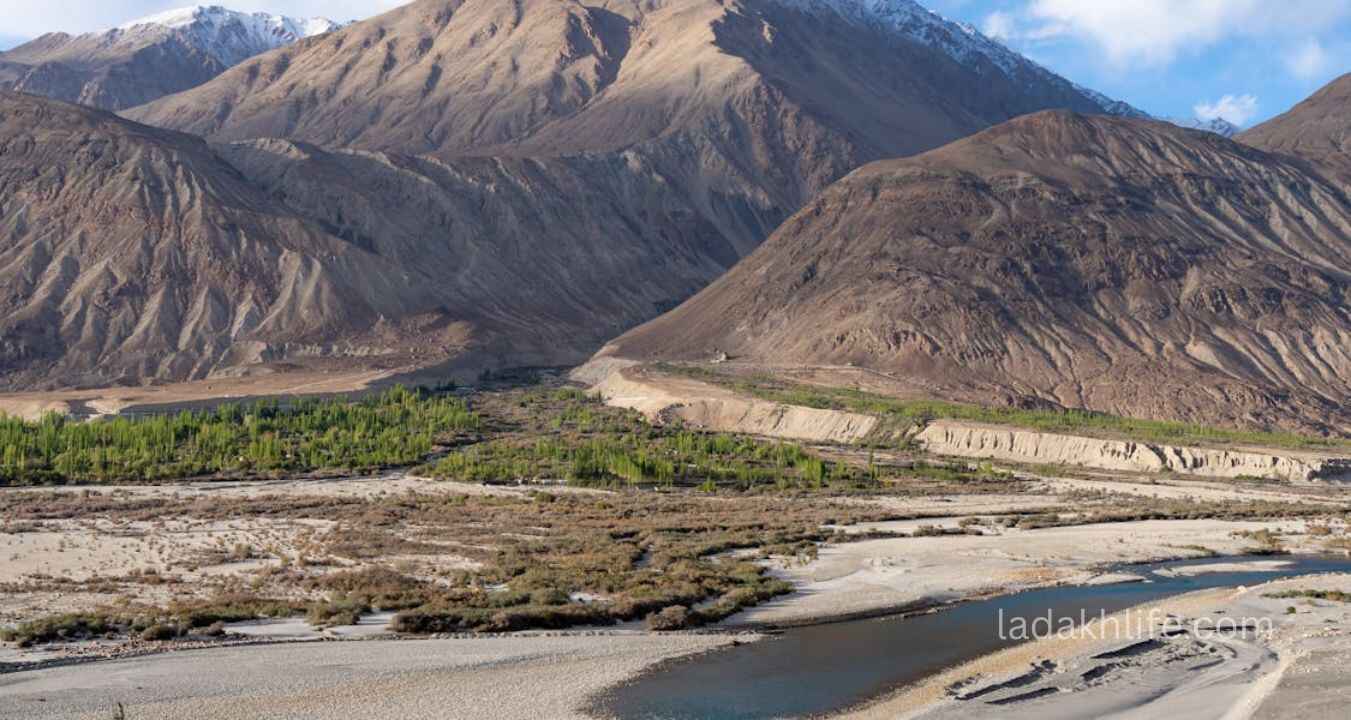
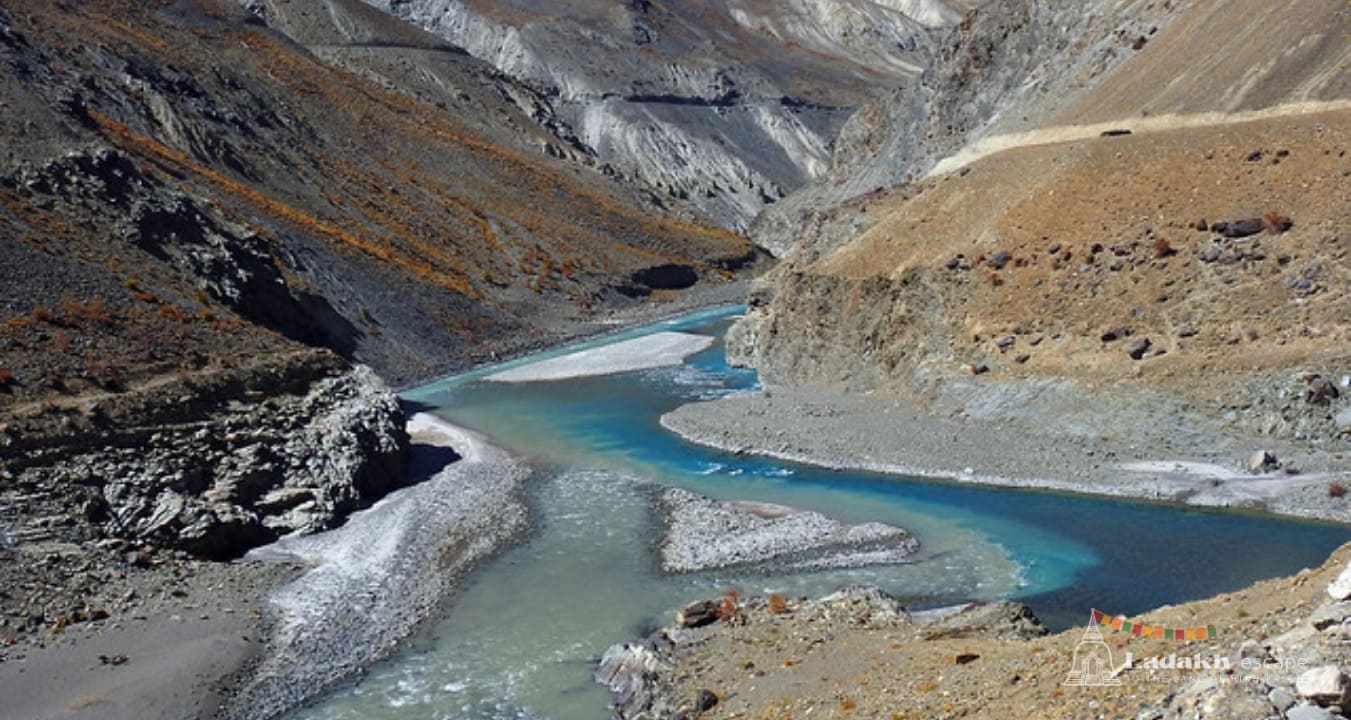
What Padum has, instead of conveniences, is character. The town is split by the Stod River (one of two rivers that form the Zanskar River). On one side is the main bazaar and bus stand. On the other are the older residential areas, with mud-brick houses, narrow lanes, and the Padum Monastery watching over everything.
From Padum, you can explore the rest of Zanskar Karsha Monastery (the largest in Zanskar), Stongde Monastery (perched on a hill like a fortress), Zangla Palace (the former royal residence), and villages like Raru, Pibiting, and Sani. But honestly? Just being in Padum, watching life unfold at a glacial pace, is an experience in itself.
Why Padum is the Heart of Zanskar
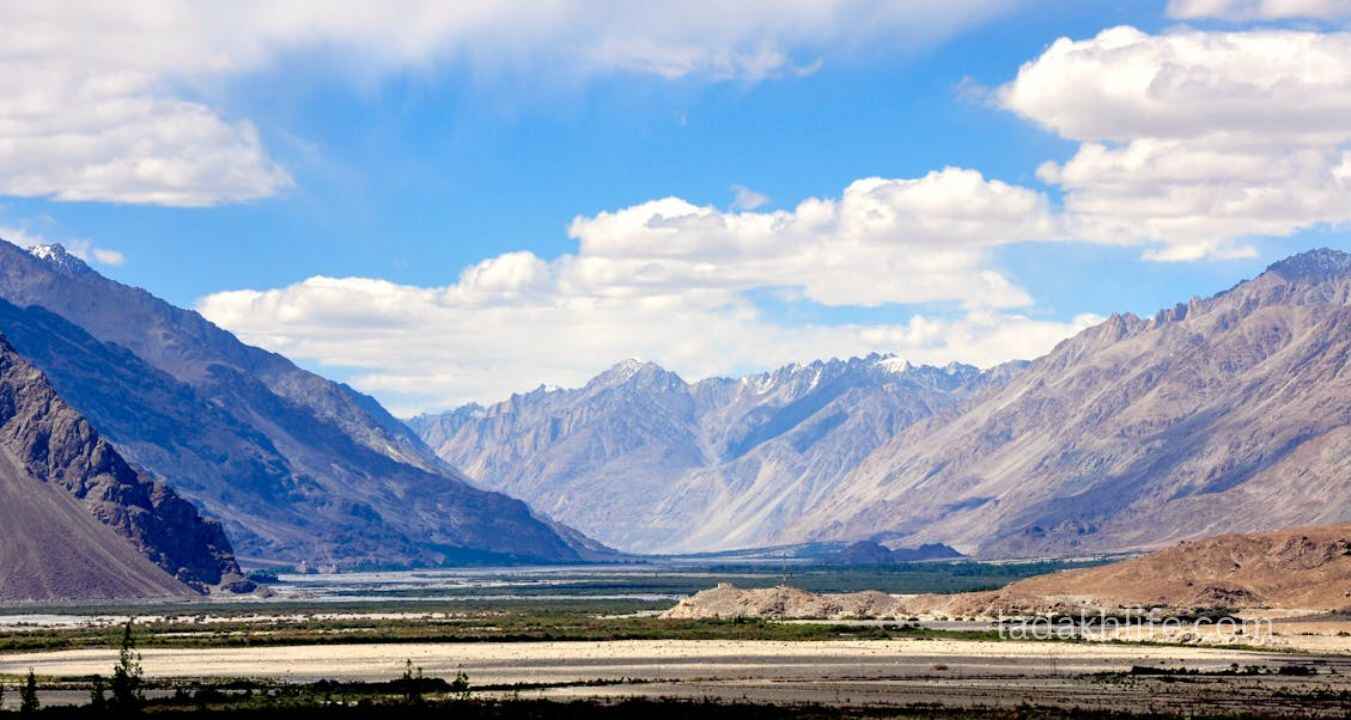
Zanskar is vast, empty, and intimidating. Padum is the opposite. It's small, friendly, and human-sized. Here's why you should spend time here:
- It's the only real "base" in Zanskar. From here, you can organize treks, hire guides, arrange transport, and stock up on supplies.
- Homestays are wonderful. Families here have hosted travelers for years, but they're not jaded. You'll get home-cooked food, warm conversations, and a real glimpse into Zanskari life.
- Walking everywhere is possible. Padum is small. You can walk from one end to the other in 20 minutes. The surrounding countryside is perfect for day hikes.
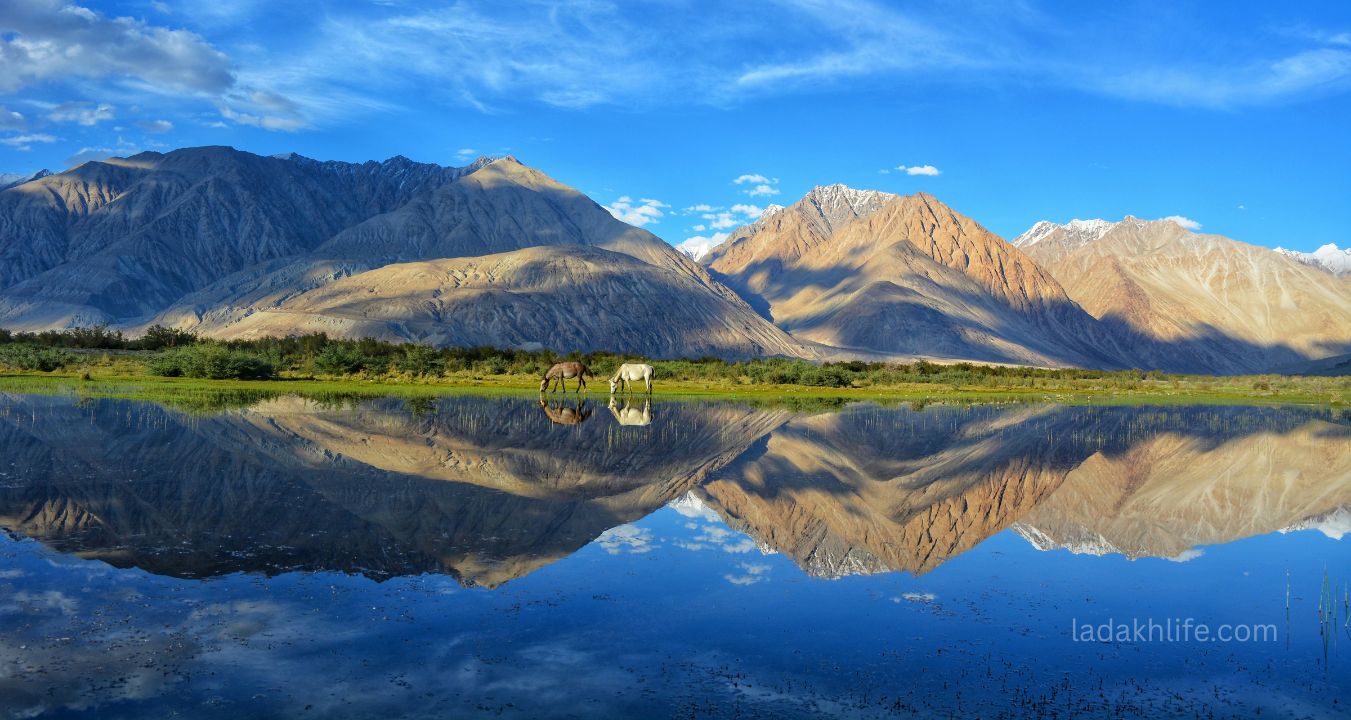
- The light is magical. Late afternoon in Padum, the sun hits the mountains at just the right angle. Everything glows gold. Your camera will work overtime.
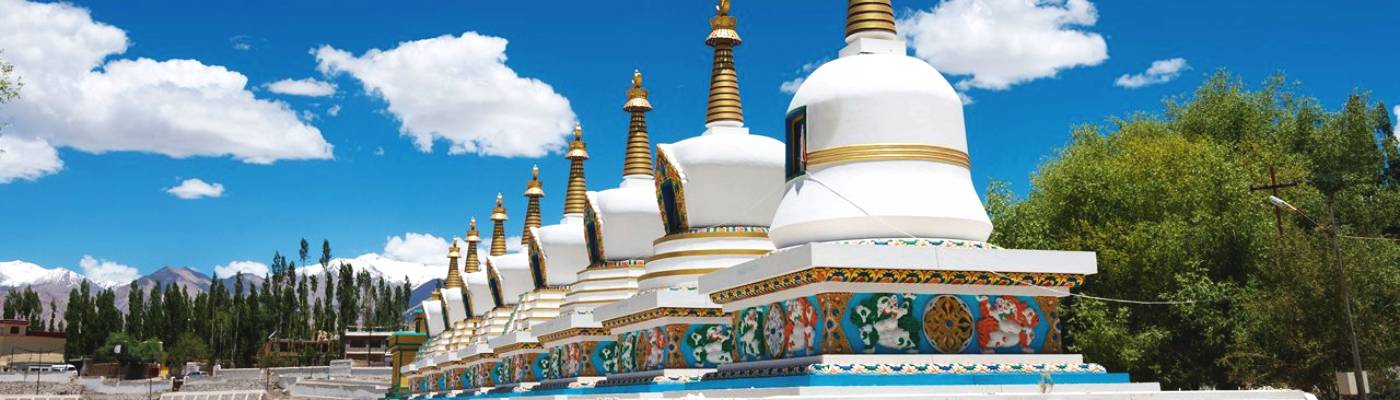
- It's a cultural crossroads. Buddhists, Muslims, and a few Hindus live together here. The monasteries, mosques, and chortens sit side by side. It's a beautiful thing to see.
Don't rush Padum. Give it two or three days. You won't be bored you'll be restored.
The Crown Jewels Around Padum (Don't Miss These)
1. Karsha Monastery The Largest in Zanskar
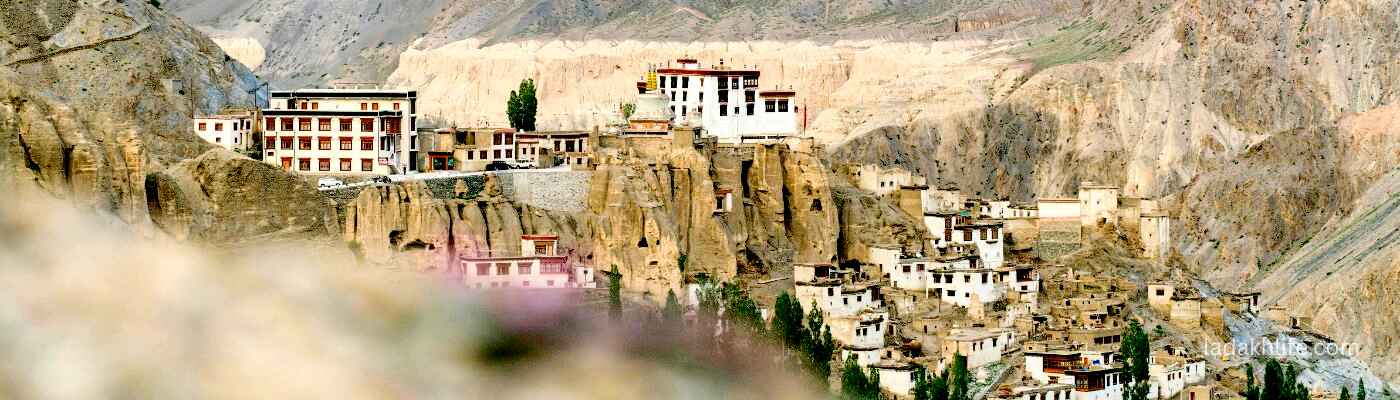
Just 7 kilometers from Padum, Karsha Monastery is the biggest and most important gompa in Zanskar. It's built into a hillside, looking like a smaller version of the Potala Palace in Lhasa. The walk from Padum to Karsha takes about 2-3 hours follow the river, cross a bridge, and climb slowly. The views from the top are worth every drop of sweat. The prayer hall is ancient, filled with thangkas, statues, and the smell of butter lamps. If you're lucky, you'll hear the monks chanting. I sat there for an hour, not understanding a word, but feeling something shift inside me anyway.
2. Stongde Monastery The Hilltop Fortress
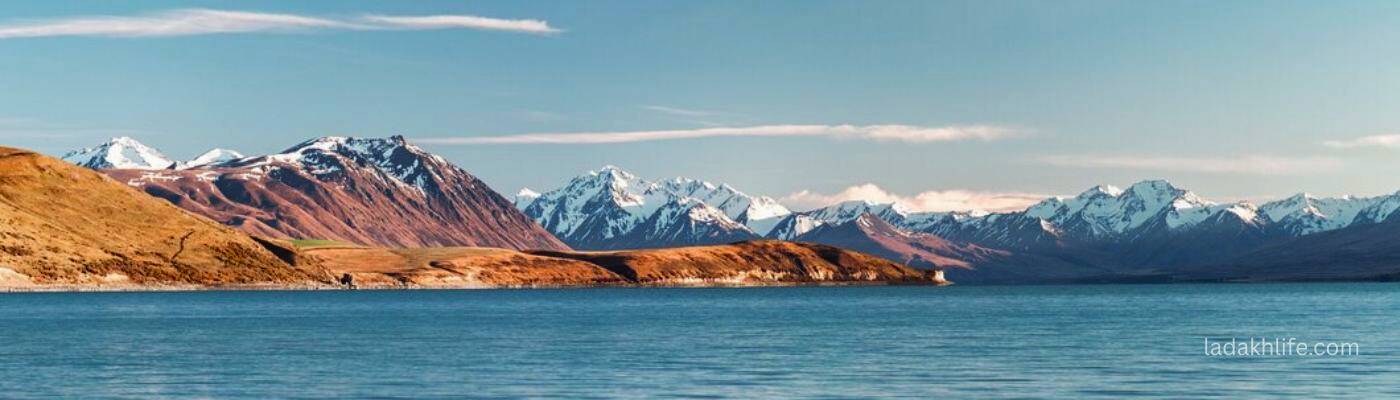
A few kilometers beyond Karsha is Stongde Monastery, sitting even higher on a rocky hill. The road is rough, but the walk from Karsha is beautiful through barley fields, past nomad camps, with the entire Zanskar Valley spread out below you. The monastery itself is quieter than Karsha, with fewer visitors and more peace. The views of the snow-capped peaks from here are staggering. Bring water. There's no shop up there.
3. Zangla Palace & Village The Royal Legacy
About 30 kilometers from Padum is Zangla, the former capital of Zanskar and home to the royal family. The palace is more of a large fort-like house now, but it's still impressive. The village below is charming narrow alleys, old wooden bridges, and a nunnery where young Buddhist nuns study. If you're lucky, the royal family might show you around. Ask at the village guesthouse. And don't miss the walk to the Zangla Gompa above the village the sunset from there is unforgettable.
4. Sani Monastery The Oldest in Zanskar
Just 6 kilometers west of Padum is Sani Monastery, believed to be the oldest in Zanskar, dating back to the time of the great translator Rinchen Zangpo (10th-11th century). Unlike other monasteries, Sani is a walled complex with a central temple that looks more like a Kashmiri wooden structure than a Tibetan gompa. The Sani Festival (held in July) is a spectacular event with masked dances and rituals. Even without the festival, the peaceful energy here is palpable.
5. The Zanskar River Walk Do Nothing, See Everything
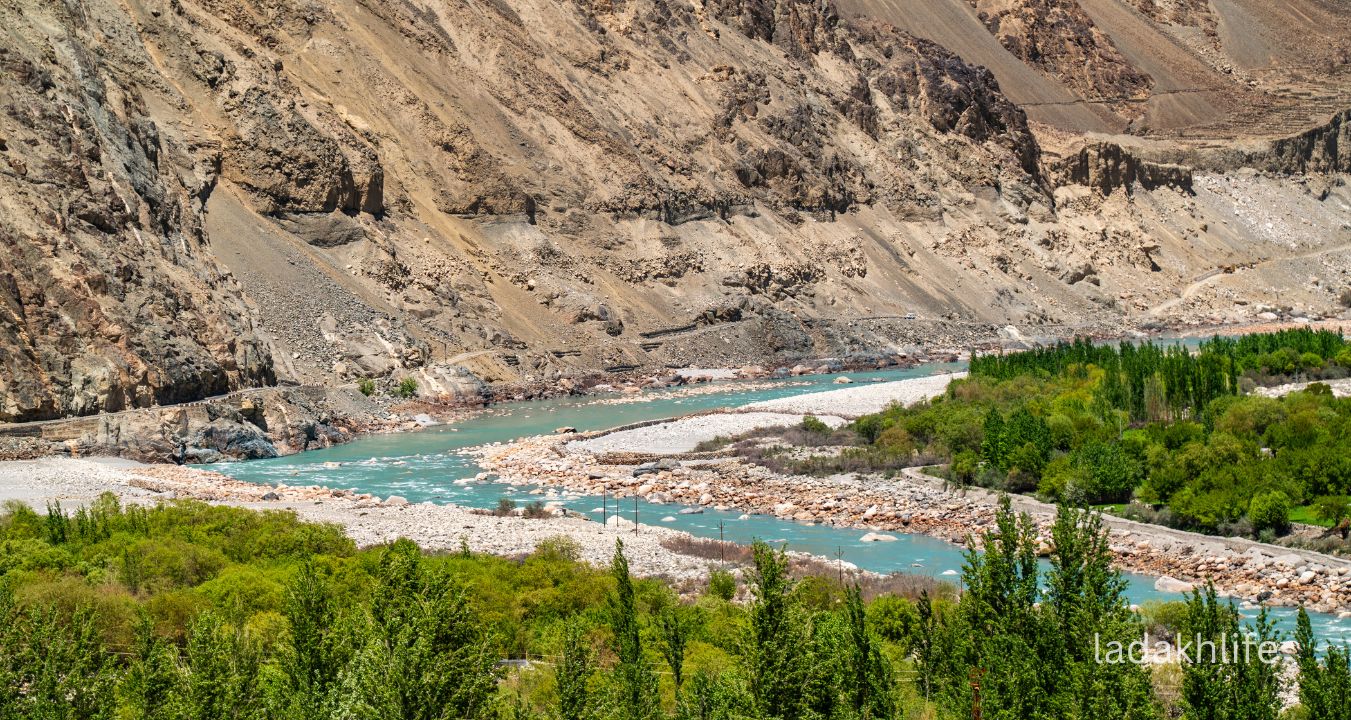
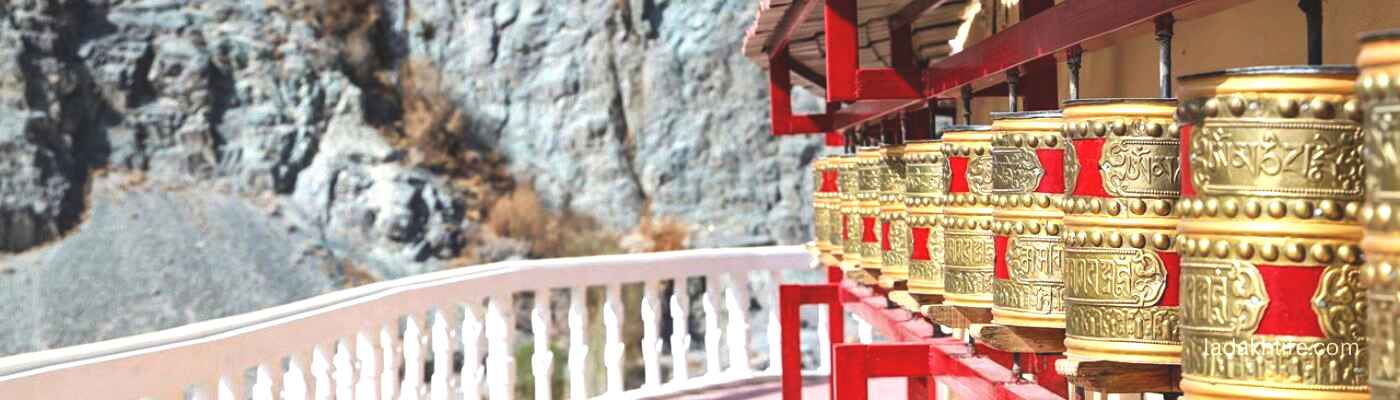
This is not a "sight" in the traditional sense. Just walk along the Zanskar River near Padum. Follow the dirt path past the prayer wheels, through the poplar trees, until you find a flat rock to sit on. Watch the water flow. Watch the farmers in the fields. Watch the clouds move across the mountains. Do this for an hour. Two hours. Don't take photos. Just be there. This, right here, is the best thing in Padum.
6. Pibiting & Raru Villages Step Back in Time
Across the river from Padum are the villages of Pibiting and Raru. They're not on most tourists' maps. They're just farming villages with mud-brick houses, old men spinning prayer wheels, and children who will run up to say "Juley" with huge smiles. Walk through the lanes. Watch the women weaving on ancient looms. Sit under an apricot tree. This is Zanskar without any filter raw, real, and beautiful.
Best Time to Visit Padum
Because Padum sits at a lower altitude than Leh, the season is slightly longer.
June to September is the main season. June has snowmelt, full rivers, and green fields. July and August are peak everything is lush, the weather is pleasant (20-25°C during the day, 5-10°C at night), and the monasteries are active. September is my personal favorite fewer people, golden autumn light, crisp clear skies, and perfect trekking conditions.
May and October are shoulder months. May is cool but beautiful, with snow still on the peaks. Some homestays and roads are still closed in early May. October is colder but stunning the autumn colors are incredible, and the tourist crowds are gone. By mid-October, most homestays close for the winter.
Winter (November to April): Forget it. The roads close. The temperature drops to -20°C to -30°C. Only the monks and the hardiest locals stay. Unless you're doing the Chadar trek (which starts near Leh, not Padum), don't attempt.
Pro tip: September is magic. The skies are crystal clear, the light is golden, and you'll have the trails mostly to yourself.
Where to Stay in Padum
Homestays are the soul of Padum. Skip the "hotels" (they're basic at best) and stay with a family. You'll get better food, warmer hospitality, and a real connection to Zanskar.
Otsal Guest House: Run by a lovely local family, this is one of the most popular spots. Clean rooms, good food, and they can arrange guides and transport. Around ₹800-1200 per night including dinner and breakfast.
Padum Homestay (ask locally): Several families near the main bazaar offer rooms. Just ask around. Expect basic but clean rooms, shared bathrooms (squat toilet, sometimes outside), and the warmest hospitality you'll find in Ladakh.
Zanskar Residency: The fanciest option in Padum (still basic by Leh standards). Private rooms, attached bathrooms, and hot water sometimes. Around ₹1500-2000 per night.
Camping: You can camp near Padum with permission, but at 3,500 meters, nights are cold even in summer. Only camp if you have a -5°C or -10°C sleeping bag.
Important: No online booking apps work in Zanskar. Call ahead or arrange through a travel agent in Leh. In peak season (July-August), homestays fill up weeks in advance.
How to Get to Padum
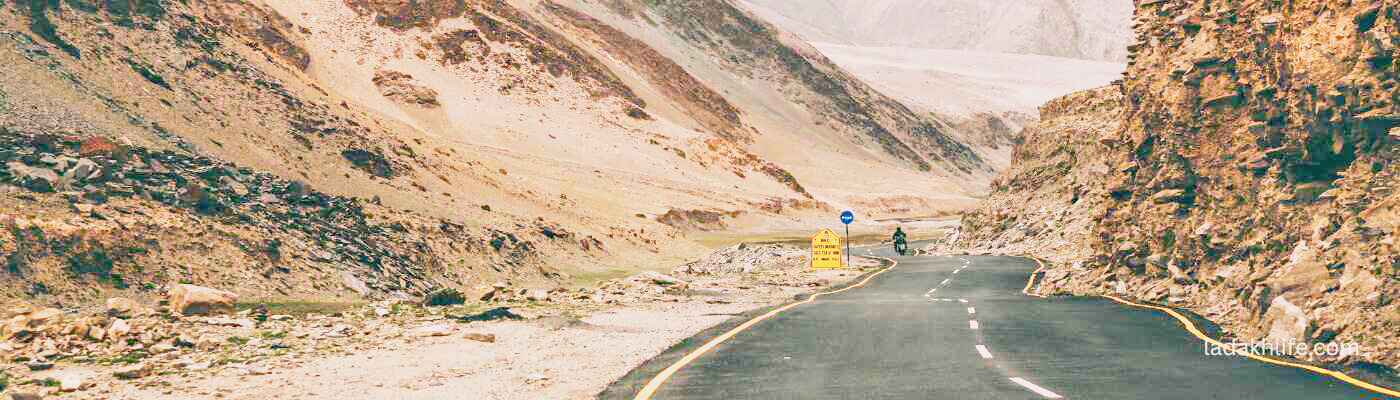
Getting to Padum is an adventure in itself. There are two routes one from Leh, one from Manali. Both are long, rough, and stunning.
From Leh via Kargil (440 km, 2 days): Day 1: Leh → Kargil (6-7 hours). Stay overnight in Kargil. Day 2: Kargil → Padum (8-9 hours, 240 km). The road is rough after Kargil, with stream crossings and rocky sections. A 4x4 is recommended. Shared taxis (sumos) run from Kargil to Padum during the season ask at the Kargil bus stand.
From Manali via Darcha (450+ km, 2-3 days): Day 1: Manali → Keylong (6-7 hours). Day 2: Keylong → Darcha → Shinku La pass (5,091m) → Rangdum (8-9 hours). Day 3: Rangdum → Padum (4-5 hours). This route is only open July-September. The Shinku La pass is high and rough. A 4x4 is essential. Most travelers do this as part of the Manali-Leh highway with a detour.
Public transport: Buses run from Leh to Kargil daily, and from Kargil to Padum several times a week in summer. They're cheap (₹500-800), slow, crowded, and uncomfortable. But if you're on a budget, they're your best bet. Ask at the Kargil bus stand for the latest schedule.
Cost: A private taxi from Leh to Padum (one way) costs around ₹15,000-20,000. Shared sumos from Kargil to Padum cost around ₹2,000-3,000 per person.
Altitude, Fitness, and Acclimatization (Important)
Padum sits at 3,557 meters lower than Leh (3,500m is similar). But if you're coming from Manali via Shinku La, you'll cross 5,000 meters before descending. Altitude sickness is real here.
- Spend 2-3 days in Leh first if coming from the Leh-Kargil route. Your body needs time.
- If coming from Manali via Shinku La, take it slow. The pass is brutal. Drink water, avoid alcohol, and don't push yourself.
- Drink 3-4 liters of water a day. Carry a reusable bottle. Water from streams is clean (boil or use purification tablets to be safe).
- Carry Diamox if you're prone to altitude sickness. Consult your doctor before the trip.
- Listen to your body. Headache, nausea, dizziness if it gets worse, rest or descend. Don't be stubborn.
Fitness-wise, you don't need to be an athlete. But walking to Karsha Monastery (2-3 hours uphill) will test your lungs. Start slow. Take breaks. Enjoy the view.
What to Pack for Padum
Padum is slightly warmer than Leh, but nights are still cold. Here's what you need:
- Shoes: Comfortable walking shoes or light trekking shoes for monastery visits and river walks.
- Clothing: T-shirts (2-3), fleece sweater, down jacket or heavy woolen sweater (evenings are cold), windproof jacket, trekking pants (2 pairs), warm socks (3-4 pairs), thermals for September nights.
- Sleeping bag: A -5°C or -10°C bag is useful in summer. Homestay blankets help, but your own bag is warmer.
- Accessories: Sunscreen SPF 50+ (the sun is intense at this altitude), sunglasses, lip balm, hat, scarf (for monasteries cover your shoulders), reusable water bottle, water purification tablets.
- Gear: Headlamp or flashlight (power cuts are common), power bank (large capacity charging may not be available in your room), basic first aid kit (Diamox, paracetamol, band-aids, ORS sachets), toilet paper, wet wipes.
- Cash: No ATMs in Padum. The last ATM is in Kargil or Leh. Bring enough for homestays, food, transport, and emergencies at least ₹5,000-10,000 for a 3-4 day stay.
Essential Tips for Visiting Padum
- Get permits before you come. Zanskar is near the Tibetan border. Indian nationals need an Inner Line Permit (ILP). Foreign nationals need a Protected Area Permit (PAP). Arrange these in Leh through a travel agent. Don't try to enter without them there are army checkposts.
- Learn "Juley" (joo-lay). It means hello, thank you, goodbye, and everything in between. Say it to everyone. Watch how their faces light up.
- Respect monastery rules. Remove shoes before entering prayer halls. No photos inside (ask permission if you're unsure). Walk clockwise around chortens and prayer wheels.
- Ask before taking photos of people. Most will say yes if you ask nicely. A few will say no. Respect that.
- Dress modestly. Cover shoulders and knees, especially in villages and monasteries. Zanskar is conservative.
- Don't litter. Carry your plastic waste back to Kargil or Leh. There's no garbage collection in Zanskar.
- Be patient with everything. Food takes time. Transport is unpredictable. The internet is a myth. Relax. You're not in a hurry anymore.
Padum vs Other Zanskar Villages A Quick Comparison
- Padum vs Rangdum: Rangdum is a tiny village with a monastery, at the southern entrance to Zanskar. Padum is the main town with more facilities. Stay in Rangdum for solitude and monastery views. Stay in Padum for convenience and access to multiple sites.
- Padum vs Zangla: Zangla is smaller, quieter, and more remote, with a palace and nunnery. Padum is busier (relatively) and has more homestays and shops. Visit Zangla for a day trip from Padum.
- Padum vs Karsha: Karsha is a monastery village on a hillside, not a town. You can stay there, but facilities are very basic. Padum is better for a base.
Why Most Tourists Rush Through Padum (And Why You Shouldn't)
Most people who make it to Zanskar are either trekkers or road trip warriors. They're on a mission. They have a schedule. They arrive in Padum, look around, take a photo of the river, and leave the next morning for the next destination.
That's a shame. Because Padum is not a place to "see." It's a place to be.
The magic of Padum is in the slow moments. The morning chai on the rooftop. The walk to the river where you don't do anything except watch the water. The conversation with the grandmother who doesn't speak your language but makes you laugh anyway. The evening light on the mountains that lasts for an hour, changing from gold to pink to purple.
You can't schedule those things. You can't rush them. You just have to be there, with nowhere to go and nothing to prove.
So here's my advice. When you get to Padum, don't plan. Don't rush. Stay for three nights, not one. Walk without a map. Sit without a purpose. And let Zanskar do what it does best remind you that life doesn't have to be so complicated.
Padum won't impress you with monuments or museums. It won't give you luxury or convenience. But it will give you something rarer a few days of genuine peace, warm smiles, and the slow rhythm of life in one of the most beautiful valleys on earth. Stay a while. You won't regret it.