So, What Exactly is Rupshu Valley?
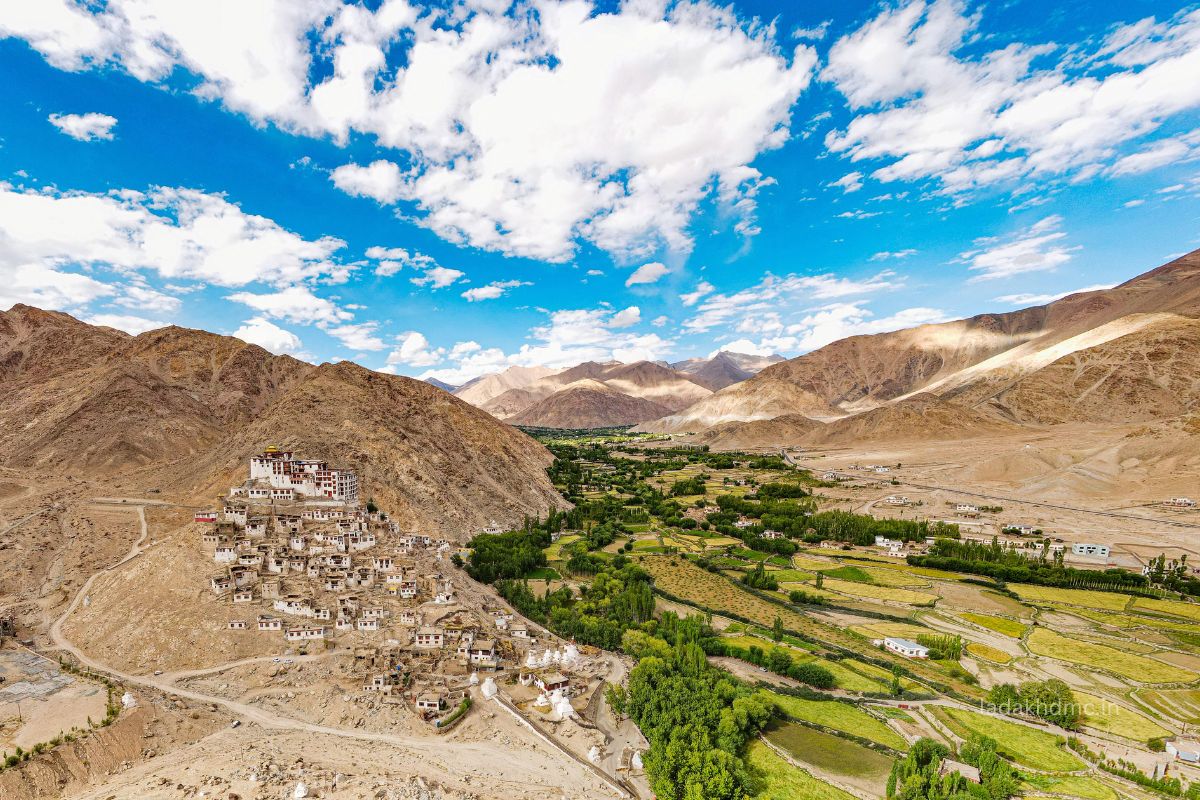
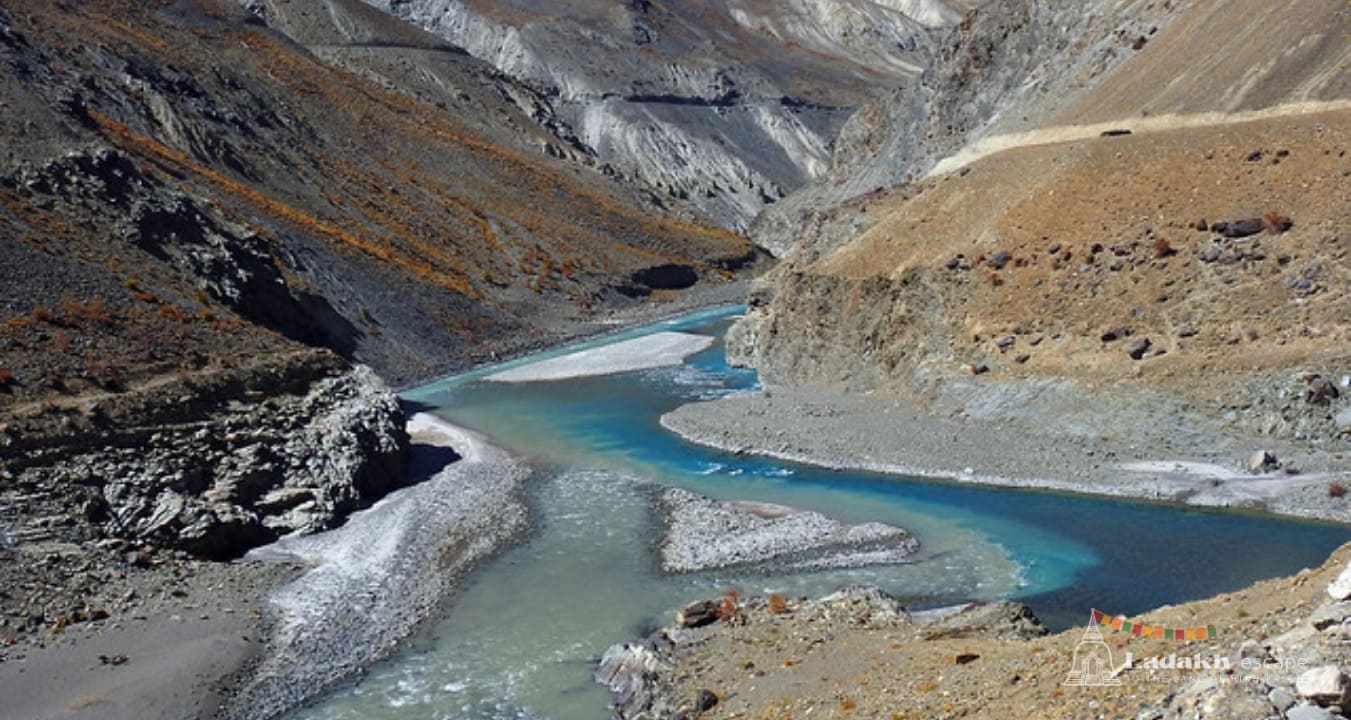
Let me explain. Rupshu Valley isn't a valley in the way you think. It's a high-altitude plateau a vast, flatish stretch of land surrounded by mountains. Think of it as the roof of the roof of the world. This is the southeastern corner of Ladakh, bordering Himachal Pradesh and Tibet.
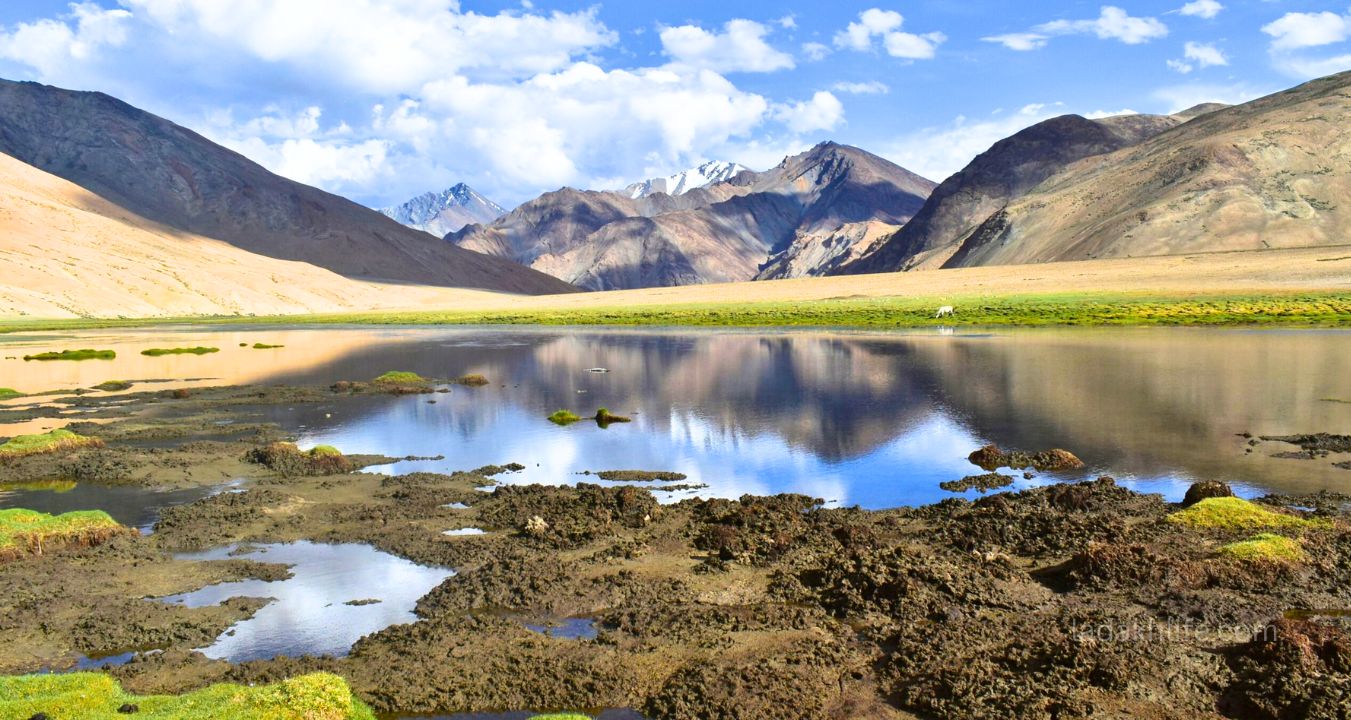
The region is famous for two things: salt lakes and nomads. The biggest attraction is Tso Moriri lake a stunning high-altitude lake that sits at 4,595 meters. But there's also Tso Kar lake the "white lake," famous for its salt crusts), the Korzok Monastery on the shores of Tso Moriri, and endless expanses of wild, empty land that feel like another planet.
The people here are the Changpa nomads. They move with their herds of pashmina goats and yaks, living in black tents made of yak wool. They've been doing this for over a thousand years. Visiting Rupshu isn't just a scenic trip it's a glimpse into a way of life that's disappearing.
Fair warning. This is not a luxury destination. There are no resorts, no cafes, no paved roads beyond the main highway. The altitude is brutal. The nights are freezing. But if you're willing to be uncomfortable for a few days? You'll witness something most travelers never see.
Why Rupshu Valley is Ladakh's Wildest Frontier
Most tourists come to Ladakh and do the "standard circuit" Nubra, Pangong, Leh. Maybe Sham if they have time. But Rupshu? Rupshu is different. Here's why:
- No crowds. On most days, you'll see more kiangs (wild asses) than humans. Seriously.
- The highest lakes in the world. Tso Moriri and Tso Kar sit above 4,500 meters. Pangong is famous, but these lakes are equally stunning and empty.
- Nomadic culture. You can visit Changpa camps, see how they make pashmina, and experience hospitality that has nothing to do with tourism.
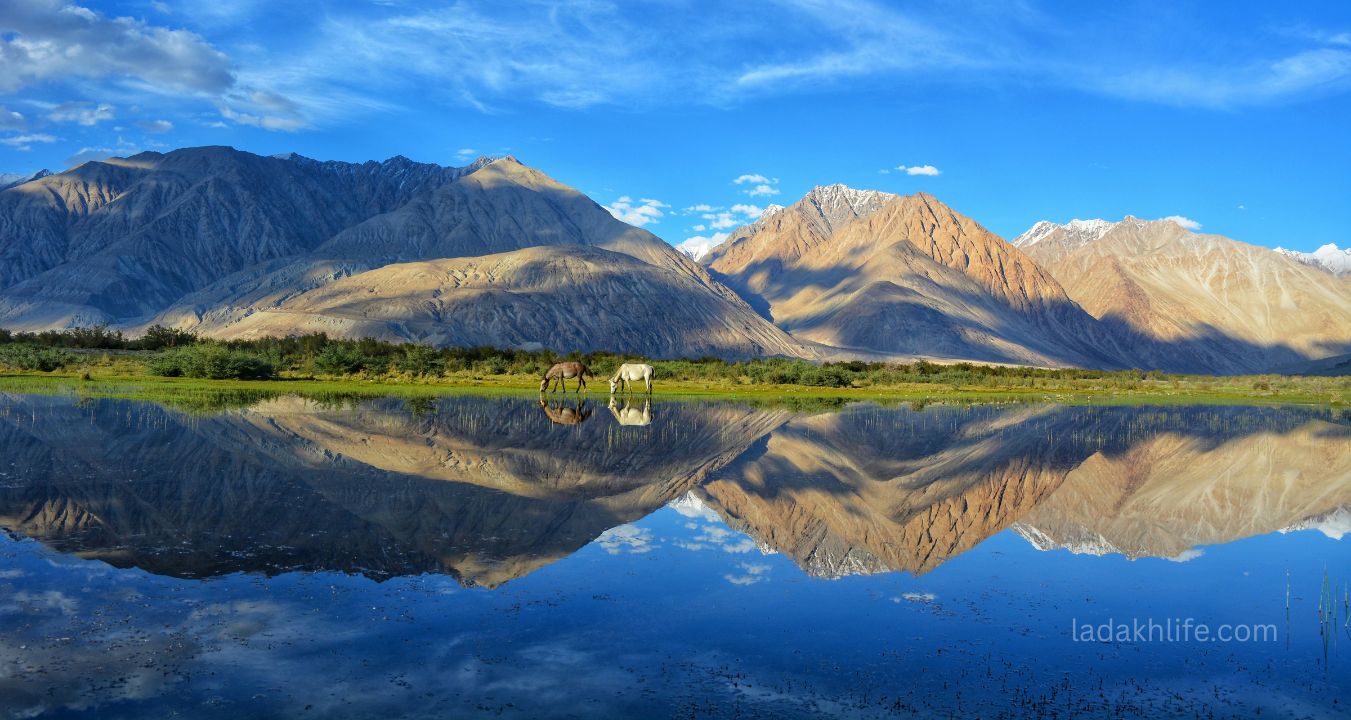
- Wildlife. Kiangs, marmots, Tibetan wolves, black-necked cranes, and if you're incredibly lucky a snow leopard.
- Truly remote. No phone network. No electricity outside of solar panels. No distractions. Just you and the landscape.
If you're the kind of traveler who gets bored at "normal" tourist spots, Rupshu will feel like coming home.
The Crown Jewels of Rupshu Valley (Don't Miss These)
1. Tso Moriri Lake The Sacred Blue Jewel
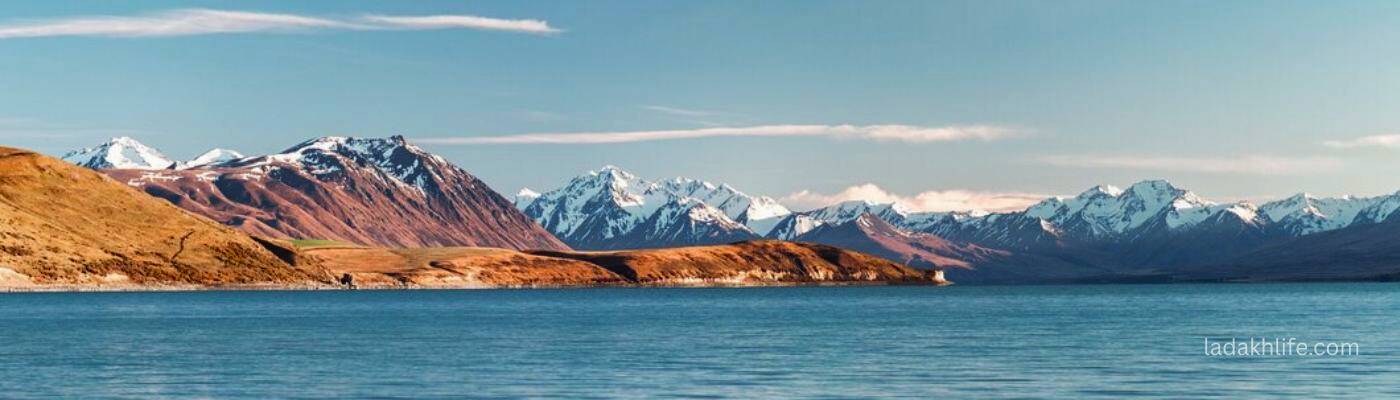
I need you to understand something. Tso Moriri is not just a lake. It's an experience. You drive for hours across a barren plateau, nothing but brown mountains and grey sky. Then, suddenly, the earth drops away and you see it a sheet of impossibly blue water surrounded by snow-capped peaks. The lake is 26 kilometers long and sits at 4,595 meters. The water is so clear you can see the bottom 20 feet down. The air is so thin you get dizzy just walking to the shore.
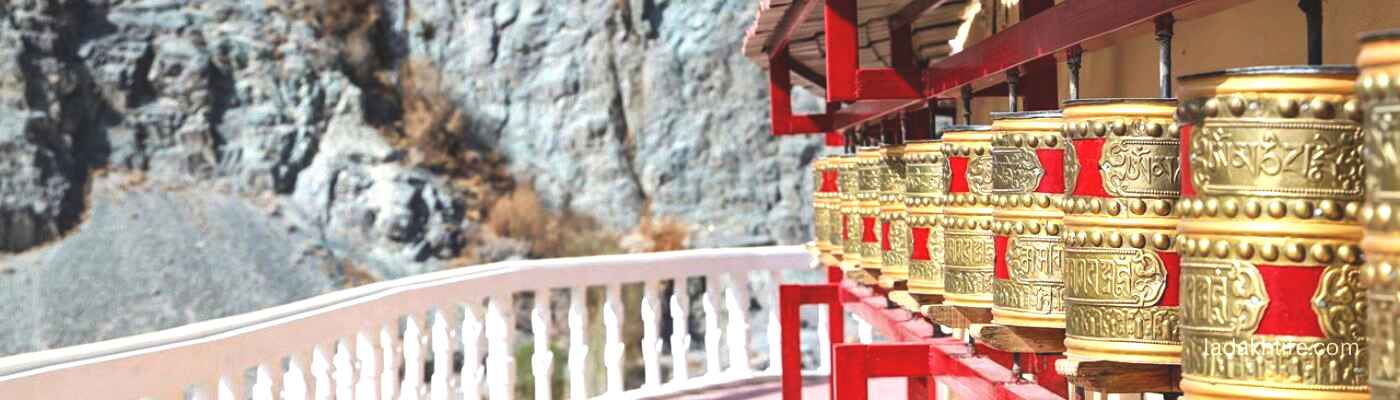
On the western shore sits Korzok Monastery, a small but ancient gompa that's been here for over 400 years. Monks live here year-round imagine winters at 4,600 meters. Stay for sunset. The mountains turn pink, then purple, then black. The silence is so deep you can hear your own heartbeat. I sat there until the stars came out. I've never felt so small and so alive at the same time.
2. Tso Kar Lake The White Salt Lake
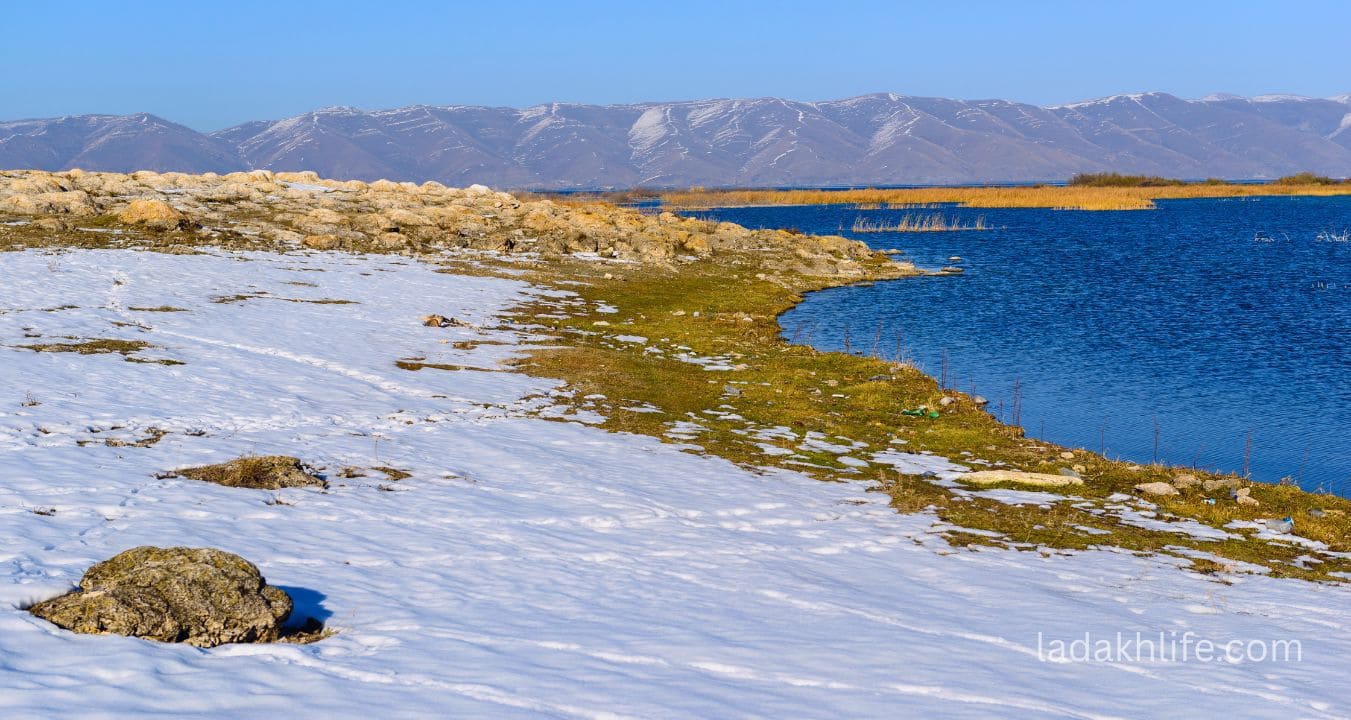
About 70 kilometers northwest of Tso Moriri is Tso Kar, which means "white lake" in Ladakhi. And it's exactly that a shallow lake surrounded by white salt crusts that crunch under your boots. The lake is famous for its brine shrimp, which attract thousands of migratory birds. Black-necked cranes, bar-headed geese, brahminy ducks if you're a birdwatcher, bring binoculars.
Unlike Tso Moriri, Tso Kar feels more desolate. There's no monastery. Just a few nomad tents, a small salt mining operation, and miles of nothing. I walked along the salt flats at sunset, and it felt like walking on the moon. Eerie. Beautiful. Unforgettable.
3. The Changpa Nomads Ladakh's Last Nomads
The Changpa people are the heart and soul of Rupshu. They move their herds of pashmina goats (the ones that produce the world's finest wool) between grazing grounds, living in rebo tents made of yak wool. Their lives are hard. Temperatures drop to -30°C in winter. They walk for days to reach water. And yet, when you visit their camp, they'll invite you in, pour you butter tea, and ask about your family like you're an old friend.
How to visit? You can't just walk into a camp. But if you hire a local guide or stay at the TSEDANG Homestay in Korzok, they can arrange a respectful visit. Don't show up unannounced. Bring small gifts (tea, sugar, rice not money or candy for kids). Ask questions. Listen to their stories. And when you leave, you'll understand why people fight to keep this way of life alive.
4. Kiang (Tibetan Wild Ass) The Spirits of the Plateau
Driving through Rupshu, you'll see them. Herds of kiangs Tibetan wild asses galloping across the plains. They're beautiful animals, with reddish-brown backs, white bellies, and a proud, stubborn look. They can run at 70 kilometers per hour. And they're not afraid of vehicles. I watched a herd cross the road in front of my car, one by one, each one pausing to stare at me like I was the intruder. I guess I was.
Rupshu is one of the last places where kiangs roam freely. Don't chase them. Don't honk. Just watch. And feel grateful that places like this still exist.
5. The Road Itself An Adventure in Every Kilometer
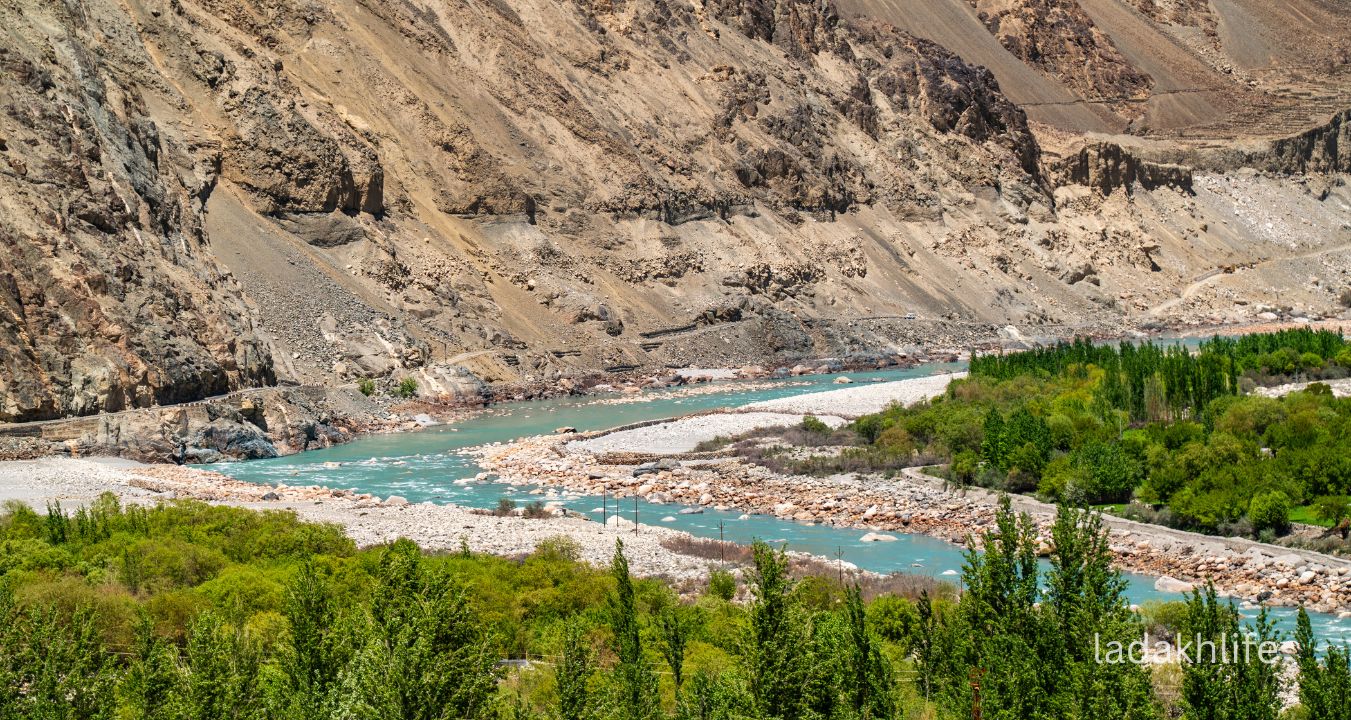
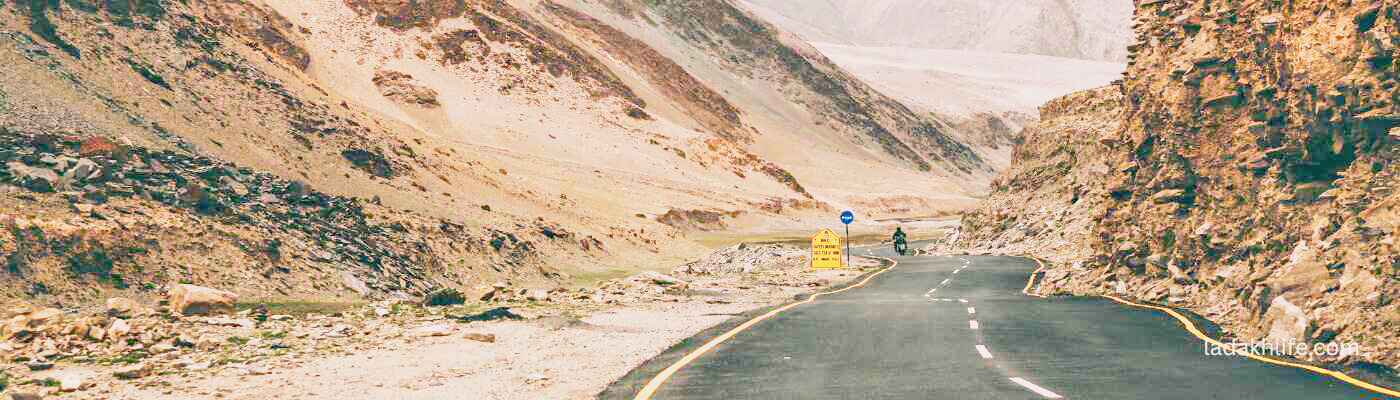
I'm not kidding. The drive to Rupshu is an experience. From Leh, you take the Manali highway south, then turn off at Upshi toward Chumathang (famous for its hot springs stop there, soak your feet). From there, the road climbs and climbs. You cross Mahe Bridge, the last bridge before Tibet. You pass through Karzok, the only real village. And everywhere, there are prayer flags, chortens, and views that make you pull over every ten minutes.
6. Sky Watching No Light Pollution, No Competition
I've seen stars in many places. The Sahara. The Australian outback. The Andes. But Rupshu? Rupshu is different. At 4,500 meters, the atmosphere is thinner. The stars don't just twinkle they burn. The Milky Way is so bright it casts shadows. You'll see satellites moving, shooting stars every few minutes, and if you're lucky, the faint green glow of airglow on the horizon. Bring a warm jacket, a mat to lie on, and just look up for an hour. You won't regret it.
Best Time to Visit Rupshu Valley
This is important. Rupshu is not accessible year-round. The roads close in winter.
June to September is the only window. July and August are the warmest (daytime 10-15°C, nights -5°C to 5°C). September is colder but clearer. By mid-October, the first snows come, and the road to Tso Moriri closes until May.
May and early June are possible if there wasn't too much winter snow. But nights are freezing (-10°C), and some homestays are still closed. Call ahead.
Winter (October to April): Forget it. Temperatures drop to -30°C to -40°C. The lakes freeze solid. The roads are buried. Only the Changpa nomads and the monks at Korzok stay. If you're not one of them, don't try.
Pro tip: August has the best weather. September has the clearest skies. July has the most birds at Tso Kar. Pick your priority.
Where to Stay in Rupshu Valley
Options are limited. This is not Leh. Come with realistic expectations.
Korzok Village (on Tso Moriri): There are a few basic homestays and guesthouses. TSEDANG Homestay is the most famous run by a local family, they offer clean rooms, good food, and can arrange guides and nomad visits. Lake View Guesthouse has slightly better views but more basic rooms. Both cost around ₹800-1200 per night including dinner and breakfast.
Tso Kar Lake: There's one basic camp the Tso Kar Resort (more like a tented camp). Very basic, very cold, very memorable. Book ahead in peak season.
Camping: You can camp near the lakes with permission. But at 4,500 meters, nights are brutally cold even in summer. Only camp if you have a -10°C or -20°C sleeping bag and experience with high-altitude camping.
Important: No online booking apps work here. Call ahead or arrange through a travel agent in Leh. In peak season (July-August), homestays fill up weeks in advance.
How to Get to Rupshu Valley
Getting to Rupshu is half the adventure. The road is rough, high, and stunning.
From Leh (220 km, 6-7 hours): Drive Leh → Upshi → Chumathang → Mahe Bridge → Karzok. The road is paved until Chumathang, then it gets rough. A few stream crossings. Some steep climbs. A 4x4 is recommended but not strictly necessary in summer. Most taxi drivers know the route.
From Manali (400+ km, 2-3 days): Drive Manali → Keylong → Sarchu → Tso Kar → Tso Moriri. This is the classic Manali-Leh highway with a detour. The road is rough, high, and only open July-September. Doable in a 4x4. Not recommended for beginners.
Public transport: Almost non-existent. There's a once-daily bus from Leh to Chumathang, but nothing beyond. You'll need a private taxi or your own vehicle.
Cost: A taxi from Leh to Tso Moriri and back costs around ₹8,000-12,000 depending on the season and your negotiation skills. Split it with 3-4 other travelers.
Altitude, Fitness, and Acclimatization (Read This Twice)
I'm going to be direct with you. Rupshu is dangerously high. Tso Moriri sits at 4,595 meters. That's higher than Leh (3,500m), higher than Nubra (3,000m), higher than Pangong (4,250m). Altitude sickness is not a joke here.
Rules for a safe trip:
- Spend at least 3-4 days in Leh first. Do not drive to Rupshu on day 2. Your body needs time.
- Acclimatize in Chumathang (3,800m) overnight if possible. It's lower than Tso Moriri and has hot springs. A great stopover.
- Drink 4-5 liters of water a day. No alcohol. No cigarettes. No heavy meals.
- Carry Diamox. Consult your doctor before the trip. Start taking it before you reach Rupshu.
- Listen to your body. Headache, nausea, dizziness, shortness of breath if it gets worse, descend immediately. Go back to Leh. Don't be stubborn.
I've seen people flown out of Rupshu with severe AMS. Don't be that person. Respect the altitude.
What to Pack for Rupshu Valley
Rupshu is colder and harsher than any other valley in Ladakh. Pack accordingly.
- Shoes: Sturdy trekking shoes, broken in. You'll be walking on uneven, rocky ground.
- Clothing: T-shirts (2), fleece sweater, down jacket (essential), windproof/waterproof outer layer, thermal innerwear (top and bottom), trekking pants (2 pairs), warm socks (4-5 pairs), woolen beanie, thick gloves, scarf or buff.
- Sleeping bag: Absolutely essential. A -10°C or -15°C bag. Homestay blankets are not enough at 4,600 meters.
- Accessories: Sunglasses (high-quality, UV protection the sun is brutal here), sunscreen SPF 50+, lip balm, hat, reusable water bottle, water purification tablets.
- Gear: Headlamp (power cuts are common), power bank (large capacity), basic first aid kit (Diamox, paracetamol, band-aids, ORS sachets), toilet paper, wet wipes.
- Cash: No ATMs. The last ATM is in Leh. Bring enough for homestays, food, transport, and emergencies.
Essential Tips for Visiting Rupshu Valley
- Get permits. Tso Moriri is near the Tibetan border. Indian nationals need an Inner Line Permit (ILP). Foreign nationals need a Protected Area Permit (PAP). Arrange these in Leh through a travel agent. Don't try to enter without them there are army checkposts.
- Respect the nomads. Ask before taking photos. Don't walk into their tents uninvited. Don't give candy or money to children. If you want to help, donate to the local school or bring practical gifts (tea, sugar, rice) for the camp.
- Don't litter. There's no garbage collection in Rupshu. Carry everything back to Leh. Plastic bottles, wrappers, batteries all of it.
- No loud music, no drones. This is a wildlife sanctuary (Tso Moriri is a Ramsar wetland). Drones disturb the birds and animals. Leave them at home.
- Check your vehicle. The roads are rough. Get your car checked in Leh before driving. Carry a spare tire, extra fuel, and basic tools.
- Mobile network is non-existent. No BSNL, no Jio, nothing. Tell your family you'll be offline for 2-3 days. They'll survive.
- Be patient with food. Everything has to be trucked in from Leh. Menus are limited. Dal, rice, eggs, momos, thukpa. That's it. And you'll be grateful for every bite.
Rupshu Valley vs Other Ladakh Lakes A Quick Comparison
- Rupshu (Tso Moriri) vs Pangong Tso: Pangong is famous, but it's crowded, commercial, and has huge tourist camps. Tso Moriri is quieter, higher, and feels more sacred. Both are stunning. Choose Tso Moriri if you hate crowds. Choose Pangong if you want more facilities.
- Rupshu vs Nubra Valley: Nubra has sand dunes, camels, and green villages. Rupshu has salt lakes, nomads, and barren plateaus. Nubra is dramatic. Rupshu is desolate. Both are beautiful in different ways.
- Rupshu vs Zanskar: Zanskar has the Chadar trek, deep gorges, and ancient monasteries. Rupshu is higher, more open, and more about wildlife and nomads. Zanskar for adventure. Rupshu for solitude.
Why Most Tourists Skip Rupshu (And Why You Shouldn't)
Let me be honest. Most tourists skip Rupshu because it's hard to get to, the altitude is brutal, and there's no "Instagram luxury" here. No fancy camps with hot showers and bonfires. No cafes serving avocado toast. Just basic homestays, basic food, and basic toilets (outside, cold, bring your own toilet paper).
But here's the thing. The places that are hardest to reach are the ones that stay with you. Years from now, you won't remember the comfortable hotels or the smooth roads. You'll remember standing on the shores of Tso Moriri, watching the sun set behind 6,000-meter peaks, with nothing but wind and silence for company. You'll remember the smile of the old nomad woman who poured you butter tea. You'll remember the herd of kiangs that crossed the road in front of you, staring like you were the strange one.
That's Rupshu. It's not comfortable. It's not easy. But it's real. And in a world where everything feels curated and filtered, real is worth the effort.
Rupshu Valley won't give you luxury. It won't give you easy Instagram photos or hot showers. But it will give you something rarer a few days at the edge of the world, among the nomads and the salt lakes and the wild asses. You'll come back with no souvenirs except memories. And those memories? They'll last a lifetime.