Ancient History of Diskit Monastery
Diskit Monastery, located in the scenic Nubra Valley of Ladakh, was founded in the 14th century by Changzem Tserab Zangpo. It belongs to the Gelugpa (Yellow Hat) sect of Tibetan Buddhism and is the oldest monastery in the region. Over centuries, it has remained a vital center for Buddhist learning, meditation, and cultural preservation.
Traditional Tibetan-Style Architecture
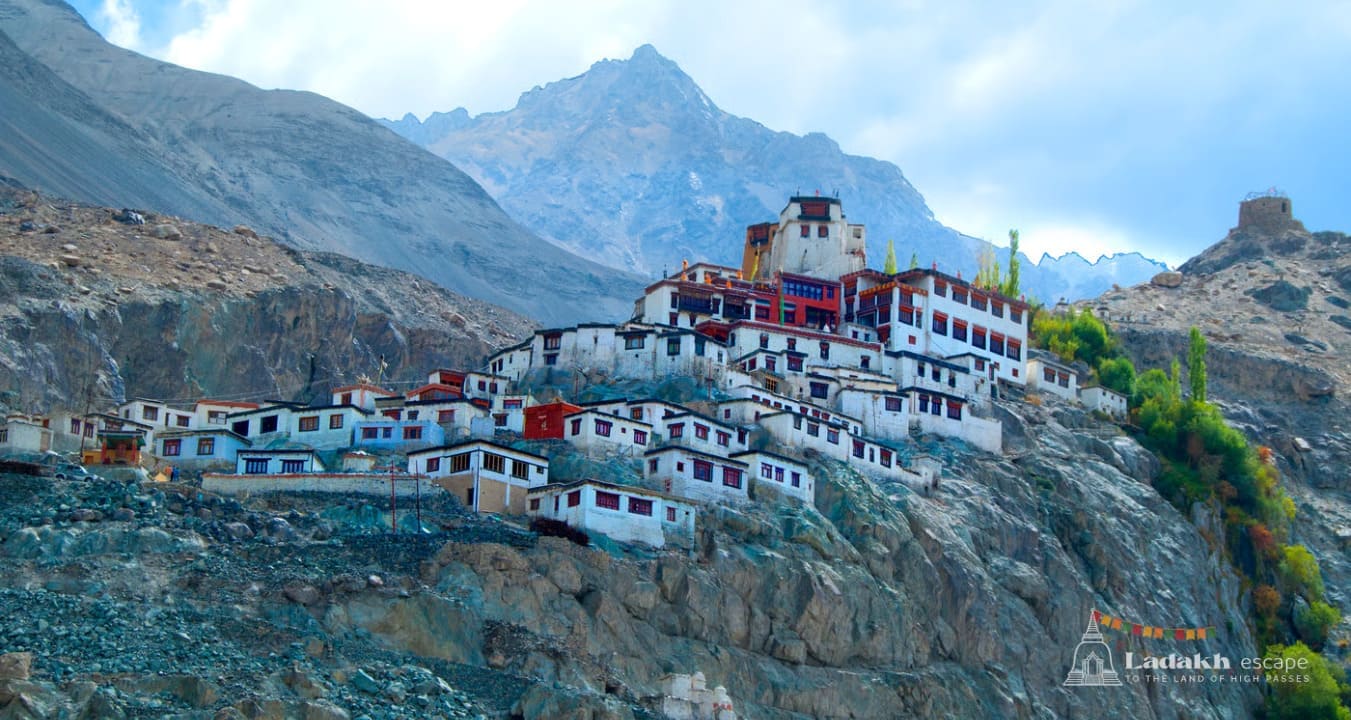
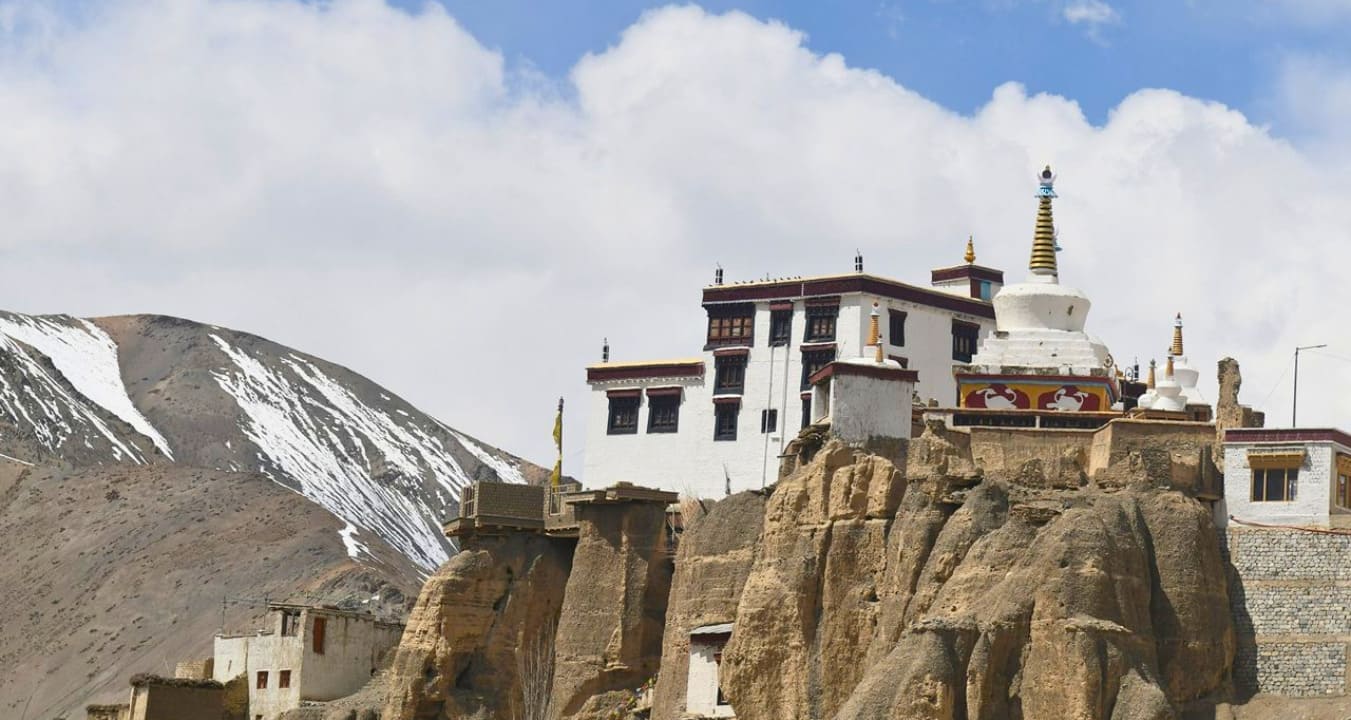
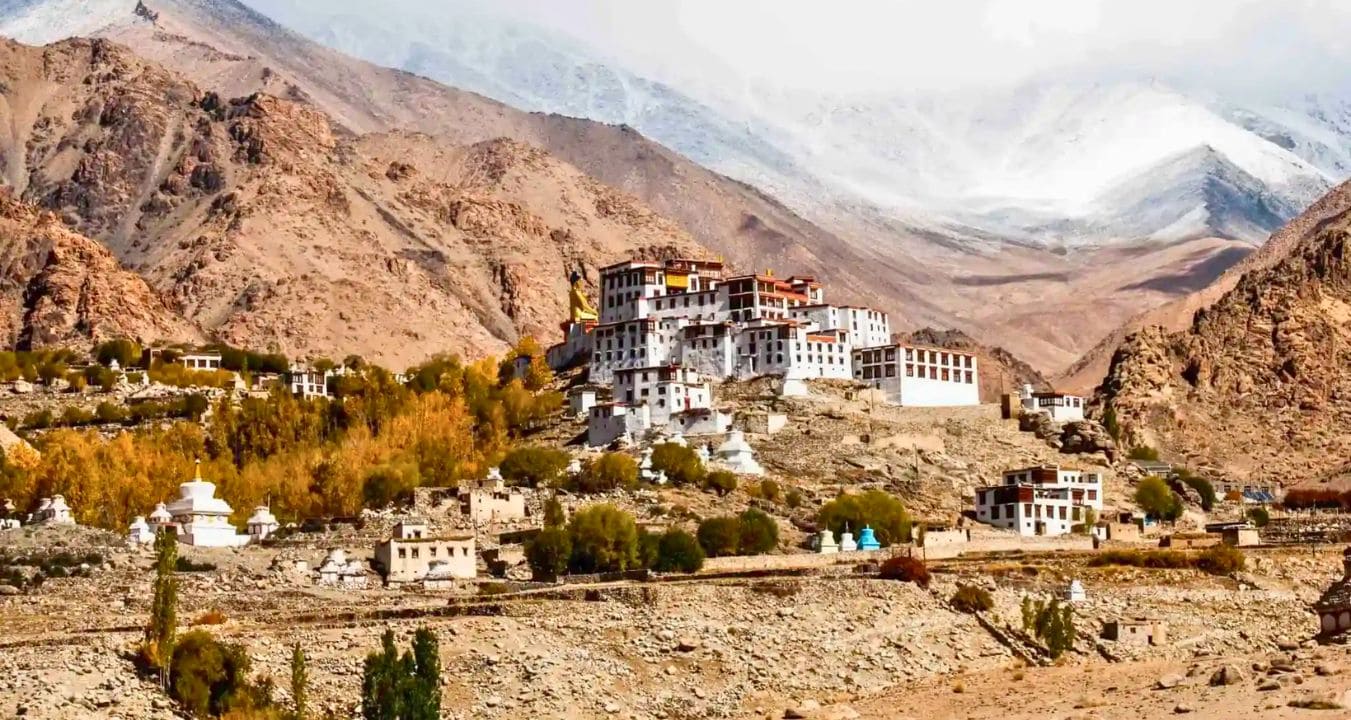
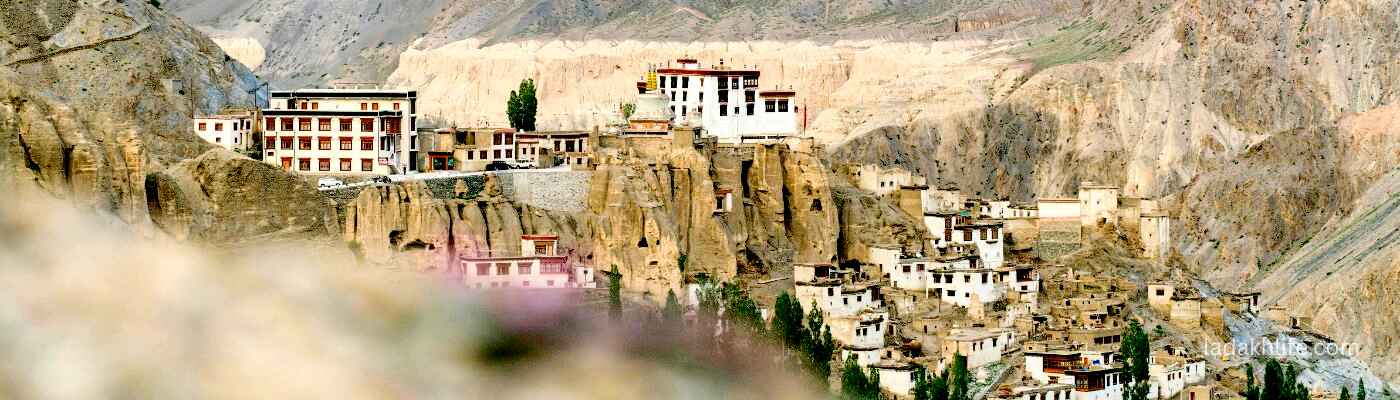
The monastery showcases classic Tibetan architecture with whitewashed buildings, prayer halls, ancient murals, and red-roofed structures set against the dramatic backdrop of the cold desert mountains. Perched on a hilltop above the Shyok River, it offers a stunning panoramic view of Nubra Valley.
Morning Prayers & Monastic Life
A visit to Diskit Monastery offers a peaceful glimpse into daily monastic life. The early morning prayer ceremony, filled with chanting, horns, and rhythmic rituals, creates a deeply spiritual atmosphere. Visitors can observe monks practicing meditation and engaging in traditional Buddhist teachings.
32-Meter Maitreya Buddha Statue
One of the most iconic highlights of Diskit Monastery is the towering 32-meter statue of Maitreya Buddha, facing across the valley as a symbol of peace and protection. This magnificent statue is one of the largest in Ladakh and has become a major pilgrimage and tourist attraction.
Best Time to Visit Diskit Monastery
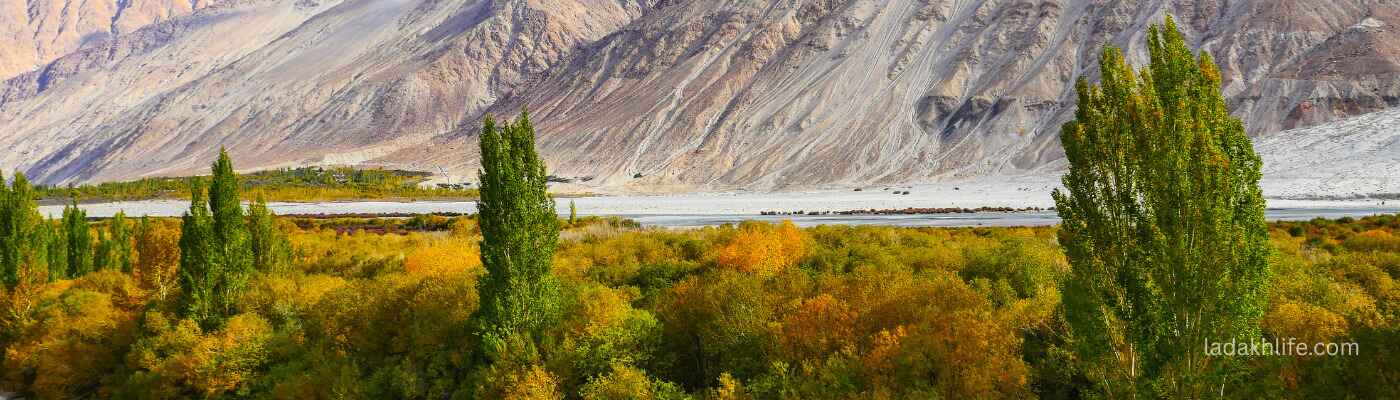
The ideal time to visit Diskit Monastery is from May to September when Nubra Valley is accessible via Khardung La Pass and the weather is pleasant. Clear skies during this period enhance the breathtaking views of the desert landscape and surrounding mountains.
Travel Tips for Visitors
- Carry warm clothing, as Nubra Valley can be cold even in summer evenings.
- Respect local customs and maintain silence inside prayer halls.
- Seek permission before photographing monks or restricted areas.
- Acclimatize properly in Leh before traveling to Nubra Valley.
- Visit early morning for a peaceful and authentic monastery experience.