Ancient History of Thiksey Monastery
Thiksey Monastery, located in the Indus Valley near Leh, was founded in the 15th century by Palden Zangpo under the Gelugpa (Yellow Hat) sect of Tibetan Buddhism. Over centuries, it has grown into one of the most important monastic institutions in Ladakh, preserving Buddhist teachings, scriptures, and monastic traditions.
Iconic Tibetan-Style Architecture
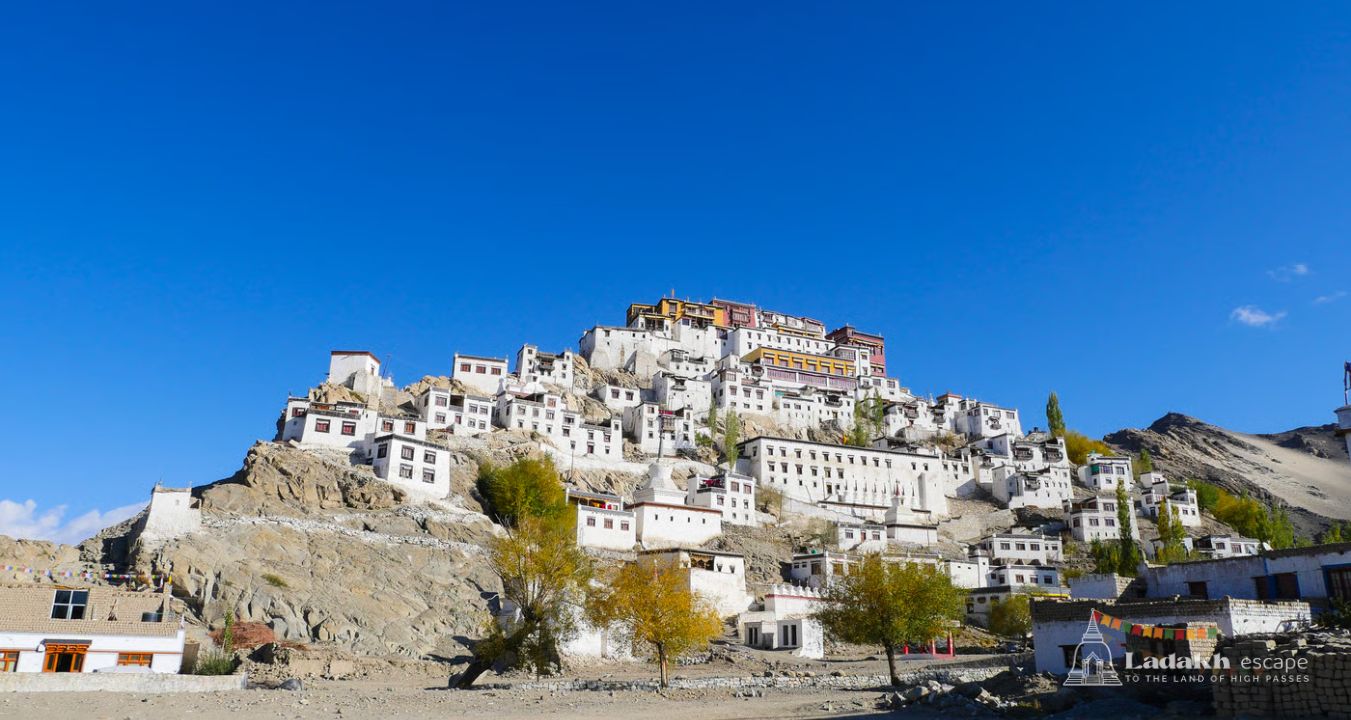
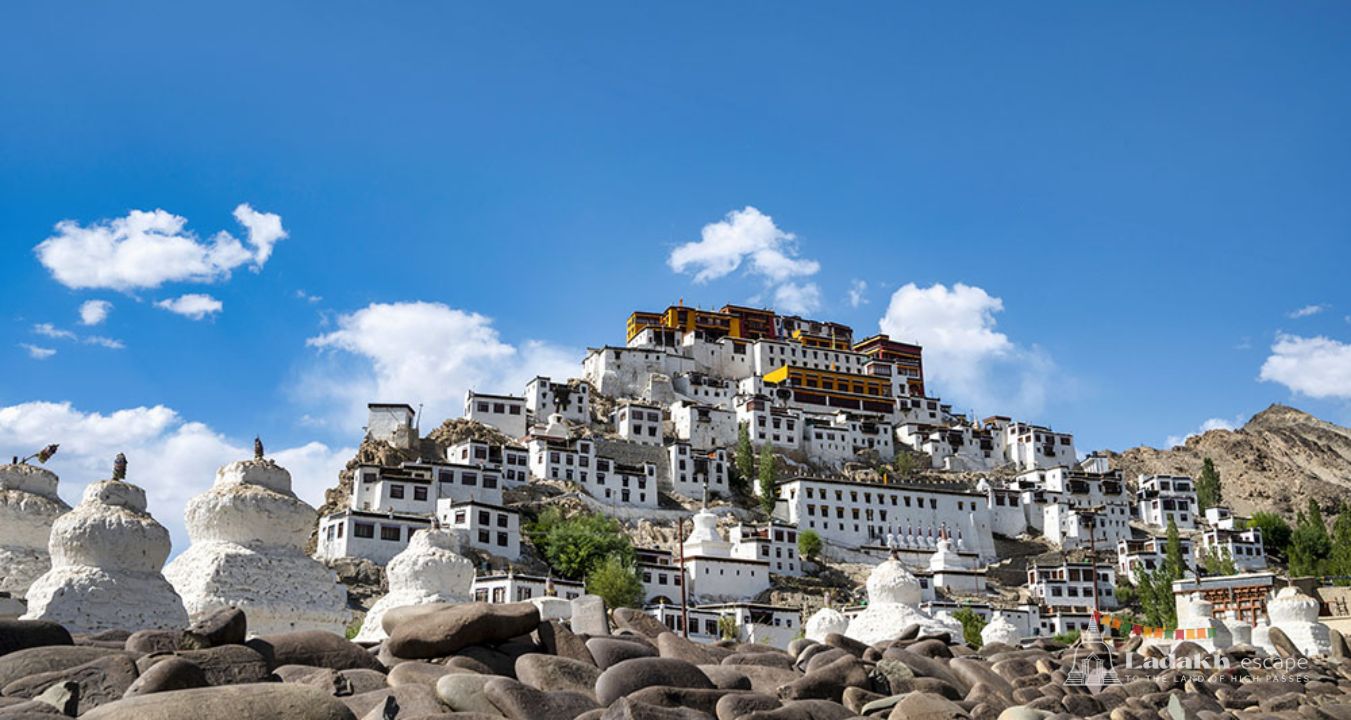
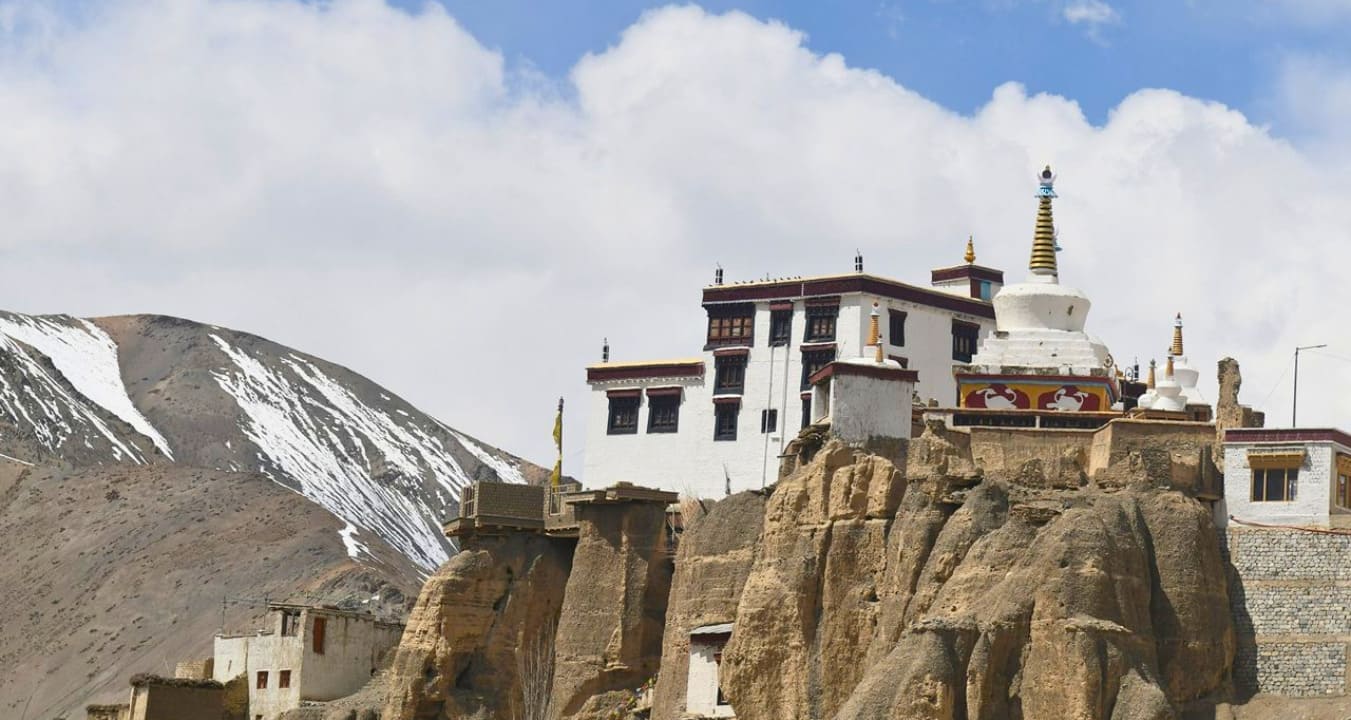
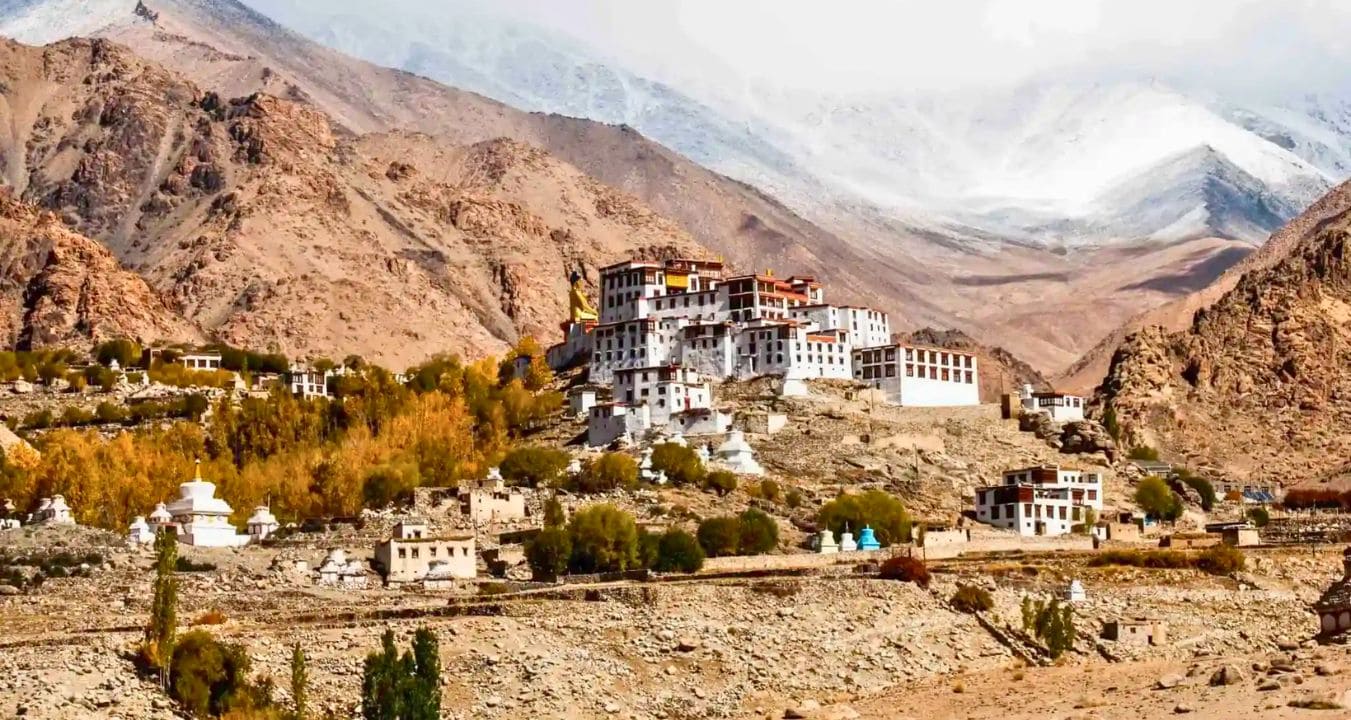
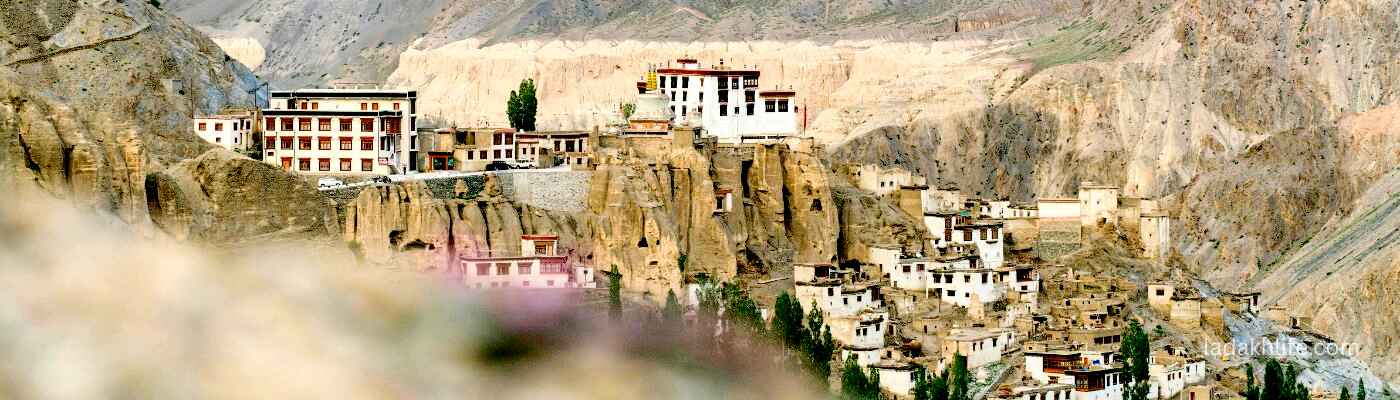
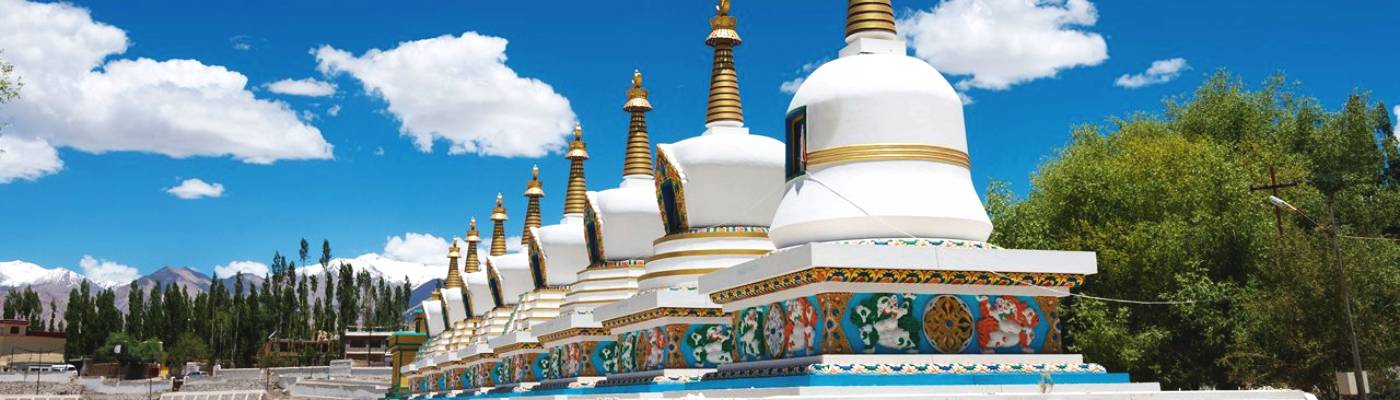
Built in classic Tibetan style, Thiksey Monastery is often compared to the Potala Palace in Lhasa due to its tiered structure rising dramatically on a hilltop. The complex includes assembly halls, stupas, prayer rooms, monks’ quarters, and beautifully painted murals depicting Buddhist deities and teachings.
Morning Prayer Ceremony & Spiritual Life
One of the most memorable experiences at Thiksey Monastery is the early morning prayer ceremony, where monks gather for chanting, meditation, and rituals. Visitors can witness the peaceful spiritual rhythm of monastic life and experience authentic Tibetan Buddhist culture.
15-Meter Maitreya Buddha Statue
The monastery is home to a magnificent 15-meter-high statue of Maitreya Buddha (Future Buddha), one of the largest in Ladakh. This golden statue spans two floors of the monastery and is a major highlight for visitors and pilgrims alike.
Best Time to Visit Thiksey Monastery
The best time to visit Thiksey Monastery is from May to September when Ladakh is fully accessible and weather conditions are pleasant. Early morning visits are highly recommended to witness the prayer ceremony and enjoy clear panoramic views of the Indus Valley.
Travel Tips for Visitors
- Wear warm clothing as mornings can be cold even in summer.
- Maintain silence inside prayer halls and respect monastic rules.
- Photography may be restricted in certain areas always ask permission.
- Acclimatize in Leh for at least 1 - 2 days before visiting.
- Visit early morning for the most authentic spiritual experience.