Ancient History & Significance of Hemis Monastery
Hemis Monastery holds a legendary place in Buddhist history. Local tradition believes the site was visited by Guru Padmasambhava himself in the 8th century. However, the monastery as we see it today was established in 1672 AD by King Sengge Namgyal, the visionary ruler of the Namgyal dynasty of Ladakh. The king chose this remote, cave-dotted location to honor the Drukpa lineage, which remains the state religion of Ladakh.
Throughout history, Hemis has survived invasions, natural disasters, and political changes. It served as a refuge for Buddhist scholars fleeing persecution in Tibet and became a repository for priceless religious texts. Today, it is the largest monastic institution in Ladakh, housing over 200 monks who dedicate their lives to meditation, ritual arts, and the preservation of Tibetan Buddhist philosophy.
Unique Himalayan Architecture of Hemis Monastery
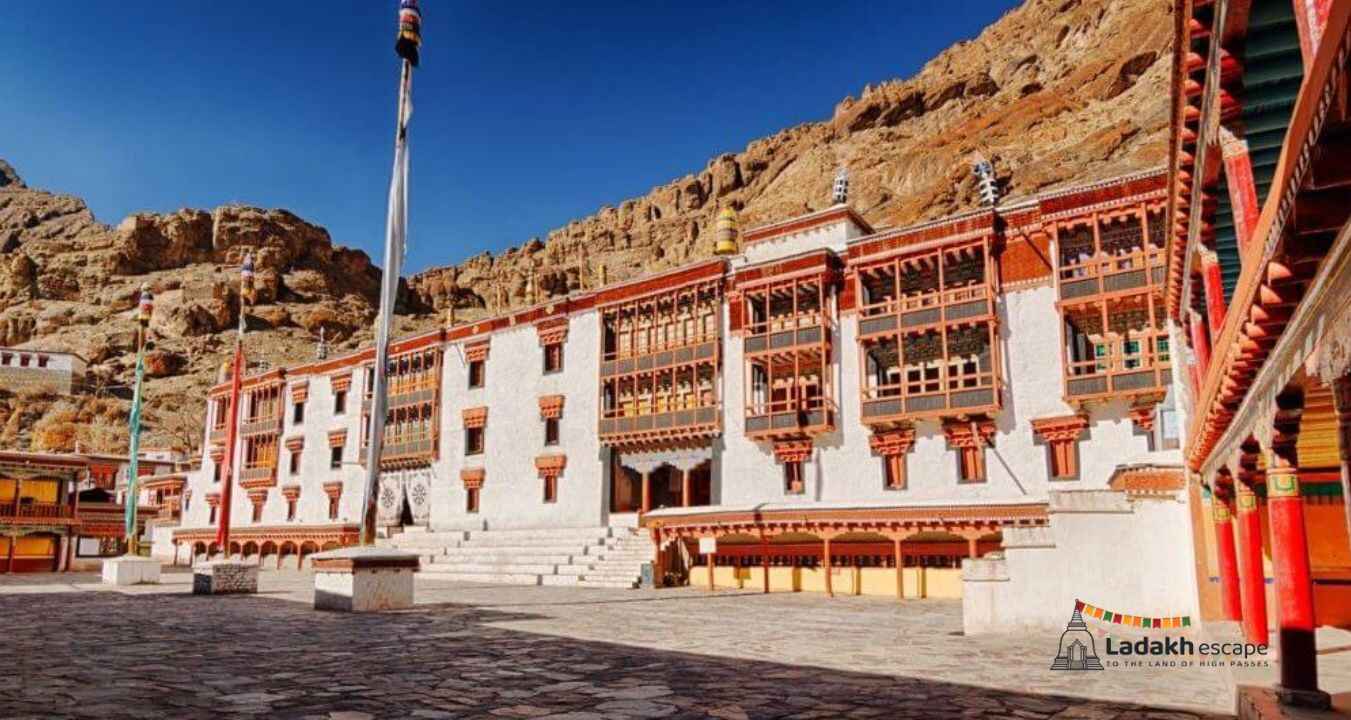
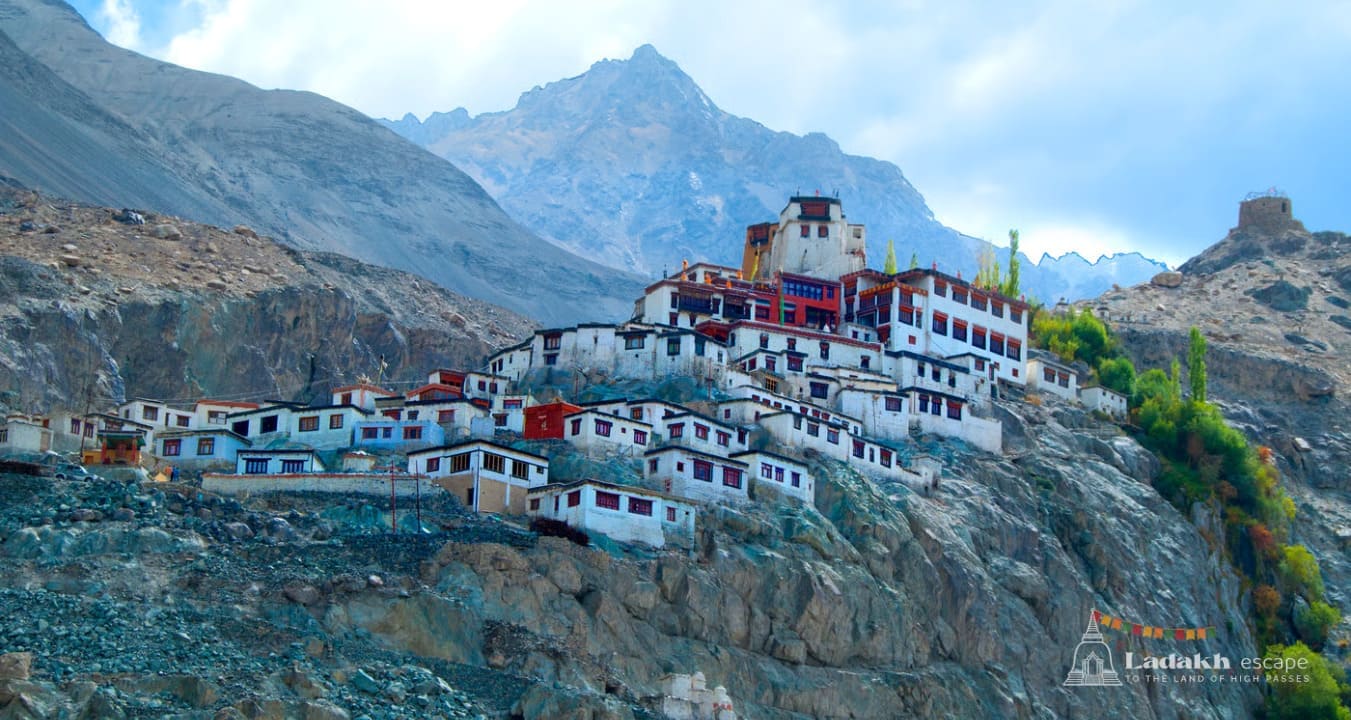
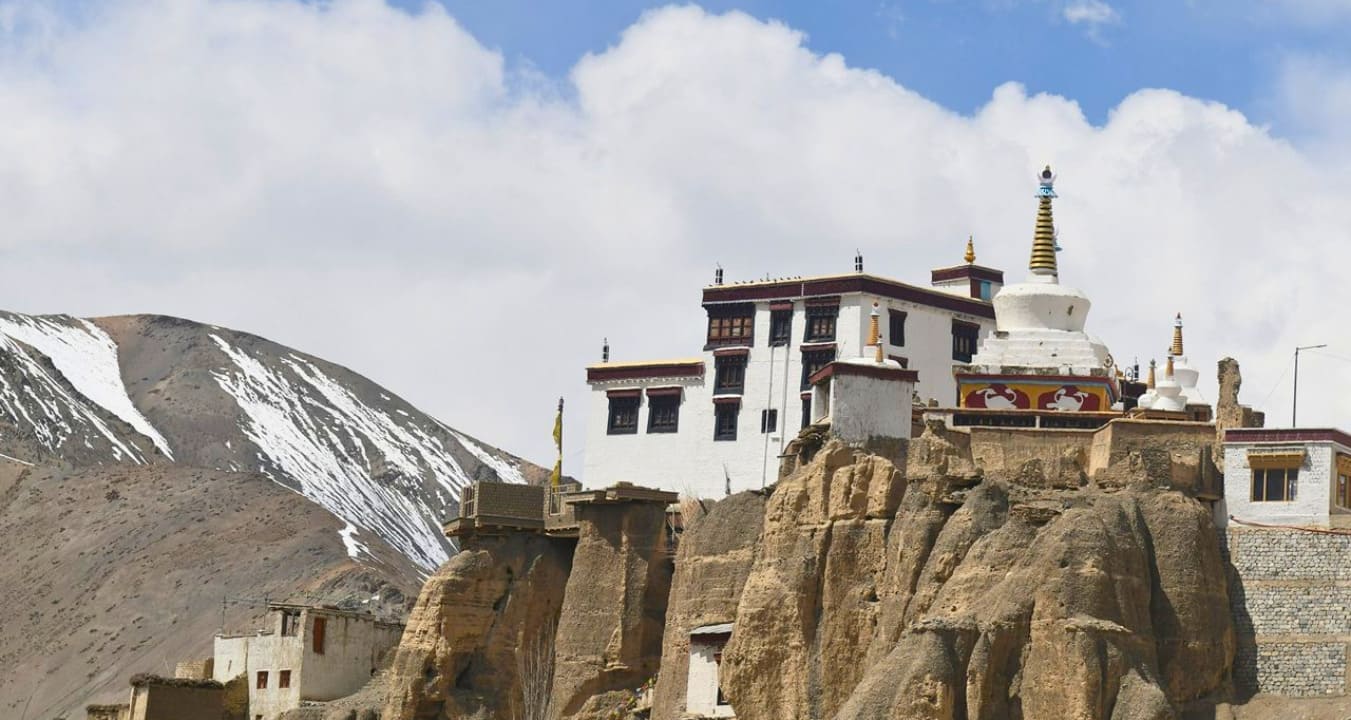
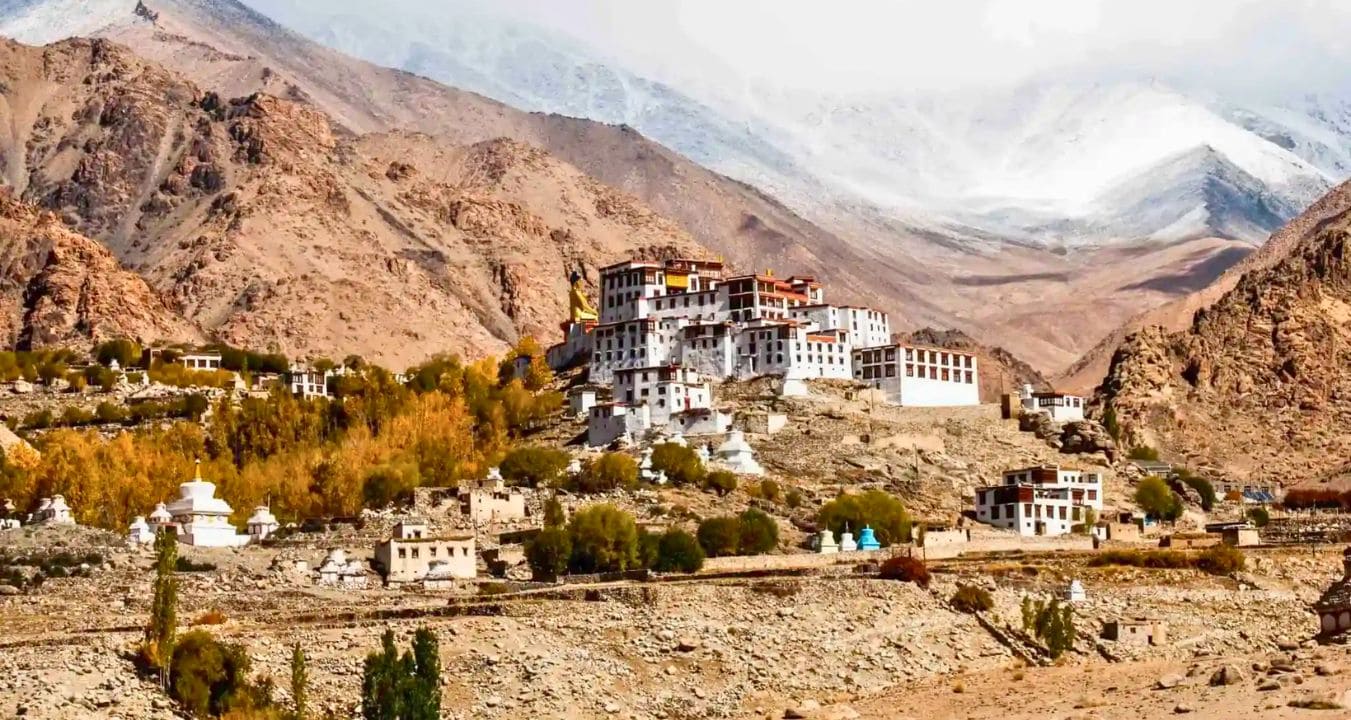
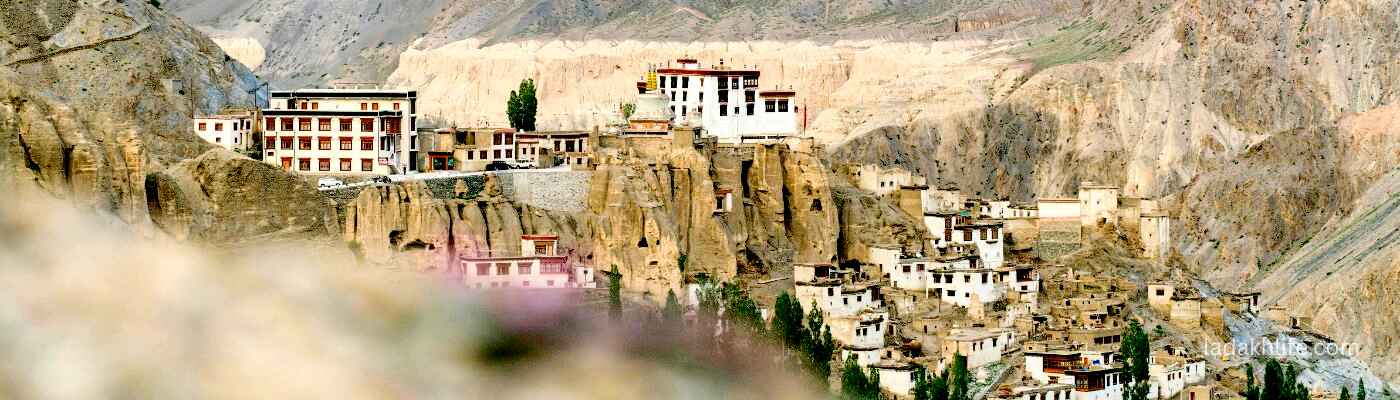
Built in the classic Tibetan monastic style, Hemis Monastery is a sprawling complex of whitewashed stone structures that seem to grow organically from the rugged mountainside. The architecture features:
- The Main Prayer Hall (Dukhang): Adorned with vibrant murals depicting Buddhist deities, a towering statue of Guru Padmasambhava, and intricately painted ceilings.
- Golden Prayer Wheels: Large rows of mani wheels (prayer wheels) line the entrance, each inscribed with mantras for visitors to spin for good karma.
- Wooden Balconies & Carvings: Exquisitely carved wooden balconies and pillars showcase traditional Himalayan craftsmanship.
- Meditation Caves: Above the monastery, ancient caves provide secluded spaces for monks to meditate, some dating back over 1,000 years.
- The Thangka House: A special building that houses a giant thangka (religious scroll) of Guru Padmasambhava, unveiled only once every 12 years during the Tibetan lunar calendar.
The strategic location, overlooking the Indus River valley, provides stunning panoramic views that enhance the spiritual atmosphere.
Hemis Festival: Ladakh's Most Vibrant Cultural Celebration
The Hemis Festival (Hemis Tsechu) is the single most important and spectacular event in Ladakh's cultural calendar. Held annually on the 10th day (Tsechu) of the Tibetan lunar month (usually June or July), it celebrates the birth anniversary of Guru Padmasambhava, the founder of Tibetan Buddhism.
During this two-day festival, the monastery courtyard transforms into a vibrant theater of spirituality. Highlights include:
- Sacred Cham Dances: Monks wearing elaborate, colorful masks and brocade costumes perform ritual dances to subdue evil spirits and bless the community.
- The Grand Thangka Unveiling (Every 12 Years): A rare highlight the monastery's giant thangka (Ladakh's largest) is displayed from the roof. The next unveiling is in 2028 (subject to calendar confirmation).
- Traditional Music & Butter Lamps: The air fills with the sounds of long horns (dungchen), cymbals, and drums, while thousands of butter lamps illuminate the night.
- Local Artisans & Food Stalls: The festival attracts Ladakhis from remote villages, offering a chance to see traditional dress, handicrafts, and local cuisine.
Pro Tip: If visiting during the Hemis Festival, book accommodation in Leh months in advance, as it coincides with peak tourist season.
Best Time to Visit Hemis Monastery
The ideal time to visit Hemis Monastery is between May and September, when the Leh-Manali and Leh-Srinagar highways are open, and weather is pleasant (15°C to 25°C during the day).
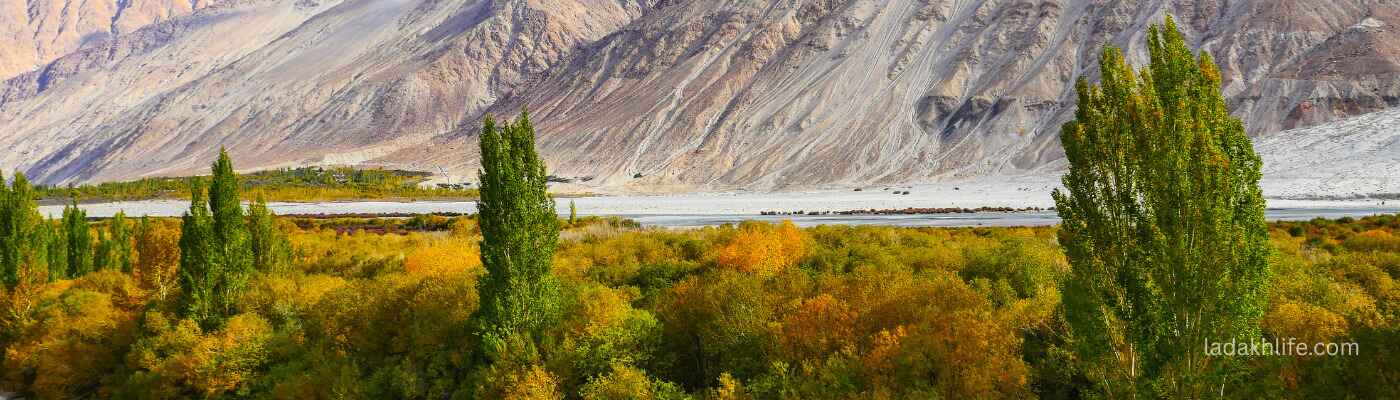
For the ultimate cultural experience, plan your trip around late June or early July to coincide with the Hemis Festival. During this period, you will witness Ladakh's spiritual heritage at its most vibrant. However, be prepared for larger crowds and higher prices. For a quiet, meditative experience, visit in September after the festival rush, when the weather is still clear and autumn light is perfect for photography.
Nearby Attractions & How to Combine Your Visit
Hemis Monastery is located conveniently on the way to other iconic Ladakh destinations. You can easily combine it with:
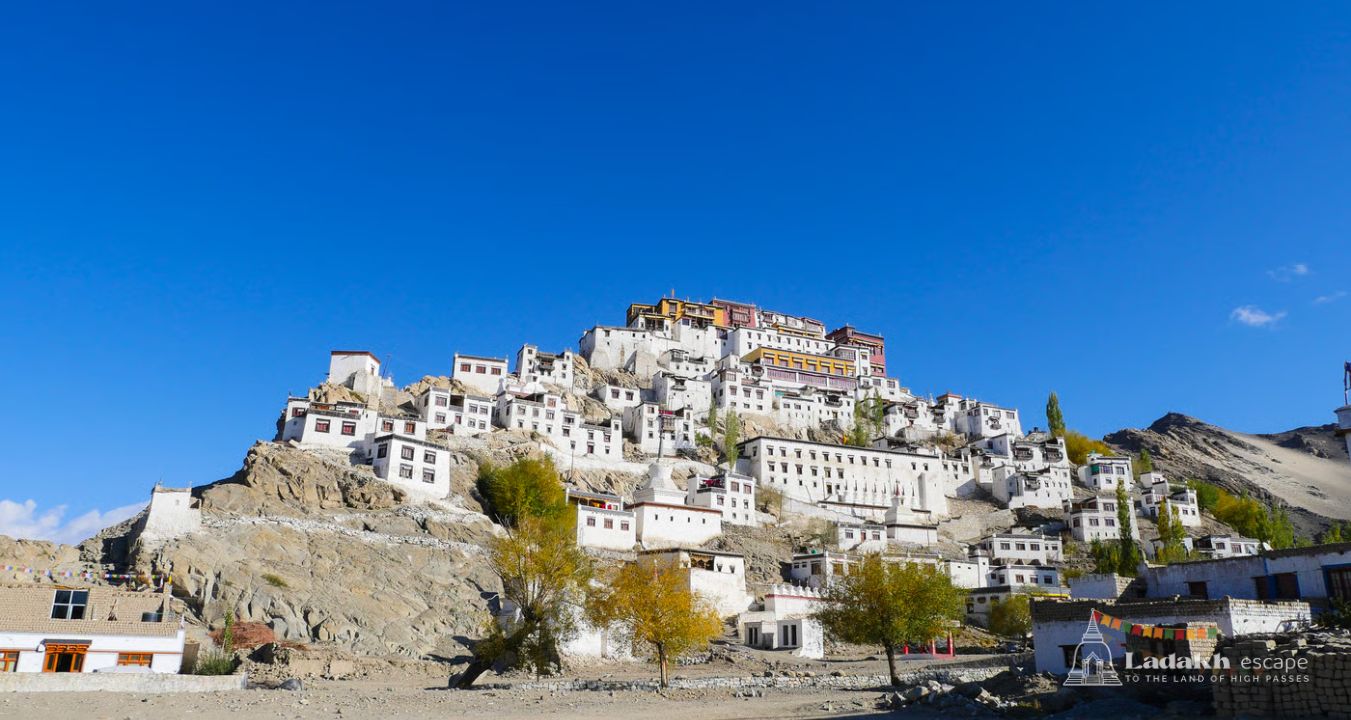
- Thiksey Monastery: Just 19 km before Hemis, this monastery resembles the Potala Palace in Lhasa and is famous for its 15-meter high Maitreya Buddha statue.
- Shey Palace: The former summer capital of Ladakh's kings, featuring a giant copper-gilt Buddha statue.
- Stok Palace & Museum: The current residence of the Namgyal royal family, showcasing royal artifacts and thangkas.
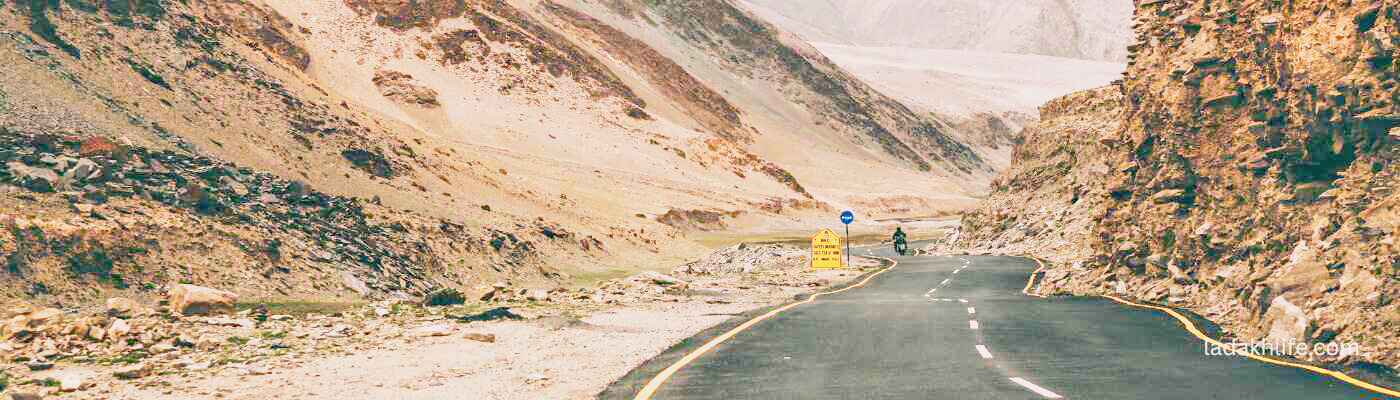
- Indus River Viewpoint: Several scenic spots along the Leh-Hemis road offer breathtaking views of the Indus River winding through the canyon.
Essential Travel Tips for Visiting Hemis Monastery
- Altitude Awareness: Hemis sits at 3,500 meters (11,500 feet). Spend at least 24-48 hours acclimatizing in Leh (3,500m) before visiting to avoid AMS symptoms.
- Inner Line Permit (ILP): Indian tourists require an ILP to enter Hemis (it is within the protected Leh region). Foreign tourists need a Protected Area Permit (PAP). These are usually arranged by tour operators.
- Dress Modestly: Cover shoulders and knees inside prayer halls. Remove shoes before entering the main temple.
- Photography Rules: Photography is generally allowed in the courtyard and exterior areas, but strictly prohibited inside the main prayer hall (Dukhang) and the Thangka house. Look for signs or ask a monk.
- Carry Cash: There are no ATMs at Hemis. The nearest ATM is in Leh (45 km away). Entrance fees (approx ₹50-100), souvenir purchases, and donations require cash.
- What to Bring: Warm layers (windproof jacket even in summer), sunscreen, sunglasses, a hat, and drinking water. The afternoon wind can be chilly.
- Timing: The monastery is open from 8:00 AM to 6:00 PM daily. The main prayer hall hosts morning prayers (puja) around 7:00 AM – 9:00 AM, which is a beautiful time to visit for spiritual immersion.
- Respect Monks: Ask permission before taking close-up photos of monks, and avoid disturbing them during meditation or study hours.
Hemis Monastery is more than a tourist attraction it is a living, breathing center of Tibetan Buddhist culture. Whether you visit during the spectacular Hemis Festival or on a quiet autumn morning, the monastery's ancient walls, vibrant art, and profound spirituality will leave an indelible mark on your journey through Ladakh.