Ancient History of Alchi Monastery
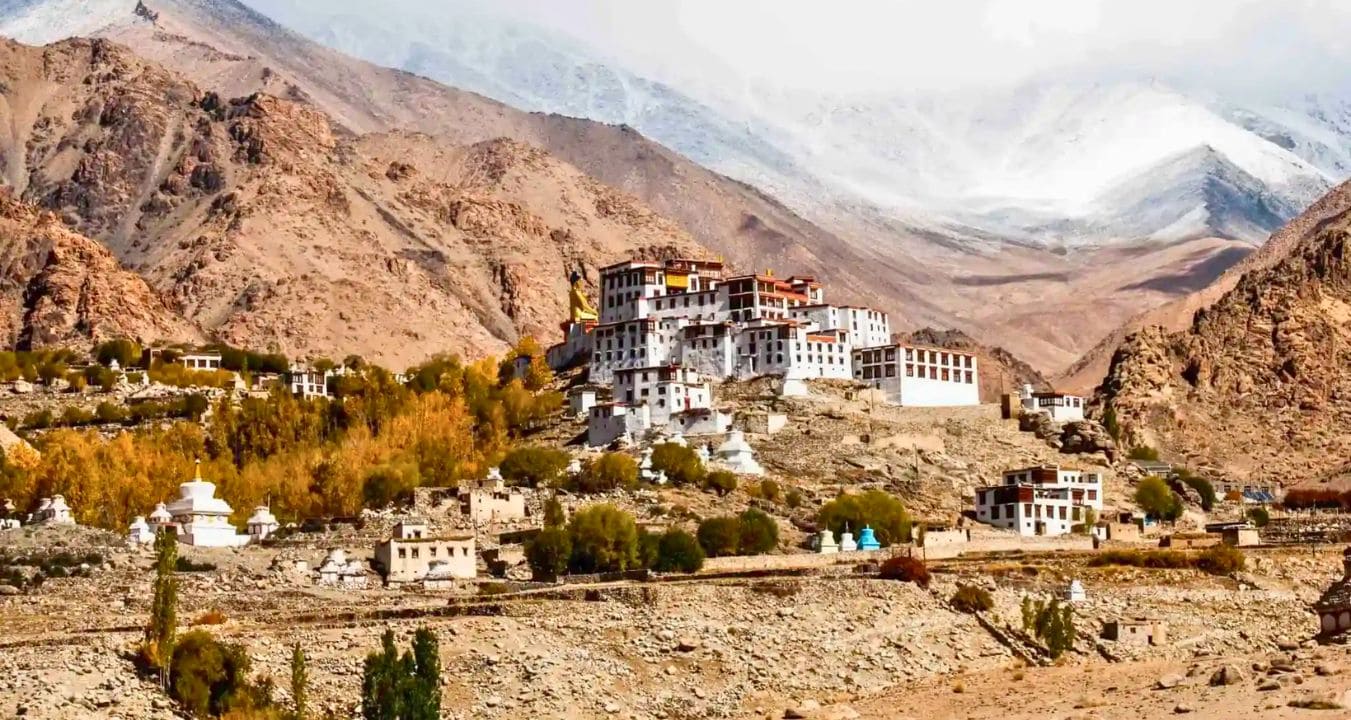
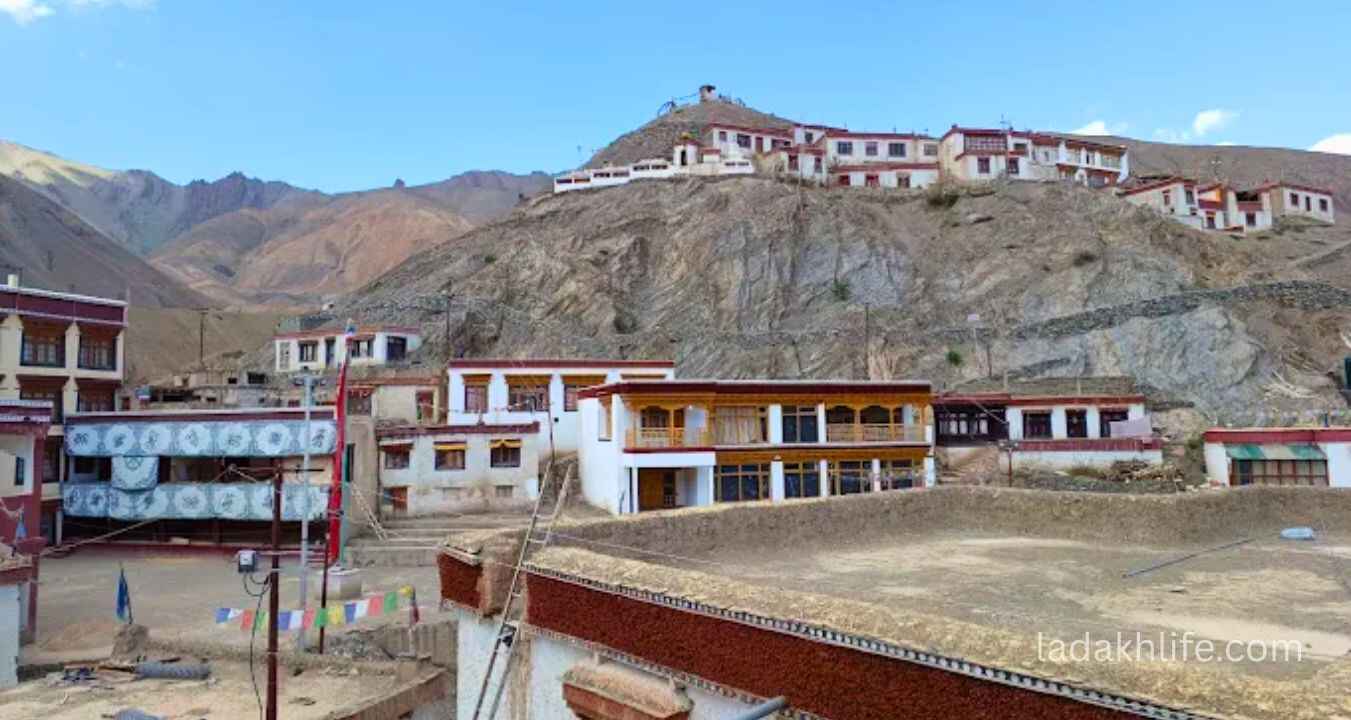
Alchi Monastery is one of the oldest Buddhist monasteries in Ladakh, believed to have been established in the 11th century by the great translator Rinchen Zangpo. Unlike most monasteries in Ladakh, Alchi is situated on the flat banks of the Indus River in the Indus Valley, making it unique in both location and historical importance. It has long been a center of Buddhist learning, art, and spiritual practice.
Unique Indo-Tibetan Architecture
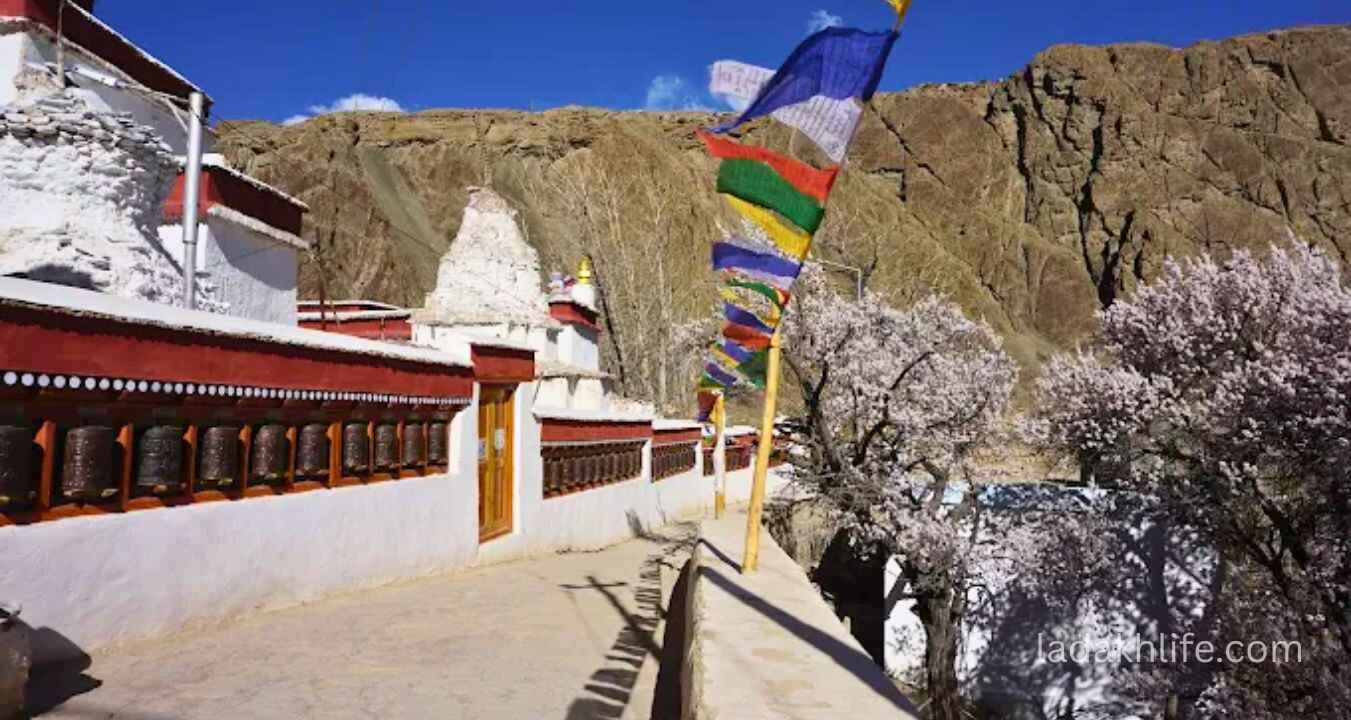
The monastery is famous for its exceptional Indo-Tibetan architectural style, featuring beautifully preserved wooden carvings, chortens, and ancient temple structures. The interiors are richly decorated with some of the oldest surviving Buddhist murals in Ladakh, showcasing fine detail, vibrant colors, and early Himalayan artistic traditions.
preciousMurals & Spiritual Significance
Alchi Monastery is widely known for its priceless wall paintings and frescoes depicting Buddhist deities, mandalas, and teachings. These centuries-old artworks reflect the deep spiritual heritage of Tibetan Buddhism and make Alchi one of the most important cultural sites in the Himalayas.
Peaceful Monastic Experience
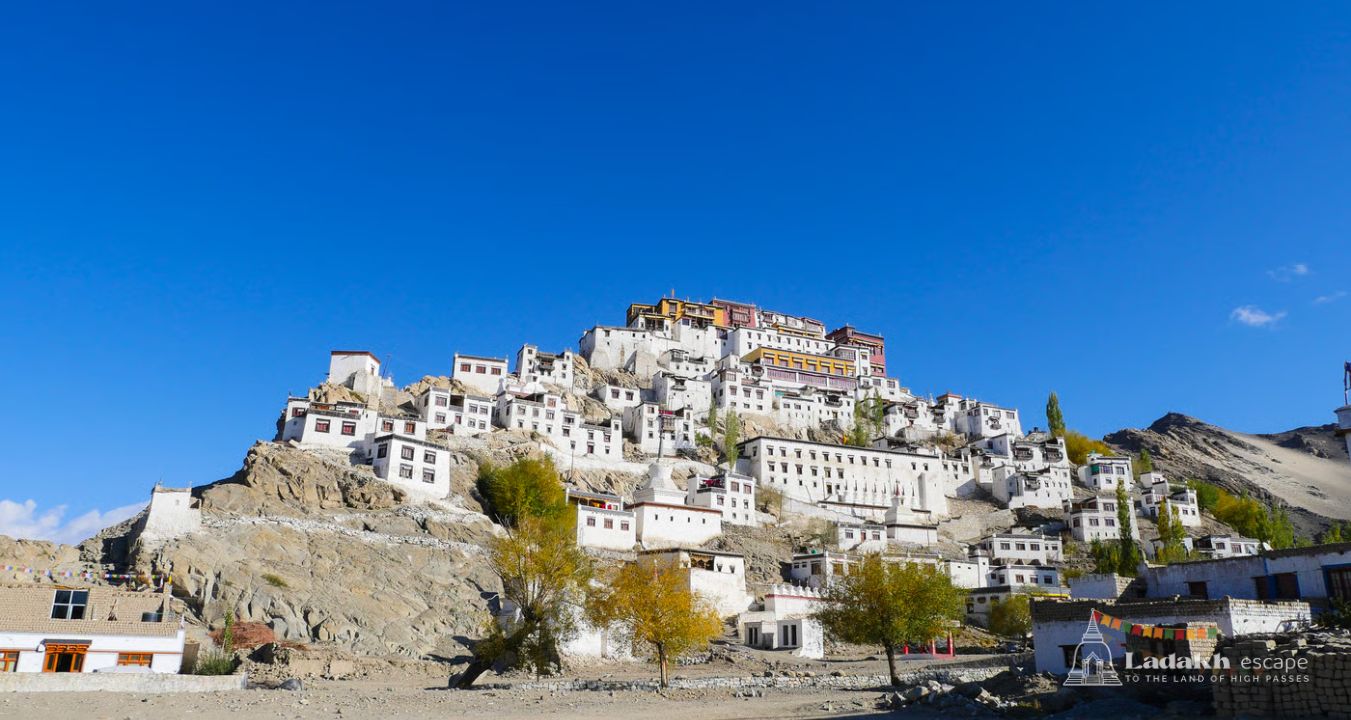
Unlike many hilltop monasteries, Alchi offers a calm, ground-level setting that allows visitors to experience a quiet and reflective spiritual atmosphere. Visitors can observe prayer halls, ancient scriptures, and monastic traditions that continue to be preserved by the local Buddhist community.
Best Time to Visit Alchi Monastery
The best time to visit Alchi Monastery is from May to September, when Ladakh’s weather is pleasant and roads through the Indus Valley remain open. During this season, visitors can comfortably explore the monastery and nearby attractions along the Leh-Kargil highway.
Travel Tips for Visitors
- Dress modestly as Alchi Monastery is a preciousreligious site.
- Maintain silence inside prayer halls and respect local customs.
- Photography may be restricted in certain temple areas.
- Plan your visit along the Leh-Kargil route for better accessibility.
- Combine your trip with nearby attractions like Likir and Basgo monasteries.