Ancient History of Lamayuru Monastery
Lamayuru Monastery, located in the stunning Lamayuru region of Ladakh, was founded in the 11th century. It belongs to the Gelugpa (Yellow Hat) sect of Tibetan Buddhism and has served for centuries as a vital center for Buddhist learning, meditation, and cultural preservation in the region.
Traditional Tibetan-Style Architecture
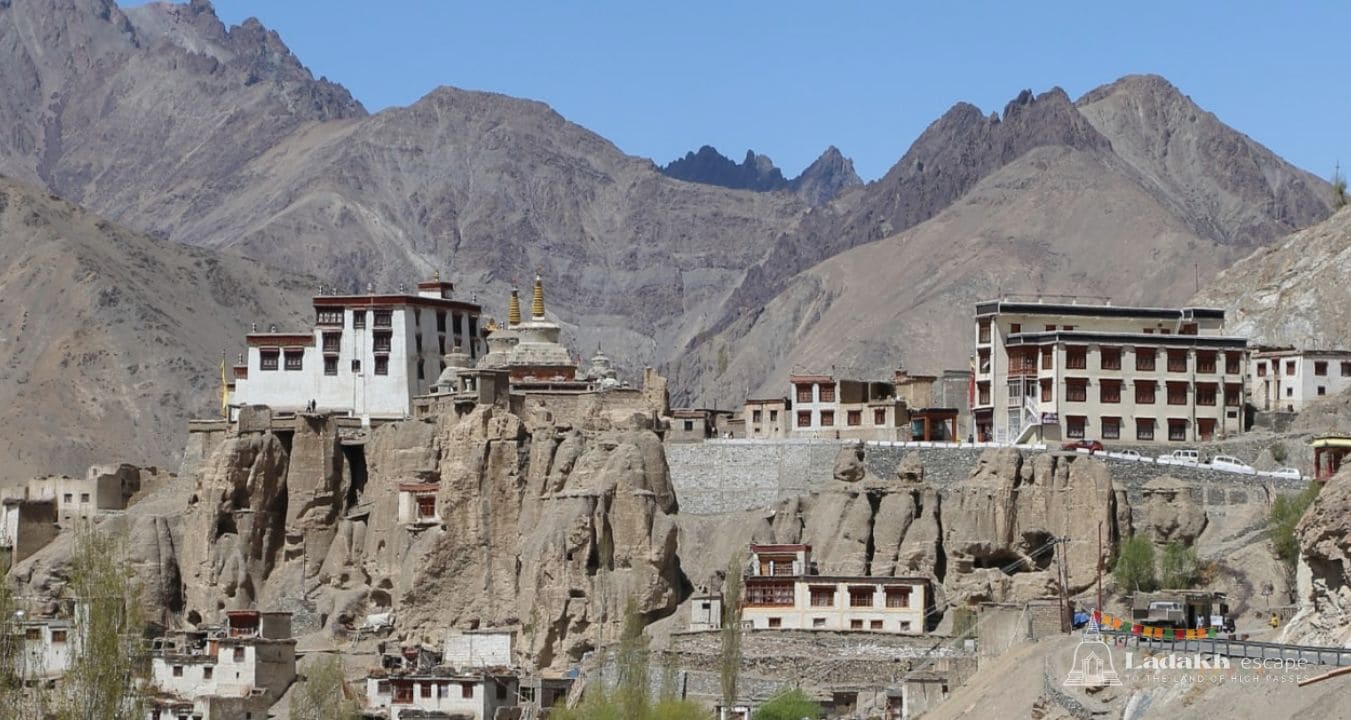
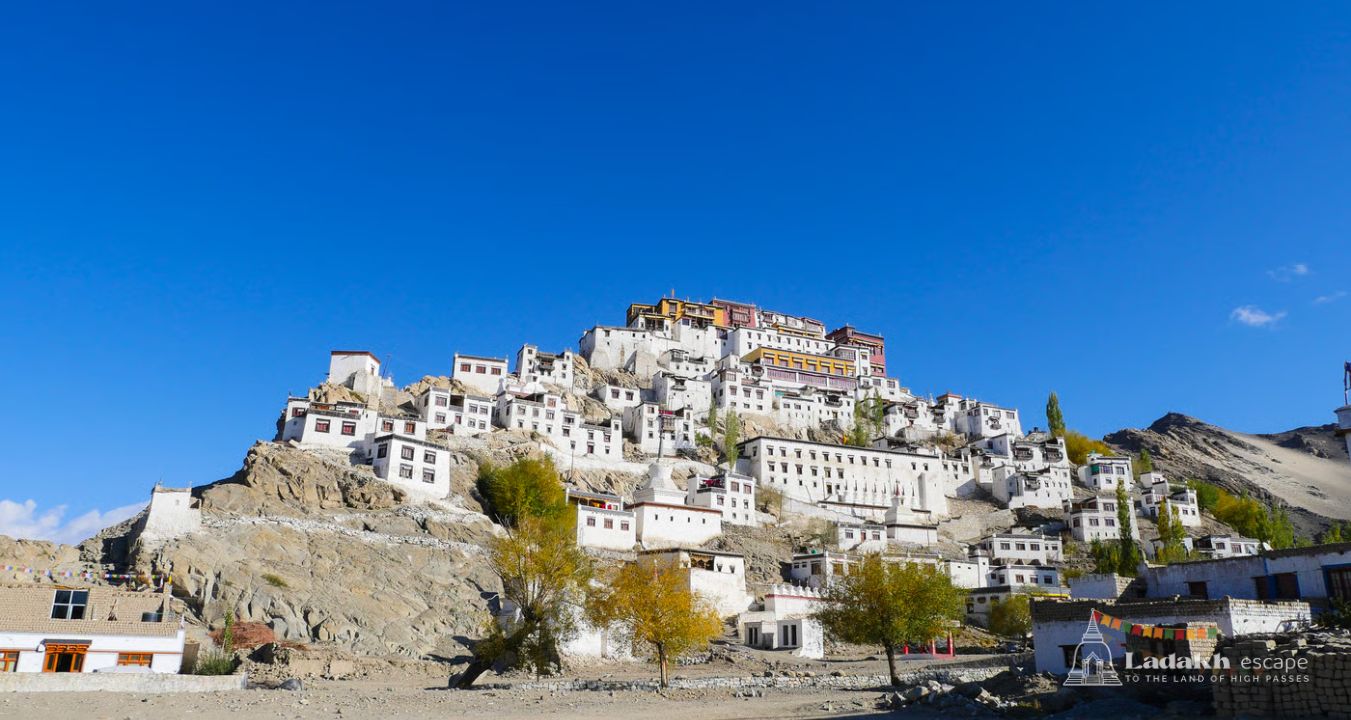
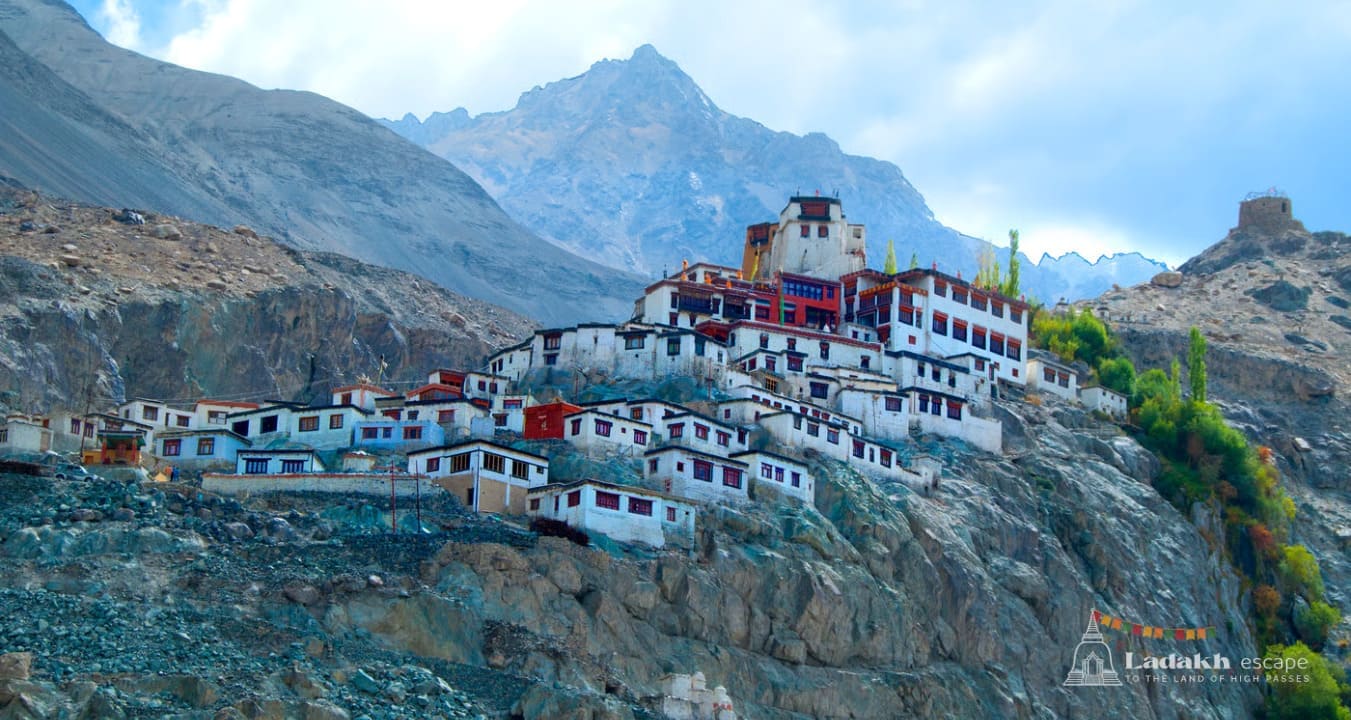
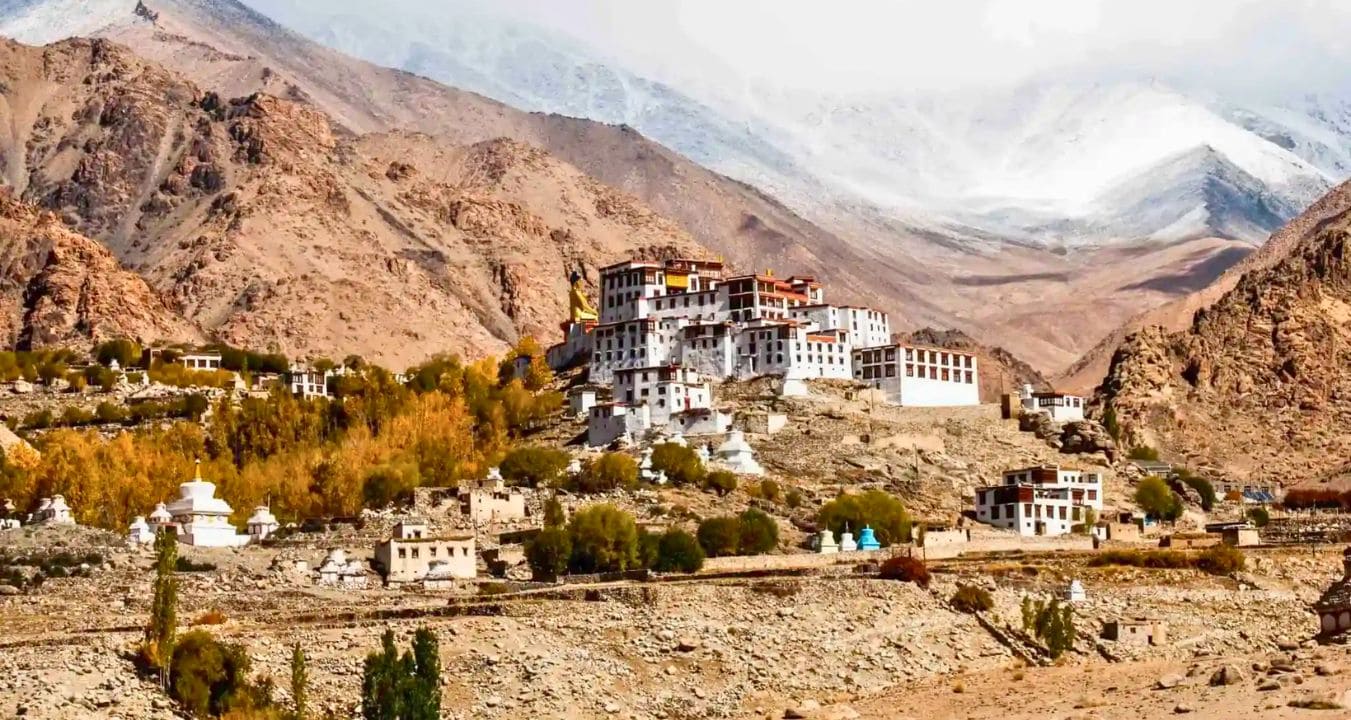
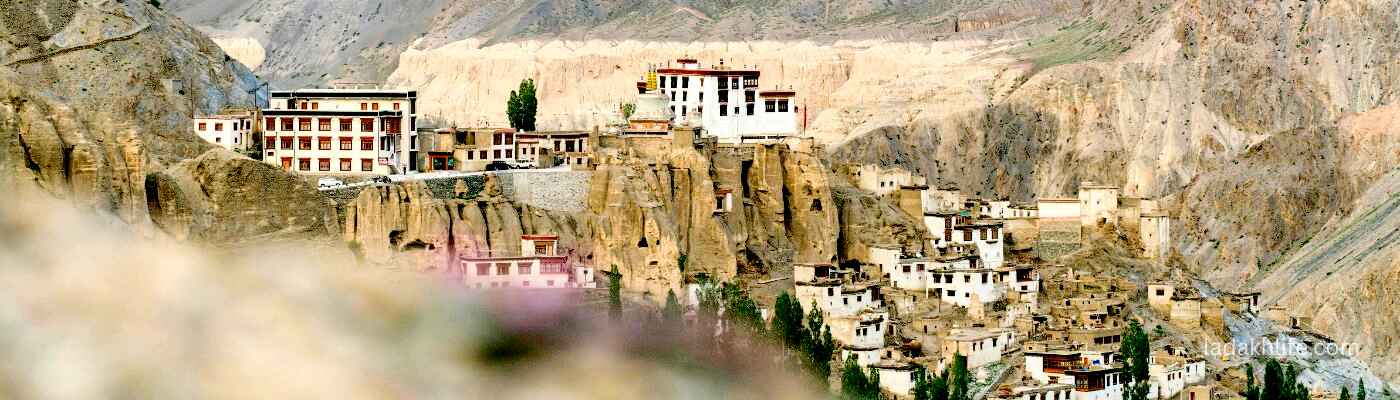
The monastery showcases classic Tibetan architecture with whitewashed walls, prayer halls, red-roofed structures, and intricate murals. Its hilltop location provides breathtaking views of the moon-like landscape surrounding Lamayuru, making it one of Ladakh’s most photogenic monasteries.
Monastic Life & Morning Rituals
A visit to Lamayuru Monastery offers a peaceful glimpse into daily monastic life. Morning prayers feature chanting, ceremonial horns, and rhythmic rituals, creating a deeply spiritual atmosphere. Visitors can observe monks practicing meditation, studying scriptures, and performing traditional Buddhist rituals.
Unique Landscape & Spiritual Significance
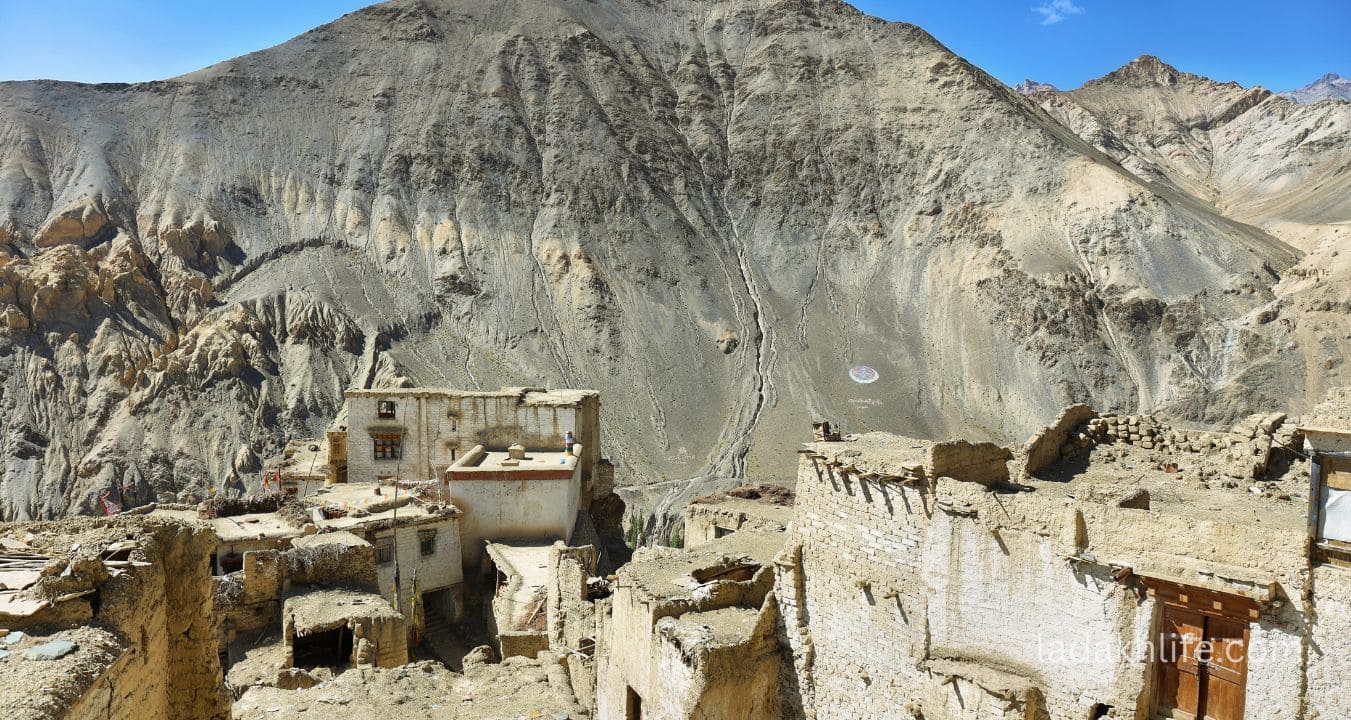
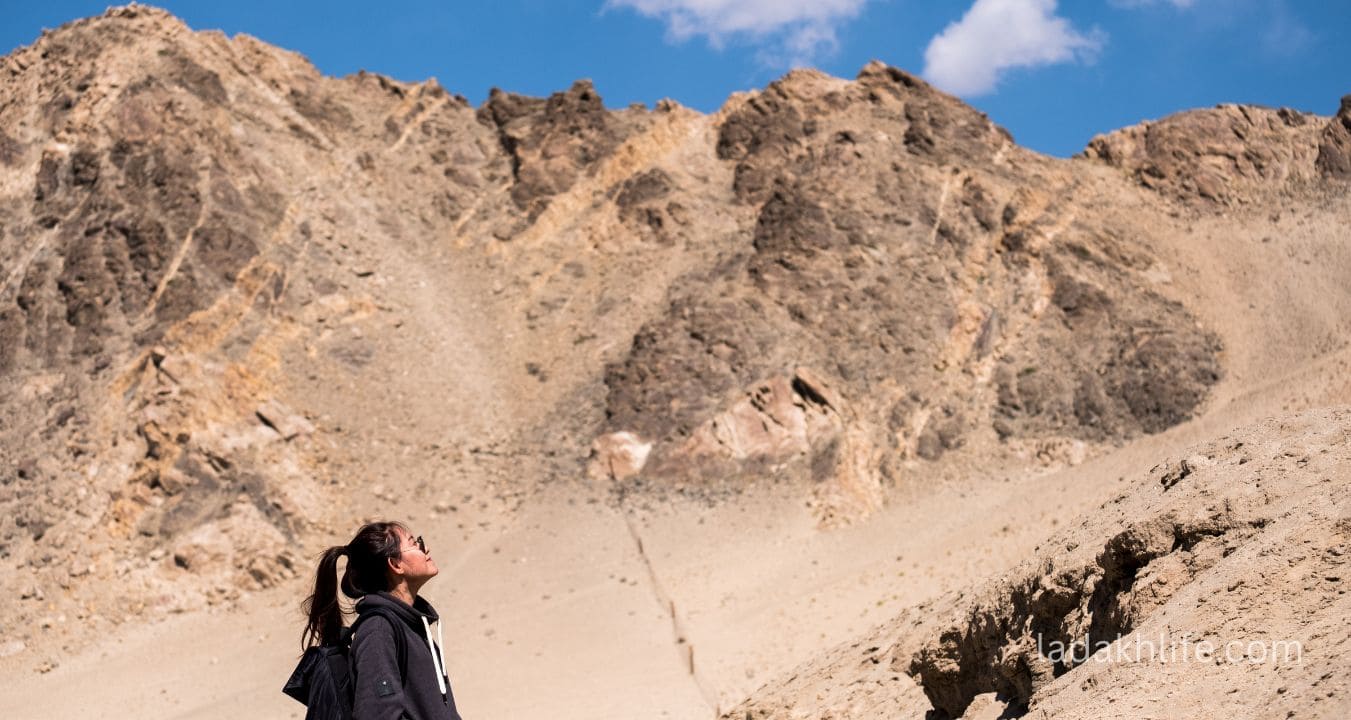
Lamayuru Monastery is renowned not only for its spiritual heritage but also for its location amid the “moonland” formations—a striking, otherworldly terrain of eroded cliffs and barren hills. This combination of cultural and natural beauty makes Lamayuru a must-visit destination in Ladakh.
Best Time to Visit Lamayuru Monastery
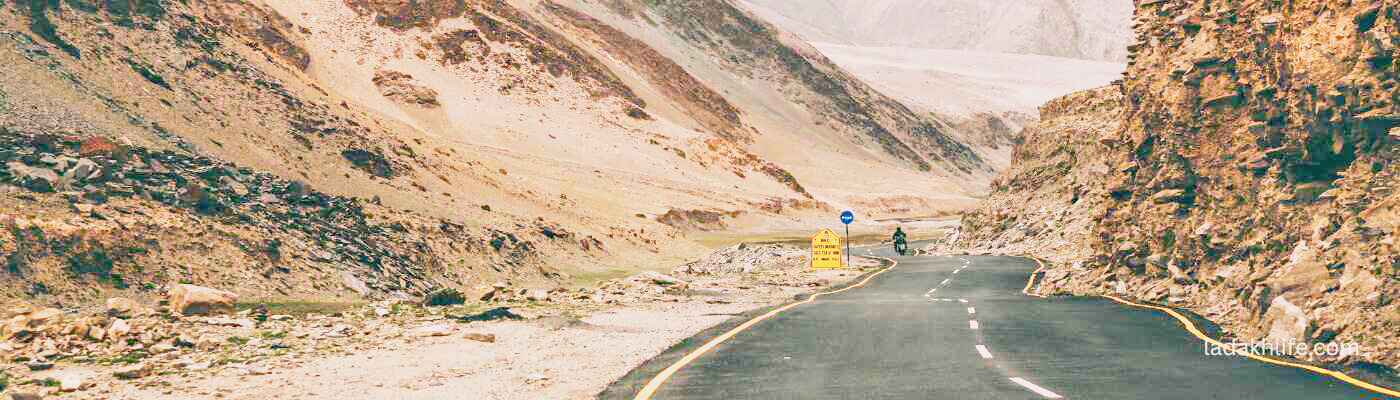
The ideal time to visit Lamayuru Monastery is from May to September when the region is accessible via well-maintained roads from Leh and the weather is pleasant. Clear skies during this period allow visitors to fully enjoy panoramic views of the surrounding mountains and valleys.
Travel Tips for Visitors
- Carry warm clothing, as Lamayuru can be chilly even during summer mornings and evenings.
- Respect local customs and maintain silence inside prayer halls.
- Seek permission before photographing monks or preciousareas.
- Acclimatize properly in Leh before traveling to Lamayuru.
- Visit early in the morning for a serene and authentic monastery experience.