Historical Significance of Hanle Monastery
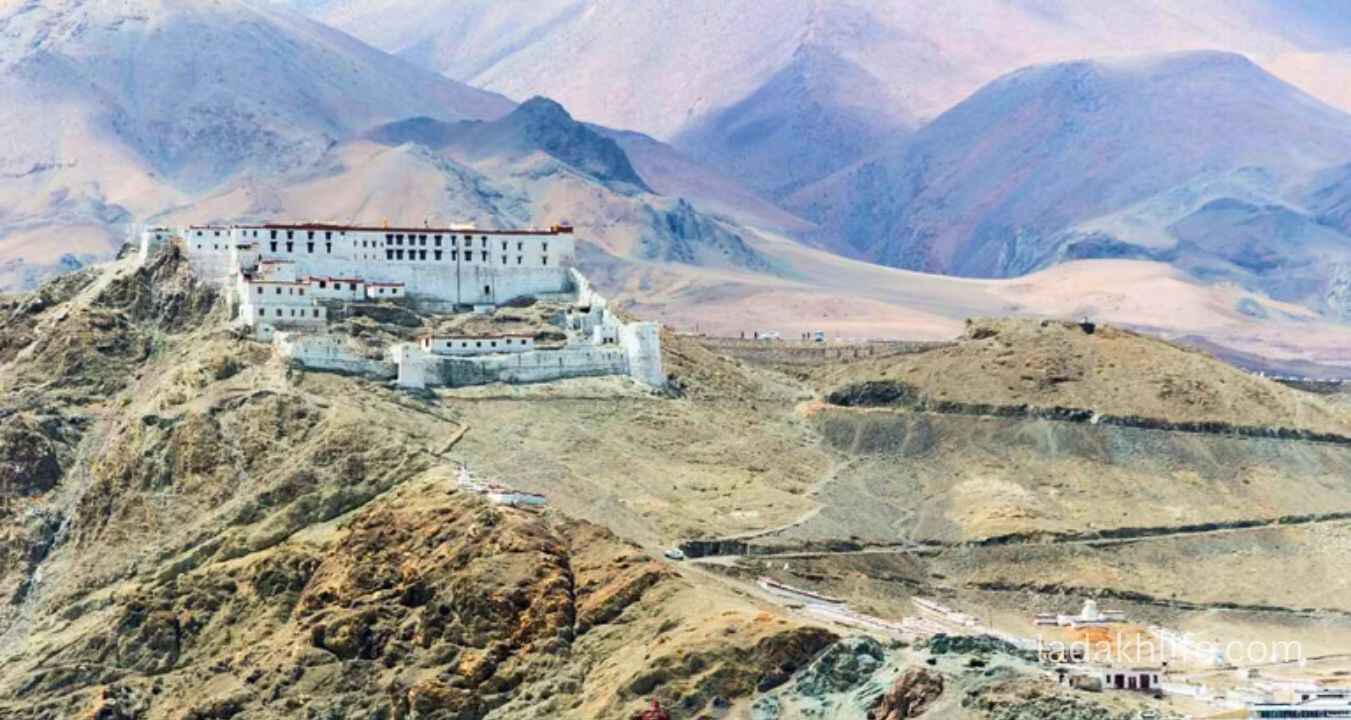
Hanle Monastery, also known as Hanle Gompa, is a historic Gelugpa Buddhist monastery established in the 17th century. Nestled in the high-altitude Hanle Valley, it has preserved centuries-old monastic traditions, preciousmurals, and Tibetan Buddhist culture, making it an essential destination for travelers seeking spiritual and cultural experiences in Ladakh.
Spiritual Life & Monastic Traditions
Serving as a vibrant center of Gelugpa Buddhism, Hanle Monastery hosts daily meditation sessions, rituals, and religious teachings. Visitors can observe monks performing prayers, chanting mantras, and preparing for festivals, gaining an authentic insight into the spiritual life of Himalayan Buddhist communities.
Architecture & Hanle Valley Scenery
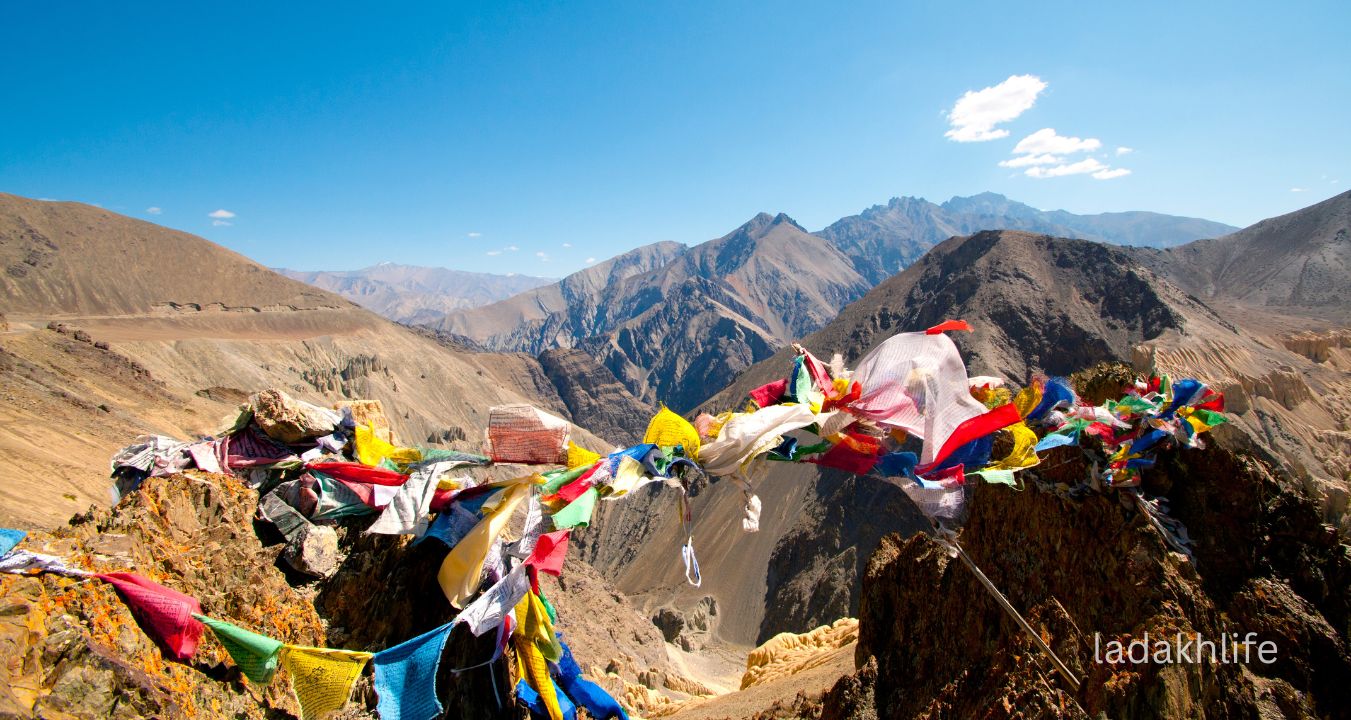
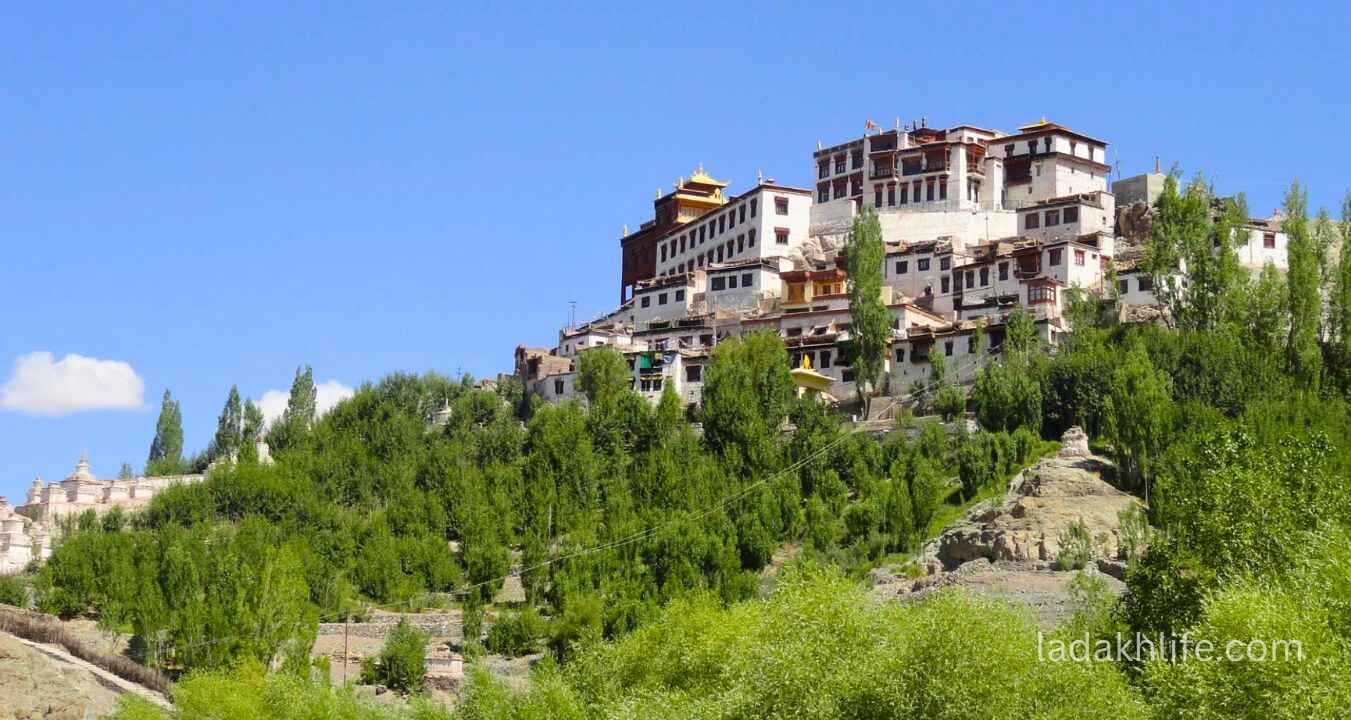
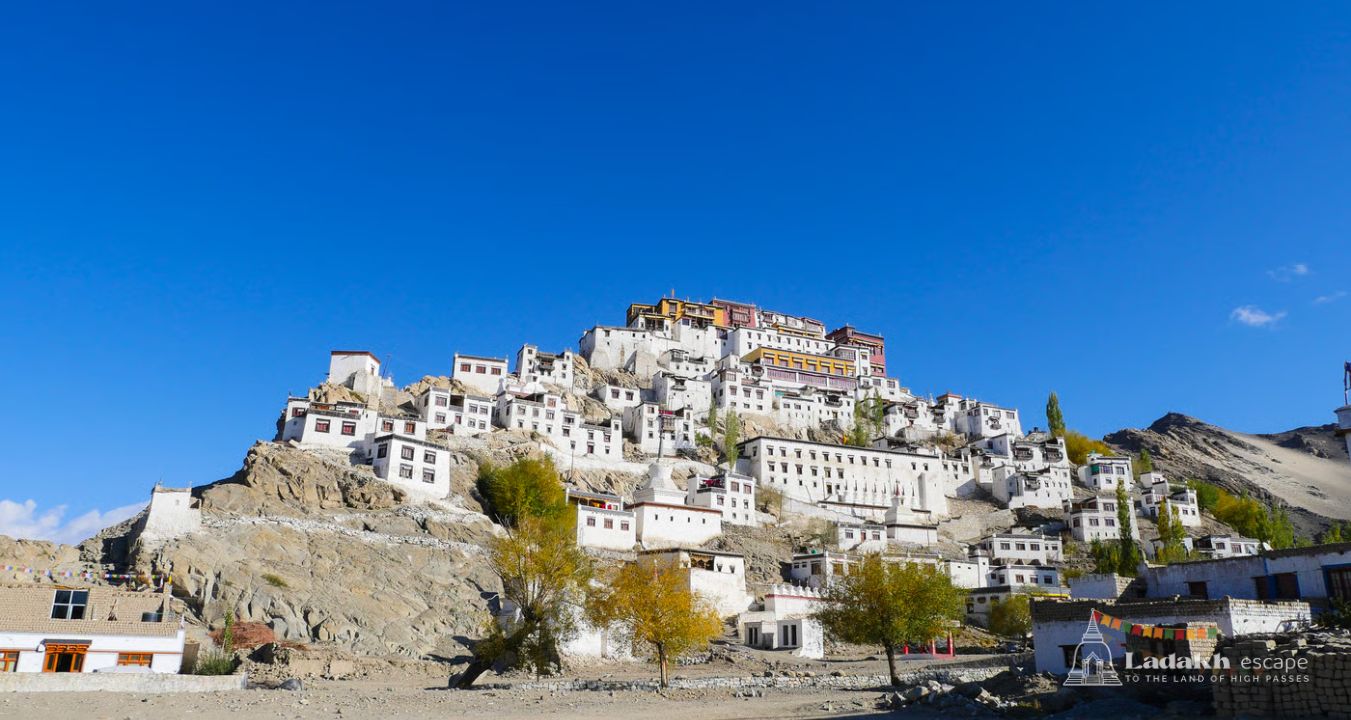
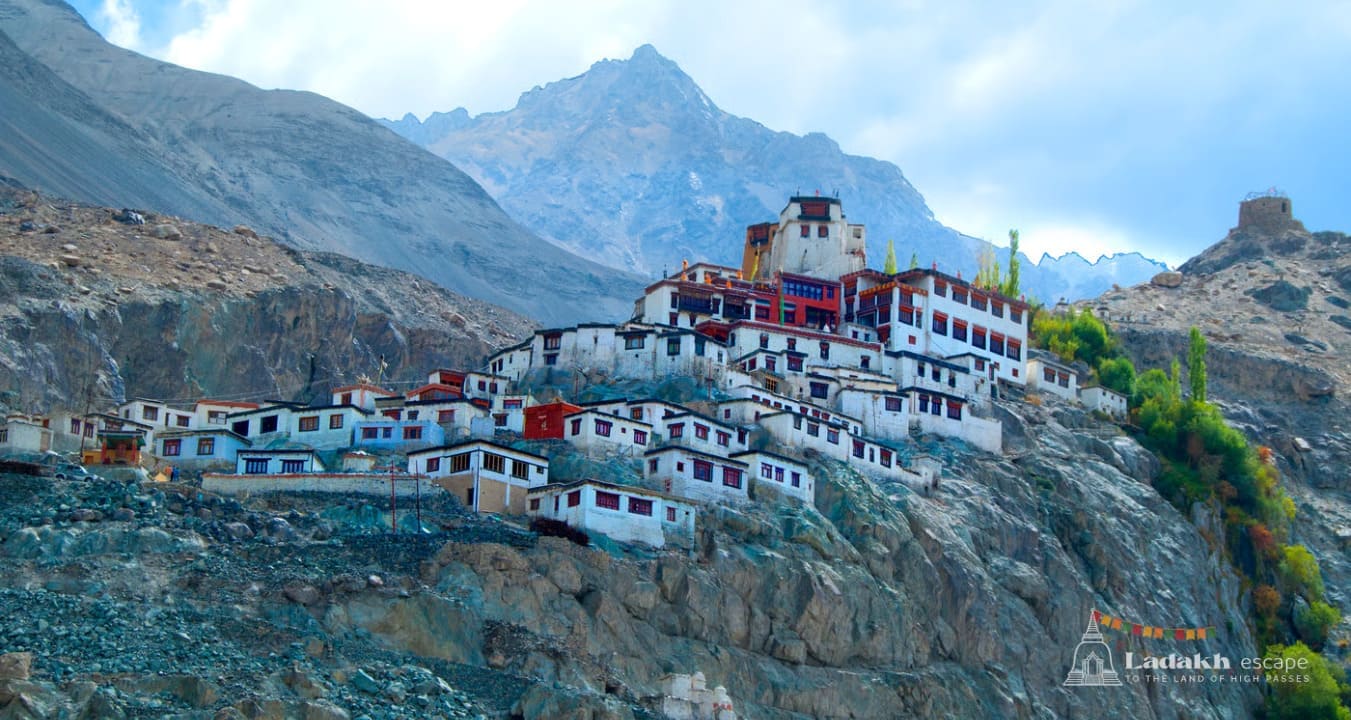
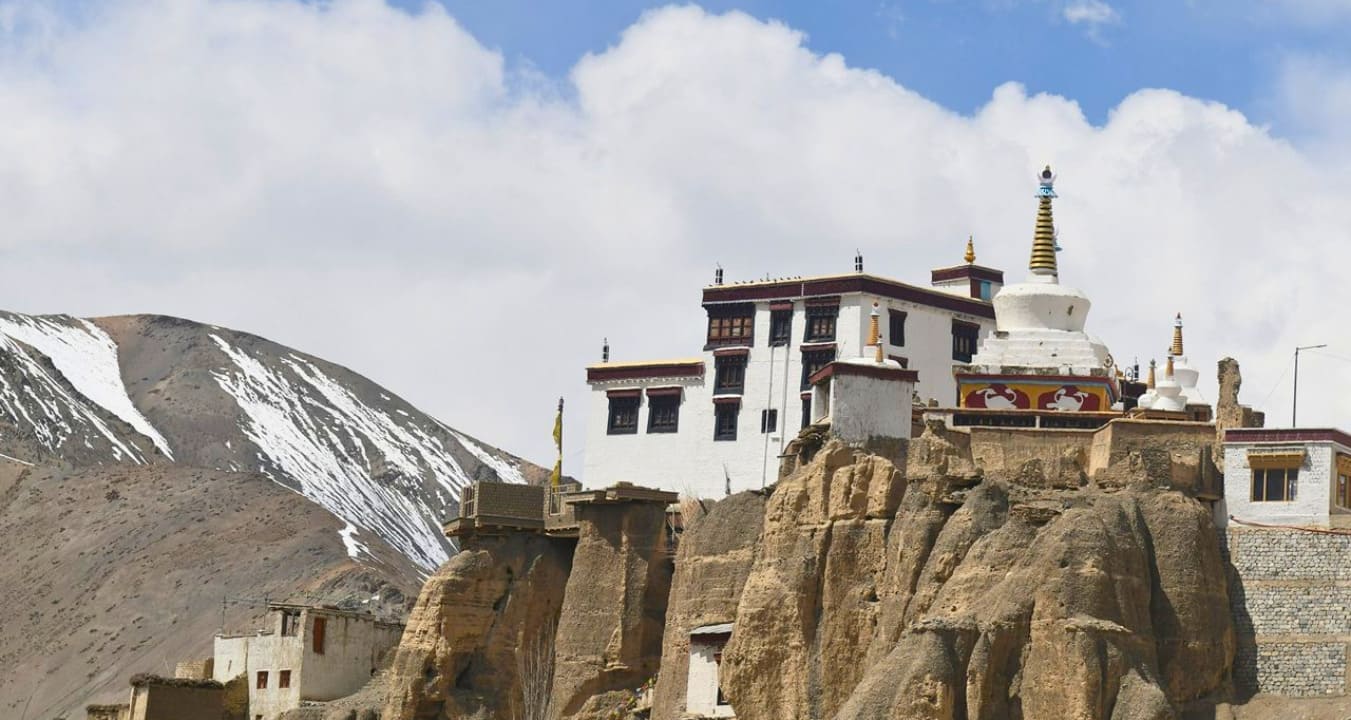
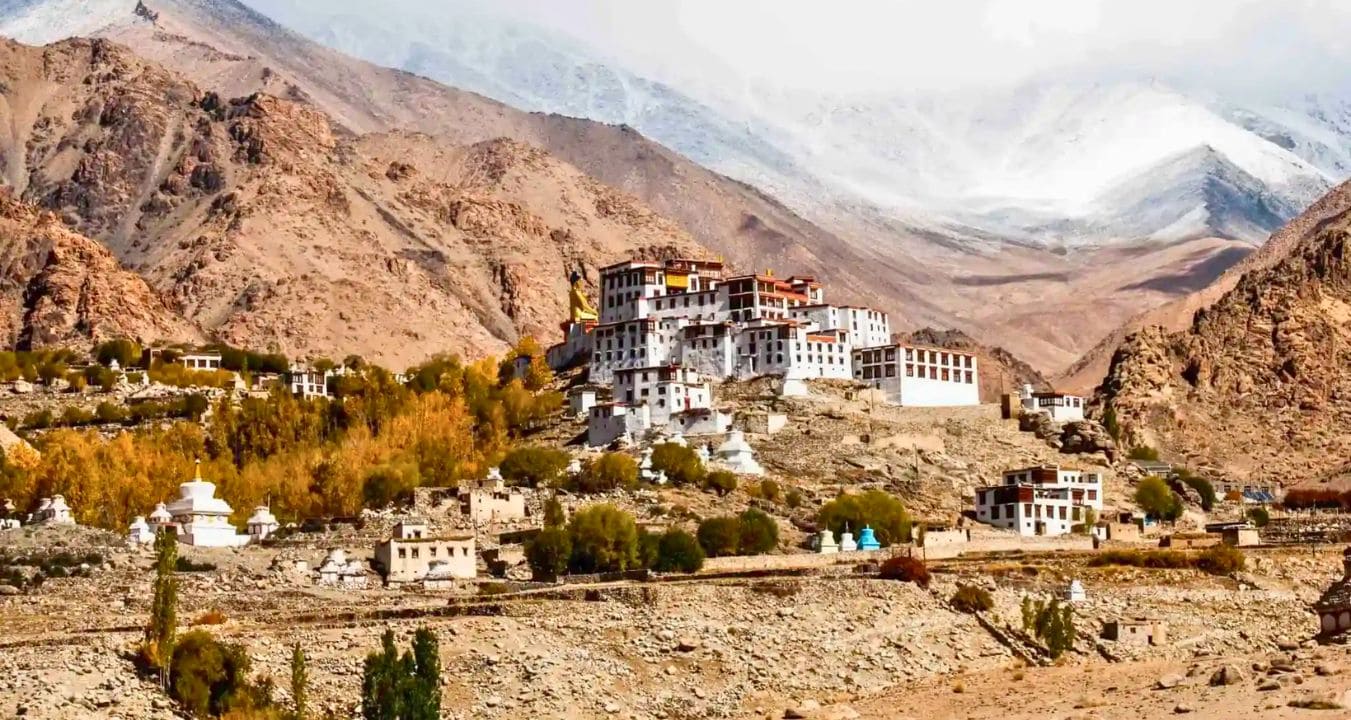
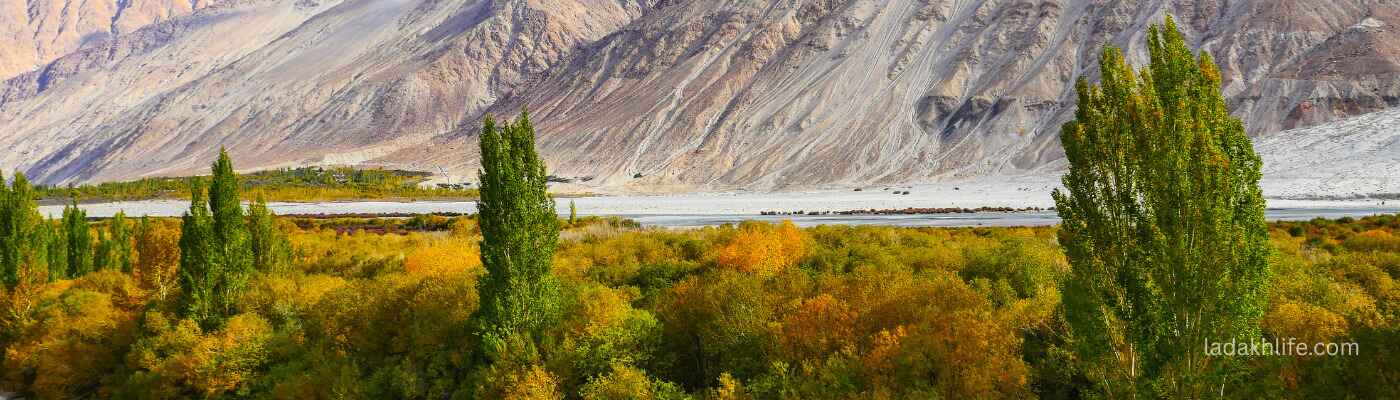
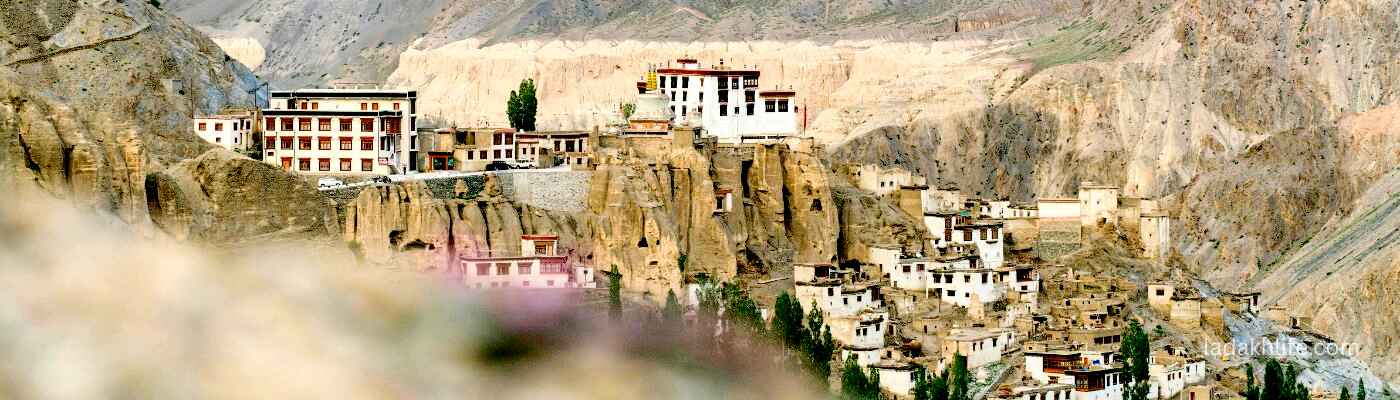
The monastery displays classic Tibetan architectural elements, including multi-tiered prayer halls, intricate murals, and preciousstatues. Set against the stark beauty of the Hanle Valley and surrounding Himalayan peaks, it offers breathtaking views, a peaceful atmosphere, and a unique space for contemplation and photography.
Travel Experience & Offbeat Ladakh Tours
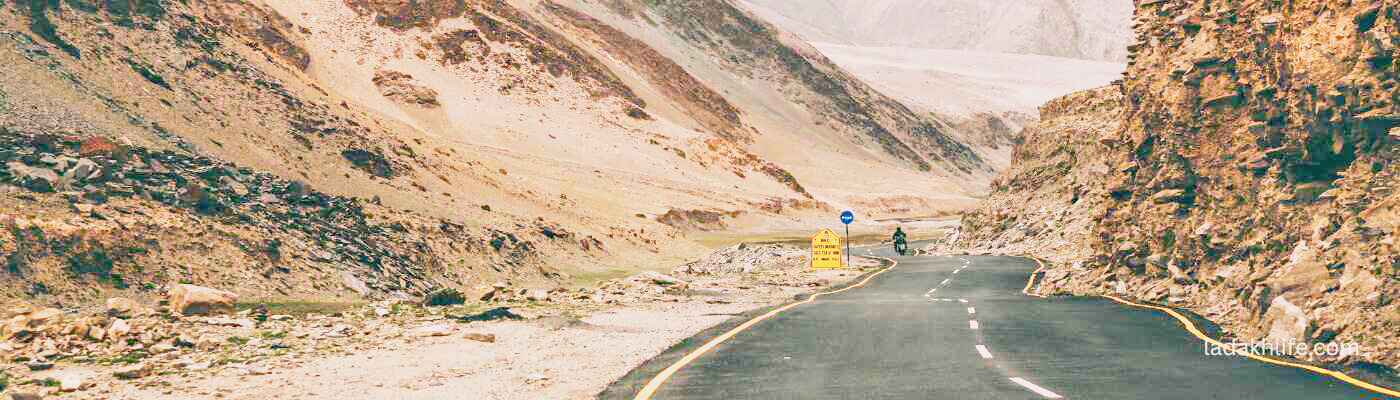
Located approximately 255 km from Leh, Hanle Monastery is a highlight of off-the-beaten-path Ladakh monastery tours. Visitors can experience authentic village life, enjoy vast Himalayan landscapes, and immerse themselves in Tibetan Buddhist traditions far from the usual tourist trails.
Best Time to Visit Hanle Monastery
The most favorable period to visit Hanle Monastery is between June and September when the roads are accessible and the weather is pleasant. This is the best time to witness monastic life, explore the monastery’s historic architecture, and enjoy the scenic beauty of the Hanle Valley.
Travel Tips for Hanle Monastery Visitors
- Maintain respect and quiet within prayer halls and monastic areas.
- Carry warm clothing, as temperatures can drop sharply in the mornings and evenings.
- Consider combining Hanle with Tso Moriri and Chushul for an extended Ladakh cultural tour.
- Bring cash and essential supplies, as facilities are limited in this remote region.
- Hiring a local guide can enhance your understanding of the monastery’s history, architecture, and spiritual practices.