Historical Significance of Stakna Monastery
Stakna Monastery was founded in the 17th century and belongs to the Gelugpa (Yellow Hat) sect of Tibetan Buddhism. Known for its spiritual significance, it has served as an important center for Buddhist learning, meditation, and cultural preservation in Ladakh.
Traditional Tibetan-Style Architecture
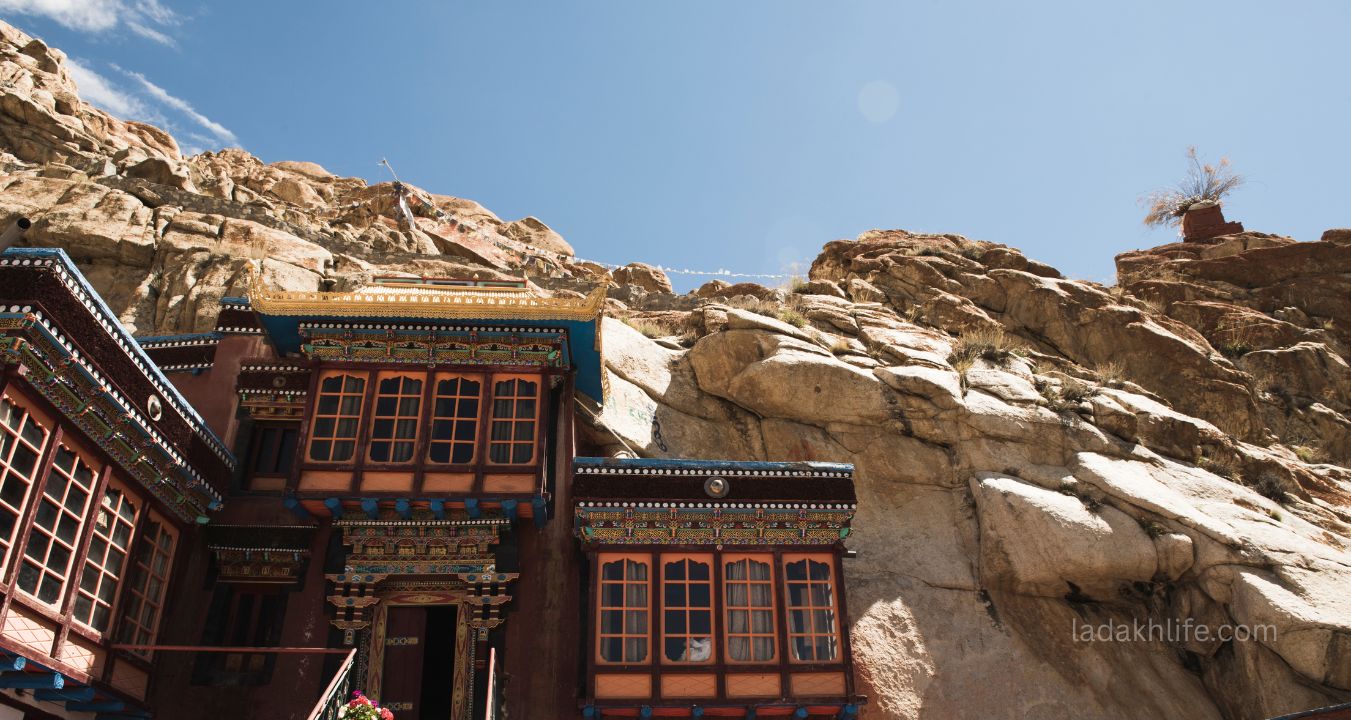
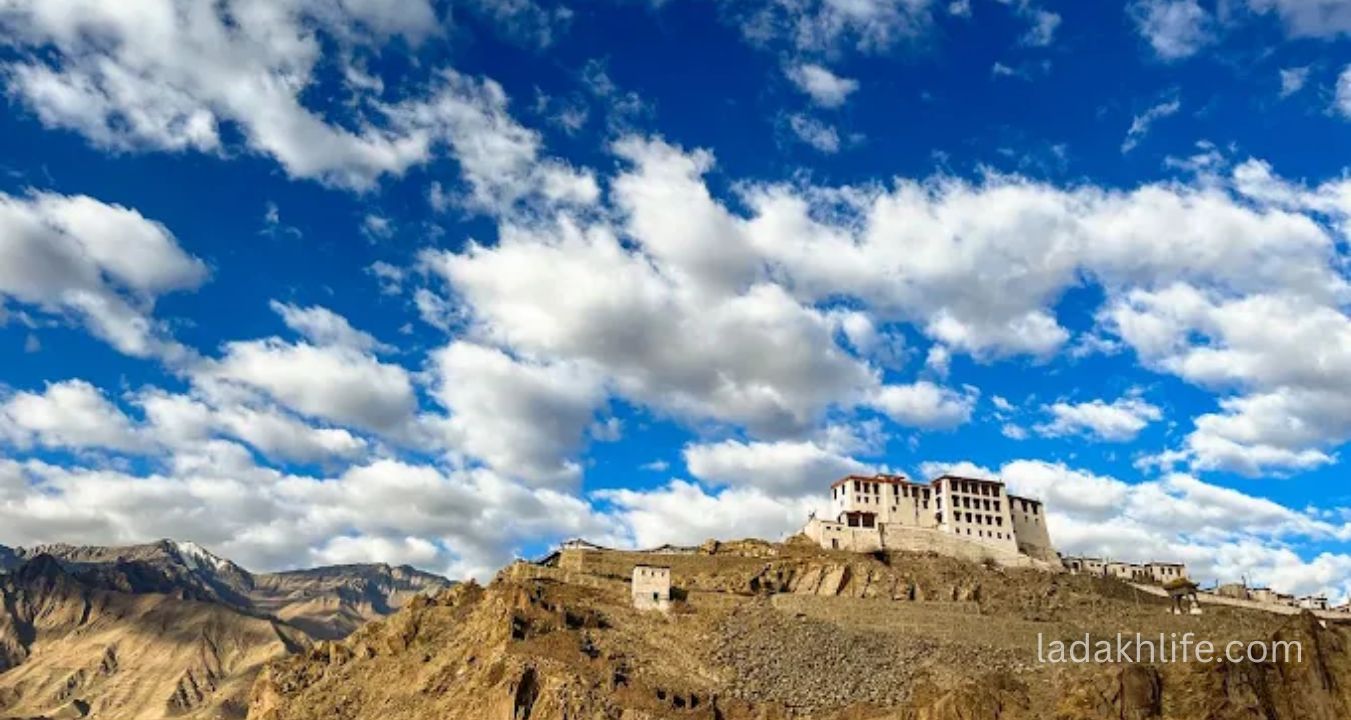
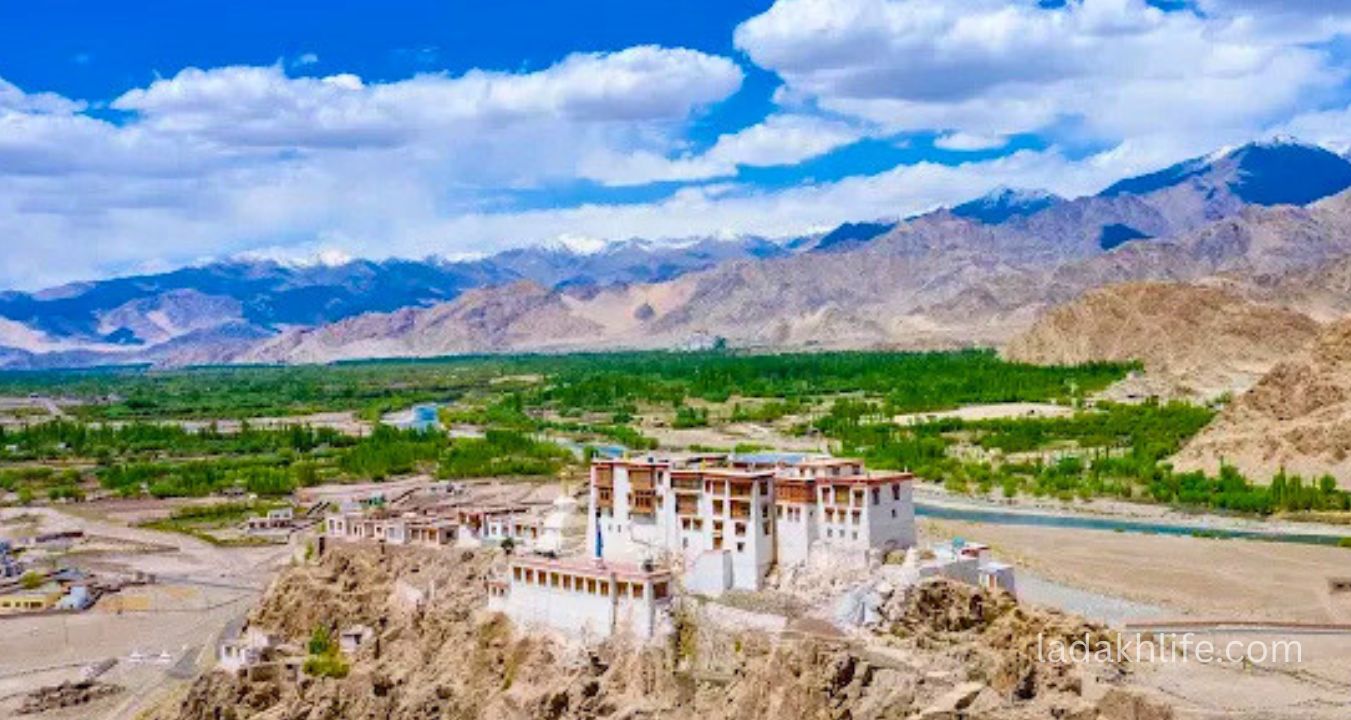
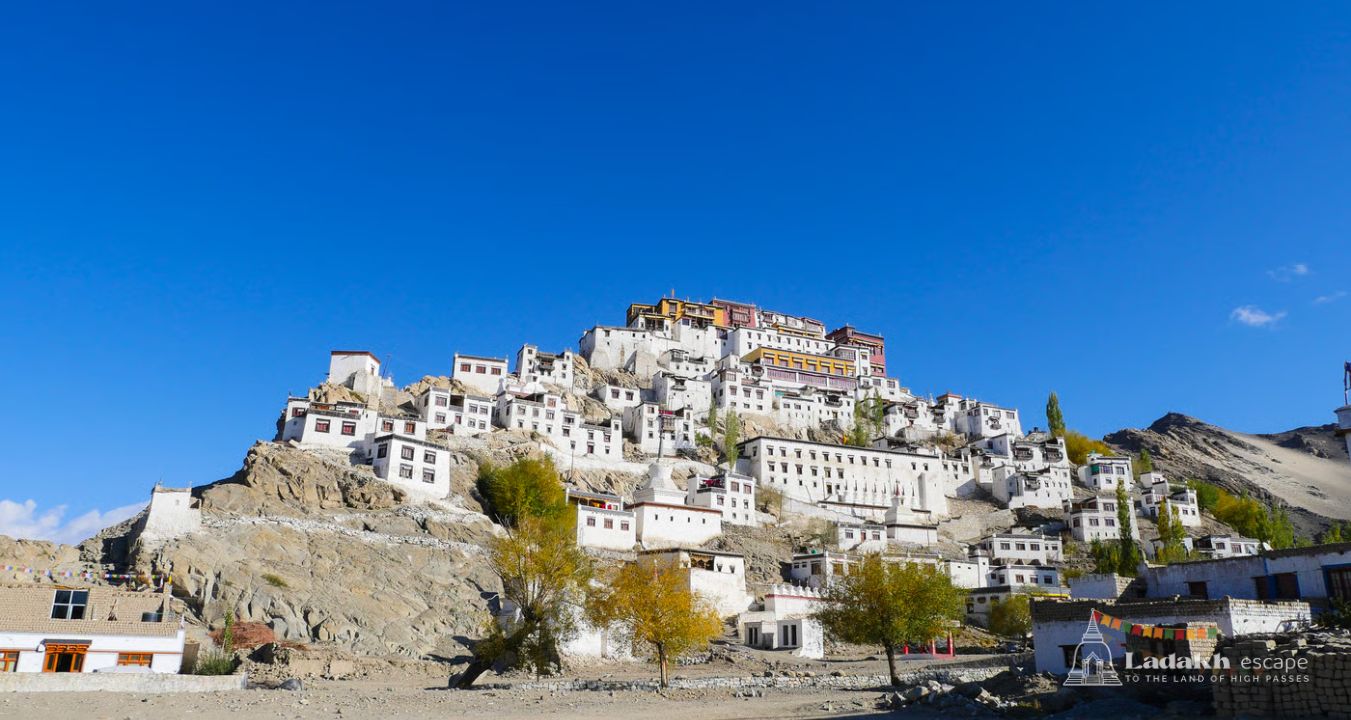
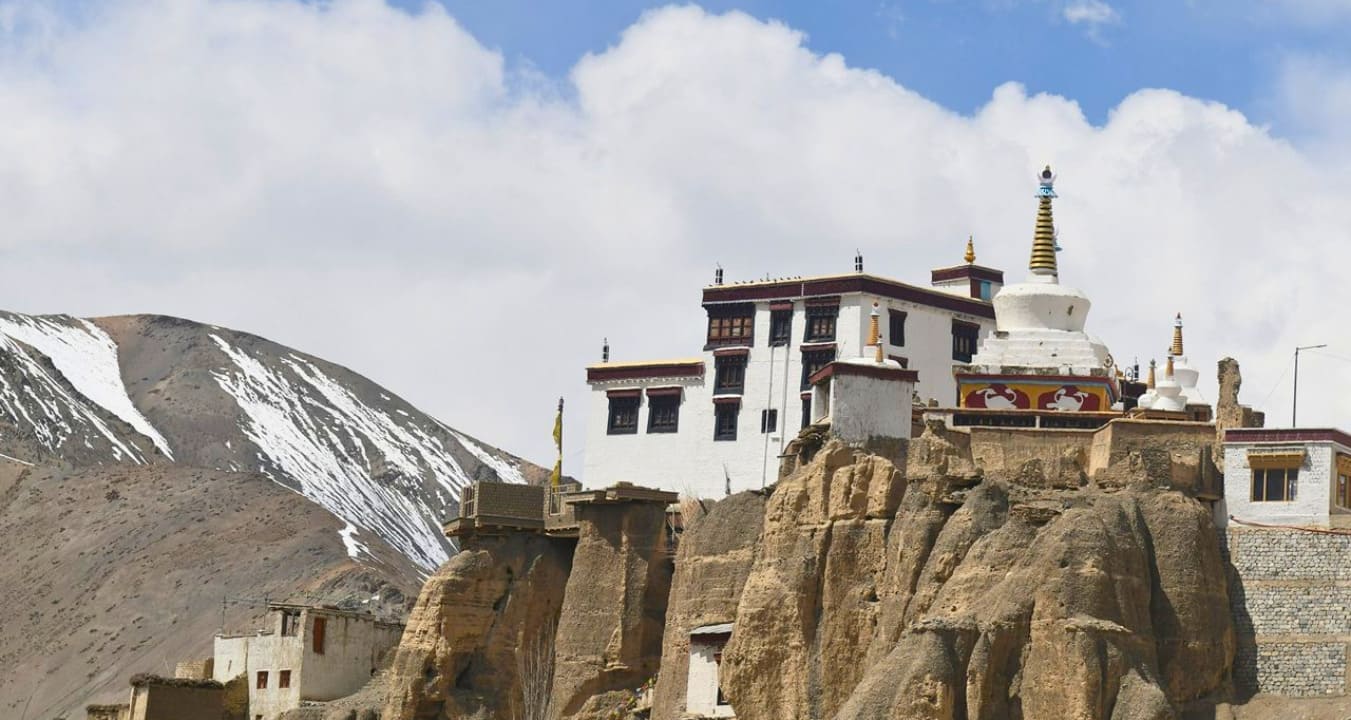
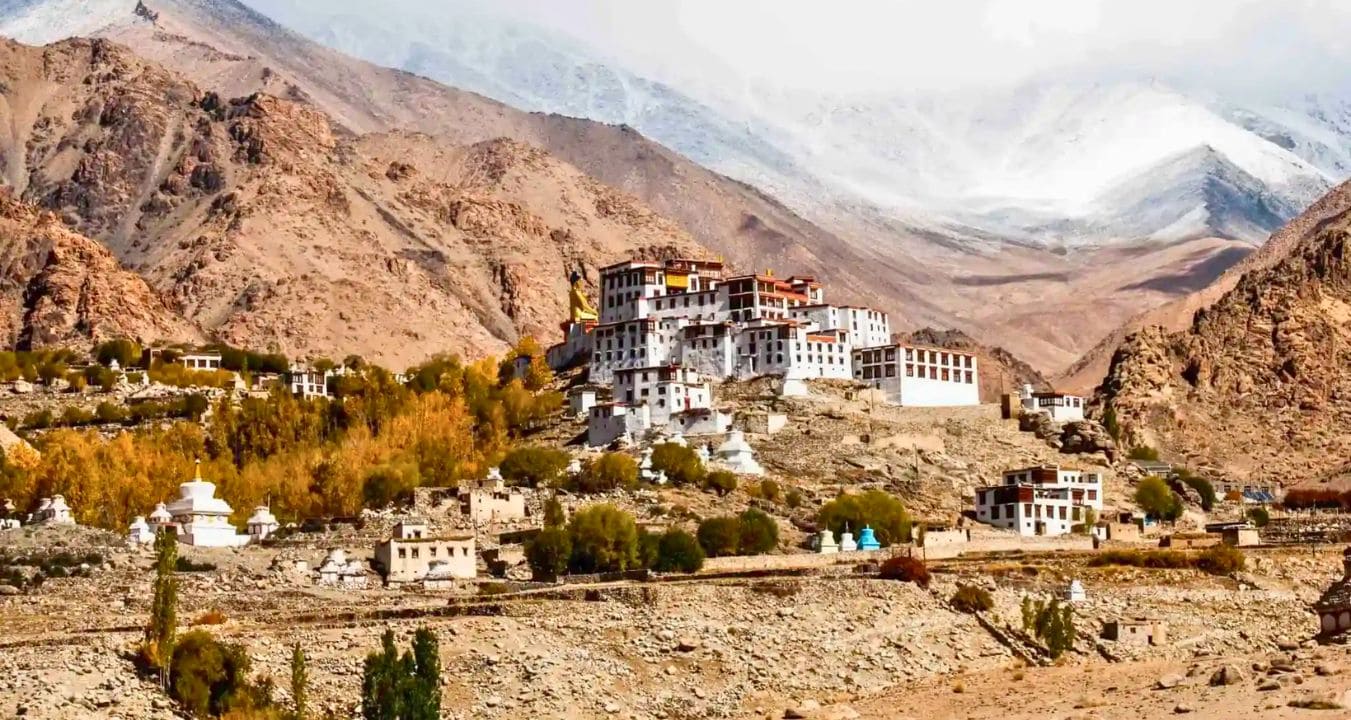
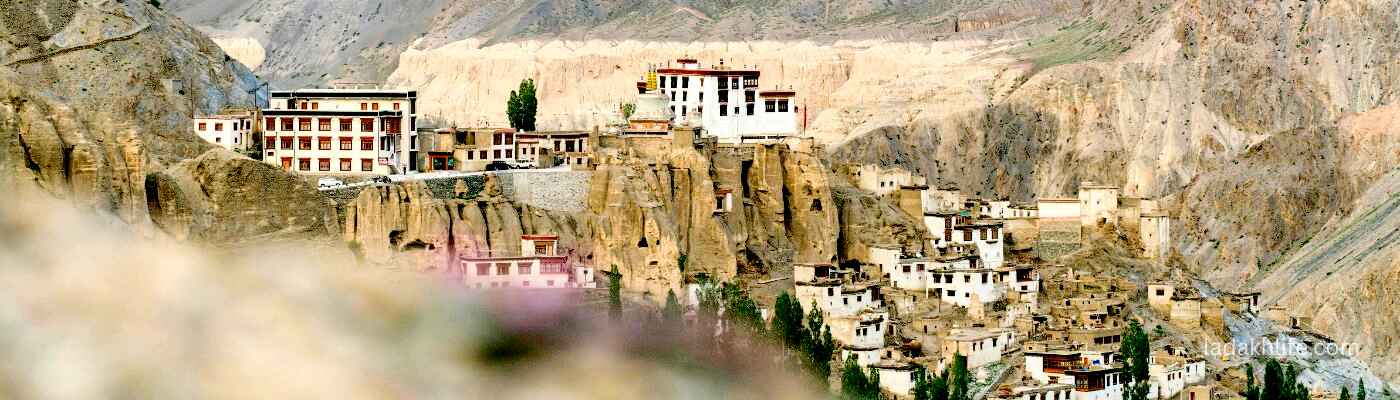
The monastery features distinctive Tibetan architecture, including whitewashed walls, prayer halls, colorful murals, and intricately carved wooden details. Its hilltop location above the Indus River provides spectacular panoramic views of the surrounding Himalayan mountains.
Monastic Life & Daily Rituals
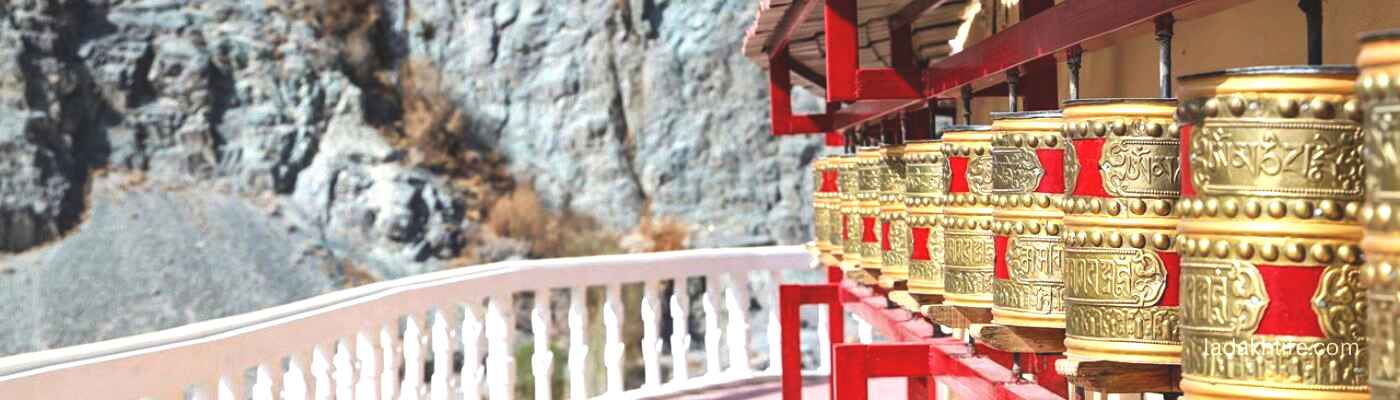
Visitors can experience the peaceful monastic life at Stakna Monastery, observing daily prayers, chanting, and traditional rituals performed by resident monks. The serene atmosphere makes it an ideal place for meditation, reflection, and spiritual immersion.
Scenic Location & Spiritual Ambiance
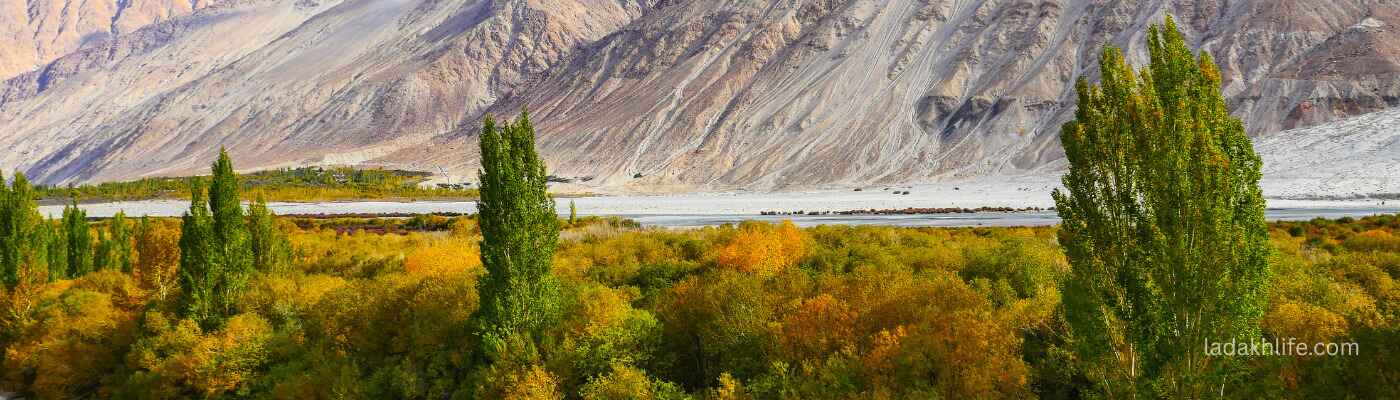
Stakna Monastery’s setting along the Indus River and against the backdrop of the Himalayas offers stunning photographic opportunities and a tranquil environment. Its spiritual ambiance attracts both pilgrims and travelers seeking cultural and religious insights into Ladakh’s Buddhist heritage.
Best Time to Visit Stakna Monastery
The optimal time to visit is from May to October when weather conditions are pleasant and the hilltop paths are accessible. Early mornings or late afternoons provide serene lighting and a peaceful atmosphere for exploring the monastery.
Travel Tips for Visitors
- Carry warm clothing, as temperatures can drop in the mornings and evenings.
- Respect the monastery’s spiritual spaces and maintain silence during prayers.
- Seek permission before photographing monks or sacred areas.
- Acclimatize in Leh before visiting to avoid altitude sickness.
- Visit during early hours to experience a calm and authentic monastic environment.