Stok Monastery spiritual icon Ladakh Buddhist heritage
Stok Monastery, Leh Ladakh

Royal Buddhist Heritage & Spiritual Center Near Leh

Historic Royal Monastery of the Namgyal Dynasty in Ladakh

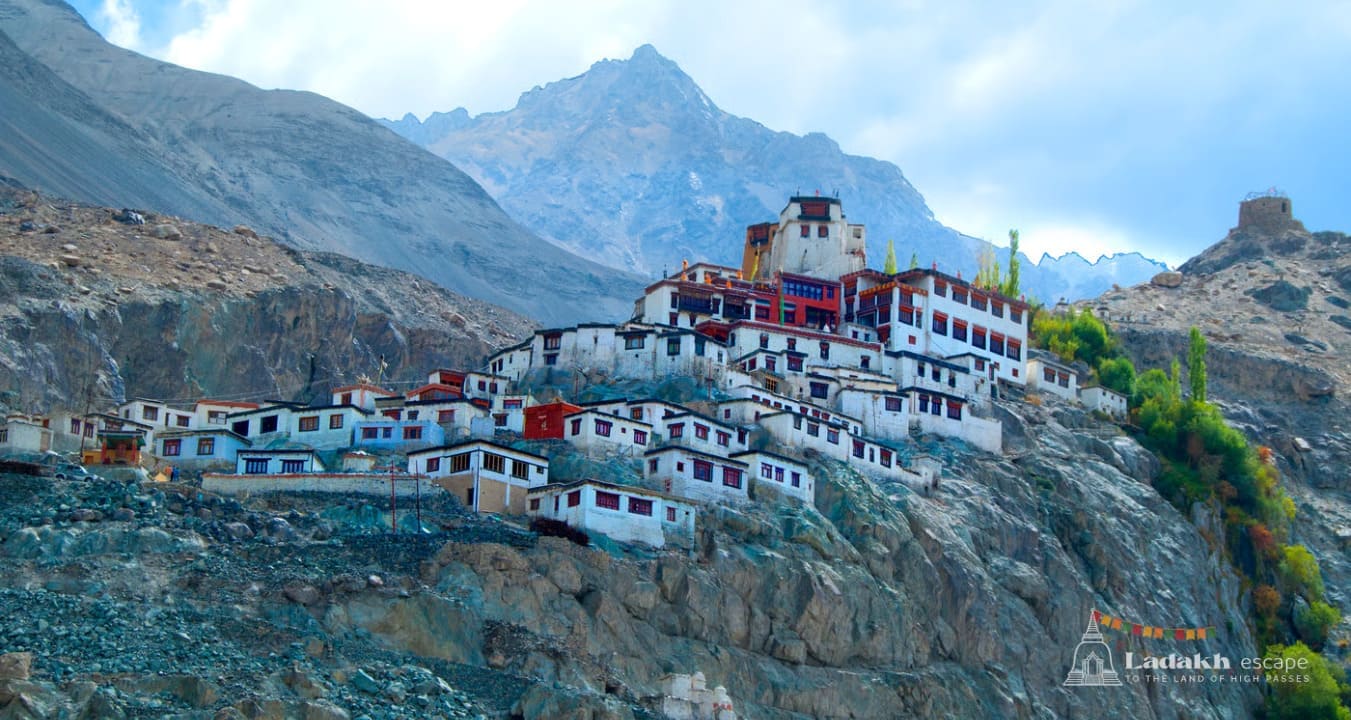
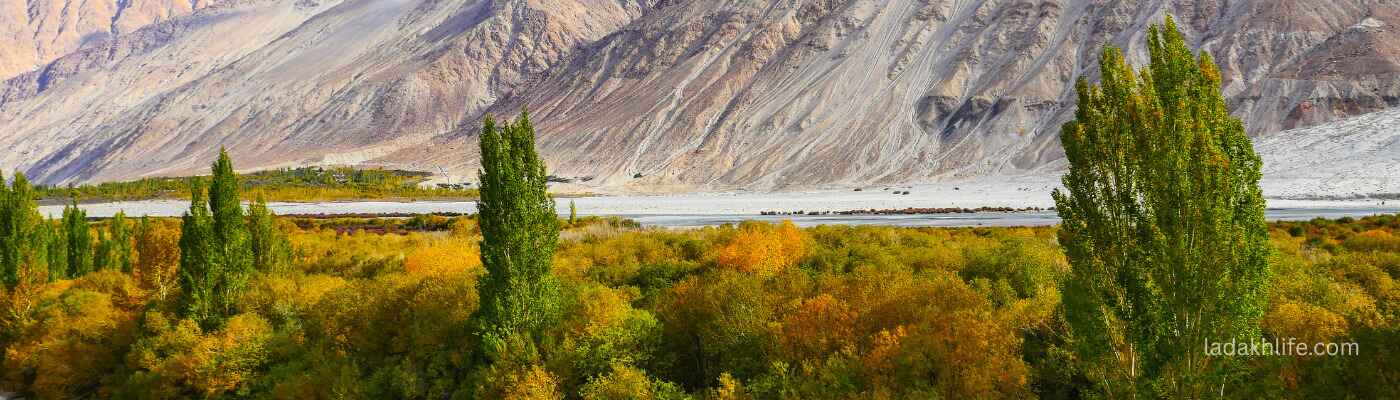
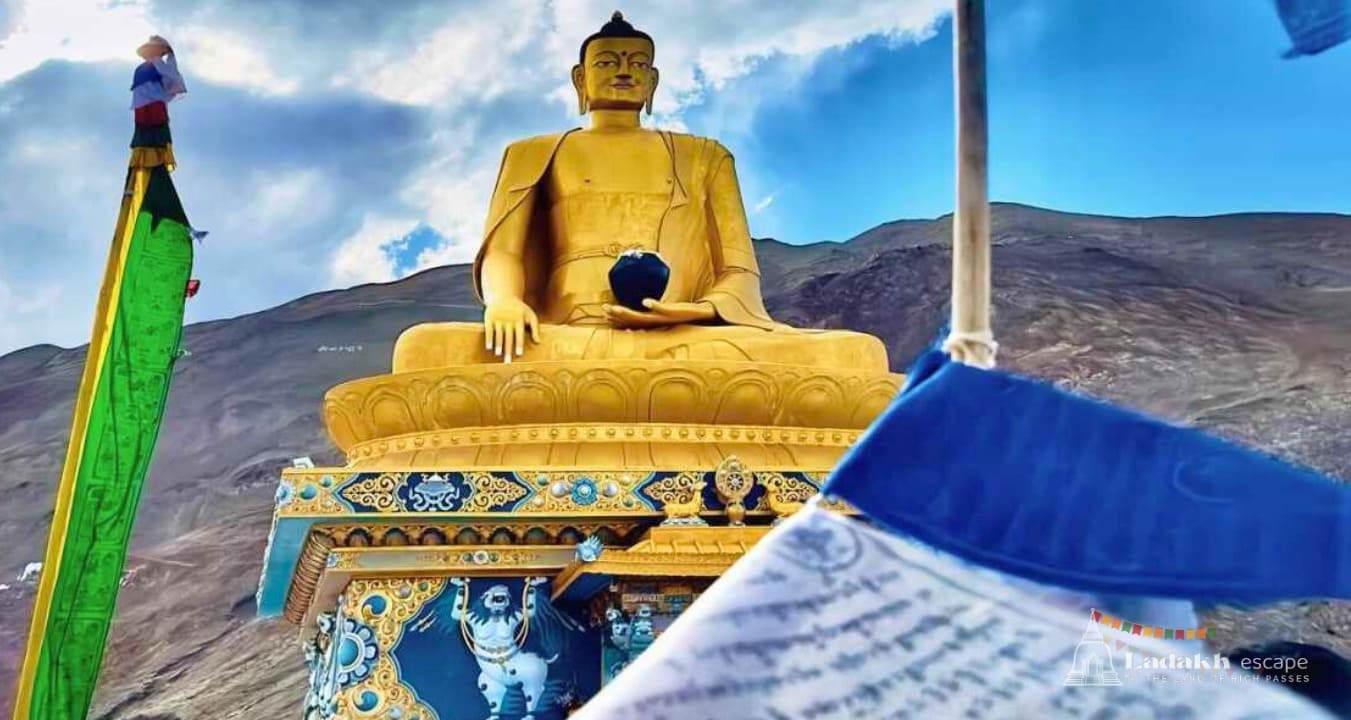
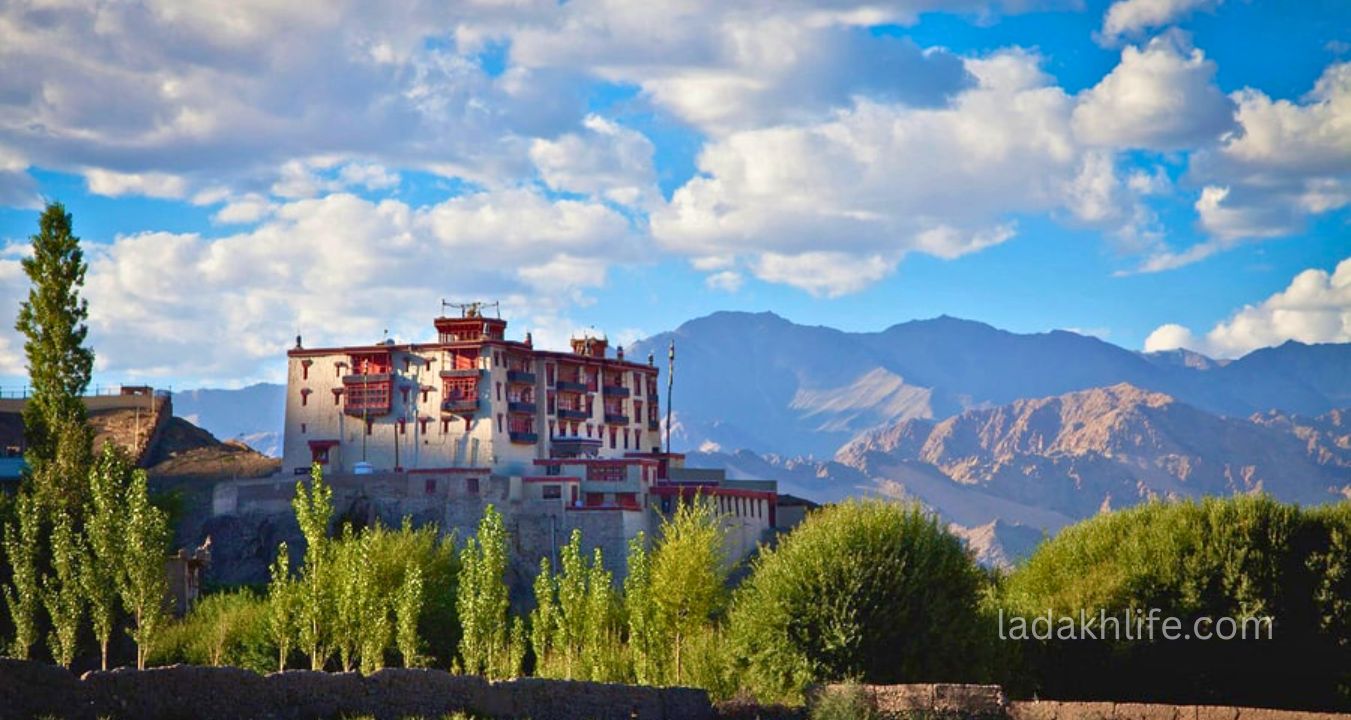
Stok Monastery is a historic Buddhist monastery located in Stok Village near Leh, Ladakh. Closely associated with the Namgyal royal family, it stands as an important center of Tibetan Buddhism and Ladakh’s royal heritage. Surrounded by the stunning Himalayan landscape and overlooking the Indus Valley, the monastery offers a peaceful retreat for spiritual seekers and travelers exploring Ladakh tourism.

The monastery houses preciousBuddhist relics, ancient manuscripts, and beautifully preserved murals that reflect centuries of spiritual tradition. Its traditional Ladakhi architecture, prayer halls, and meditation spaces highlight the deep cultural and religious significance of the site. The nearby Stok Palace further enriches its royal connection, making it one of the most important heritage attractions near Leh.

Known for its calm atmosphere and panoramic mountain views, Stok Monastery is also a place where visitors can witness Buddhist rituals and experience the spiritual lifestyle of resident monks. It is a must-visit destination for those interested in Buddhist culture, heritage tourism, and authentic Ladakh travel experiences.

Ladakh travel guide logo Stok Monastery Leh Ladakh
LadakhLife.com
To The Land of High Passes
Founded in 14th century

History, Architecture & Visitor Experience of Stok Monastery, Ladakh

Discover the rich history, royal heritage, traditional Ladakhi architecture, and immersive visitor experience of Stok Monastery one of the most important Buddhist monasteries near Leh in Ladakh.

Royal History of Stok Monastery

Stok Monastery, located in Stok Village near Leh, Ladakh, is closely linked to the Namgyal dynasty, the former royal family of Ladakh. Built as part of the region’s spiritual and royal legacy, it has served as an important center of Tibetan Buddhism for centuries. The monastery continues to preserve Ladakh’s cultural and religious traditions while remaining an active place of worship and learning.

Traditional Ladakhi & Tibetan Architecture

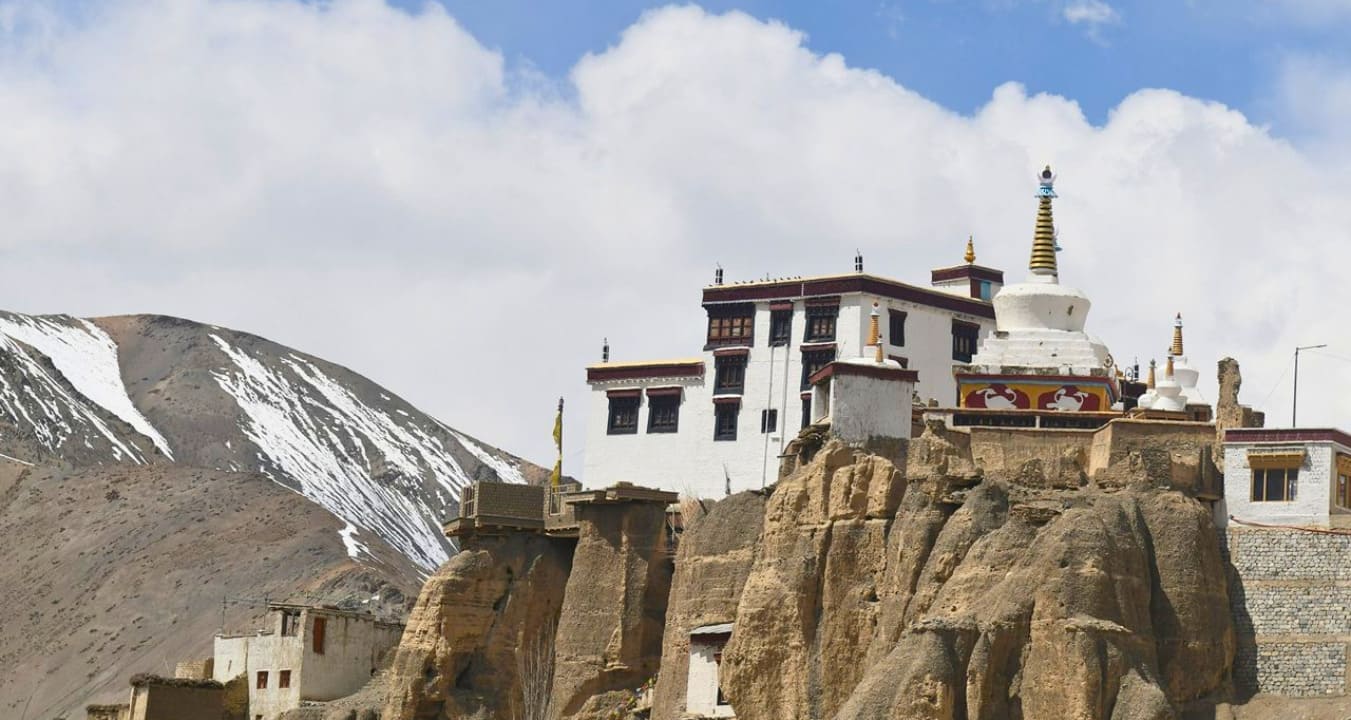
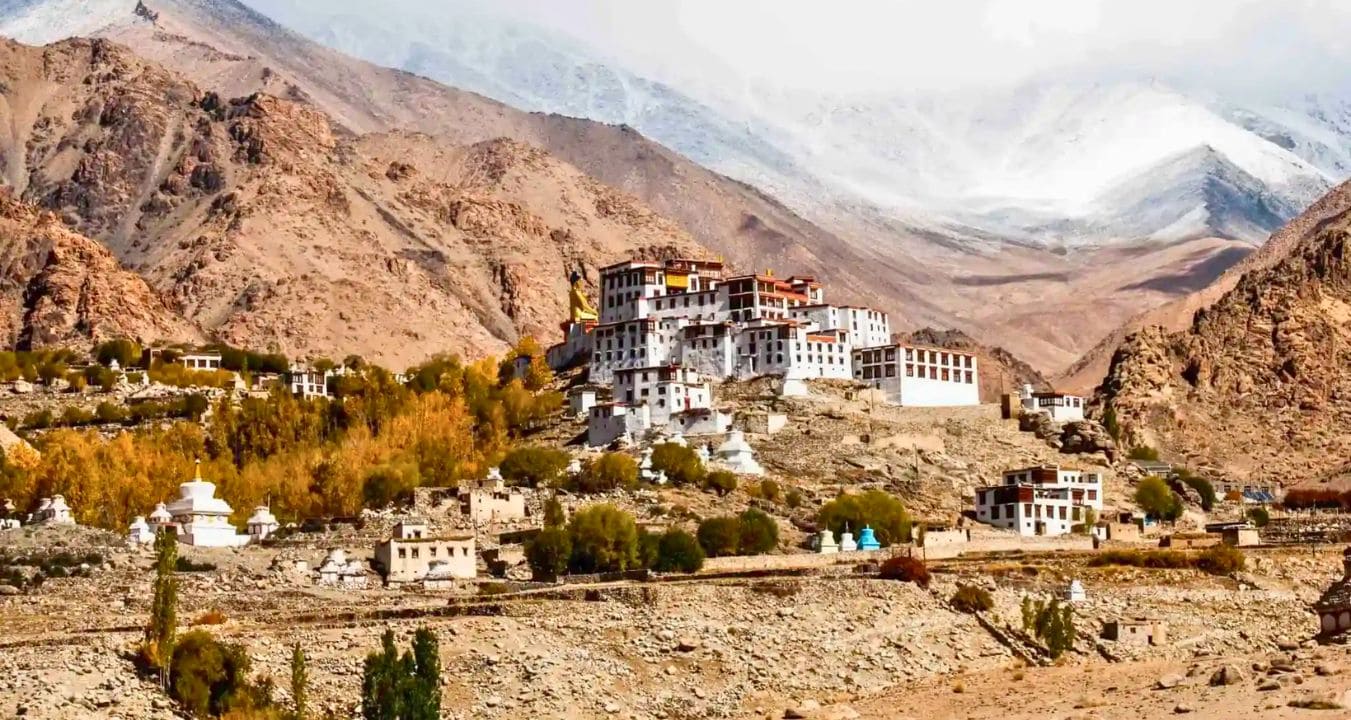
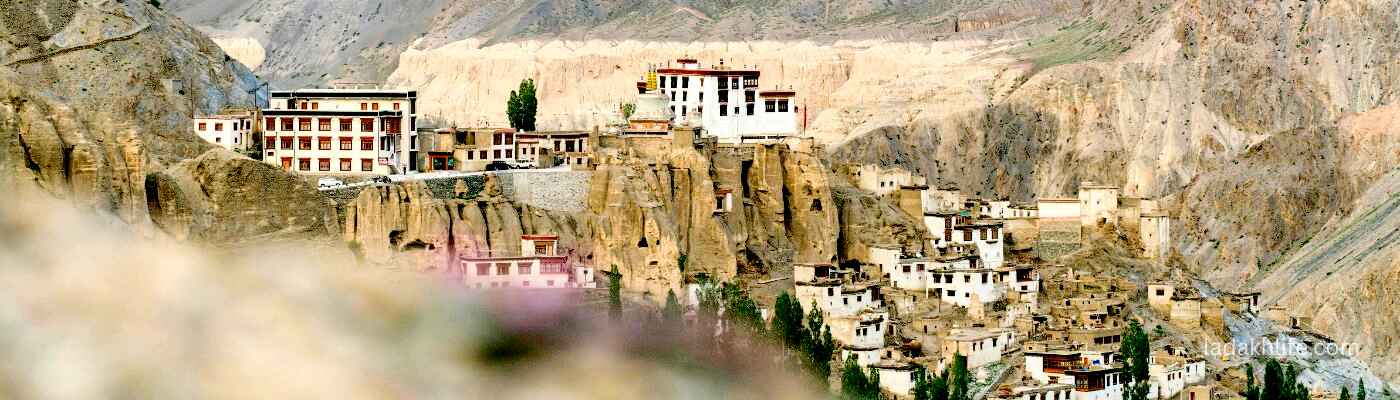
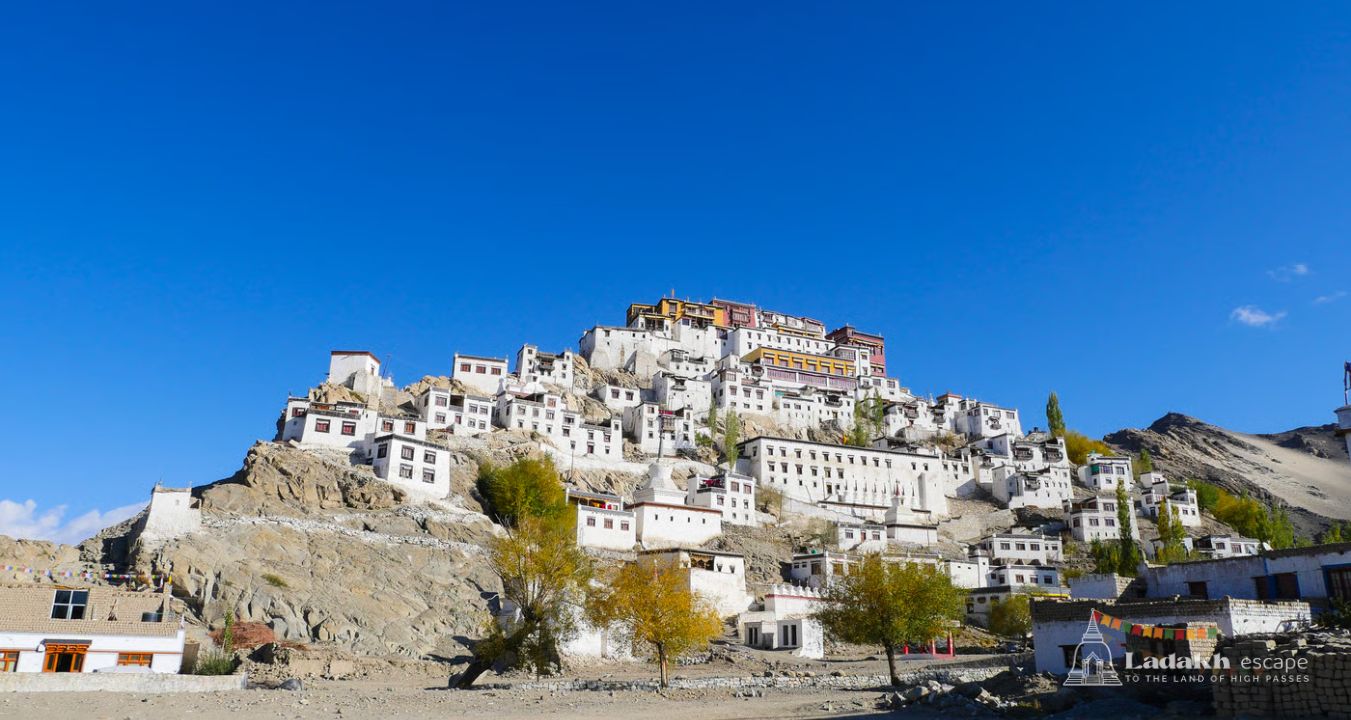
The monastery features classic Ladakhi and Tibetan-style architecture with whitewashed walls, wooden carvings, prayer halls, and peaceful courtyards. Set against the dramatic backdrop of the Indus Valley and the Stok Kangri range, it offers stunning panoramic views of the surrounding Himalayan landscape, making it a visual and spiritual retreat.

Spiritual Life & Monastic Practices

Stok Monastery provides visitors with a glimpse into the daily life of Buddhist monks. Morning prayers, chanting rituals, and meditation sessions reflect the deep spiritual discipline practiced here. The calm atmosphere allows travelers to experience authentic Tibetan Buddhist traditions in a peaceful Himalayan setting.

Stok Monastery Relics & preciousHeritage

Inside the monastery, visitors can explore ancient Buddhist scriptures, preciousartifacts, and preserved relics that highlight its long-standing spiritual importance. The nearby Stok Palace adds to its royal significance, showcasing artifacts from the Ladakhi monarchy and enriching the cultural experience of the region.

Best Time to Visit Stok Monastery

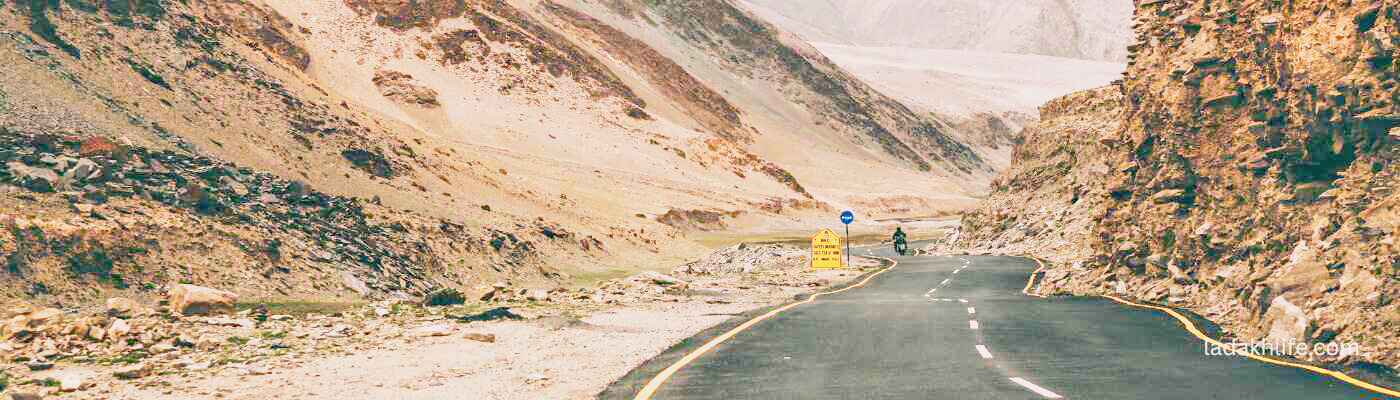
The best time to visit Stok Monastery is from May to September when the weather in Ladakh is pleasant and roads from Leh remain accessible. Clear skies during these months offer breathtaking views of the Himalayas and the Indus Valley, enhancing the overall travel experience.

Travel Tips for Visitors

  • Carry warm clothing, even during summer, as temperatures drop in the evening.
  • Respect local Buddhist customs and maintain silence inside prayer halls.
  • Ask permission before photographing monks or restricted areas.
  • Spend a day acclimatizing in Leh before visiting higher altitude areas.
  • Visit early morning for a calm and authentic monastery experience.

Spiritual Trails of Ladakh

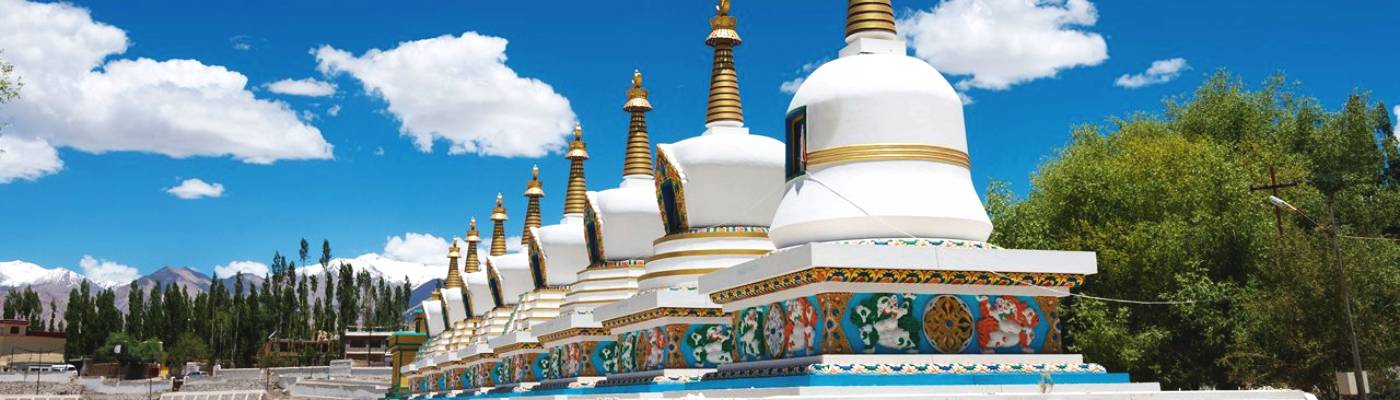
Ladakh is deeply rooted in Buddhist spirituality, with ancient monasteries serving as peaceful centers of prayer, tradition, and reflection. Set against dramatic Himalayan landscapes, these spiritual sites offer a serene escape into silence and timeless wisdom.