Historical Significance of Shanti Stupa
Shanti Stupa was inaugurated in 1991 as part of the Japanese Peace Pagoda mission, aimed at promoting world peace and harmony. Its construction involved both Japanese and Ladakhi collaboration, making it a unique symbol of cultural exchange and spiritual devotion in the Himalayas.
Spiritual Life & Peaceful Ambiance
While not an active monastery, Shanti Stupa provides a meditative and peaceful environment for visitors. Many come to watch sunrise or sunset, engage in silent reflection, or participate in occasional prayer rituals, feeling the calm and spiritual energy of the location.
Architecture & Leh Hilltop Views
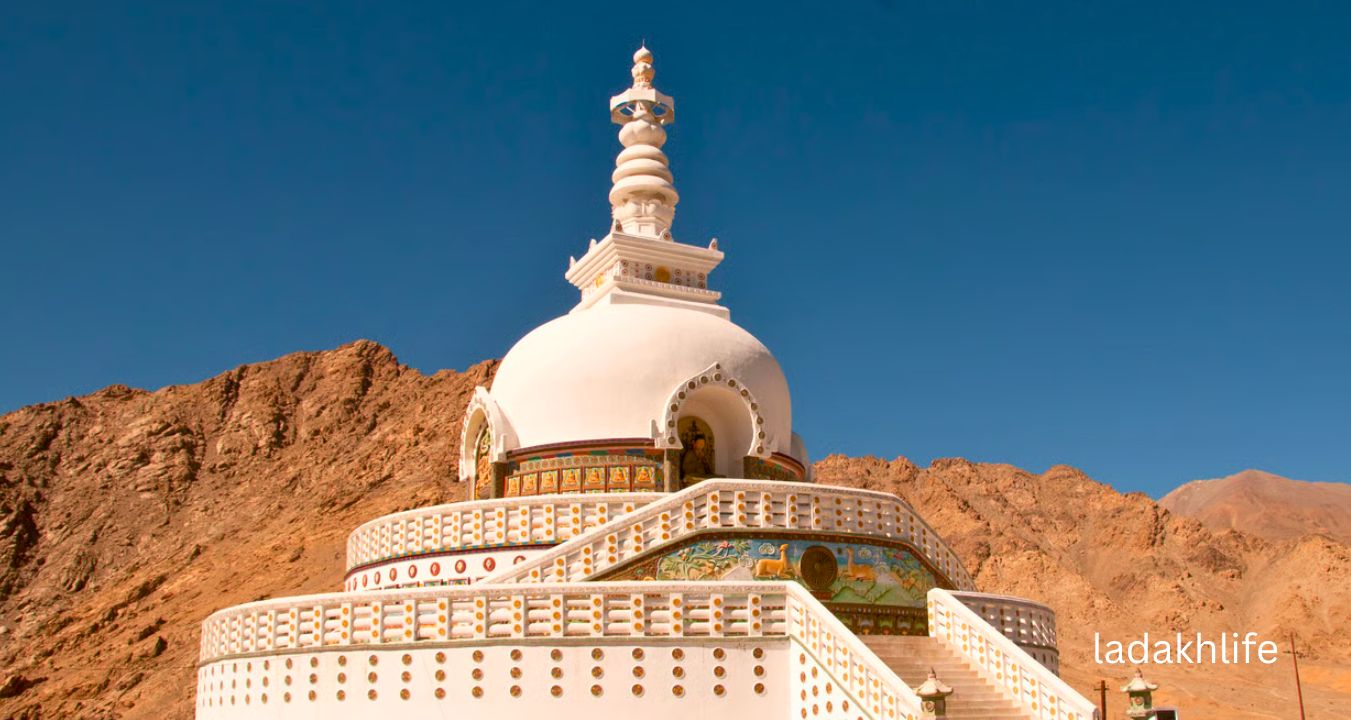
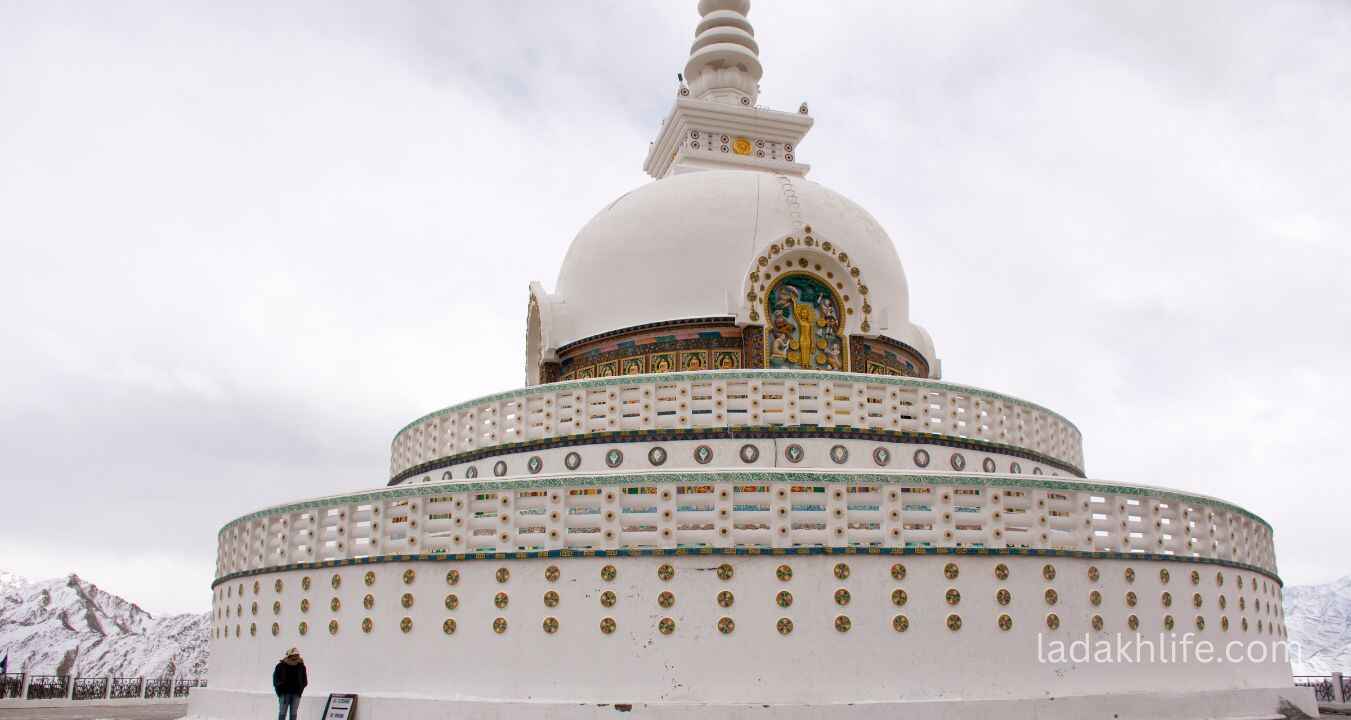
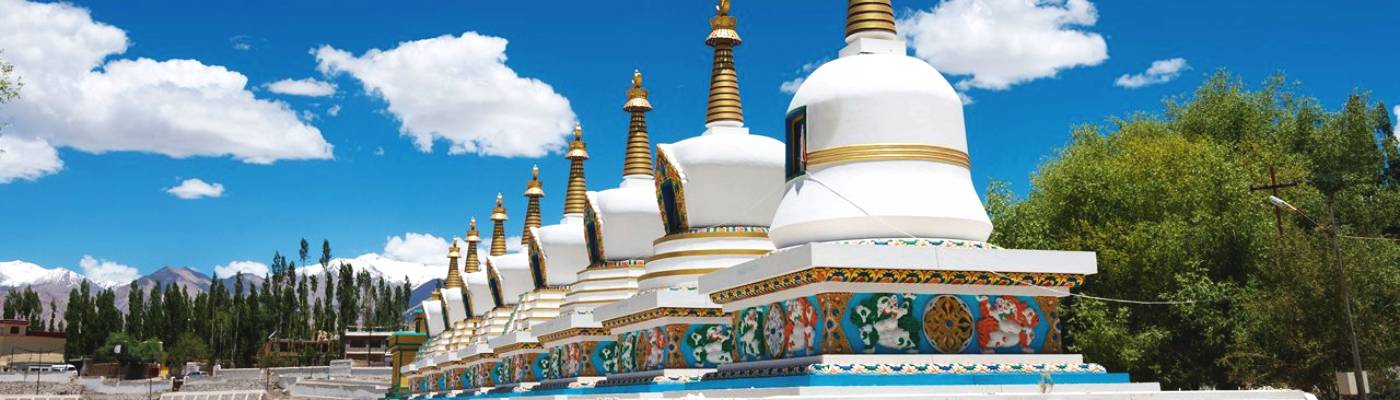
The stupa’s gleaming white dome, intricate carvings, and two-level structure reflect Buddhist architectural aesthetics. From its terraces, visitors are treated to panoramic views of Leh town, the surrounding mountains, and the Indus Valley, making it a photographer’s paradise and a serene spot for contemplation.
Travel Experience & Spiritual Journey
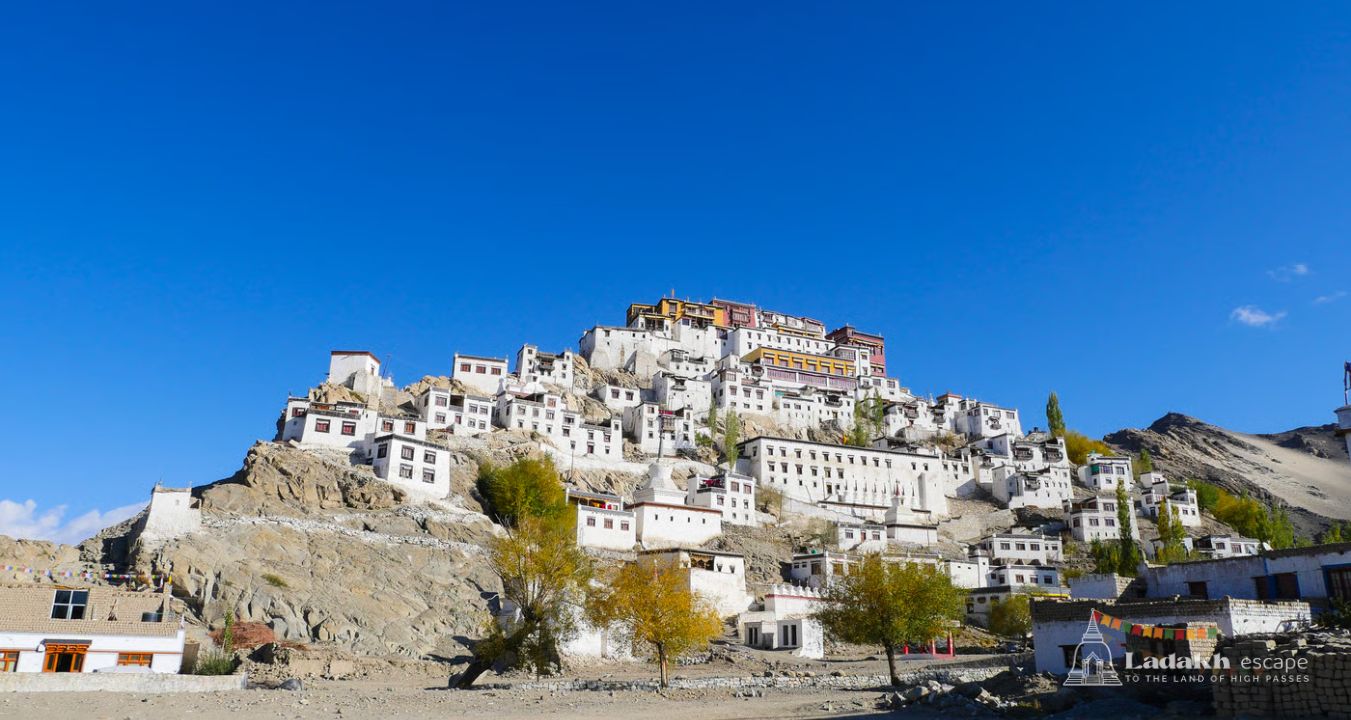
Located just 5 km from Leh, Shanti Stupa is easily accessible and often included in spiritual and cultural tours of Ladakh. Visitors can combine it with Leh Palace, monasteries, and trekking trails to experience the region’s rich heritage, natural beauty, and Himalayan tranquility.
Best Time to Visit Shanti Stupa
The ideal months to visit are from May to October, when weather conditions are pleasant and skies are clear. Sunrise and sunset are particularly magical times, offering spectacular views and a peaceful atmosphere for meditation and photography.
Travel Tips for Shanti Stupa Visitors
- Wear comfortable shoes as the hill climb to the stupa involves some steps and slopes.
- Carry water, especially if visiting during warmer months.
- Visit early morning or late afternoon to enjoy fewer crowds and stunning views.
- Respect the peaceful environment and maintain silence on the stupa grounds.
- Combine the visit with nearby attractions like Leh Palace and local monasteries for a fuller cultural experience.