So, What Exactly is the Hall of Fame Museum?
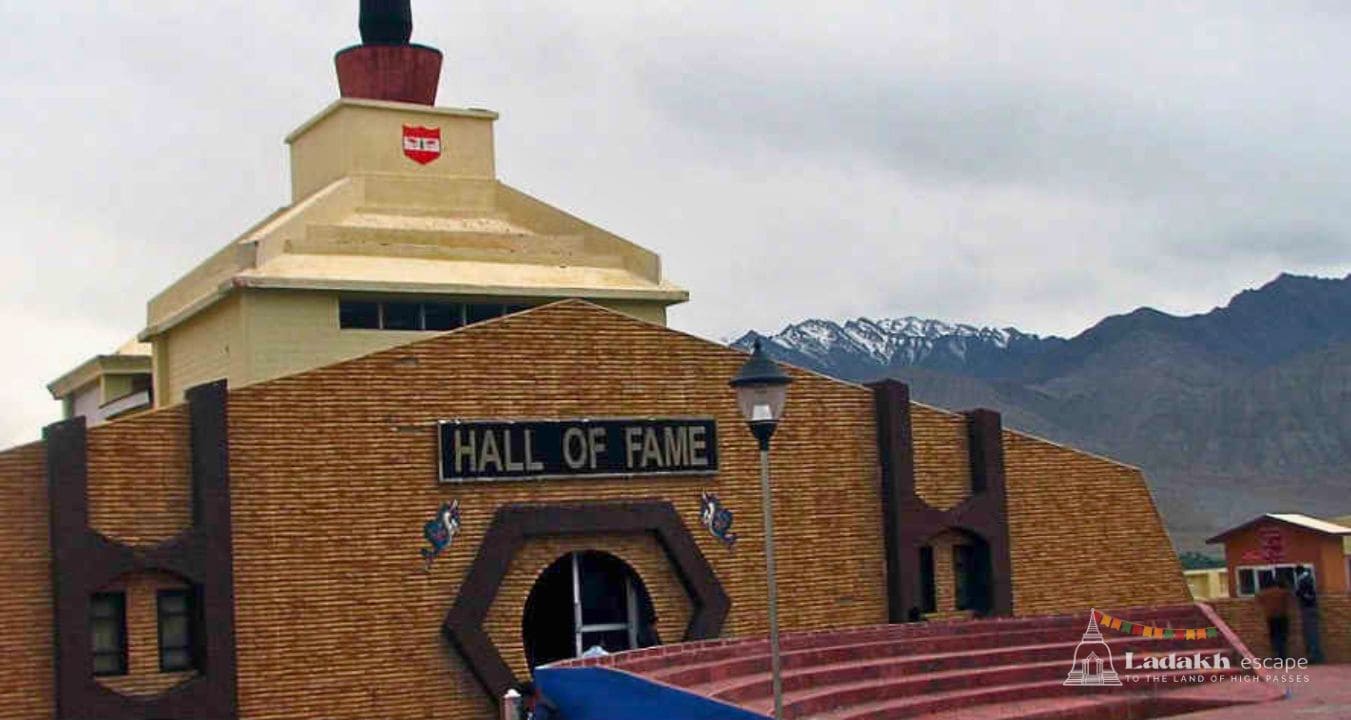
The Hall of Fame Museum is a war memorial and museum located in Leh, Ladakh, about 4 kilometers from the main market on the road to the airport (near the Army Golf Course). It was established by the Indian Army and is managed by the Ladakh Scouts Regiment, one of the most decorated regiments in the Indian Army.
The museum was built to honor the soldiers who have served and sacrificed their lives in the Siachen Glacier (the world's highest battlefield), the Kargil War of 1999, and other conflicts in the Jammu & Kashmir region. It's also a tribute to the soldiers who serve in the harsh conditions of Ladakh, where temperatures drop to -50°C, where avalanches are common, and where every day is a battle for survival.
The museum has several sections:
- Main Hall: Life-size dioramas depicting the Kargil War, Siachen operations, and counter-insurgency operations.
- Photo Gallery: Hundreds of photographs of soldiers, operations, and the landscapes of Ladakh.
- Weapons Gallery: Captured enemy weapons, Indian Army weapons, and artillery pieces used in the conflicts.
- Siachen Gallery: Exhibits about the Siachen Glacier, the highest battlefield in the world, including equipment used by soldiers, photos of the terrain, and stories of survival.
- Kargil War Gallery: Detailed exhibits about the 1999 Kargil War, including maps, timelines, and stories of individual heroes.
- Memorial Wall: A wall with the names of soldiers who have died in service, including the Kargil War martyrs.
The Hall of Fame is not a happy place. It's a somber, respectful, and powerful experience. You'll leave with a deeper understanding of the sacrifices made by the Indian Army in Ladakh, and a profound sense of gratitude.
Why the Hall of Fame is a Must-Visit in Leh
The Hall of Fame is one of the most popular attractions in Leh, and for good reason. Here's why you should visit:
- Honor the heroes. The Kargil War happened here. Soldiers died on these mountains, Tiger Hill, Tololing, Point 4875. The Hall of Fame honors their memory. It's the least we can do.
- Learn about the Kargil War. The museum has detailed exhibits about the 1999 war, the causes, the timeline, the battles, and the heroes. You'll learn more here than from any documentary.
- Understand Siachen. The Siachen Glacier is the world's highest battlefield, and one of the most inhospitable places on earth. The museum's Siachen exhibits are fascinating and humbling.
- See captured weapons. The museum displays weapons captured from enemy forces during the Kargil War and other conflicts. It's a stark reminder of the reality of war.
- Read the names. The memorial wall lists the names of soldiers who have died in service. Reading them is a powerful, emotional experience.
- Patriotic experience. For Indian visitors, the Hall of Fame is a deeply patriotic experience. For international visitors, it's an opportunity to understand the sacrifices of the Indian Army.
The Hall of Fame Experience (The Honest, Emotional Version)
Let me walk you through what actually happens when you visit the Hall of Fame. No filters. No fancy language.
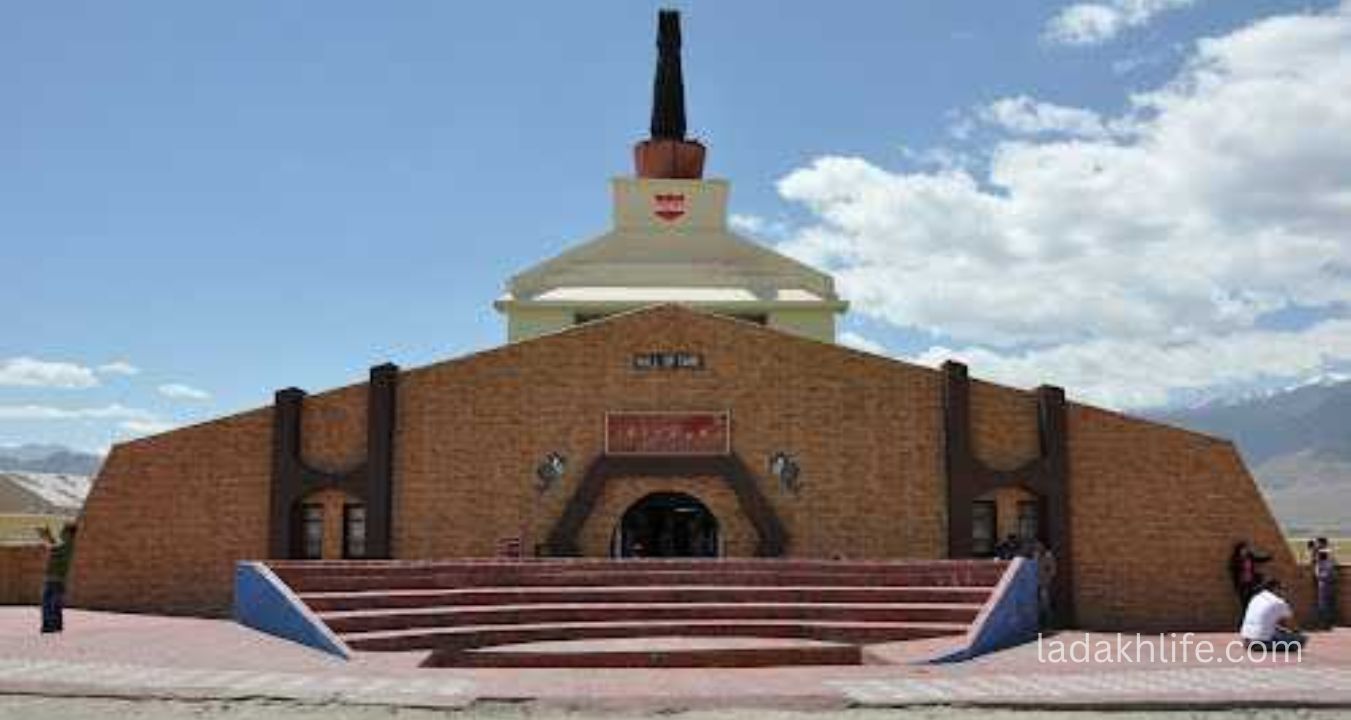
- The approach: You drive or walk to the museum, about 4 kilometers from Leh market. It's on the road to the airport, near the Army Golf Course. The building is white, with "Hall of Fame" written on the front.
- The entrance: You buy your ticket (₹50 for Indians, ₹100-150 for foreigners). You walk through the entrance, and the first thing you see is the memorial wall, names of soldiers, row after row.
- The main hall: You enter the main hall. It's dark. The lighting is dim. You see life-size dioramas of soldiers in combat, crouching behind rocks, firing their weapons, carrying the wounded. The sound effects are haunting, gunfire, explosions, radio static. You stand there, frozen, reading the descriptions. It feels real. It is real.
- The Kargil War gallery: You walk through the Kargil War exhibits. Maps show the mountains, the border, the positions. Timelines explain the course of the war. Photos show the soldiers, young, smiling, alive. You read the stories of the heroes. You learn their names. You learn what they did. Your throat tightens.
- The Siachen gallery: You learn about Siachen, the highest battlefield in the world. Temperatures drop to -50°C. Soldiers live in ice caves. Avalanches are common. The exhibits show the equipment they use, special boots, insulated suits, oxygen masks. You can't imagine living there. They do.
- The weapons gallery: You see captured enemy weapons, rifles, machine guns, rocket launchers. You see Indian Army weapons. You see artillery shells. The weapons are real. The war was real.
- The memorial wall: You stand in front of the memorial wall, reading the names. Captain Vikram Batra. Rifleman Sanjay Kumar. Grenadier Yogendra Singh Yadav. Hundreds of others. You realize these were real people, with families, with dreams, with lives ahead of them. They didn't come back. You stand in silence.
That's the Hall of Fame. Not fun. Not entertaining. But powerful, moving, and unforgettable.
The Crown Jewels of the Hall of Fame (Don't Miss These)
1. The Kargil War Dioramas, A Life-Size Tribute
The main hall features life-size dioramas depicting key moments from the Kargil War. The dioramas are incredibly detailed, soldiers in combat gear, weapons in hand, crouching behind rocks, looking up at the mountains. The lighting is dim, the sound effects are haunting, and the effect is powerful. You feel like you're there, on the mountains, in the battle. The dioramas are accompanied by descriptions of the battles and the soldiers involved. Take your time. Read each one. These are not just exhibits. They're tributes.
2. The Memorial Wall, Names That Will Stay With You
The memorial wall lists the names of soldiers from the Ladakh Scouts Regiment and other units who have died in service, including the Kargil War martyrs. The names are carved in stone, row after row. Captain Vikram Batra, Param Vir Chakra (posthumous). Rifleman Sanjay Kumar, Param Vir Chakra. Grenadier Yogendra Singh Yadav, Param Vir Chakra. And many, many more. Stand in front of the wall. Read the names. Say a silent thank you. You'll never forget them.
3. The Siachen Glacier Exhibit, Life at 20,000 Feet
The Siachen Glacier is the world's highest battlefield, and one of the most inhospitable places on earth. The Siachen exhibit at the Hall of Fame is fascinating and humbling. You'll learn about:
- The temperature, as low as -50°C (-58°F)
- The altitude, over 20,000 feet (6,000 meters)
- The equipment, special insulated boots, oxygen masks, cold-weather gear
- The living conditions, ice caves, limited rations, constant danger of avalanches
You'll see photographs of the glacier, a vast white expanse, beautiful and deadly. You'll read stories of soldiers who have served there. After visiting this exhibit, you'll never complain about being cold again.
4. The Kargil War Gallery, Timelines, Maps & Heroes
The Kargil War gallery provides a detailed overview of the 1999 war between India and Pakistan. The gallery includes:
- Timeline: From the initial intrusions in May to the final victory in July.
- Maps: Detailed maps showing the border, the mountains, and the positions of the enemy.
- Photographs: Hundreds of photos, soldiers in combat, soldiers at rest, soldiers celebrating victory.
- Heroes: Profiles of the soldiers who received the Param Vir Chakra (India's highest gallantry award) and other decorations.
The gallery is educational, moving, and deeply patriotic. You'll learn about the battles of Tiger Hill, Tololing, and Point 4875. You'll learn the names of the heroes. And you'll understand why the Kargil War is such an important chapter in India's history.
5. The Weapons Gallery, Captured & Indian Army Hardware
The weapons gallery displays a variety of weapons and equipment used during the Kargil War and other conflicts. Highlights include:
- Captured enemy weapons: Rifles, machine guns, rocket launchers, and grenades captured from Pakistani forces.
- Indian Army weapons: INSAS rifles, light machine guns, mortars, and other equipment used by Indian soldiers.
- Artillery pieces: Bofors guns and other artillery used during the war.
- Avalanche rescue equipment: Gear used by soldiers to rescue comrades buried in avalanches.
The weapons are real. They were used in combat. Seeing them up close is a stark reminder of the reality of war.
6. The Ladakh Scouts Regiment, The Guardians of the High Altitude
The Hall of Fame is managed by the Ladakh Scouts Regiment, one of the most decorated regiments in the Indian Army. The regiment is specially trained for high-altitude warfare and is stationed in the Siachen Glacier and other high-altitude areas. The museum has a section dedicated to the regiment's history, achievements, and sacrifices. You'll learn about the unique challenges of fighting at 20,000 feet, and the extraordinary courage of the soldiers who do it.
7. The Photo Gallery, Faces of Bravery
The photo gallery is filled with hundreds of photographs, soldiers in training, soldiers in combat, soldiers with their families, soldiers receiving awards, and soldiers who never came home. Some photos are formal, some are candid. Some will make you smile. Some will break your heart. Take your time. Look at the faces. These are not just soldiers. They're sons, brothers, husbands, fathers.
8. The Outdoor Display, Tanks, Artillery & Aircraft
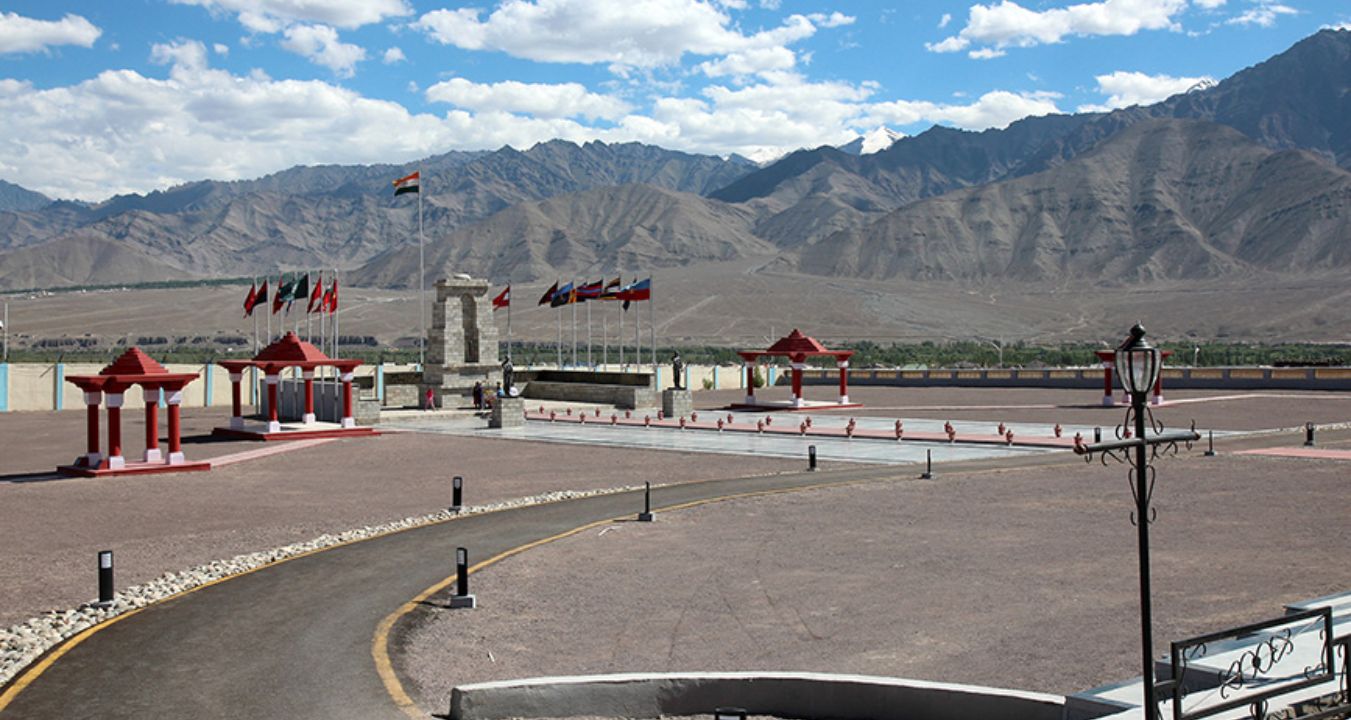
Outside the museum, there is an outdoor display of military hardware, including a tank, artillery pieces, and an aircraft. The displays are well-maintained and can be photographed. It's a good spot for photos, but remember, the museum is a place of remembrance, not a playground. Be respectful.
A Visit to the Hall of Fame (The Practical Version)
The Hall of Fame is easy to visit from anywhere in Leh. Here's how to plan your visit:
- Timing: The museum is open from 10:00 AM to 1:00 PM and 2:00 PM to 5:00 PM (closed on Mondays). Plan to spend 1-2 hours here, don't rush.
- Getting there: The museum is about 4 kilometers from the main market. You can take a taxi (₹200-300 one way), drive yourself, or walk (45-60 minutes).
- Entry fee: ₹50 for Indian nationals, ₹100-150 for foreign nationals. Camera fee may apply (₹20-50).
- What to expect: A somber, respectful atmosphere. No loud talking. No horseplay. No eating inside the exhibits. This is a memorial, not a playground.
Best Time to Visit the Hall of Fame
The Hall of Fame is open year-round, but the best time to visit is during the summer months.
June to September is the main tourist season. The weather is pleasant, the roads are open, and the museum is accessible. July and August are the busiest months, the museum can be crowded, but it's never too crowded for a place like this.
May and October: Shoulder months. May is cooler (15-20°C) and less crowded. October is beautiful, clear skies, crisp air, but cold. The museum is open.
November to April: It's cold, winter temperatures drop below freezing. The museum is open, but the road can be icy. Only visit if you're prepared for cold.
Pro tip: Visit in the morning or late afternoon, the lighting is better, and the crowds are smaller. Avoid visiting on national holidays (Republic Day, Independence Day) unless you want to experience special ceremonies (which can be moving).
Essential Tips for Visiting the Hall of Fame
- No permits needed. The Hall of Fame is in Leh town, not near the border. No Inner Line Permit is required. Indian and foreign nationals can visit freely.
- Dress modestly. This is a war memorial and a place of remembrance. Dress respectfully, no shorts, no sleeveless tops, no provocative clothing.
- Be quiet and respectful. The museum is a place of remembrance. Speak softly. Don't run. Don't touch the exhibits unless permitted. Don't take photos of the memorial wall or the galleries (photos are allowed in some areas, look for signs).
- Take your time. The Hall of Fame is not a place to rush. Read the descriptions. Look at the photos. Learn the names. Spend at least 1-2 hours here.
- Bring a jacket. The museum is not heated, and Leh is cold. Even in summer, the interior can be chilly.
- No food or drinks inside. Finish your snack before you enter. There's a small cafeteria outside (basic).
- Photography rules: Photos are allowed in the outdoor display area and some gallery areas. Photos are NOT allowed in certain sensitive areas (look for signs). No flash, it damages the exhibits and disturbs other visitors. Photos of the memorial wall are generally allowed, but be respectful.
- Visit the memorial wall last. It's the most emotional part of the museum. Save it for the end.
Hall of Fame vs Other Memorials in Ladakh
- Hall of Fame vs Kargil War Memorial (Dras): The Kargil War Memorial in Dras is located near the actual battlefield, you can see Tiger Hill and Tololing Peak from the memorial. The Hall of Fame is a museum with detailed exhibits. Visit the Dras War Memorial for the location and the view. Visit the Hall of Fame for the exhibits and the stories. Both are essential.
- Hall of Fame vs Siachen Base Camp: The Siachen Base Camp is not open to tourists (military area). The Hall of Fame's Siachen exhibit is the closest most visitors will get to understanding life on the glacier. It's an excellent exhibit.
Why the Hall of Fame is an Essential Visit in Leh
Let me be honest. The Hall of Fame is not a fun attraction. It's not a place for selfies or souvenirs. It's not a place to take children who can't sit still. It's a place of remembrance, and it's essential.
The soldiers who died in the Kargil War, who froze in Siachen, who patrol the border every day, they are the reason you can visit Ladakh. They are the reason the roads are safe, the passes are open, the monasteries are standing. They are the reason you can take photos of Tiger Hill without fear.
The Hall of Fame is where you learn their names. Where you see their faces. Where you understand what they did. It's not easy. But it's necessary.
So when you're in Leh, don't just visit the monasteries and the cafes. Visit the Hall of Fame. Walk through the exhibits. Read the names. Stand in front of the memorial wall. Say a silent thank you. And when you leave, you'll carry a piece of their story with you.
The Hall of Fame is not a museum. It's a memorial. It's where you learn the names of the heroes who died on these mountains, Tiger Hill, Tololing, Siachen. It's where you see their faces, read their stories, and understand what they sacrificed. This is not a place for selfies. It's a place for silence, for reflection, for gratitude. When you visit Leh, come here. Pay your respects. Say a silent thank you. And never forget.