So, What Exactly is the Sindhu Darshan Festival?
The Sindhu Darshan Festival is an annual cultural and spiritual event held on the banks of the Indus River (Sindhu) near Leh, Ladakh. The festival celebrates the river that is not only the lifeline of Ladakh but also the cradle of the ancient Indus Valley Civilization, one of the world's oldest urban cultures. The very name India is derived from Sindhu, underscoring the river's profound significance to the nation's identity.
The festival was first held in October 1997. Since then, it has been celebrated annually in June, coinciding with the full moon day of Guru Purnima. The event is organized by the Sindhu Darshan Yatra Samiti in collaboration with the Ladakh administration and the Government of India's Ministry of Culture.
The primary objectives of the Sindhu Darshan Festival are to honor the Indus River as a symbol of India's ancient heritage, promote national unity and communal harmony by bringing together people of different faiths and traditions, celebrate India's diversity through cultural performances, and boost tourism in Ladakh.
The Venue: Sindhu Ghat, Shey Manla
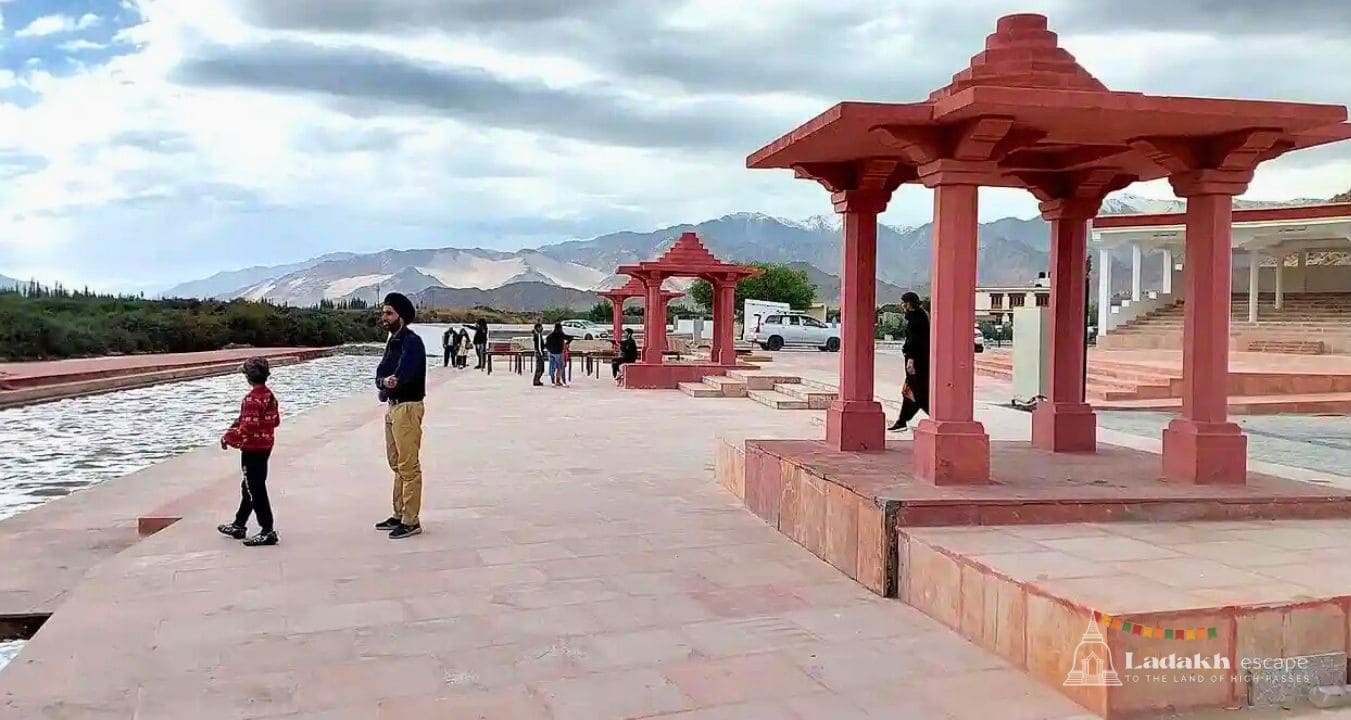
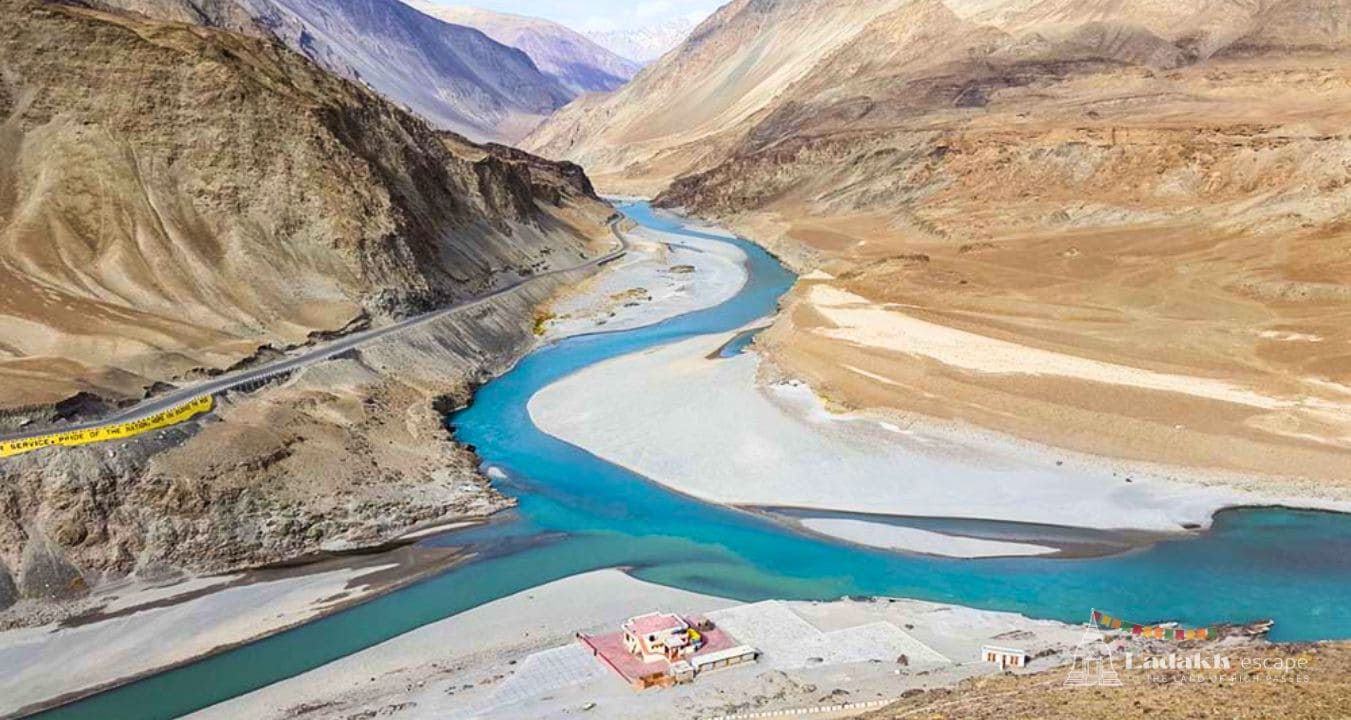
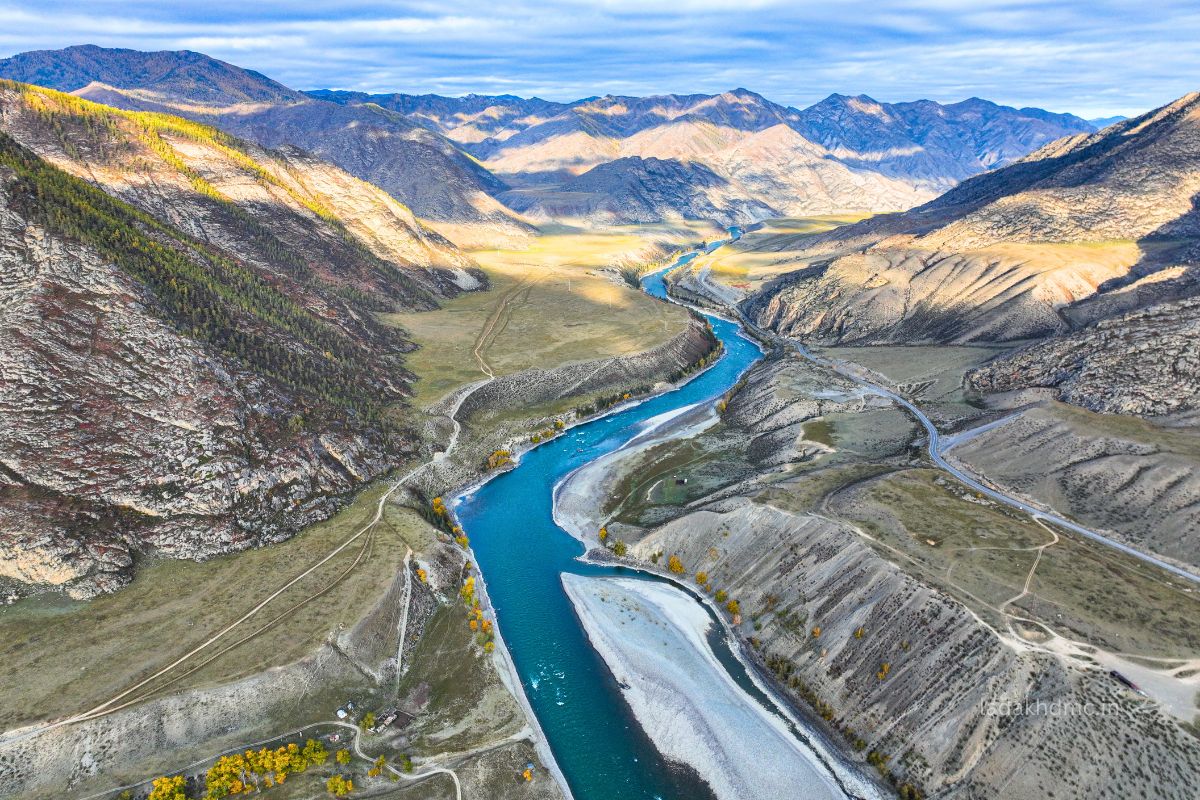
The festival takes place at Sindhu Ghat, located in Shey Manla, a small settlement approximately 8 to 10 kilometers from the main town of Leh. The ghat is situated on the banks of the Indus River, surrounded by barren mountains and fluttering prayer flags, a setting that is as spiritually uplifting as it is visually stunning.
Location Highlights:
- Distance from Leh: Approximately 8-10 km (15-20 minutes by car)
- Nearby Landmarks: Close to Shey Palace and Thiksey Monastery, both of which can be visited on the same day
- Setting: The ghat offers panoramic views of the Indus River, with the majestic Stok Range rising in the background
The Sindhu Darshan Experience (The Honest, Heartfelt Version)
Let me walk you through what actually happens when you attend the Sindhu Darshan Festival. No filters. No fancy language.
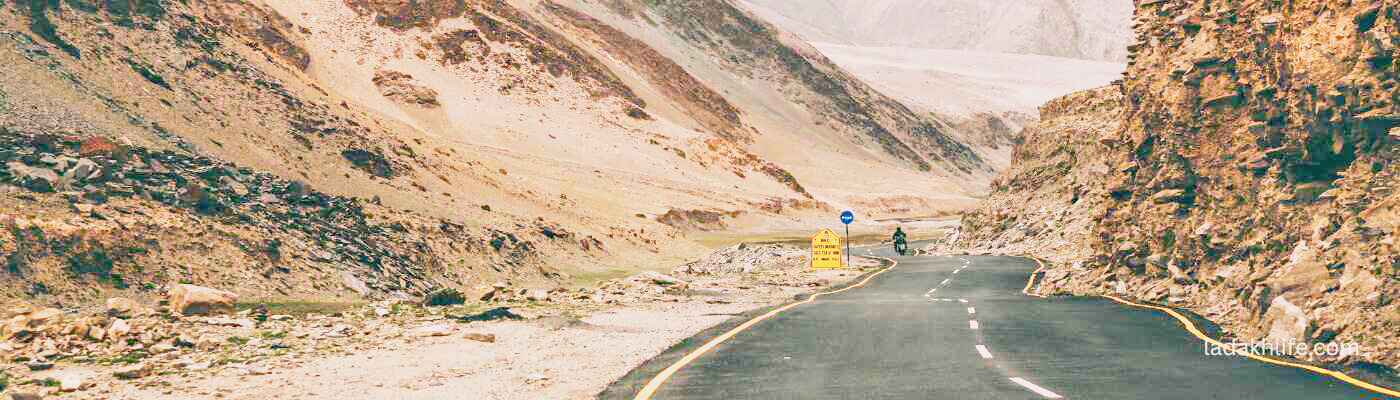
- The arrival: You drive from Leh toward Shey. The road follows the Indus River. You see the ghat from a distance, white tents, colorful flags, crowds gathering near the water. Volunteers direct you to the parking area. You walk toward the riverbank.
- The atmosphere: The air is filled with chanting, music, and the sound of the river. Pilgrims from different states, dressed in their traditional attire, mingle with monks in maroon robes and tourists with cameras. The energy is joyful, peaceful, inclusive.
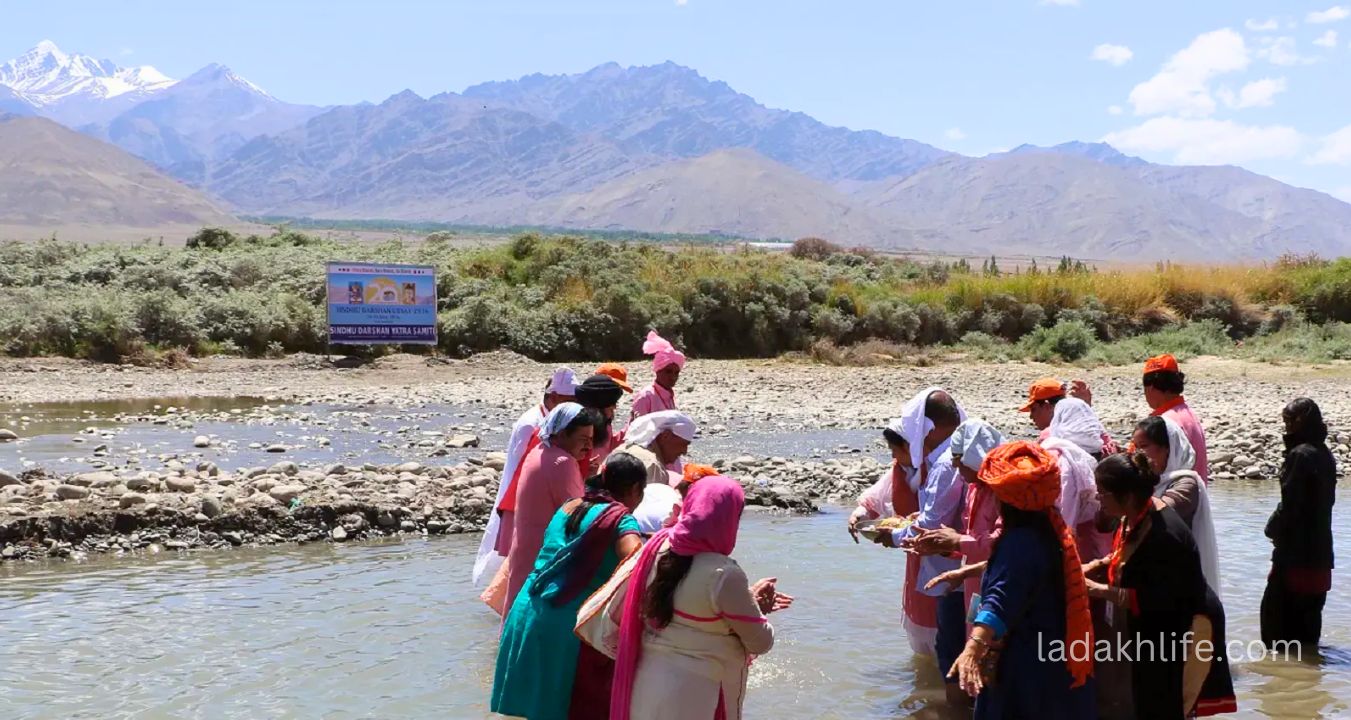
- The water offering (Jalabhishek): You watch as pilgrims carry clay pots filled with water from their home rivers. One by one, they approach the riverbank and pour the water into the Sindhu. The symbolism is powerful, just as rivers flow into one great river, the peoples of India unite as one nation.
- The interfaith prayers: Leaders from different faiths share the stage, Buddhist monks, Hindu pandits, Sikh granthis, Muslim imams, Christian pastors. Each offers a prayer in their tradition. The message is the same: peace, unity, respect for nature.
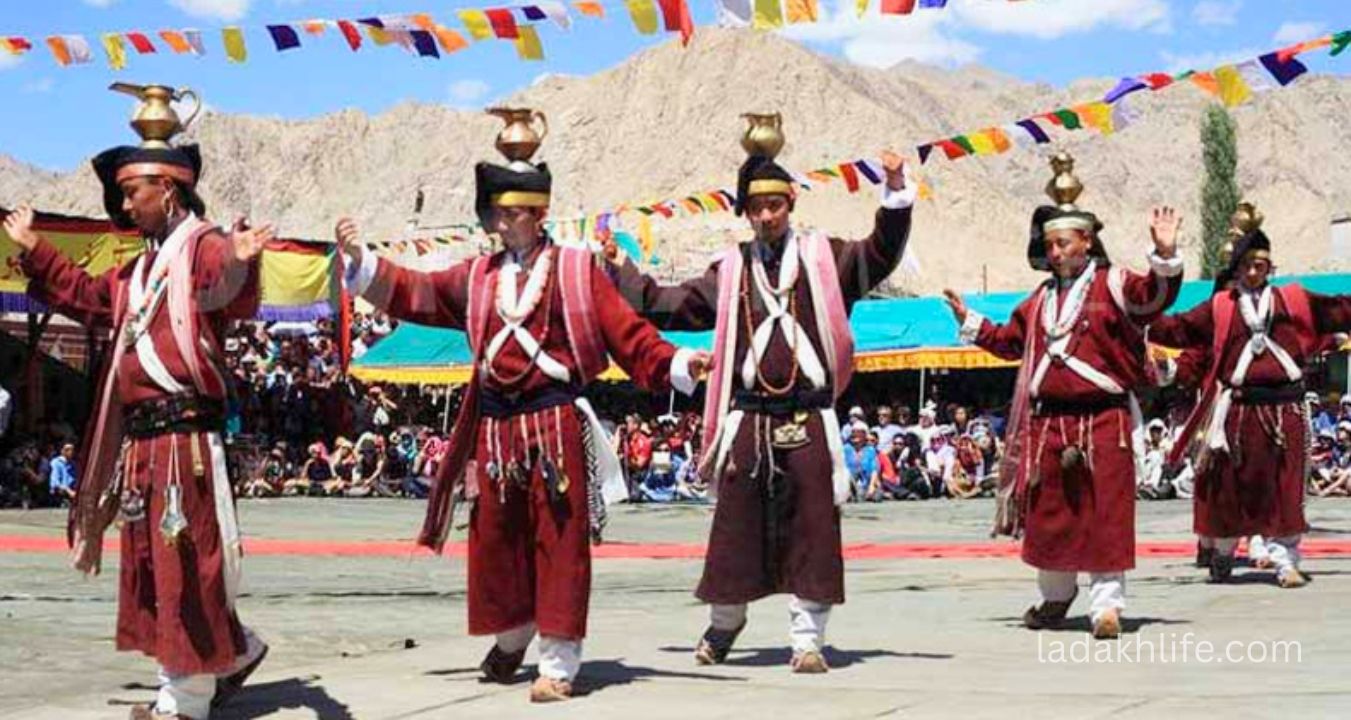
- The cultural performances: In the afternoon, troupes from across India take the stage. Ladakhi masked dancers, Bhangra artists from Punjab, Garba performers from Gujarat, classical Odissi dancers. The colors, the rhythms, the energy, it's a feast for the senses.
- The evening aarti: As the sun sets behind the Stok Range, dozens of lamps are lit along the riverbank. Priests perform the Sindhu Aarti, chanting mantras, waving incense, offering prayers. The lamps glow against the darkening sky. The river shimmers. The crowd falls silent. It's deeply moving.
That's the Sindhu Darshan Festival. Not just a tourist event. Not just a religious gathering. A genuine celebration of what makes India India, its diversity, its unity, its ancient connection to this sacred river.
The Crown Jewels of Sindhu Darshan (Don't Miss These)
1. Jalabhishek (Water Offering Ceremony)
The highlight of the festival is the water immersion ceremony. Pilgrims from each state carry kalash (sacred pots) containing water from their home rivers. One by one, they approach the riverbank and pour the water into the Sindhu. The symbolism is powerful: just as rivers flow into one great river, the peoples of India unite as one nation. Participants often dress in their traditional attire, making the ceremony a colorful spectacle. If you wish to participate, you can register at the venue, they provide the clay pots.
2. Sindhu Aarti, Lamps on the River
As the sun sets behind the Stok Range, dozens of lamps are lit along the riverbank. Priests perform the Sindhu Aarti, chanting mantras, waving incense, offering prayers to the sacred river. The lamps glow against the darkening sky. The river shimmers. The crowd falls silent. It's a deeply moving experience, regardless of your faith. Don't leave before the aarti, it's the most magical moment of the festival.
3. Interfaith Prayers, A Vision of Harmony
The festival is a shining example of India's secular fabric. Buddhist monks chant mantras, Hindu priests perform vedic rituals, Sikh granthis recite from the Guru Granth Sahib, Muslim imams offer duas, and Christian leaders give blessings, all on the same stage, all in the same spirit of peace and harmony. It's a beautiful sight, one that gives you hope.
4. Cultural Performances, A Celebration of Diversity
The afternoons come alive with vibrant cultural performances by artists from across India. You'll witness:
- Ladakhi folk dances and Chham: Masked performers, colorful costumes, ancient Buddhist rituals.
- Classical dances: Bharatanatyam, Kathak, Odissi, elegant, precise, mesmerizing.
- Folk music and songs: Bhangra from Punjab, Garba from Gujarat, folk songs from Rajasthan, Assam, and beyond.
Each performance ends with thunderous applause. The artists stay after their sets, mingling with the crowd. It's not a stuffy, formal event, it's joyful, open, welcoming.
5. The Sindhu River, The Star of the Festival
The river itself is the main attraction. The Indus River (Singge Tsangpo in Tibetan, meaning Lion River) is one of the longest rivers in Asia. It flows from Tibet through Ladakh, then into Pakistan, and finally into the Arabian Sea. At Sindhu Ghat, the river is wide and powerful, carrying meltwater from glaciers. Stand on the bank. Watch it flow. This river has been a lifeline for civilizations for over 5,000 years.
6. The Prayer Flags, Fluttering Over the Water
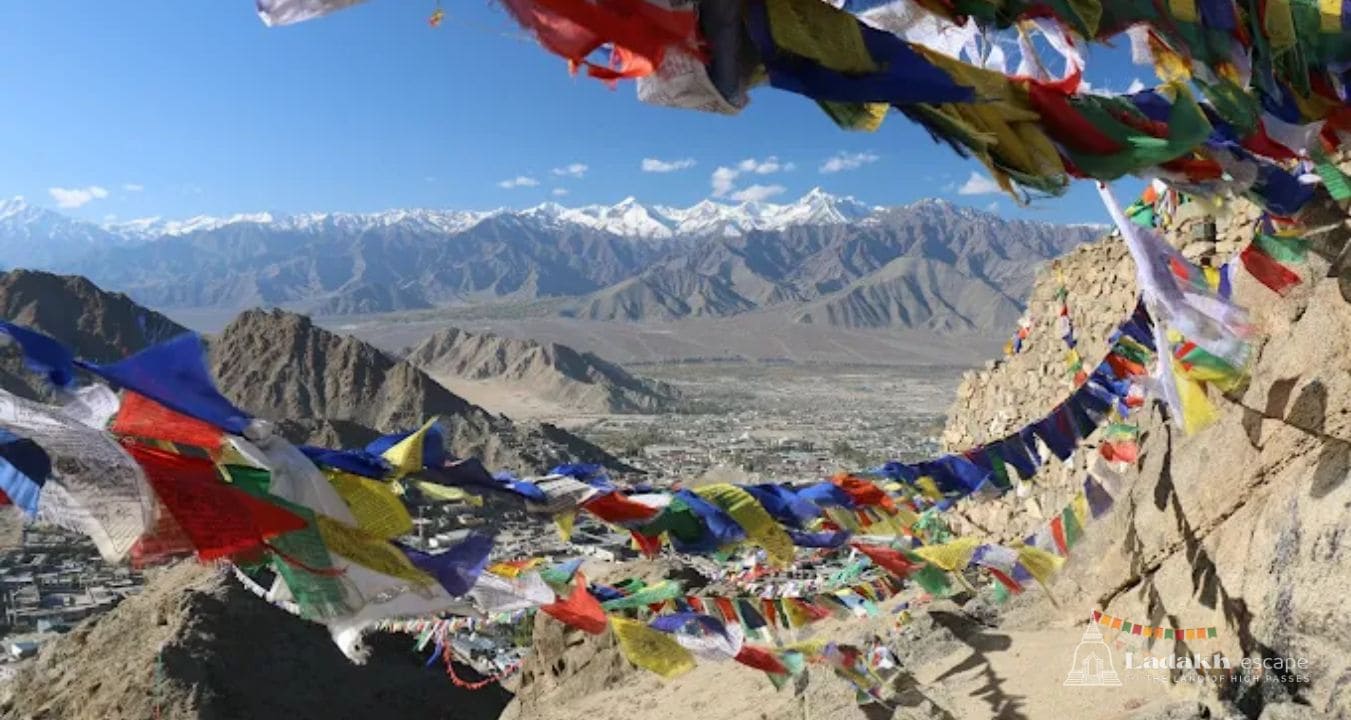
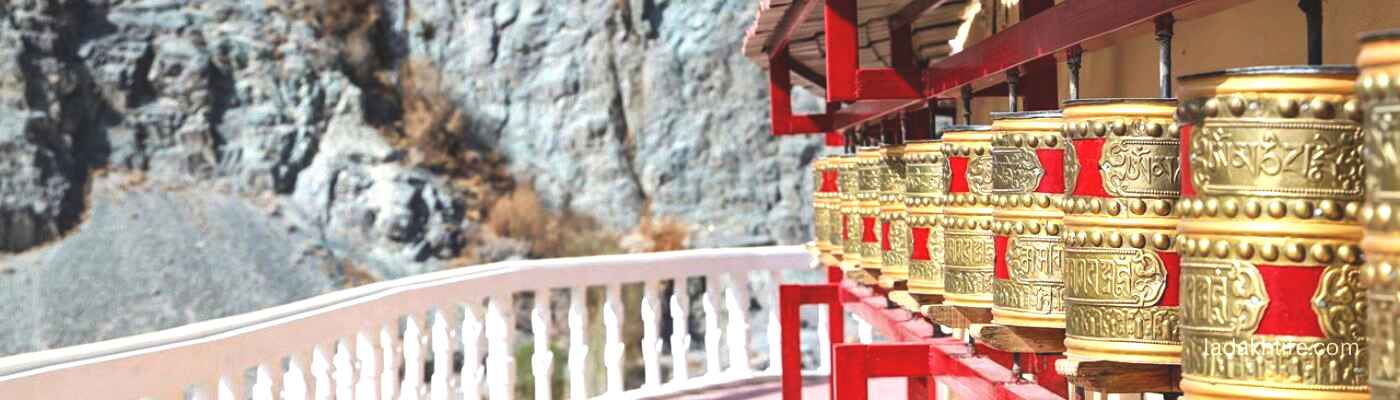
Hundreds of prayer flags are strung along the riverbank, blue, white, red, green, yellow, the five colors representing the five elements. The sound they make is like nothing else, a constant, gentle flapping that feels like a prayer. Walk through them. Listen. Buddhists believe the wind carries the prayers on the flags to the heavens.
7. The Nearby Shey Palace & Thiksey Monastery
The festival venue is conveniently located near two of Ladakh's most important cultural landmarks:
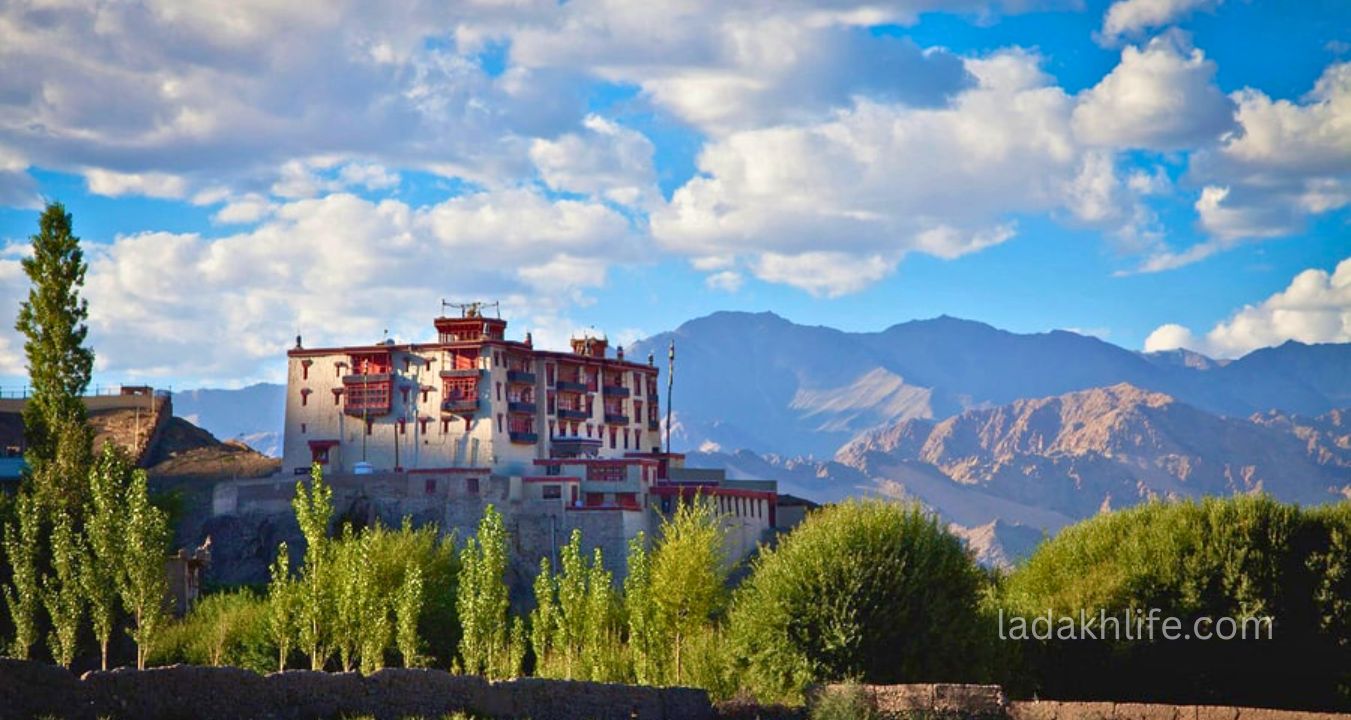
- Shey Palace (2 km): The ruined summer palace of the Namgyal kings, featuring a giant copper-gilt Buddha statue.
- Thiksey Monastery (7 km): A spectacular monastery that resembles the Potala Palace in Lhasa. Don't miss the 15-meter Maitreya Buddha statue.
Visit these sites before or after the festival, they're just a short drive away.
8. The Mountain Views, Himalayan Majesty
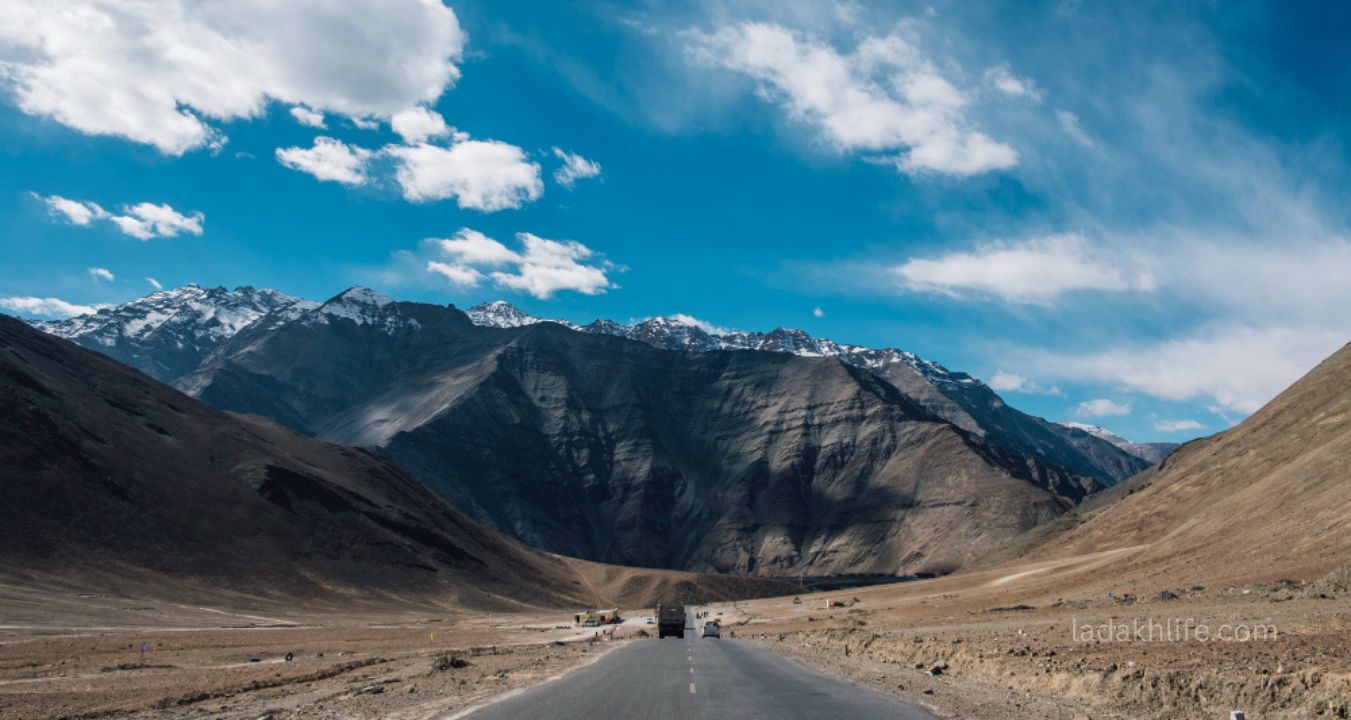
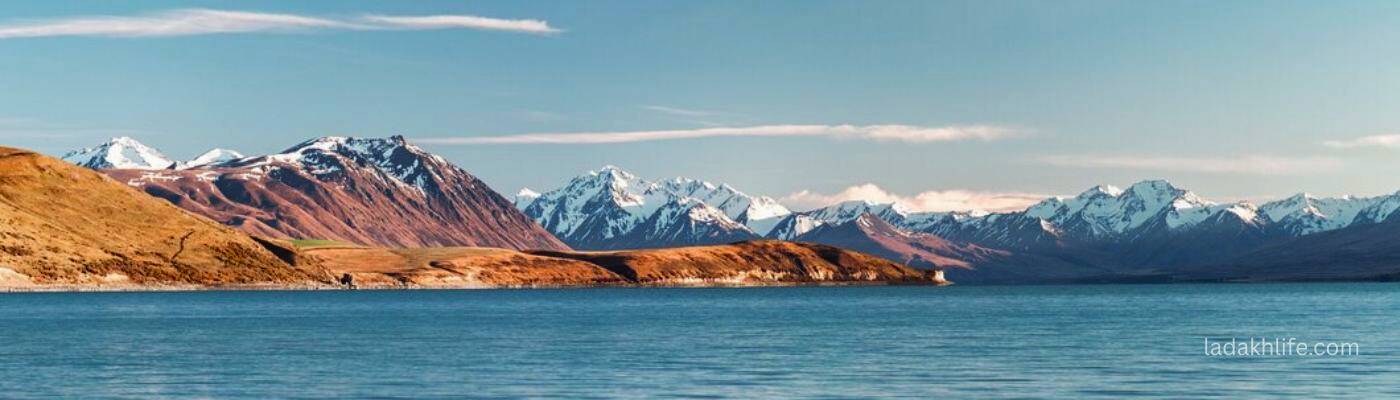
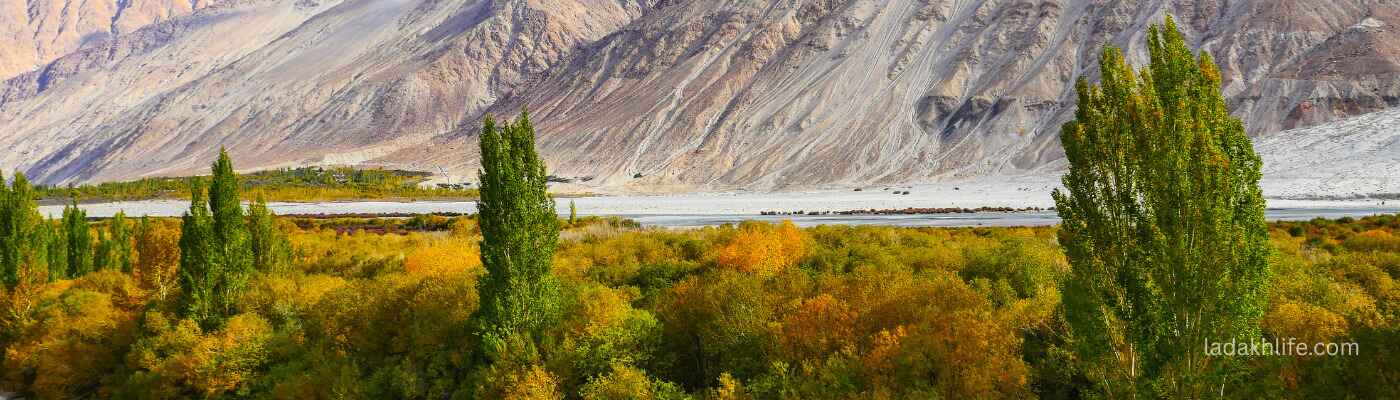
The setting of Sindhu Ghat is spectacular. The Stok Range rises to the south, its peaks white with snow. The barren mountains of Ladakh stretch in every direction. The light at sunset turns the mountains pink, then orange, then purple. Take a moment to look at the mountains. They're as old as time.
Best Time to Attend the Sindhu Darshan Festival
The festival is held annually in June, timed with the full moon day of Guru Purnima. This is also an excellent time to visit Ladakh in general.
June to September is the main tourist season in Ladakh. The weather is pleasant (15-25°C during the day), the skies are clear, and the roads are open. June, specifically, offers comfortable temperatures for outdoor events.
Weather during the festival: Daytime temperatures around 15-20°C, evenings cooler (5-10°C). The riverbank can be windy. Bring layers, a fleece or light jacket for the evening aarti.
Pro tip: The main rituals (Jalabhishek and interfaith prayers) typically occur on the middle day of the festival. The evening aarti is the most magical moment, don't leave early. Check the daily schedule at the venue or at your hotel in Leh.
Near the Venue (Shey Village):
- Homestays are available in Shey village, basic but offer the advantage of being walking distance from the festival grounds. Ask locally or book through a travel agent in Leh.
Book early. The festival attracts thousands of visitors. Leh's hotels fill up weeks in advance. Book at least 2-3 months ahead, especially for budget options.
How to Get to Sindhu Darshan Festival
Sindhu Ghat is located approximately 8-10 kilometers south of Leh, on the Leh-Manali highway (NH 3). The drive takes about 15-20 minutes.
From Leh: Drive south toward Karu on the Leh-Manali highway. After crossing the Indus River bridge, look for signs to Sindhu Ghat/Shey Manla. The ghat is on the left side of the road.
By taxi: Hire a taxi from Leh for the day. Expect to pay ₹1,500-2,500 for round trip with waiting time. Most drivers know the festival location.
By bus: Local buses from Leh to Shey or Thiksey pass near the ghat. Ask the driver to drop you at the Sindhu Ghat turnoff. The bus is cheap (₹20-30) but infrequent.
On foot/bike: The distance is manageable for experienced cyclists. The road is paved but can be busy during festival days.
Parking: Temporary parking areas are arranged during the festival. Follow the signage and instructions from volunteers. Arrive early to secure a spot.
What to Pack for Sindhu Darshan Festival
Even in June, the riverbank can be windy and chilly. Here's what you need:
- Warm layers: A fleece or light jacket for the morning and evening. The wind near the river can be cold, even when the sun is shining.
- Sun protection: Sunscreen (SPF 30+), lip balm, sunglasses, a hat. The sun is strong at 11,000 feet.
- Comfortable shoes: You'll be standing and walking on uneven ground near the riverbank.
- Water bottle: Stay hydrated. There are water stalls at the venue, but carrying your own is better.
- Camera: The colors, the costumes, the river, the mountains, you'll want to capture it.
- Small donations: There are donation boxes at the venue to support the festival and local causes.
Essential Tips for Attending Sindhu Darshan Festival
- No permits needed. The festival venue is not near the border, so no Inner Line Permit is required. Indian and foreign nationals can attend freely.
- Dress modestly. This is a religious and cultural event. Cover your shoulders and knees. A scarf is useful for women to cover their heads during prayers.
- Arrive early. The main ceremony draws large crowds. Arrive by 9 AM to get a good spot near the riverbank.
- Stay for the aarti. Many day-trippers leave after the midday rituals. The evening aarti is magical, don't miss it.
- Ask before taking photos of pilgrims. Most will say yes, but always ask first. A smile and a "Juley" make all the difference.
- Keep the riverbank clean. Use designated trash bins. Do not litter. Do not throw anything into the river except during the ceremonial offerings.
- Do not enter the river. The current is strong and dangerous. Watch from the bank.
- Combine with nearby sights. Shey Palace (2 km) and Thiksey Monastery (7 km) are close. Visit them before or after the festival.
- Acclimatize properly. The festival takes place at 11,000 feet. Arrive in Leh at least 2-3 days before to adjust to the altitude.
Sindhu Darshan Festival vs Other Ladakh Festivals
- Sindhu Darshan vs Hemis Festival: Hemis Festival (held in June/July) celebrates the birth of Guru Padmasambhava with masked dances and rituals at Hemis Monastery. Sindhu Darshan celebrates national unity and the Indus River. Both are in June. Sindhu Darshan is more about interfaith harmony and cultural exchange; Hemis is focused on Buddhist religious traditions. If you're in Ladakh in June, you can potentially attend both, check the dates.
- Sindhu Darshan vs Losar Festival: Losar is the Tibetan New Year, celebrated in December/January. Sindhu Darshan is a summer festival. Very different experiences. Losar is more traditional, focused on Buddhist rituals and family gatherings. Sindhu Darshan is more about national integration and cultural performance.
- Sindhu Darshan vs Ladakh Festival: The Ladakh Festival (held in September) showcases Ladakhi culture, polo, archery, folk music, dance. Sindhu Darshan has a broader national focus, with artists and pilgrims from across India. Both celebrate culture, but at different scales.
Why the Sindhu Darshan Festival Matters
Let me be honest. The Sindhu Darshan Festival is not a hidden secret. Thousands attend every year. The ghat can be crowded. The parking can be chaotic. The speeches can be long. But despite all that, the festival is special. Because where else in the world can you see a Sikh granthi, a Buddhist monk, a Hindu priest, and a Muslim imam sharing the same stage, offering prayers to the same river?
The Sindhu Darshan Festival is a reminder that India's strength lies in its diversity. The river doesn't care about religion or region. It just flows, ancient, patient, eternal. Standing on its banks, feeling the cold spray, watching the sun set behind the mountains, you feel connected to something larger. Not just to India's past, but to its future.
So come for the rituals. Come for the performances. Come for the stunning Himalayan backdrop. But stay for the feeling, the quiet pride, the unexpected lump in your throat, the sense that you're part of something meaningful. The Sindhu Darshan Festival is not just about a river. It's about remembering who we are, a civilization that has flourished along this water for over 5,000 years.
The Sindhu Darshan Festival is not just a tourist event. It's a celebration of India's soul. The river flows, ancient and silent, carrying prayers from a thousand traditions. Pilgrims pour water from their home rivers into the Sindhu, a simple act that speaks volumes about unity. The lamps glow at sunset, the aarti echoes across the valley, and for a moment, differences fade away. This is the Sindhu. This is India. Come. Witness. Feel.