So, What Exactly is Sangam Point?
Sangam Point (also called the Confluence of the Indus and Zanskar Rivers) is a natural attraction located about 35 kilometers southeast of Leh on the Leh-Manali highway (NH 3). The site sits at approximately 10,500 feet (3,200 meters) and is one of the most photographed spots on the route to Hemis Monastery and Pangong Tso.
The word "Sangam" means confluence in Sanskrit, the meeting point of two rivers. Here, two of Ladakh's most important rivers come together:
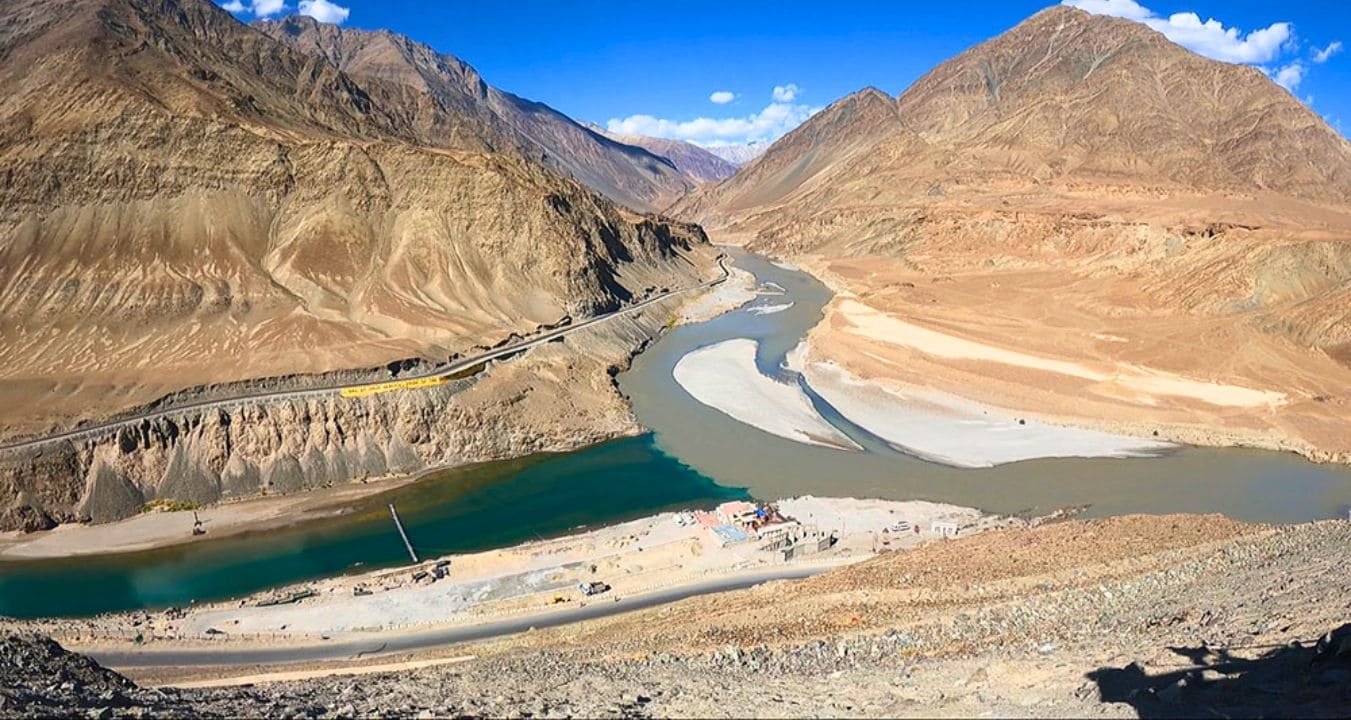
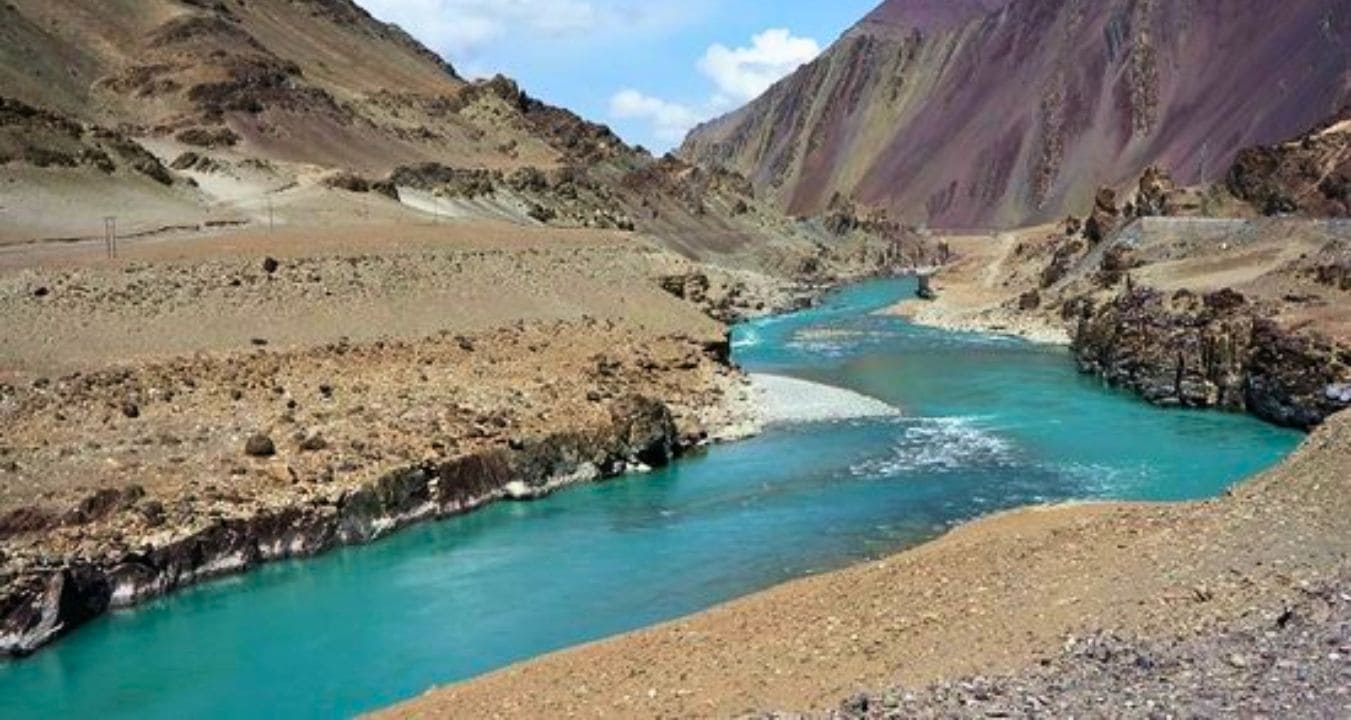
- The Indus River (Singge Tsangpo): The river flows from Tibet, where it's known as the Singge Tsangpo (Lion River). It enters India near Demchok and flows northwest through Ladakh. At Sangam, the Indus is relatively clear and green, wide, powerful, and calm.
- The Zanskar River: The river flows down from the Zanskar Valley, carrying meltwater from glaciers and snowfields. The Zanskar is brown and silty, wild and fast. In winter, this river freezes solid, becoming the famous Chadar Trek.
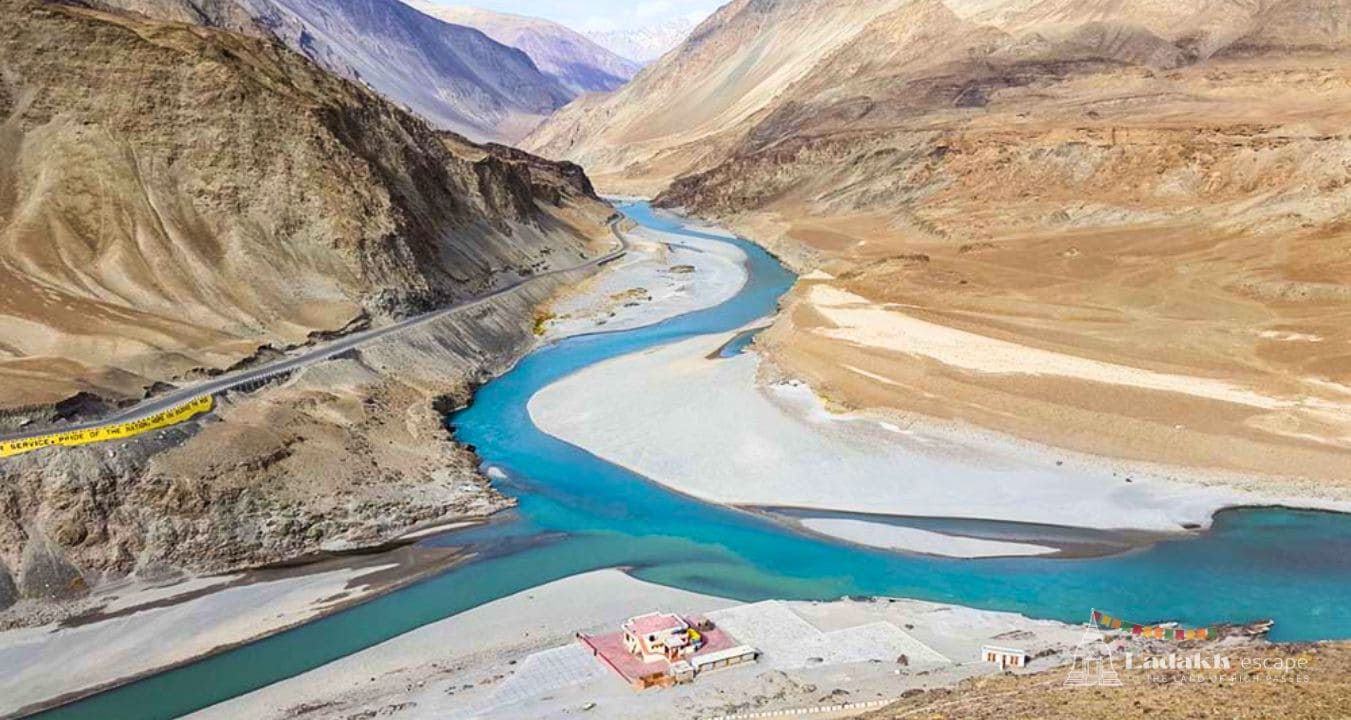
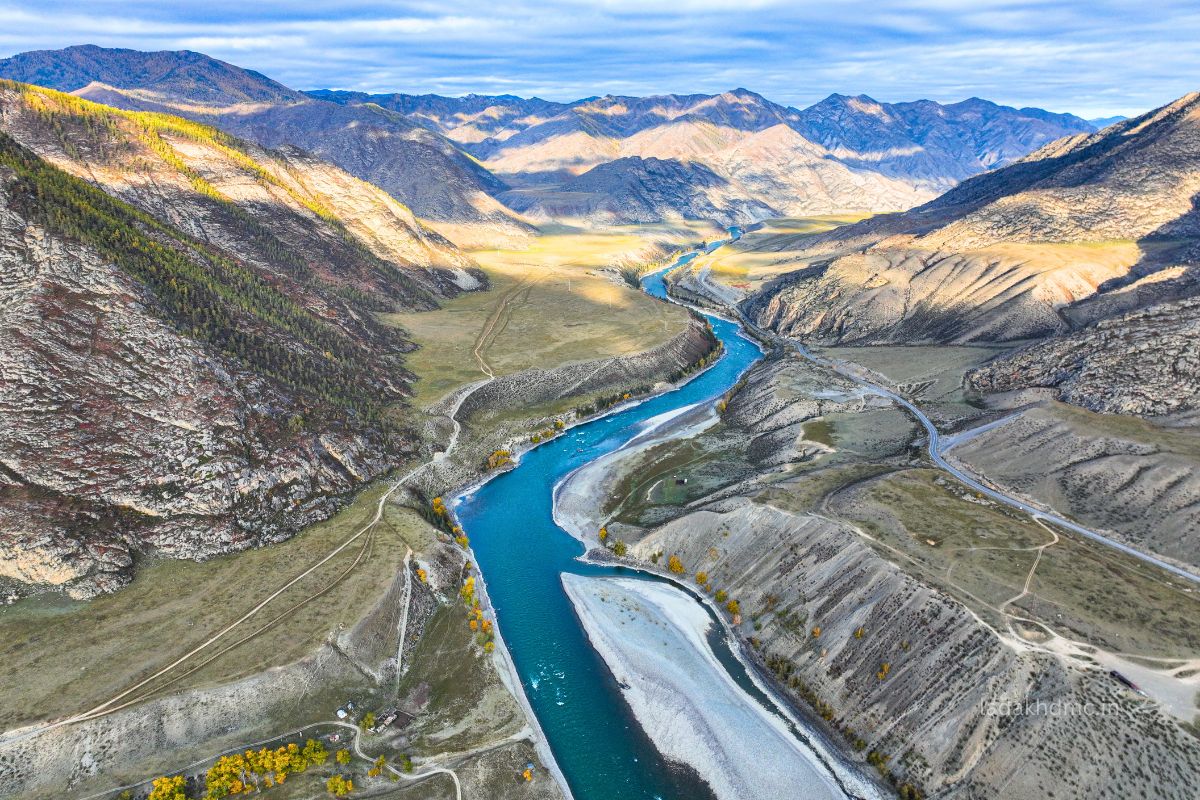
At Sangam Point, the two rivers meet. But they don't mix immediately. The different colors, green Indus, brown Zanskar, run side by side for a short distance before finally merging downstream. The contrast is striking and makes for spectacular photographs.
Sangam Point is also the starting point for river rafting on the Zanskar River. The rapids here range from Grade III to Grade IV, challenging and exciting. Rafting trips typically cover 15-20 kilometers down the Zanskar, ending at the Indus confluence or further downstream.
Why Sangam Point is a Must-See on the Leh-Manali Highway
Sangam Point is not a hidden secret, thousands of travelers stop here every year. Here's why you should too:
- The visual spectacle. Two rivers of different colors flowing side by side, it's a sight you won't see anywhere else in Ladakh. The contrast is dramatic and unforgettable.
- The sound. The rivers are powerful, especially in summer when the snowmelt is at its peak. The roar of the water is hypnotic. You can feel the power in your chest.
- River rafting. Sangam Point is the starting point for Zanskar River rafting, one of the best white-water experiences in India. If you're an adventure seeker, don't miss it.
- Photography opportunities. The confluence is incredibly photogenic. The different colors, the dramatic mountain backdrop, the prayer flags, it's a photographer's dream.
- Convenient location. Sangam Point is on the main Leh-Manali highway, just 35 kilometers from Leh. It's easy to combine with a trip to Hemis Monastery, Thiksey Monastery, or Shey Palace.
- Peaceful atmosphere. Despite being a popular stop, Sangam Point feels wild and peaceful. You can sit on the rocks, watch the water, and feel the power of nature.
The Sangam Point Experience (The Honest, Waterproof Version)
Let me walk you through what actually happens when you visit Sangam Point. No filters. No fancy language.
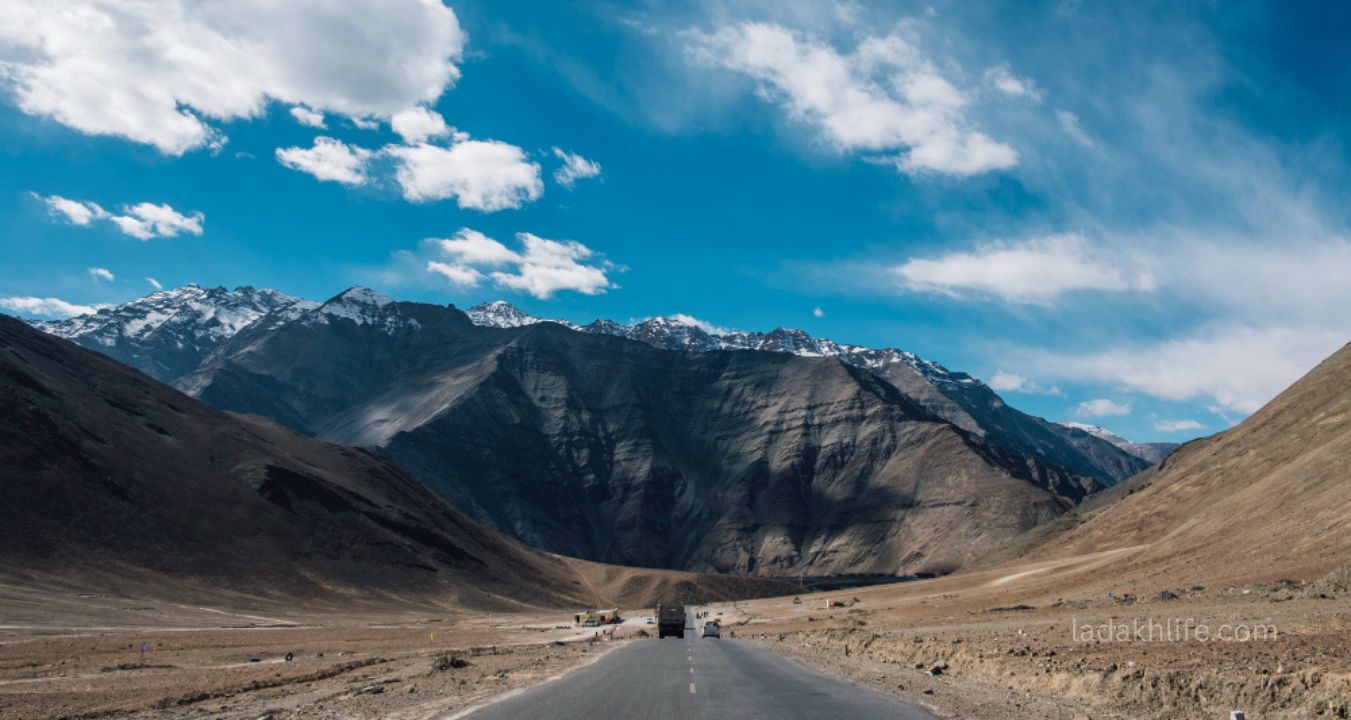
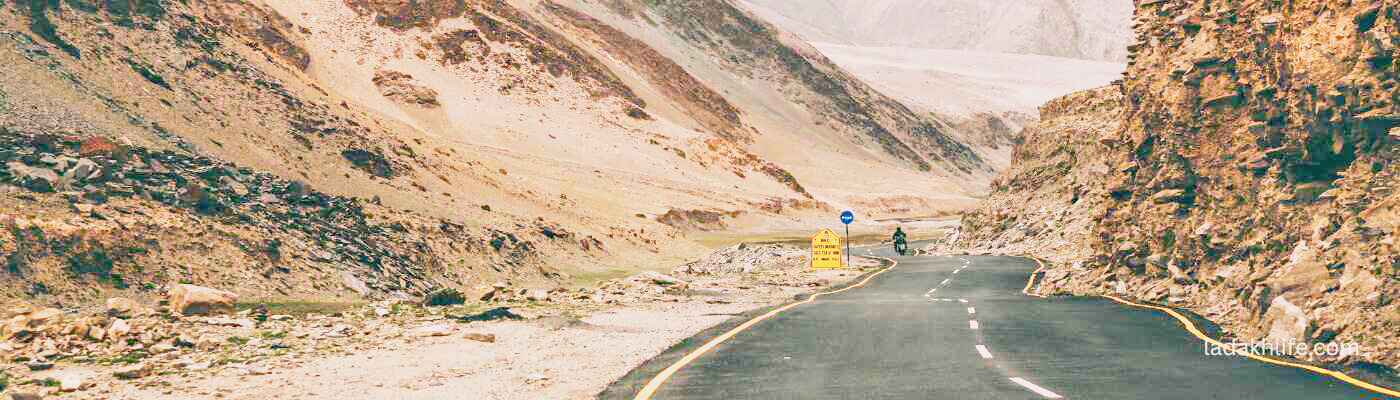
- The drive from Leh: You're on the Leh-Manali highway, driving southeast. The road follows the Indus River. The landscape is barren, dramatic, beautiful. The drive takes about 45 minutes to an hour. You pass through Karu, then a few small villages.
- The viewpoint: You'll see a sign for Sangam Point. There's a parking area on the side of the road, and a small walkway to the viewpoint. From here, you can see the confluence from above, the two rivers meeting, their different colors flowing side by side. It's the classic Sangam photo. Take it. But don't stop here, go down to the riverbank.
- The walk down: There's a path that leads down to the riverbank. It's steep but short, maybe 5-10 minutes. Watch your step, the rocks can be slippery. The altitude makes it harder. Take it slow.
- The riverbank: You reach the water's edge. The sound is loud, the rivers are powerful, crashing against the rocks. You can see the two colors: the green Indus on one side, the brown Zanskar on the other. They flow side by side, barely mixing, before finally merging downstream. You find a flat rock and sit down. The spray hits your face. The sun is warm. You feel small. You feel alive.
- The rafting (if you're adventurous): If you've booked a rafting trip, you'll meet your guide at Sangam Point. You'll put on a life jacket and helmet, get a safety briefing, and then push off into the Zanskar River. The rapids are challenging, Grade III and IV. The water is freezing. The adrenaline is real. It's one of the most exciting things you can do in Ladakh.
That's Sangam Point. Not a long stop, maybe 30-45 minutes, longer if you're rafting. But it's a stop you'll remember.
The Crown Jewels of Sangam Point (Don't Miss These)
1. The Confluence Viewpoint, The Classic Photo
From the main viewpoint on the highway, you can see the entire confluence, the Indus and Zanskar rivers meeting, their different colors flowing side by side. This is the classic Sangam photo. The mountains rise on both sides, prayer frames flutter on a small bridge, and the rivers crash below. Stop here. Take the photo. But don't leave yet, the best experience is down by the water.
2. The Riverbank, Up Close with the Rivers
Walk down to the riverbank (there's a path from the viewpoint). It's steep but short. When you reach the water, you'll feel the power of the rivers. The sound is loud. The spray is cool. You can see the two colors clearly, the green Indus, the brown Zanskar. You can see where they meet, where they churn, where they finally mix. Find a flat rock. Sit down. Watch. You could stay for hours.
3. River Rafting on the Zanskar, An Adrenaline Rush
Sangam Point is the starting point for Zanskar River rafting. The rafting season is from July to September, when the water levels are high and the rapids are at their best. The rapids range from Grade III to Grade IV, challenging and exciting. The rafting trip typically covers 15-20 kilometers, taking 2-3 hours. You'll pass through stunning gorges, bounce through rapids with names like "Toothache" and "Butterfly," and end near the Indus confluence. The water is freezing (you'll wear a wetsuit). The adrenaline is real. It's one of the best rafting experiences in India. Book through a reputable operator in Leh.
4. The Indus River, The Lion River
The Indus River (Singge Tsangpo in Tibetan, meaning "Lion River") is one of the longest rivers in Asia. It flows from Tibet through Ladakh, then into Pakistan, and finally into the Arabian Sea. At Sangam Point, the Indus is relatively clear and green, wide, powerful, and calm. It's a striking contrast to the wild Zanskar. Watch it flow. This river has been a lifeline for civilizations for over 5,000 years.
5. The Zanskar River, The Wild One
The Zanskar River is wilder than the Indus. It flows down from the Zanskar Valley, carrying meltwater from glaciers, which is why it's brown and silty. In summer, it's fast and dangerous. In winter, it freezes solid, becoming the famous Chadar Trek. Standing at Sangam Point, you're looking at a river that, in a few months, will be a highway of ice. It's a strange thought, and a reminder of how extreme Ladakh's seasons are.
6. The Prayer Flags, Fluttering Over the Water
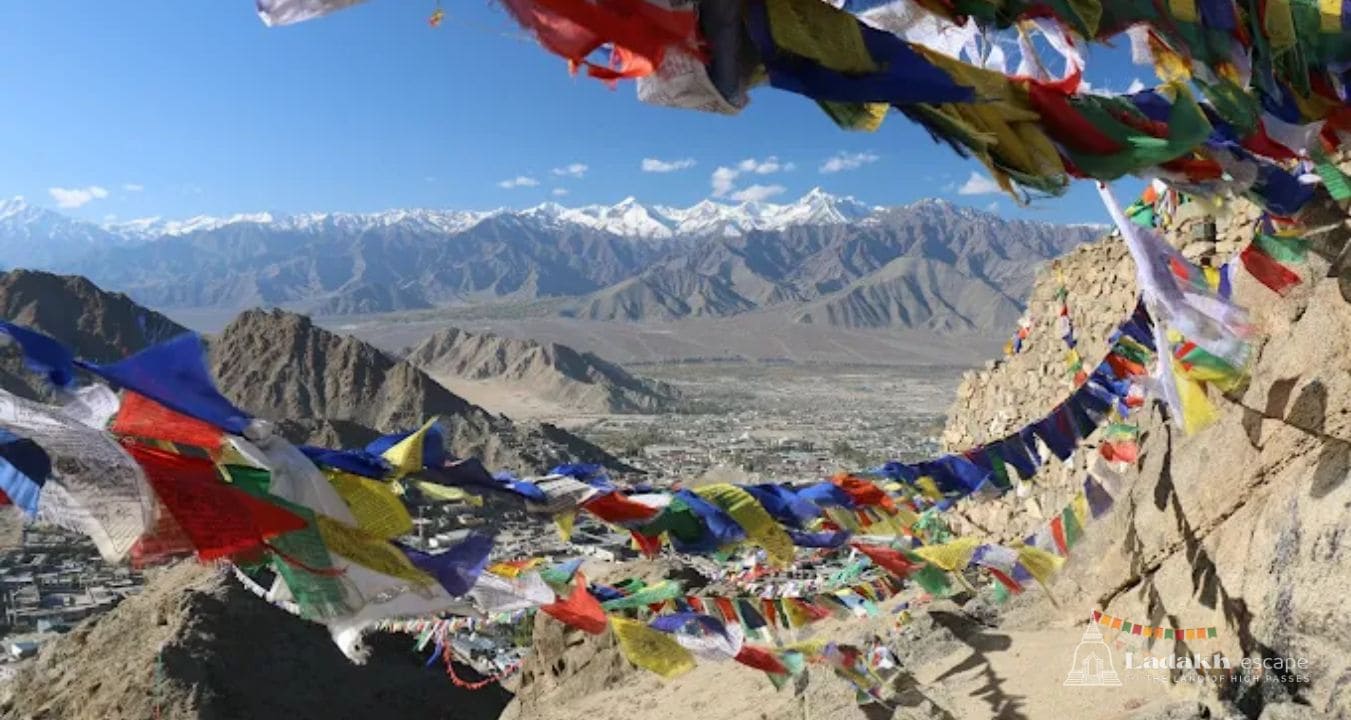
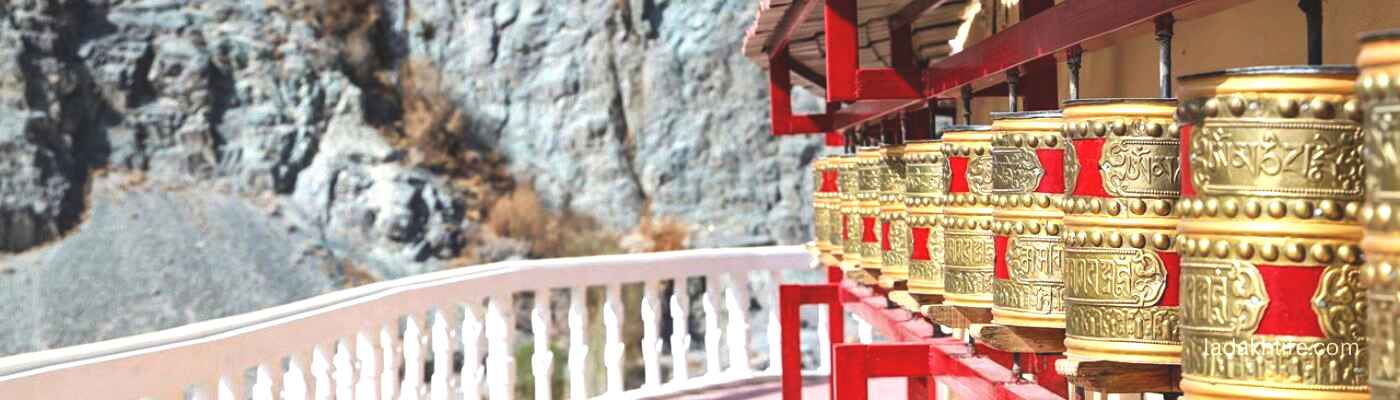
There's a small footbridge over the Indus River near Sangam Point, covered in prayer flags. The flags flutter in the wind, blue, white, red, green, yellow. The sound they make is like nothing else, a constant, gentle flapping that feels like a prayer. Walk across the bridge. Listen. Buddhists believe the wind carries the prayers on the flags to the heavens.
7. The Mountain Views, Dramatic and Barren
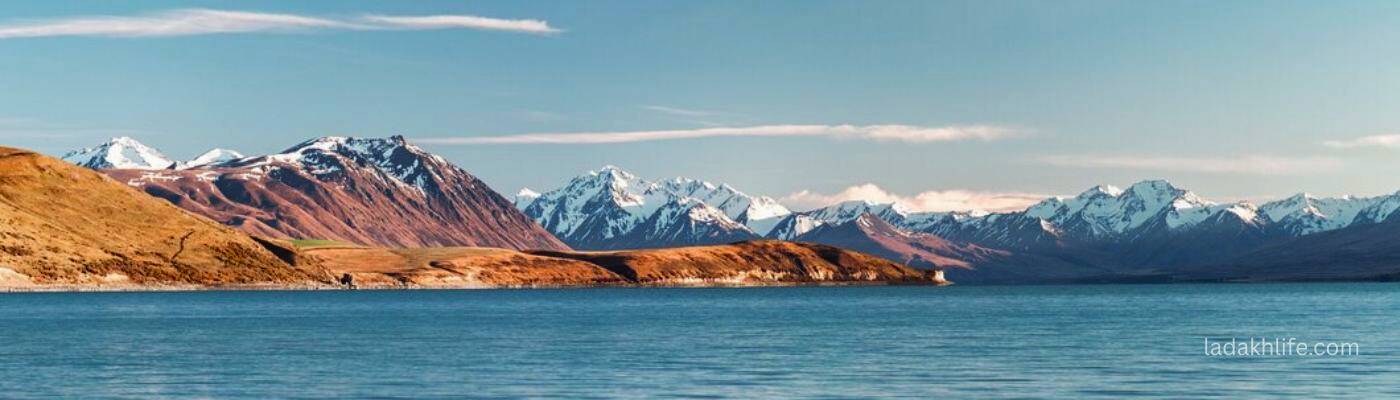
The mountains around Sangam Point are dramatic and barren, brown, grey, and jagged, rising steeply from the riverbanks. The views are spectacular, especially in the late afternoon when the light turns the rocks gold and orange. The Indus Valley stretches to the north, the Zanskar Gorge to the south. Take a moment to look at the mountains. They're as old as time.
8. The Nearby Attractions, Combine Your Trip
Sangam Point is perfectly located for a half-day trip from Leh. Combine it with:
- Thiksey Monastery (15 km north): A spectacular monastery that looks like a mini-Potala Palace. Don't miss the 15-meter Maitreya Buddha statue.
- Shey Palace (20 km north): The ruined summer palace of the Namgyal kings, with a giant copper-gilt Buddha statue.
- Hemis Monastery (40 km south): The largest monastery in Ladakh, famous for its annual festival.
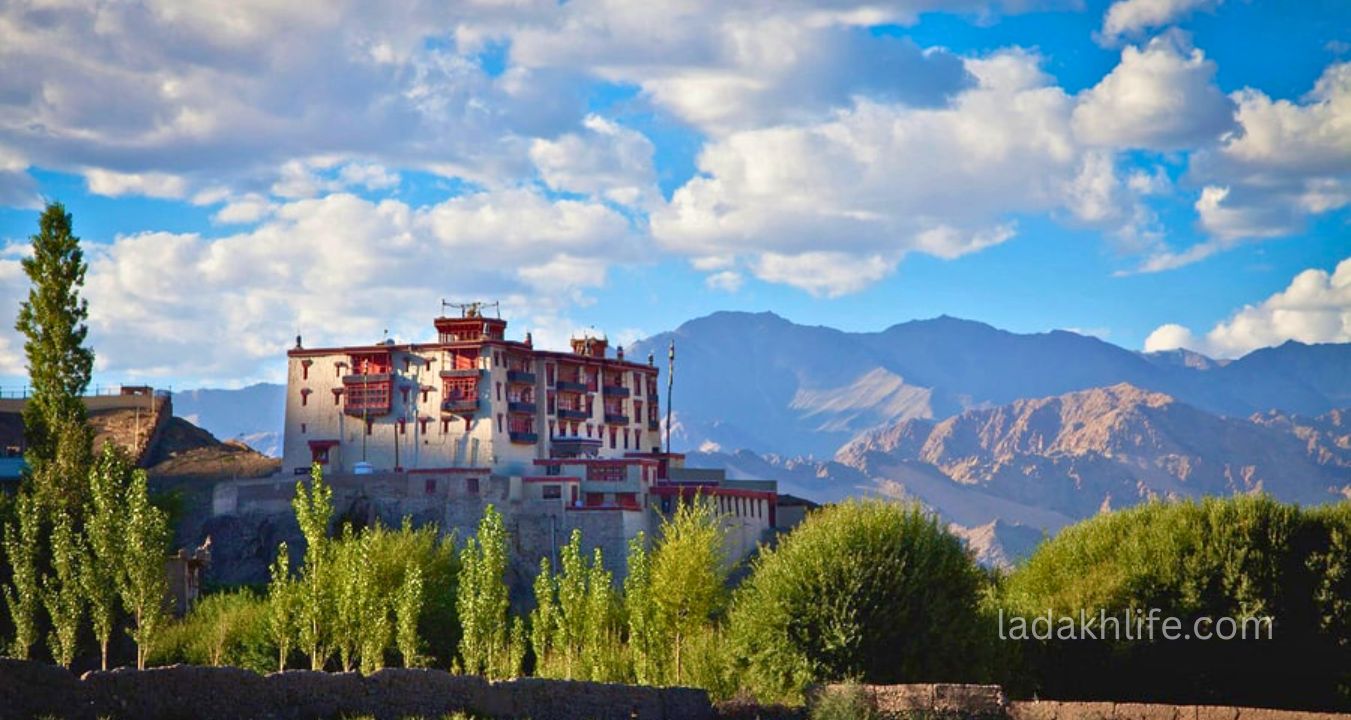
- Stok Palace (30 km west): The current residence of the Namgyal royal family, with a fascinating museum.
Best Time to Visit Sangam Point
Sangam Point is accessible year-round, but the experience varies by season.
June to September is the best time for most visitors. The weather is pleasant (20-25°C), the rivers are full of snowmelt, and the rafting season is in full swing. The contrast between the green Indus and brown Zanskar is most striking in July and August. September is also beautiful, clear skies, crisp air, fewer crowds.
May and October: Shoulder months. May is cooler (15-20°C), and the rivers are lower but still powerful. October is beautiful, clear skies, autumn colors, but colder. Rafting may not be available in October (water levels drop). The confluence is still worth seeing.
November to April: It's cold, winter temperatures drop well below freezing. The rivers may be partially frozen, especially the Zanskar. The confluence is still visible, but the experience is very different, stark, quiet, beautiful in a winter way. The road may be icy. Only visit if you're prepared for cold.
Pro tip: Visit in the late afternoon for the best light on the mountains and the rivers. The sun is behind you, illuminating the confluence. The golden hour is spectacular.
How to Get to Sangam Point
Sangam Point is on the Leh-Manali highway, easy to reach from Leh.
From Leh (about 35 km, 45 minutes): Drive southeast on the Leh-Manali highway (NH 3). Follow the Indus River. You'll pass through Karu. Look for the signs for Sangam Point. There's a large parking area on the side of the road.
By bike: Easy and beautiful. The ride from Leh to Sangam Point follows the Indus River through barren, dramatic landscapes. The road is paved and in good condition.
By car (any car is fine): The road is paved and well-maintained. No 4x4 needed.
By taxi: Hire a taxi from Leh for a half-day trip to Sangam Point and nearby monasteries. Expect to pay ₹2,000-3,500 for the round trip with waiting time.
By bus: Buses from Leh to Hemis or Manali will pass Sangam Point. Ask the driver to drop you. From there, you'll need to walk down to the riverbank (5-10 minutes). The bus may not wait for you, you'll need to catch another bus back.
What to Pack for Sangam Point
Sangam Point is at moderate altitude. Here's what you need:
- Daytime: T-shirts, light pants, a hat for sun protection, sunglasses. It can be warm in summer (20-25°C).
- Shoes: Comfortable walking shoes with good grip. The path to the riverbank can be steep and rocky. If you're rafting, wear shoes that can get wet.
- Sun protection: Sunscreen (SPF 30+), lip balm, sunglasses. The sun is strong at 10,500 feet, and there's little shade near the river.
- Water & snacks: There are no shops at Sangam Point. Carry water and snacks from Leh.
- Camera: You'll want it. The confluence is incredibly photogenic.
- For rafting: Swimsuit, towel, change of clothes, waterproof bag for your camera and phone. Rafting operators provide wetsuits, life jackets, and helmets.
Essential Tips for Visiting Sangam Point
- No permits needed. Sangam Point is not near the border, so no Inner Line Permit is required. Indian and foreign nationals can visit freely.
- Don't just stop at the viewpoint. The viewpoint is great for photos, but the real experience is down by the riverbank. Walk down. Sit on the rocks. Feel the power of the water.
- Be careful near the water. The currents are strong, especially in summer. Don't go too close to the edge. Don't swim, the water is freezing and dangerous. Rafting is safe with a guide, but don't attempt to enter the river on your own.
- Book rafting in advance. If you want to raft, book through a reputable operator in Leh. Don't book with roadside touts, they may not have proper safety equipment or experienced guides. Expect to pay ₹2,000-4,000 per person for a 2-3 hour rafting trip.
- Combine with other attractions. Sangam Point is just 15 km from Thiksey Monastery and 20 km from Shey Palace. Combine them for a perfect half-day trip.
- Don't litter. Carry your waste back to Leh. Keep this beautiful confluence clean.
- Go in the late afternoon for the best light. The sun is behind you, illuminating the confluence. The photos are better, and the light on the mountains is spectacular.
Sangam Point vs Other River Confluences in Ladakh
- Sangam Point (Indus-Zanskar) vs Chilling (Zanskar-Indus): Sangam Point is the main confluence, easily accessible from Leh. Chilling is a village further north, where the Zanskar and Indus also meet, but Chilling is smaller and less dramatic. Sangam Point has the better viewpoint. Chilling has better access to the river and rafting put-in points. Visit Sangam Point for the photos. Visit Chilling for rafting and a quieter experience.
- Sangam Point vs Nimmu Confluence: There's another confluence near Nimmu, where the Indus and Zanskar meet further downstream. It's similar to Sangam Point but less developed and less visited. Sangam Point is more accessible and has better facilities (parking, viewpoint, etc.).
Why Sangam Point is the Most Dramatic Natural Attraction in Ladakh
Let me be honest. Sangam Point is not a secret. Thousands of tourists stop here every year. The viewpoint can be crowded in peak season. The parking area fills up with buses and taxis. You'll hear a dozen different languages in the 15 minutes you spend there.
But despite the crowds, Sangam Point is spectacular. Because where else in the world can you see two massive rivers of completely different colors flowing side by side, crashing together, refusing to mix? Where else can you sit on a rock, feel the spray on your face, and hear the roar of water that started as ice in the glaciers of Tibet and Zanskar?
The Indus River has flowed for over 3,000 kilometers, from Tibet to the Arabian Sea. The Zanskar River is shorter, wilder, more dangerous. They meet here, at Sangam Point, in a battle that has been going on for millennia. The Indus wins, eventually, the green swallows the brown. But for a few hundred meters, you can see them side by side, two rivers in one channel.
Sangam Point is not a place to spend hours. It's a stop, a moment, a photograph. But it's a stop you'll remember. The power of the water. The contrast of the colors. The feeling of standing at the meeting place of two of the Himalayas' greatest rivers. Don't miss it.
Sangam Point is not a secret. It's a spectacle. Two rivers, the green Indus and the brown Zanskar, crashing together in a dramatic display of nature's power. The sound is deafening. The contrast is striking. The mountains rise on both sides, barren and ancient. This is the meeting of giants. Stop here. Walk down to the water. Feel the spray on your face. Watch the rivers fight. And when you leave, you'll carry the roar of the water with you.