So, What Exactly is Stok Palace Museum?
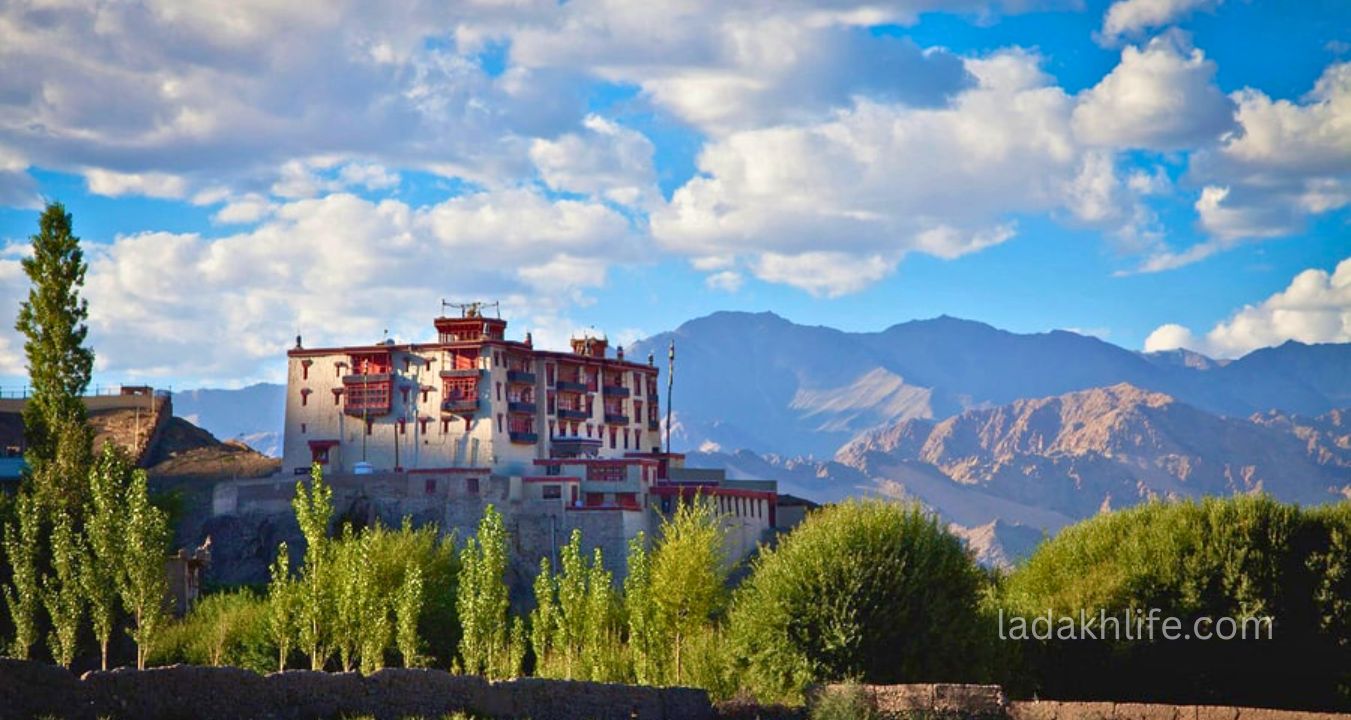
Stok Palace is a royal palace located in Stok Village, about 15 kilometers south of Leh, at the entrance to the Stok Valley. The palace was built in 1820 by King Tsepal Dorje Namgyal after the Dogra invasion forced the royal family to abandon Leh Palace. Today, Stok Palace is the current residence of the Namgyal royal family of Ladakh.
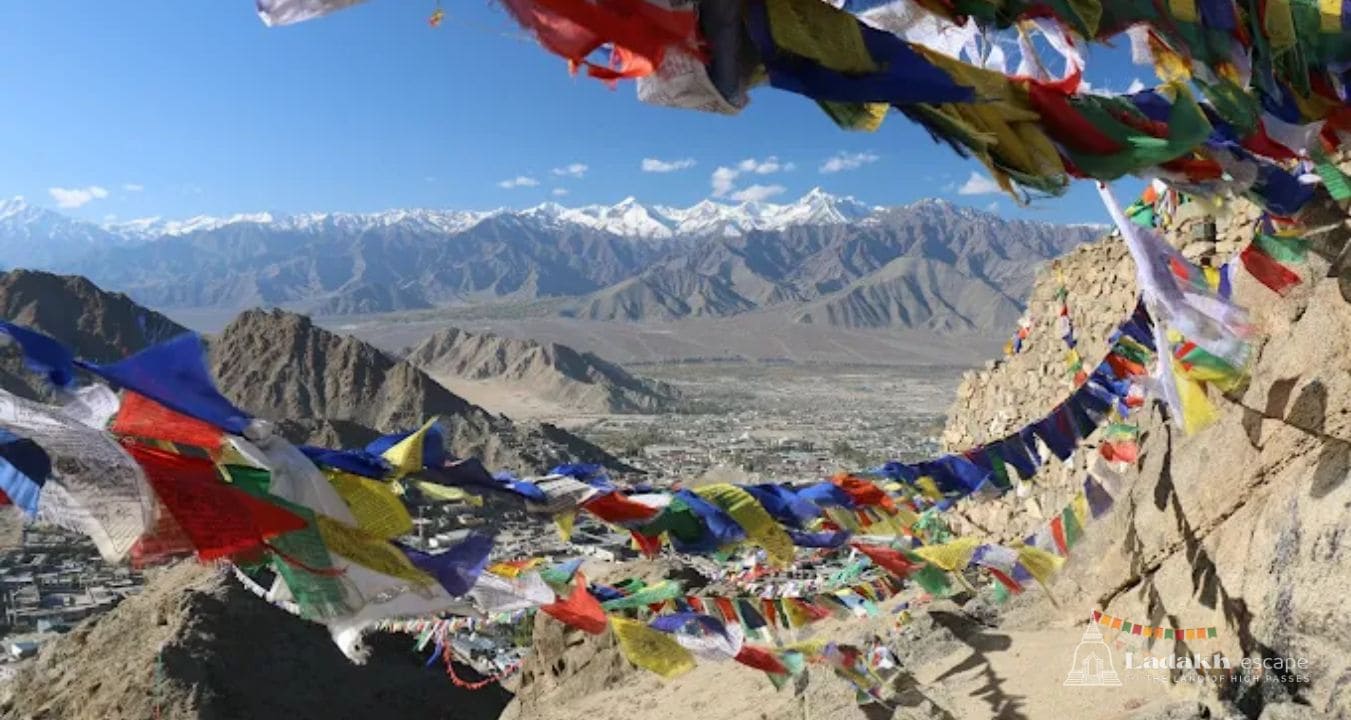
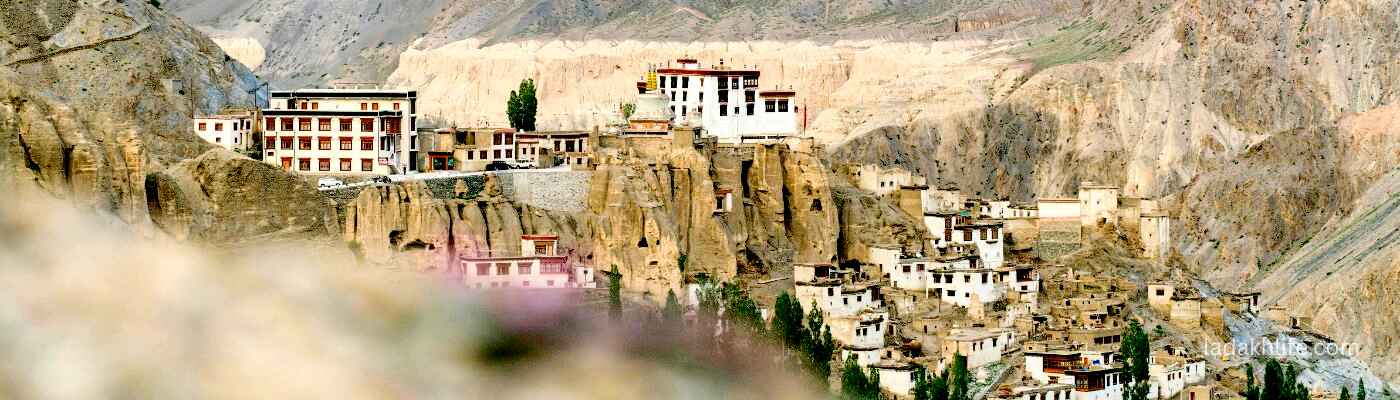
The palace is built on a hill overlooking the village, with the snow-capped peak of Stok Kangri (20,182 ft / 6,153 m) towering behind it. The architecture is traditional Ladakhi, whitewashed walls, wooden balconies, prayer flags, and small windows designed to keep the cold out.
A portion of the palace is open to the public as a museum. The museum is small but packed with treasures. The collection includes:
- The Royal Crown: The crown of the Namgyal kings, studded with turquoise and coral.
- Thangkas: Ancient Buddhist scroll paintings, some hundreds of years old.
- Jewelry: Necklaces, earrings, and headdresses worn by the royal family.
- Ceremonial Weapons: Swords, daggers, and armor used in royal ceremonies and battles.
- Coins and Currency: Ancient coins from the Ladakh kingdom and neighboring regions.
- Household Items: Traditional utensils, furniture, and clothing used by the royal family.
Stok Palace is not a ruin. It's a living palace. The royal family still lives in the private quarters, you can see their prayer flags, their gardens, their everyday life. When you visit, you're stepping into a home that has been in the same family for over 400 years.
Why Stok Palace Museum is Unique in Ladakh
There are several palaces in Ladakh, Leh Palace, Basgo Fortress, Zangla Palace, but most are ruins. Stok Palace is different. Here's why:
- Living palace. The royal family still lives here. It's not a relic of the past, it's a home with a living history.
- The royal crown. The crown of the Namgyal kings is on display, studded with turquoise and coral, it's one of the most significant royal artifacts in Ladakh.
- Authentic artifacts. The museum is not filled with replicas. These are the actual belongings of the royal family, thangkas passed down for generations, jewelry worn by queens, weapons used in battle.
- Personal touch. The caretaker is often a member of the royal family or a trusted servant. They know the stories. They'll tell you about the king, the queen, the princes. It's personal.
- Stok Kangri views. The palace is located at the foot of Stok Kangri, one of the most famous trekking peaks in Ladakh. The views from the palace courtyard are spectacular.
- Peaceful atmosphere. Unlike Leh Palace (which can be crowded), Stok Palace is quiet and peaceful. You'll likely have the museum to yourself.
The Stok Palace Museum Experience (The Honest, Intimate Version)
Let me walk you through what actually happens when you visit Stok Palace. No filters. No fancy language.
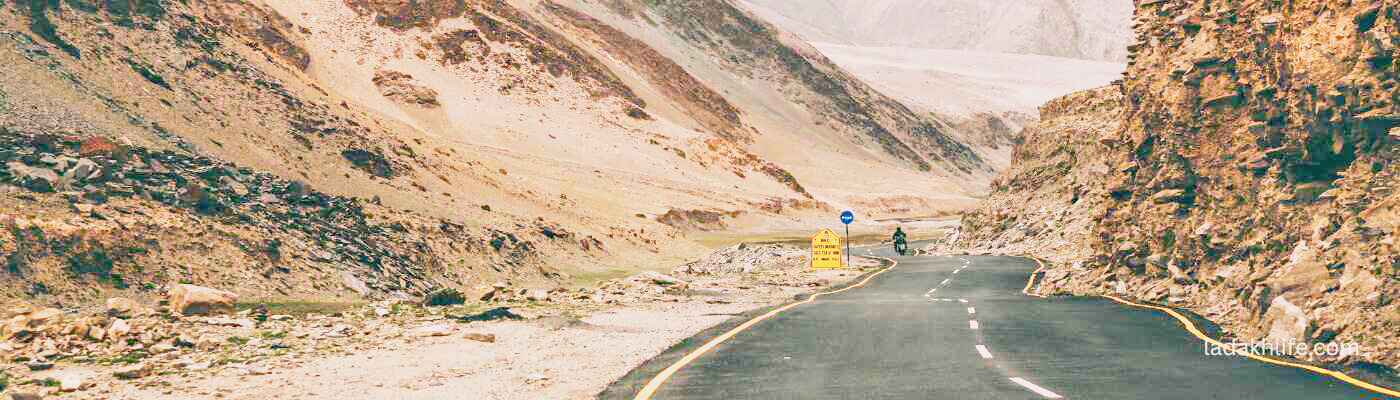
- The drive from Leh: You cross the Indus River and drive south toward the mountains. The road passes through green fields and small villages. Stok Kangri grows larger with every kilometer. The drive takes about 30 minutes.
- Arriving at Stok Palace: You see the palace on the hill, white walls, prayer flags, the mountain behind it. You park near the village. The climb to the palace is short but steep, 5-10 minutes. The altitude makes it harder. Take it slow.
- The entrance: You buy your ticket (₹100-200). You walk through the entrance and into the courtyard. The museum is inside the palace.
- The museum: The rooms are small, dark, and filled with glass cases. The lighting is dim, to protect the artifacts. You walk slowly, looking at each display. Thangkas, hundreds of years old, still colorful. Jewelry, necklaces and earrings that once adorned queens. Weapons, swords and daggers that once defended the kingdom.
- The crown: And then you see it, the royal crown. Studded with turquoise and coral, sitting in a glass case. You stand there, staring. This is the crown of the kings of Ladakh. It's smaller than you expected, but more beautiful. You try to imagine the kings who wore it, the weight on their heads, the power in their hands.
- The caretaker: An old man appears. He might be a member of the royal family, or a trusted servant. He tells you stories, about the king who built the palace, about the queen who wore those jewels, about the prince who lives upstairs. His voice is soft, his English is broken, but his passion is real.
- The courtyard: After the museum, you step into the courtyard. The sun is warm. The prayer flags flutter. Stok Kangri towers above you, white and majestic. You sit on a bench, watching the clouds move. You feel peaceful.
That's Stok Palace Museum. Not large. Not flashy. But intimate, authentic, and unforgettable.
The Crown Jewels of Stok Palace Museum (Don't Miss These)
1. The Royal Crown, Crown of the Namgyal Kings
The crown of the Namgyal kings is the highlight of the museum. The crown is made of gold and silver, studded with turquoise and coral, traditional Tibetan/Ladakhi royal jewels. It sits in a glass case, glowing under the dim light. The crown is smaller than you might expect, but it's heavy, both in weight and in meaning. This crown was worn by the kings who ruled Ladakh for centuries. This crown witnessed the kingdom's rise and fall. This crown survived invasions, wars, and exile. Stand in front of it. Take a moment. You're looking at a piece of living history.
2. The Thangkas, Ancient Buddhist Scroll Paintings
The museum houses a collection of thangkas (Tibetan Buddhist scroll paintings) dating back several centuries. The thangkas depict Buddhist deities, mandalas, and scenes from the life of the Buddha. The colors are still vibrant, deep reds, bright blues, rich golds. The details are exquisite. Some thangkas are large, filling an entire wall. Some are small, meant for private meditation. The thangkas were passed down through generations of the royal family. They are priceless, not just in monetary value, but in spiritual and historical significance.
3. The Royal Jewelry, Necklaces, Earrings & Headdresses
The museum displays a stunning collection of royal jewelry, necklaces made of turquoise, coral, and amber, earrings that once adorned the ears of queens, and elaborate headdresses worn during royal ceremonies. The jewelry is ornate, colorful, and beautiful. Each piece has a story. Ask the caretaker about the queen who wore them. He'll tell you.
4. Ceremonial Weapons, Swords, Daggers & Armor
The museum displays a collection of ceremonial weapons used by the royal family, intricately decorated swords and daggers, armor worn by the king's guards, and shields adorned with religious symbols. Some weapons were used in battle. Others were purely ceremonial. All are beautifully crafted. Look closely at the details, the engravings, the inlays, the craftsmanship. These are the weapons of a kingdom that no longer exists.
5. Ancient Coins, Currency of the Ladakh Kingdom
The museum displays a collection of ancient coins from the Ladakh kingdom and neighboring regions, Tibet, Kashmir, Central Asia. The coins are small, worn, and fascinating. Some date back hundreds of years. They tell the story of trade, of economics, of the connections between Ladakh and the outside world. If you're interested in history, spend some time with these coins. They're small, but they speak volumes.
6. Household Artifacts, Everyday Life of the Royals
The museum also displays everyday items used by the royal family, traditional cooking utensils, furniture, clothing, and religious objects. These items give you a glimpse into the daily life of the royals, what they ate, how they slept, how they prayed. It's easy to romanticize royalty. These items remind you that they were people, too.
7. The Courtyard View, Stok Kangri and the Valley
After exploring the museum, step into the courtyard. The view is spectacular, the entire Stok Valley spread out below you, green fields, white houses, and the snow-capped peak of Stok Kangri towering above. Stok Kangri is one of the most famous trekking peaks in Ladakh (20,182 ft). Even if you're not trekking, the view from the palace courtyard is breathtaking. Go at sunset, when the mountain turns pink and gold.
8. The Living Palace, A Home, Not a Ruin
This is not a museum piece. The palace is still a home. The royal family lives in the private quarters, you can see their prayer flags, their gardens, their everyday life. As you walk through the palace, remember that you're a guest in someone's home. Be respectful. Be quiet. And feel grateful that they've chosen to share their heritage with you.
A Visit to Stok Palace Museum (The Practical Version)
Stok Palace is easy to visit as a half-day trip from Leh. Here's how to plan your visit:
- Timing: The museum is open from 9:00 AM to 1:00 PM and 2:00 PM to 5:00 PM (check current timings, they may vary by season). Plan to spend 1-2 hours here.
- Getting there: Stok Village is 15 km from Leh. Take a taxi (₹1,000-1,500 round trip), drive yourself, or take a local bus (if available). The drive takes about 30 minutes.
- Entry fee: ₹100-200 for Indian nationals, ₹200-300 for foreign nationals. Camera fee may apply (₹50).
- What to expect: A small, intimate museum. No crowds. No gift shop. No cafe. Just history, in a living palace.
Best Time to Visit Stok Palace Museum
Stok Palace is open year-round, but the best time to visit is during the summer months.
June to September is the main tourist season. The weather is pleasant (20-25°C), the roads are open, and the views of Stok Kangri are clear. July and August are the busiest months, but Stok Palace is never crowded.
May and October: Shoulder months. May is cooler (15-20°C) and less crowded. October is beautiful, clear skies, crisp air, autumn colors, but cold at the palace (it's on a hill). The museum is open.
November to April: It's cold, winter temperatures drop below freezing. The museum may have limited hours. Only visit if you're prepared for cold.
Pro tip: Visit in the late afternoon (3:00-5:00 PM). The light is golden, the views of Stok Kangri are spectacular, and the crowds (such as they are) are gone.
What to Pack for Stok Palace Museum
Stok Palace is at high altitude and can be cold. Here's what you need:
- Clothing: Dress warmly, even in summer, the palace can be chilly. Layers are best. Cover your shoulders and knees, this is a palace and a home, not a casual tourist spot.
- Shoes: Comfortable walking shoes. You'll climb a short hill to reach the palace.
- Sun protection: Sunscreen, sunglasses, hat, the sun is strong at 11,400 feet.
- Cash: No credit cards at the entrance. Bring cash for entry fees and donations.
- Camera: Photos are allowed in the courtyard and exterior. No photos inside the museum (strictly enforced).
Essential Tips for Visiting Stok Palace Museum
- No permits needed. Stok is not near the border, so no Inner Line Permit is required. Indian and foreign nationals can visit freely.
- Dress respectfully. This is a royal palace and a home. Cover your shoulders and knees. Remove your shoes if asked (usually not required in the museum, but be respectful).
- No photos inside the museum. This is strictly enforced. The artifacts are fragile, flash damages them. Also, the family has requested no photography. Respect their wishes.
- Ask the caretaker for stories. The caretaker is often a member of the royal family or a trusted servant. They know the stories behind the artifacts. Ask questions. Listen. You'll learn more than from any guidebook.
- Don't touch the artifacts. Everything is behind glass for a reason. Look with your eyes, not your hands.
- Spend time in the courtyard. The museum is small, you'll see everything in 30-45 minutes. But don't rush. Sit in the courtyard. Look at Stok Kangri. Watch the prayer flags. This is part of the experience.
- Combine with Stok Monastery. The Stok Monastery is a short walk from the palace (5 minutes). It's small but beautiful, with stunning views. Visit both in one trip.
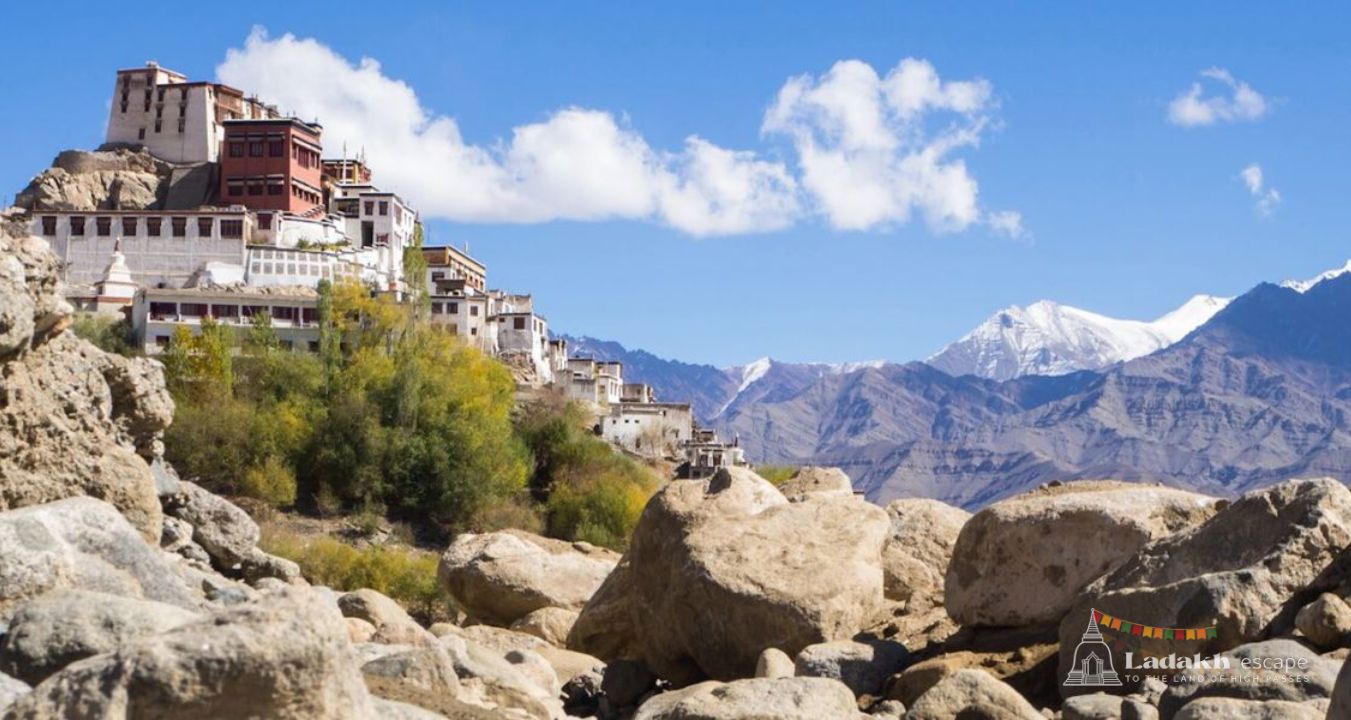
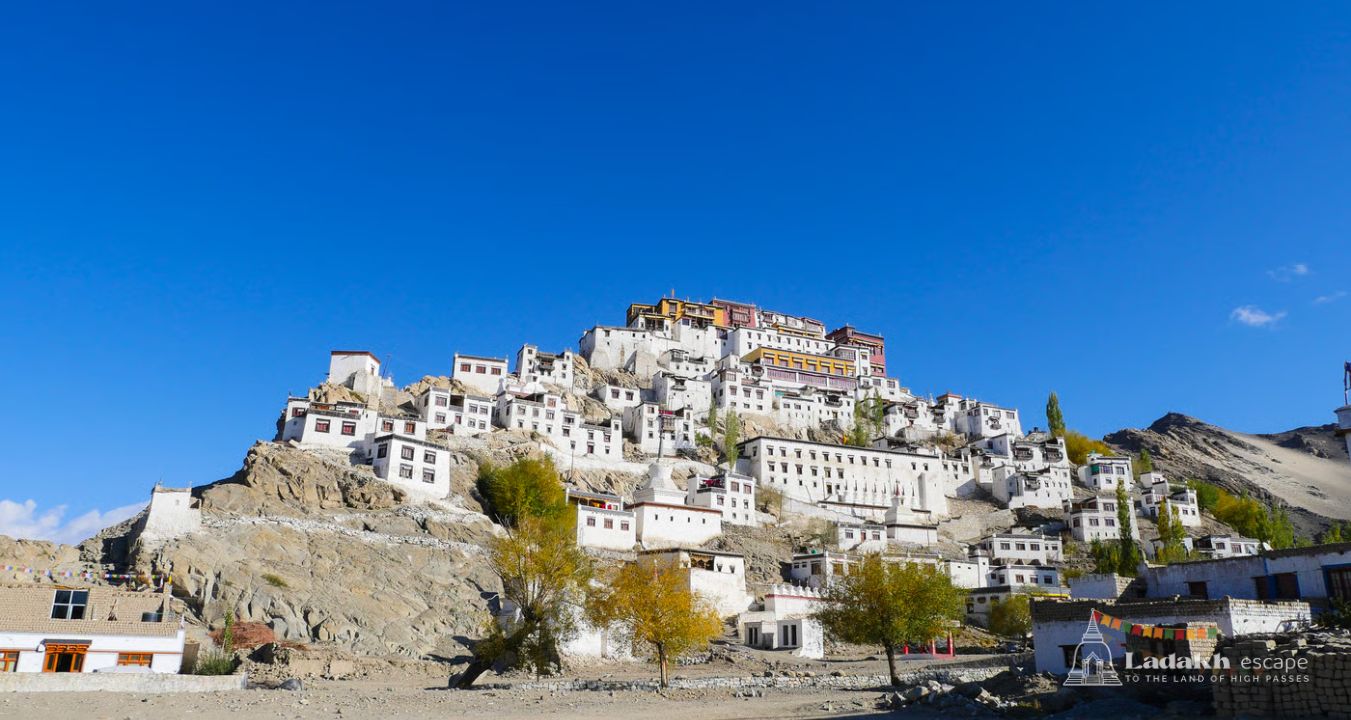
- Combine with Shey Palace and Thiksey Monastery. Stok is close to Shey Palace (10 km) and Thiksey Monastery (15 km). You can easily visit all three in a single day trip from Leh.
Stok Palace Museum vs Other Palaces in Ladakh
- Stok Palace vs Leh Palace: Leh Palace is larger, older, and in ruins, nine stories of empty rooms overlooking Leh town. Stok Palace is smaller, intact, and still a royal residence. Leh Palace for dramatic architecture and views. Stok Palace for royal artifacts and living history. Visit both, they're only 15 km apart.
- Stok Palace vs Basgo Fortress: Basgo is a ruined fortress on a ship-shaped hill, dramatic, atmospheric, but abandoned. Stok Palace is alive, with a family and a museum. Basgo for ruins and views. Stok Palace for artifacts and stories.
- Stok Palace vs Zangla Palace (Zanskar): Zangla Palace is also a former royal residence, now partly in ruins. Stok Palace is the current residence. Both have museums. Both are fascinating. Zangla is much harder to reach (Zanskar). Stok is easy, just 15 km from Leh.
Why Stok Palace Museum is the Most Underrated Museum in Ladakh
Let me be honest. Stok Palace Museum is small. You can see everything in 30-45 minutes. The lighting is dim. The glass cases are old. There's no audio guide, no fancy displays, no interactive exhibits. It's not the National Museum in Delhi. It's not the British Museum.
But that's exactly why it's special.
The crown in that glass case, it's the actual crown of the kings of Ladakh. The thangkas on the walls, they've been in the royal family for centuries. The jewelry in the cases, it was worn by queens, not actresses. This is not a replica. This is not a reproduction. This is the real thing.
Most visitors to Leh never make it to Stok Palace. They visit the monasteries, they take photos at Shanti Stupa, they eat at German Bakery. But they miss this. They miss standing in front of the crown of the Namgyal kings. They miss hearing the stories from the caretaker. They miss the view of Stok Kangri from the courtyard. Don't be that traveler. Drive the 15 kilometers. Visit the palace. See the crown. Hear the stories. You'll leave with a deeper appreciation for Ladakh's royal heritage, and a memory that will stay with you.
Stok Palace is not a ruin. It's a home. The Namgyal family still lives here. The crown of the kings of Ladakh sits in a glass case, studded with turquoise and coral. The thangkas on the walls have been in the family for centuries. This is not a museum of reproductions. It's a museum of memories. Drive the 15 kilometers from Leh. Climb the hill. See the crown. Hear the stories. You'll leave with a deeper appreciation for Ladakh, and a memory that will stay with you.