So, What Exactly is Leh Palace?
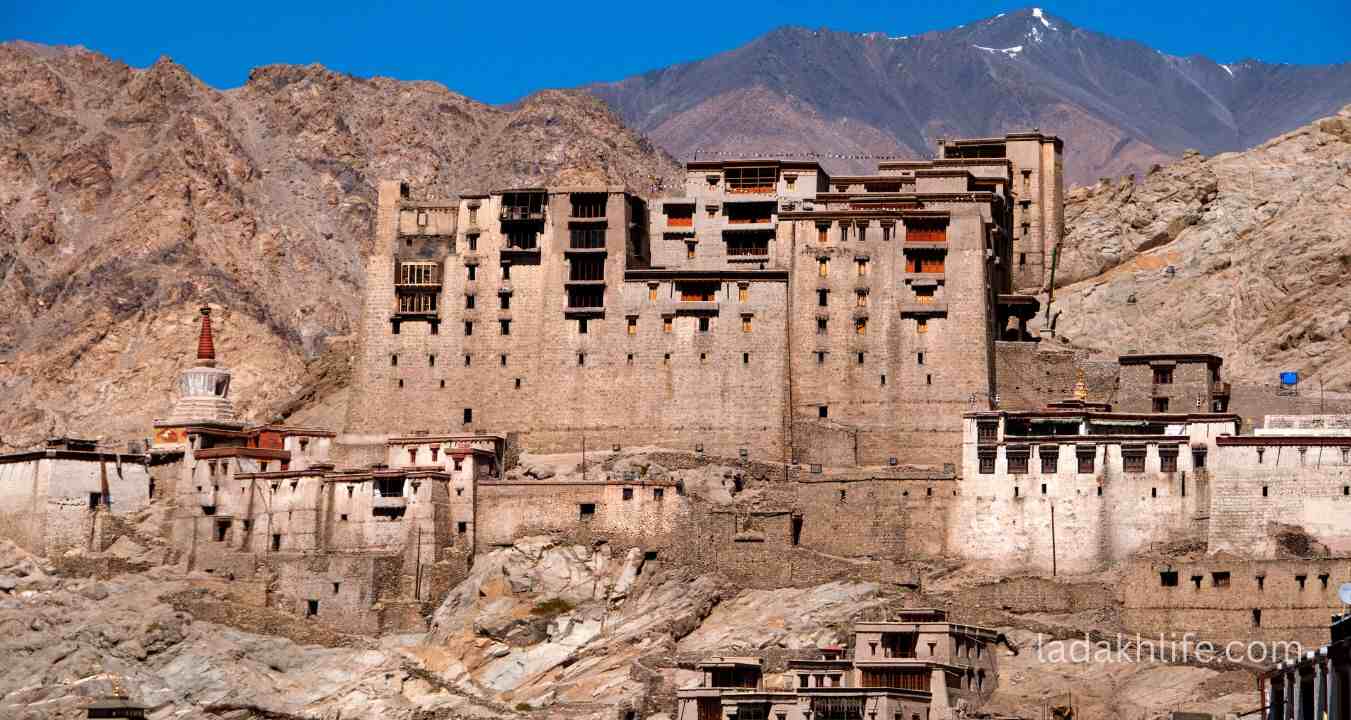
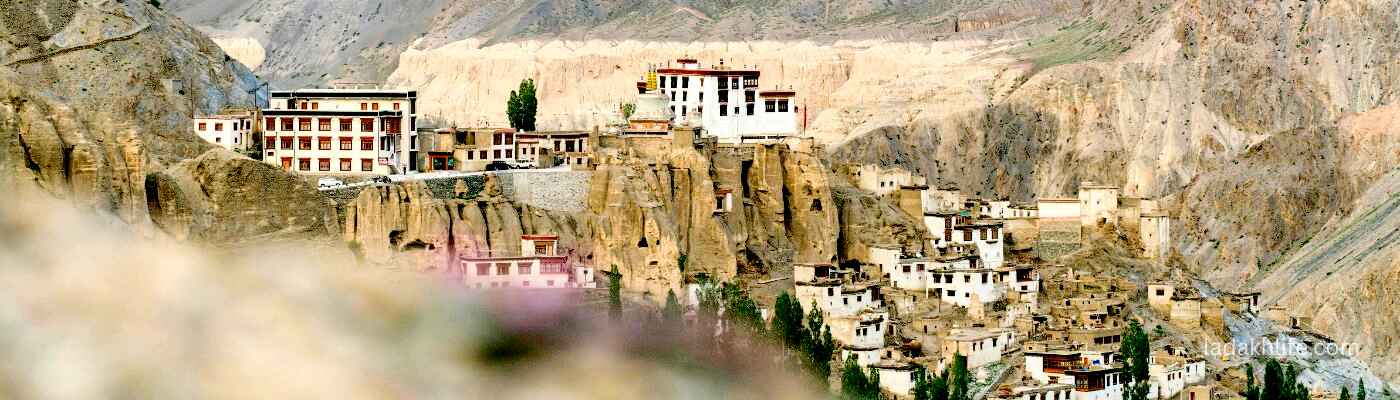
Leh Palace (also known as Lachen Palkar or Leh Fort) is a former royal palace located on a ridge above the old town of Leh, in the Indus Valley region of Ladakh. The palace sits at approximately 11,500 feet (3,505 meters), about 200 feet above the main town.
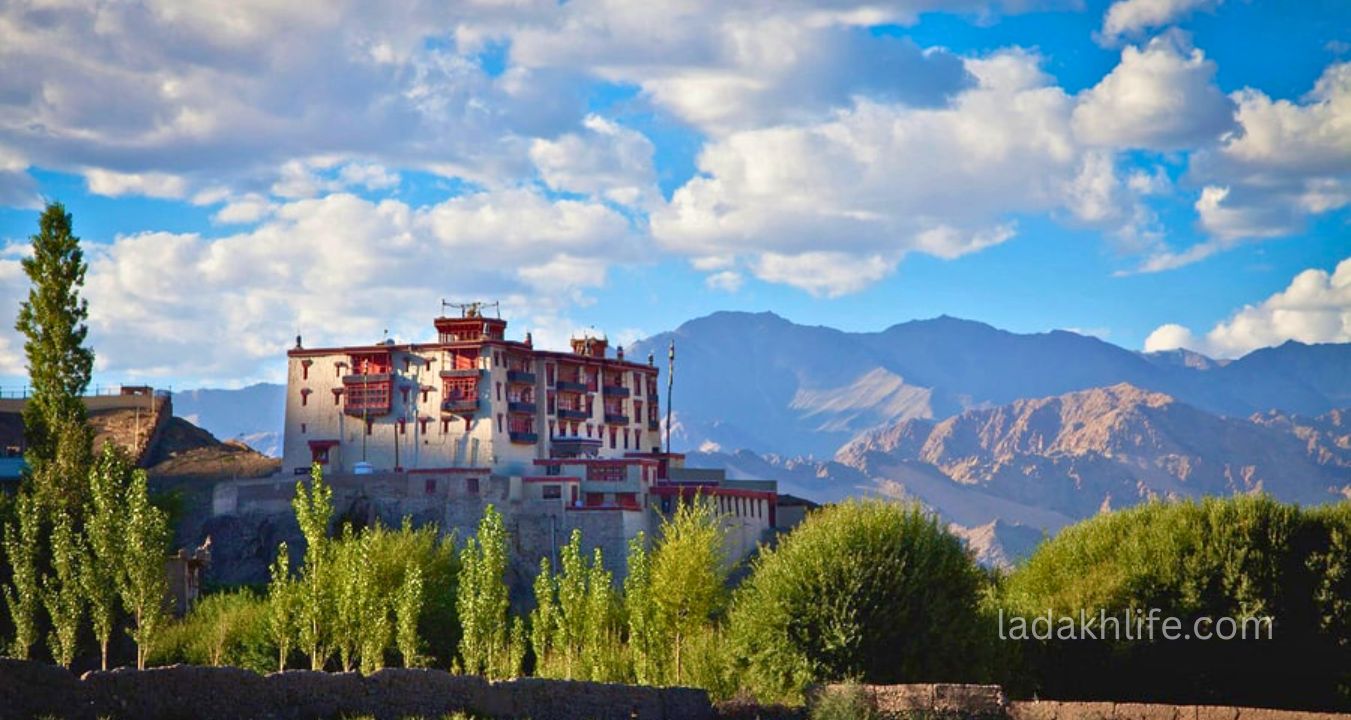
The palace was built in the 17th century (circa 1553-1624) by King Sengge Namgyal, one of the most powerful and influential kings of the Namgyal dynasty. The king is also credited with building many of Ladakh's most famous monasteries, including Hemis and Stok. The palace was the royal residence until the Dogra invasion in the 19th century forced the royal family to flee to Stok Palace, where they still live today.
The palace is a magnificent example of Tibetan medieval architecture. It has nine stories (though some sources say seven or eight, the number is debated). The lower floors were used for stables and storage. The middle floors housed the royal family and courtiers. The top floors contained the king's private chambers and the prayer rooms.
Today, the palace is a museum, maintained by the Archaeological Survey of India (ASI). It's not fully restored, many rooms are empty, and some parts are in ruins. But that's part of the experience. Walking through the empty halls, looking out the arched windows at the valley below, you can feel the ghosts of the past.
Why Leh Palace is an Iconic Ladakh Landmark
Leh Palace is not the largest or most restored monument in Ladakh. But it's one of the most memorable. Here's why:
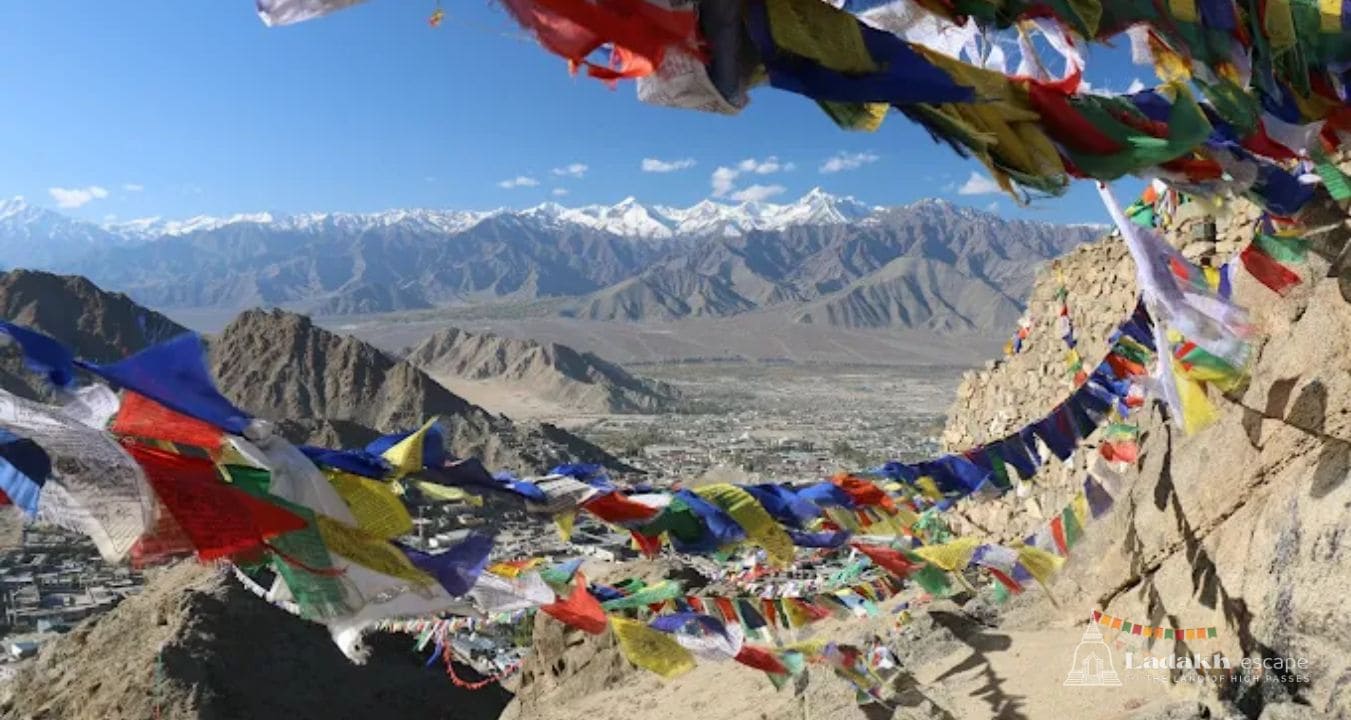
- The view. From the rooftop of the palace, you get the best panoramic view of Leh town, the Indus Valley, and the Stok Range. It's worth the climb alone.
- The history. This was the seat of the Namgyal kingdom for over 200 years. Kings were crowned here. Armies marched from these gates. The palace holds the echoes of that history.
- The architecture. A nine-story Tibetan fortress, with massive stone walls, arched windows, and wooden balconies. It's an engineering marvel, especially considering it was built over 400 years ago.
- The museum. Small but fascinating. The museum displays thangkas (Buddhist scroll paintings), royal artifacts, jewelry, weapons, and ancient coins.
- The atmosphere. The palace is not over-restored. Some rooms are empty, some walls are crumbling, some floors are dusty. It feels real, not like a theme park.
- The climb. It's challenging, the altitude makes every step harder. But reaching the top feels like an achievement.
The Leh Palace Experience (The Honest, Breathless Version)
Let me walk you through what actually happens when you visit Leh Palace. No filters. No fancy language.
- The approach: You walk through the old town of Leh, past the main bazaar, past the mosque, past the small shops selling pashmina and souvenirs. Then you see the stairs. They go up. And up. And up.
- The climb: You start climbing. The path is steep, stone steps, switchbacks, narrow lanes between houses. The altitude makes it harder. Your heart pounds. Your lungs burn. You stop every few minutes to catch your breath. Other climbers pass you, looking fitter and less pathetic. You keep going.
- The entrance: You reach the palace entrance. You buy your ticket (₹20-50 for Indians, ₹100-200 for foreigners). You step inside. The air is cool, dark, filled with the smell of old wood and dust.
- The museum: You walk through the museum rooms. Thangkas on the walls, ancient Buddhist paintings, their colors still bright after centuries. Jewelry, weapons, coins, royal artifacts. There's a beautiful model of the palace itself. You take your time, reading the descriptions, imagining the royal life.
- The empty rooms: Above the museum, the palace is mostly empty. Room after room, connected by narrow staircases. Some rooms have arched windows overlooking the valley. You stop at each window, looking out at the view. The Stok Range. Leh town. The Indus River. The green fields of the Sham Valley.
- The rooftop: You climb to the top floor. You step out onto the rooftop. The wind hits you, cold, constant. But the view... the view is spectacular. The entire Indus Valley spreads out below you. You can see the airport, the golf course, the Shanti Stupa on the hill across the valley. You can see Stok Kangri rising in the distance. You sit on the edge, dangling your feet, watching the clouds move. You don't want to leave.
- The descent: You climb down slowly, your legs shaky from the effort. You stop at the café near the entrance for a cup of chai. You feel accomplished. You feel grateful. You understand why the kings chose this spot.
That's Leh Palace. Not glamorous. Not comfortable. But beautiful, historic, and unforgettable.
The Crown Jewels of Leh Palace (Don't Miss These)
1. The Rooftop View, The Best Panorama in Leh
The rooftop of Leh Palace offers the best panoramic view in all of Leh. From here, you can see:
- Leh town: The white houses, the prayer flags, the winding lanes, the main bazaar. The town looks small from up here, like a toy village.
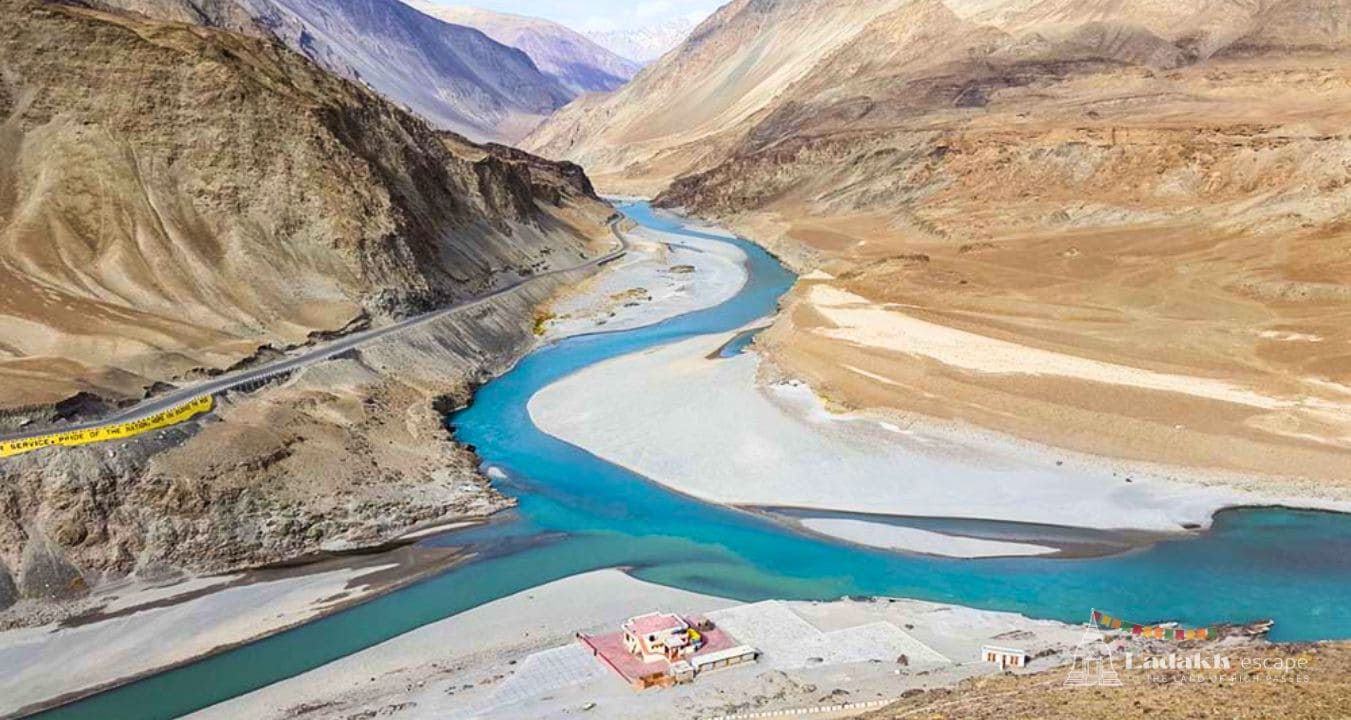
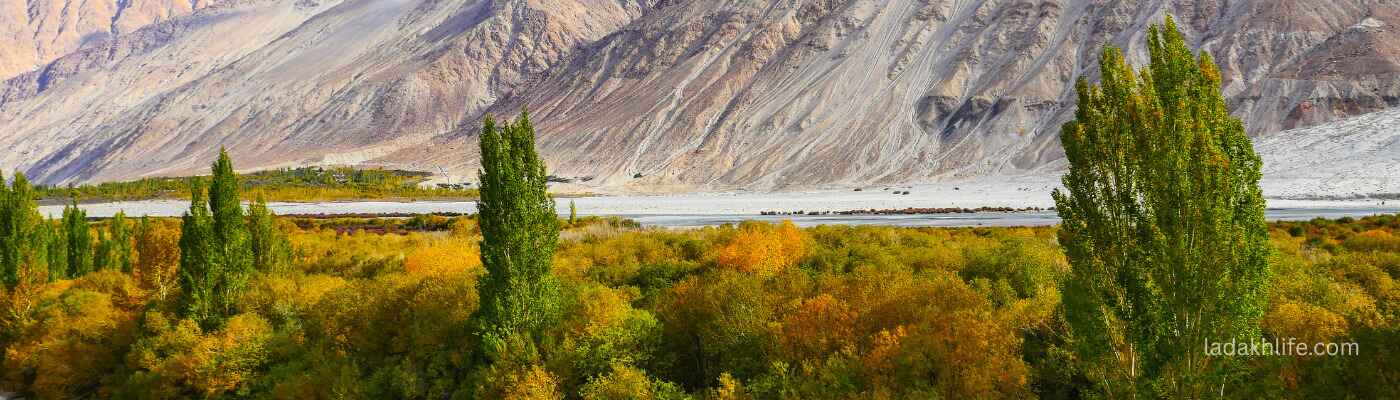
- The Indus Valley: The green fields of the Sham Valley stretch to the horizon. The Indus River winds through the valley, wide and grey-green.
- The Stok Range: To the south, the snow-capped peaks of the Stok Range rise against the sky. Stok Kangri (20,182 ft) is the highest.
- The Shanti Stupa: The white dome of the Shanti Stupa glows on the hill across the valley.
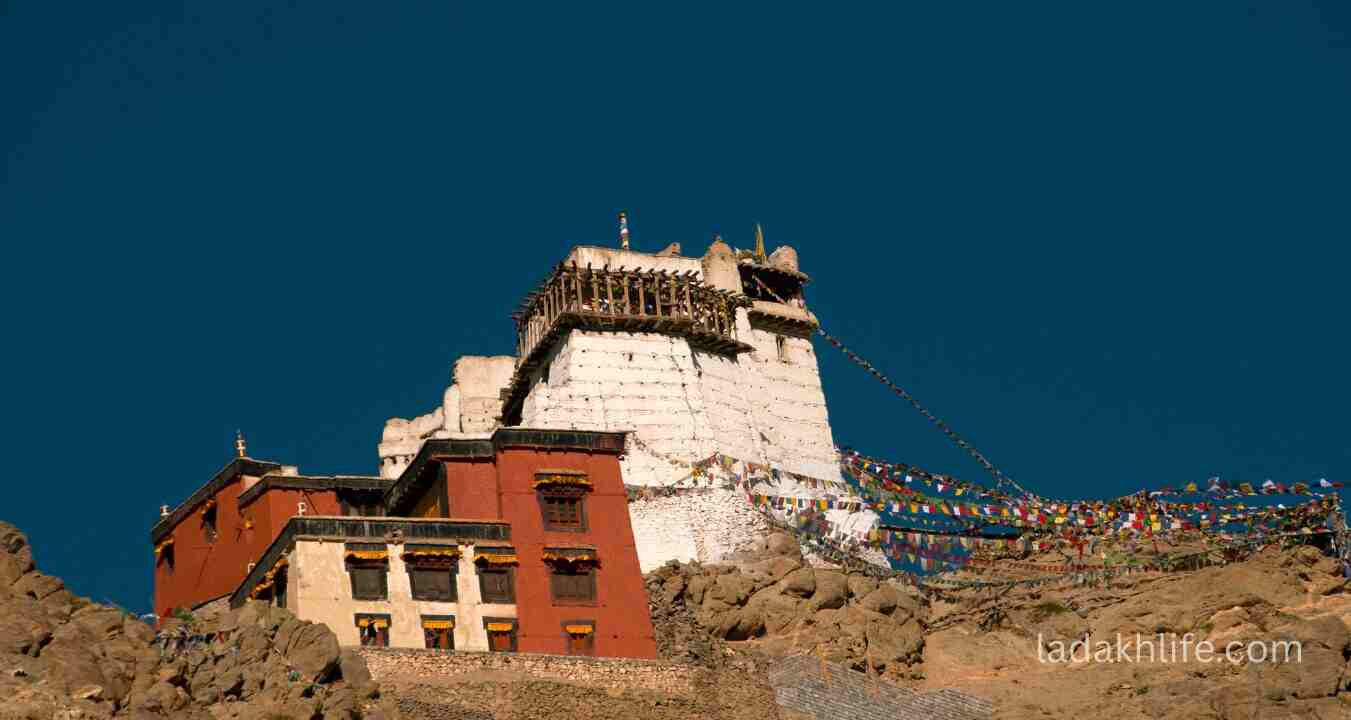
- Namgyal Tsemo Monastery: The red-roofed monastery on the peak above the palace.
Go at sunset. The light turns the mountains pink, then orange, then purple. It's magical. Go at sunrise for an even quieter experience (though the palace may not be open yet, check hours).
2. The Museum, Treasures of the Namgyal Dynasty
The museum inside Leh Palace is small but fascinating. The collection includes:
- Thangkas: Ancient Buddhist scroll paintings, some over 400 years old. The colors are still bright, deep reds, ultramarine blues, rich golds.
- Royal artifacts: Jewelry, ceremonial weapons, ancient coins, and royal clothing.
- A model of the palace: A detailed model showing how the palace looked when it was fully intact.
- Historical photographs: Black-and-white photos of Leh and the palace from the early 20th century.
No photos are allowed inside the museum, but that's fine. Some things are meant to be seen with eyes, not lenses. Take your time. Read the descriptions. Ask the caretaker questions, he knows the stories.
3. The Arched Windows, Framing the Valley
Throughout the palace, you'll find arched windows overlooking the valley. Each window frames a different view, the town, the river, the mountains, the fields. Stop at each one. Look out. Imagine the kings and queens who stood in the same spot, watching their kingdom. The windows themselves are beautiful, carved wood, weathered by centuries of sun and wind.
4. The Empty Rooms, Echoes of the Past
Most of the palace is empty. The royal family fled to Stok in the 19th century, and much of the palace was looted or abandoned. Today, the rooms are bare, stone walls, wooden ceilings, dust on the floors. But that emptiness is powerful. You can walk through the halls, imagining the life that once filled them, the courtiers, the servants, the kings, the queens. The silence is profound.
5. The Architecture, A Tibetan Medieval Masterpiece
The palace is a magnificent example of Tibetan medieval architecture. The massive stone walls, the wooden balconies, the narrow staircases, the arched windows, it's all original. The palace was built without nails, the wooden beams are fitted together using traditional joinery techniques that have lasted over 400 years. Look up at the ceilings. Look at the beams. Appreciate the craftsmanship.
6. Namgyal Tsemo Monastery, Above the Palace
Above the palace, on the very peak of the ridge, is Namgyal Tsemo Monastery (also called Victory Peak Monastery). The monastery was built by King Tashi Namgyal in the 15th century, before the palace. It's a small but beautiful monastery, with a giant golden statue of Maitreya Buddha (the future Buddha) and stunning views of the valley. You can climb from the palace to the monastery in about 15-20 minutes. The path is steep, but the views are worth it. Combine both visits for a half-day exploration.
7. The Sunset, Golden Hour Over Leh
The sunset from Leh Palace is spectacular. The sun drops behind the mountains, and the light turns the valley gold, then orange, then pink. The white houses of Leh glow in the fading light. The prayer flags flutter in the evening breeze. This is the magic hour. Plan your visit so you're at the rooftop as the sun begins to set. You'll understand why the kings chose this spot.
8. The Climb, A Rite of Passage
I'm listing the climb itself as a "crown jewel" because it's memorable. The climb to Leh Palace is challenging, especially if you're newly arrived in Leh and still acclimatizing. Your heart pounds. Your lungs burn. You stop to catch your breath. Other climbers pass you. You keep going. But when you reach the top, you feel a sense of achievement. You earned that view. You earned that moment. The climb is part of the experience, embrace it.
Best Time to Visit Leh Palace
Leh Palace is open year-round, but the best time to visit is summer.
June to September is the main season. July and August are the warmest months, daytime temperatures 20-25°C. The views are clear, and the weather is perfect for climbing. August is peak tourist season, the palace gets busy, but it's large enough to absorb the crowds.
May and October: Shoulder months. May is cooler (15-20°C) and less crowded. October is beautiful, clear skies, crisp air, autumn colors, but days are shorter, and it's colder at the top.
November to April: It's cold, winter temperatures drop below freezing. The palace is open, but the climb can be icy and dangerous. Only visit if you're prepared for cold and have good shoes.
Pro tip: Visit in the late afternoon for the best light and the sunset views. The palace is busiest in the morning, when tour groups arrive. Afternoon is quieter and more peaceful.
How to Get to Leh Palace
Leh Palace is located on a ridge above the old town. Here's how to get there:
On foot: The most common way. Start from the main bazaar or the old town. Follow the signs or ask locals. The path is steep, stone steps and switchbacks. The climb takes 20-30 minutes, depending on your fitness and altitude acclimatization. Take it slow. Bring water.
By taxi: You can take a taxi to a point near the palace, but you'll still have to climb some stairs. Taxis can drop you at the base of the climb. Expect to pay ₹100-200 from the main town.
By car: There's a road that goes partway up the hill, but the last section is pedestrian-only. Parking is limited at the base. It's easier to walk from town.
The climb is part of the experience. Don't skip it. The sense of achievement when you reach the top is real.
What to Pack for Leh Palace
Leh Palace is at high altitude, and the climb is challenging. Here's what you need:
- Shoes: Comfortable walking shoes with good grip. The stairs and paths can be uneven. No flip-flops, your feet will thank you.
- Water: Carry a water bottle. You'll need it. You can buy water at the base or at the small café near the palace entrance.
- Sun protection: Sunscreen (SPF 30+), lip balm, sunglasses, a hat. The sun is strong at 11,500 feet, and there's little shade on the climb.
- Layers: Even in summer, it can be windy and cool at the top. Bring a fleece or light jacket. In winter, dress warmly, it's freezing up there.
- Camera: You'll want it. The views are spectacular.
- Cash: Entry fees are cash only (₹20-50 for Indians, ₹100-200 for foreigners). The small café also takes cash.
Essential Tips for Visiting Leh Palace
- No permits needed. Leh Palace is not near the border, so no Inner Line Permit is required. Indian and foreign nationals can visit freely.
- Acclimatize before climbing. Leh Palace sits at 11,500 feet, higher than the main town. If you've just arrived in Leh, wait 2-3 days before attempting the climb. Altitude sickness is real, and climbing too soon can ruin your trip.
- Start early or go late afternoon. The palace is busiest mid-morning. Go at opening time (around 9 AM) or in the late afternoon (after 3 PM) for a quieter experience. Late afternoon also offers the best light for photos and sunset views.
- Take it slow on the climb. Stop frequently. Catch your breath. Drink water. Don't try to be a hero. The altitude will humble you.
- No photos inside the museum. This is strictly enforced. Respect the rule. The thangkas are ancient and fragile, flash photography damages them.
- Be respectful of the palace. Don't climb on the walls or windows. Don't litter. This is a historic monument, treat it with respect.
- Combine with Namgyal Tsemo Monastery. The monastery is a 15-20 minute climb above the palace. Visit both in one trip. The views from the monastery are even higher.
- Stay for sunset. The palace is often quieter in the late afternoon, and the sunset views are spectacular. Check the closing time, the palace may close before sunset, but you can often stay on the rooftop (check with the caretaker).
Leh Palace vs Other Palaces in Ladakh
- Leh Palace vs Stok Palace: Leh Palace is larger, more dramatic, and in ruins. Stok Palace is smaller, still occupied by the royal family, and has a fascinating museum. Leh Palace for the views and the atmospheric ruins. Stok Palace for the royal artifacts and living heritage. Visit both, they're different and both wonderful.
- Leh Palace vs Shey Palace: Shey Palace is in ruins, with a giant copper-gilt Buddha statue. Leh Palace is more intact, with nine stories and panoramic views. Shey for the Buddha statue. Leh Palace for the architecture and views.
- Leh Palace vs Basgo Fortress: Basgo is a ruined fortress on a ship-shaped hill. Leh Palace is a palace on a ridge above town. Basgo is more remote, more dramatic. Leh Palace is more accessible, more central. Both have spectacular views.
Why Leh Palace is the Most Iconic Landmark in Ladakh
Let me be honest. Leh Palace is not the largest palace in the world. It's not the best preserved. It's not the most luxurious. There are no velvet curtains, no gold-plated thrones, no manicured gardens. The palace is empty. The walls are bare. The floors are dusty. Some rooms are crumbling.
But that's exactly why it's special.
Leh Palace is real. It's not a theme park. It's not over-restored. It's a ruin in progress, and that ruin tells a story. A story of kings and queens, of armies and invasions, of a kingdom that rose and fell. When you walk through the empty halls, when you look out the arched windows at the valley below, you can feel that story. You can feel the ghosts of the past.
And then there's the view. The view from the rooftop is the best in Leh. The Indus Valley spreads out below you, green and brown and grey. The Stok Range rises to the south, white and majestic. The town of Leh, with its white houses and prayer flags, looks like a toy village. You sit there, catching your breath, feeling the wind on your face. You understand why the kings chose this spot. You understand why travelers have been climbing these stairs for centuries.
Leh Palace is not just a building. It's a symbol. Of Ladakh's royal past. Of its resilience. Of its beauty. Climb the stairs. Pay the entry fee. Walk the empty halls. And when you reach the rooftop, sit down, and just watch. You'll understand.
Leh Palace is not a perfect palace. It's a ruin. The walls are bare, the floors are dusty, and the rooms are empty. But that emptiness tells a story, of kings and queens, of armies and invasions, of a kingdom that rose and fell. The climb is hard. The altitude is punishing. But when you reach the rooftop, when you see the Indus Valley spread out below you, when you watch the sun set behind the Stok Range, you'll understand. This is the heart of Ladakh. This is Leh Palace.