So, What Exactly is Namika La?
Namika La is a mountain pass in the Ladakh range, sitting at 12,139 feet (3,700 meters). It lies on the Srinagar-Leh highway (NH 1), approximately 30 kilometers east of Fotu La (the highest point on the highway) and about 40 kilometers west of the famous Lamayuru Monastery.
The name "Namika La" means "the pass of the eyebrows" in the local language a reference to the shape of the surrounding hills. But honestly? Most people don't know the name. Most people don't even know they've crossed a pass. They're too focused on the road ahead, on reaching Leh, on checking off the next destination.
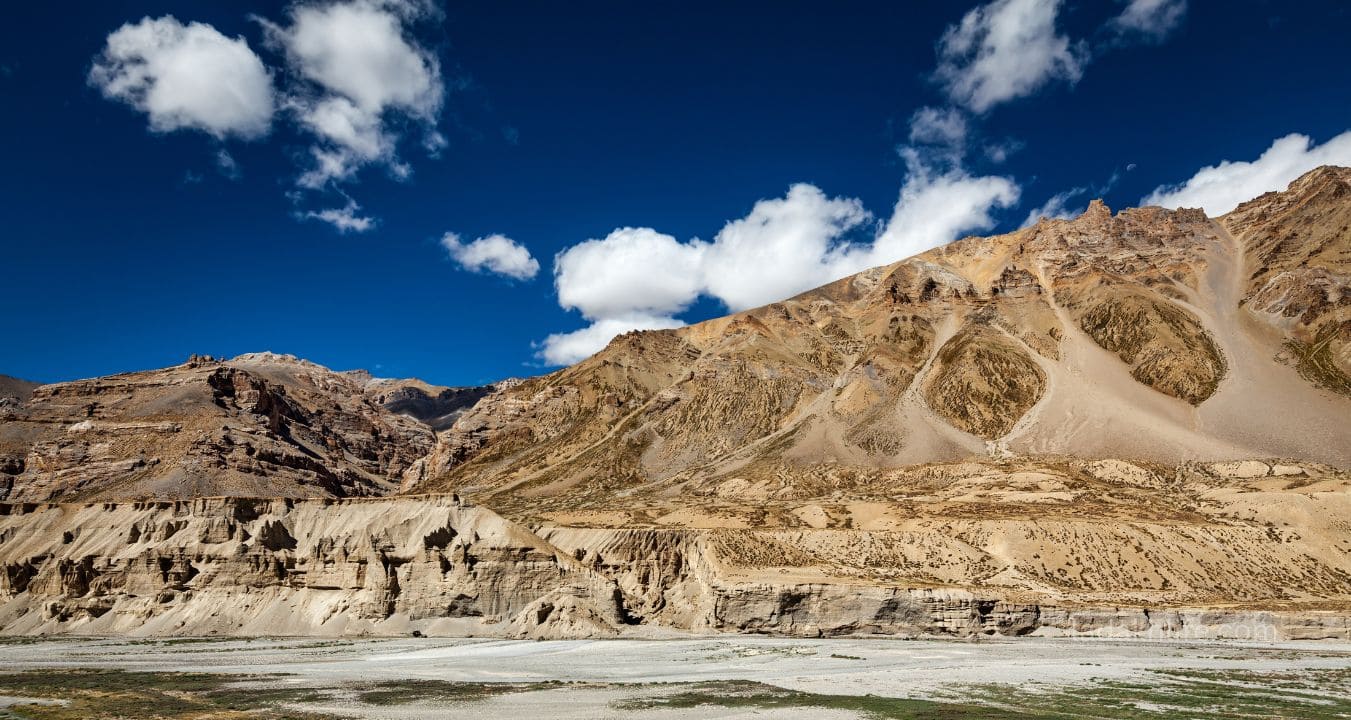
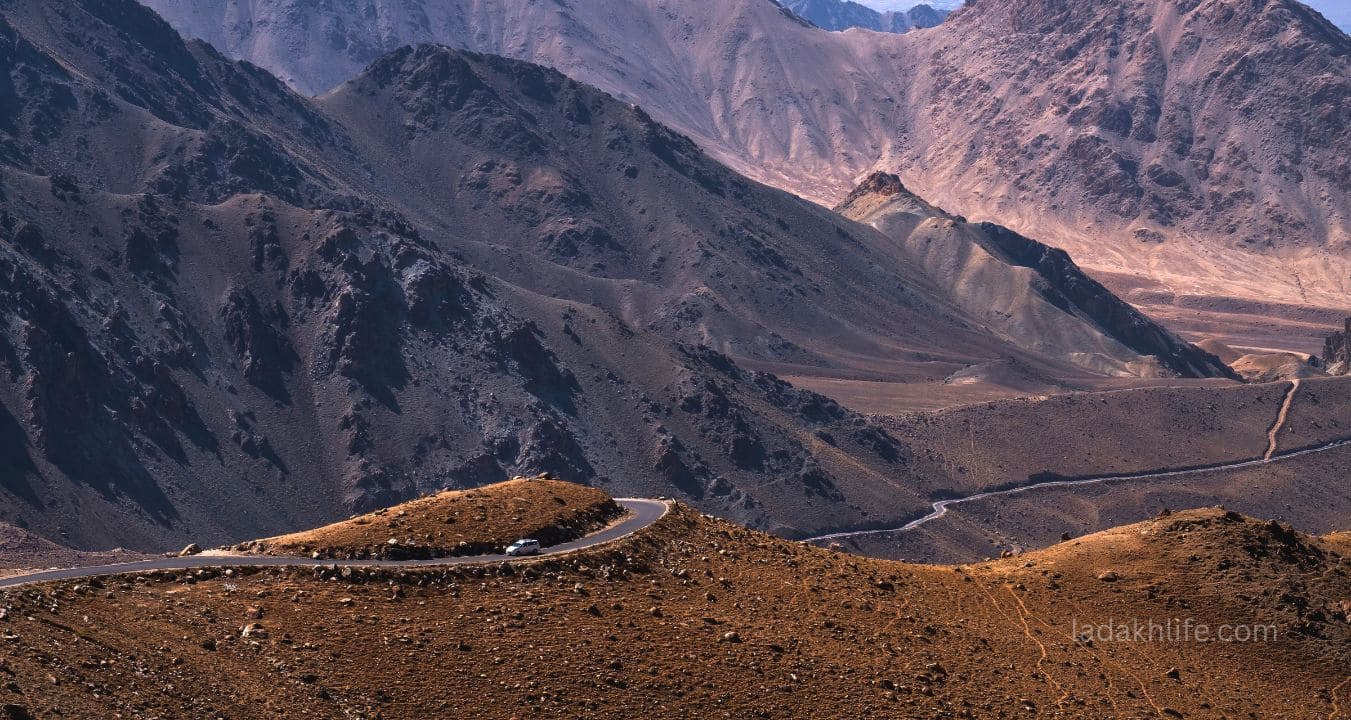
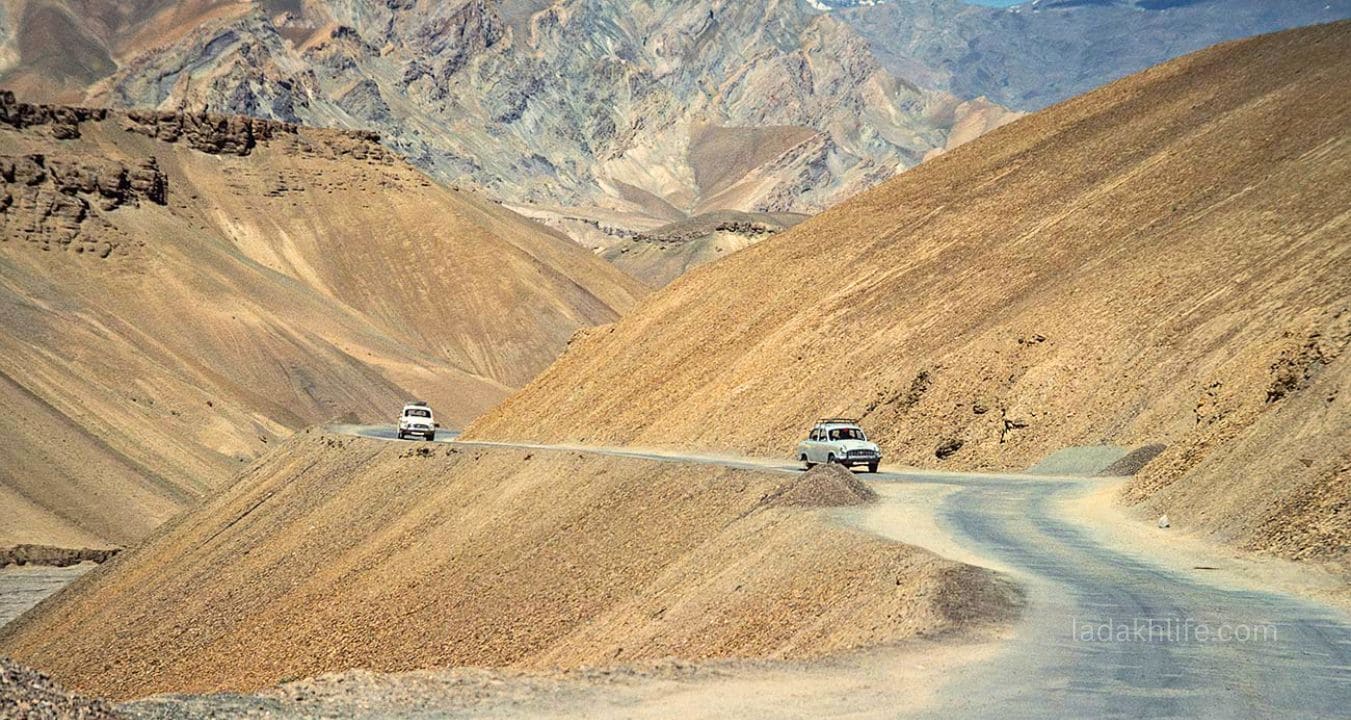
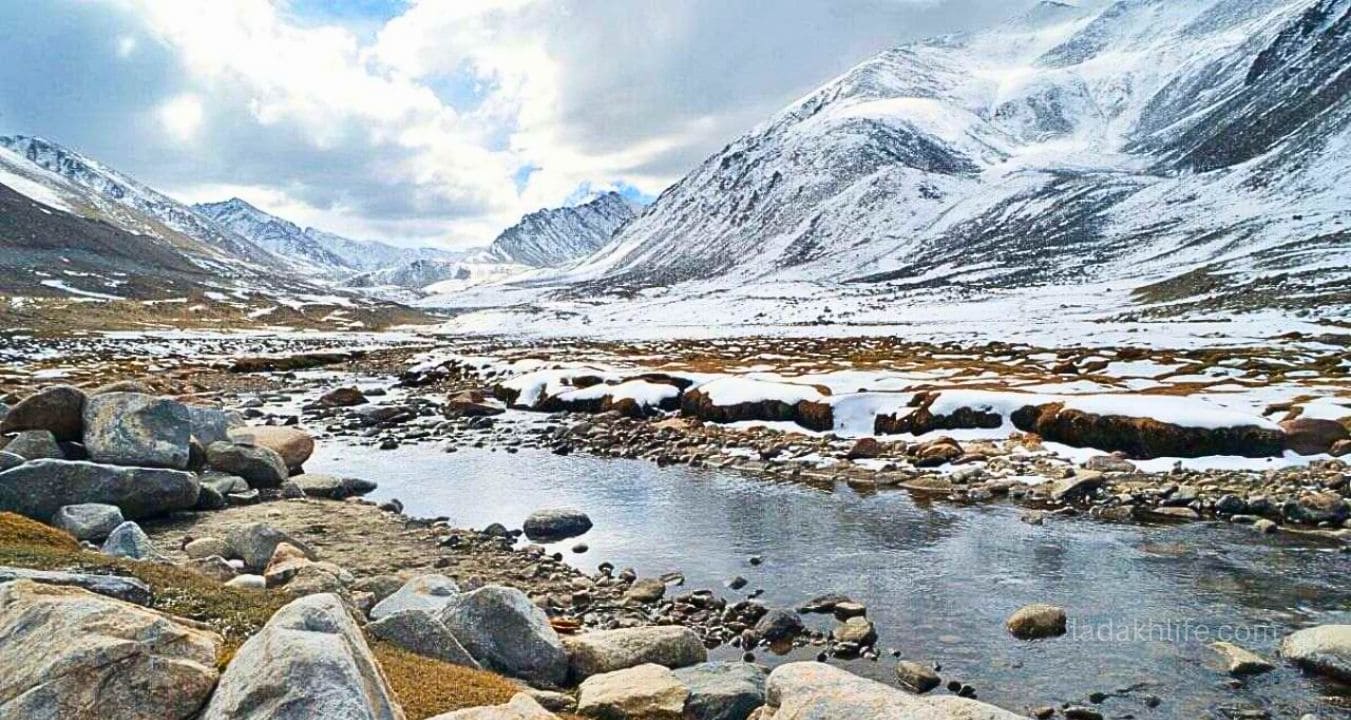
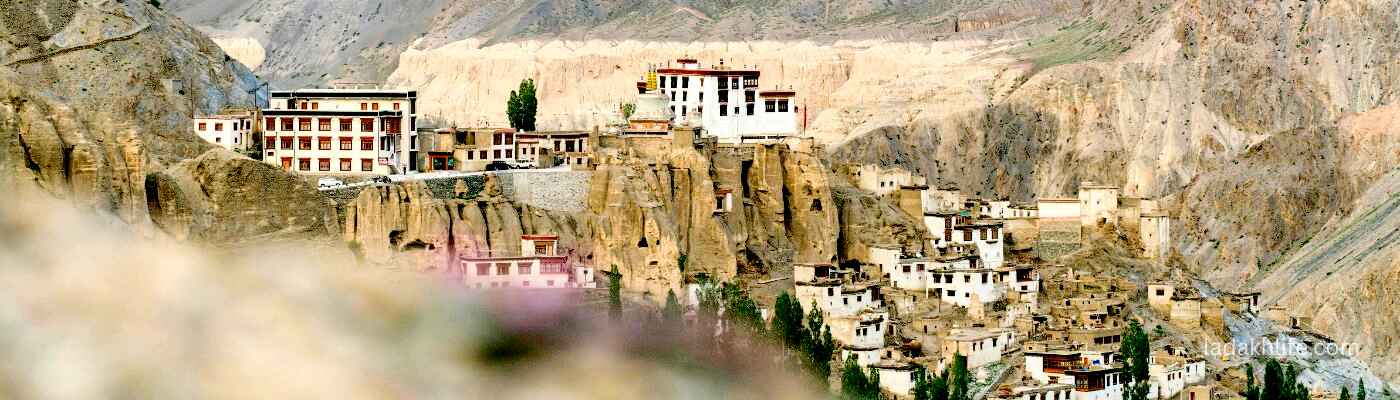
But if you stop really stop at Namika La, you'll see something special. The landscape here is classic Ladakh: barren hills, dramatic rock formations, and a sense of vastness that makes you feel small in the best possible way. The wind is constant. The prayer flags flutter. And if you're lucky, you'll have the entire pass to yourself.
Why Namika La is Worth a Stop
Look, Namika La isn't going to win any awards. It's not the highest. It's not the most dramatic. It doesn't have a cafe or a temple. But here's why you should still stop:
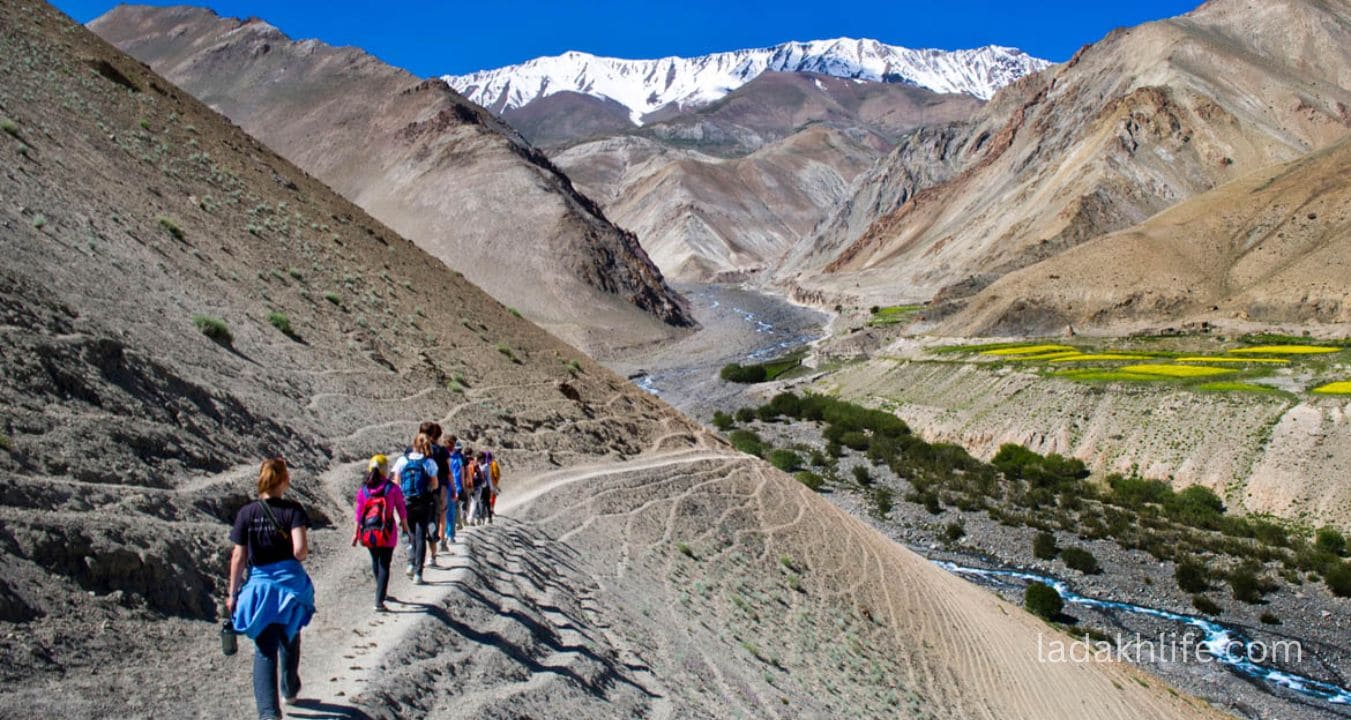
- The views are stunning. From Namika La, you can see the Ladakh range stretching in every direction brown hills, distant snow peaks, and valleys that go on forever.
- No crowds. While Fotu La might have a few travelers stopped for photos, Namika La is almost always empty. You'll likely have the pass to yourself.
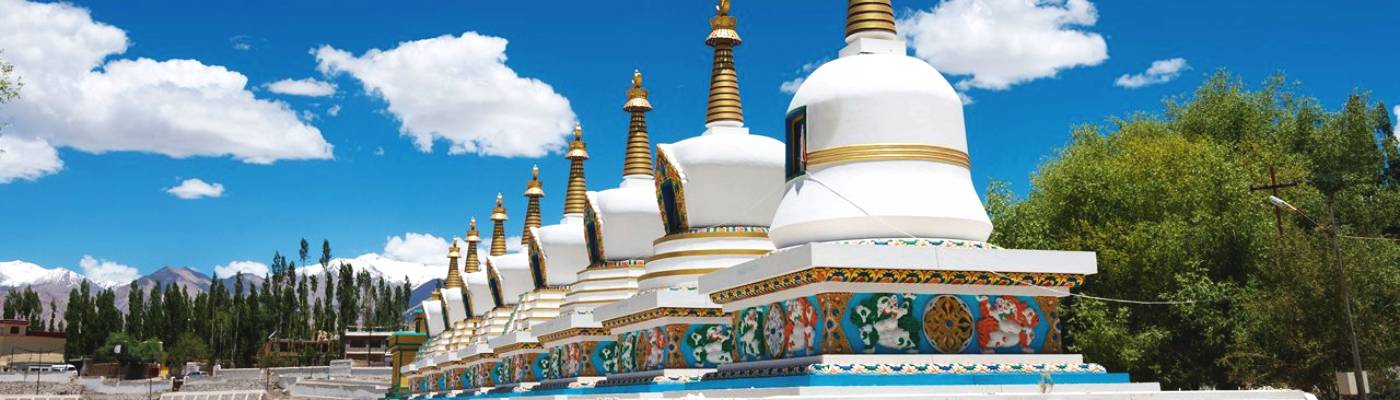
- Chortens and prayer flags. There are several small chortens (stupas) and prayer flags at the top reminders that you're in the Buddhist heartland of Ladakh.
- The transition zone. Namika La sits in the transition between the Suru Valley (greener, more fertile) and the Indus Valley (barren, moon-like). The landscape changes dramatically around here.
- A moment of peace. After the hustle of Kargil and before the chaos of Leh, Namika La offers a quiet moment to breathe, stretch your legs, and appreciate where you are.
The Namika La Experience (The Honest Version)
Let me walk you through what actually happens when you cross Namika La. No filters. No fancy language.
- Approaching from Fotu La (west): You've just crossed the highest point on the Srinagar-Leh highway. The road descends, then climbs again. The landscape is getting more barren. You see prayer flags in the distance.
- The climb: The ascent to Namika La is gentle not as steep as Fotu La. The road is paved and in good condition. You might not even notice you're climbing.
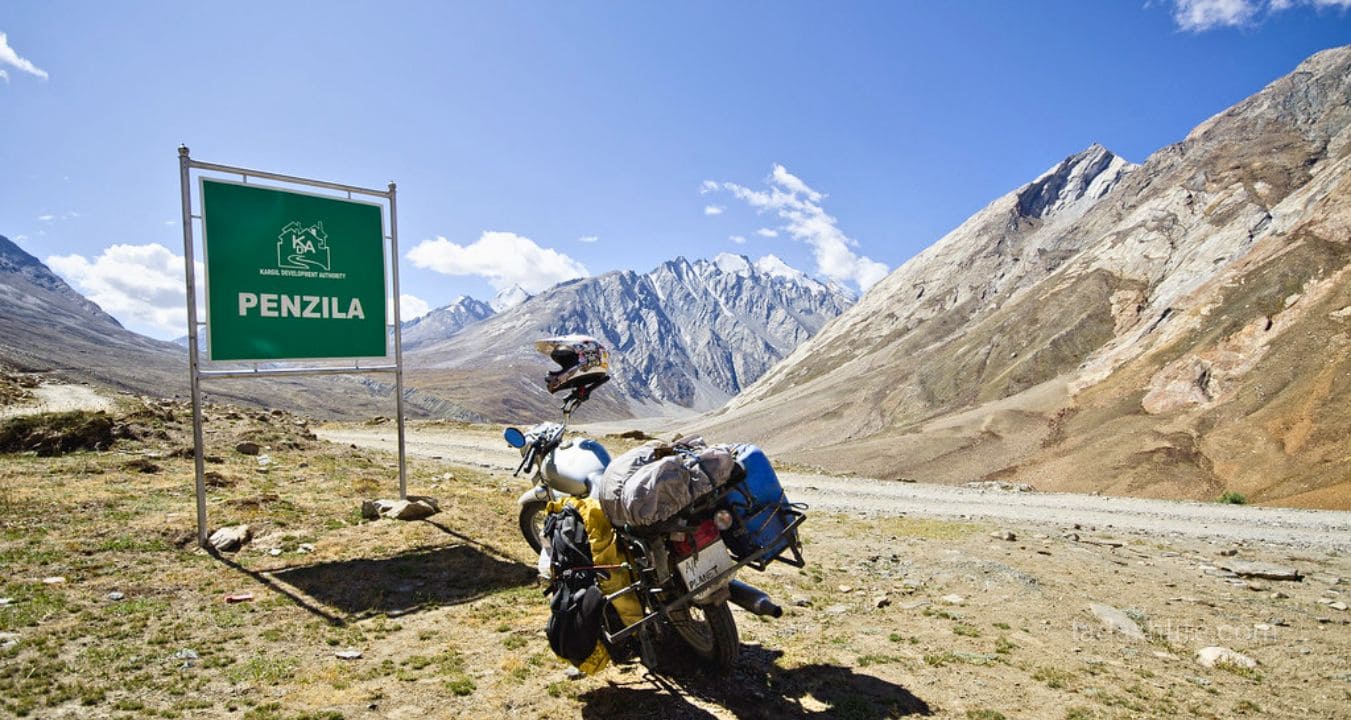
- Reaching the top: You see the signboard. You park. You step out, and the wind hits you. It's not as brutal as Fotu La, but it's constant. You walk to the chortens, spin the prayer wheels, take a few photos.
- At the top: You look out at the mountains. The Ladakh range spreads out before you brown, barren, beautiful. There's no one else around. Just the wind and the prayer flags.
- The descent toward Lamayuru: You drive down toward Lamayuru, and the landscape becomes even more dramatic. You're entering the famous Moonland the eroded, otherworldly landscape that makes Ladakh famous.
That's Namika La. Not famous. Not crowded. But a beautiful, quiet moment on the road to Leh.
The Crown Jewels of Namika La (Don't Miss These)
1. The Signboard Small but Honest
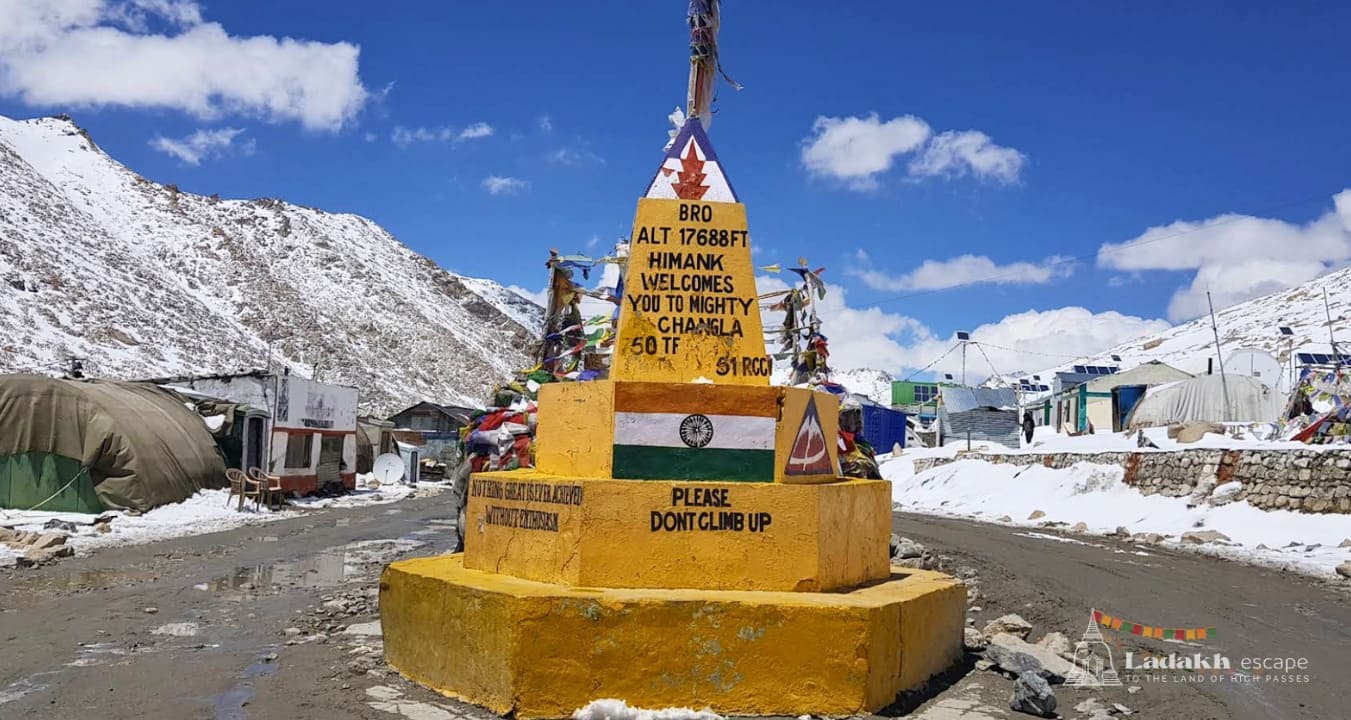
At the top of Namika La, there's a small signboard announcing the altitude 12,139 feet. It's not flashy. It's not photogenic. But it's honest. Take a photo if you want. Or just look at it and move on. Either way, you've crossed another pass.
2. Chortens and Prayer Wheels
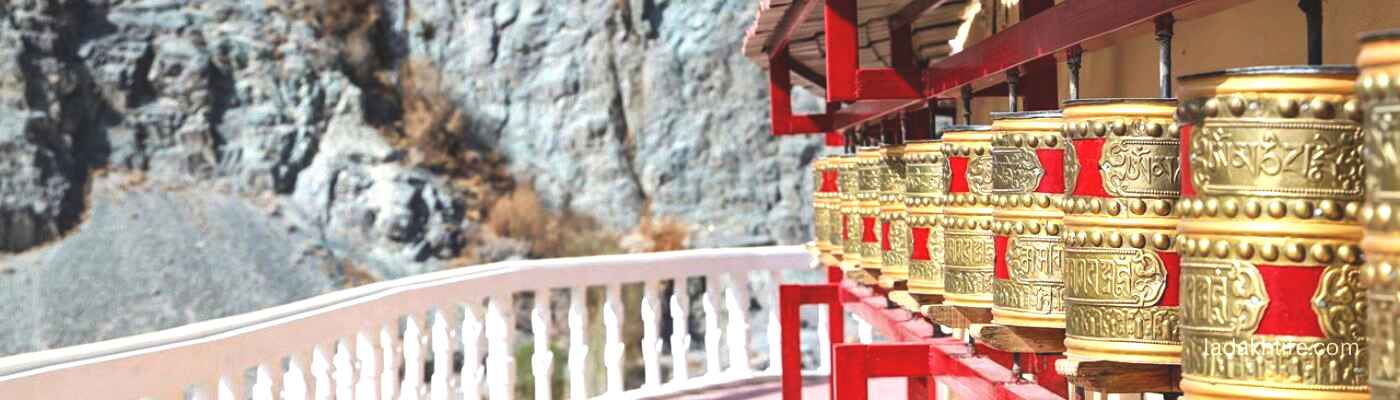
There are several small chortens (Buddhist stupas) at the top of Namika La, along with prayer wheels. Stop. Walk around them clockwise (the traditional way). Spin the prayer wheels. It takes two minutes. It connects you to the place and the people who call these mountains home.
3. Prayer Flags in the Wind
The top of Namika La is marked by prayer flags not as many as at Fotu La, but enough to remind you where you are. They flutter constantly in the wind, their colors bright against the brown landscape. Listen to the sound they make. It's peaceful.
4. Views of the Ladakh Range
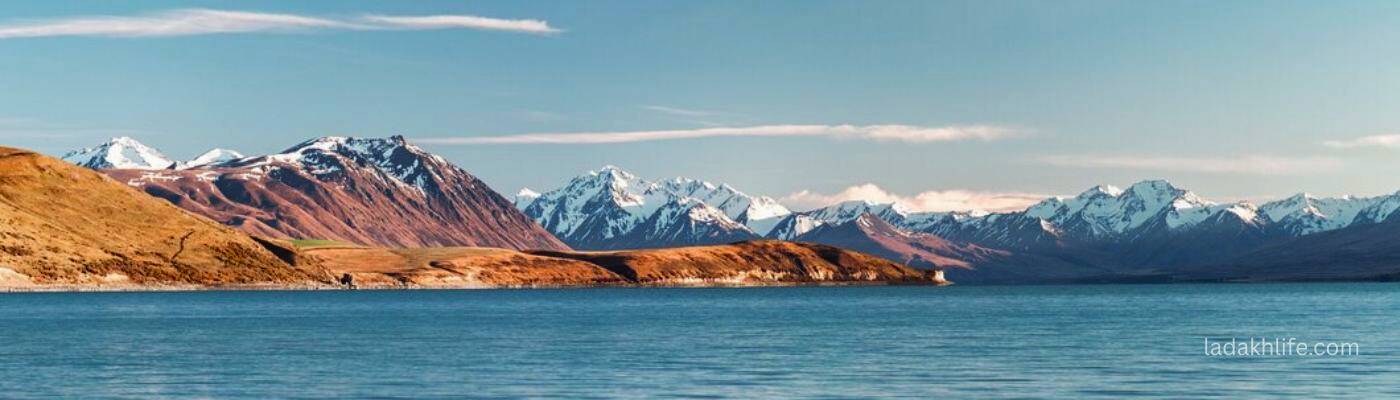
On a clear day, the views from Namika La are beautiful. The Ladakh range rises to the north and south, with peaks over 5,000 meters. The valleys below are barren and dramatic. The sky is a shade of blue that seems deeper than anywhere else.
5. The Transition Landscape
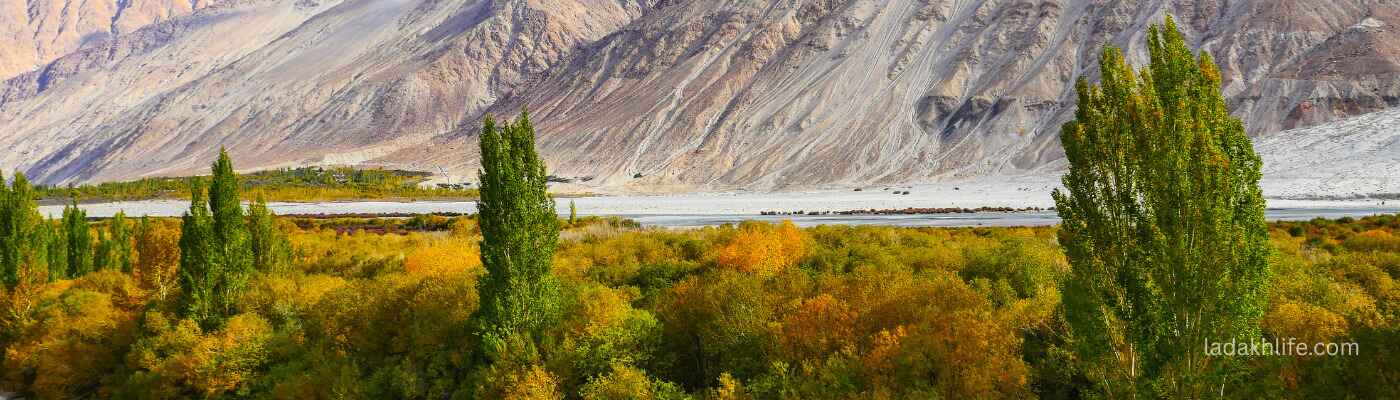
This isn't a "sight" in the traditional sense, but it's the most special thing about Namika La. The pass sits at the transition between two worlds the greener, more fertile Suru Valley to the west, and the barren, moon-like Indus Valley to the east. Look west. Look east. You're standing in between.
6. The Approaching Moonland
After descending from Namika La toward Lamayuru, you'll enter the famous Moonland a landscape of eroded, otherworldly rock formations that looks like the surface of the moon. Namika La is the gateway to this landscape. Stop here, look ahead, and get excited for what's coming.
Best Time to Visit Namika La
Because Namika La is lower than many Ladakh passes, its season is longer and more reliable.
May to October is the main season. June to September are the most reliable months the road is clear, the weather is pleasant (5°C to 15°C at the top), and the pass is open. The wind makes it feel colder, but it's manageable.
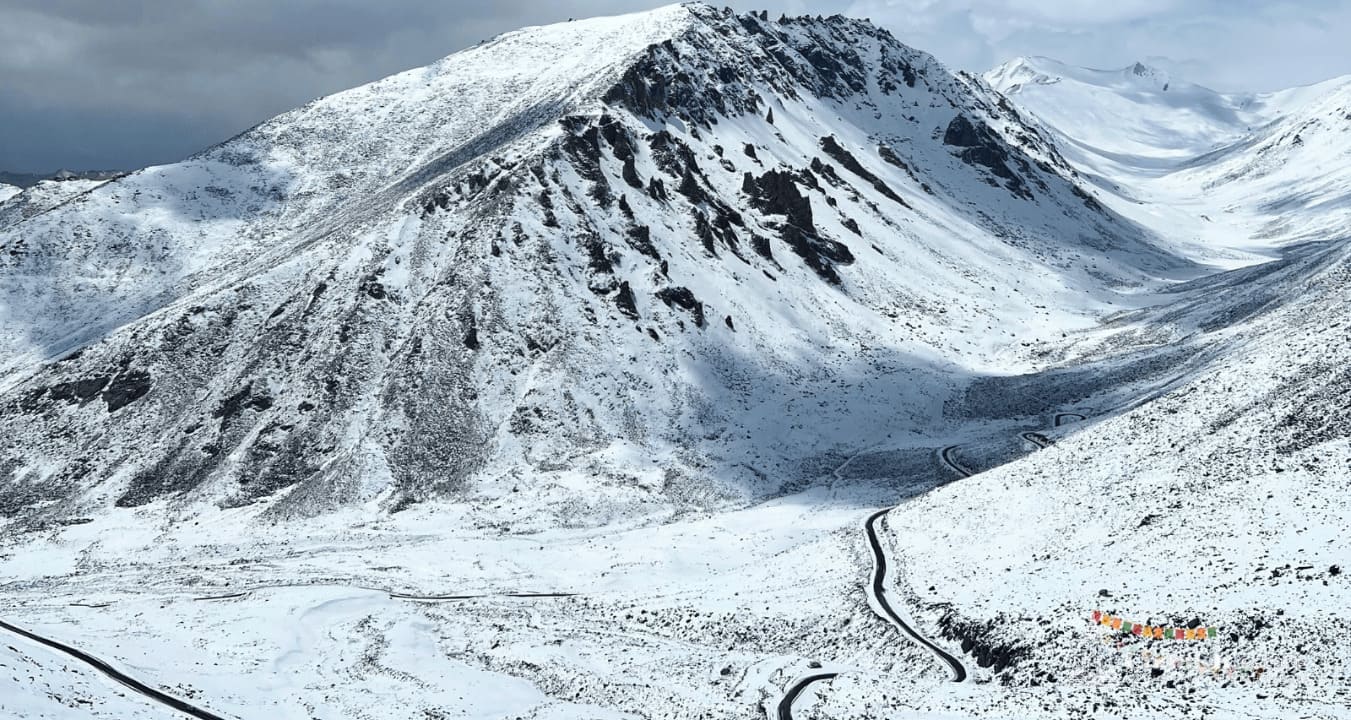
May and October: Shoulder months. May can have snow near the pass, but the road is usually passable. October is beautiful clear skies, crisp air, fewer vehicles but colder.
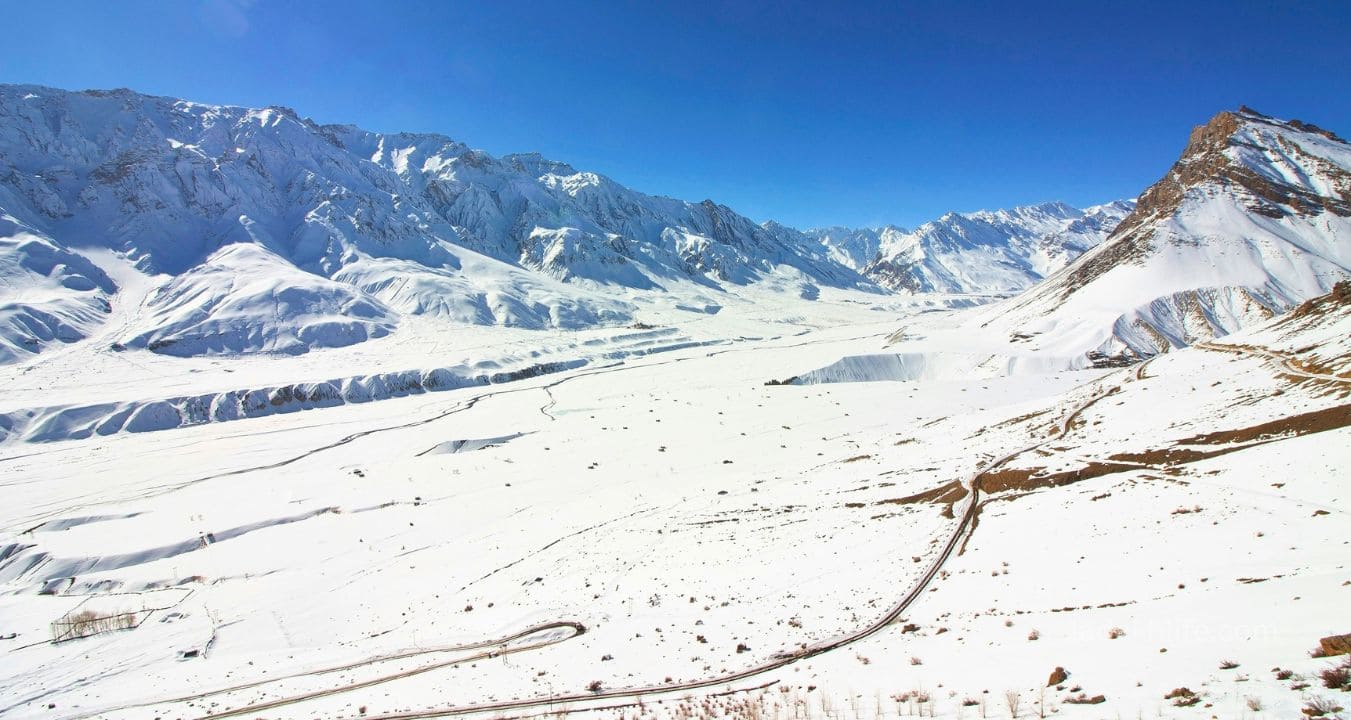
November to April: The Srinagar-Leh highway often closes in winter due to snow at Zoji La and Fotu La. Namika La itself might be passable, but the approach roads are not. Don't attempt in winter.
Pro tip: Namika La is most beautiful in September. The skies are crystal clear, the autumn light is golden, and the crowds are gone. Stop here, take a moment, and appreciate the quiet.
Where to Stay Near Namika La
You cannot stay at Namika La. There are no hotels or homestays at the pass. The nearest accommodations are in Kargil (west) or near Lamayuru (east).
In Kargil (about 100 km west): Several hotels and guesthouses. Hotel Barula, Kargil Continental, and Zojila Residency are good options.
Near Lamayuru (about 40 km east): Basic homestays and guesthouses near the famous Lamayuru Monastery. A great place to break your journey and explore the Moonland.
In Leh (140 km east): Every budget. From hostels and homestays to luxury hotels.
No camping at the pass. It's cold, windy, and not allowed. The nearest camping is at Lamayuru or further east.
How to Get to Namika La
Namika La is on the main Srinagar-Leh highway (NH 1). If you're traveling between Srinagar and Leh, you will cross this pass.
Route: Srinagar → Sonamarg → Zoji La → Dras → Kargil → Fotu La → Namika La → Lamayuru → Leh.
From Kargil (100 km, 2-3 hours): Drive Kargil → Fotu La (highest point) → Namika La. The road is good. The climb to Fotu La is steep, but the descent to Namika La is gradual.
From Leh (140 km, 3-4 hours): Drive Leh → Lamayuru → Namika La → Fotu La → Kargil. This is the return route if you're going back toward Srinagar.
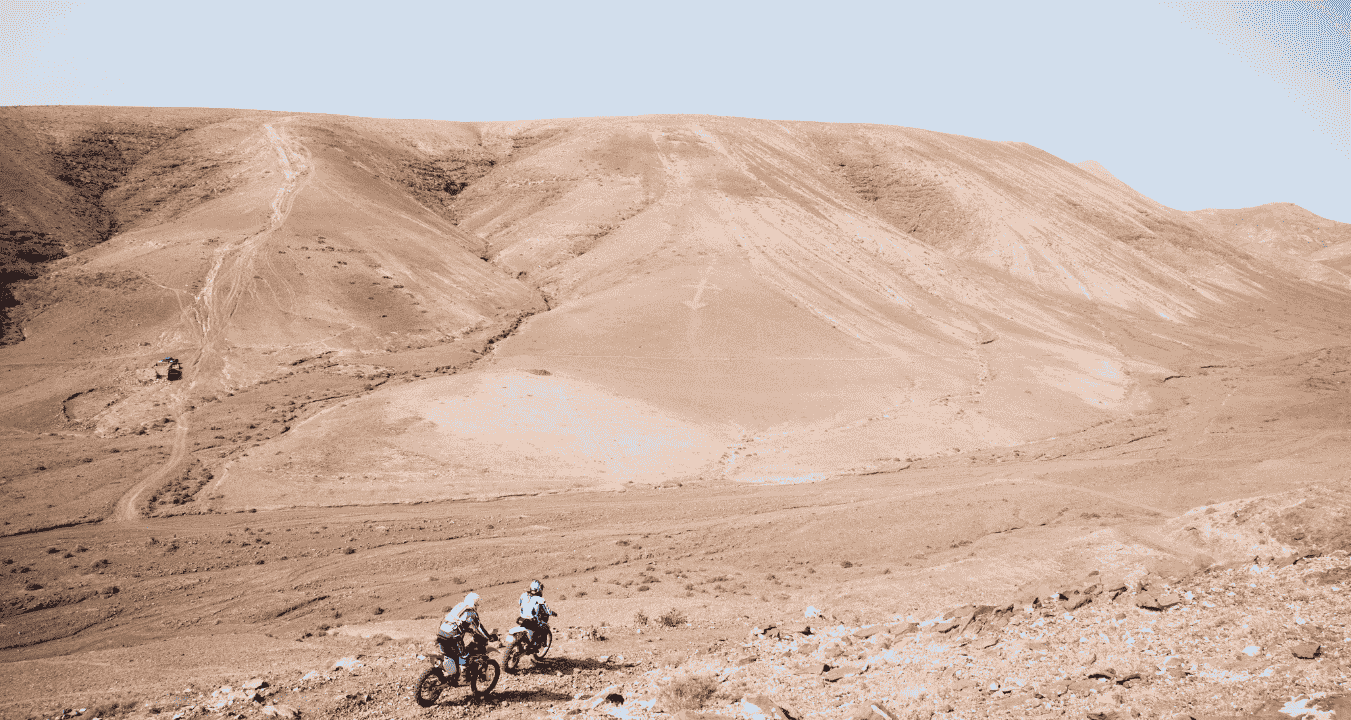
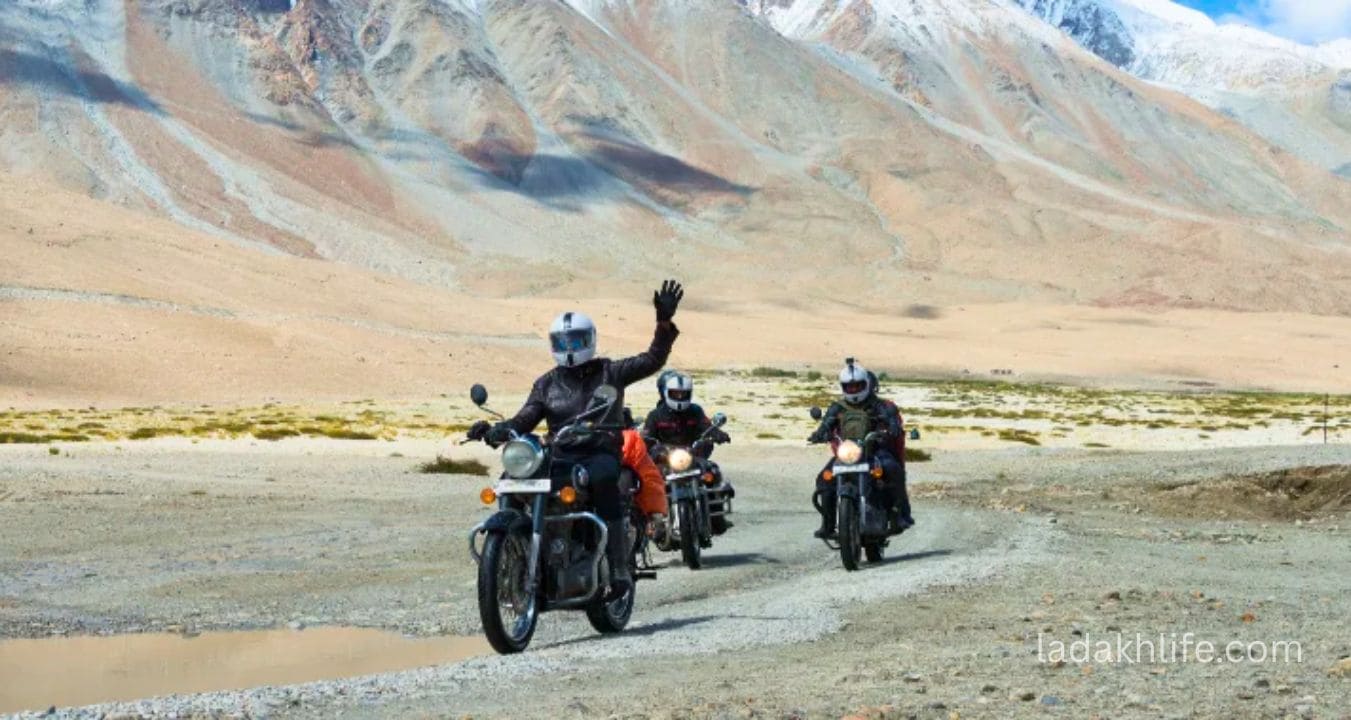
By bike: Any bike can handle Namika La. The road is paved and well-maintained. But watch for wind it can be strong near the pass.
By car: Any car can cross Namika La. No 4x4 needed. The road is paved and in good condition.
By bus: Buses run daily between Leh and Kargil, and between Kargil and Srinagar. They cross Namika La. Cheap and easy.
By taxi: Shared taxis (sumos) run between Leh and Kargil. Ask at the taxi stands in Leh or Kargil.
Altitude, Fitness, and Acclimatization
At 12,139 feet, Namika La is lower than Leh (11,500 ft is similar). Altitude sickness is less of an issue here than at higher passes.
- If coming from Srinagar (low altitude), take it easy. You're climbing from near sea level to 12,000+ feet in two days. Some people feel it.
- Drink plenty of water. 3-4 liters a day. Dehydration makes altitude symptoms worse.
- If you feel a headache or nausea, rest. These are common on the Srinagar-Leh route. Don't push yourself.
- No special fitness required. Namika La is a drive-through pass. Walking around the top is easy.
- The wind is the main challenge. Dress warmly. Hold onto your hat. Brace yourself when opening car doors.
What to Pack for Namika La
Namika La is colder than Kargil or Leh, and the wind makes it feel even colder. Here's what you need:
- Warm layers: Fleece sweater, down jacket or heavy woolen sweater, windproof outer layer. The windproof layer is essential the wind here is constant.
- Gloves: Thick gloves. Your fingers will get cold in the wind without them.
- Headwear: Woolen beanie that covers your ears.
- Scarf or buff: For your face. The wind and cold air can be uncomfortable.
- Shoes: Sturdy shoes or boots.
- Sunglasses: The glare off the barren landscape can be intense.
- Sunscreen & lip balm: The UV at 12,000 feet is strong.
- Water & snacks: There's no cafe at Namika La. Carry your own.
Essential Tips for Visiting Namika La
- No permits needed for Namika La. Unlike passes near the border, Namika La is on the main Srinagar-Leh highway and doesn't require an Inner Line Permit.
- Stop at the pass. Most people drive right through. Don't. Stop for 10-15 minutes. Walk to the chortens. Spin the prayer wheels. Take a moment. You won't regret it.
- Watch for wind. The wind at Namika La is famous among locals. Be careful opening car doors they can catch the wind and swing hard.
- Fill your fuel tank in Kargil or Leh. There's no petrol station at Namika La. The nearest are in Kargil (west) and Leh (east).
- Respect the chortens and prayer flags. Walk around them clockwise. Don't climb on them. Don't take them down.
- Don't litter. Carry your waste back to Kargil or Leh. There's no garbage collection at the pass.
- Check road conditions in winter/spring. If you're traveling in May or October, ask locally. Snow can close the pass temporarily.
Namika La vs Other Passes on the Srinagar-Leh Highway
- Namika La vs Fotu La (13,479 ft): Fotu La is higher and more famous. Namika La is lower and quieter. Both are on the same road. Stop at both if you have time.
- Namika La vs Zoji La (11,575 ft): Zoji La is lower and more dramatic steep climbs, narrow roads, stunning views. Namika La is gentler and more barren.
- Namika La vs Khardung La (18,380 ft): Khardung La is much higher, more famous, and requires permits. Namika La is accessible to everyone.
- Namika La vs Tanglang La (17,582 ft): Tanglang La is on the Manali-Leh highway, much higher. Namika La is on the Srinagar-Leh route, lower and easier.
Why Namika La is the Most Underrated Pass on the Srinagar-Leh Highway
Let me be honest. Namika La will never be famous. It's not the highest. It's not the most dramatic. It doesn't have a cafe or a temple or a disputed signboard. Most people don't even know its name.
But here's the thing. The passes that most people ignore are often the most peaceful. Namika La sits quietly between Fotu La and Lamayuru, watching thousands of travelers drive past without a second glance. And that's exactly why it's special.
When you stop at Namika La, you're not fighting for a photo spot. You're not waiting in line at a cafe. You're not surrounded by honking taxis and revving bikes. You're just... there. With the wind. With the prayer flags. With the mountains. Alone. Quiet. Present.
So when you're driving from Kargil to Leh, don't just rush to the next famous landmark. Stop at Namika La. Get out of your car. Walk to the chortens. Spin the prayer wheels. Feel the wind. Look at the mountains. And appreciate this quiet, windswept moment. It won't give you a story for Instagram. But it might give you something better a moment of peace on a long, hard road.
Namika La is the quiet pass. The one no one talks about. The one most people drive right through. But if you stop if you really stop you'll find something special. Wind. Prayer flags. Chortens. And a silence that feels like a gift. On the long road between Srinagar and Leh, Namika La is your chance to breathe. Take it.