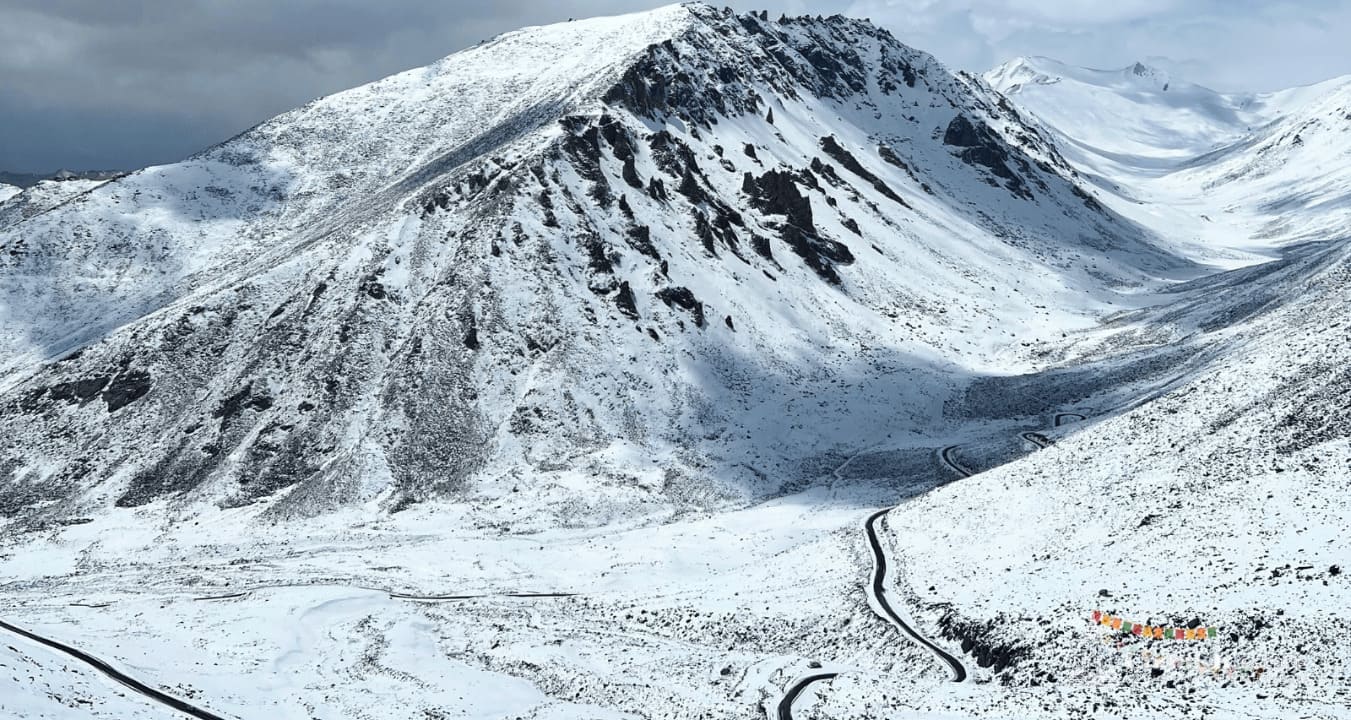
So, What Exactly is Fotu La?
Fotu La is a high-altitude mountain pass in the Ladakh range, sitting at 13,479 feet (4,108 meters). It lies on the Srinagar-Leh highway (NH 1), approximately 160 kilometers from Kargil and 170 kilometers from Leh. It is the highest point on this entire highway higher than Zoji La, higher than Namika La, higher than anywhere else on the road between Srinagar and Leh.
The name "Fotu La" is believed to come from the local word for "wind" and once you visit, you'll understand why. The pass is famous for its strong, relentless winds that can make standing difficult and crossing memorable. There's a small temple at the top, prayer flags everywhere, and a signboard proudly declaring the altitude.
Unlike Khardung La or Umling La, Fotu La is not a detour or a destination in itself. It's on the main highway that every traveler takes between Srinagar and Leh. Thousands cross it every year, often without even realizing its significance. But if you stop really stop you'll see that Fotu La is more than just a point on a map. It's where the green mountains of Kashmir give way to the barren, beautiful desert of Ladakh.
Why Fotu La is Special (Even Though It's Not the Highest)
Look, Fotu La isn't going to win any "highest pass" awards. It's not as high as Khardung La, Chang La, or Umling La. But here's why it's still worth your attention:
- The wind. Locals call it the "Windy Pass" for a reason. The wind at Fotu La is legendary strong, constant, and unforgettable. You'll step out of your vehicle and immediately understand.
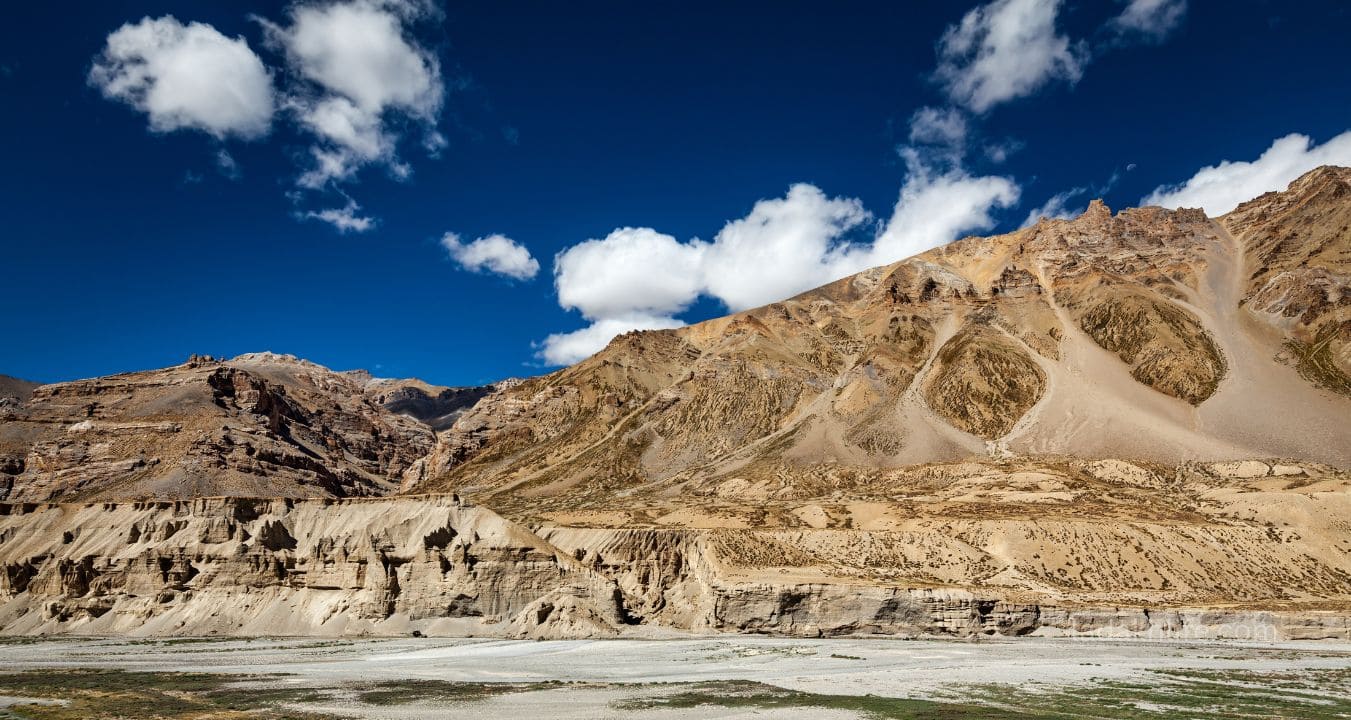
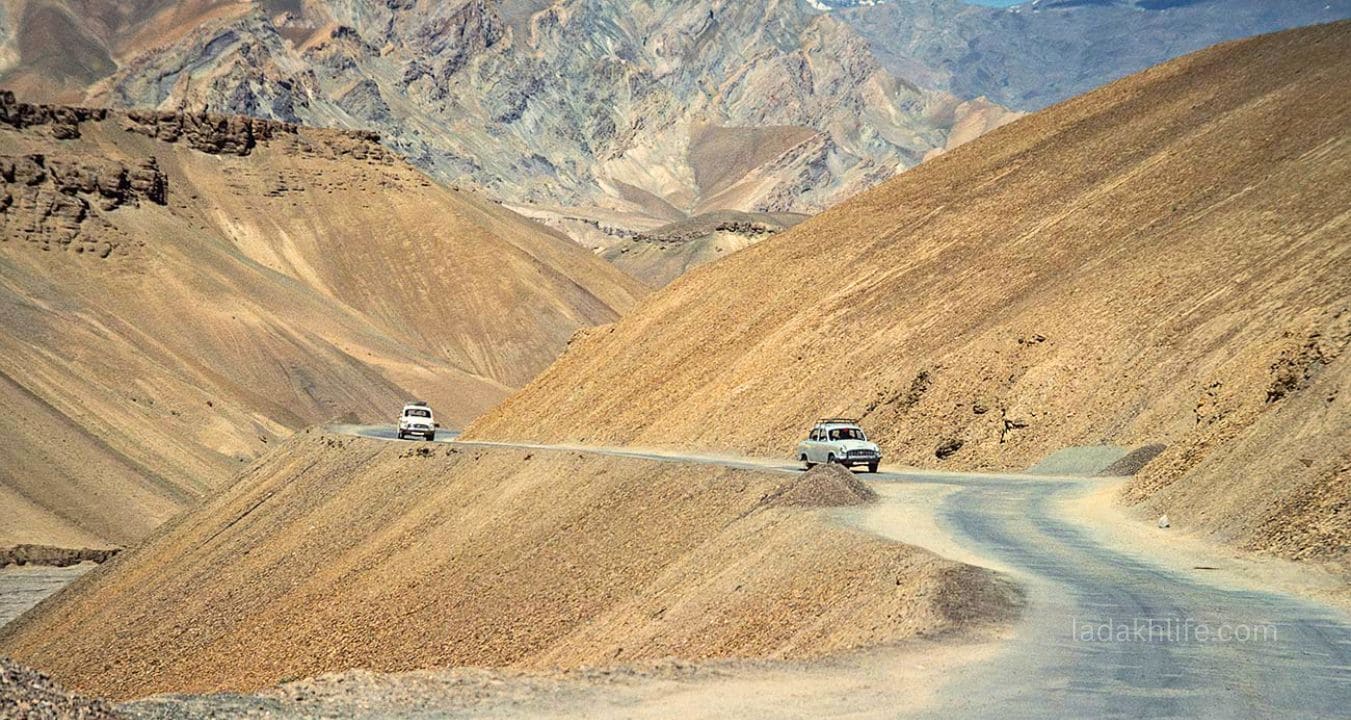
- The transition. Fotu La marks the point where the landscape changes dramatically. West of the pass, you still see patches of green. East of the pass, it's pure Ladakh barren, brown, breathtaking.
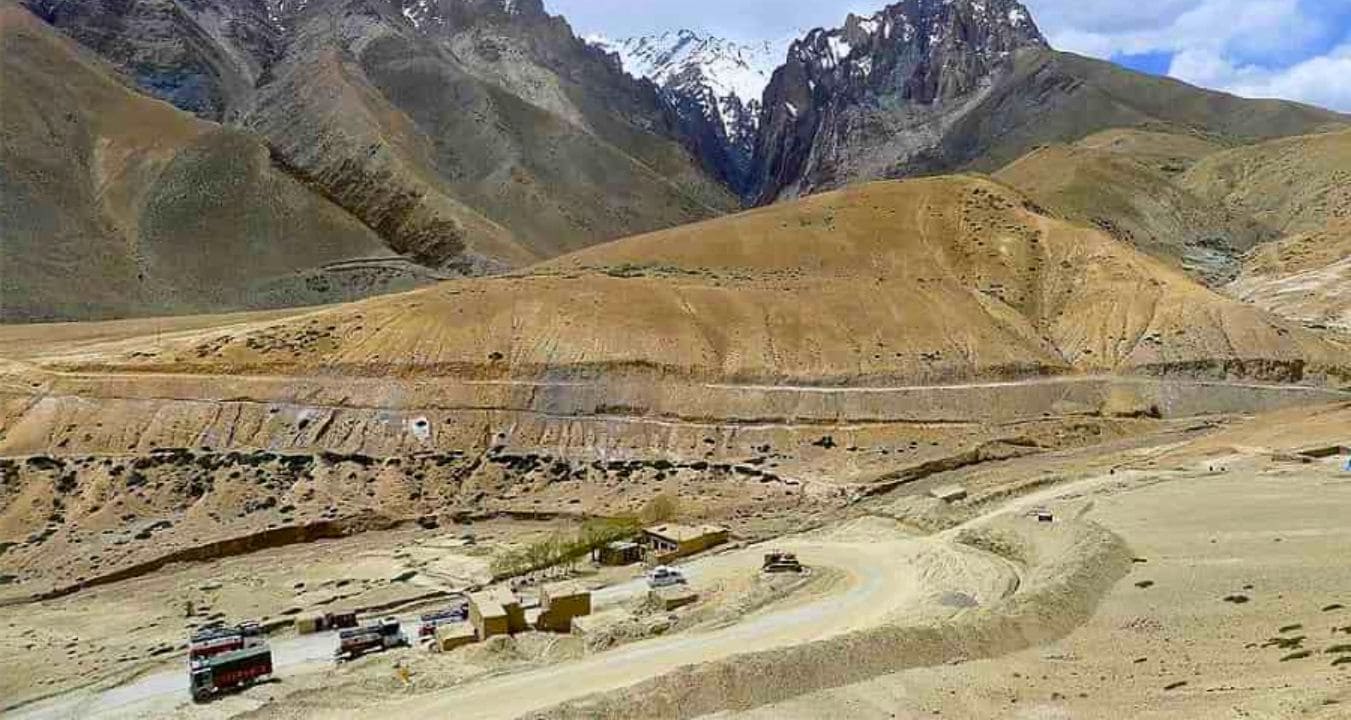
- The views. On a clear day, the views from Fotu La are stunning. You can see the Zanskar Range to the south, the Ladakh Range to the north, and valleys stretching in every direction.
- The temple. There's a small Buddhist temple at the top, maintained by locals. It's a quiet place, a moment of peace before the long descent toward Leh.
- It's accessible. Unlike Umling La, you don't need a 4x4 or special permits. Fotu La is on the main highway. Everyone can experience this pass.
The Fotu La Experience (The Honest Version)
Let me walk you through what actually happens when you cross Fotu La. No filters. No fancy language.
- Approaching from Kargil (west): You've been driving for hours. The landscape is already getting drier, more barren. You cross small passes without even noticing. The road climbs.
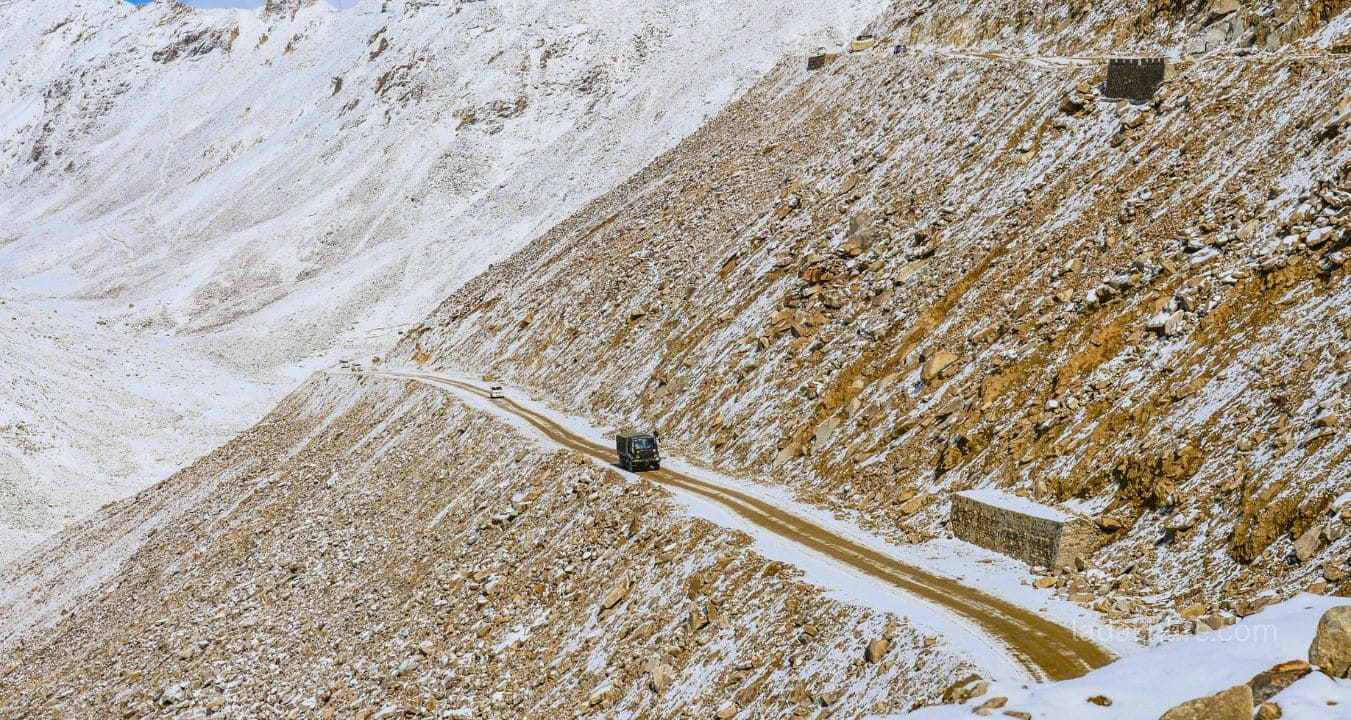
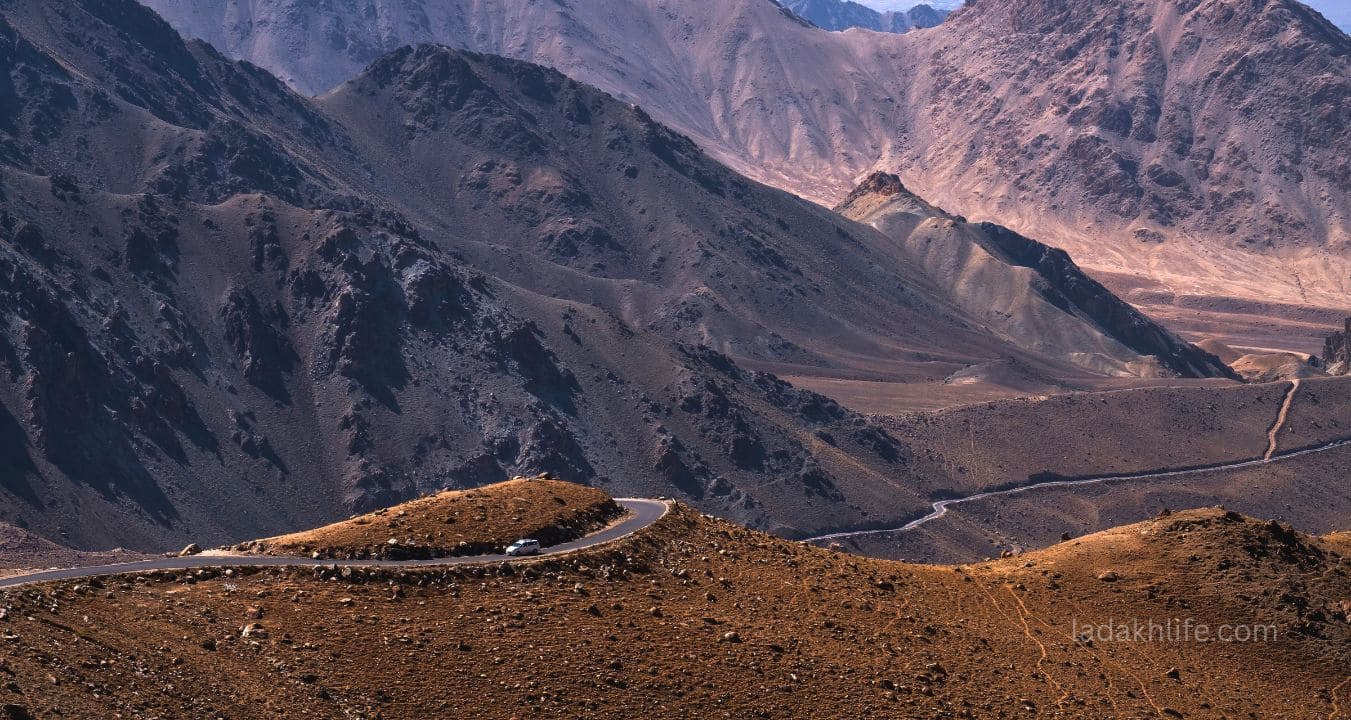
- The climb: The road to Fotu La is well-paved but steep. Your vehicle works harder. The air gets cooler. You see prayer flags in the distance.
- Reaching the top: You see the signboard. You park (carefully the wind can make opening doors tricky). You step out, and the wind hits you. Hard. You lean into it, laughing or cursing (or both).
- At the top: You walk to the signboard, take your photos, and spin the prayer wheels. You visit the small temple. You stand at the edge and look out at the mountains range after range, brown and grey, stretching to the horizon.
- The descent toward Leh: You drive down, and suddenly the landscape becomes even more barren. The green patches are gone. The mountains are sharp and raw. You're in Ladakh now. For real.
That's Fotu La. Not the highest. Not the most famous. But a beautiful, windswept moment on the road to Leh.
The Crown Jewels of Fotu La (Don't Miss These)
1. The Signboard Highest Point on Srinagar-Leh Highway
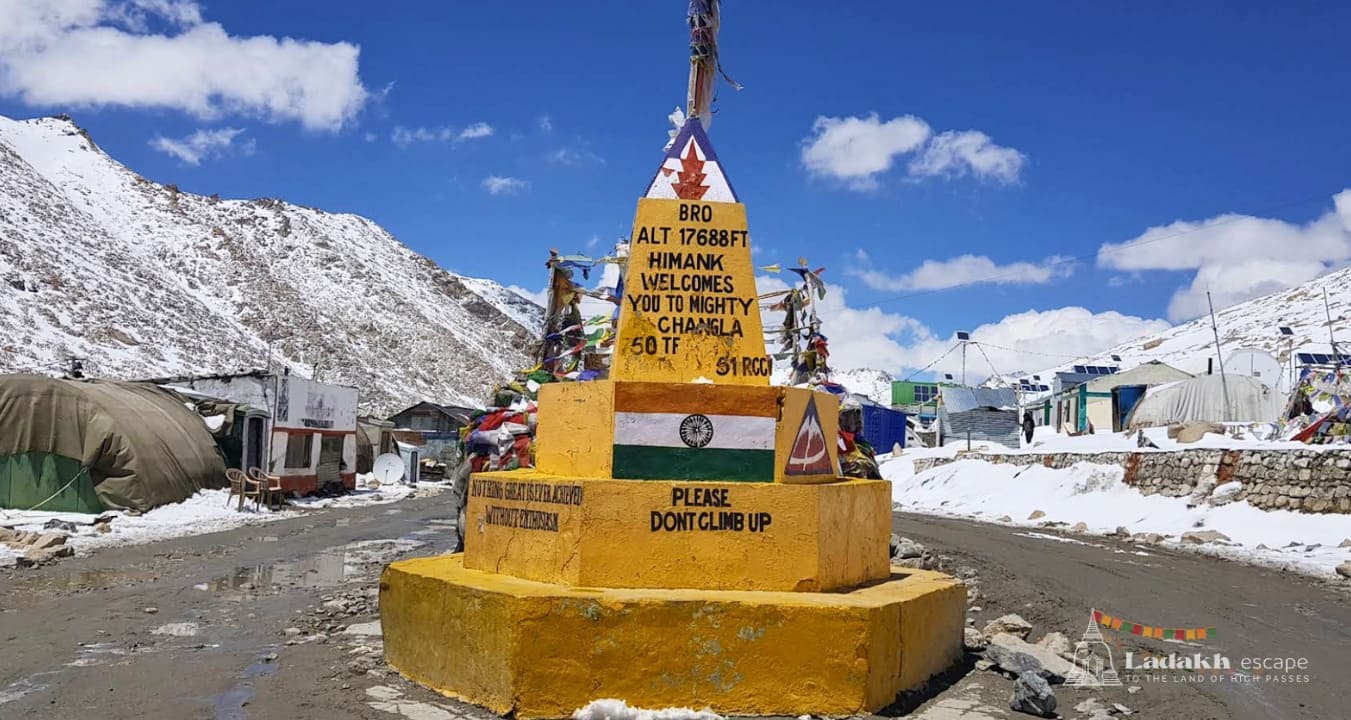
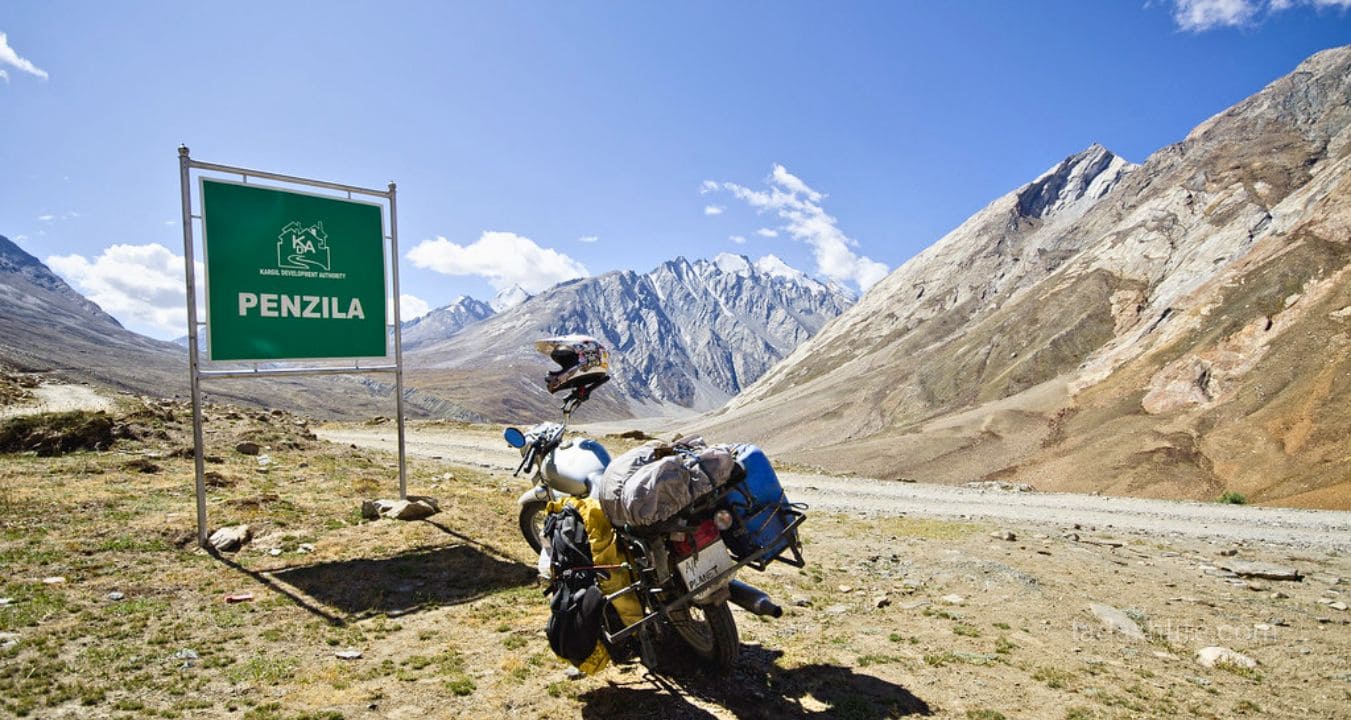
At the top of Fotu La, there's a signboard announcing the altitude 13,479 feet. It's not as flashy as the Khardung La sign, but it's honest. Take the photo. You've crossed the highest point on one of the most famous highways in the world.
2. The Wind Legendary & Unforgettable
Fotu La is famous for its wind. It's not a gentle breeze it's a constant, howling wind that can knock you off balance. Locals say the wind never stops here. Stand facing into it. Let it hit your face. It's a feeling you won't forget.
3. The Small Temple
There's a tiny Buddhist temple at the top of Fotu La. It's simple a single room with a statue of Buddha, some thangkas, and the smell of butter lamps. A local caretaker might be there. Say hello. Spin the prayer wheels. Take a moment of quiet before the wind pulls you back outside.
4. Prayer Flags Everywhere
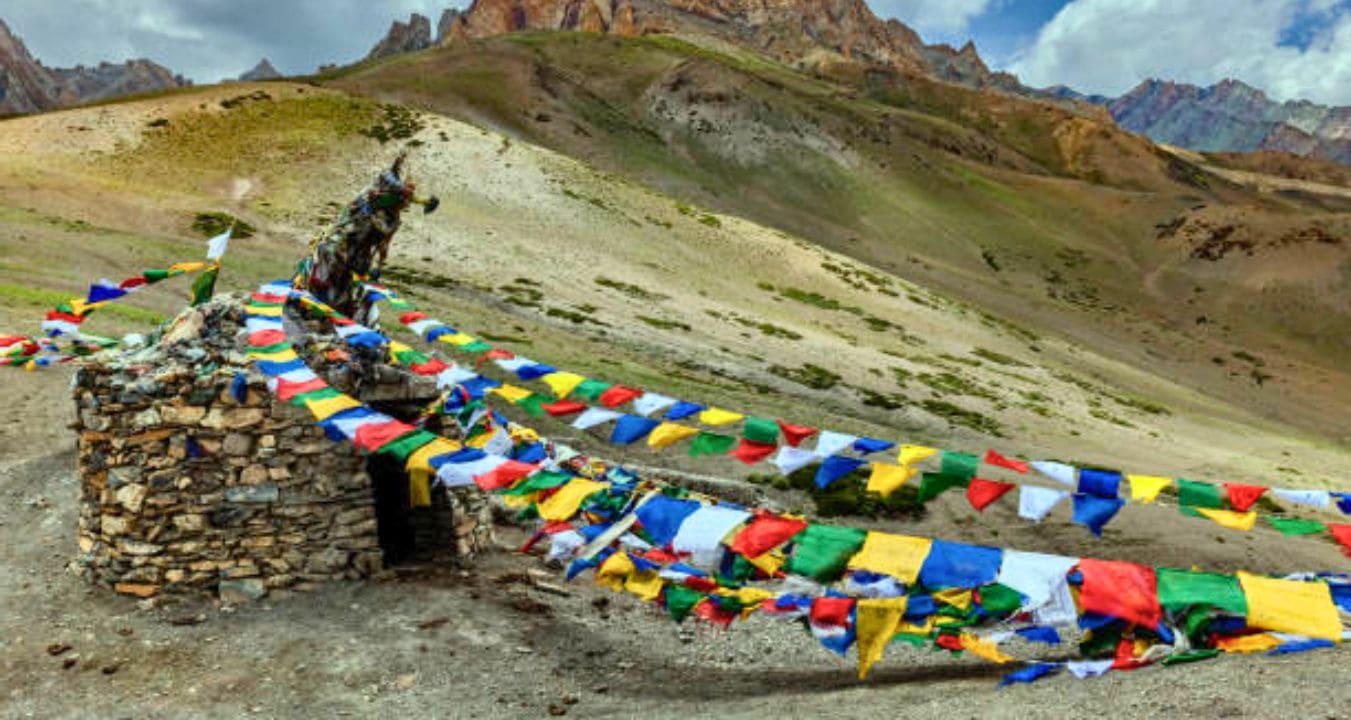
The top of Fotu La is covered in prayer flags hundreds of them, whipping violently in the wind. The sound is constant, almost musical. Buddhists believe the wind carries the prayers on the flags to the heavens. At Fotu La, with the wind never stopping, those prayers must travel far.
5. Views of the Zanskar & Ladakh Ranges
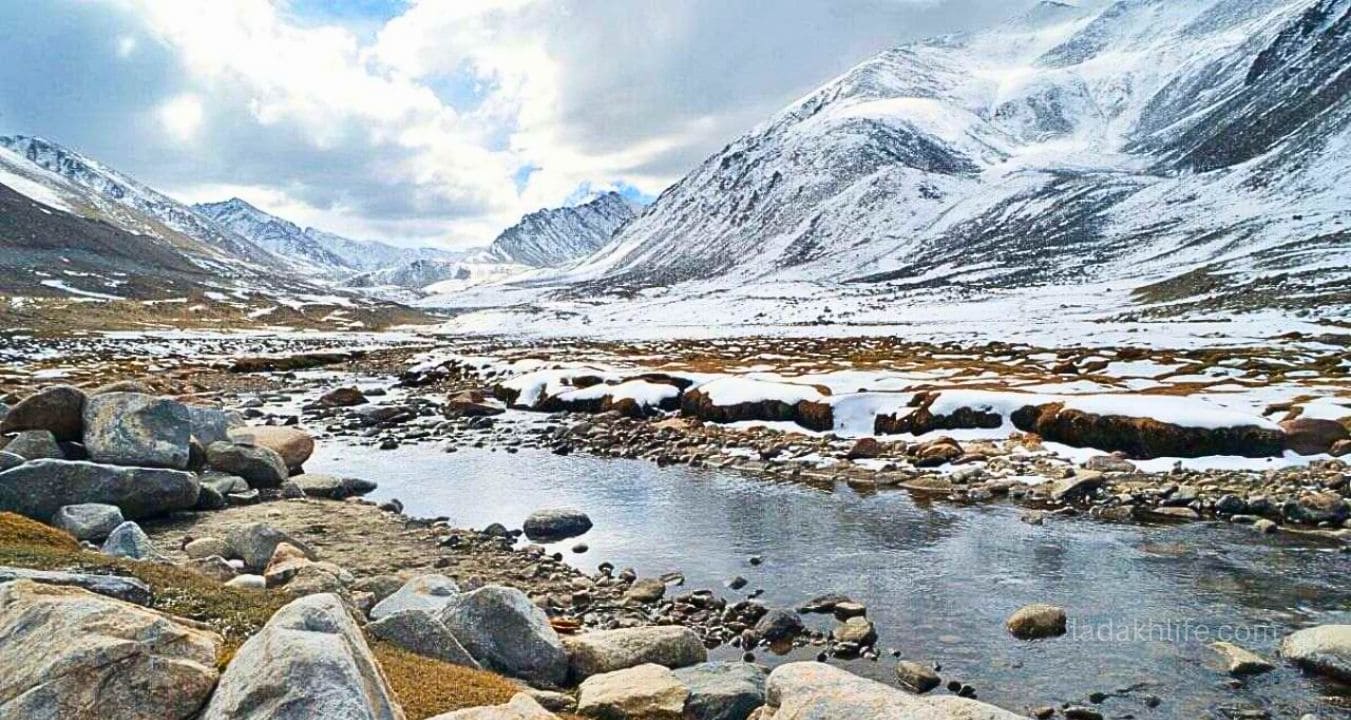
On a clear day, the views from Fotu La are spectacular. To the south, the Zanskar Range rises sharp and snow-capped. To the north, the Ladakh Range stretches toward Leh. The valleys below are barren and beautiful. Just stand there. Take it in.
6. The Transition Kashmir to Ladakh
This isn't a "sight" in the traditional sense, but it's the most special thing about Fotu La. West of the pass, the landscape still has hints of green. East of the pass, it's pure Ladakh brown, barren, moon-like. Stop at the top. Look west. Look east. You're standing between two worlds.
Best Time to Visit Fotu La
Unlike higher passes like Khardung La or Umling La, Fotu La has a longer season because it's lower.
May to October is the main season. June to September are the most reliable months the road is clear, the weather is relatively stable, and the pass is open. Daytime temperatures at the top are around 5°C to 15°C, but the wind makes it feel much colder.
May and October: Shoulder months. May can have snow near the pass, but it's usually passable. October is beautiful clear skies, crisp air, fewer vehicles but colder (near freezing at the top).
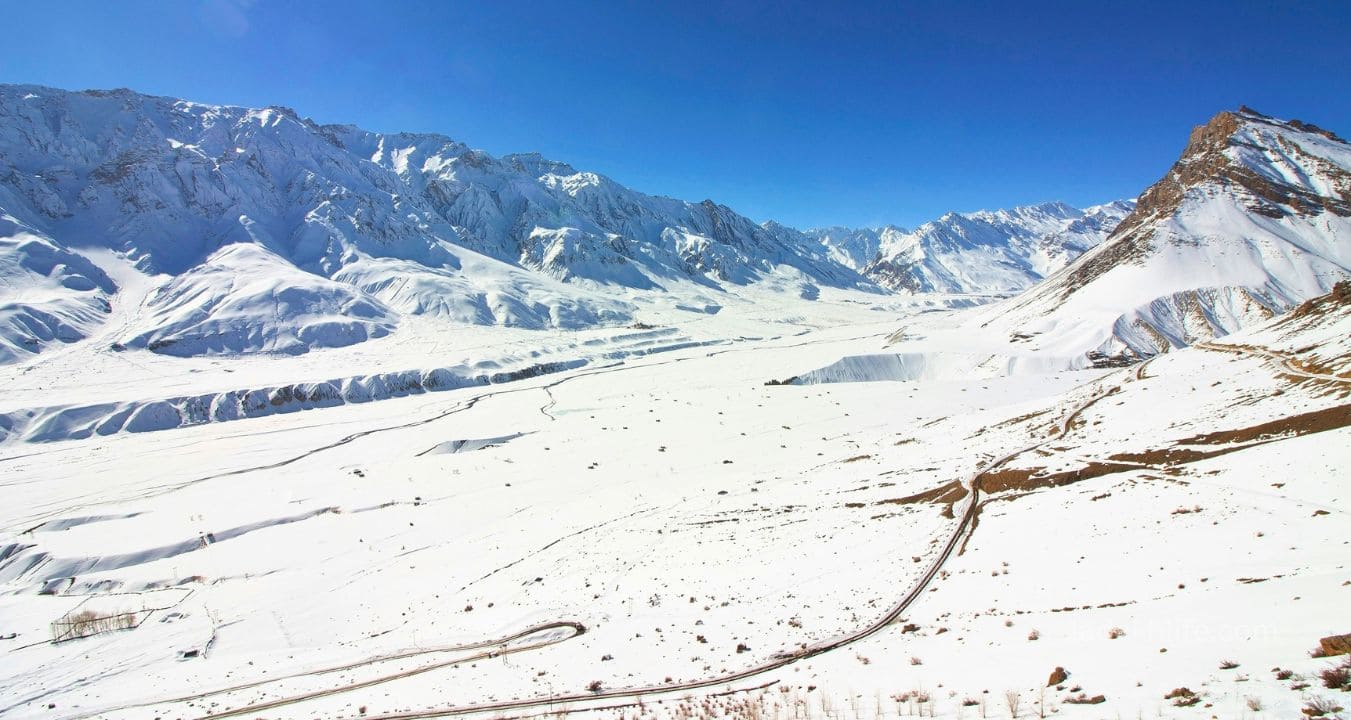
November to April: The highway is often closed due to snow at Zoji La and Fotu La. Even if the pass is open, temperatures drop to -15°C to -25°C. Not recommended unless you're an experienced winter driver.
Pro tip: Fotu La is most beautiful in September. The skies are crystal clear, the autumn light is golden, and the crowds are gone. The wind, of course, is still there.
Where to Stay Near Fotu La
You cannot stay at Fotu La. There are no hotels or homestays at the pass. The nearest accommodations are in Kargil (west) or Leh (east).
In Kargil (160 km west): Several hotels and guesthouses. The best options are Hotel Barula, Kargil Continental, and Zojila Residency. Book in advance during peak season.
In Leh (170 km east): Every budget. From hostels and homestays to luxury hotels. Book in advance during peak season (June-August).
In Lamayuru (about 40 km east of Fotu La): Basic homestays and guesthouses near the famous Lamayuru Monastery. A good option if you want to break the journey closer to the pass.
No camping at the top. The wind makes camping nearly impossible, and it's not recommended.
How to Get to Fotu La
Fotu La is on the main Srinagar-Leh highway (NH 1), which makes it the most accessible high-altitude pass in Ladakh.
Route: Srinagar → Sonamarg → Zoji La → Dras → Kargil → Fotu La → Lamayuru → Leh.
From Srinagar (390 km, 2 days): Day 1: Srinagar → Kargil (8-9 hours). Day 2: Kargil → Fotu La → Leh (6-7 hours). The road is good most of the way, with some rough patches near Zoji La.
From Leh (170 km, 4-5 hours): Drive Leh → Lamayuru → Fotu La → Kargil. This is the return route if you're going back toward Srinagar.
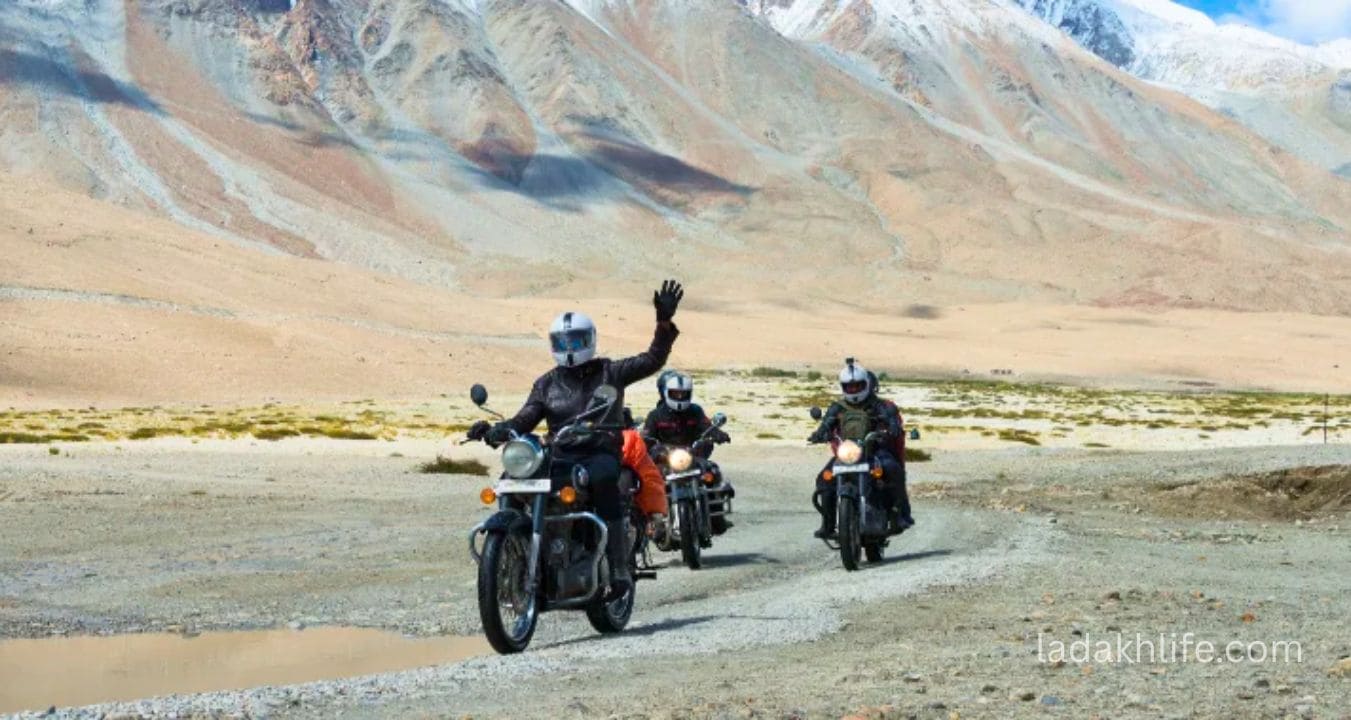
By bike: The classic Ladakh experience. Your bike will handle Fotu La fine it's lower than other passes. But the wind can be challenging. Hold on tight, especially near the top.
By car: Any car can cross Fotu La. The road is paved and well-maintained. No 4x4 needed.
By bus: Buses run daily between Leh and Kargil, and between Kargil and Srinagar. They cross Fotu La. Cheap but slow.
By taxi: Shared taxis (sumos) run between Leh and Kargil, and between Kargil and Srinagar. Ask at the taxi stands in Leh or Kargil.
Altitude, Fitness, and Acclimatization
At 13,479 feet, Fotu La is lower than Leh (11,500 ft is similar to Leh). But if you're coming from Srinagar (low altitude), you'll feel the climb.
- If coming from Srinagar, take it easy. You're climbing from near sea level to 13,000+ feet in two days. Some people feel it.
- Drink plenty of water. 3-4 liters a day. Dehydration makes altitude symptoms worse.
- If you feel a headache or nausea, rest. These are common on the Srinagar-Leh route. Don't push yourself.
- No special fitness required. Fotu La is a drive-through pass. Walking around the top is easy.
- The wind is the bigger challenge. Dress warmly. Hold onto your hat. Brace yourself when opening car doors.
What to Pack for Fotu La
Fotu La is colder than Kargil or Leh, and the wind makes it feel even colder. Here's what you need:
- Warm layers: Fleece sweater, down jacket or heavy woolen sweater, windproof outer layer. The windproof layer is essential the wind cuts through regular jackets.
- Gloves: Thick gloves. Your fingers will go numb in the wind without them.
- Headwear: Woolen beanie that covers your ears. The wind will freeze exposed skin quickly.
- Scarf or buff: For your face. The wind and cold air can be brutal.
- Shoes: Sturdy shoes or boots. It can be slippery.
- Sunglasses: The glare off the barren landscape can be intense.
- Sunscreen & lip balm: The UV at 13,000 feet is strong.
- Water & snacks: There's no cafe at Fotu La. Carry your own.
Essential Tips for Visiting Fotu La
- No permits needed for Fotu La. Unlike passes near the border, Fotu La is on the main highway and doesn't require an Inner Line Permit.
- Be careful with the wind. It's not a joke. Hold onto your hat, your phone, and your car door. The wind has been known to rip things out of hands.
- Stop at the top. Most people drive right through. Don't. Stop for 15 minutes. Walk around. Visit the temple. Feel the wind. Take the photo.
- Fill your fuel tank in Kargil or Leh. There's no petrol station at Fotu La. The nearest is in Kargil (west) or Leh (east).
- Respect the temple. Remove your shoes before entering. Don't take photos inside without asking.
- Don't litter. Carry your waste back to Kargil or Leh. There's no garbage collection at the pass.
- Check road conditions in winter. If you're traveling in May or October, ask locally. Snow can close the pass temporarily.
Fotu La vs Other High Passes in Ladakh
- Fotu La vs Khardung La (18,380 ft): Khardung La is higher, more famous, and requires permits. Fotu La is lower, accessible to everyone, and on the main highway. Both are worth crossing.
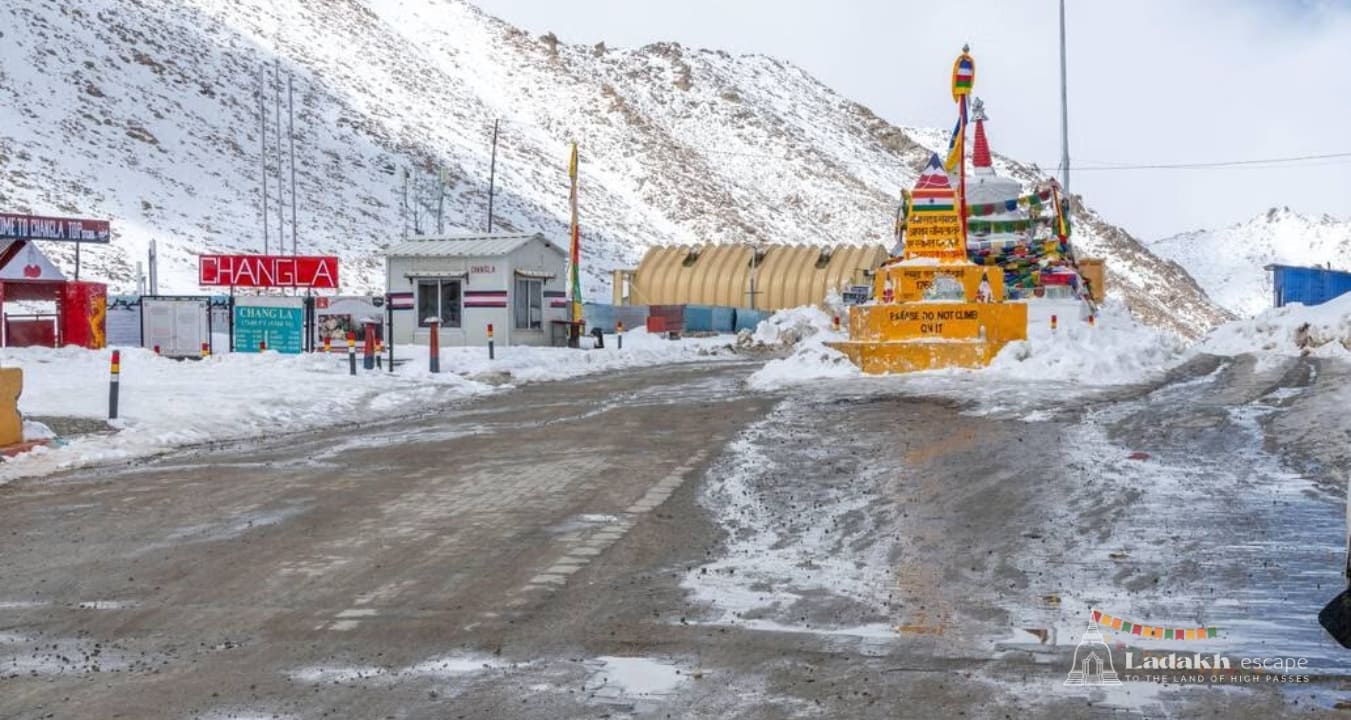
- Fotu La vs Chang La (17,590 ft): Chang La is on the way to Pangong Tso. It's higher and has a temple. Fotu La has a temple too and legendary wind.
- Fotu La vs Umling La (19,300 ft): Umling La is the highest, but it's remote and requires special planning. Fotu La is for everyone every traveler on the Srinagar-Leh highway crosses it.
- Fotu La vs Namika La (12,139 ft): Namika La is another pass on the same highway, about 30 km west of Fotu La. It's lower and less dramatic. Fotu La is the highest point on the route.
Why Fotu La Deserves More Love
Let me be honest. Fotu La is not going to win any awards. It's not the highest. It's not the most famous. It doesn't have an army cafe or a giant signboard with a disputed claim. Most people drive right through without stopping.
But here's the thing. Fotu La is where the journey between two worlds happens. West of the pass, you're still in the shadow of Kashmir green, lush, familiar. East of the pass, you're in Ladakh barren, stark, otherworldly. And right at the top, with the wind howling and the prayer flags flying, you can feel that transition.
So when you're driving from Kargil to Leh, slow down at Fotu La. Stop. Get out. Feel the wind. Spin the prayer wheels. Visit the tiny temple. Look west, then look east. And know that you're standing at the gateway to Ladakh a place that will change you, if you let it.
Fotu La is not the highest. It's not the most famous. But it's the pass where Ladakh begins. The wind will remind you. The prayer flags will welcome you. And when you descend toward Leh, you'll know you're not just crossing a pass. You're crossing into another world.