So, What Exactly is Marsimik La?
Marsimik La is a high mountain pass in the Changthang region of southeastern Ladakh, sitting at approximately 18,600 feet (5,670 meters). It is one of the highest motorable passes in the world higher than the famous Khardung La (18,380 ft) and second only to Umling La (19,300 ft) in Ladakh.
The pass lies on a remote road that connects the Pangong Tso lake region to the Changthang plateau. The road branches off from the Pangong circuit near the village of Merak or Man, climbing south into the mountains before descending toward the Indus Valley near Nyoma or Chumathang.
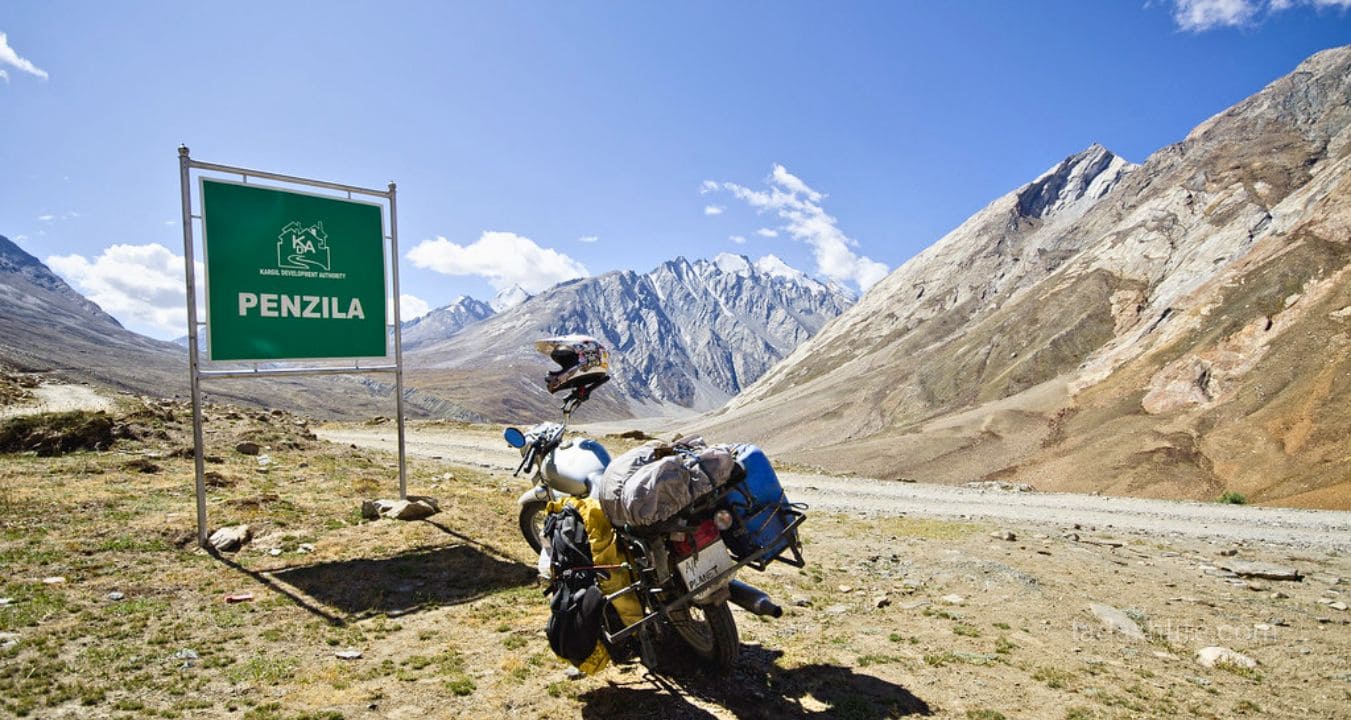
Unlike Khardung La or Chang La, Marsimik La is not on any "standard" tourist route. It's not on the way to a famous lake or monastery. You don't cross it accidentally. You make a dedicated journey to get here. The road is unpaved, rough, and poorly marked. There are no facilities no cafes, no shops, no signboards. Just the pass, the prayer flags, and the mountains. And that's exactly why it's special.
Why Marsimik La is Ladakh's Hidden Giant
Marsimik La is not famous. It's not on every bucket list. But for those who cross it, it's unforgettable. Here's why:
- One of the highest motorable passes in the world. At 18,600 feet, Marsimik La is higher than Khardung La. That alone makes it special.
- True remoteness. You'll likely be the only vehicle on this road. The silence is profound. The sense of isolation is humbling.
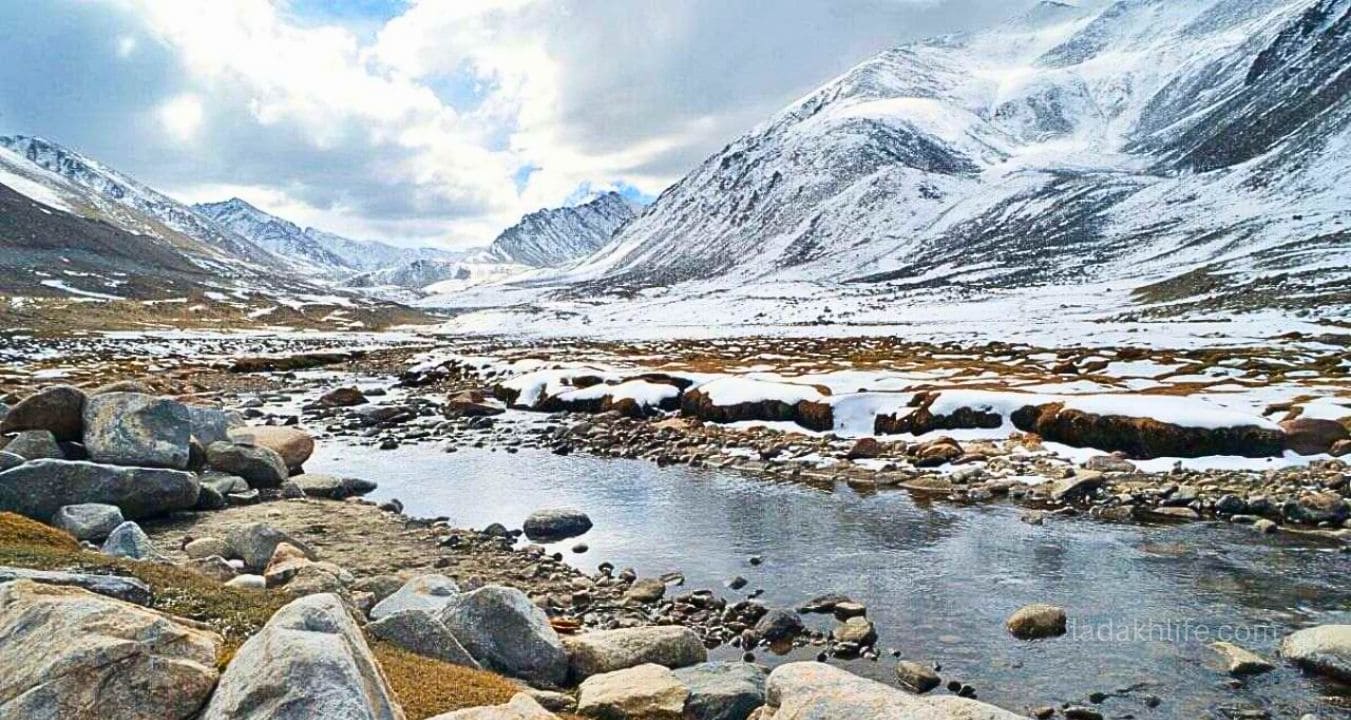
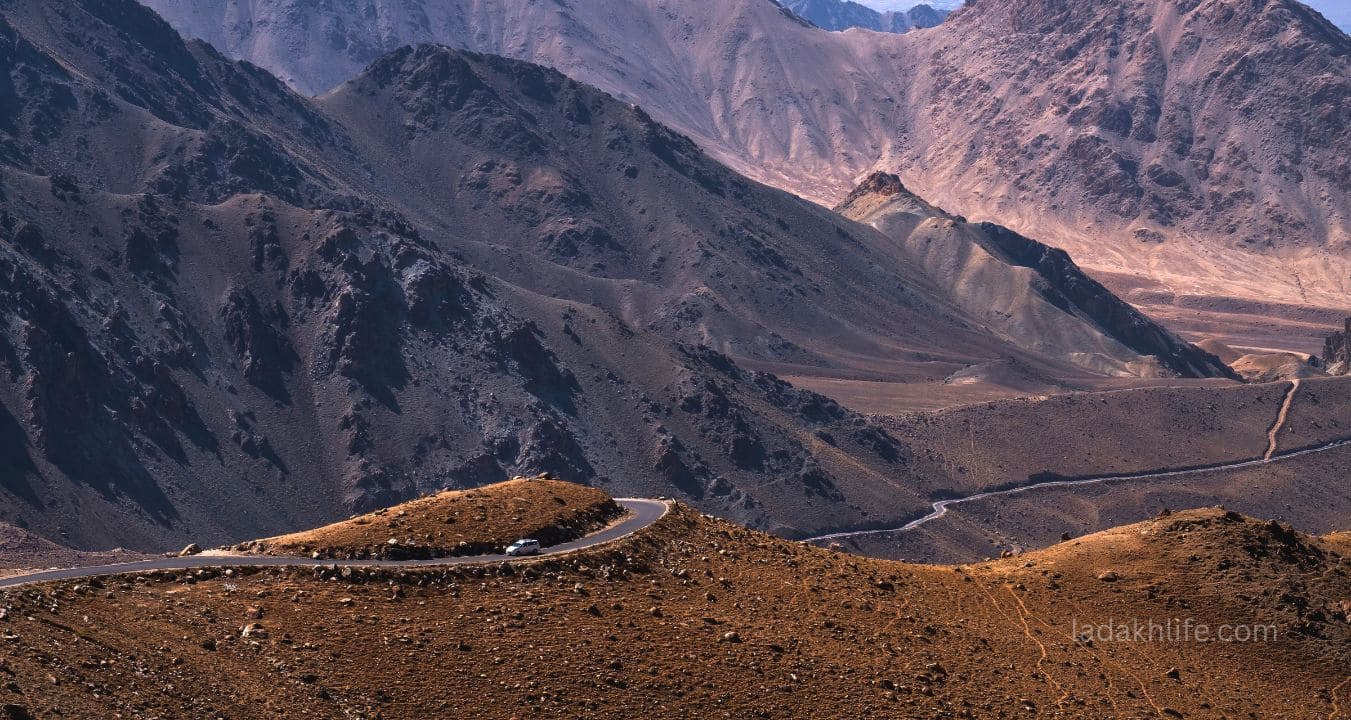
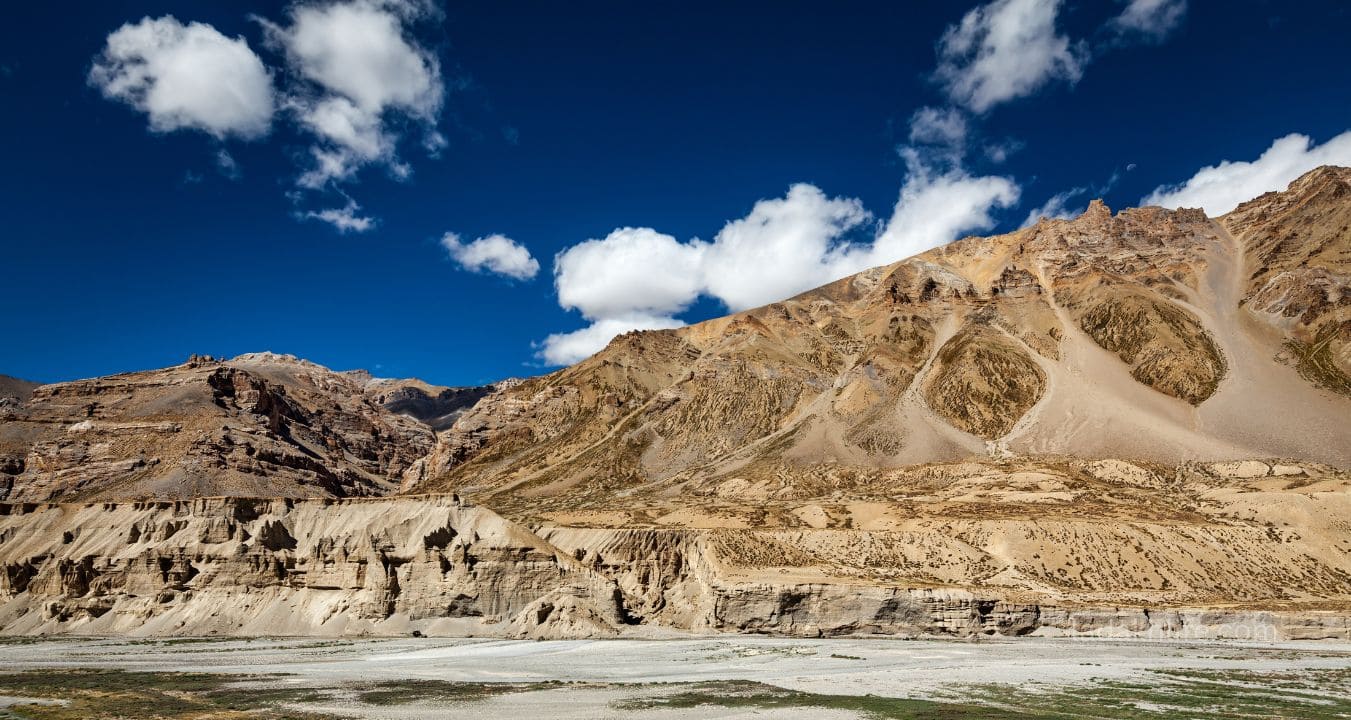
- Stunning Changthang landscape. The region around Marsimik La is classic Changthang vast, rolling high-altitude plains, distant snow peaks, and a sky so big it feels like you can see the curve of the earth.
- Wildlife sightings. The Changthang region is home to kiangs (Tibetan wild asses), Tibetan wolves, Himalayan marmots, and even the elusive snow leopard. Keep your eyes open.
- Connection to Pangong Tso. Marsimik La is located near the southern shores of Pangong Tso. You can combine a visit to the famous lake with this remote pass.
- A true adventure. Crossing Marsimik La is not a casual drive. It's an expedition. The road is rough, the altitude is extreme, and the navigation is challenging. The sense of achievement at the top is real.
The Marsimik La Experience (The Brutally Honest Version)
Let me walk you through what actually happens when you cross Marsimik La. No filters. No fancy language. Just the truth from the road.
- Starting from Pangong Tso or Leh: You've been driving for hours. If you're coming from Pangong, you've already crossed Chang La. If you're coming from Leh, you've driven through Upshi and toward Nyoma. Either way, you're already tired. The altitude is already affecting you.
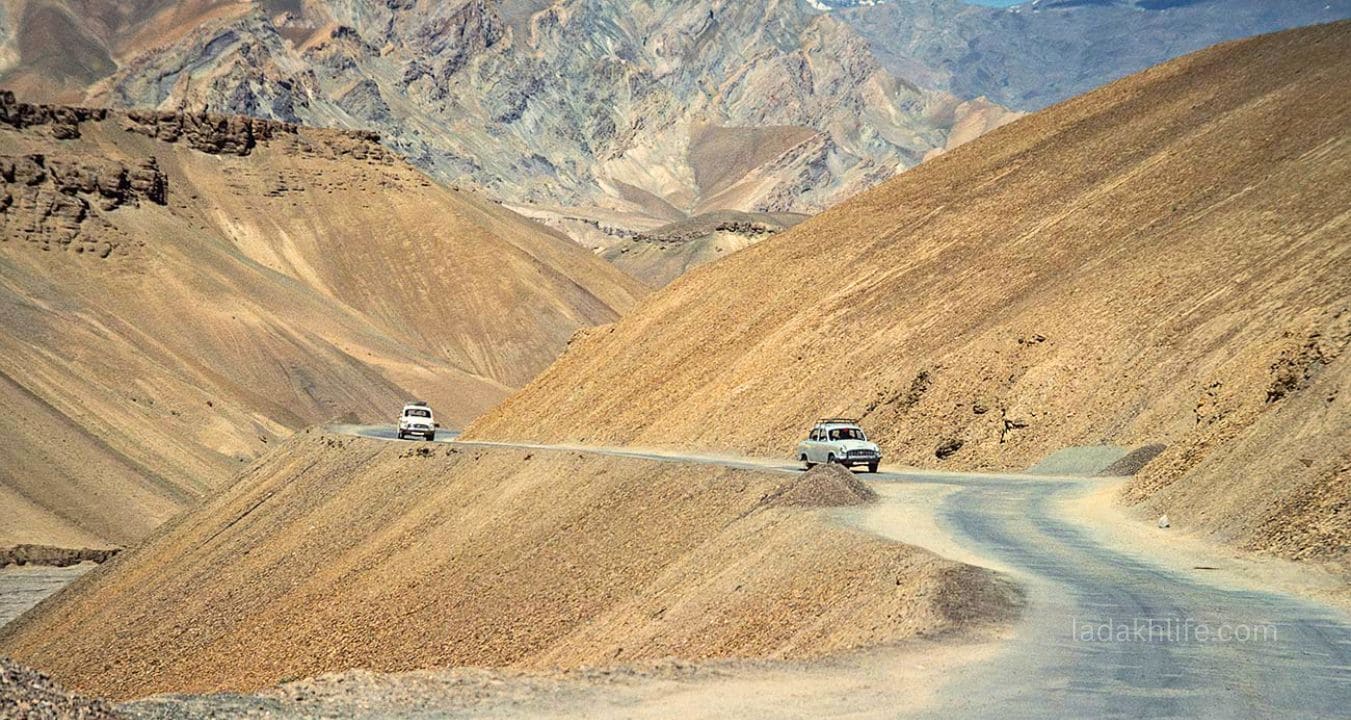
- The turn onto the Marsimik La road: Somewhere near Merak, Man, or Nyoma, you take a turn off the main road. The pavement ends. You're on a gravel track now, climbing into the mountains. The road is rough rocks, ruts, loose gravel.
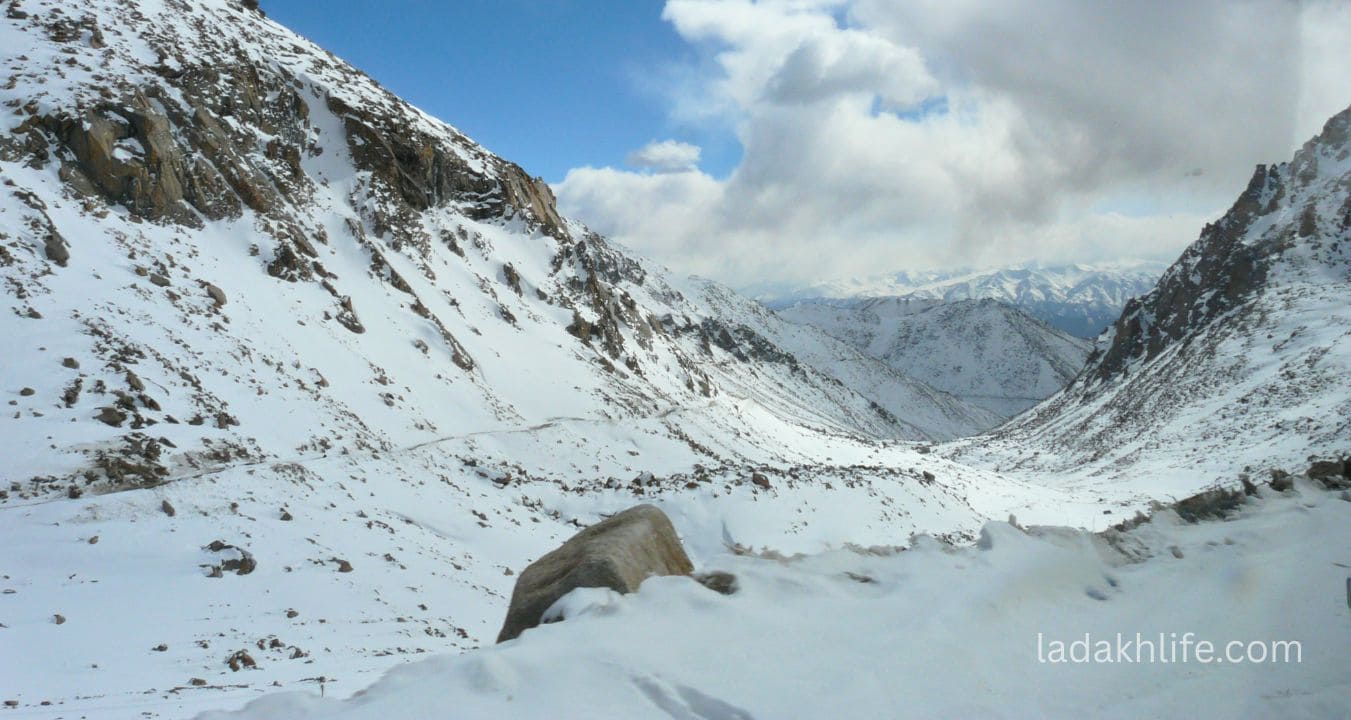
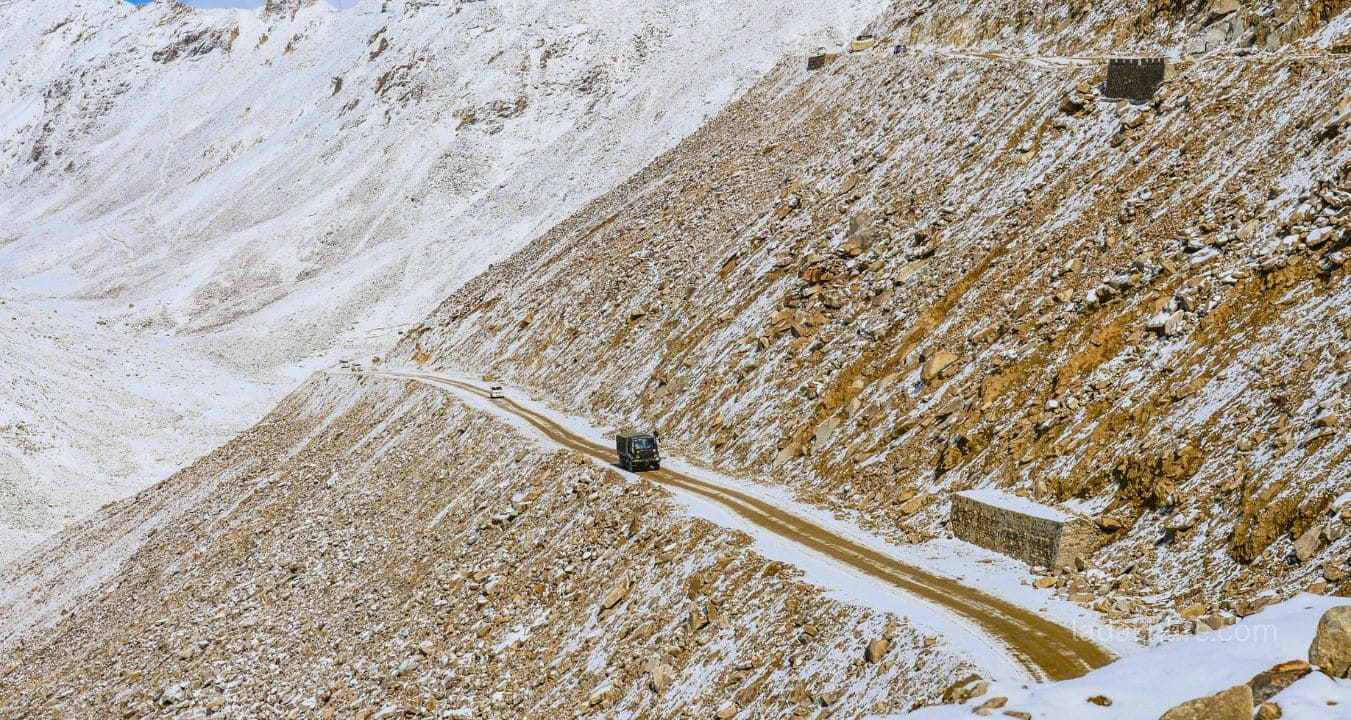
- The climb: The road climbs steadily. Then steeply. The air gets thinner. Your head starts pounding. Your vehicle struggles. You climb past 17,000 feet. 18,000 feet. Every breath is work. Every turn feels like it will never end.
- The last few kilometers: This is where it gets real. The road is barely visible in places just tire tracks across rocky ground. You wonder if you're going the right way. You check your GPS. You keep climbing. 18,200. 18,400. 18,600.
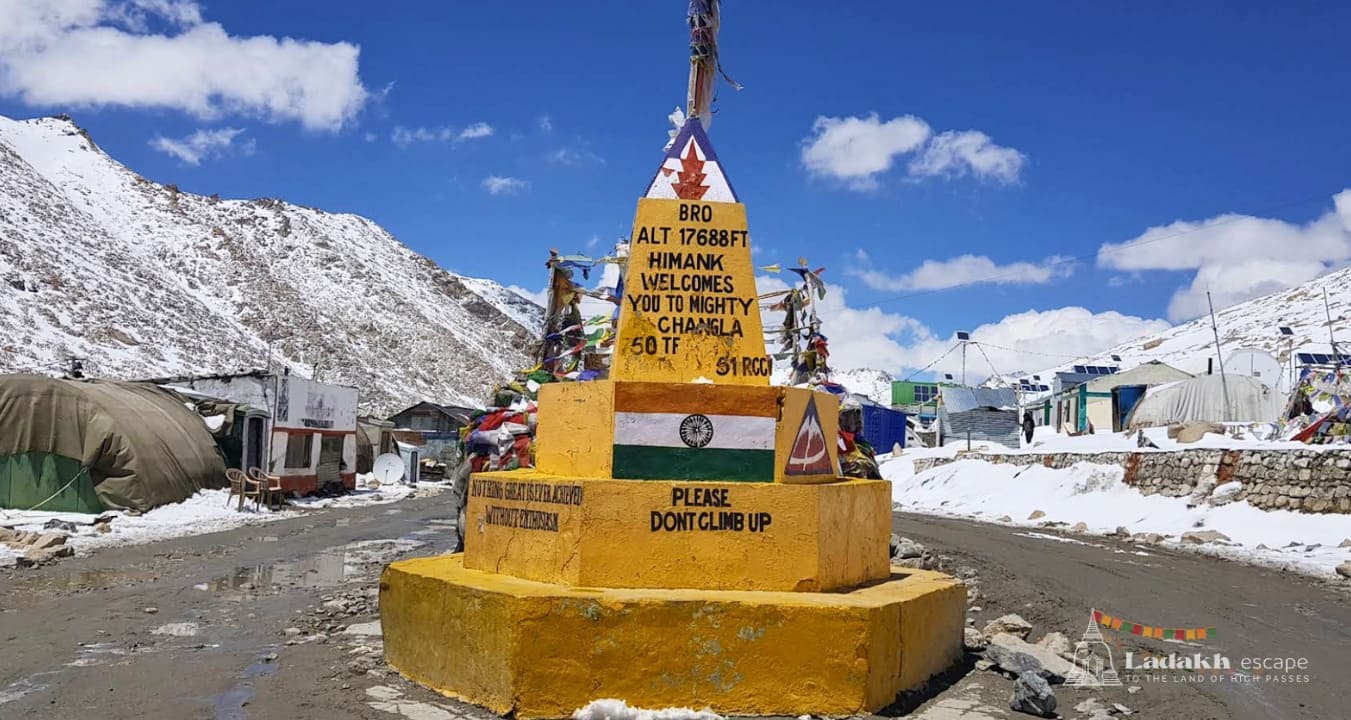
- Reaching the top: You see a small cairn of stones. A few prayer flags, faded by the wind and sun. No signboard. No cafe. No one else. You park, step out, and the wind hits you cold, constant, unrelenting. Your legs are weak. Your head is pounding. You take three steps and have to stop to catch your breath.
- At the top: You walk to the cairn, add a stone if you want. You look out at the Changthang plateau vast, empty, beautiful. The Pangong Tso lake glimmers in the distance. The Tibetan border is somewhere to the east. You feel very small. And very alive.
- The descent: You drive down the other side, toward Nyoma or Chumathang. The air gets thicker with every meter of descent. Your headache fades. You pull over, look back at the pass, and think, "I was just at 18,600 feet. I did that."
That's Marsimik La. Not comfortable. Not easy. But one of the most incredible experiences you can have in Ladakh.
The Crown Jewels of Marsimik La (Don't Miss These)
1. The Cairn at the Summit A Traveler's Tradition
At the top of Marsimik La, there's a small cairn a pile of stones built by travelers over the years. It's a tradition: add a stone to the cairn when you cross. A small way of saying, "I was here." Take a moment. Add your stone. Feel connected to the few who have crossed before you.
2. Prayer Flags Tattered but Resilient
There are usually a few prayer flags at the top of Marsimik La tattered, faded, but still fluttering in the wind. The wind at this altitude never stops. The flags have been here for years, surviving storms and snow and sun. They're a reminder that even in the harshest places, there is beauty.
3. Views of Pangong Tso from Above
From the top of Marsimik La, on a clear day, you can see the southern shores of Pangong Tso the famous blue lake that draws thousands of tourists every year. But from up here, you see it from a perspective that almost no one gets. The lake looks small from 18,600 feet a sliver of blue in a vast brown landscape.
4. The Changthang Plateau Vast and Empty
The views from Marsimik La across the Changthang plateau are staggering rolling hills, distant peaks, and a sky so big it feels like you can see the curve of the earth. This is one of the most remote regions in India. Stand here and feel it.
5. Wildlife Encounters Kiangs & More
The area around Marsimik La is prime habitat for kiangs (Tibetan wild asses). You'll likely see them on the plains below the pass herds of them, galloping across the landscape. You might also spot Himalayan marmots, Tibetan wolves (rare), and if you're incredibly lucky, a snow leopard.
6. The Sense of Achievement Pure and Real
This isn't a "sight" in the traditional sense, but it's the most special thing about Marsimik La. Crossing this pass is hard. The altitude is brutal. The road is rough. The navigation is challenging. But when you reach the top when you stand at 18,600 feet with the wind in your face and the mountains all around you you'll feel something real. Pride. Awe. Gratitude. It's worth every gasp.
Best Time to Visit Marsimik La
Marsimik La has a very short season, even by Ladakh standards. The pass is extremely high and vulnerable to snow.
July to September is the only reliable window. August is the best month the snow has melted, the road is as good as it gets (which isn't very good), and the weather is relatively stable. Daytime temperatures at the top are around -5°C to 5°C, with wind chill making it feel much colder.
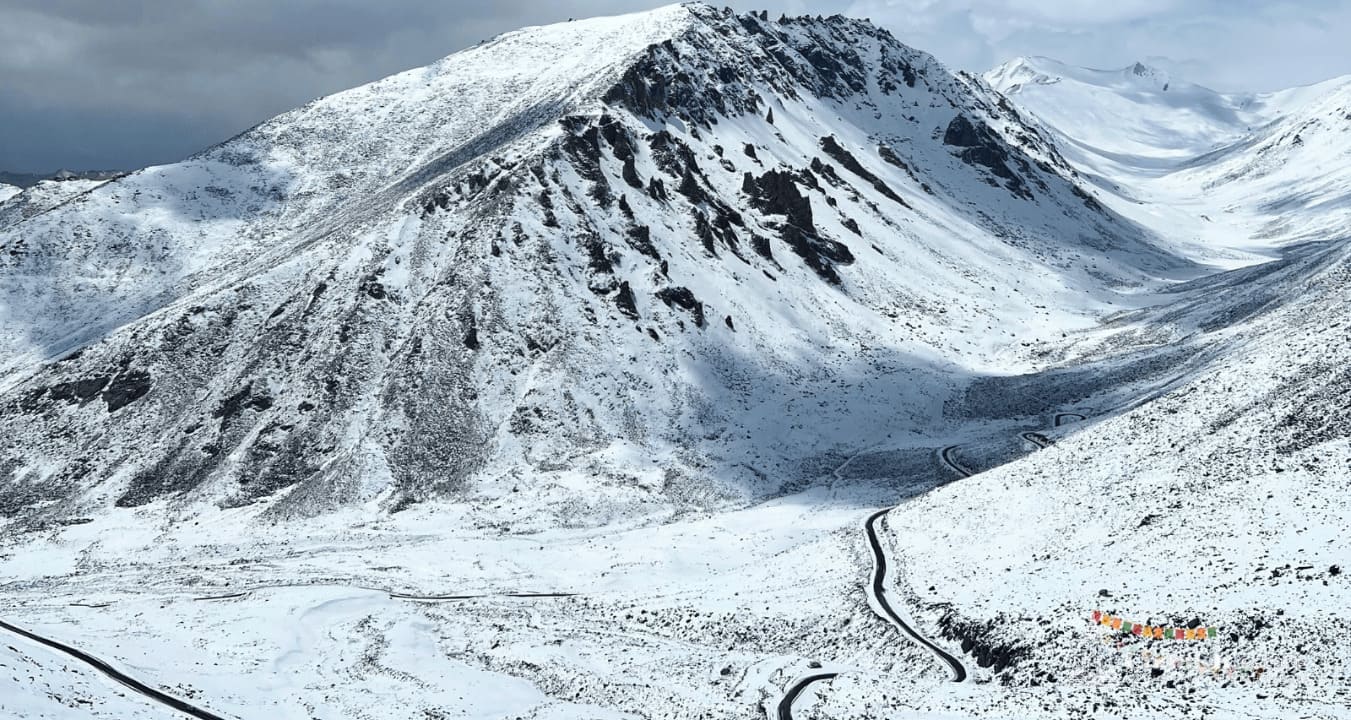
June and October: Possible, but risky. June can have snow closures. October is bitterly cold (-10°C at the top), and the pass can close early. Only attempt if you're experienced and have a 4x4.
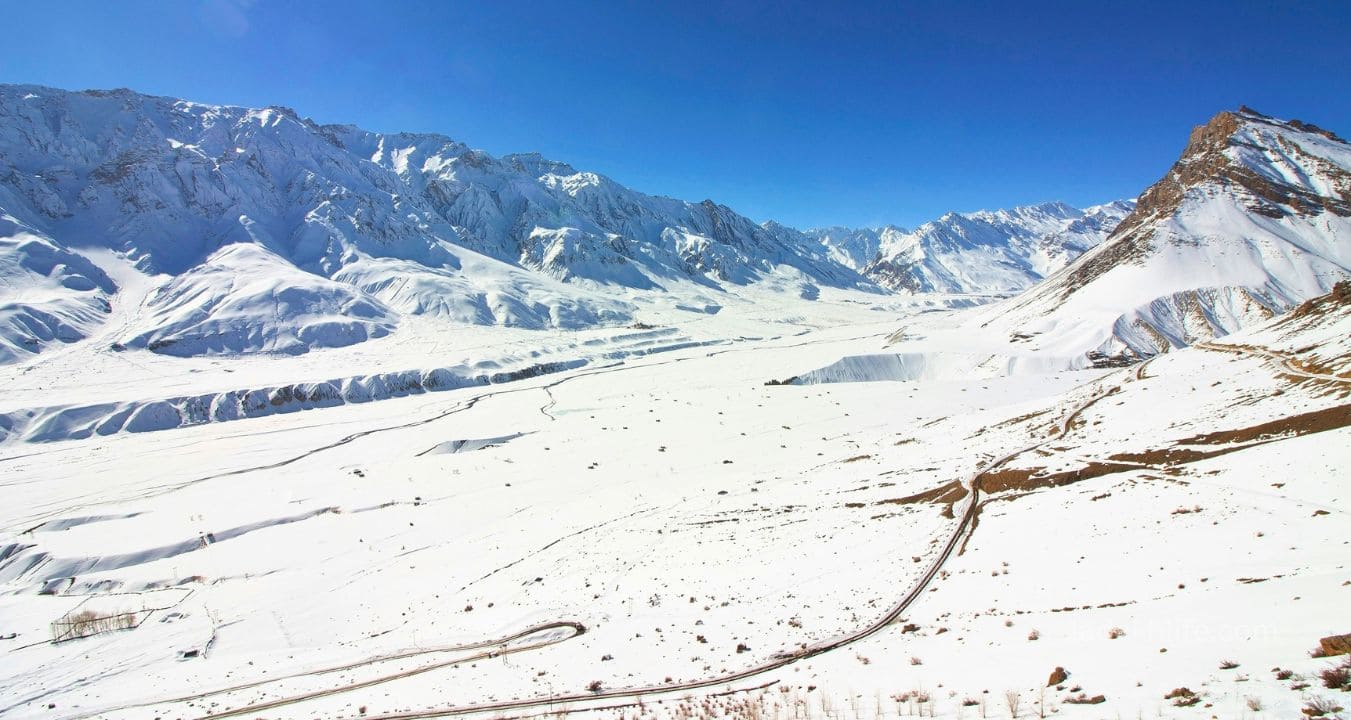
November to May: Forget it. The pass is buried under snow. The road is closed. Do not attempt.
Pro tip: Check road conditions in Leh before attempting Marsimik La. Ask at the taxi stand or at your hotel. The pass can be closed due to snow even in August. Also, start your journey early you don't want to be caught at 18,600 feet in bad weather.
Where to Stay Near Marsimik La
You cannot stay at Marsimik La. There are no hotels, no homestays, nothing at the pass. The nearest accommodations are near Pangong Tso (north) or in Nyoma/Chumathang (south/west).
Near Pangong Tso (north of Marsimik La): Homestays and camps in villages like Spangmik, Man, Merak, and Lukung. These are the standard accommodations for Pangong visitors. Very basic but memorable. Book ahead in peak season.
In Nyoma or Chumathang (south/west of Marsimik La): Basic homestays. Very basic even more than Pangong. Only stay here if you're coming from the Indus Valley side.
In Leh (far west): Every budget. But staying in Leh means a very long day trip to Marsimik La not recommended. Stay near Pangong instead.
No camping at the pass. It's too high, too cold, and not allowed. Camping is possible near Pangong Tso or in the Changthang region (with permission).
How to Get to Marsimik La
Getting to Marsimik La requires planning. This is not a pass you "just cross" on the way to somewhere else. You make a dedicated trip.
Route from Pangong Tso (north): Pangong Tso (Spangmik/Man/Merak) → Marsimik La (south) → Nyoma → Upshi → Leh. The pass is about 40-50 kilometers south of the lake.
Route from Leh (west): Leh → Upshi → Nyoma → Marsimik La → Pangong Tso. This is the reverse route.
From Pangong Tso villages (about 40-50 km to the pass): The drive from Spangmik, Man, or Merak to Marsimik La takes 2-3 hours, depending on road conditions. The road is rough gravel, rocks, steep climbs.
From Leh (about 200 km to the pass): Leh to Nyoma is about 150 km (4-5 hours). Nyoma to Marsimik La is another 40-50 km (2-3 hours). This is a full day's drive. Most travelers combine Marsimik La with a Pangong Tso trip over 2-3 days.
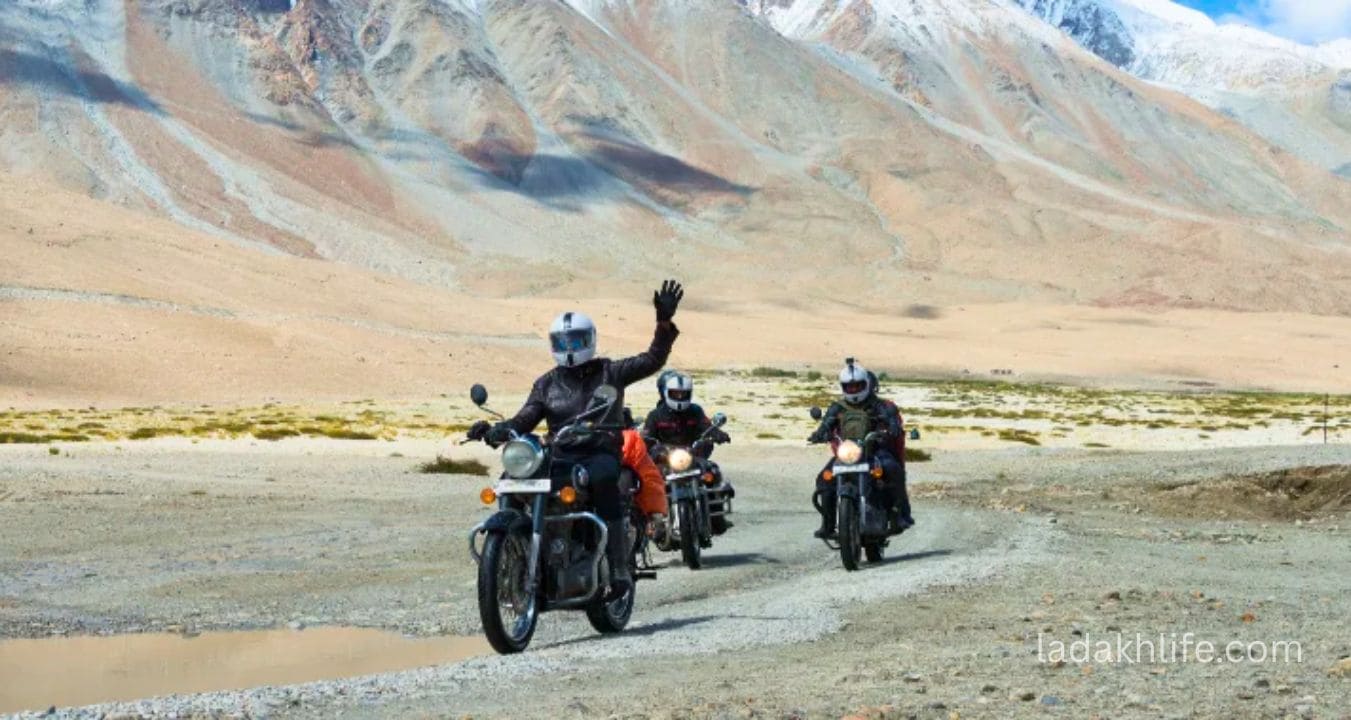
By bike: Only for experienced high-altitude bikers. The road is rough gravel, rocks, steep climbs. Your bike will struggle above 15,000 feet. Carry extra fuel there's no petrol station between Leh and Pangong Tso. Not recommended for beginners.
By car (4x4 essential): A 4x4 is not recommended it's essential. The road to Marsimik La is unpaved, rough, and has steep sections. A regular car will not make it. Hire a proper 4x4 (Mahindra Thar, Scorpio, or similar).
By taxi: Hire a 4x4 taxi from Leh for a 2-3 day trip to Pangong Tso that includes Marsimik La. Expect to pay ₹15,000-25,000 depending on the itinerary. This is the best option if you're not driving yourself.
Public transport: None. There are no buses to Marsimik La. You need a private vehicle.
Altitude, Fitness, and Acclimatization (Read This Carefully)
18,600 feet is extreme altitude. The air at the top has less than 50% of the oxygen at sea level. This is not a pass to take lightly. Altitude sickness is not just possible it's likely.
- Spend at least 4-5 days in Leh (11,500 ft) before attempting Marsimik La. This is non-negotiable. Do not attempt on day 2 or 3. The altitude of Marsimik La is much higher than Leh.
- Acclimatize near Pangong Tso (14,000 ft) overnight before crossing the pass. Spend a night at Pangong before attempting Marsimik La. Your body needs time.
- Drink 5-6 liters of water the day before and the day of. Hydration is critical at this altitude.
- Limit your time at the top. 10-15 minutes maximum. The longer you stay, the worse you'll feel.
- Descend immediately if you feel severely unwell. Severe headache, vomiting, confusion, loss of coordination, difficulty walking go down immediately. Do not wait. Do not be stubborn.
- Carry Diamox and take it before the trip. Consult your doctor.
- Carry portable oxygen canisters. They're available in Leh. You will likely need them at this altitude.
- No alcohol for at least 2 days before. No heavy meals. No smoking.
- Don't go alone. Have at least two vehicles and a way to communicate (satellite phone or emergency beacon there's no mobile network in most of this region).
Marsimik La is not a place to test your limits. It's a place to respect the altitude, prepare properly, and enjoy the journey safely. I cannot stress this enough.
What to Pack for Marsimik La
This is one of the most extreme crossings in Ladakh. You need serious preparation:
- Warm layers: Thermal innerwear, fleece sweater, heavy down jacket (rated for -10°C to -20°C), windproof outer layer. All of them. At the same time.
- Gloves: Two pairs thin inner gloves and thick winter gloves. Your fingers will go numb without protection.
- Headwear: Woolen beanie plus balaclava. The wind at 18,600 feet can freeze exposed skin in minutes.
- Scarf or buff: For your face. The wind and cold air can be dangerous.
- Shoes: Sturdy insulated boots. There will be snow, even in summer.
- Sunglasses: High-quality, UV protection. Snow blindness is a real risk at this altitude.
- Sunscreen & lip balm (SPF 50+): The UV at 18,600 feet is extreme. You will burn in minutes without protection.
- Water & snacks: Carry a thermos with hot tea. Energy bars, nuts, chocolate, dried fruit. Do not rely on finding food at the pass there is none.
- Power bank: Your phone battery will drain fast in the cold. Keep it charged for photos and emergencies.
- Portable oxygen canister: Essential. Available in Leh. Carry at least two.
- First aid kit: Including Diamox, painkillers, bandages, and any personal medications.
- GPS or offline maps: There's no mobile network in this region. Download offline maps of the area before you leave Leh.
- Extra fuel: There's no petrol station between Leh and Pangong Tso. Carry extra fuel in jerry cans.
Essential Tips for Visiting Marsimik La
- Get permits before you go. The Changthang region is near the Tibetan border. Indian nationals need an Inner Line Permit (ILP) to visit this area. Foreign nationals need a Protected Area Permit (PAP). Arrange these in Leh through a travel agent or at the DC office. Note: PAP for foreign nationals can be difficult to get for this region check in advance.
- Check road conditions before you go. Ask at the taxi stand or at your hotel in Leh. The road to Marsimik La can be closed due to snow even in August.
- Start early. Leave your accommodation by 6 AM at the latest. The drive is long and slow. You don't want to be caught at 18,600 feet in bad weather or darkness.
- Fill your fuel tank in Leh. There's no petrol station near Pangong Tso or Marsimik La. Carry extra fuel in jerry cans.
- Be prepared for no mobile network. There's no BSNL, no Jio nothing. Download offline maps. Carry a satellite phone or emergency beacon if possible.
- Tell someone your plan. Let your hotel in Leh know where you're going and when you expect to be back.
- Don't litter. Carry your waste back to Leh. There's no garbage collection at 18,600 feet or near Pangong Tso. Leave no trace.
- Respect the cairns and prayer flags. Walk around them clockwise. Don't remove stones from the cairns. Add one if you want.
Marsimik La vs Other High Passes in Ladakh
- Marsimik La vs Umling La (19,300 ft): Umling La is higher the highest motorable pass in the world. Marsimik La is slightly lower (18,600 ft) but equally remote. Both are extreme. Both are for serious adventurers.
- Marsimik La vs Khardung La (18,380 ft): Marsimik La is higher than Khardung La (by about 220 feet). But Khardung La is famous, crowded, and has a cafe. Marsimik La is quiet, remote, and has nothing. Very different experiences.
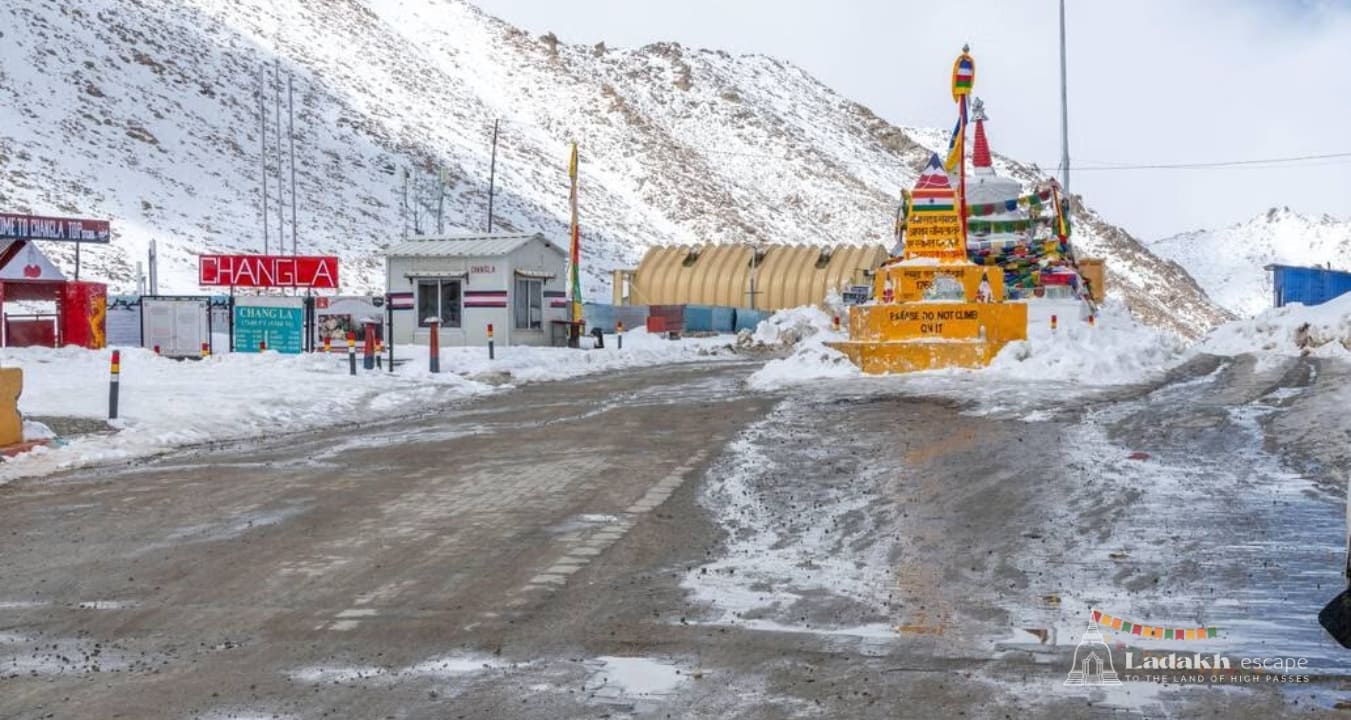
- Marsimik La vs Chang La (17,590 ft): Marsimik La is about 1,000 feet higher than Chang La. Chang La has a temple and free chai. Marsimik La has nothing just the view and the wind.
- Marsimik La vs Wari La (17,500 ft): Similar altitude and remoteness. Both are in the Changthang region. Marsimik La is closer to Pangong Tso. Wari La is closer to Hanle. Do both if you have time.
Why Marsimik La is the Ultimate Ladakh Adventure
Let me be honest. Marsimik La is not for everyone. It's not for the casual traveler. It's not for someone who wants an easy photo for Instagram. It's for the ones who want to go deeper who want to see the Ladakh that almost no one sees.
The road is rough. The altitude is brutal. The isolation is real. You might get lost. You might get stuck. You might question your sanity more than once. But when you're standing at the top at 18,600 feet, with nothing but mountains and sky around you, with the wind whipping the prayer flags, with the Pangong Tso glimmering in the distance you'll know why you came.
Marsimik La is not just a pass. It's a reminder of why we travel to places like Ladakh not for the comfort, not for the luxury, but for the moments that take our breath away. Literally and figuratively.
So if you have the time, the vehicle, the permits, and the courage go to Marsimik La. Add a stone to the cairn. Feel the wind. Look out at the Changthang plateau. And know that you've crossed one of the highest motorable passes on planet Earth. That's something very few people can say.
Marsimik La doesn't have a signboard. It doesn't have a cafe. It doesn't have a souvenir shop. What it has is something rarer true remoteness, extreme altitude, and the feeling of standing in a place that very few people have seen. This is not a pass for the casual traveler. This is for the adventurer. The one who wants to go higher. The one who wants to find Ladakh's hidden giant. If that's you, Marsimik La is waiting.