So, What Exactly is Tanglang La?
Tanglang La is a high-altitude mountain pass in the Zanskar range, sitting at 17,582 feet (5,360 meters). It lies on the Leh-Manali highway (NH 3), approximately 120 kilometers from Leh and 240 kilometers from Keylong. It is the second highest motorable pass in Ladakh (after Umling La at 19,300 feet) and the highest point on the entire Leh-Manali route.
The name "Tanglang La" means "the pass of the long climb" and once you drive it, you'll understand why. The ascent from the Leh side is gradual but relentless, climbing for over 40 kilometers. You'll watch the altimeter on your phone tick up slowly, degree by degree, meter by meter. By the time you reach the top, you'll feel every one of those 17,582 feet.
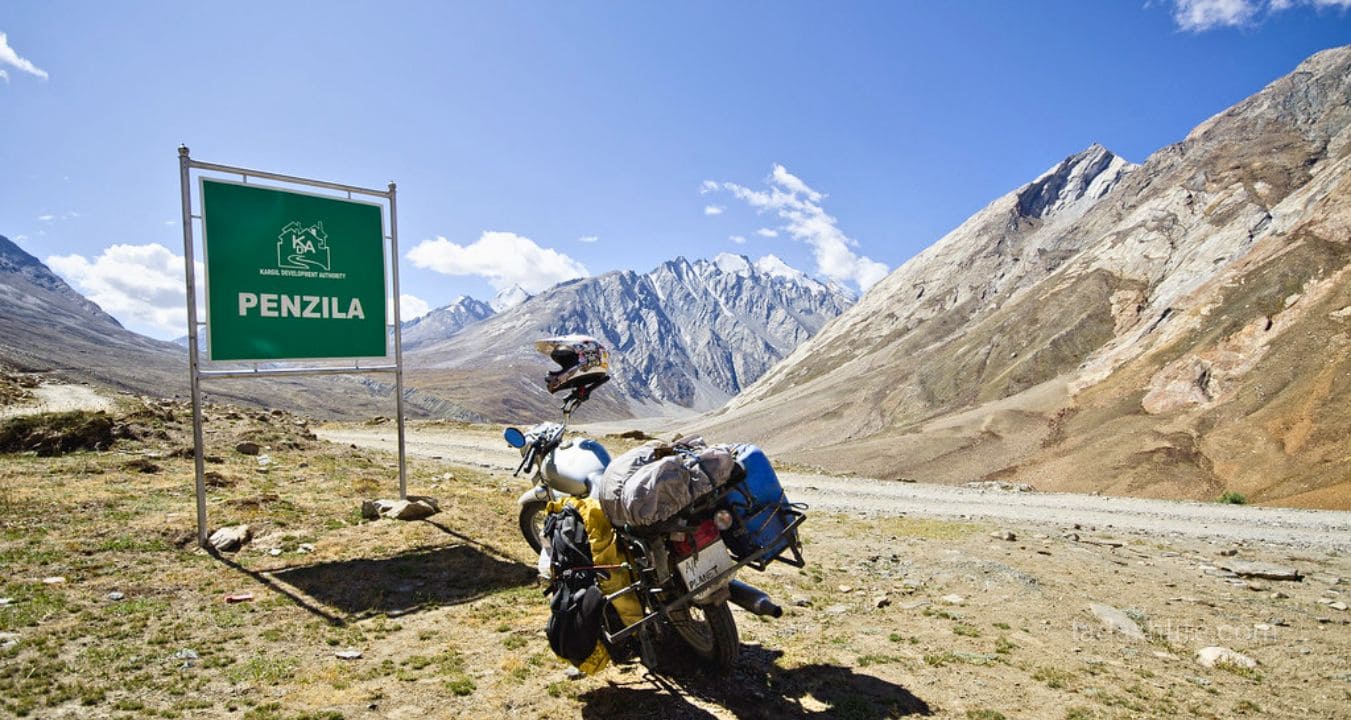
Unlike Khardung La or Chang La, Tanglang La doesn't have an army cafe or a temple. There's no chai stall (usually). No shops. No facilities. Just a signboard, prayer flags, and the wind. But that's exactly what makes it special. This is a raw, unfiltered high-altitude experience just you, your vehicle, and the mountains.
Why Tanglang La is Different from Other Ladakh Passes
Look, everyone knows Khardung La. Chang La gets plenty of visitors. But Tanglang La sits quietly in the background. Here's why it's special:
- The longest climb. The ascent to Tanglang La from Leh takes over 40 kilometers. You climb slowly, steadily, feeling every meter of altitude gain. It's a test of patience and endurance.
- It's the highest point on the Manali-Leh highway. Thousands of bikers and road trippers travel this route every year. Tanglang La is their ultimate high point the moment they've been climbing toward.
- No crowds. Khardung La can feel like a parking lot in peak season. Tanglang La is quiet. You might have the top to yourself.
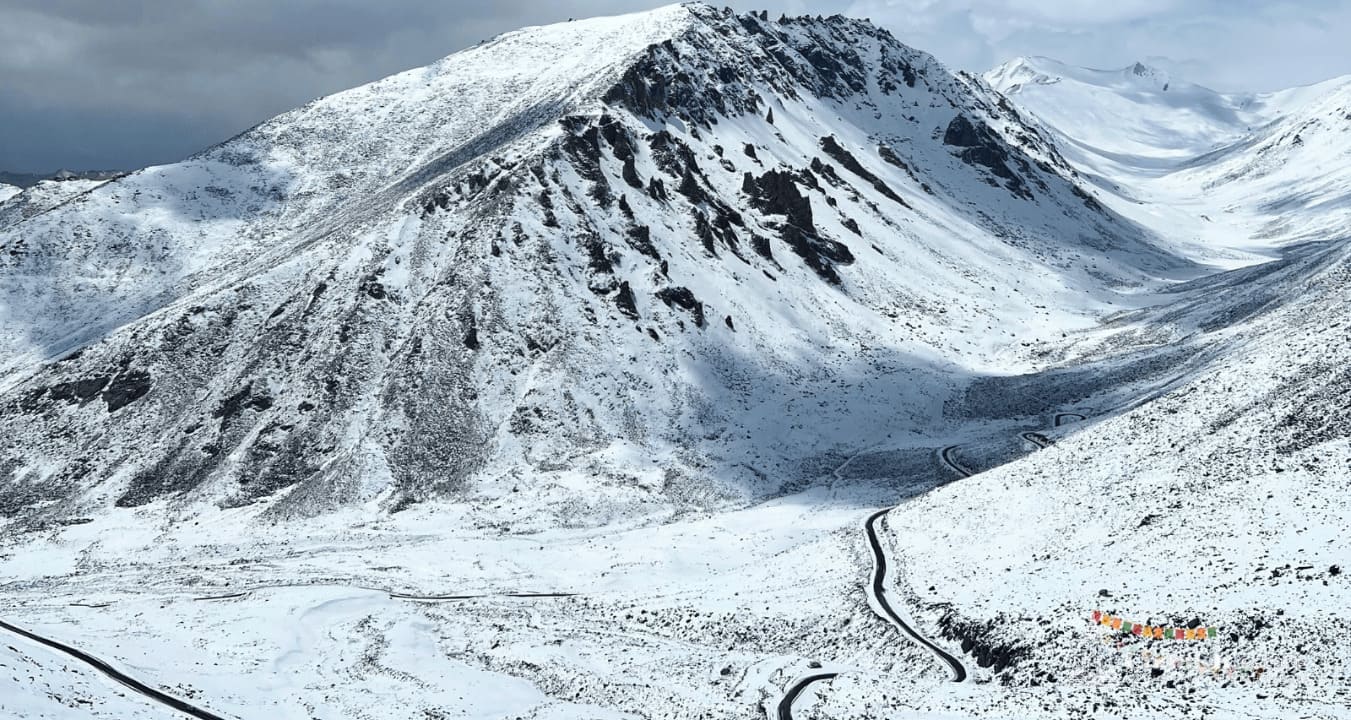
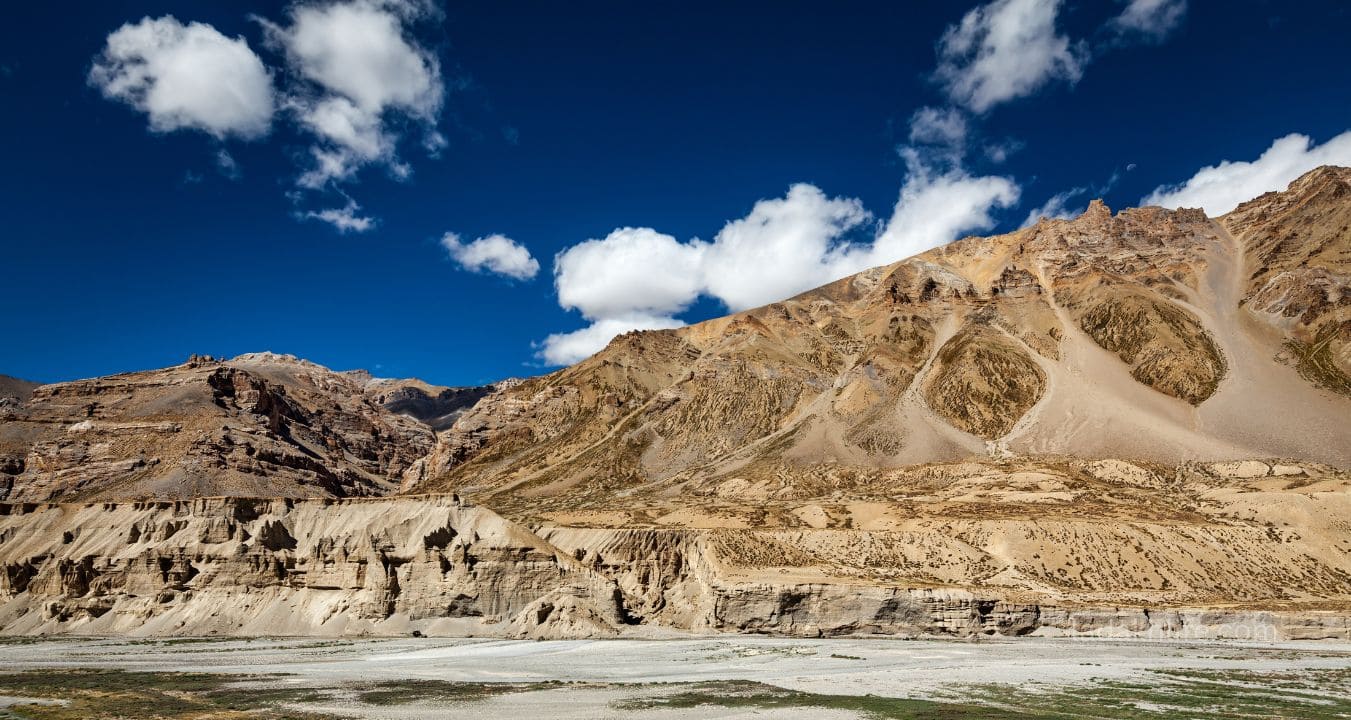
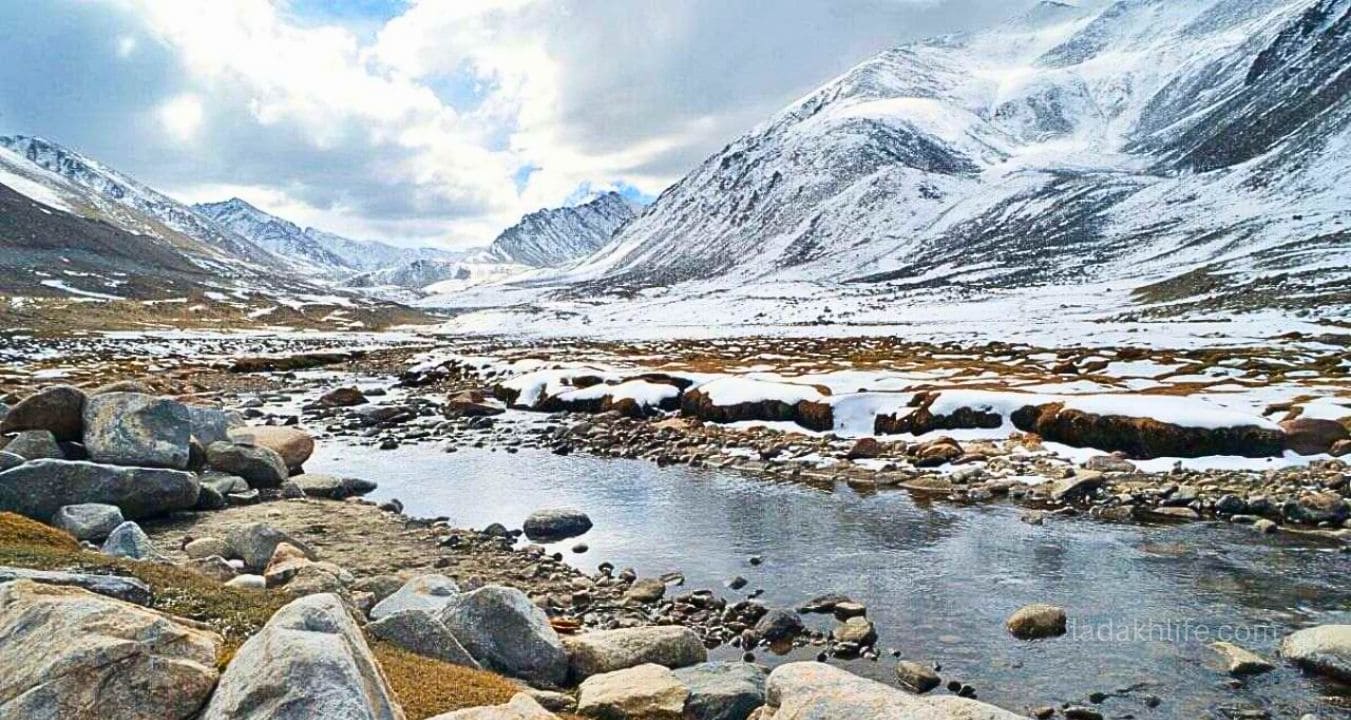
- Stunning views of the Zanskar range. The mountains visible from Tanglang La are spectacular sharp, snow-covered, stretching to the horizon in every direction.
- Raw and unfiltered. No cafe. No temple. No distractions. Just the pass, the prayer flags, and the wind. It's the purest high-altitude experience in Ladakh.
The Tanglang La Experience (The Brutally Honest Version)
Let me walk you through what actually happens when you cross Tanglang La. No filters. No fancy language.
- Starting from Leh (11,500 ft) or Upshi: You've been on the Manali-Leh highway for hours. The road is good paved, wide, beautiful. You're feeling okay. The altitude hasn't hit yet.
- The climb begins: Somewhere after Upshi, the road starts climbing. Slowly at first. Then steeper. You notice your vehicle struggling. You notice your breathing getting heavier. The landscape gets more barren, more dramatic.
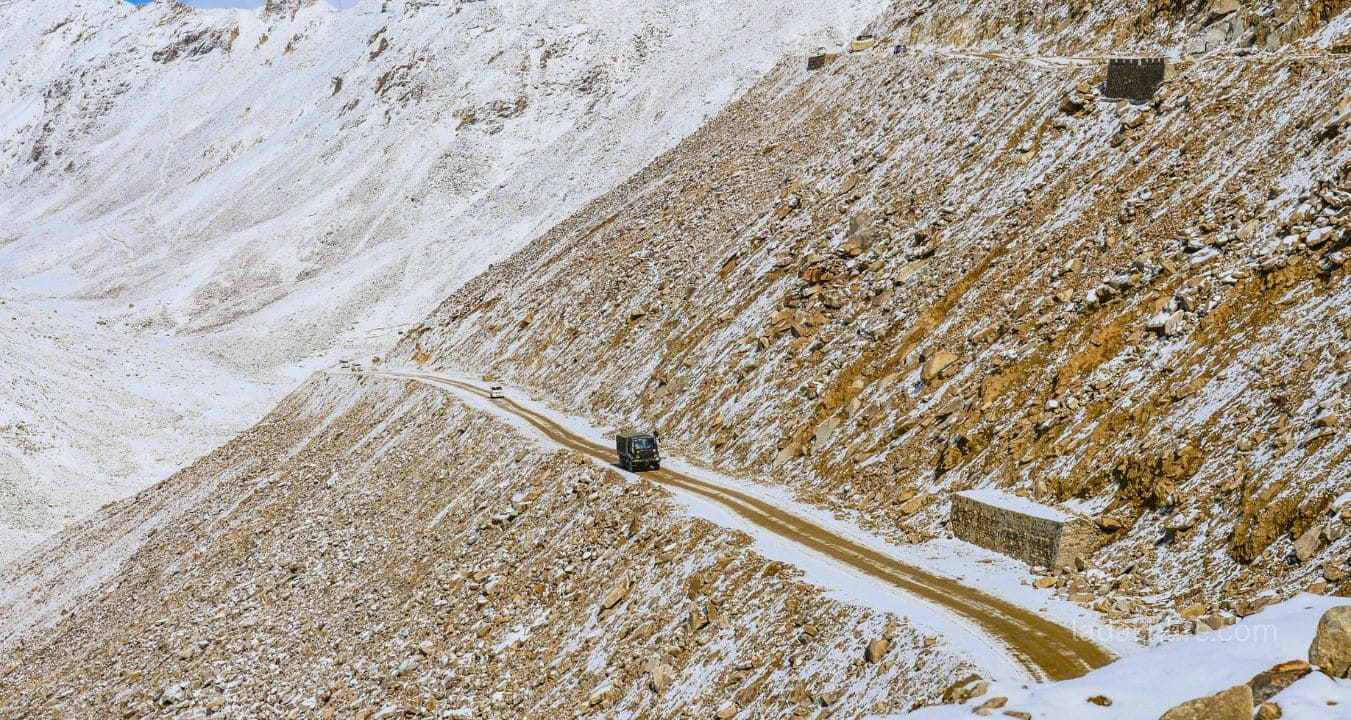
- The last 20 kilometers: This is where it gets real. The road is rough in places. The oxygen is thin. Your head starts to pound. You keep climbing. 16,000 feet. 16,500. 17,000. Each switchback feels like the top but it's not.
- Reaching the top: Finally, you see the prayer flags. You see the signboard. You park (slowly, carefully). You step out, and the wind hits you. Your legs feel weak. Your head is pounding. You take three steps and have to stop to catch your breath.
- At the top: You take your photos. You stand at the signboard. You look out at the Zanskar range peak after peak of snow and rock, stretching to the horizon. You realize you're higher than almost anywhere you've ever been. And it feels incredible.
- The descent toward Keylong: You drive down, and with every meter of descent, you feel better. The air gets thicker. The landscape changes from barren moonland to green patches near Sarchu. You pull over, look back at the pass, and think, "I crossed the highest point on the Manali-Leh highway."
That's Tanglang La. Not famous. Not crowded. But absolutely unforgettable.
The Crown Jewels of Tanglang La (Don't Miss These)
1. The Signboard Second Highest Pass in Ladakh
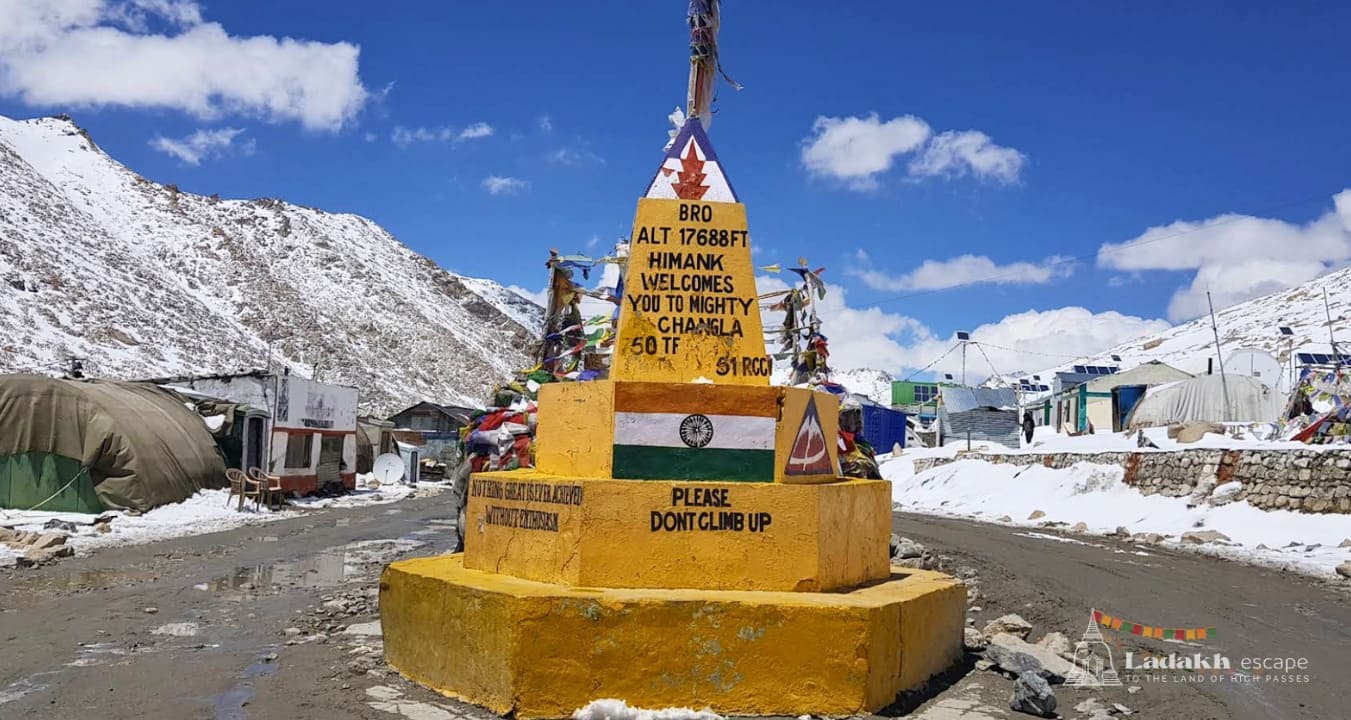
At the top of Tanglang La, there's a signboard announcing the altitude 17,582 feet. Take the photo. You've crossed the highest point on one of the most famous biking routes in the world. That's worth remembering.
2. Prayer Flags at the Summit
The top of Tanglang La is covered in prayer flags hundreds of them, whipping wildly in the wind. The sound is constant, almost musical. Against the barren mountains and the deep blue sky, they're beautiful.
3. Views of the Zanskar Range
On a clear day, the views from Tanglang La are staggering. The Zanskar range rises to the south, with peaks over 6,000 meters. The valleys below are barren and beautiful. The sky is a shade of blue you've never seen before. Just stand there. Breathe (as much as you can). Take it in.
4. The Long Climb A Test of Patience
This isn't a "sight" in the traditional sense, but it's the most memorable thing about Tanglang La. The climb from Leh takes over an hour of steady ascending. You'll feel every foot. And when you finally reach the top, the sense of achievement is real.
5. The Descent Toward Sarchu
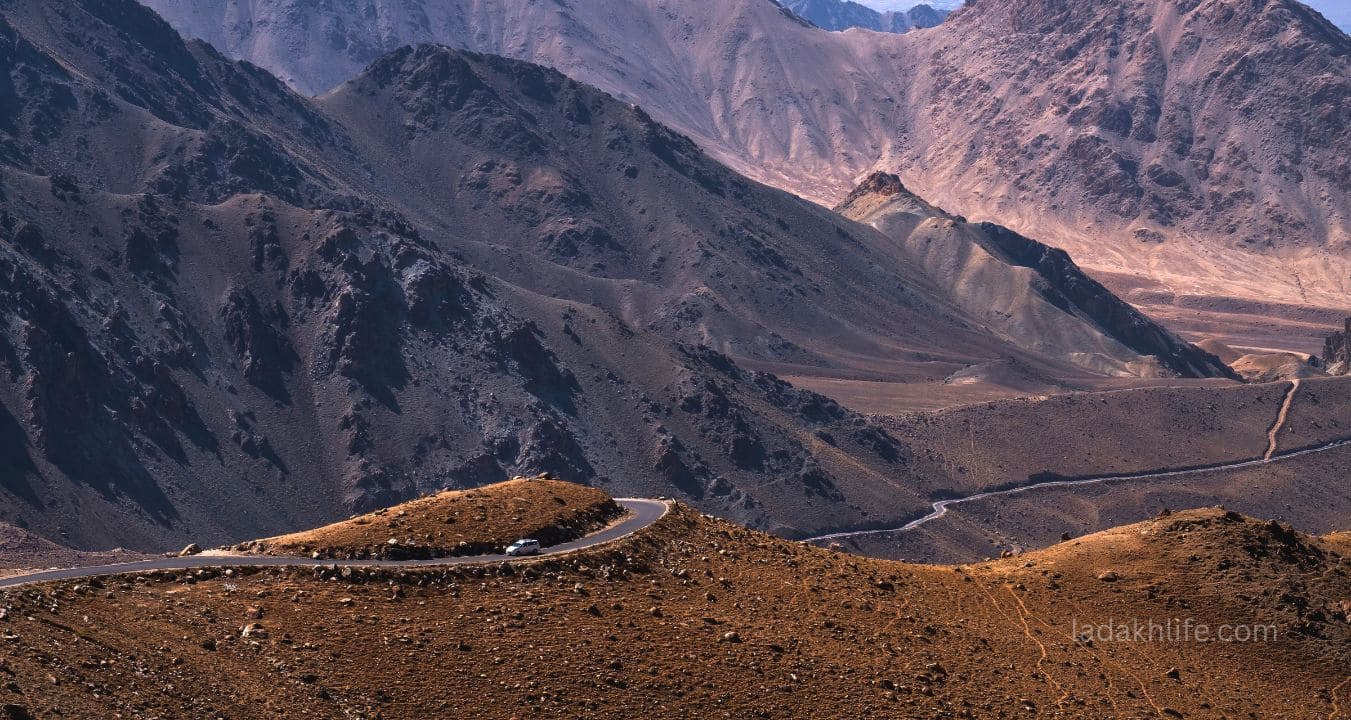
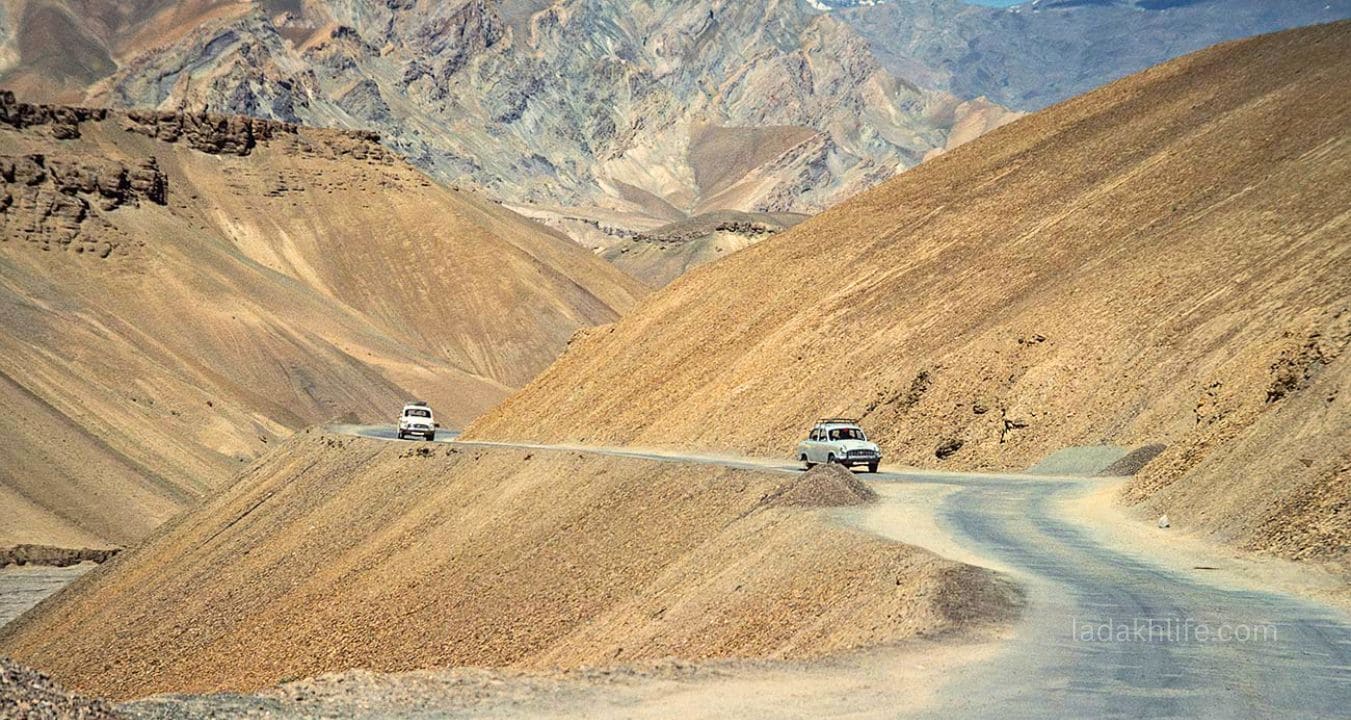
The descent from Tanglang La toward Sarchu is spectacular. The road winds down through valleys that change color with every turn brown, grey, gold. You'll pass the famous "Gata Loops" (a series of 21 hairpin bends) not far after the pass. The views are breathtaking.
6. The Silence No Cafes, No Crowds
Unlike Khardung La, there's no army cafe at Tanglang La. No chai stall (usually). No shops. No crowds. Just the wind, the prayer flags, and the mountains. It's pure. Unfiltered. And that's exactly why it's special.
Best Time to Visit Tanglang La
Tanglang La is on the Manali-Leh highway, which has a shorter season than the Srinagar-Leh route.
June to September is the only reliable window. July and August are the best months the road is usually clear, the weather is as stable as it gets at 17,500 feet, and the pass is open most days. Daytime temperatures at the top are around -5°C to 5°C, with wind chill making it feel much colder.
June and September: Shoulder months. June can have snow near the pass the highway typically opens in mid-June. September is beautiful clear skies, crisp air, fewer vehicles but it's colder, and the highway can close by mid-October.
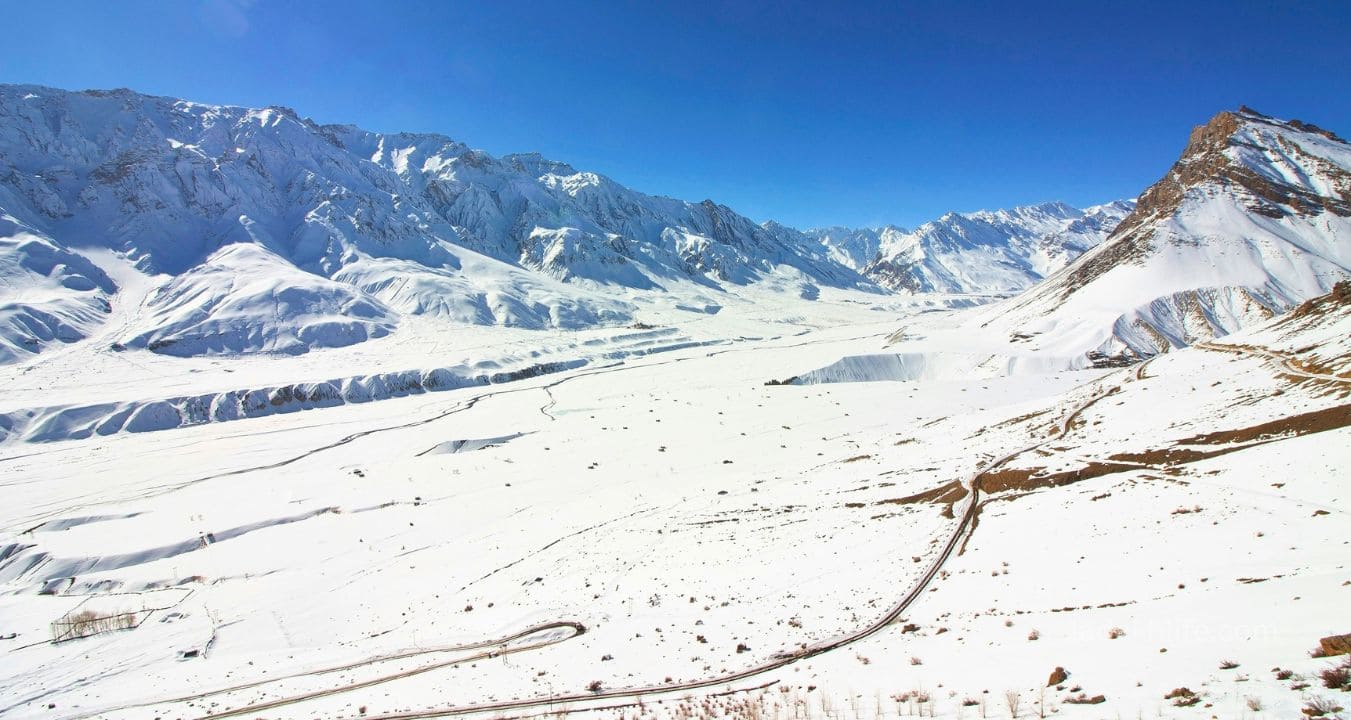
October to May: Forget it. The Manali-Leh highway closes in winter due to heavy snowfall. Tanglang La is buried under meters of snow. Do not attempt.
Pro tip: If you're crossing from Manali to Leh, you'll reach Tanglang La on day 2 of the journey. By then, you've already crossed Rohtang and Baralacha La. Your body has had some time to acclimatize. But Tanglang La is higher than both take it slow.
Where to Stay Near Tanglang La
You cannot stay at Tanglang La. There are no hotels or homestays at the pass. The nearest accommodations are in Leh (east) or in Sarchu / Keylong (west).
In Leh (120 km east): Every budget. Book in advance during peak season (June-August).
In Sarchu (about 60 km west of Tanglang La): Tented camps at Sarchu are the standard stop for Manali-Leh travelers. Very basic but memorable expect shared toilets, cold water, and incredible views. Book ahead in peak season.
In Keylong (240 km west): Hotels and guesthouses. A good option if you want more comfort than Sarchu. Keylong is the largest town in this region.
No camping at the pass. It's too high, too cold, and not allowed. The nearest camping is at Sarchu.
How to Get to Tanglang La
Tanglang La is on the main Leh-Manali highway (NH 3). If you're traveling between Leh and Manali, you will cross this pass.
Route from Leh: Leh → Upshi (45 km) → Tanglang La (another 75 km) → Sarchu → Keylong → Manali.
From Leh (120 km, 3-4 hours): The drive to Tanglang La from Leh takes about 3-4 hours. The road is good, but the climb is long and gradual. Start early to reach the pass before afternoon weather changes.
From Manali (480 km, 2-3 days): Most travelers break the journey: Day 1: Manali → Keylong (6-7 hours). Day 2: Keylong → Tanglang La → Leh (8-9 hours). The pass is the highest point on day 2.
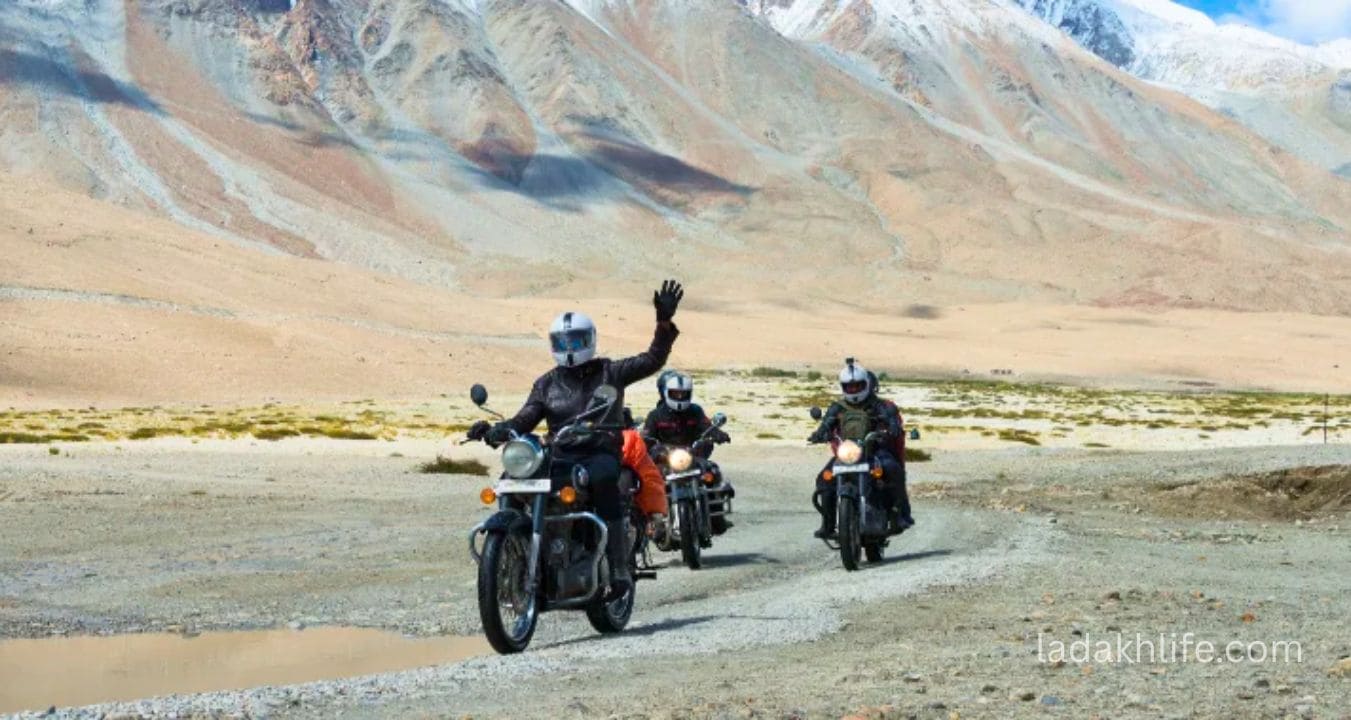
By bike: The classic Manali-Leh route. Your bike will struggle with the thin air above 15,000 feet. Keep the revs high, downshift early, and take breaks. The climb to Tanglang La is long and can be exhausting.
By car (4x4 recommended): A regular car can do it, but a 4x4 handles the rough sections better. The road is paved most of the way, but there are patches of gravel and potholes, especially near the top.
By bus: Buses run from Leh to Manali and vice versa during the season. They cross Tanglang La. They're cheap but slow, crowded, and uncomfortable. Not recommended unless you're on a tight budget.
Altitude, Fitness, and Acclimatization (Read This Twice)
17,582 feet is serious altitude. The air at the top has less than 50% of the oxygen at sea level. Altitude sickness is common, especially if you're coming from Manali (which is much lower).
- If coming from Manali, take it very slow. You're climbing from 6,500 ft (Manali) to 17,500 ft in two days. Altitude sickness is almost guaranteed if you push too hard.
- If coming from Leh, spend at least 2-3 days there first. Leh is at 11,500 ft. Your body needs time before going higher.
- Drink 4-5 liters of water the day before and the day of. Hydration is critical.
- Limit your time at the top. 15-20 minutes maximum. The longer you stay, the worse you'll feel.
- Descend immediately if you feel severely unwell. Severe headache, vomiting, confusion, loss of coordination go down immediately. Do not wait.
- Carry Diamox if you're prone to altitude sickness. Consult your doctor before the trip.
- No alcohol for at least 2 days before. No heavy meals. No smoking.
I've seen people cry at Tanglang La from the pain of altitude headaches. I've seen people vomit. I've seen people have to be driven back down because they couldn't continue. Respect the altitude. It's not a joke.
What to Pack for Tanglang La
Even in summer, the top is freezing. And unlike Khardung La, there's no cafe to warm up in. Here's what you need:
- Warm layers: Thermal innerwear, fleece sweater, down jacket or heavy woolen sweater, windproof outer layer. Yes, all of them. The wind at Tanglang La is brutal.
- Gloves: Thick winter gloves. Your fingers will go numb without them.
- Headwear: Woolen beanie or balaclava. The wind will cut through a regular cap.
- Scarf or buff: For your face. The wind and cold air can freeze exposed skin quickly.
- Shoes: Sturdy shoes or boots. It can be snowy and slippery.
- Sunglasses: Essential. The snow glare at high altitude is intense and can cause snow blindness.
- Sunscreen & lip balm (SPF 50+): The UV at 17,500 feet is extreme. You will burn in minutes without protection.
- Water & snacks: There's no cafe at Tanglang La. Carry a thermos with hot tea, energy bars, nuts, chocolate. Do not rely on finding food at the top.
- Power bank: Your phone battery will drain fast in the cold. Keep it charged for photos.
- Oxygen canister (optional but smart): Portable oxygen canisters are available in Leh or Manali. Carry one. You might not need it. But if you do, you'll be grateful.
Essential Tips for Visiting Tanglang La
- No permits needed for Tanglang La. Unlike passes near the border, Tanglang La is on the main Leh-Manali highway and doesn't require an Inner Line Permit.
- Start early. Weather at Tanglang La deteriorates rapidly after noon. Clouds roll in, winds pick up, and the pass can get foggy. Go early, enjoy the top, and descend before afternoon.
- Check road conditions before you go. Ask at your hotel or at the taxi stand in Leh. The pass can close due to snow even in July.
- Fill your fuel tank in Leh. There's no petrol station at Tanglang La. The next fuel is in Leh (east) or Tandi (near Keylong, west).
- Be prepared for no facilities. No cafe. No shop. No toilet. Nothing. Plan accordingly carry food, water, and toilet paper.
- Don't litter. Carry your waste back to Leh or Sarchu. There's no garbage collection at 17,500 feet.
- Be careful with your bike/car. The thin air affects engine performance, especially carbureted bikes. Don't push too hard. Take breaks. Check your brakes on the descent they can overheat.
- Watch for the Gata Loops after the pass. After descending from Tanglang La toward Sarchu, you'll hit the famous "Gata Loops" 21 hairpin bends that are a rite of passage on the Manali-Leh route. Take them slow. Enjoy the view.
Tanglang La vs Other High Passes in Ladakh
- Tanglang La vs Umling La (19,300 ft): Umling La is higher, but it's remote and requires permits. Tanglang La is on the main Manali-Leh highway accessible to everyone.
- Tanglang La vs Khardung La (18,380 ft): Khardung La is more famous and has a cafe. Tanglang La is less crowded and feels more remote. Both are high. Both are worth crossing.
- Tanglang La vs Chang La (17,590 ft): Tanglang La and Chang La are almost the same altitude (17,582 vs 17,590). Chang La has a temple and free chai. Tanglang La has nothing just the view and the wind.
- Tanglang La vs Baralacha La (16,040 ft): Baralacha La is another pass on the Manali-Leh highway, lower than Tanglang La. Tanglang La is the highest point on the entire route.
Why Tanglang La is the Most Underrated Pass in Ladakh
Let me be honest. Khardung La gets all the attention. Chang La gets the temple and the chai. Umling La gets the "highest" title. And Tanglang La? Tanglang La just sits there, quiet and windswept, watching thousands of bikers and travelers cross without a second thought.
But here's the thing. Tanglang La is where the Manali-Leh highway reaches its ultimate high point. For everyone who rides this route from first-timers to veterans the moment you cross Tanglang La is the moment you know you've made it. The hardest climbs are behind you. The highest point is conquered.
So when you're driving from Leh to Manali, or from Manali to Leh, don't rush Tanglang La. Stop at the top. Get out of your vehicle. Feel the wind. Stand by the prayer flags. Look out at the Zanskar range. Take a deep breath (as deep as you can). And know that you're standing at 17,582 feet higher than almost anywhere else you can drive in this country.
Tanglang La doesn't need a cafe or a temple or a disputed signboard. The view is enough. The climb is enough. The feeling of being that high, that alone, that close to the sky that's more than enough.
Tanglang La is the quiet giant of Ladakh. It doesn't shout for attention. It doesn't have chai stalls or souvenir shops. But it has something rarer a long, honest climb, a breathtaking view, and the simple joy of standing at the highest point on one of the most beautiful roads in the world. Cross it slowly. Feel every meter. And when you reach the top, just stand there and breathe. You've earned it.