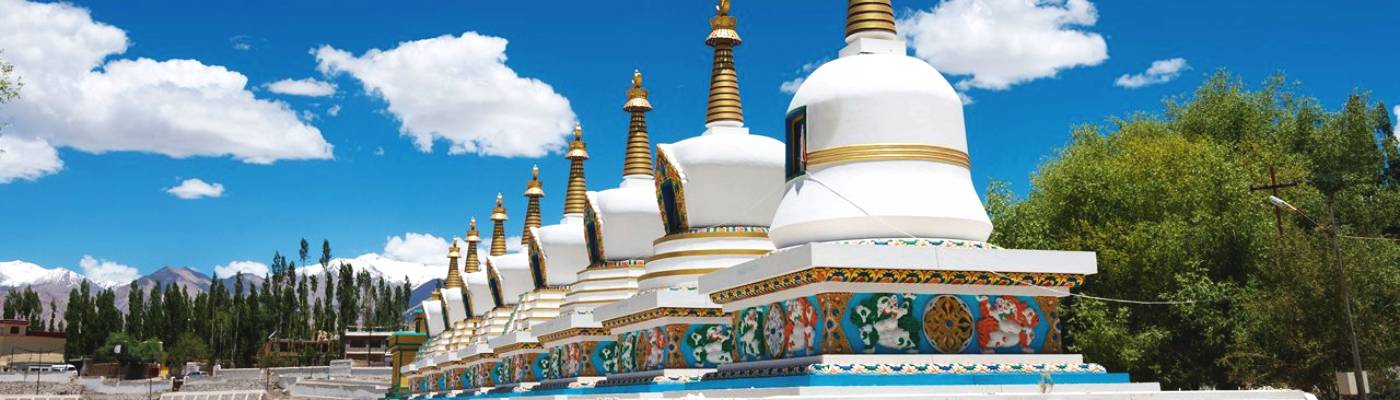
So, What Exactly is Stok Village?
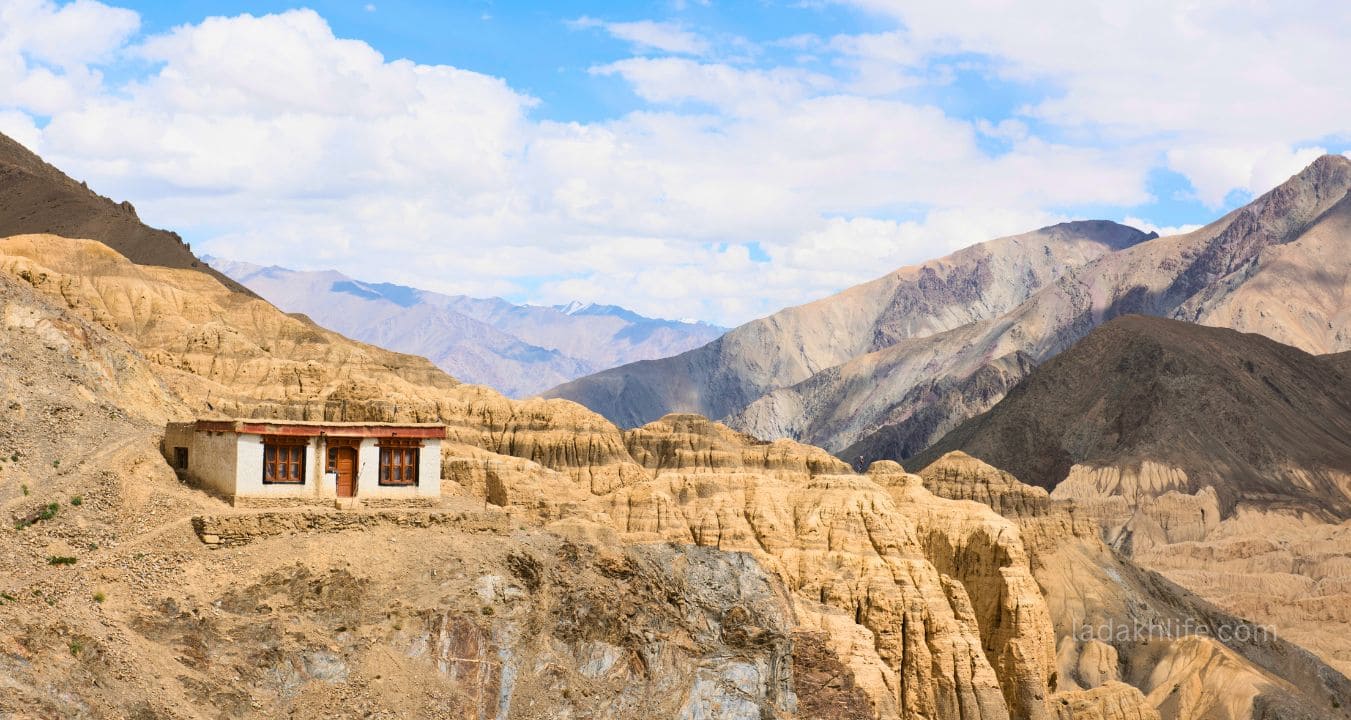
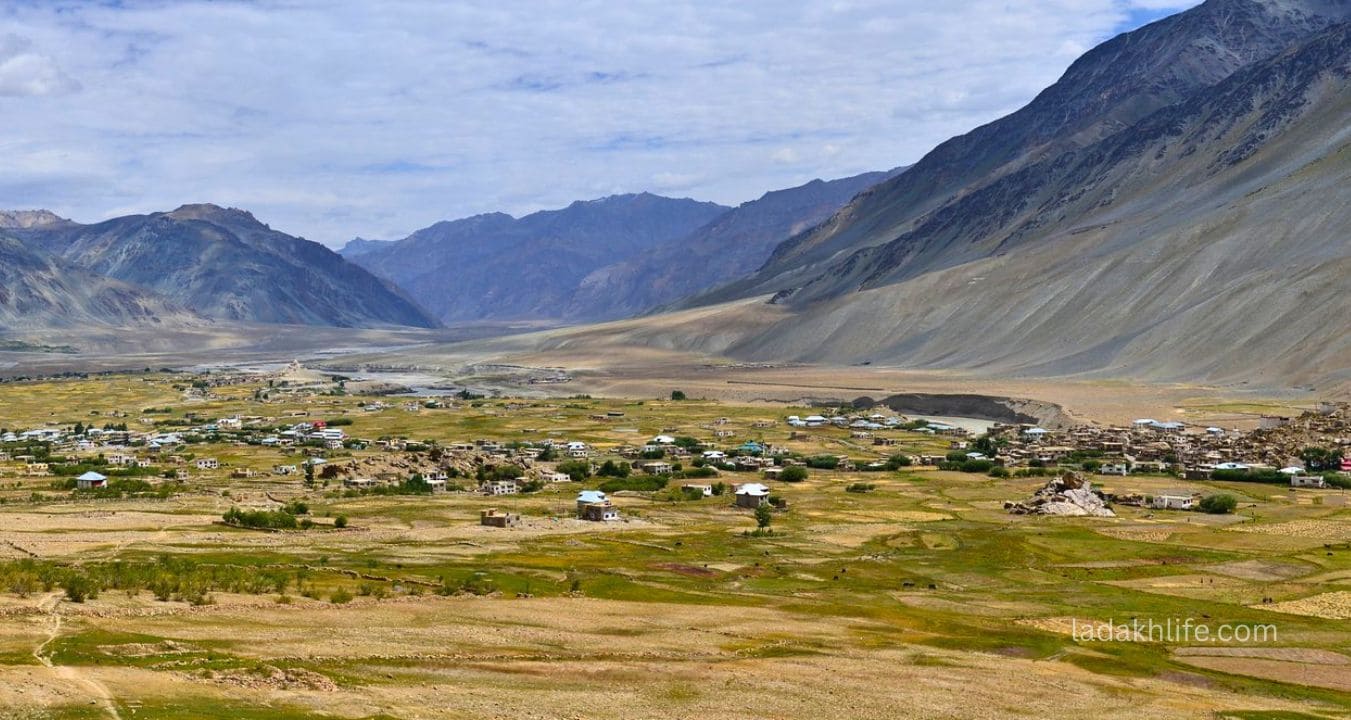
Stok is a small village in the Indus Valley region of Ladakh, sitting at approximately 11,400 feet (3,475 meters). It's located about 15 kilometers south of Leh, on the south bank of the Indus River, at the entrance to a beautiful side valley that leads deep into the Stok Range.
The village is small, maybe 100-150 houses, a few hundred people. The residents are predominantly Tibetan Buddhist, and life here revolves around farming (barley, wheat, potatoes), the palace, the monastery, and trekking tourism.
Stok is best known for three things:
- Stok Palace: The former and current residence of the Namgyal royal family of Ladakh. The palace is partly a museum and partly a private residence.
- Stok Monastery: A small but beautiful Buddhist monastery overlooking the village.
- Stok Kangri: One of the most popular high-altitude trekking peaks in Ladakh (20,182 ft / 6,153 m).
Stok is close enough to Leh for a half-day or full-day trip, but it feels worlds away. The palace, the museum, the monastery, and the stunning mountain views make it one of the most rewarding destinations near Leh.
Why Stok is One of the Best Day Trips from Leh
Stok is easy to reach and packed with things to see and do. Here's why you should visit:
- Stok Palace and Museum. A fascinating glimpse into Ladakh's royal history. The palace is still home to the royal family, and the museum is filled with royal artifacts, thangkas, jewelry, weapons, and even the royal crown.
- Stok Monastery. A small, peaceful monastery with beautiful views of the valley and the Stok Range.
- Stok Kangri views. The snow-capped peak of Stok Kangri towers above the village. The views are spectacular, especially in the morning and late afternoon.
- Easy access. Stok is just 15 kilometers from Leh. The road is paved and well-maintained. You can take a taxi, drive yourself, or even cycle.
- Trekking opportunities. Stok is the starting point for the Stok Kangri trek, as well as shorter day hikes into the Stok Range.
- Peaceful atmosphere. Unlike busy Leh, Stok is quiet and peaceful. You can explore the palace and monastery without crowds.
- Authentic village life. Stok is a real village, not a tourist attraction. You'll see farmers working in the fields, children playing, and prayer flags fluttering in the wind.
The Stok Experience (The Honest, Royal Version)
Let me walk you through what actually happens when you visit Stok. No filters. No fancy language.
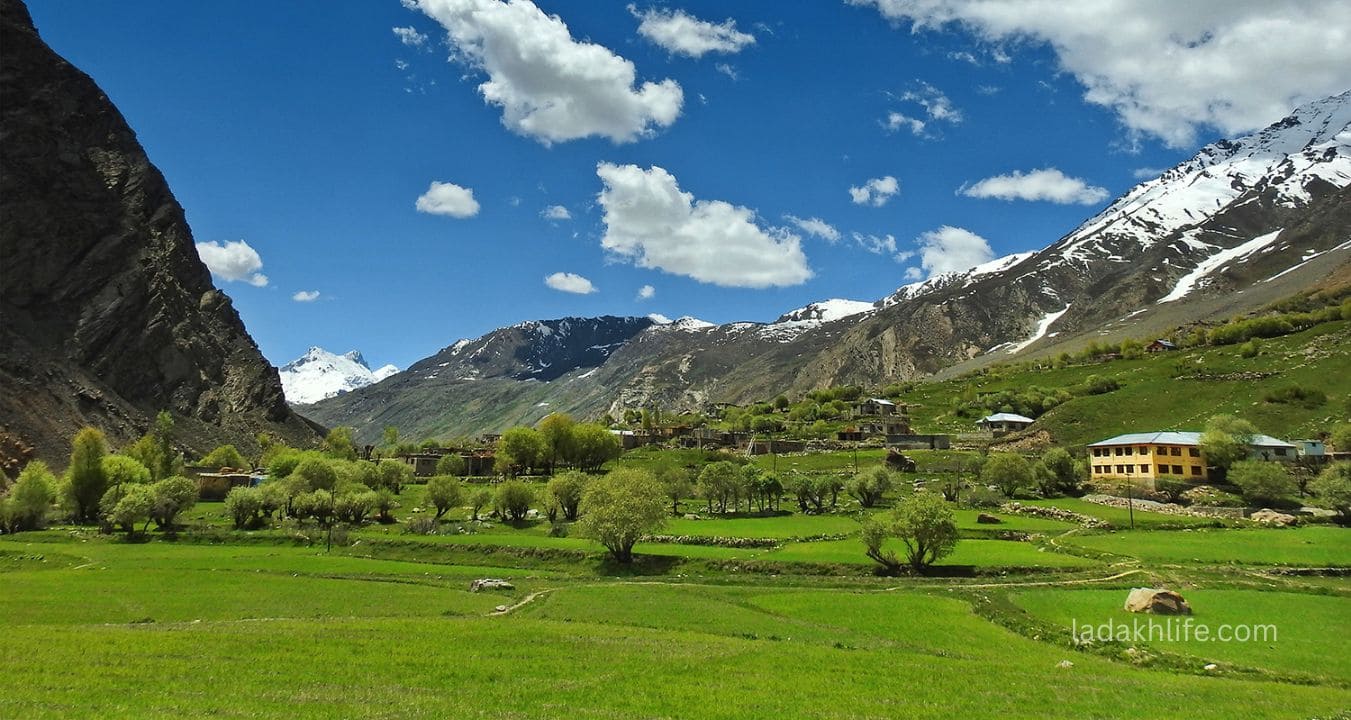
- The drive from Leh: You cross the Indus River and drive south toward the mountains. The road passes through green fields and small villages. The Stok Range grows larger with every kilometer. The drive takes about 20-30 minutes.
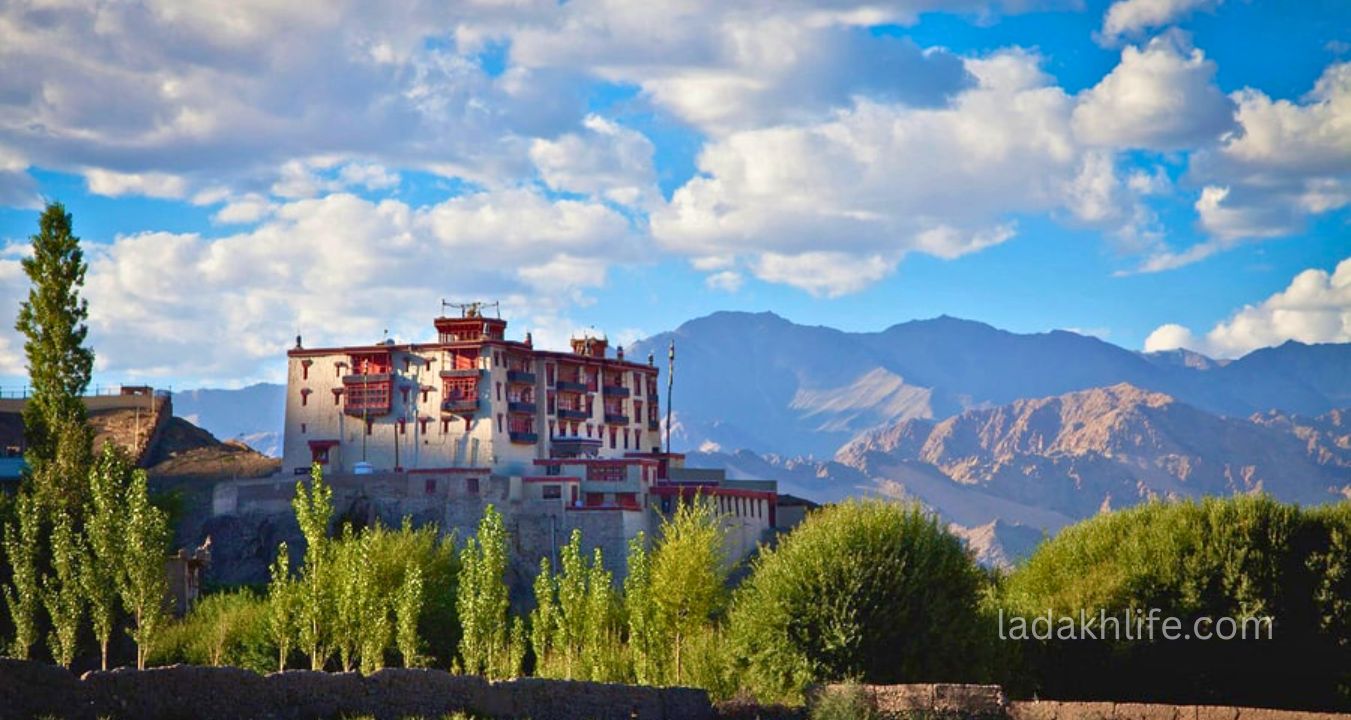
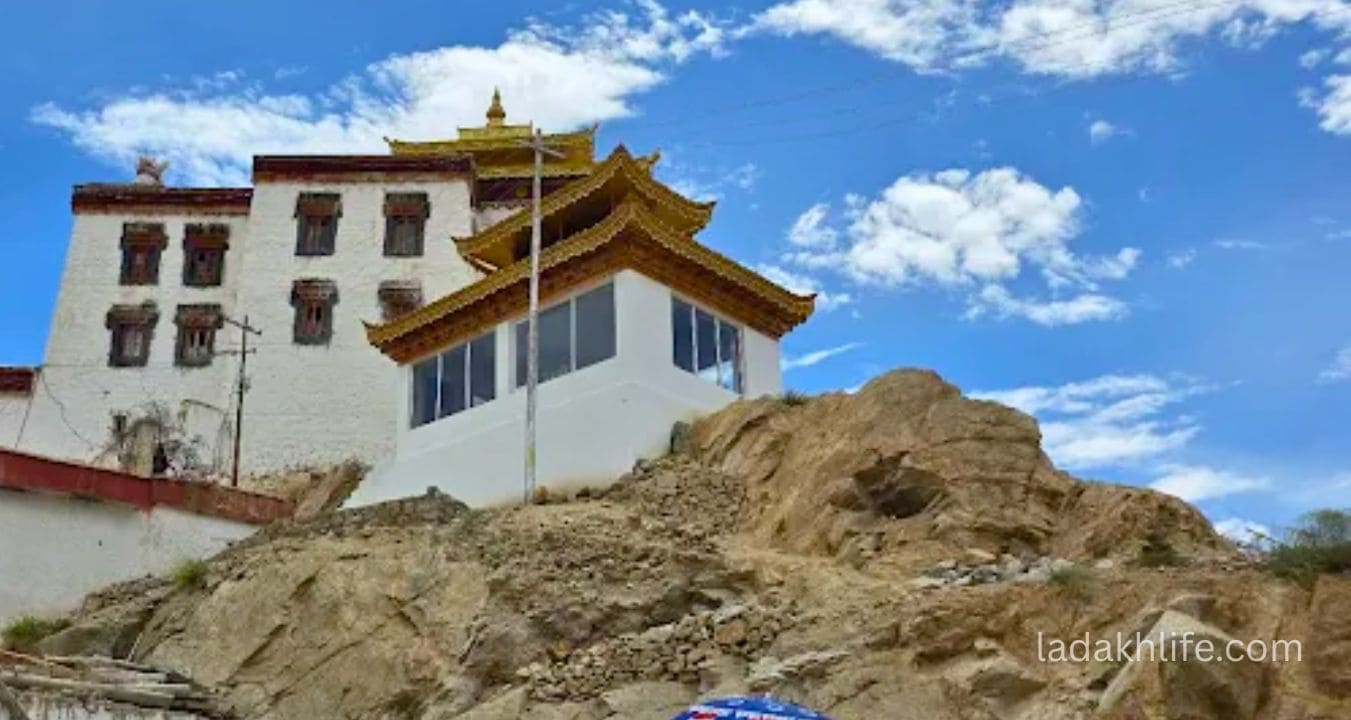
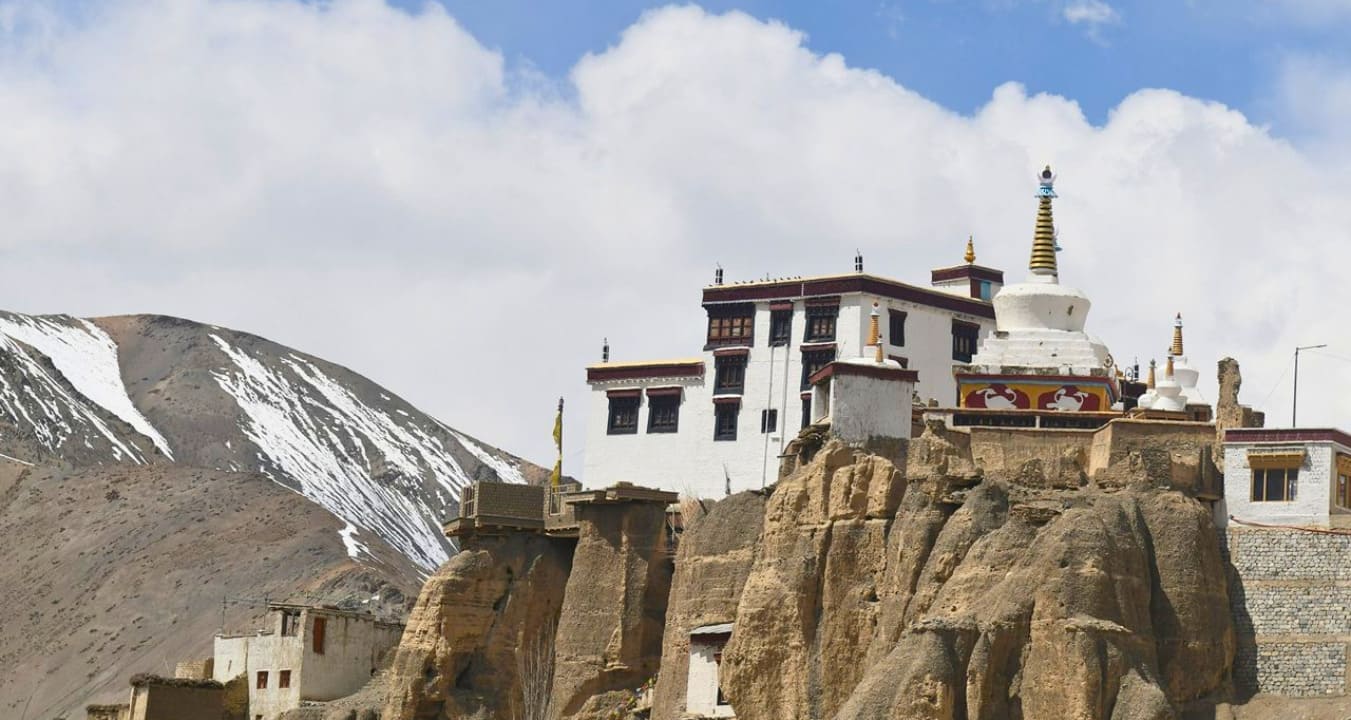
- Arriving in Stok: You see the village, whitewashed houses, prayer flags, and above it all, the white palace on the hill, with Stok Kangri towering behind it. You park near the village center.
- Stok Palace: You climb the path to the palace. It's a short, gentle climb. You buy a ticket (₹100-200) and enter the museum. The rooms are filled with royal artifacts, thangkas, jewelry, weapons, coins, and the crown of the Namgyal kings. You walk through the rooms, imagining the royal life. The caretaker might tell you stories about the king, the queen, the princes.
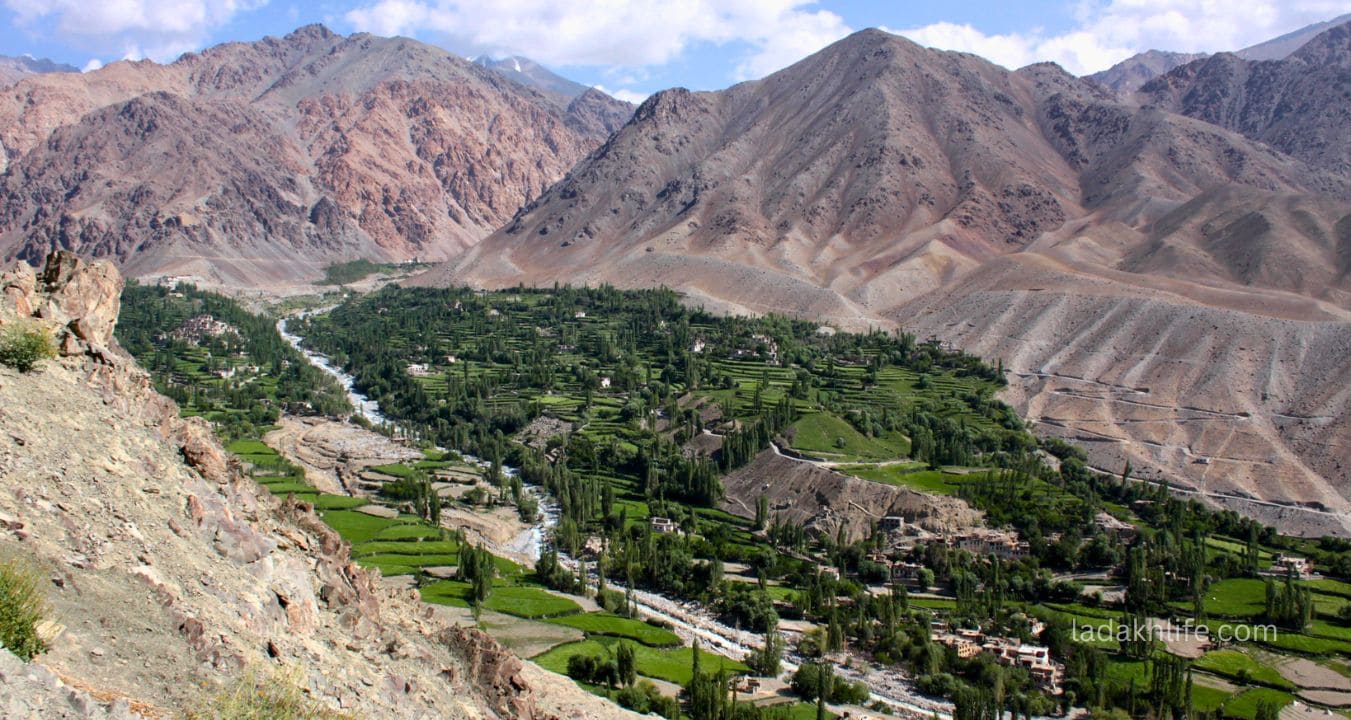
- The palace rooftop: You climb to the rooftop. The view is spectacular, the entire Stok Valley, the green fields, the Indus River in the distance, and the snow-capped peaks of the Stok Range. You can see Stok Kangri, towering above the village. You sit there for a while, watching the clouds move.
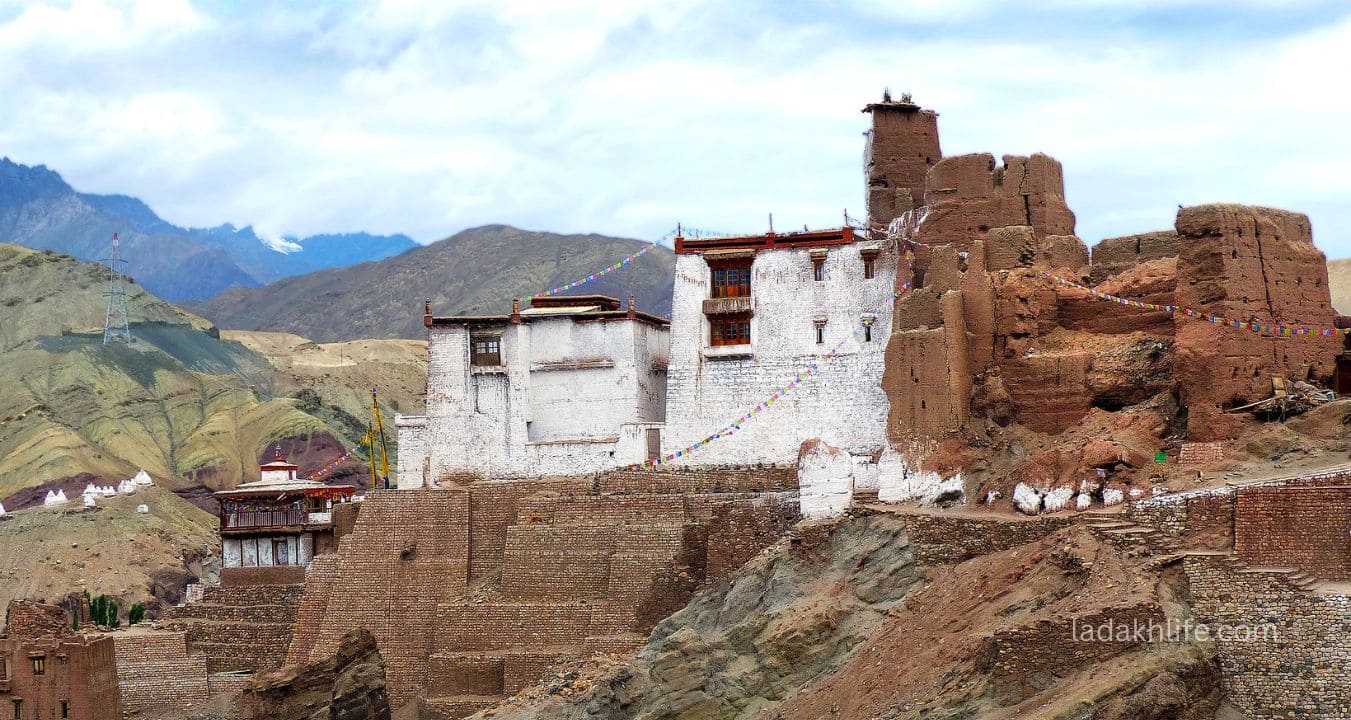
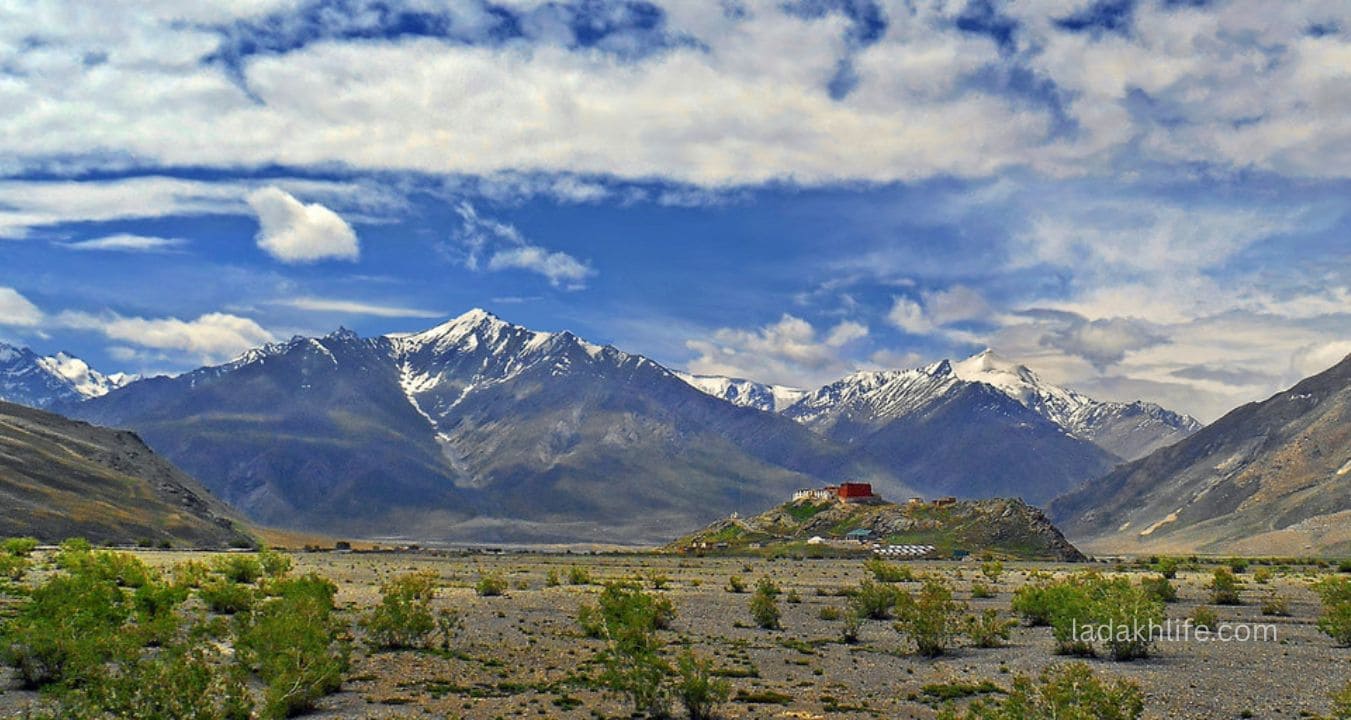
- Stok Monastery: You walk to the monastery, a few minutes from the palace. The monastery is small but beautiful, white walls, prayer flags, a golden roof. Inside, the prayer hall is filled with thangkas and statues. A monk may show you around. The atmosphere is peaceful.
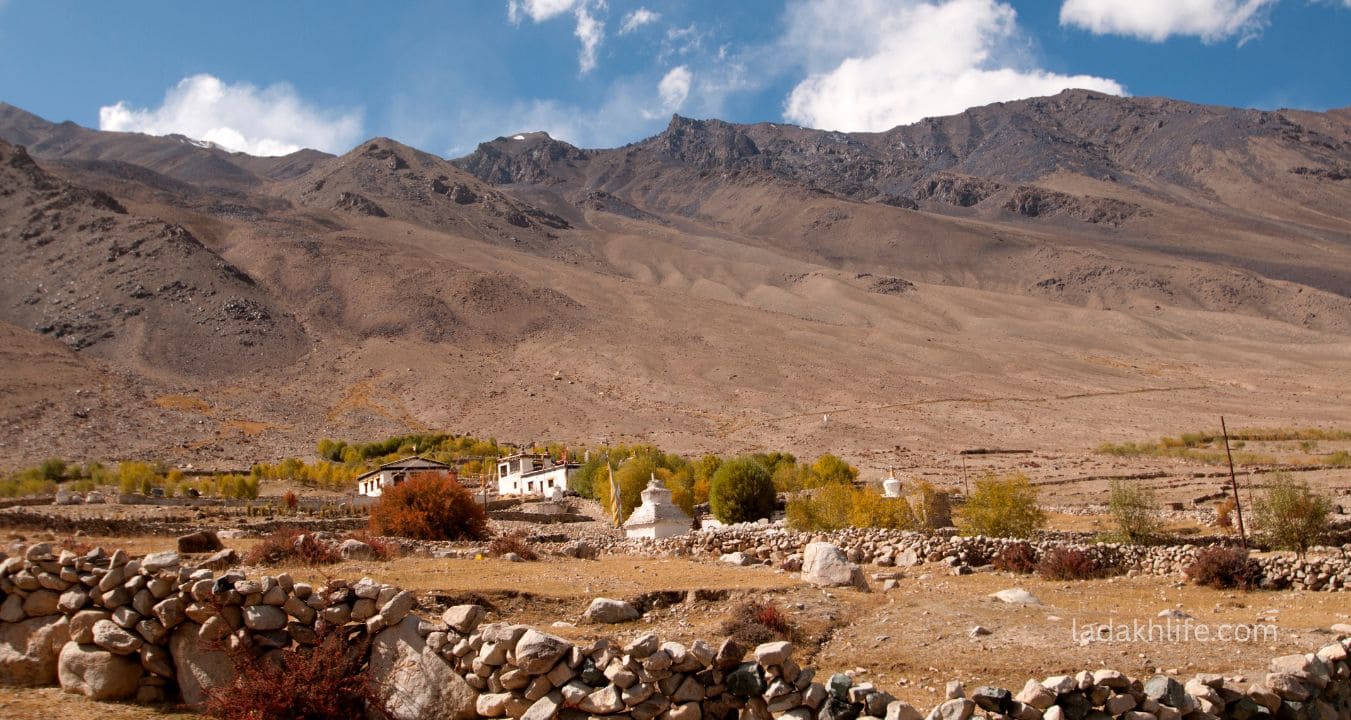
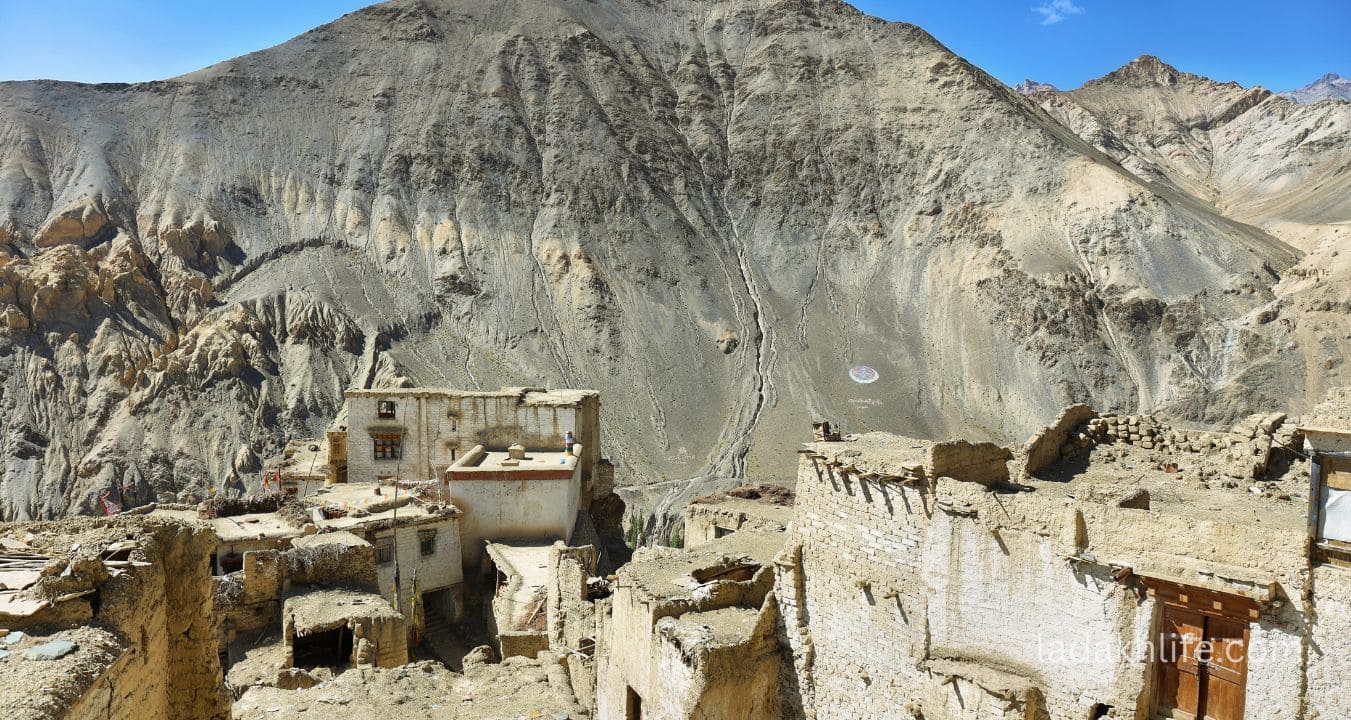
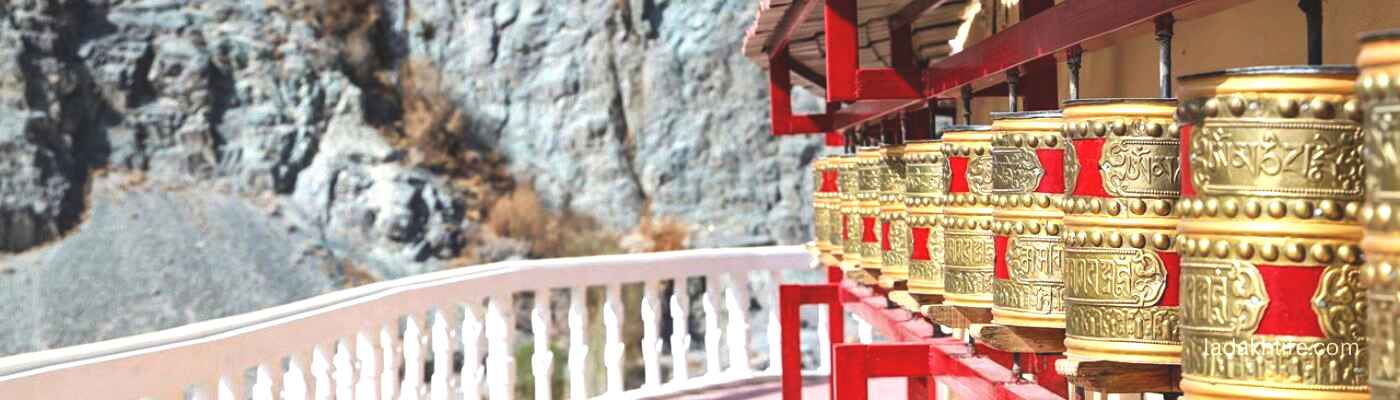
- The village: You walk through the narrow lanes. Stone houses, carved wooden doors, prayer flags strung across the alleys. Children playing. An old woman spinning a prayer wheel. You feel like you've stepped back in time.
That's Stok. Not crowded. Not rushed. Just beautiful, peaceful, and full of history.
The Crown Jewels of Stok (Don't Miss These)
1. Stok Palace, The Royal Residence
The Stok Palace is the heart of the village. Built in 1820 by King Tsepal Dorje Namgyal, the palace was the royal residence after the Dogra invasion of Ladakh forced the royal family to flee Leh. Today, the palace is still home to the Namgyal royal family. A portion of the palace is open to the public as a museum. The museum is filled with royal artifacts, thangkas (Buddhist scroll paintings), ancient jewelry, ceremonial weapons, coins, and the crown of the Namgyal kings. The best part is the rooftop view, the entire Stok Valley spread out below, with Stok Kangri towering above. The palace is not large, but it's fascinating. Spend an hour here. Talk to the caretaker. He has stories.
2. The Royal Museum, Treasures of the Namgyal Dynasty
The museum inside Stok Palace is small but packed with treasures. The collection includes:
- The Royal Crown: A magnificent crown studded with turquoise and coral, worn by the Namgyal kings.
- Thangkas: Ancient Buddhist scroll paintings, some hundreds of years old.
- Jewelry: Necklaces, earrings, and headdresses worn by the royal family.
- Weapons: Swords, daggers, and ceremonial armor.
- Coins and currency: Ancient coins from the Ladakh kingdom and neighboring regions.
No photos are allowed inside the museum, but that's fine. Some things are meant to be seen with eyes, not lenses.
3. Stok Monastery, A Hilltop Haven
The Stok Monastery is a small but beautiful monastery located on a hill above the palace. The monastery belongs to the Gelugpa lineage of Tibetan Buddhism (the same as the Dalai Lama's tradition). The prayer hall is filled with thangkas, statues, and the smell of butter lamps. The courtyard offers stunning views of the valley and the Stok Range. The monastery is much quieter than the famous monasteries near Leh, you'll likely have it to yourself. A monk may show you around. Accept his hospitality. Offer a small donation.
4. Stok Kangri, The Trekker's Peak
Stok Kangri (20,182 ft / 6,153 m) is one of the most popular high-altitude trekking peaks in Ladakh. The peak towers above Stok Village, visible from the palace and monastery. The trek to the summit takes 4-6 days and is challenging, you need to be well-acclimatized, physically fit, and prepared for extreme cold. But even if you're not trekking, the views of the peak from the village are spectacular. Go in the morning when the light hits the snow. It's breathtaking.
5. The Stok Valley, A Hiker's Paradise
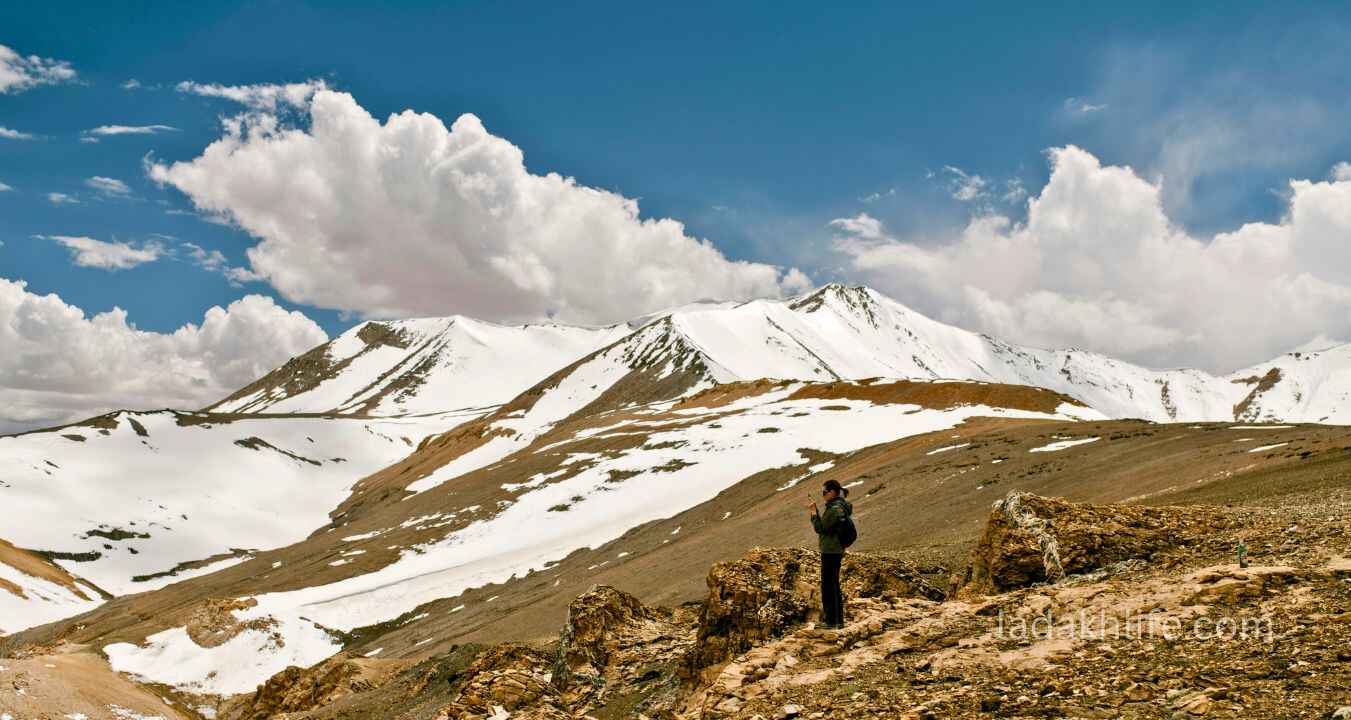
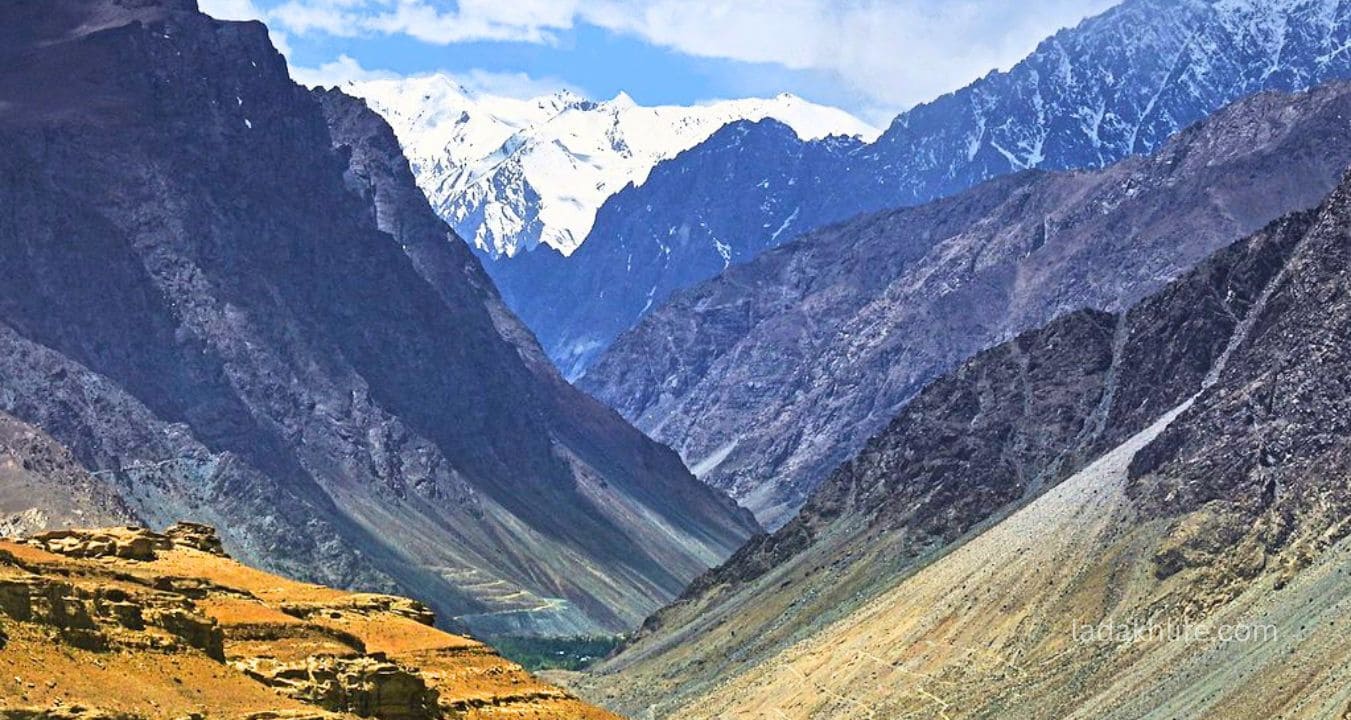
The valley behind Stok Village leads deep into the Stok Range. You can hike for hours without seeing another person. The landscape is barren, dramatic, and beautiful. There are no marked trails, just follow the valley floor, or ask a local for advice. A short 1-2 hour hike will take you to stunning viewpoints overlooking the village and the Indus Valley. This is a great option if you don't have time for the full Stok Kangri trek.
6. The Stok Village Walk, Step Back in Time
Stok is not a museum. It's a living village. Walk through the narrow lanes. Look at the traditional Ladakhi houses, stone walls, carved wooden doors, flat roofs, prayer flags. Watch the women working in the fields. Watch the children playing. Stop at the small shop for a cold drink. The village is peaceful, authentic, and beautiful.
7. The Views of the Indus Valley
From the palace and monastery, you can see the Indus River winding through the valley below. The green fields of the Sham Valley stretch to the horizon. The mountains of the Zanskar Range rise in the distance. The views are spectacular, especially in the late afternoon when the light is golden.
8. The Prayer Flags, Fluttering in the Wind
Prayer flags flutter everywhere in Stok, on the palace, on the monastery, on the houses, strung across the alleys. Blue, white, red, green, yellow, the five colors representing the five elements. The sound they make is like nothing else, a constant, gentle flapping that feels like a prayer. Walk through them. Listen. Buddhists believe the wind carries the prayers on the flags to the heavens.
Best Time to Visit Stok
Stok is accessible most of the year, but the best time to visit is summer.
June to September is the main season. July and August are the warmest months, daytime temperatures 20-25°C, nights cool (5-10°C). The fields are green, the views are clear, and the weather is perfect for exploring the palace, monastery, and valley. August is peak tourist season, Stok gets busy but not crowded.
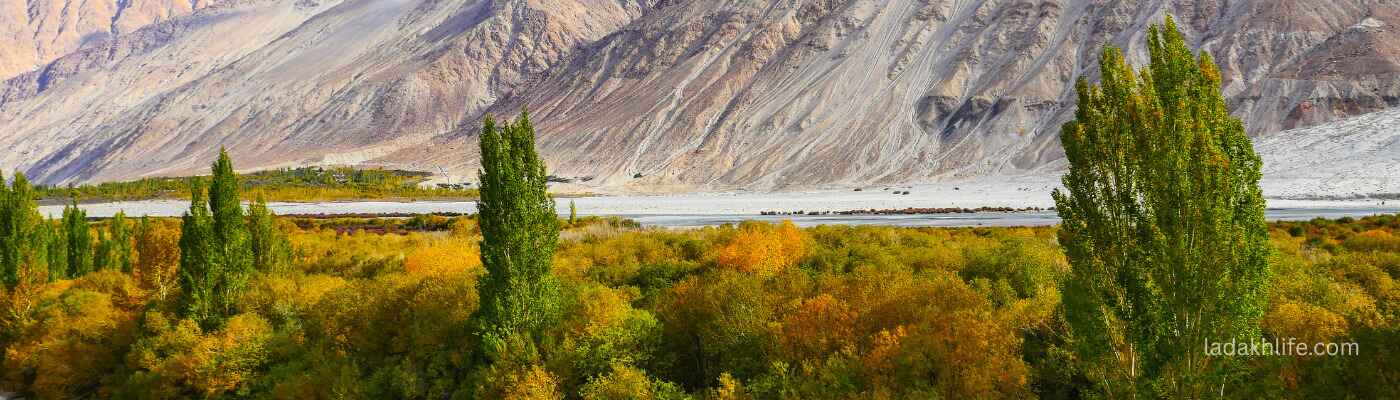
May and October: Shoulder months. May is cooler (15-20°C) and less crowded. October is beautiful, clear skies, crisp air, autumn colors, but nights are cold (near freezing). The palace and monastery are open year-round.
November to April: It's cold, winter temperatures drop below freezing. The road is open (unless there's heavy snow), but the village is quiet, and trekking in the Stok Valley is not recommended. Only visit if you're prepared for cold.
Pro tip: September is the best month. The weather is perfect, the crowds are gone, the skies are clear, and the light on the mountains is spectacular. Visit in the late afternoon for the best light on the palace and Stok Kangri.
Where to Stay in Stok
Stok is easily visited as a day trip from Leh, but you can also stay overnight for a more immersive experience.
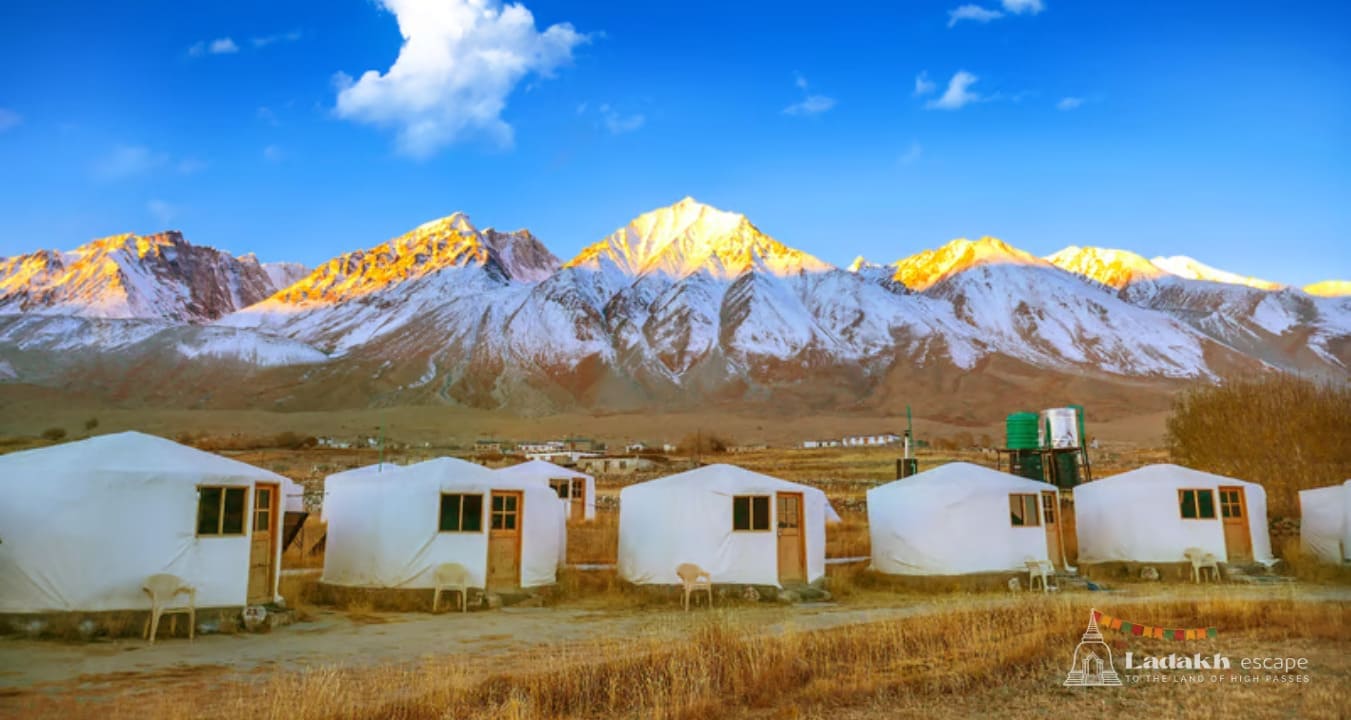
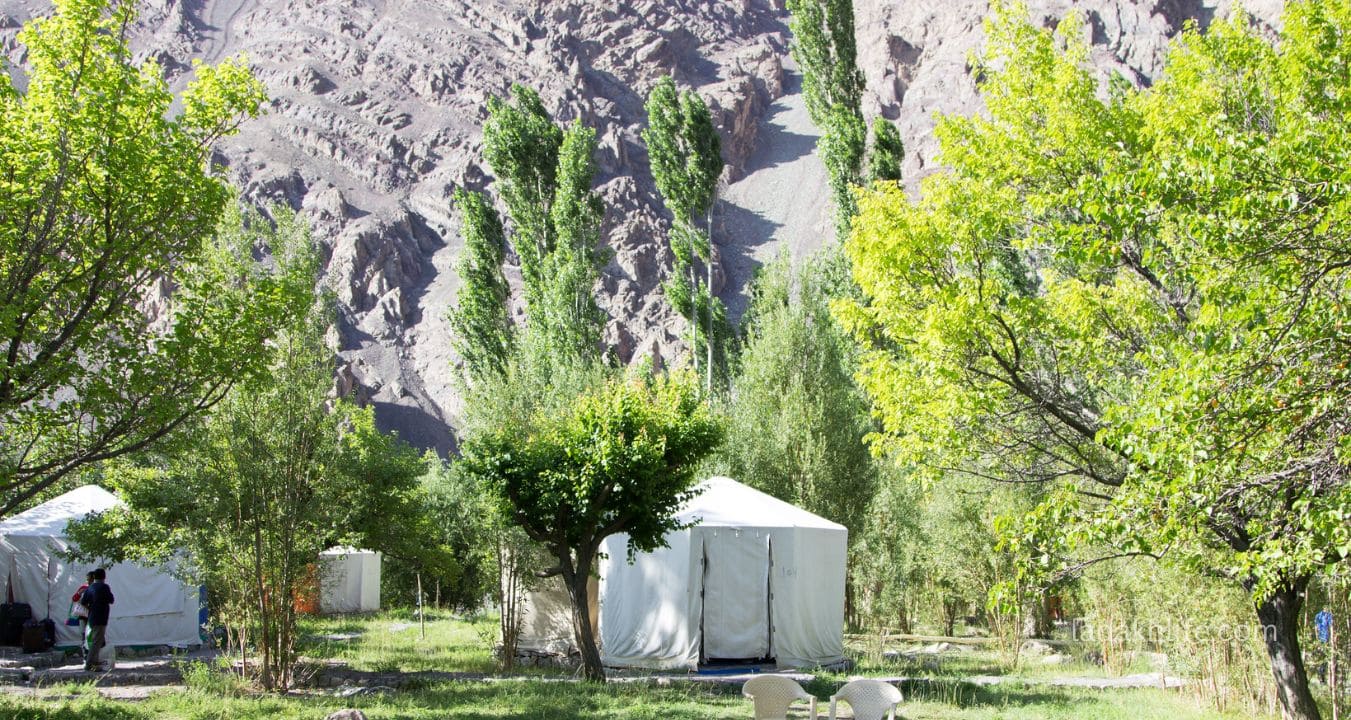
Homestays (₹800-1,200 per night): Several families in Stok offer homestay accommodations. Expect basic but clean rooms, shared bathrooms (squat toilet, sometimes outside), and home-cooked meals. This is the most authentic way to experience Stok. Ask around when you arrive, someone will point you to a family with space.
In Leh (15 km north): Every budget, from hostels and homestays to luxury hotels. Most visitors stay in Leh and drive to Stok for the day.
No hotels in Stok. Embrace the homestay or day-trip from Leh.
How to Get to Stok
Stok is easy to reach from Leh. Here's how:
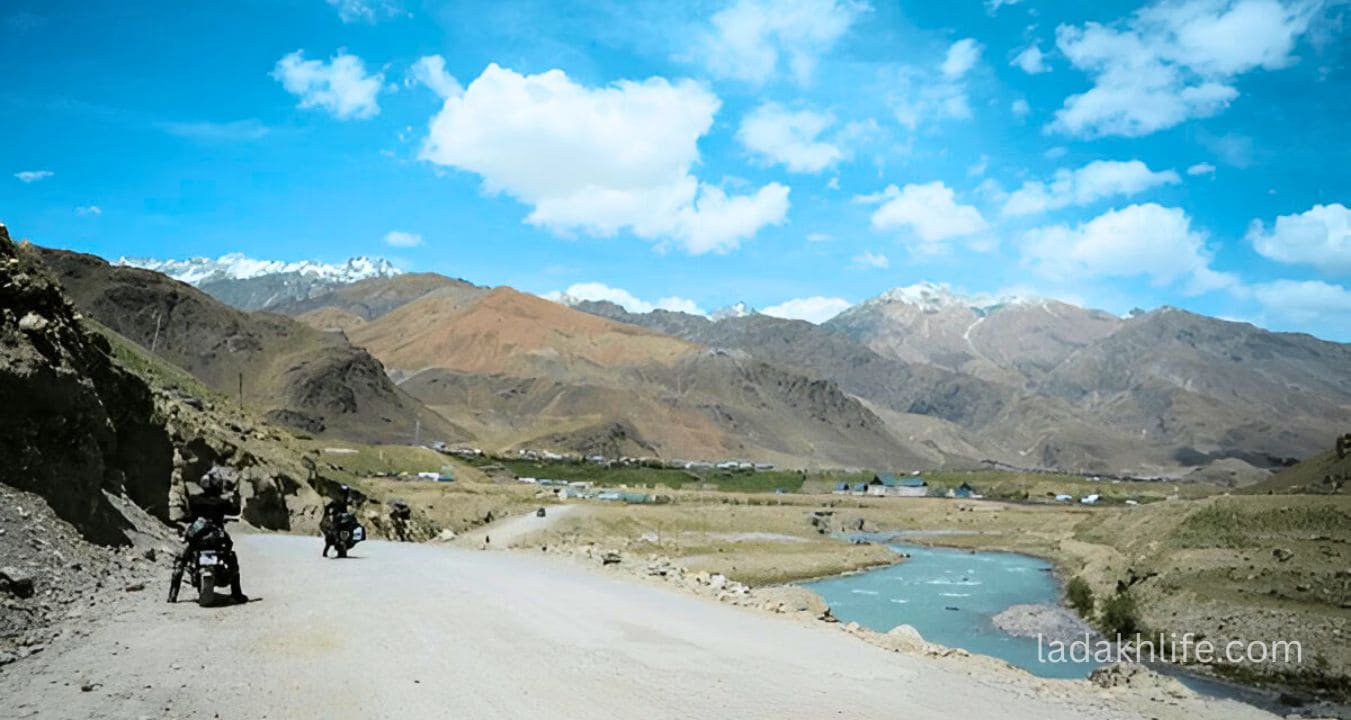
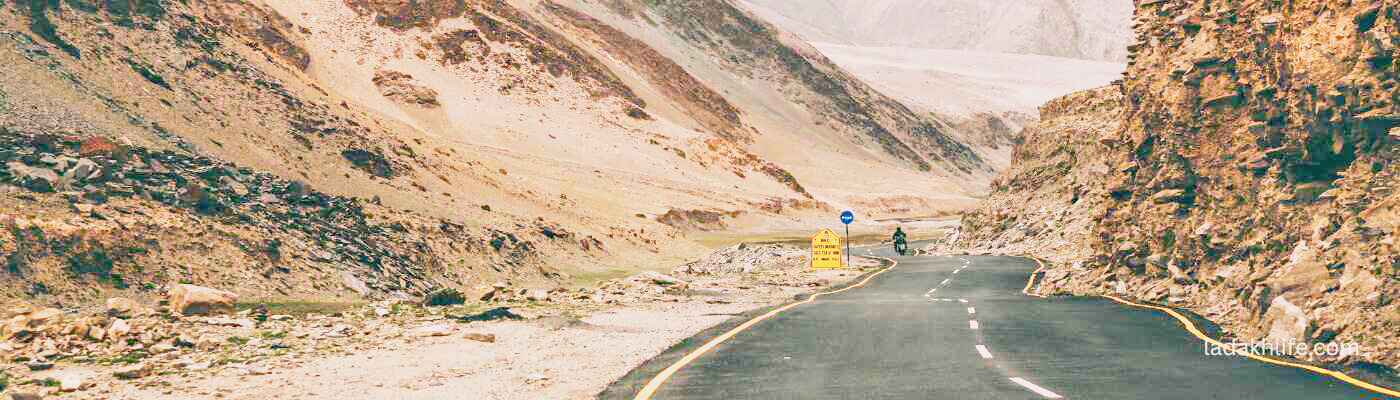
From Leh (about 15 km, 20-30 minutes): Drive south from Leh toward the airport. Cross the Indus River via the bridge at Choglamsar. Continue south on the road to Stok. The road is paved and in good condition. The drive is beautiful, green fields, the river, and the Stok Range ahead.
By bike: Easy and enjoyable. The ride from Leh to Stok is short and scenic, flat road along the river, then a gentle climb to the village.
By car (any car is fine): The road is paved and well-maintained. No 4x4 needed.
By taxi: Hire a taxi from Leh for a half-day trip to Stok. Expect to pay ₹1,000-1,500 for the round trip with waiting time.
By bus: Local buses from Leh to Stok run occasionally. Check at the Leh bus stand. The bus will drop you near the village entrance, you'll need to walk to the palace (10-15 minutes uphill).
What to Pack for Stok
Stok is at similar altitude to Leh, so prepare for sun and cool temperatures:
- Daytime: T-shirts, light pants, a hat for sun protection, sunglasses. It can be warm in summer (20-25°C).
- Evenings: A fleece or light sweater. The temperature drops after sunset.
- Monastery and palace visits: Cover your shoulders and knees. Remove your shoes before entering prayer halls.
- Hiking: If you plan to hike into the Stok Valley, wear sturdy shoes and carry water and sun protection.
- Shoes: Comfortable walking shoes for exploring the village, palace, and monastery.
- Sun protection: Sunscreen (SPF 30+), lip balm, sunglasses. The sun is strong at 11,400 feet.
- Water & snacks: There are small shops in Stok, but options are limited. Carry water and snacks from Leh.
- Cash: There are no ATMs in Stok. The nearest ATM is in Leh (15 km away). Bring enough cash for entry tickets, snacks, and any purchases.
- Camera: You'll want it. The palace, the monastery, the mountain views, Stok is beautiful.
- Small donations: Offer a small donation (₹20-50) at the monastery. It helps with maintenance and is a respectful gesture.
Essential Tips for Visiting Stok
- No permits needed. Stok is not near the border, so no Inner Line Permit is required. Indian and foreign nationals can visit freely.
- Dress modestly. Stok is a traditional Buddhist village. Cover your shoulders and knees, especially when visiting the palace and monastery.
- Ask before taking photos inside the palace and monastery. No photos are allowed inside the museum (strictly enforced). In the monastery prayer hall, ask first. No flash, it damages the ancient thangkas.
- Be respectful of the royal family. The palace is still a private residence. Some areas are off-limits. Follow the signs. Don't wander into restricted areas.
- Take your time at the museum. The museum is small but fascinating. Don't rush. Read the descriptions. Ask the caretaker questions, he knows the stories.
- Don't litter. Carry your waste back to Leh. Keep this beautiful village clean.
- Combine with other sights. Stok is close to the Shey Palace and Thiksey Monastery. You can easily combine all three in a single day trip from Leh, visit Shey and Thiksey in the morning, Stok in the afternoon.
- Visit on a weekday. Stok can get busy on weekends with domestic tourists. Visit on a weekday for a quieter experience.
Stok vs Other Royal & Historical Sites in Ladakh
- Stok Palace vs Leh Palace: Leh Palace is larger, more restored, and has better views of Leh town. Stok Palace is smaller, more intimate, and still a royal residence. Stok has a fascinating museum. Leh Palace has more dramatic architecture. Visit both, they're different and both worth seeing.
- Stok vs Shey Palace: Shey Palace is in ruins, with a giant copper-gilt Buddha statue. Stok Palace is intact and still used by the royal family. Shey for the Buddha statue. Stok for the royal artifacts. Visit both, they're only 10 km apart.
- Stok vs Hemis Monastery: Hemis is a large, famous monastery with a famous festival. Stok is a small, quiet village with a palace and a small monastery. Very different experiences. Visit Hemis for the monastery and festival. Visit Stok for the royal history and peaceful atmosphere.
Why Stok is the Most Rewarding Day Trip from Leh
Let me be honest. Stok is not a secret. Thousands of tourists visit every year. The palace gets busy on weekends. The museum is small and can feel crowded. But despite the crowds, Stok is special. Because where else can you visit a royal palace that's still a royal residence, see the crown of the Namgyal kings, and look up at a 20,000-foot peak, all in a single afternoon?
Stok has everything: history, culture, adventure, and beauty. The palace tells the story of Ladakh's royal past. The museum holds treasures that you won't see anywhere else. The monastery offers peace and stunning views. The Stok Valley invites you to hike into the mountains. And Stok Kangri towers above it all, challenging trekkers to climb higher.
Most visitors to Leh never make it to Stok. They spend their days in cafes, planning their next adventure, never realizing that one of the best adventures is just 15 kilometers away. Don't be that traveler. Drive to Stok. Explore the palace. Climb to the monastery. Look up at the mountain. You'll leave with a deeper appreciation for Ladakh's royal heritage and natural beauty.
Stok is not just a village. It's the royal heart of Ladakh. The white palace on the hill, where the Namgyal kings still live. The museum, filled with crowns and thangkas and the treasures of a lost kingdom. The monastery, small and peaceful, overlooking the valley. And above it all, Stok Kangri, 20,000 feet of snow and rock, challenging trekkers to climb higher. This is the best day trip from Leh. Come for the history. Stay for the views. Leave with memories that last a lifetime.