So, What Exactly is Garkon Village?
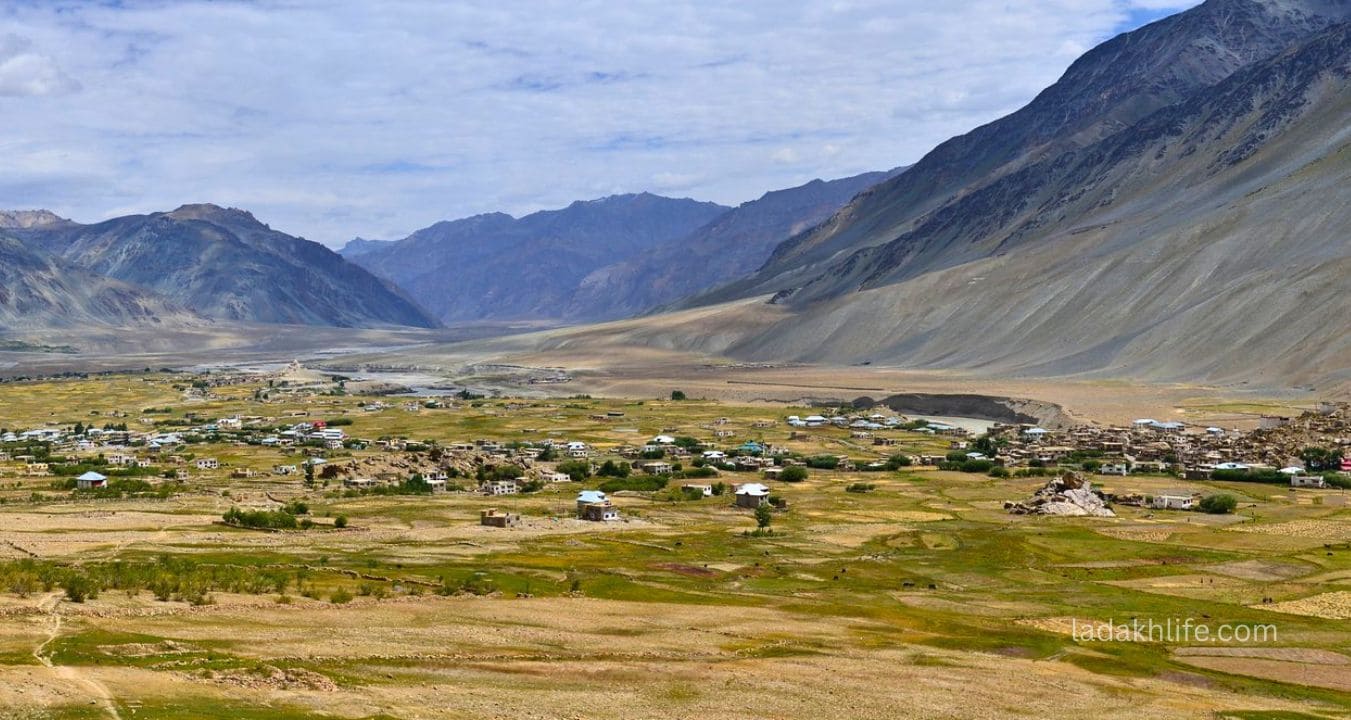
Garkon (also spelled Garkone) is a small village in the Sham Valley region of Ladakh, sitting at approximately 10,500 feet (3,200 meters). It's located about 70 kilometers west of Leh and about 15 kilometers east of the famous Alchi Monastery, on the north bank of the Indus River.
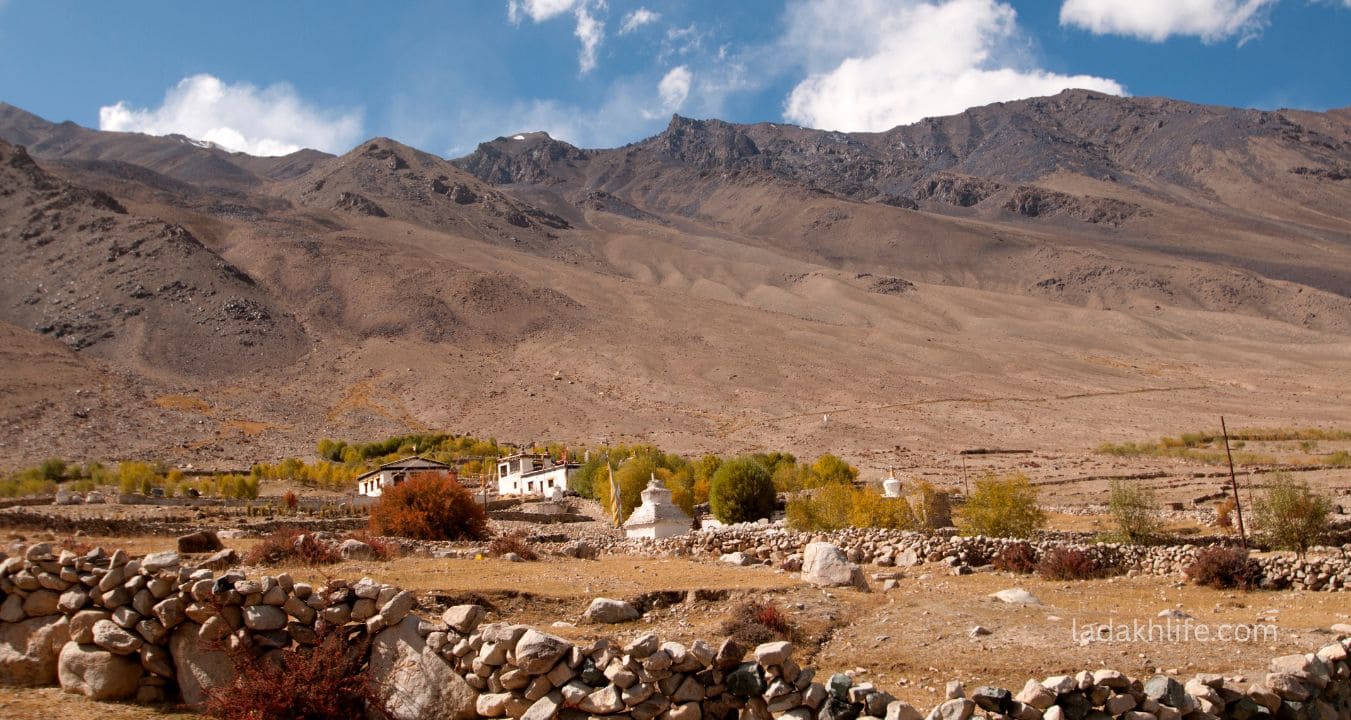
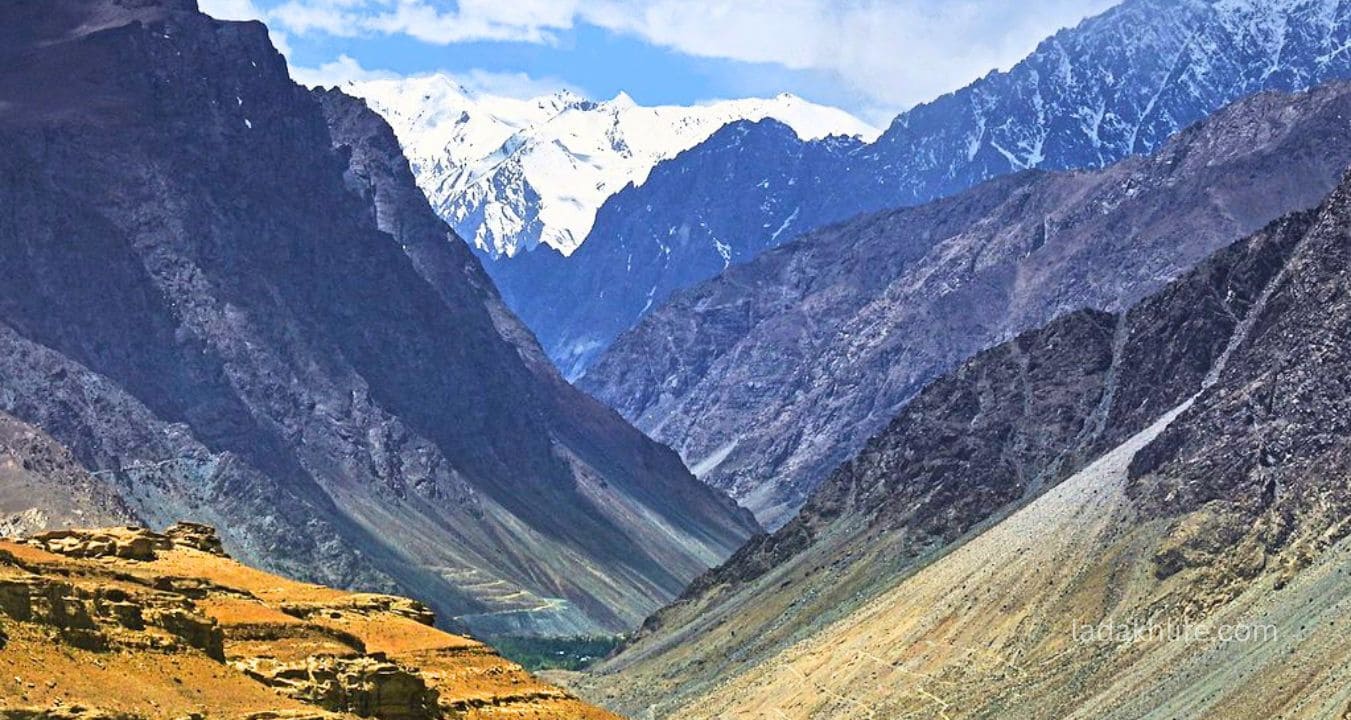
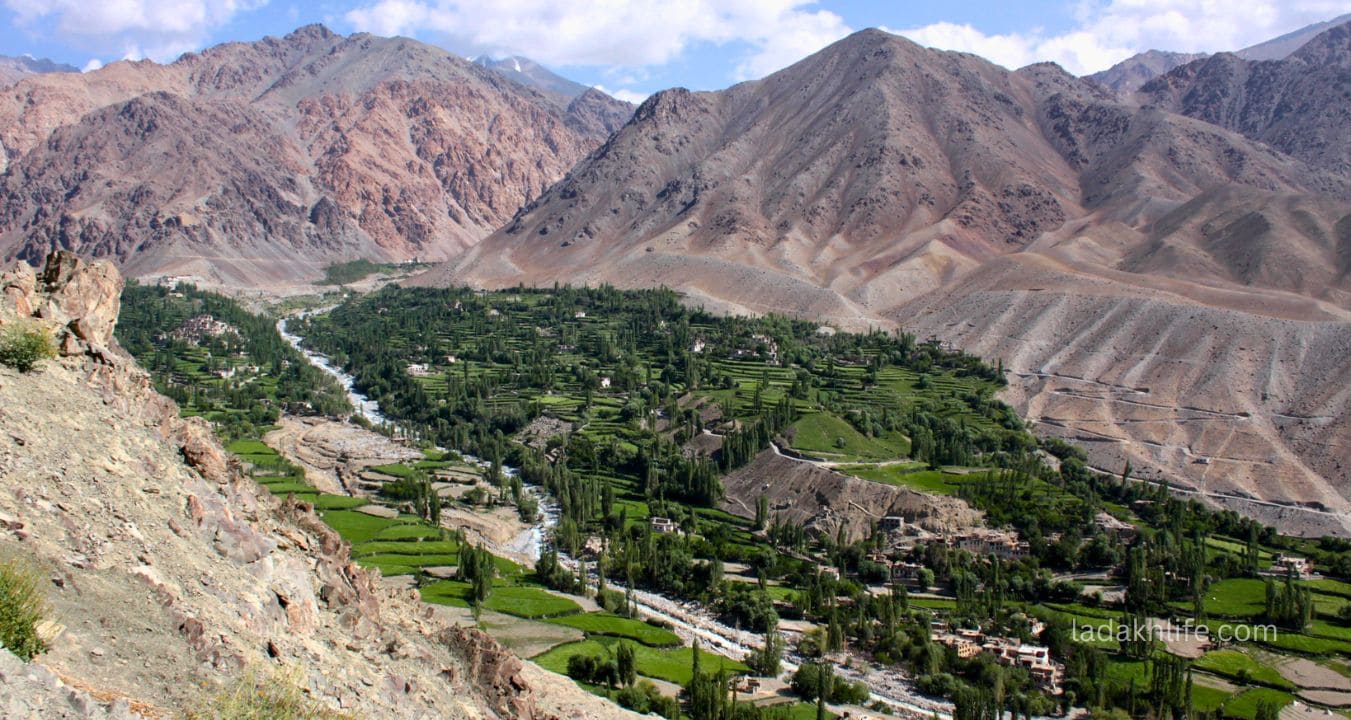
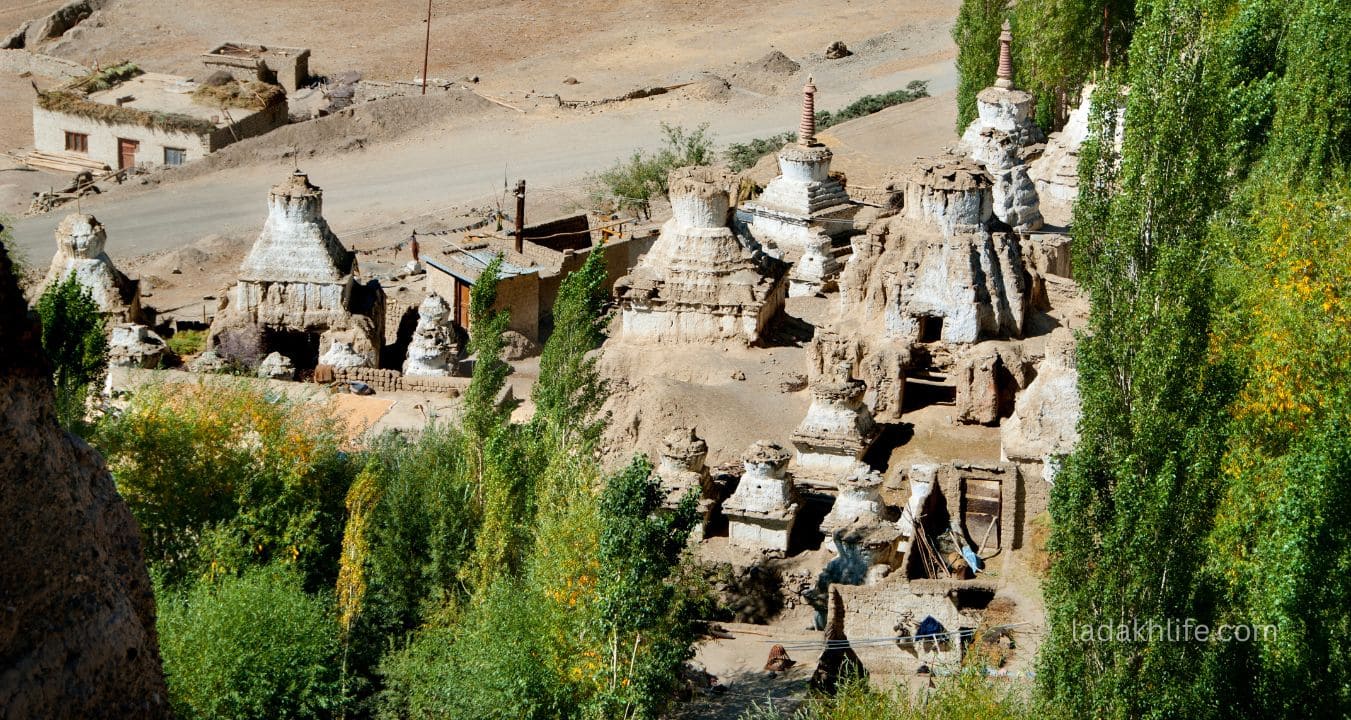
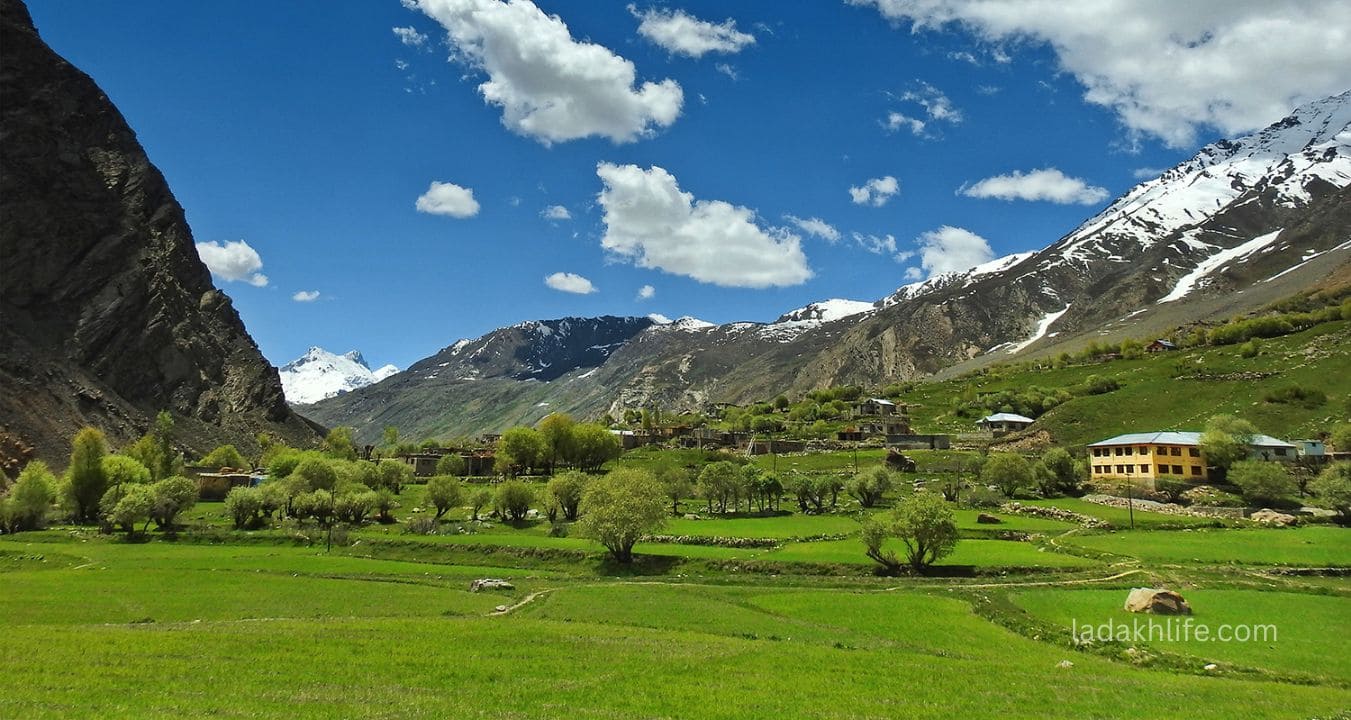
The village is small, maybe 50-60 houses, a few hundred people. The residents are Ladakhi Buddhists, and life here revolves around farming (barley, wheat, mustard, and potatoes) and tending livestock. The fields are irrigated by channels from the Indus River, and in summer, they're a brilliant green against the brown mountains.
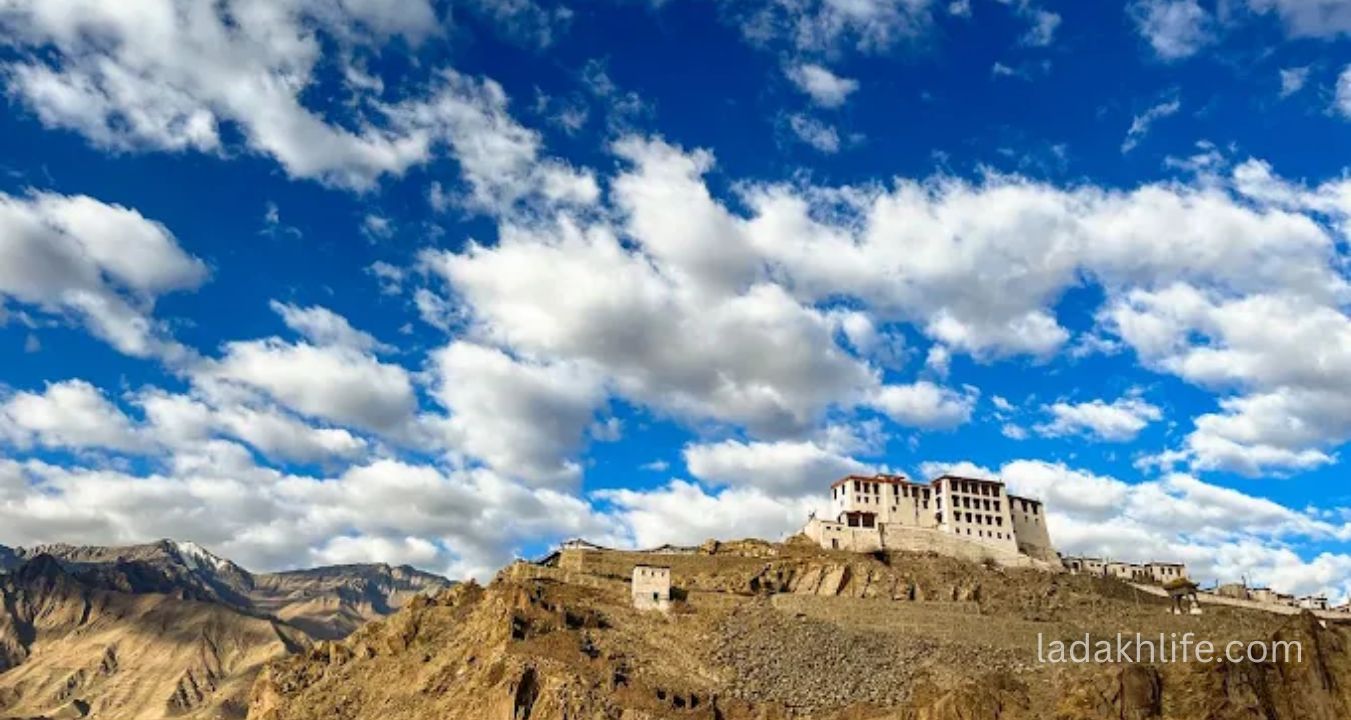
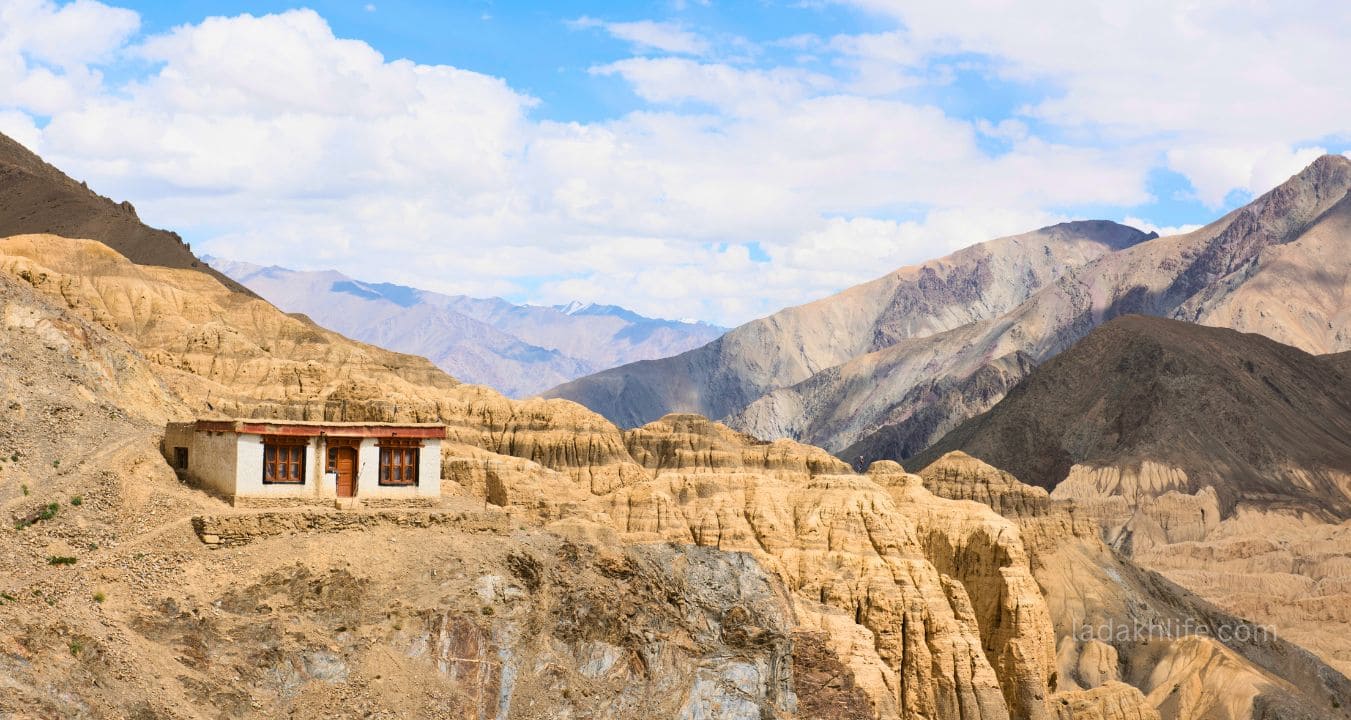
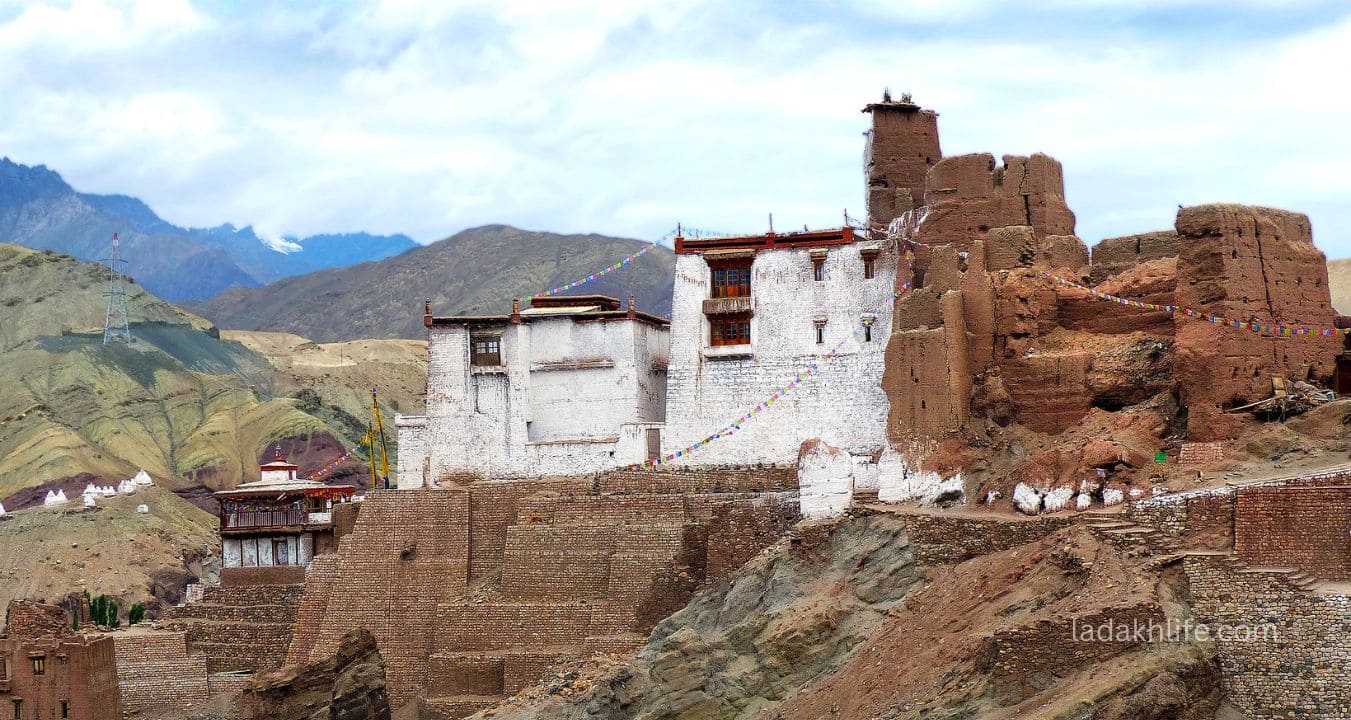
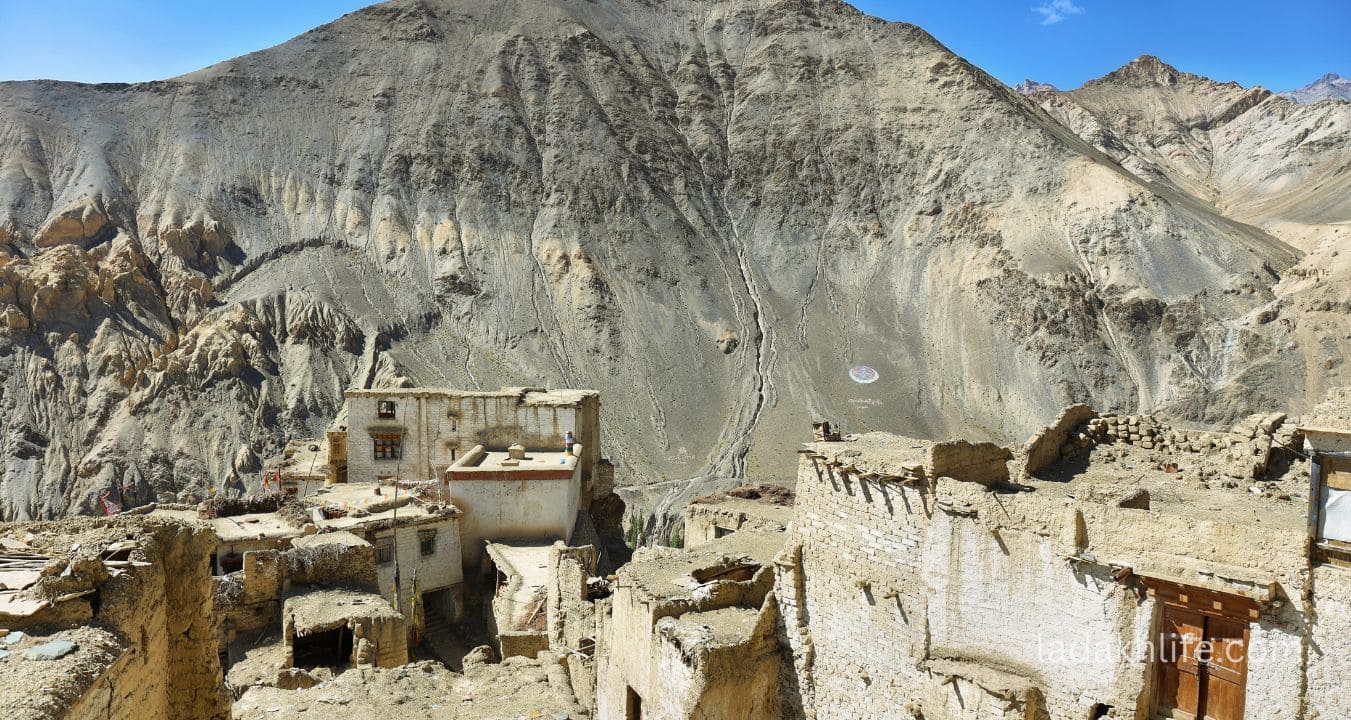
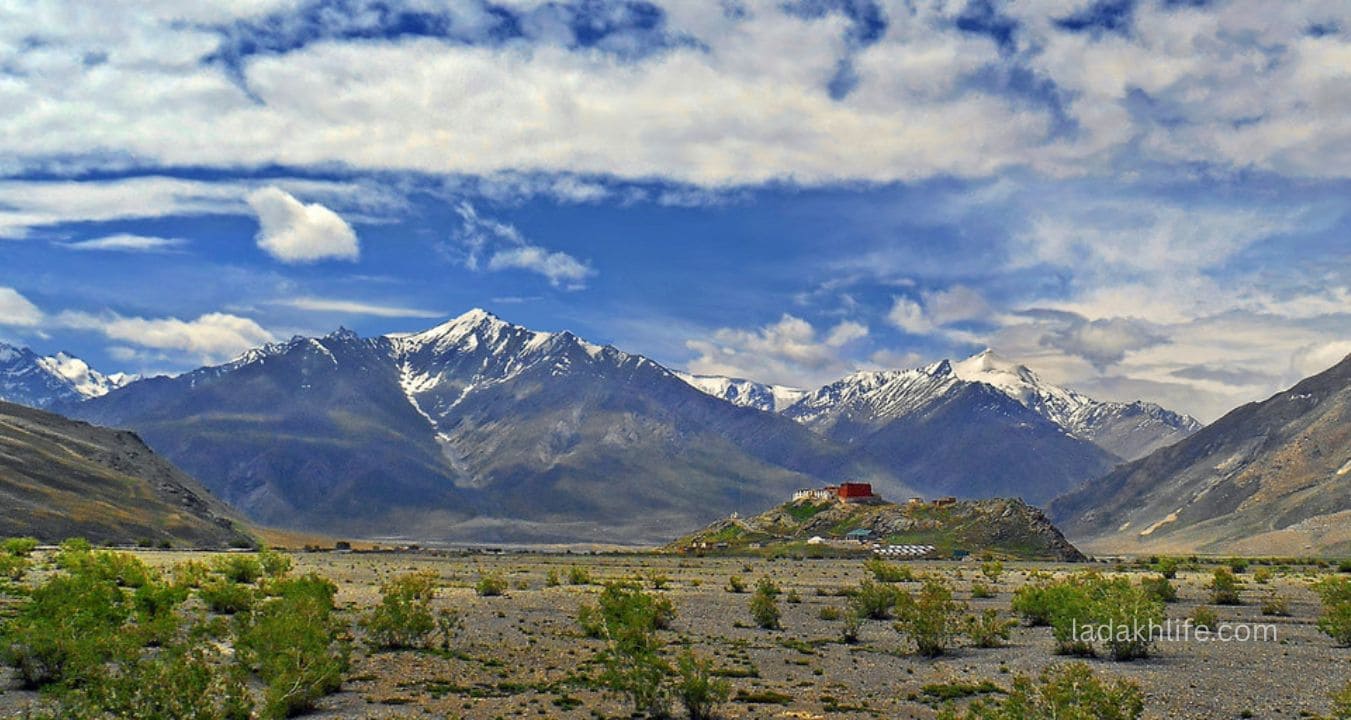
Garkon is best known for its ancient watchtower, a stone structure that dates back to Ladakh's era of petty kingdoms and tribal warfare. The watchtower stands on a hill overlooking the village and the river, a silent reminder of a time when enemies came from across the mountains, and villages needed to defend themselves.
Unlike the famous villages of Sham Valley (like Alchi and Likir), Garkon has no monastery and no tourist crowds. It's just a quiet farming village, beautiful in its simplicity. And for travelers tired of crowded guesthouses and overpriced cafes, it's a breath of fresh air.
Why Garkon is Sham Valley's Hidden Treasure
Most tourists never visit Garkon. Here's why you should:
- The Indus River setting. Garkon sits right on the banks of the Indus. You can walk down to the river, sit on the rocks, and watch the water flow. It's peaceful, meditative, and beautiful.
- The ancient watchtower. A centuries-old stone tower overlooking the village. It's not restored or touristified, just an old structure, slowly crumbling, full of history and mystery.
- Lush green fields. In summer, the fields around Garkon are brilliant green, barley, wheat, mustard, potatoes. The contrast with the brown mountains and the grey river is stunning.
- No crowds. Alchi Monastery gets thousands of visitors every year. Garkon, just 15 kilometers away, sees maybe a handful per week. You'll have the village almost to yourself.
- Warm homestays. A few families in Garkon offer homestays. You'll eat home-cooked Ladakhi food, sleep in a traditional house, and experience village life firsthand.
- Close to Alchi. Garkon is just a short drive from the famous Alchi Monastery. You can visit the monastery during the day and retreat to peaceful Garkon at night.
The Garkon Experience (The Honest Version)
Let me walk you through what actually happens when you visit Garkon. No filters. No fancy language.
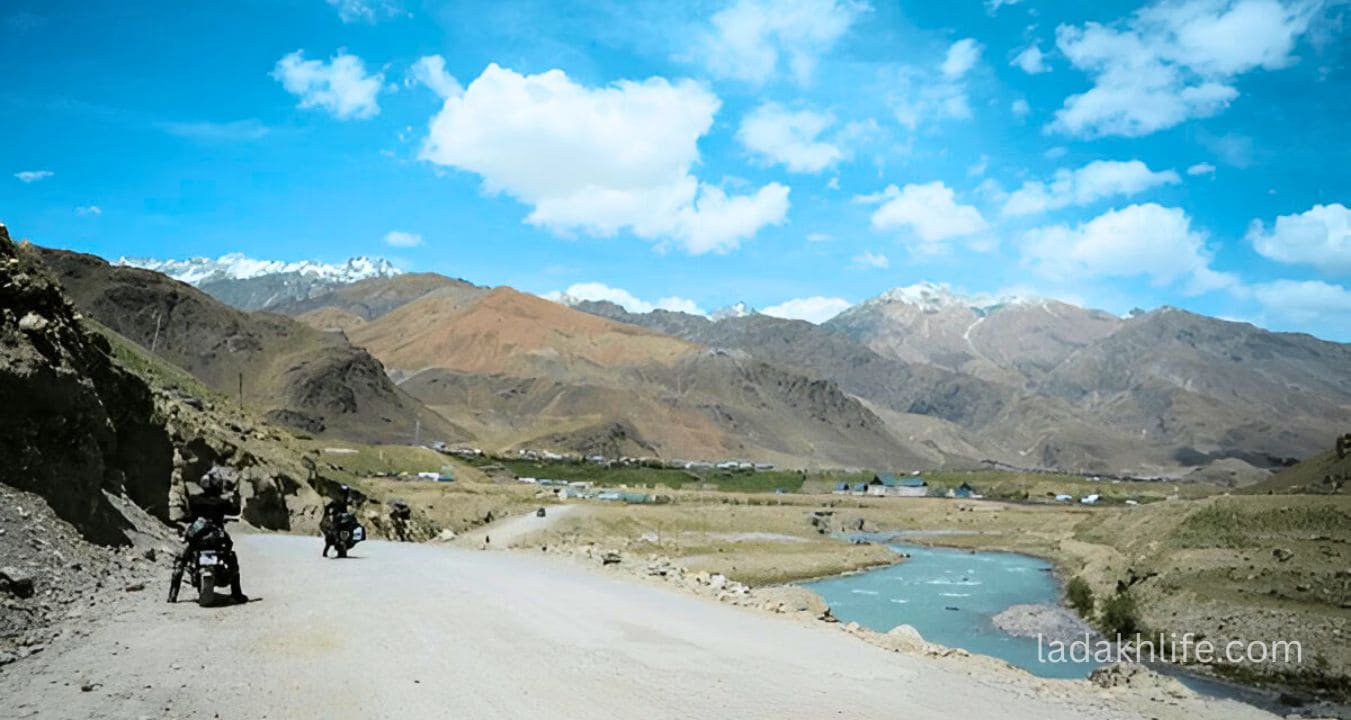
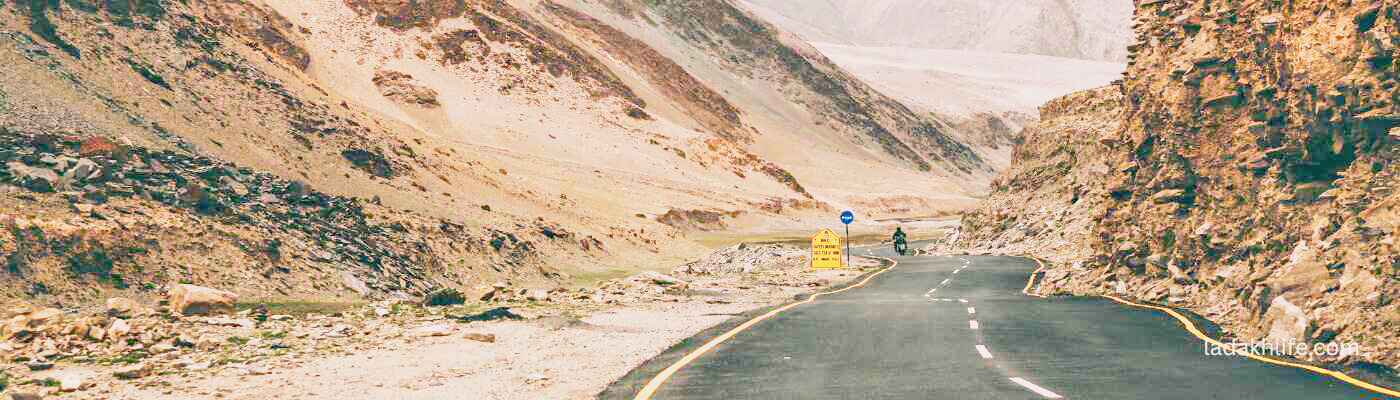
- The drive from Leh or Alchi: You turn off the main Srinagar-Leh highway onto a narrow road that leads toward the river. The road is lined with poplar trees. Green fields stretch on both sides. In the distance, you see the watchtower on its hill.
- Arriving in Garkon: The village is quiet. A few children playing. Women working in the fields. Old men sitting in the sun. You park near the river. The sound of the water is immediate and calming.
- The watchtower: You climb the hill to the old watchtower. It's a short hike, maybe 10-15 minutes. The tower is old, crumbling, full of history. You climb to the top (carefully) and look out over the village and the river. The view is spectacular.
- The riverbank: You walk down to the Indus. The river is wide and powerful. You sit on a rock, dip your feet in the icy water (if you're brave), and watch the water flow toward Pakistan. The sun is warm. The only sound is the river and the wind. You lose track of time.
- The fields: You walk through the fields. Barley, wheat, mustard, the colors are bright. The farmers are working, bent over their plants. They look up, smile, say "Juley." You feel welcome.
- The homestay: You stay with a local family. The house is made of stone and wood, with a flat roof where apricots are drying in the sun. The family serves you dinner, thukpa (noodle soup), momos, and fresh bread. You eat together, sitting around the kitchen stove. You try to communicate with smiles and hand gestures. It's warm. It's real.
That's Garkon. Not famous. Not glamorous. But beautiful, peaceful, and welcoming.
The Crown Jewels of Garkon (Don't Miss These)
1. The Ancient Watchtower, A Sentinel of History
The watchtower is Garkon's most famous landmark. It stands on a hill overlooking the village, a stone structure that's been here for centuries, maybe longer. No one knows exactly when it was built. It was used to watch for invaders from across the mountains, to signal neighboring villages with smoke or fire. Today, it's slowly crumbling, but it's still standing. Climb to the top (carefully, there are no stairs, just rocks). The view of the village, the fields, and the Indus River is spectacular. Go at sunset. The light turns the tower gold.
2. The Indus River, The Lifeline of Ladakh
The Indus River flows right past Garkon, wide and grey-green, carrying meltwater from the glaciers of Tibet. This river is the lifeline of Ladakh, without it, these fields would be desert. Walk down to the riverbank. Find a flat rock. Sit down. Watch the water flow. The sound is hypnotic. The view up and down the valley is beautiful. If you're brave, dip your feet in, but be warned, the water is freezing, even in summer.
3. The Green Fields, A Patchwork of Colors
The fields around Garkon are a patchwork of green and gold, barley, wheat, mustard, potatoes. In summer, the mustard flowers are bright yellow, and the contrast with the brown mountains is stunning. Walk through the fields. Watch the farmers work. In late summer, you'll see families harvesting the crops by hand, just as they've done for centuries.
4. The Poplar Trees, Shimmering in the Wind
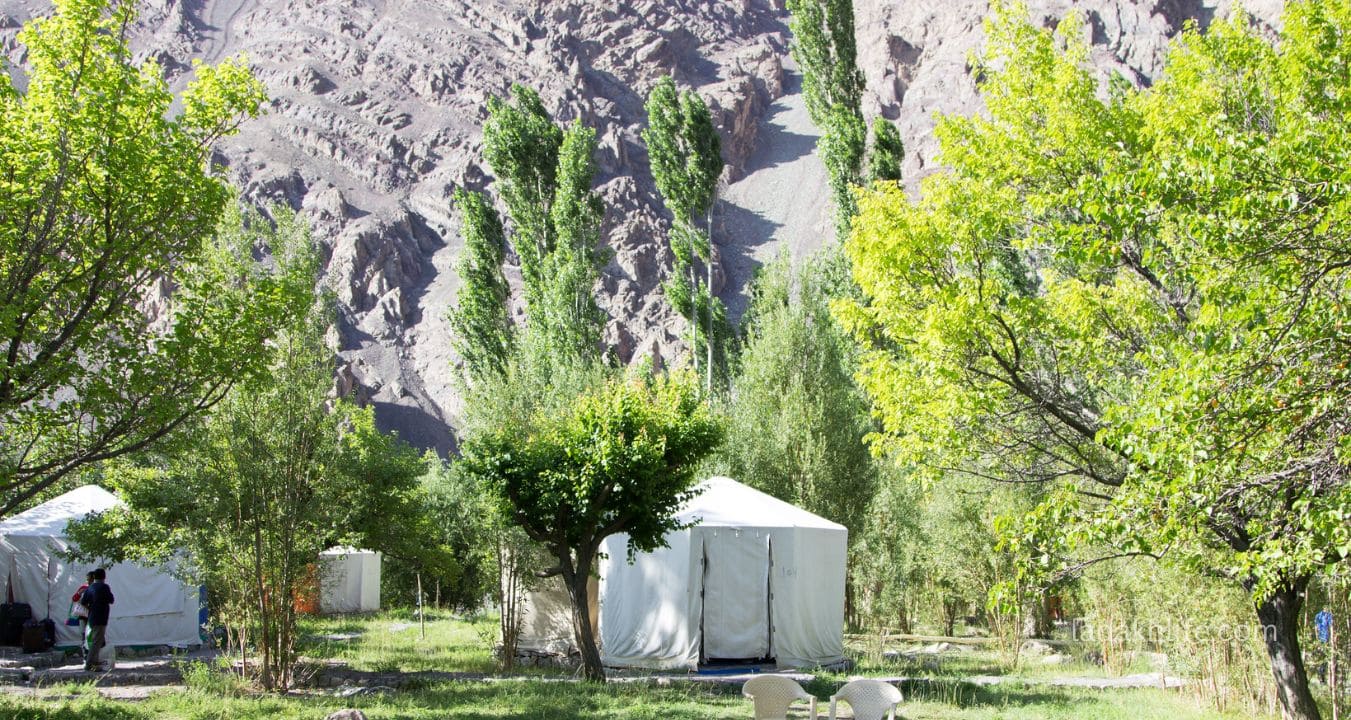
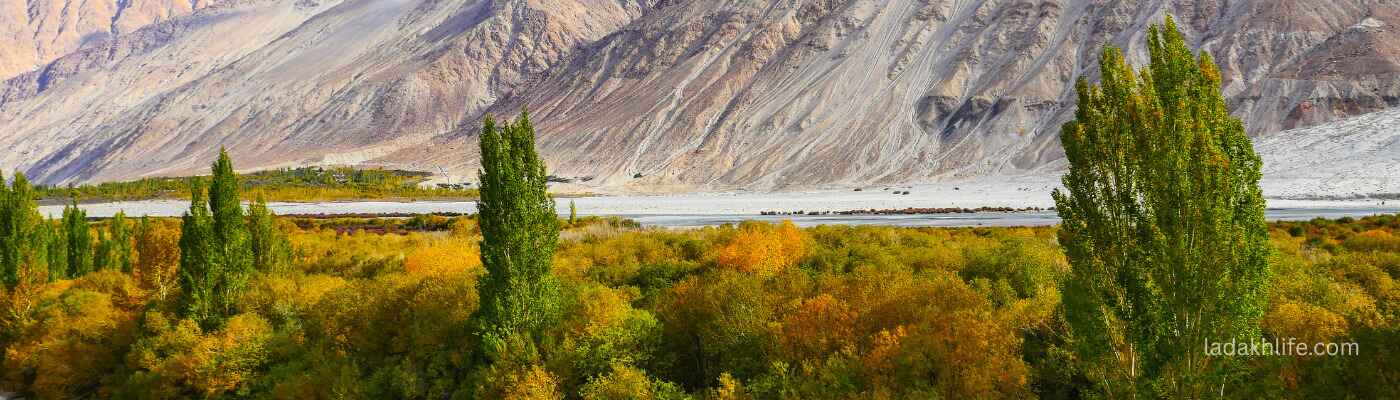
The road to Garkon is lined with poplar trees, tall, straight, their leaves shimmering in the wind. In autumn, they turn gold. In spring, they're bright green. They're beautiful any time of year. Stop your car. Walk under them. Listen to the sound of the leaves. It's a small thing, but it's one of the things you'll remember.
5. The Homestays, Warmth You Won't Forget
A few families in Garkon offer homestays. The accommodations are basic, a clean room, a shared bathroom, a kitchen where the family cooks. But the warmth is extraordinary. You'll eat home-cooked Ladakhi food, thukpa, momos, khambir (traditional bread), and endless cups of butter tea. You'll sit with the family, listening to their stories. You'll leave with new friends.
6. The Stargazing, No Light Pollution
Garkon is far from any town. At night, the sky is dark. The stars are bright. The Milky Way stretches from horizon to horizon. Lie on the roof of your homestay or walk down to the riverbank. Look up. You'll see satellites moving, shooting stars, and maybe the faint glow of the northern lights (rare, but possible). It's the kind of sky that makes you feel small and grateful.
7. The Nearby Alchi Monastery, Ancient Art
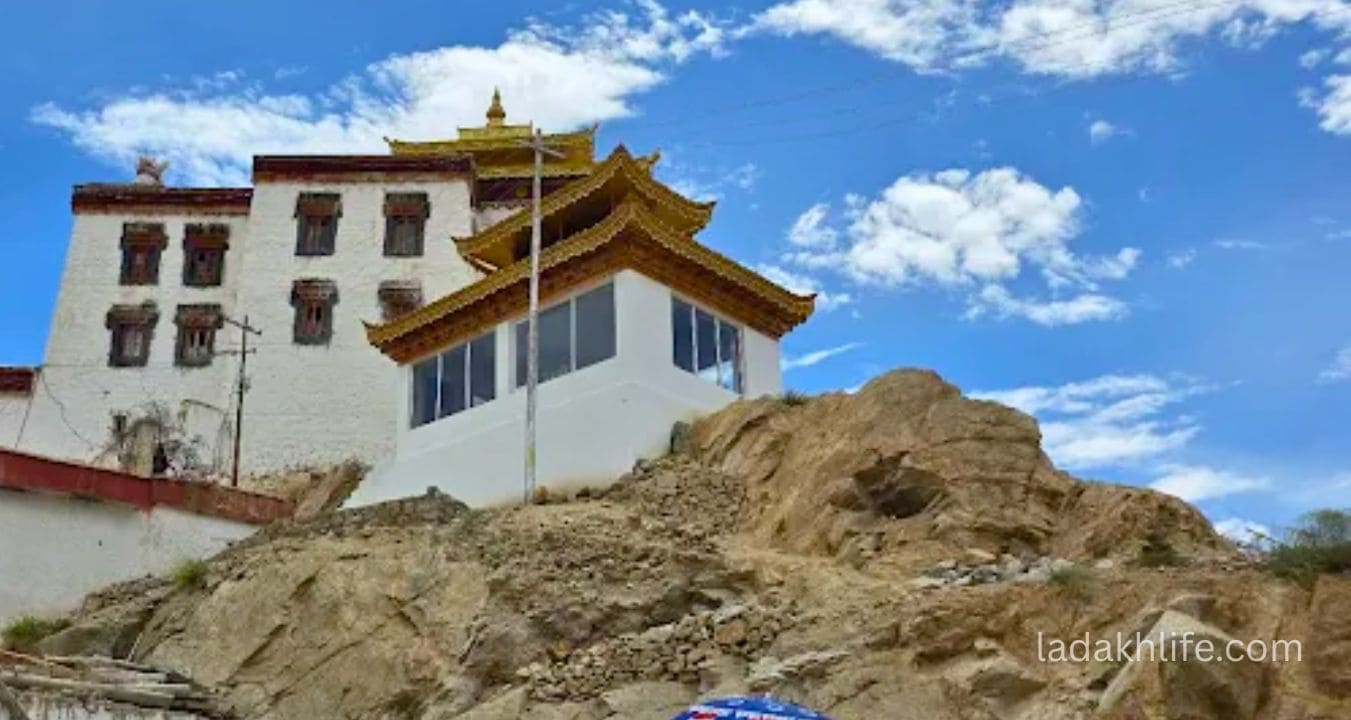
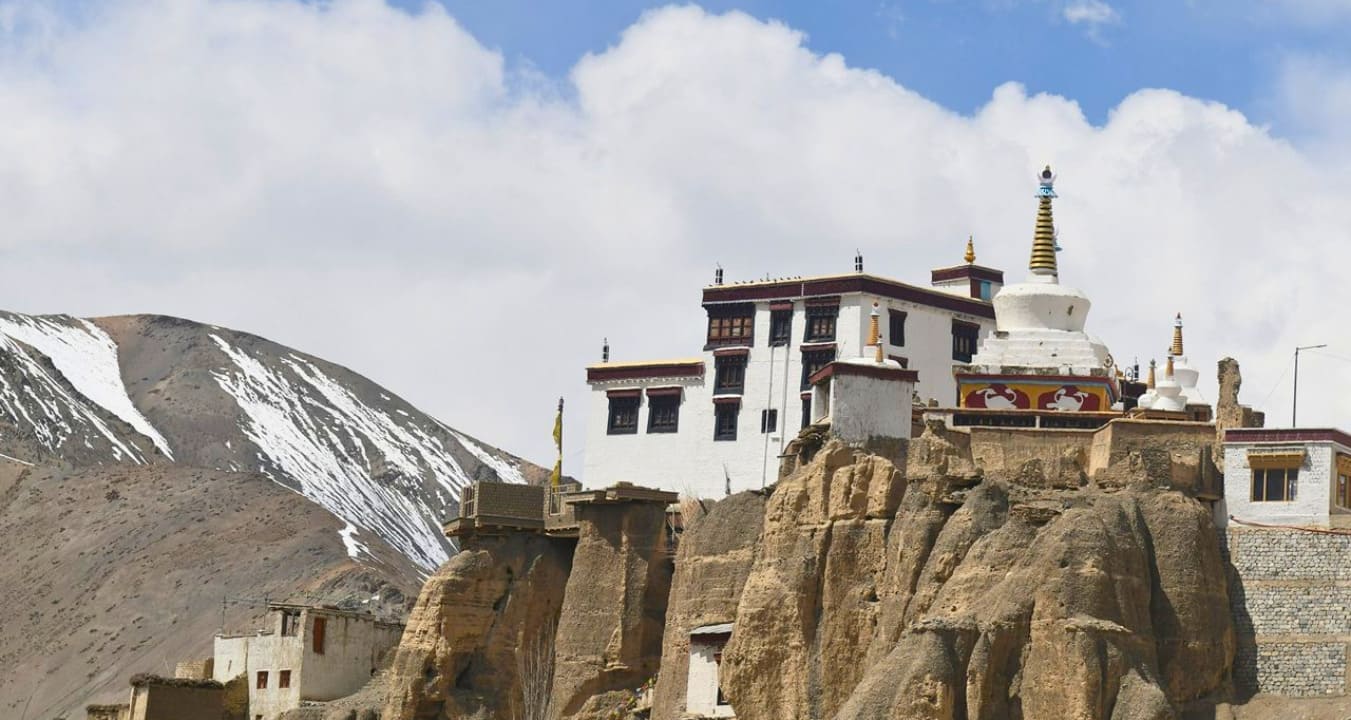
Garkon is just 15 kilometers from the famous Alchi Monastery, one of the oldest and most unique monasteries in Ladakh. Alchi is different from other monasteries, it's on flat ground (not a hilltop), and its architecture shows strong Kashmiri influence. The wood carvings, the murals, the ancient statues, they're over 1,000 years old. Visit Alchi during the day, then retreat to peaceful Garkon at night. It's the perfect combination.
8. The Sunsets over the Indus
The sunsets in Garkon are spectacular. The sun drops behind the western mountains, and the light turns the river orange, then pink, then purple. The watchtower is silhouetted against the sky. The fields glow gold. Walk to the riverbank or climb the hill to the watchtower. Watch the light fade. It's the perfect end to a perfect day.
Best Time to Visit Garkon
Garkon is in Sham Valley, which has a longer season than most of Ladakh.
June to September is the main season. July and August are the warmest months, daytime temperatures 20-25°C, nights cool (5-10°C). The fields are green, the crops are growing, and the village is at its most beautiful. August is peak tourist season in Ladakh, but even then, Garkon sees only a handful of visitors.
May and October: Shoulder months. May is cooler (15-20°C) and less crowded. The fields are just starting to green. October is beautiful, clear skies, crisp air, autumn colors, and the poplar trees turn gold. Nights are cold (near freezing), but days are pleasant.
November to April: It's cold, winter temperatures drop well below freezing. The roads are open (Sham Valley stays open longer than Nubra), but homestays may be closed. The village is quiet, beautiful in a stark, snowy way. Only visit if you're prepared for cold and have a warm sleeping bag.
Pro tip: September is the best month. The weather is perfect, the crowds are gone, the fields are golden with the harvest, and the light is beautiful. Book your homestay in advance.
Where to Stay in Garkon
Accommodation options in Garkon are limited to homestays, and that's part of the charm.
Homestays in Garkon (₹600-1000 per night): A few families offer simple homestay accommodations. Expect basic but clean rooms, shared bathrooms (squat toilet, sometimes outside), and home-cooked meals. This is the most authentic way to experience Garkon. Ask around when you arrive, someone will point you to a family with space.
In Alchi (15 km west): Several guesthouses and camps. Alchi has more options if Garkon is full. But staying in Garkon is a much more peaceful experience.
In Leh (70 km east): Every budget, but staying in Leh means a long day trip to Garkon (1.5 hours each way). Not recommended, stay in Garkon or Alchi instead.
No hotels in Garkon. Embrace the homestay. It's part of the experience.
How to Get to Garkon
Garkon is in Sham Valley, off the main Srinagar-Leh highway. Here's how to get there:
Route: Srinagar/Leh → Sham Valley highway → turn north toward the river at the sign for Garkon (between Alchi and Likir) → Garkon village.
From Leh (about 70 km, 1.5 hours): Drive west on the Srinagar-Leh highway past Phyang, Likir, and Basgo. Just before or after Alchi (depending on direction), look for a sign pointing north toward Garkon. Follow the narrow road to the river.
From Alchi (about 15 km, 20 minutes): Drive east on the highway, then turn north. The road is narrow but paved. Follow the poplar-lined road to the river.
By bike: Easy and beautiful. The ride from Leh to Sham Valley is one of the most scenic in Ladakh. The turnoff to Garkon is easy to miss, watch for signs or ask locals.
By car (any car is fine): The main highway is well-paved. The road to Garkon is narrow but paved. No 4x4 needed.
By taxi: Hire a taxi from Leh for a day trip to Sham Valley including Garkon and Alchi. Expect to pay ₹3,000-5,000 for a full day.
By bus: Buses from Leh to Alchi or Kargil will drop you on the main highway. From there, you'll need to walk or hitch the 2-3 kilometers to Garkon. Not recommended, take a taxi instead.
What to Pack for Garkon
Garkon is at lower altitude than Leh, so it's warmer. Here's what you need:
- Daytime: T-shirts, light pants, a hat for sun protection, sunglasses. It can be warm in summer (20-25°C).
- Evenings: A fleece or light sweater. The temperature drops at night.
- Shoes: Comfortable walking shoes for exploring the village, climbing the watchtower, and walking through the fields.
- Sun protection: Sunscreen (SPF 30+), lip balm, sunglasses. The sun is strong at 10,500 feet.
- Water & snacks: There are small shops in Garkon, but options are limited. Carry water and snacks from Leh.
- Cash: No ATMs in Garkon. The nearest ATM is in Leh or in Kargil. Bring enough cash for homestays, food, and any purchases.
- Camera: You'll want it. The watchtower, the river, the fields, the sunsets, Garkon is incredibly photogenic.
- Power bank: Electricity can be limited in homestays. Keep your devices charged.
- Swimsuit (optional): If you're brave enough to dip in the Indus. The water is freezing, I don't recommend it. But some travelers do.
Essential Tips for Visiting Garkon
- No permits needed. Garkon is not near the border, so no Inner Line Permit is required. Indian and foreign nationals can visit freely.
- Dress modestly. Garkon is a traditional Ladakhi Buddhist village. Cover your shoulders and knees, especially when visiting homes.
- Ask before taking photos of people. Most will say yes, but always ask first. A smile and a "Juley" make all the difference.
- Learn "Juley." It means hello, thank you, goodbye, and everything in between. Use it often. Watch how their faces light up.
- Be careful at the watchtower. It's old and crumbling. There are no stairs, just rocks. Climb carefully. Watch your step.
- Don't swim in the Indus. The current is strong and dangerous. Dip your feet, but don't go further.
- Don't litter. Carry your waste back to Leh. There's no garbage collection in Garkon.
- Stay overnight if you can. Most visitors come as a day trip from Leh. Stay overnight in a homestay if you can. You'll experience Garkon's magic in a way that day-trippers miss, the sunsets, the stargazing, the morning light on the river.
- Combine with Alchi. Garkon is just 15 kilometers from Alchi Monastery. Visit Alchi during the day, stay in Garkon at night. It's the perfect combination.
Garkon vs Other Villages in Sham Valley
- Garkon vs Alchi: Alchi is famous for its ancient monastery, wood carvings, and murals. Garkon is famous for its watchtower, river setting, and peaceful fields. Alchi is for history and art. Garkon is for nature and relaxation. Visit both, they're only 15 km apart.
- Garkon vs Likir: Likir has a beautiful monastery on a hill and stunning views of the Indus Valley. Garkon has the river itself. Likir is more famous, more visited. Garkon is quieter, more peaceful.
- Garkon vs Basgo: Basgo has a ruined palace and monastery on a hill. Garkon has the watchtower. Basgo is dramatic, perched on a hill. Garkon is gentle, nestled by the river. Very different vibes.
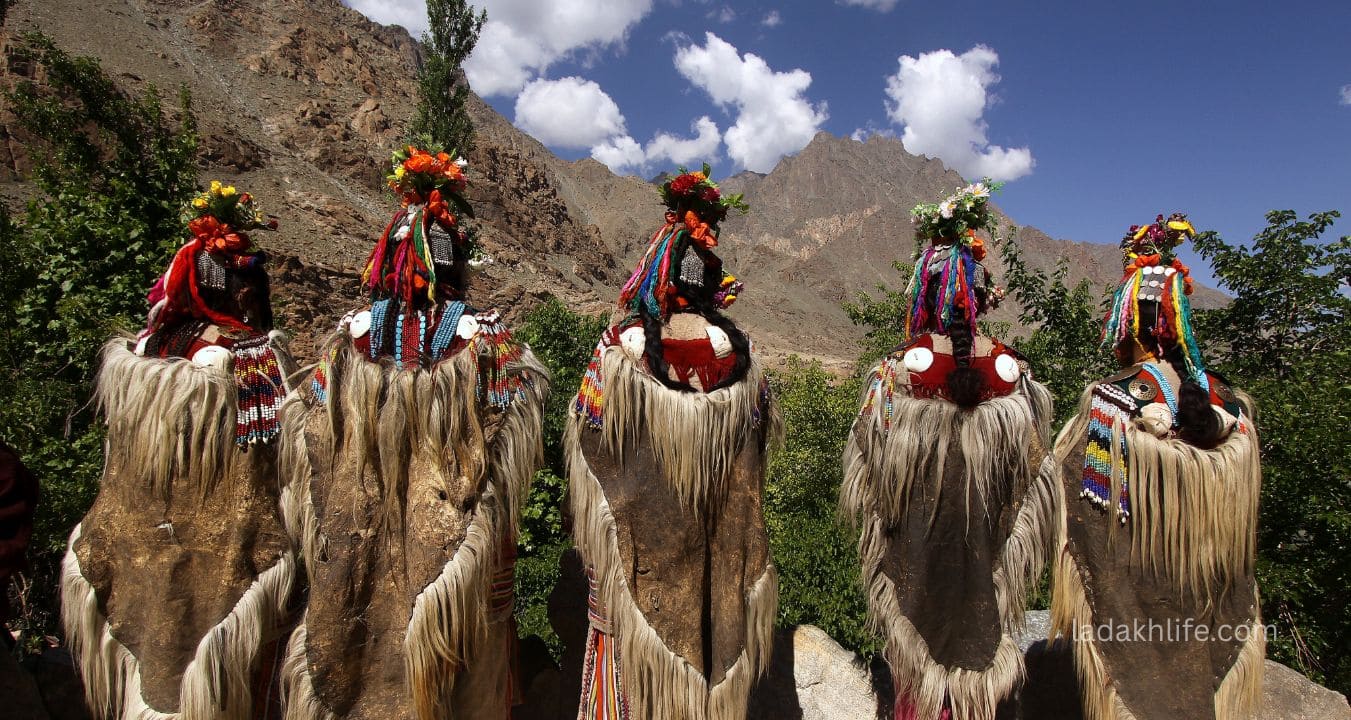
- Garkon vs Dah (Brokpa village): Dah is famous for its unique Aryan/Brokpa culture. Garkon is more typical Ladakhi Buddhist. Both are off the beaten path. Both are worth visiting. They're about 100 km apart, doable in a longer Sham Valley tour.
Why Garkon is Sham Valley's Most Overlooked Village
Let me be honest. Garkon is not famous. It doesn't have a 1,000-year-old monastery or a 100-foot Buddha statue. It doesn't have sand dunes or double-humped camels. It has an old watchtower, a river, and some green fields. That's it.
But that's exactly why it's special.
In a region where every village seems to have a monastery and every turn has a souvenir shop, Garkon remains simple. The people here aren't trying to sell you anything. They're just living their lives, farming, praying, raising their children. When you stay in a homestay, you're not a customer. You're a guest. The family welcomes you because that's what Ladakhi people do.
Garkon won't give you a story for Instagram that gets a thousand likes. But it will give you something rarer, a quiet day by the river, a warm meal with a local family, a sunset from an ancient watchtower. It will remind you why you came to Ladakh in the first place: not for the sights, but for the peace.
So when you're driving from Leh to Alchi, stop rushing. Turn off the highway. Find Garkon. Climb the watchtower. Sit by the river. Stay the night. And when you leave, you'll understand why this little village is the jewel of the Indus.
Garkon is not a destination. It's a detour. Turn off the highway. Follow the poplar trees to the river. Climb the ancient watchtower. Sit on the banks of the Indus and watch the water flow. Stay with a local family. Eat their food. Listen to their stories. And when you leave, you'll understand why Garkon is Sham Valley's best-kept secret. Not because it's famous. Because it's real.