So, What Exactly is Panamik?
Panamik (also spelled Panamik) is a small village in the northern part of the Nubra Valley in Ladakh, sitting at approximately 10,000 feet (3,050 meters). It's located about 45 kilometers north of Diskit (the main town of Nubra) and about 190 kilometers north of Leh, across the famous Khardung La pass.
Panamik is famous for three things: its natural hot springs, its ancient monastery, and its location. The village is the last civilian settlement before the Siachen Glacier, the world's highest battlefield. Beyond Panamik, the road continues to the army base at Partapur and then to Siachen, but civilians are not allowed. Standing in Panamik, looking north toward the mountains, you feel like you're at the edge of the world.
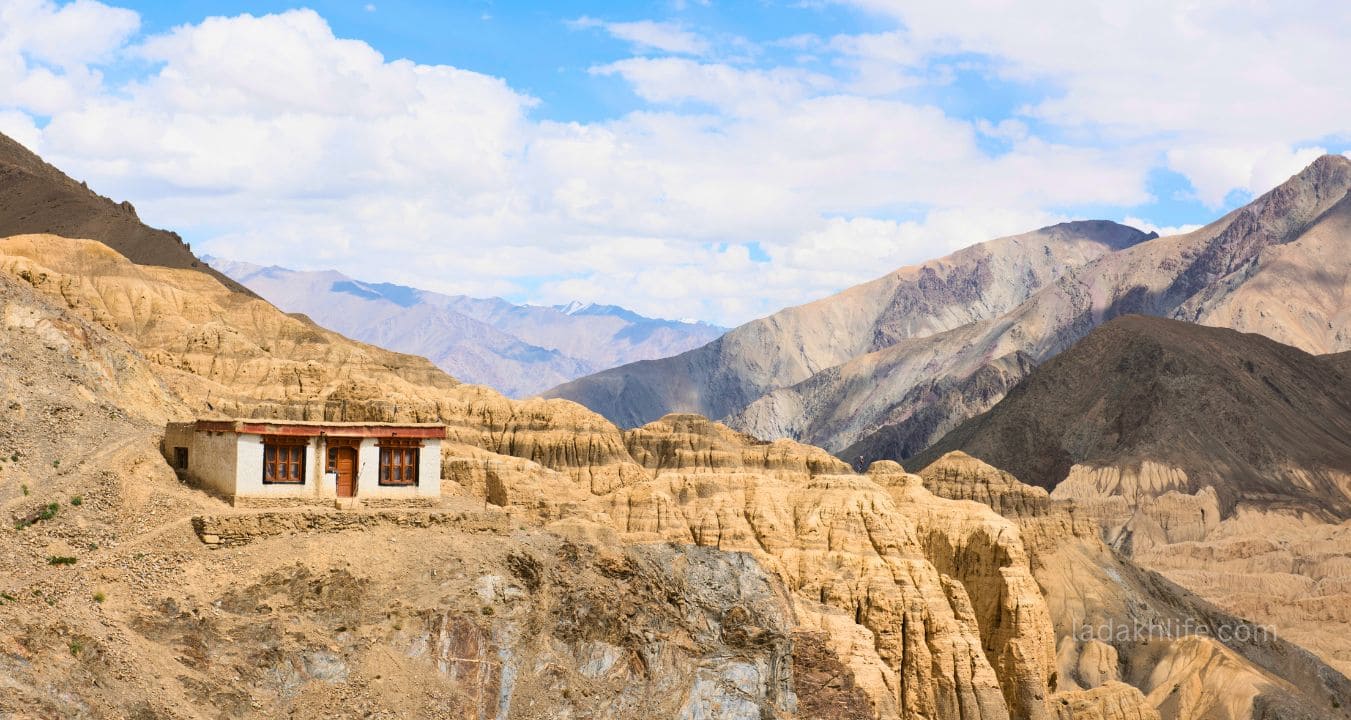
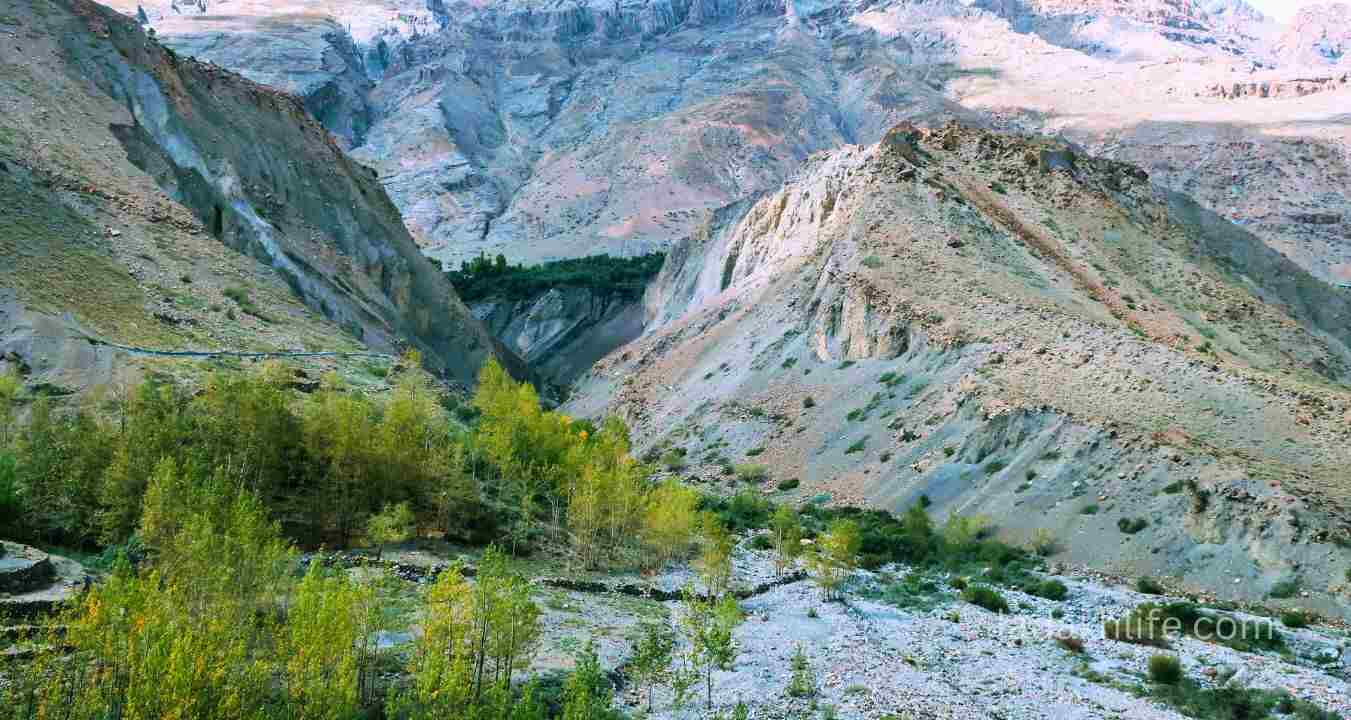
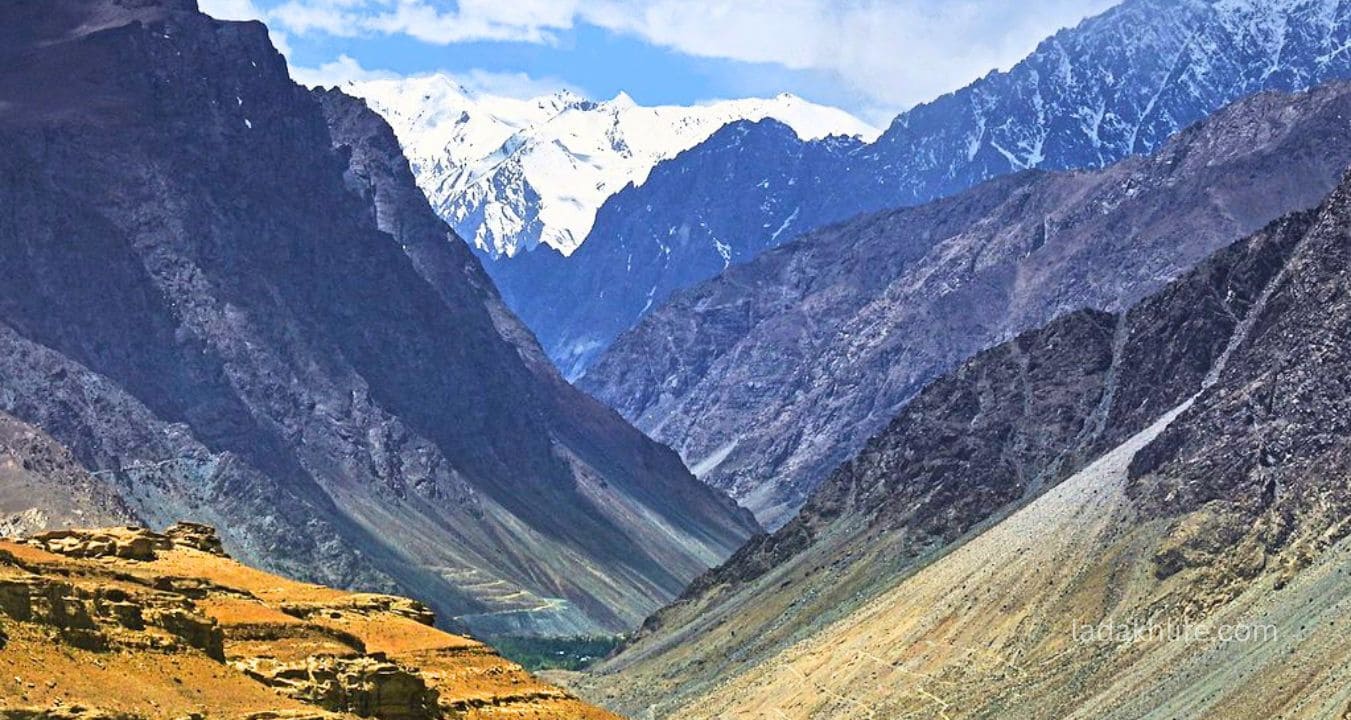
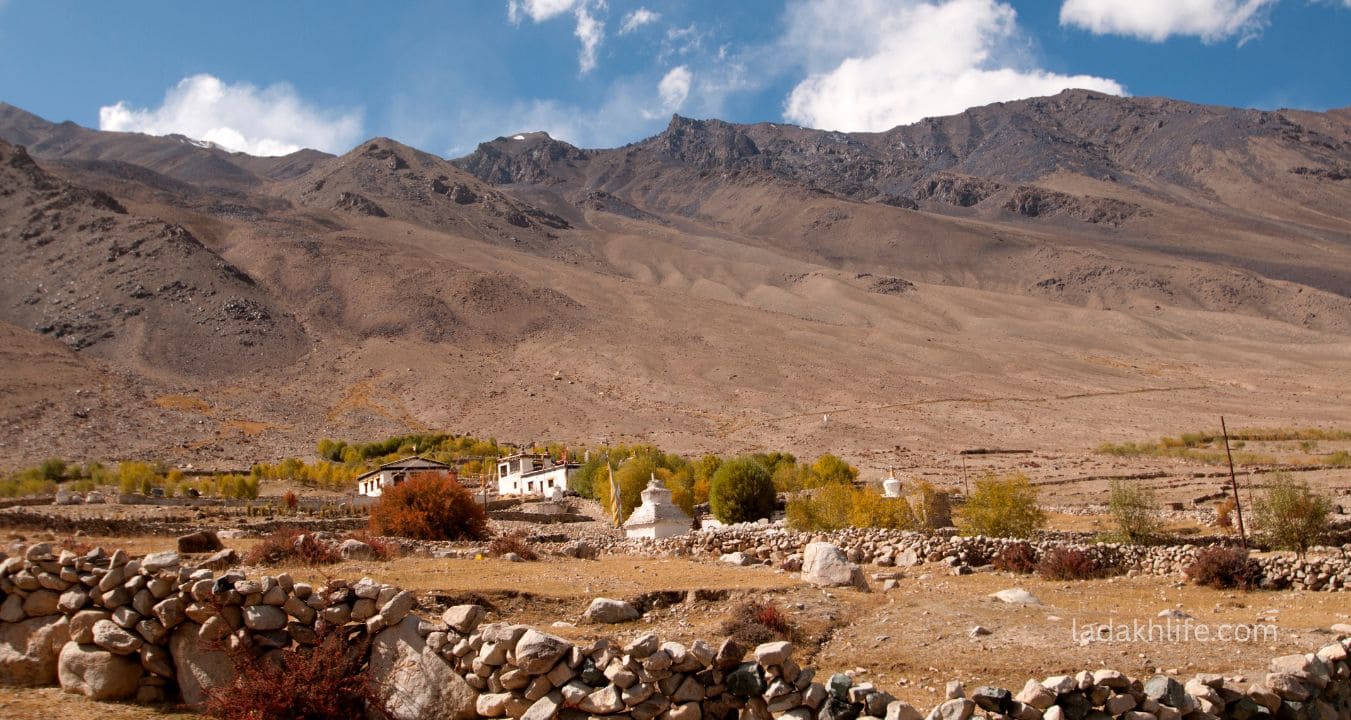
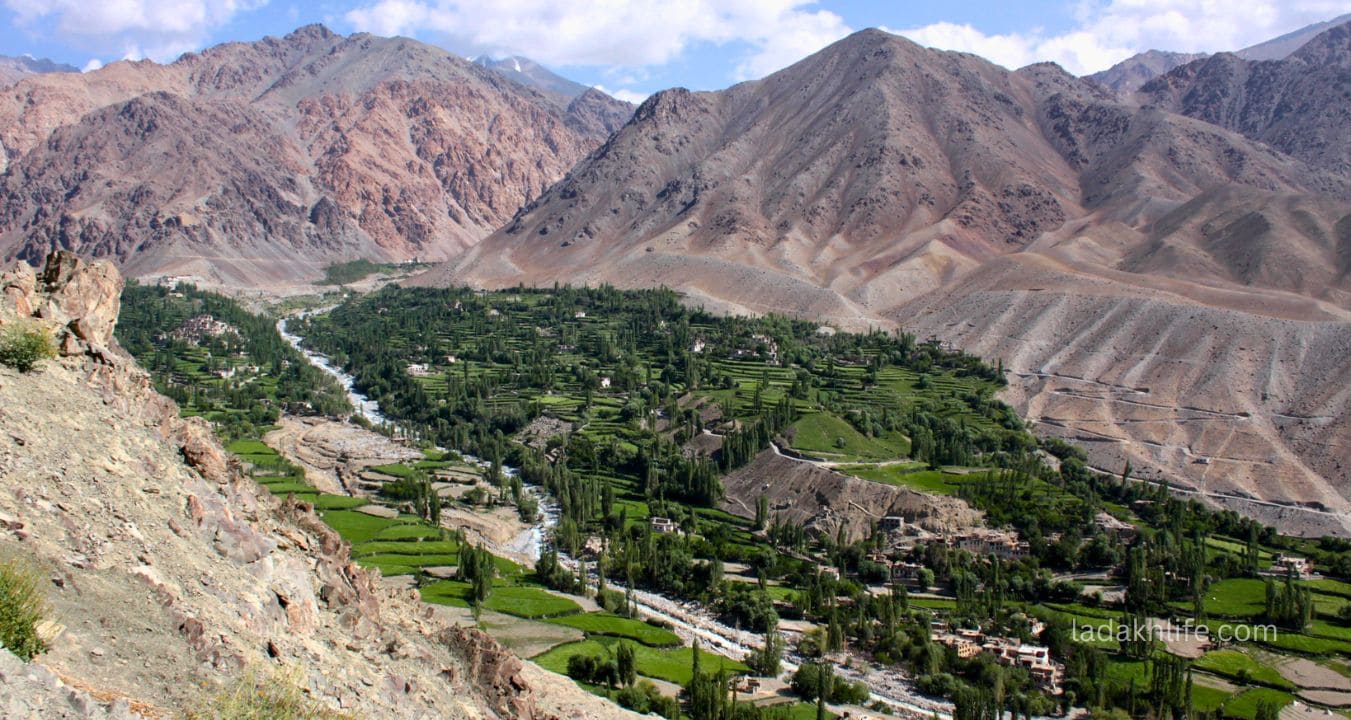
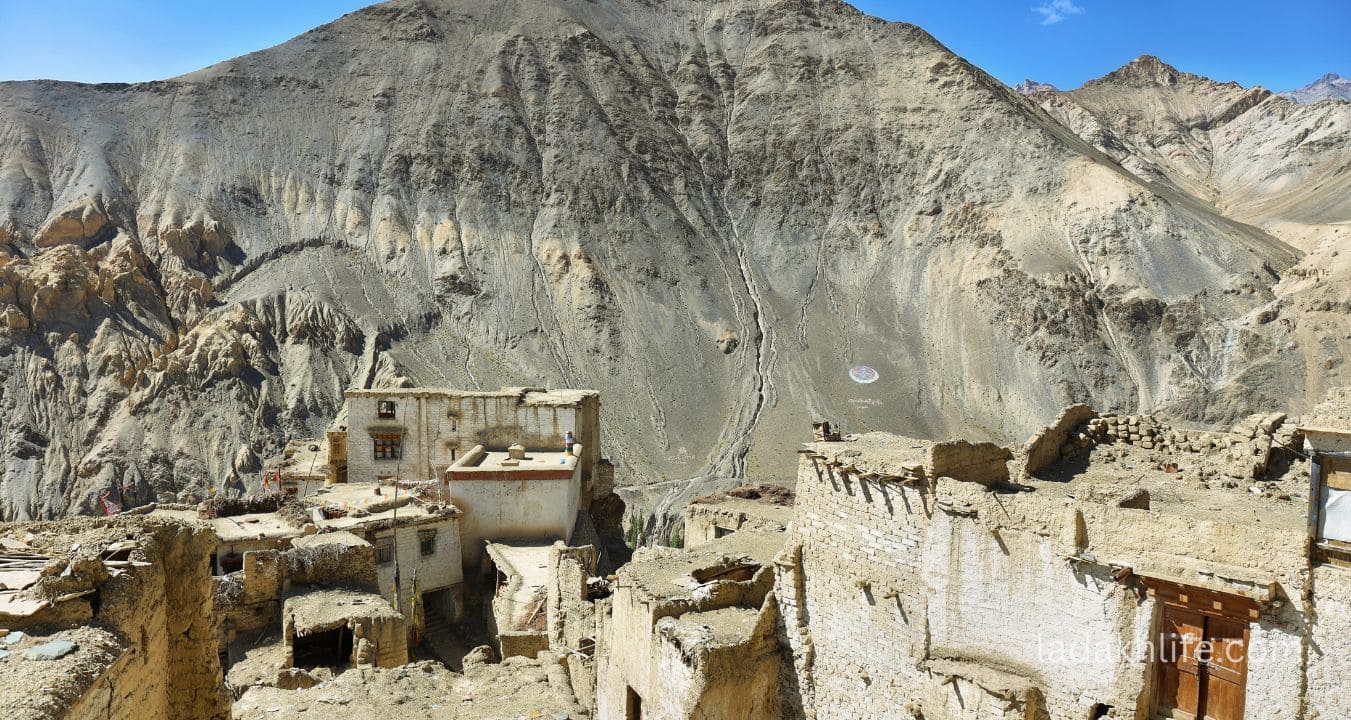
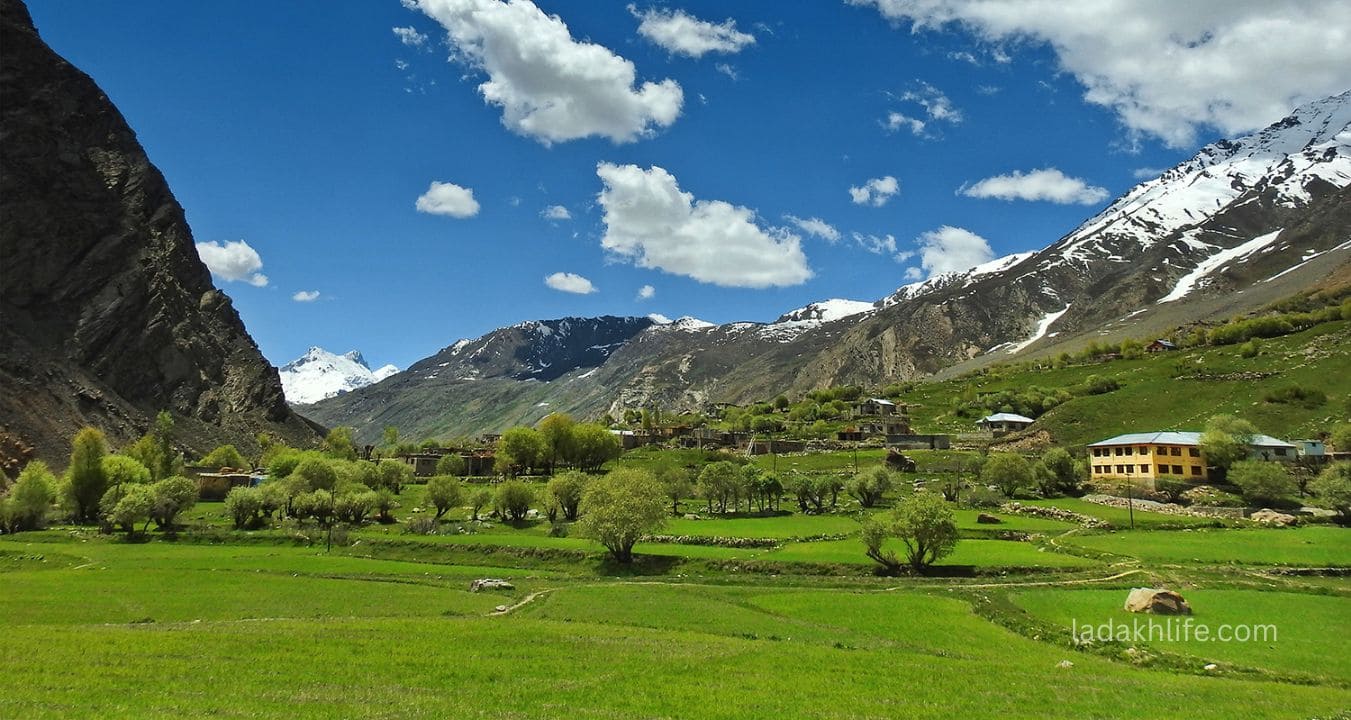
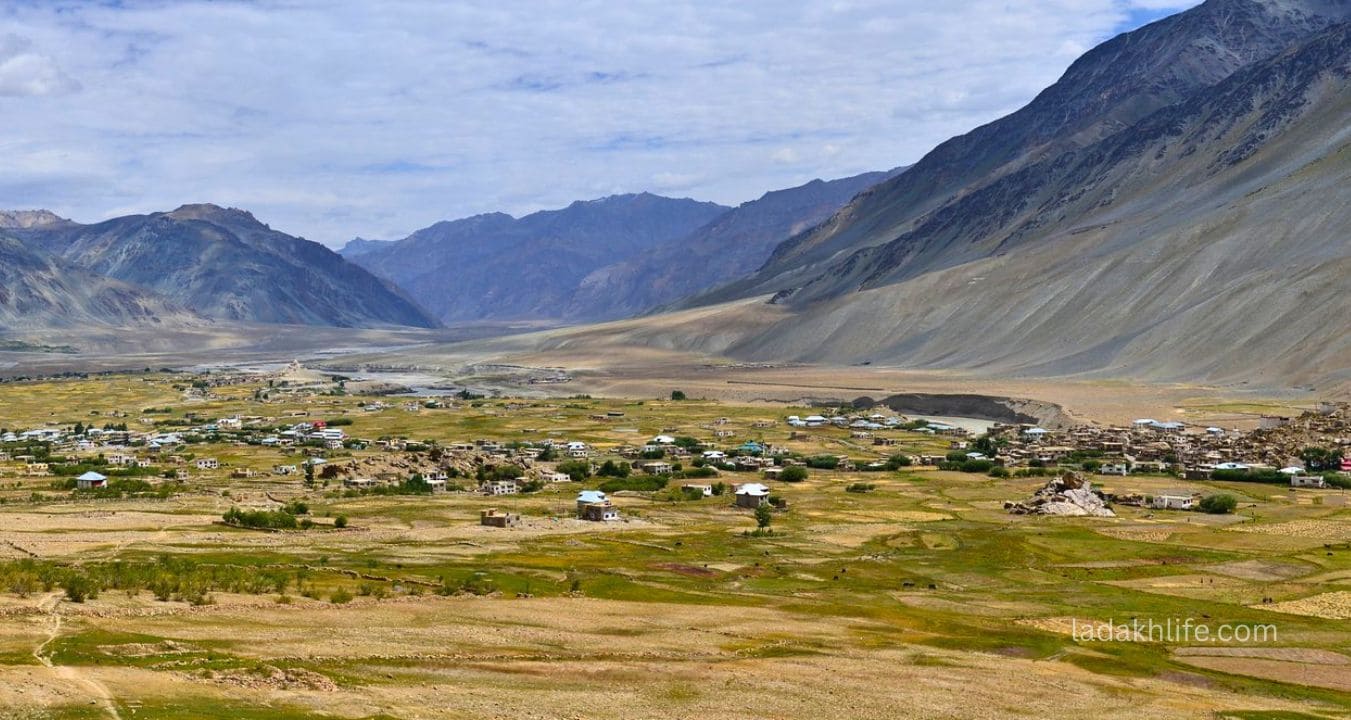
The village is small, maybe 100 houses, a few hundred people. The residents are Ladakhi Buddhists, and life here moves at a slow, peaceful pace. The fields are green with barley and wheat, irrigated by channels from the river. The mountains rise steeply on both sides, their peaks white with snow even in summer. It's quiet. It's remote. It's beautiful.
Why Panamik is Nubra Valley's Hidden Gem
Most tourists in Nubra never make it to Panamik. Here's why you should:
- The hot springs. Natural geothermal springs that stay warm year-round, around 40-50°C (104-122°F). After days of cold mountain driving, soaking your feet (or your whole body) in warm water is pure bliss.
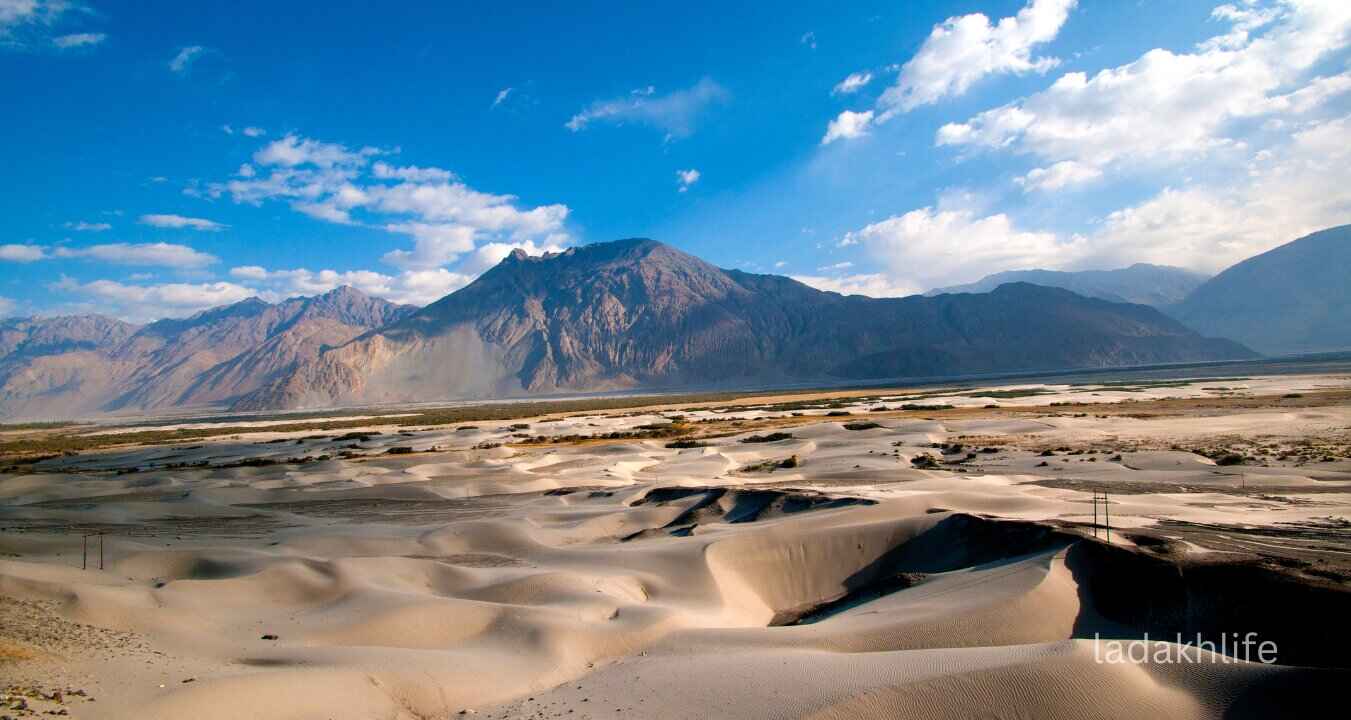
- No crowds. While Hunder's sand dunes can feel like a tourist fair in peak season, Panamik is quiet and peaceful. You might have the hot springs all to yourself.
- The monastery. A 400-year-old monastery with beautiful murals, ancient statues, and a peaceful courtyard. No entry fee, no crowds, no souvenir shops. Just peace.
- The road to Siachen. Standing at the last civilian stop before the world's highest battlefield gives you a profound sense of place. You're at the edge of India, looking toward one of the most inhospitable places on earth.
- Stunning mountain views. The valley narrows as you approach Panamik, and the mountains become steeper, more dramatic, more wild. The drive alone is worth the detour.
- Authentic village life. Panamik is not built for tourists. There are no souvenir shops, no camel rides, no cafes. Just a small village where people live, work, and welcome visitors with genuine warmth.
The Panamik Experience (The Honest Version)
Let me walk you through what actually happens when you visit Panamik. No filters. No fancy language.
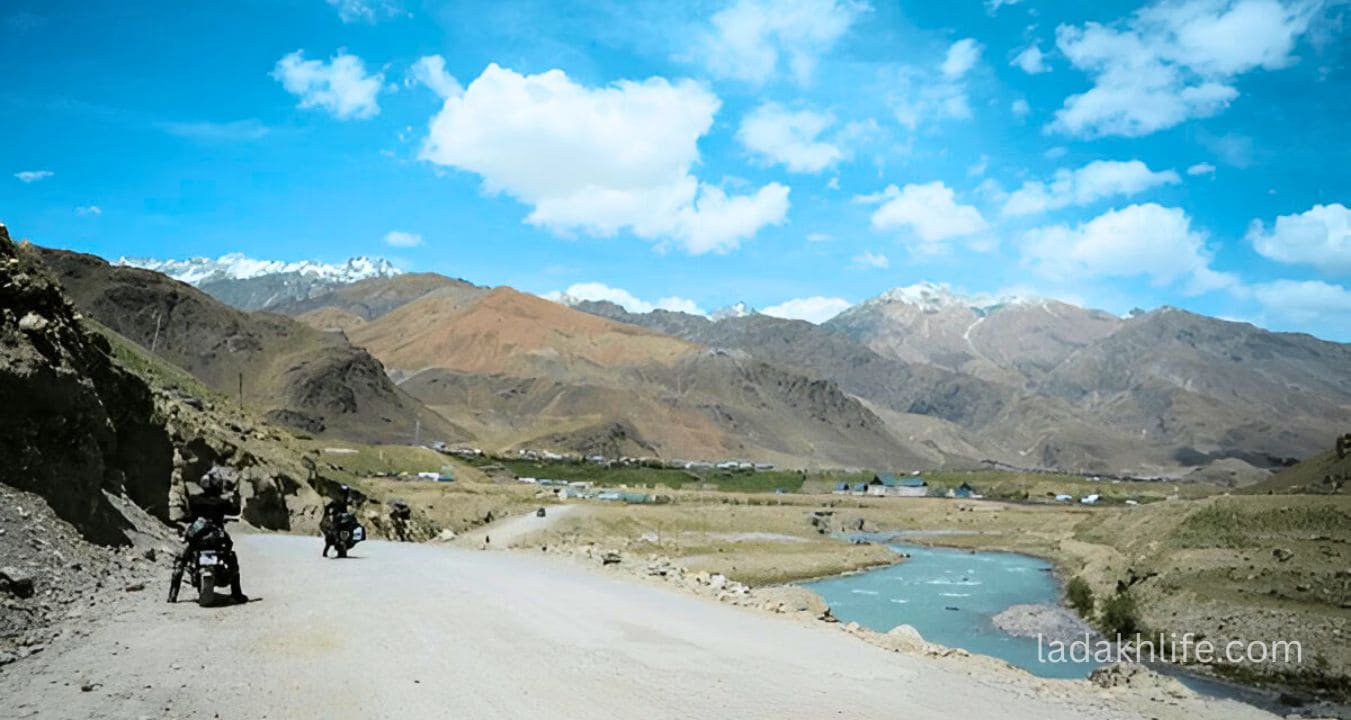
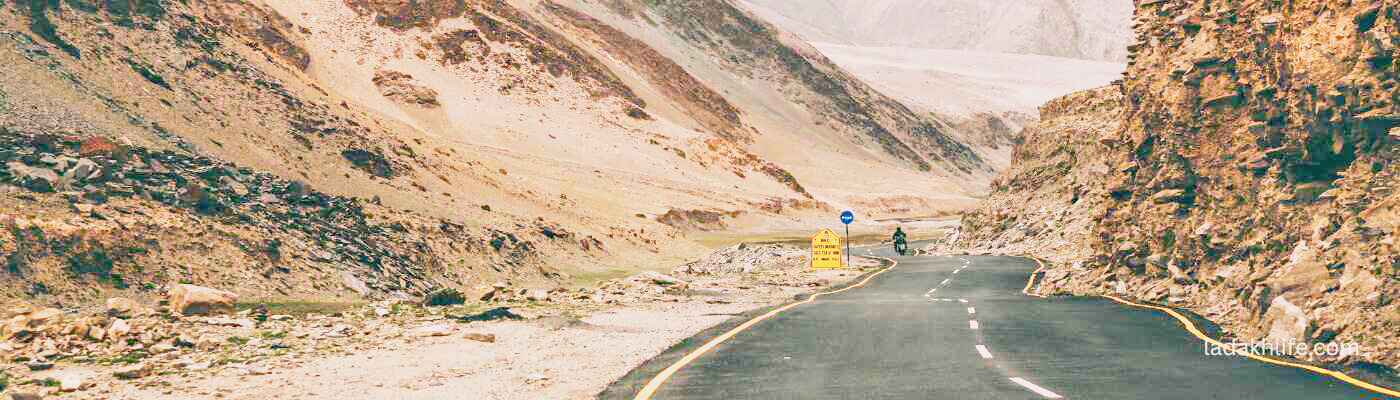
- The drive from Hunder: The road follows the Shyok River north. The valley gets narrower. The mountains get steeper. You pass through small villages, Sumur, then a few hamlets. The road is paved but rough in places. The scenery is spectacular.
- Arriving in Panamik: You see the village, a cluster of whitewashed houses, green fields, prayer flags fluttering in the wind. The mountains rise on both sides. It feels like the end of the world.
- The hot springs: You park near the springs. There are two pools, one for men, one for women, and a smaller pool for feet. The water is warm, almost hot. You take off your shoes, roll up your pants, and dip your feet in. After days of cold mountain driving, it feels incredible. You sit there, watching the steam rise, feeling your tired muscles relax.
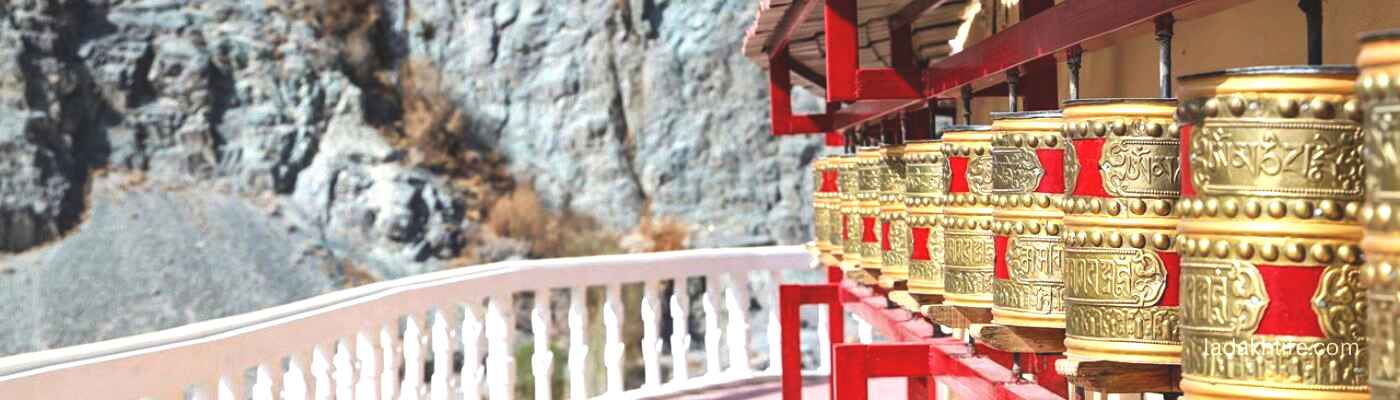
- The monastery: A short walk from the springs. The monastery is small but old, over 400 years. The prayer hall has beautiful murals and statues. A young monk shows you around. He doesn't speak much English, but his smile is warm. You spin the prayer wheels, walk around the courtyard, and sit in the sun for a while.
- The road beyond: A few kilometers north of Panamik, you reach a checkpoint. This is as far as civilians can go. Beyond this point is the road to Partapur and Siachen. You stand at the checkpoint, looking north toward the mountains. Soldiers in uniform come and go. You feel a sense of respect, for the soldiers, for the place, for the border.
- Walking through the village: You wander through the narrow lanes. Children playing. Women working in the fields. Old men sitting in the sun. A family invites you for tea. You sit in their courtyard, sip butter tea, and try to communicate with smiles and hand gestures. It's simple. It's real. It's wonderful.
That's Panamik. Not glamorous. Not famous. But peaceful, beautiful, and unforgettable.
The Crown Jewels of Panamik (Don't Miss These)
1. The Natural Hot Springs, Geothermal Magic
The hot springs are Panamik's main attraction, and for good reason. The water is naturally heated by geothermal activity deep underground. It bubbles up at around 40-50°C (104-122°F), warm enough to soothe tired muscles and cold-stiffened joints. There are two pools (separate for men and women) and a smaller pool where you can soak your feet. The pools are basic, concrete basins, no frills, but the experience is pure magic. Freezing air, warm water, steam rising, and snow-capped mountains all around.
Medicinal benefits: Locals believe the hot springs have healing properties, especially for skin conditions and joint pain. Whether you believe it or not, soaking here after days of bumpy roads is a treat. Bring a towel. Bring a change of clothes. And don't forget your swimsuit if you plan to take a full dip.
2. Panamik Monastery, 400 Years of Peace
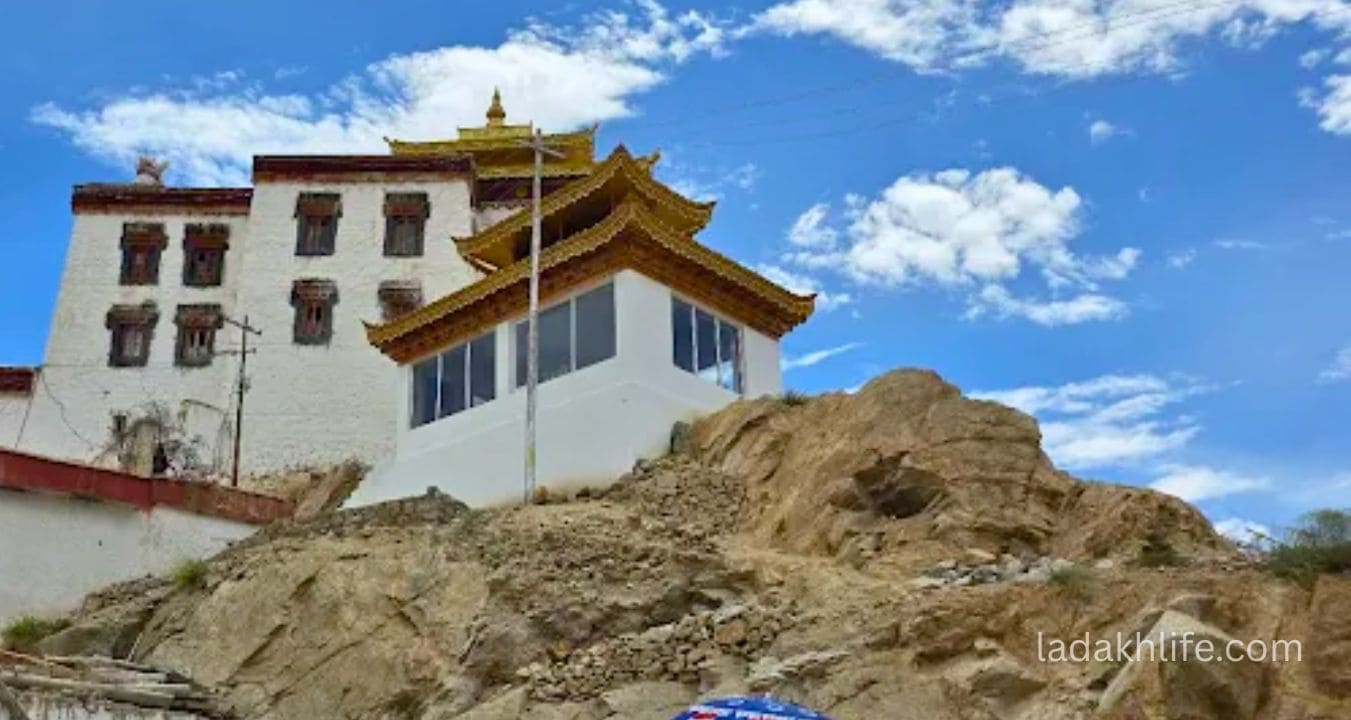
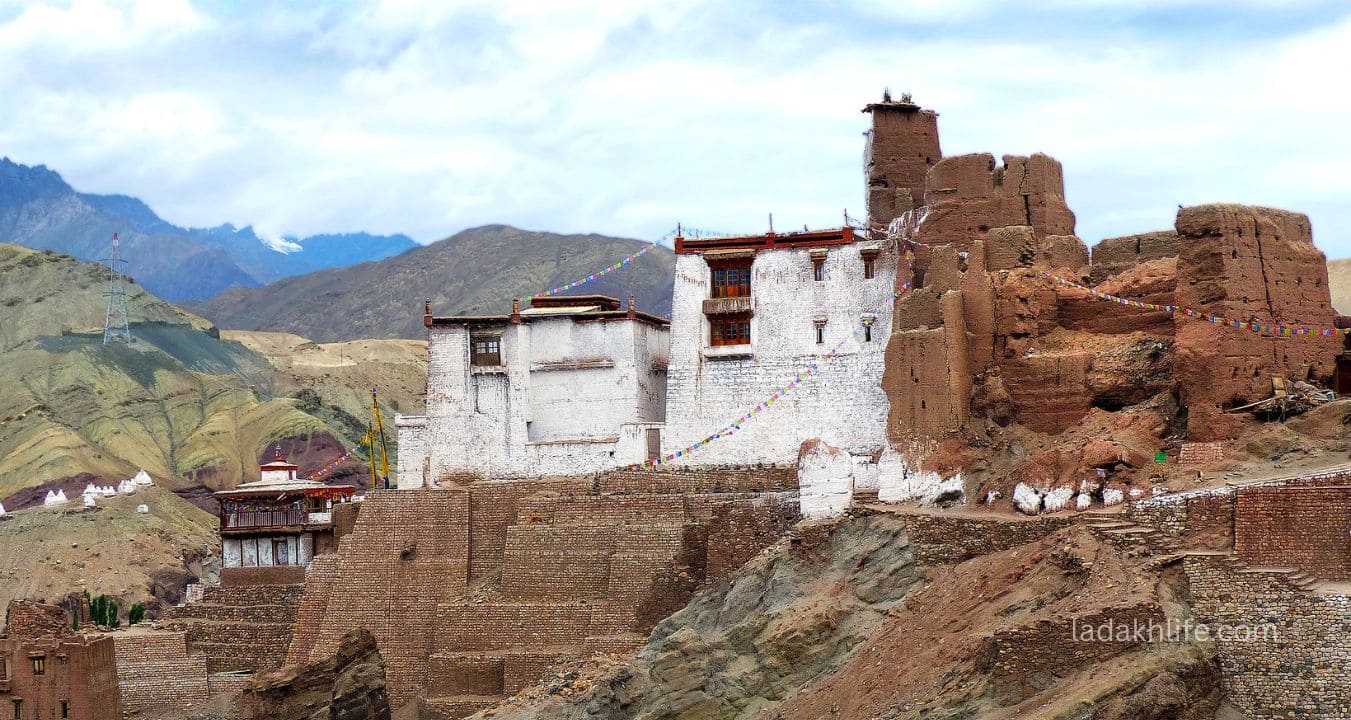
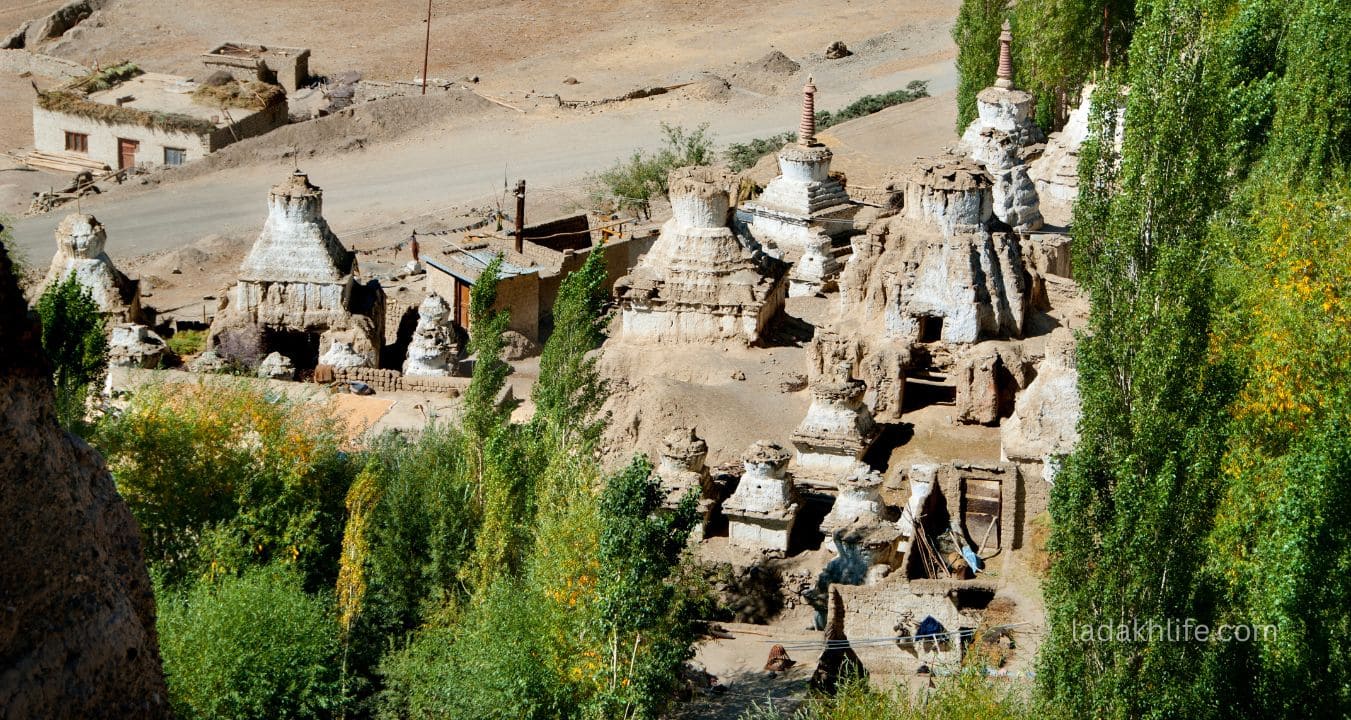
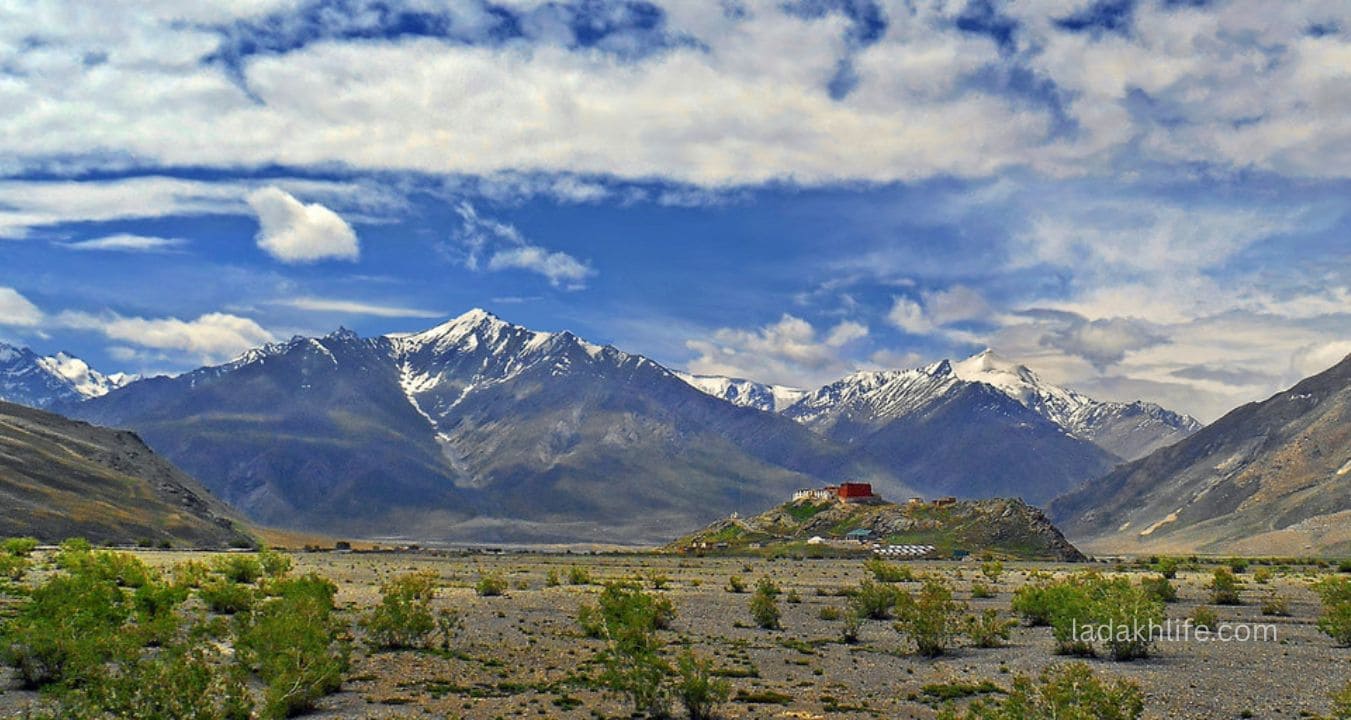
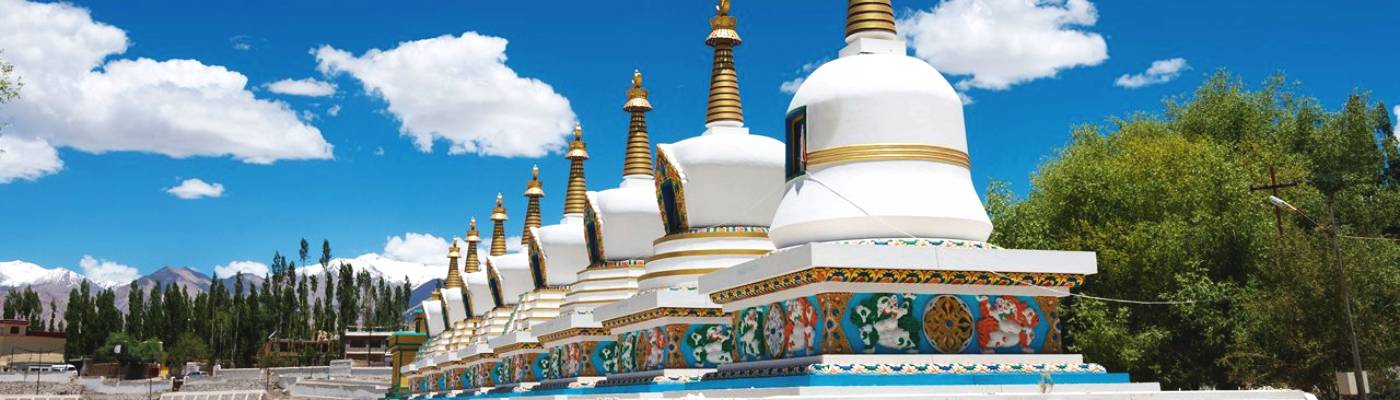
The Panamik Monastery (also called Ensa Gompa) is about 400 years old. It's small compared to the grand monasteries of Leh, but it has a quiet charm. The prayer hall has beautiful murals depicting Buddhist deities and scenes from the life of Buddha. There are ancient statues, prayer wheels, and the smell of butter lamps. A young monk might show you around. There's no entry fee, no crowds, no pressure. Just peace.
3. The Siachen Checkpoint, Edge of the World
A few kilometers north of Panamik, you'll reach an army checkpoint. This is as far as civilians can go. Beyond this point is the road to Partapur and then to the Siachen Glacier, the world's highest battlefield, where Indian and Pakistani soldiers have faced each other for decades. You won't be allowed past the checkpoint, but you can stand there, look north, and feel the weight of the place. Soldiers in uniform come and go. Some will talk to you if they're not busy. They have stories, but not all of them are for sharing.
4. The Shyok River, Following the Water
The Shyok River flows right past Panamik, wide and grey-green, carrying meltwater from the glaciers of the Karakoram. Walk down to the riverbank. Sit on a rock. Watch the water flow. The sound is calming. The views up and down the valley are stunning. This is a good place to sit, reflect, and appreciate where you are.
5. The Green Fields of Panamik
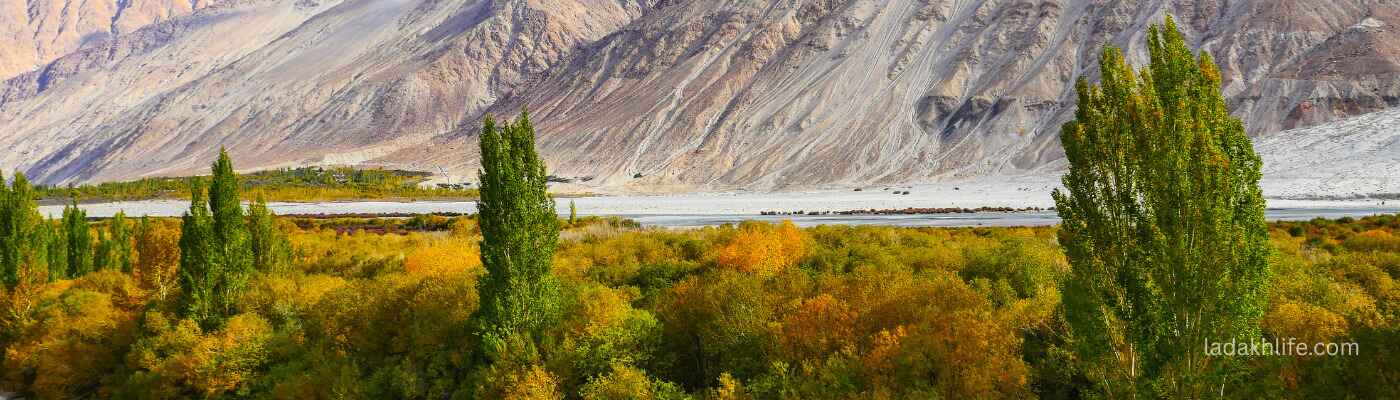
Despite the barren mountains surrounding it, Panamik is green. The villagers grow barley, wheat, and vegetables in fields irrigated by channels from the Shyok River. Walk through the fields. Watch the women working, the children playing, the irrigation water flowing through ancient channels. It's a glimpse of self-sufficient village life in one of the harshest environments on earth.
6. The Drive to Panamik, A Scenic Masterpiece
I'm listing the drive itself as a "crown jewel" because it's that beautiful. The road from Diskit to Panamik follows the Shyok River through a narrowing valley. The mountains get steeper, more dramatic, more wild with every kilometer. You pass through small villages, Sumur is the largest, and across several bridges. Stop often. Take photos. The light in late afternoon is spectacular.
7. The People, Warmth at the Edge of the World
The people of Panamik are some of the warmest I've met in Ladakh. They're not jaded by tourism, there's almost no tourism here. So when a traveler arrives, they're genuinely curious. A family will invite you for tea. The monk will show you around the monastery. The children will wave and shout "Juley!" as you walk past. Don't rush. Sit. Talk. Listen. These are the moments you'll remember.
Best Time to Visit Panamik
Panamik is in Nubra Valley, accessible only when Khardung La is open.
June to September is the main season. July and August are the warmest months, daytime temperatures 15-25°C, nights cool (5-10°C). The hot springs are pleasant year-round, but they're especially nice when the air is cold. August is peak tourist season, but even then, Panamik sees only a fraction of the visitors that crowd Hunder.
May and October: Shoulder months. May is cooler (10-20°C) and less crowded. Some homestays may still be closed. October is beautiful, clear skies, crisp air, autumn colors, but nights are cold (near freezing). Khardung La can close by mid-October, so plan accordingly.
November to April: Khardung La is closed. Panamik is inaccessible. Don't attempt.
Pro tip: September is the best month. The weather is perfect, the crowds of July-August have thinned (though Panamik is never crowded), the skies are clear, and the light is golden. Book your homestay in advance, but you'll have the hot springs almost to yourself.
Where to Stay in Panamik
Options are limited, and that's part of the charm.
Homestays (₹800-1200 per night): Several families in Panamik offer rooms. Expect basic but clean rooms, shared bathrooms (squat toilet, sometimes outside), and home-cooked meals. Popular options include Panamik Homestay and Shanti Guest House. Ask around when you arrive, someone will point you to a family with space.
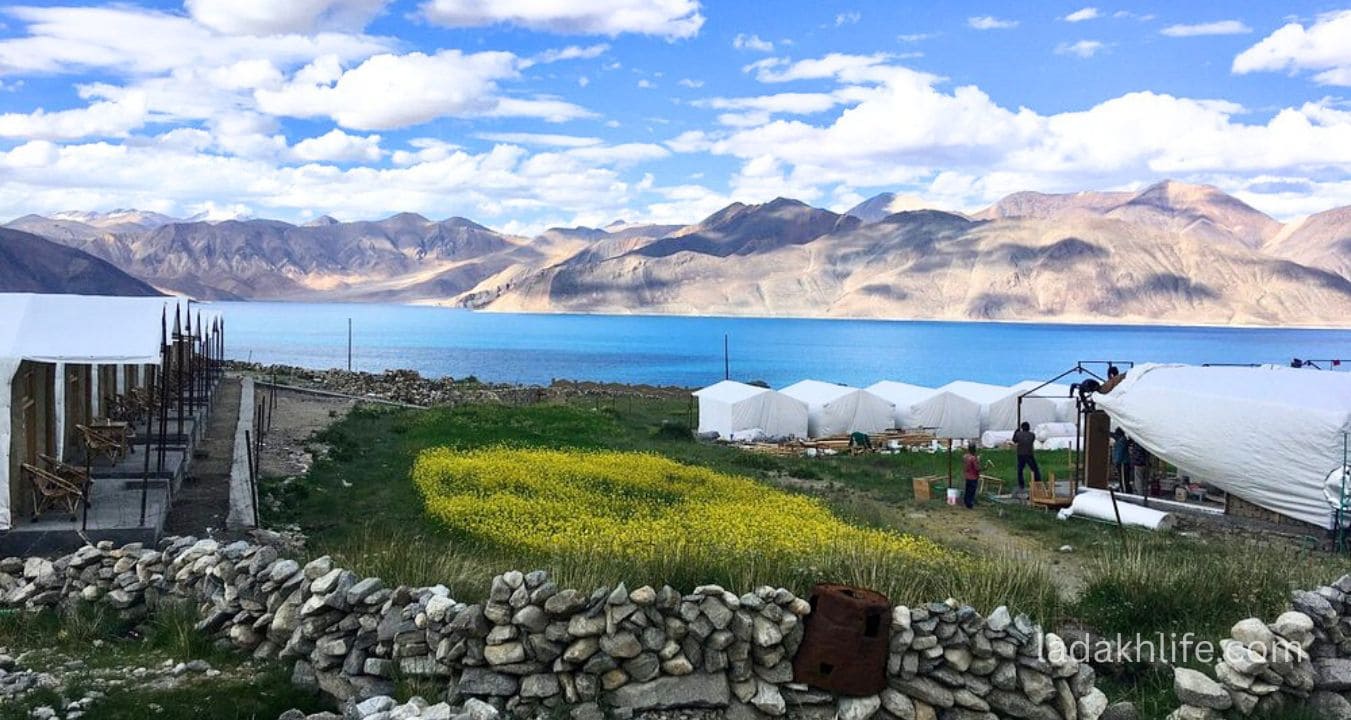
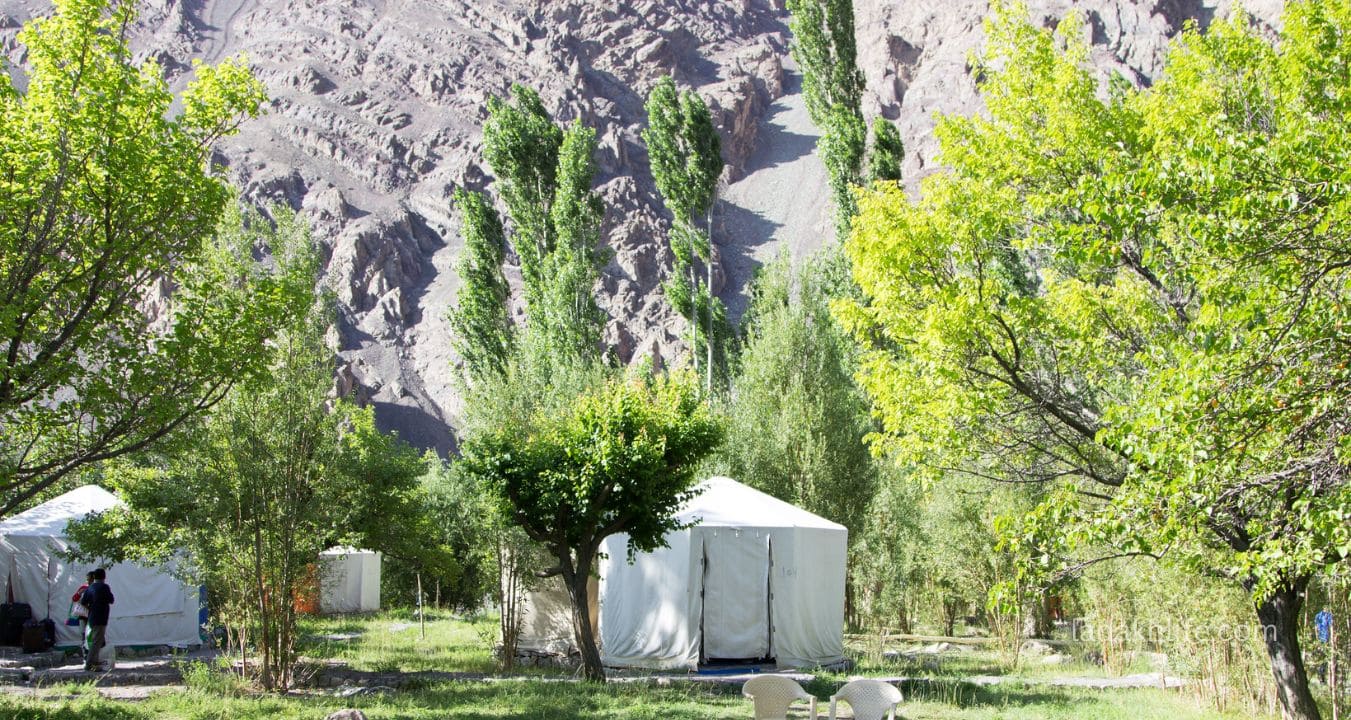
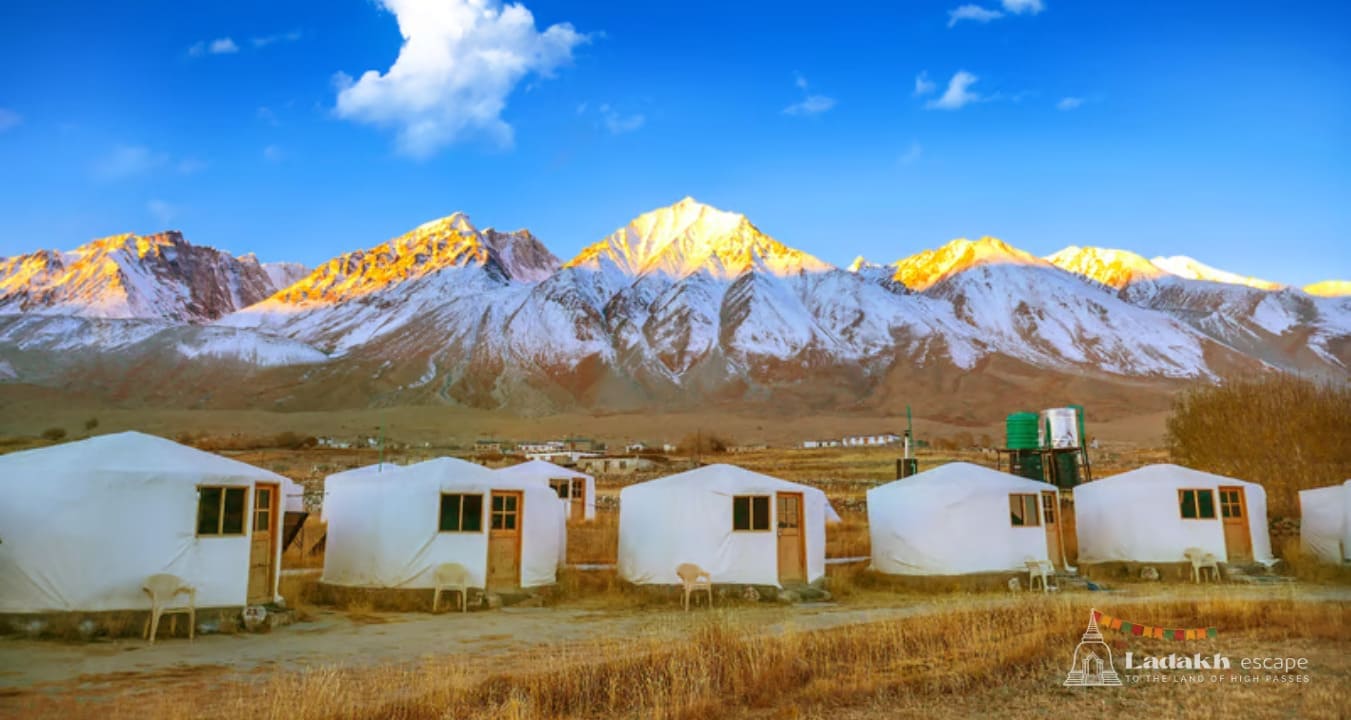
Camping (limited): There are a few basic camps near the hot springs. Panamik Camp offers tented accommodation with shared facilities. Basic but memorable.
In Sumur or Diskit: More options, including hotels and guesthouses. Staying in Sumur or Diskit is a good alternative if Panamik is full, but you'll need to drive 30-45 minutes to reach Panamik.
Book ahead in peak season (July-August). Panamik has very few rooms. Call ahead or book through a travel agent in Leh.
How to Get to Panamik
Panamik is in northern Nubra Valley. You must cross Khardung La to get here.
Route: Leh → Khardung La (18,380 ft) → Diskit → Sumur → Panamik.
From Leh (about 190 km, 6-7 hours): Drive Leh → Khardung La (2-3 hours) → Diskit (2-3 hours) → Panamik (1-2 hours). This is a full day's drive. Most travelers break the journey with an overnight stay in Nubra (Diskit, Hunder, or Sumur) before continuing to Panamik the next day.
From Diskit (about 45 km, 1.5 hours): The road follows the Shyok River north. It's paved most of the way, with some rough patches. The scenery is stunning, the river, the mountains, the small villages along the way.
From Sumur (about 15 km, 30 minutes): The closest village with more facilities. Sumur is worth a visit itself, it has a beautiful monastery and fewer tourists than Hunder.
By bike: Possible, but the road is rough in places. If you've made it to Nubra, you can make it to Panamik. The ride along the Shyok River is beautiful.
By car (4x4 recommended): A regular car can make it, but a 4x4 is better for the rough patches. The road is paved most of the way, but there are sections of gravel and potholes.
By taxi: Hire a taxi from Leh for a 2-3 day trip to Nubra. Expect to pay ₹10,000-15,000 for the round trip. Ask your driver to include Panamik, many drivers will charge extra because of the distance, but it's worth it.
By bus: Buses run from Leh to Diskit daily during the season. From Diskit, you may find a shared taxi to Sumur or Panamik, but it's not guaranteed. A private vehicle is much easier.
Permits, Border Rules, and Army Formalities
Panamik is close to the Line of Control (LoC) and the Siachen conflict zone. Permits are essential.
- Inner Line Permit (ILP): Indian nationals need an ILP to enter Nubra Valley and Panamik. Arrange this in Leh through a travel agent or at the DC office. Make sure Panamik is specifically mentioned, some permits restrict travel to Diskit only.
- Protected Area Permit (PAP): Foreign nationals need a PAP to visit Panamik. These can be difficult to obtain for Panamik specifically, check with a travel agent in Leh. Some nationalities are restricted from visiting border areas. Ask in advance.
- Army checkposts: There are checkposts on the road to Panamik, especially near Sumur and before the Siachen checkpoint. You'll need to show your permits. Be polite. Don't take photos of the checkposts or the soldiers.
- Siachen checkpoint: A few kilometers north of Panamik, you'll reach a checkpoint. This is as far as civilians can go. You may be allowed to stand at the checkpoint and look north, but you cannot go beyond. Follow the soldiers' instructions. They're there for a reason.
- Photography restrictions: No photos of army checkposts, army personnel, or anything military. Ask before taking photos in sensitive areas. The army is generally friendly, but they take security seriously.
What to Pack for Panamik
Panamik is warmer than Leh, but nights can be chilly. Here's what you need:
- Daytime: T-shirts, light pants, a hat for sun protection, sunglasses. The sun is strong, especially at the hot springs (the reflection off the water can burn).
- Evenings: A fleece or light sweater. The temperature drops after sunset.
- Hot springs gear: Swimsuit or shorts, a towel, flip-flops. The pools are basic, no changing rooms with facilities (just small enclosures). Bring your own towel.
- Shoes: Comfortable walking shoes for the village. Sandals or flip-flops for the hot springs.
- Sun protection: Sunscreen (SPF 30+), lip balm, sunglasses. The reflection off the water at the hot springs can burn you quickly.
- Water & snacks: There are small shops in Panamik, but options are limited. Carry water and snacks from Leh or Diskit.
- Cash: No ATMs in Panamik. The nearest ATM is in Diskit (and it's often empty). Bring enough cash for your entire stay in Nubra.
- Camera: You'll want it. The hot springs, the monastery, the mountains, the drive, Panamik is beautiful.
- Power bank: Electricity can be limited in homestays. Keep your devices charged.
Essential Tips for Visiting Panamik
- Get permits that specifically allow Panamik. Some ILPs restrict travel to Diskit only. Make sure your permit explicitly mentions Panamik or "beyond Diskit." Ask the permit office in Leh.
- Start early from Diskit or Sumur. The drive takes 1-2 hours, and you'll want time to explore the hot springs, the monastery, and the Siachen checkpoint. Leave by 9 AM at the latest.
- Soak in the hot springs. That's why you came. Don't just look, get in. The water is warm, the setting is magical, and your tired muscles will thank you.
- Visit the monastery. It's small, it's old, and it's peaceful. No entry fee. No crowds. Just peace.
- Respect the army. The soldiers at the checkpoints are guarding one of the most sensitive borders in the world. Be polite. Show your permits. Don't take photos. If they're willing to chat, they have amazing stories, but don't push.
- Dress modestly. Panamik is a traditional Ladakhi Buddhist village. Cover your shoulders and knees, especially when visiting the monastery.
- Ask before taking photos of people. Most will say yes, but always ask first. A smile and a "Juley" make all the difference.
- Don't litter. Carry your waste back to Diskit or Leh. There's no garbage collection in Panamik. Leave this beautiful place as you found it.
- Stay overnight if you can. Most tourists visit Panamik as a day trip from Diskit or Sumur. That's a shame. Stay overnight. Soak in the hot springs at sunset. Wake up to the sound of the river. You'll understand Panamik so much better if you stay.
Panamik vs Other Nubra Valley Villages
- Panamik vs Hunder: Hunder is famous for sand dunes and camels, fun, photogenic, and crowded. Panamik is quiet, peaceful, and spiritual. Do Hunder for the adventure. Do Panamik for the soul. Do both if you have time.
- Panamik vs Diskit: Diskit is the main town of Nubra, larger, more developed, has hotels, restaurants, and the famous monastery with the giant Buddha. Panamik is smaller, more remote, and has hot springs. Stay in Diskit for convenience. Stay in Panamik for peace and hot springs.
- Panamik vs Sumur: Sumur is another Nubra village with a beautiful monastery and fewer tourists than Hunder. It's on the road to Panamik. Panamik is further north, closer to the border, and has hot springs. Visit Sumur for the monastery. Visit Panamik for the springs and the Siachen connection.
- Panamik vs Turtuk: Turtuk is further west, has Balti Muslim culture, and is also a "last village" (before Pakistan). Panamik is further north, has Ladakhi Buddhist culture, and is the last stop before Siachen. Both are remote, beautiful, and worth visiting. Do both if you have time and permits.
Why Panamik is the Most Underrated Destination in Nubra Valley
Let me be honest. Panamik is not famous. It doesn't have sand dunes or double-humped camels. It doesn't have a giant Buddha statue or luxury camps. It has hot springs, basic concrete pools, and a small monastery and a checkpoint. That's it.
But that's exactly why it's special.
In a world where every beautiful place is being discovered, photographed, and Instagrammed into oblivion, Panamik remains quiet. The hot springs bubble up from the earth, just as they have for centuries. The monastery stands on its hill, just as it has for 400 years. The soldiers guard the road to Siachen, just as they have for decades. And the villagers live their lives, just as they always have, farming barley, raising children, welcoming the occasional traveler with a cup of tea.
Panamik is not about checking a box. It's about slowing down. Soaking in warm water in the cold air. Sitting in the sun at a monastery. Standing at the edge of the map, looking north toward the highest battlefield on earth. It's about being present, not about taking photos (though you'll take plenty).
So drive the extra kilometers. Stay the night. Soak in the springs. Visit the monastery. Stand at the Siachen checkpoint. And when you leave, you'll understand why Panamik is the best-kept secret in Nubra Valley.
Panamik is not famous. It doesn't have sand dunes or camel rides. It has hot springs, warm water in a cold desert, rising steam against snow-capped peaks. It has a 400-year-old monastery where the only sound is the wind in the prayer flags. It has a checkpoint where you can stand at the last civilian stop before the world's highest battlefield. Panamik is quiet. It's peaceful. It's real. And if you take the time to find it, it might just be your favorite place in Nubra Valley.