So, What Exactly is Sumur Village?
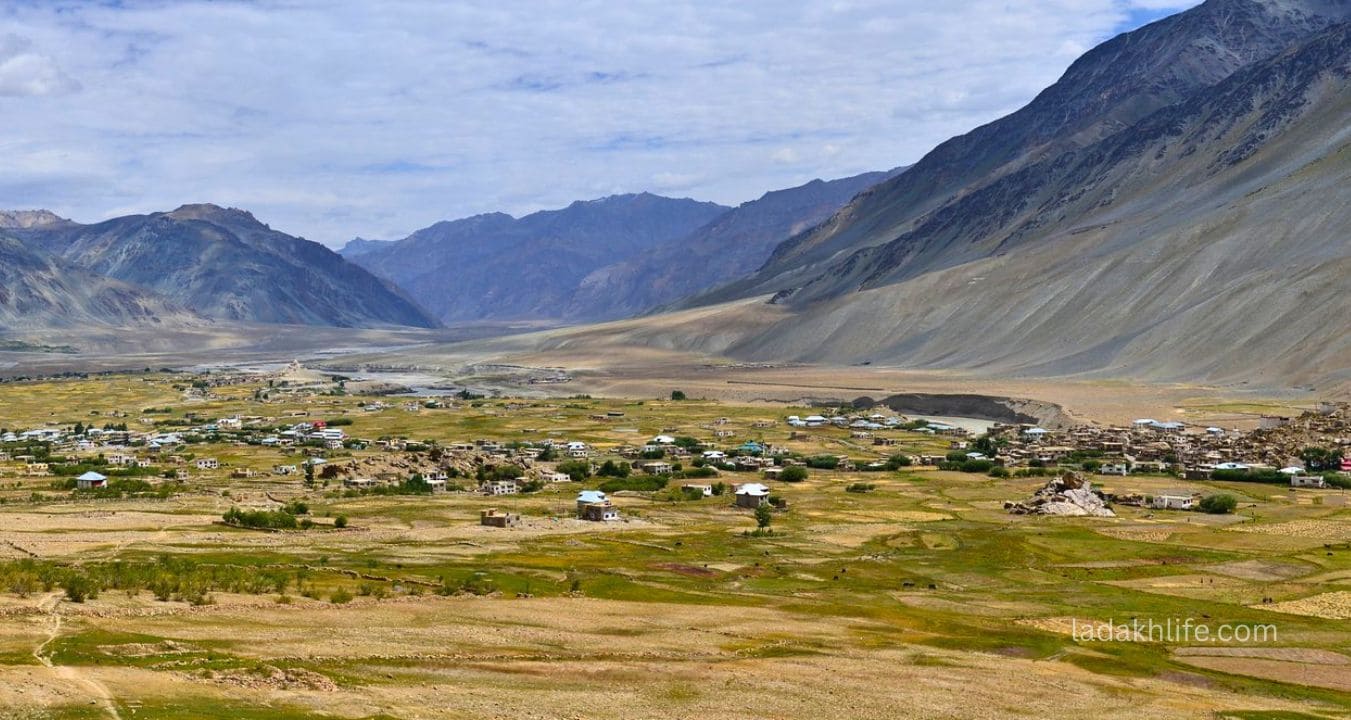
Sumur is a small village in the Nubra Valley region of Ladakh, sitting at approximately 10,500 feet (3,200 meters). It's located about 150 kilometers north of Leh and about 15 kilometers north of Diskit (the main town of Nubra), on the road that leads to Turtuk and the Line of Control.
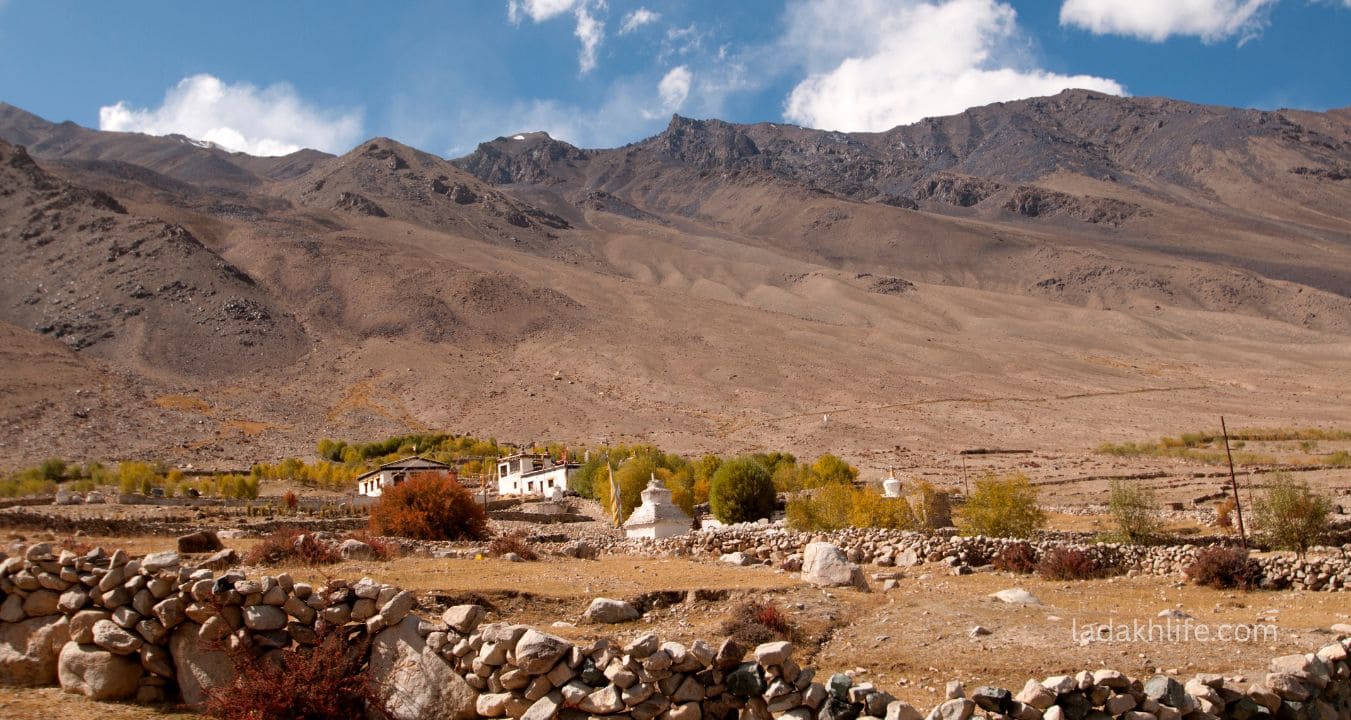
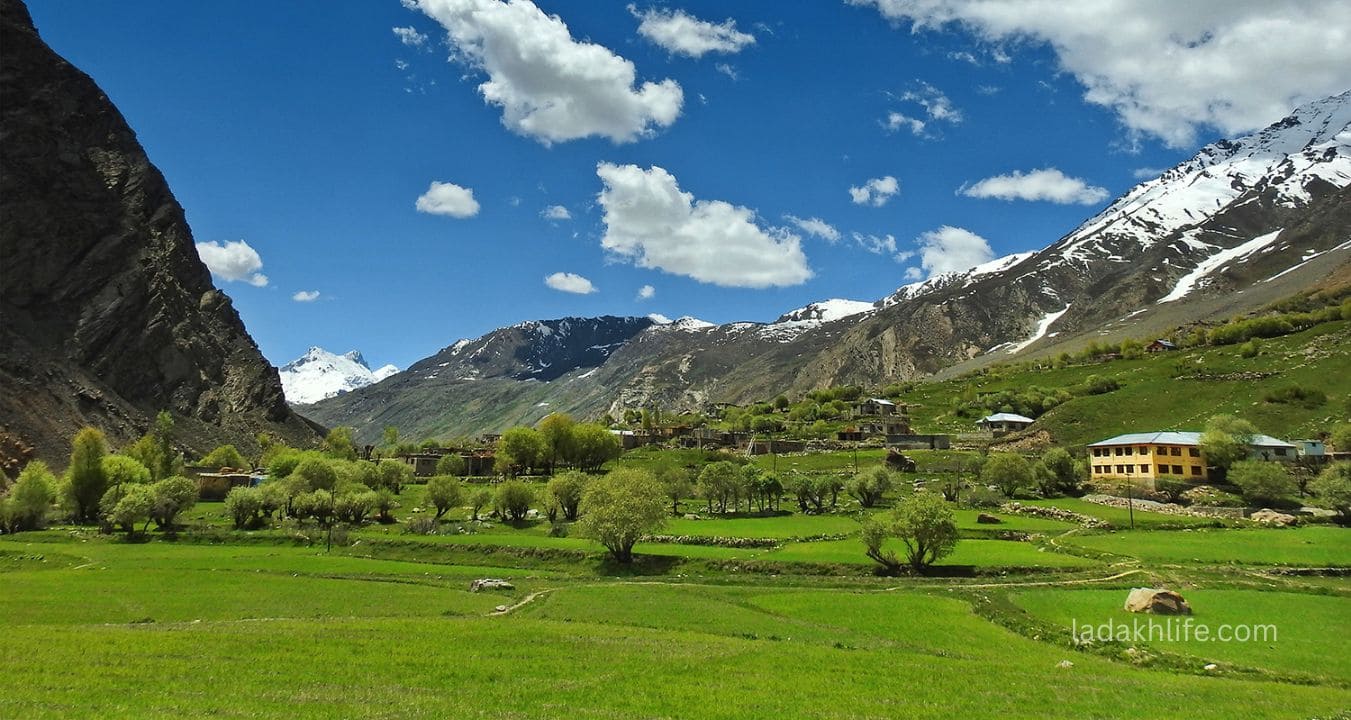
The village is small, maybe 50-60 houses, a few hundred people. The residents are Ladakhi Buddhists, and life here revolves around farming (barley, wheat, potatoes, apricots) and tending livestock. The fields are green in summer, irrigated by channels from the Shyok River.
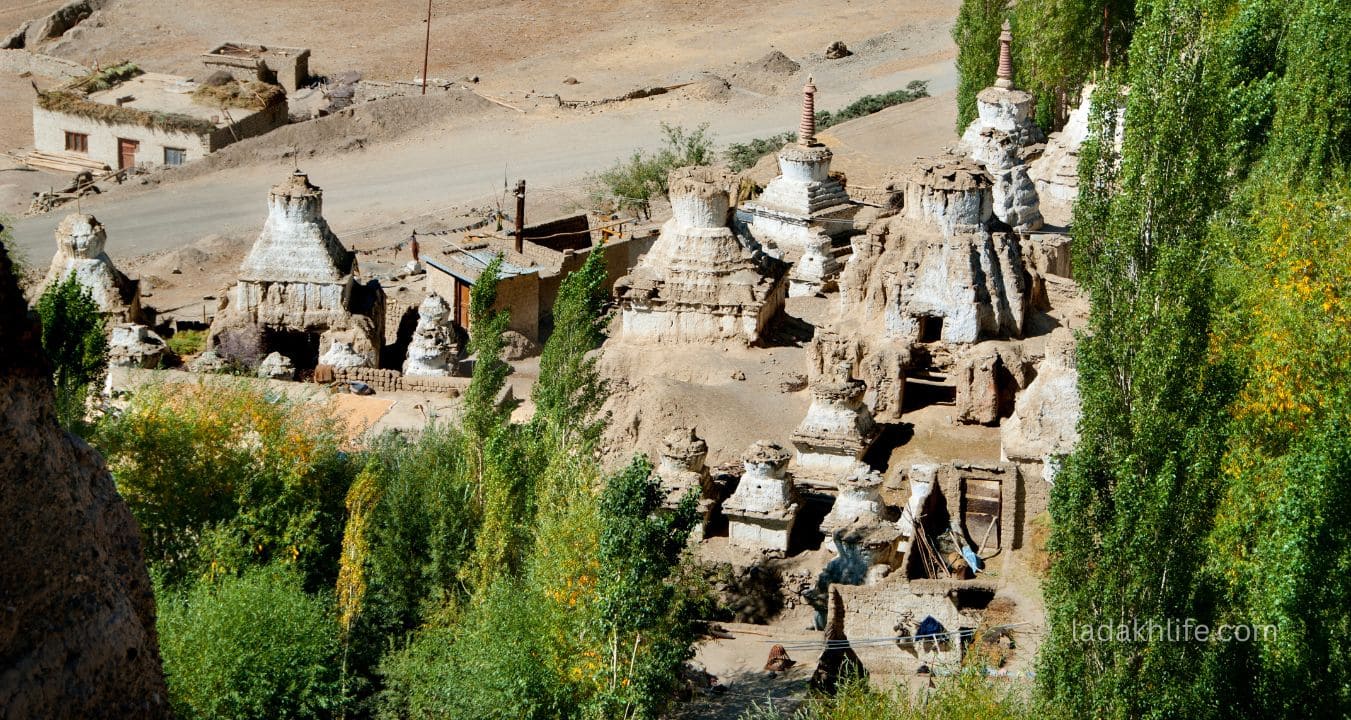
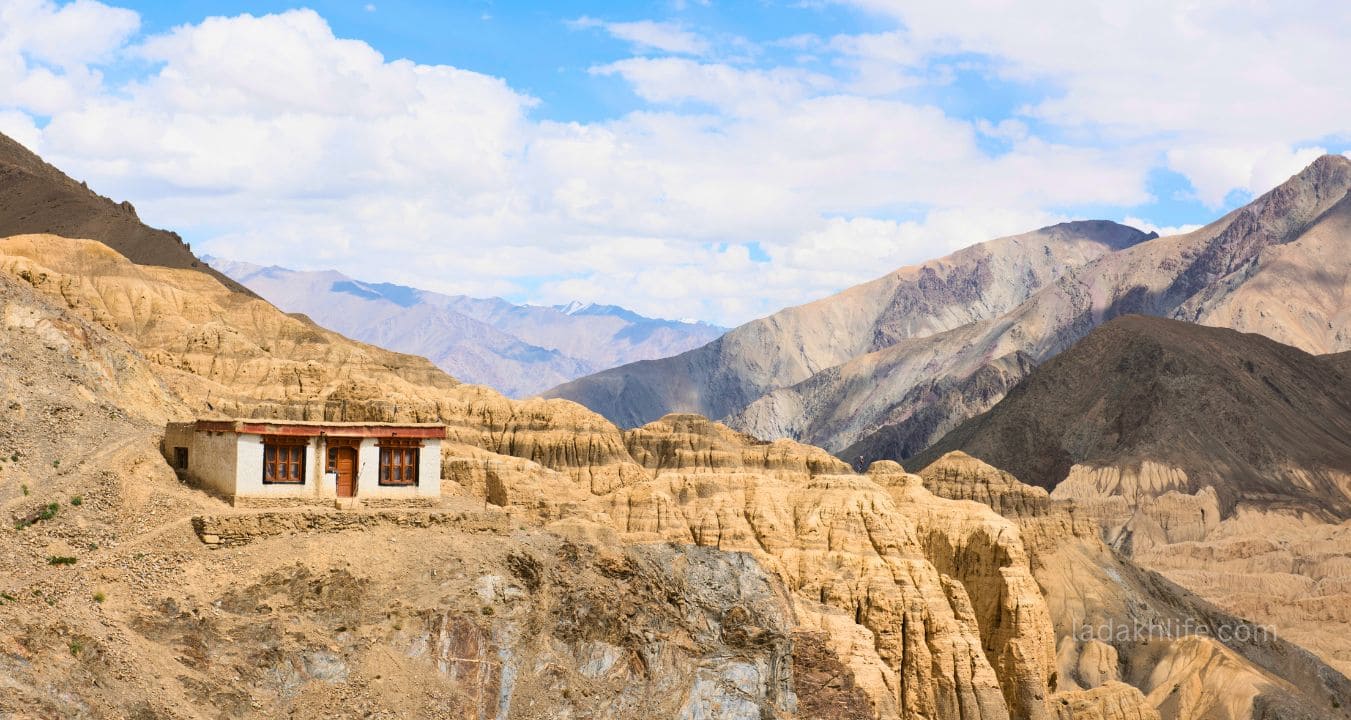
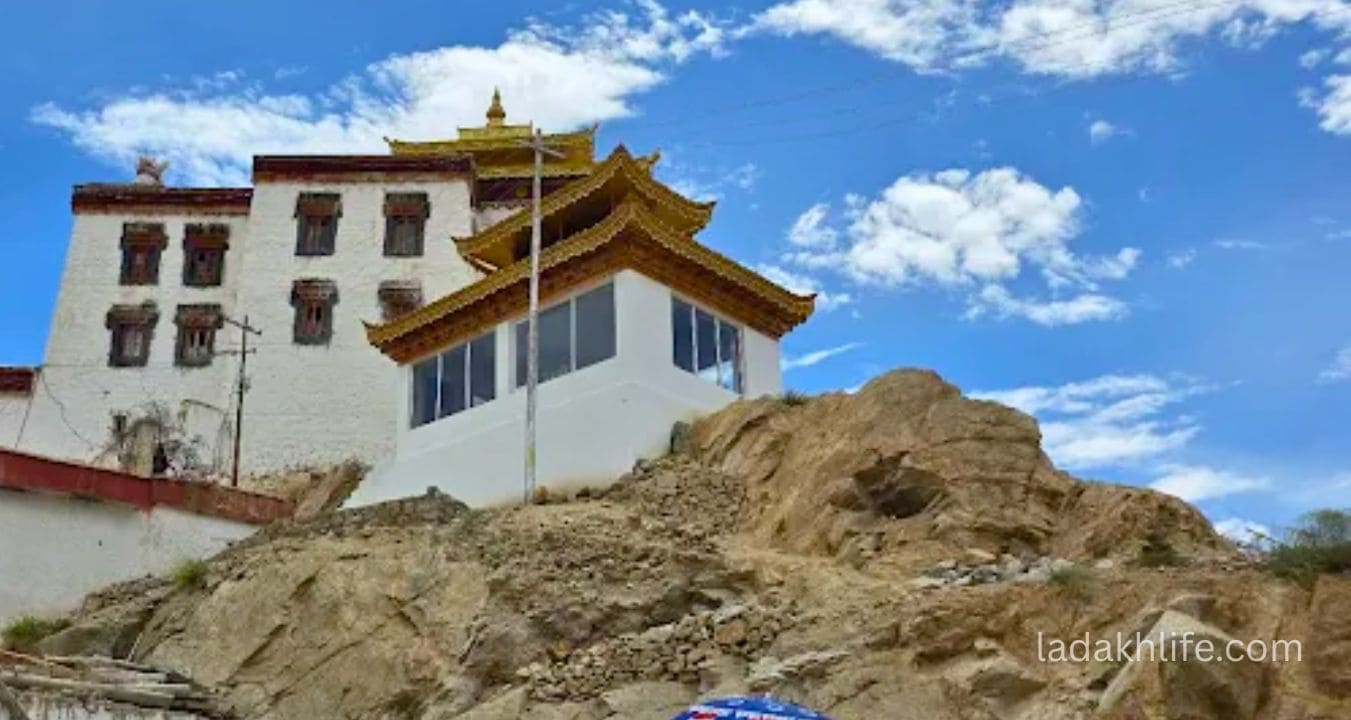
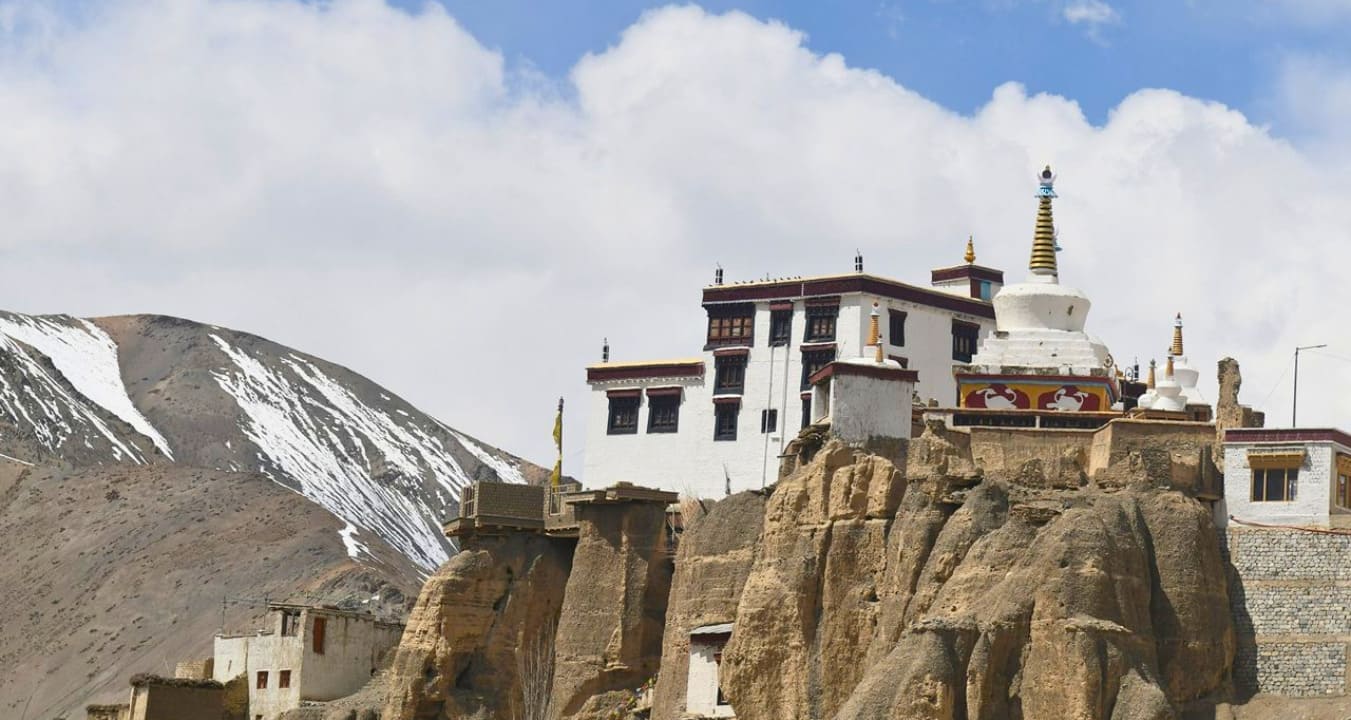
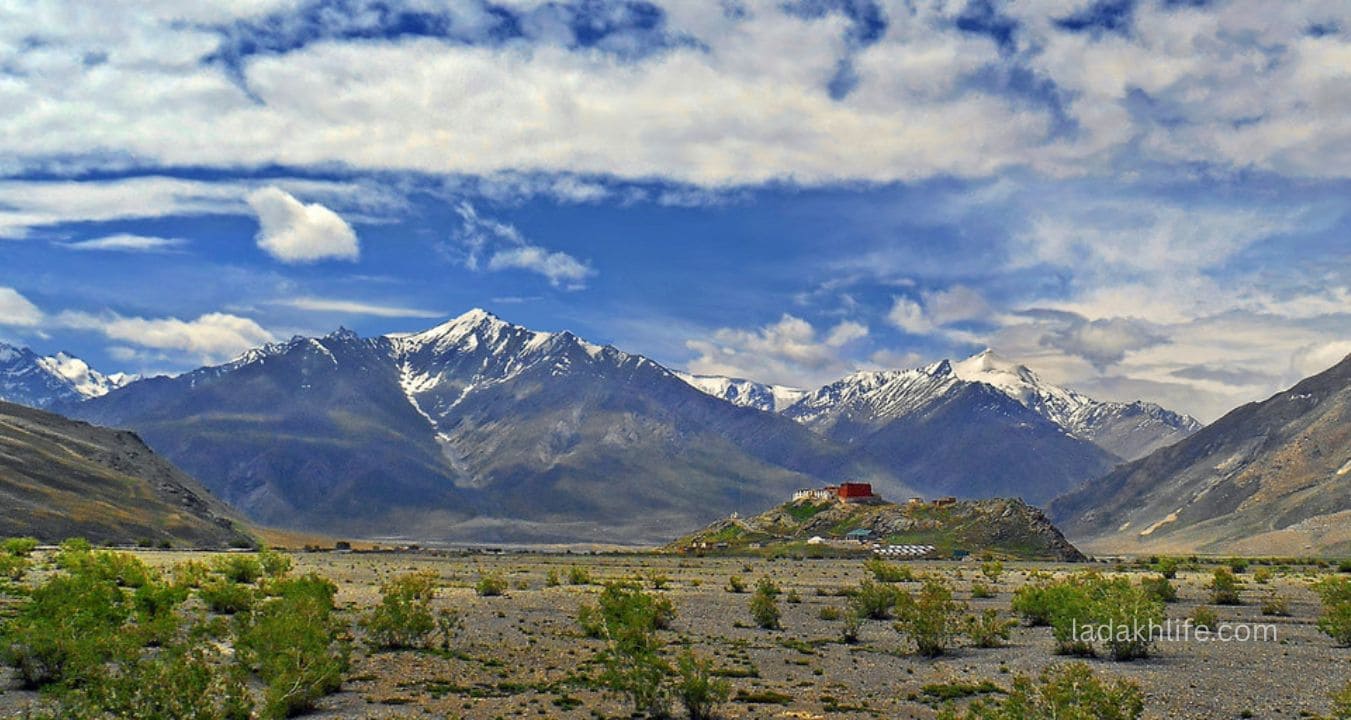
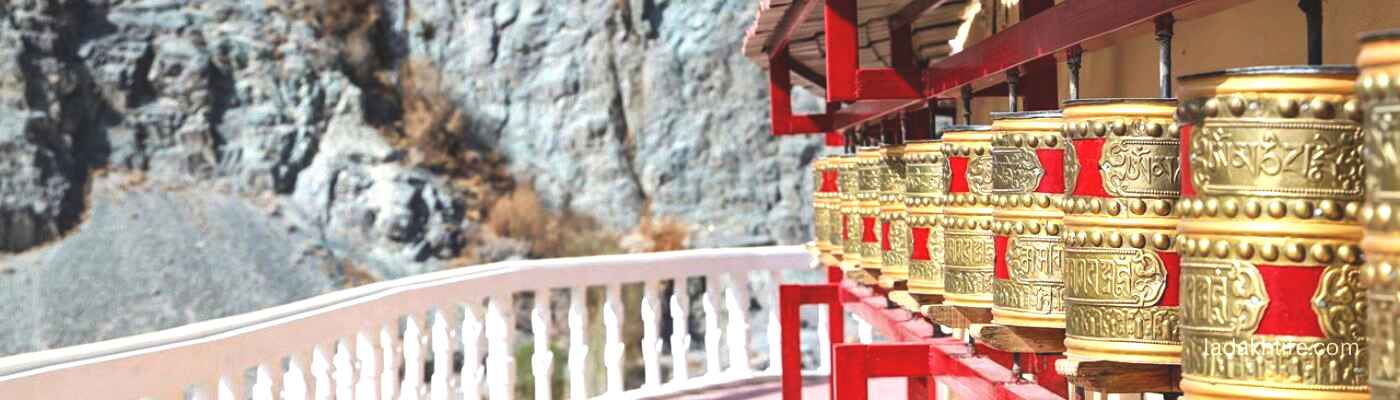
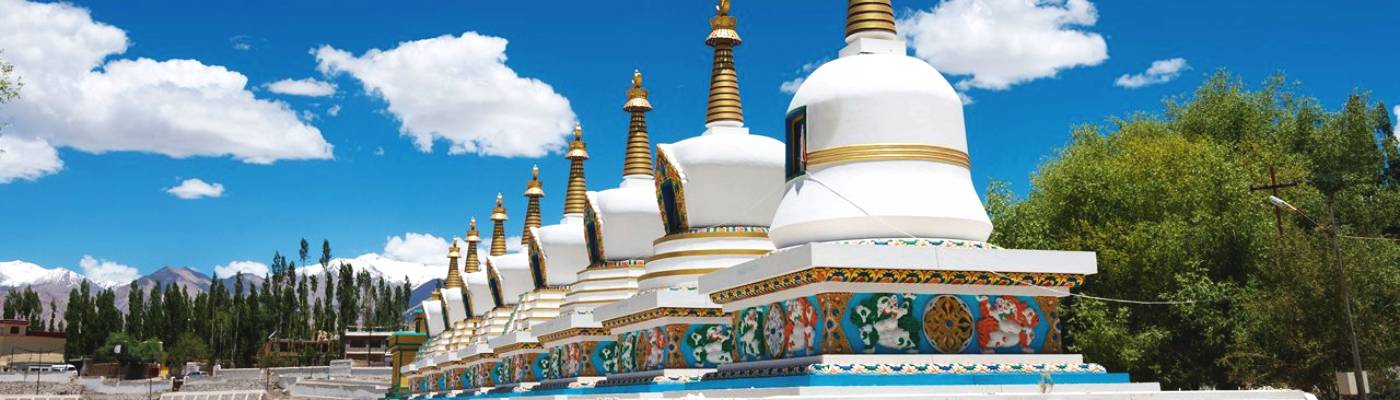
Sumur is best known for the Samstanling Monastery (also called Sumur Monastery), a beautiful Buddhist monastery that sits on a hill overlooking the village. The monastery was founded over 100 years ago and belongs to the Gelugpa lineage of Tibetan Buddhism (the same as the Dalai Lama's tradition). It's smaller and quieter than the famous Diskit Monastery, which makes it feel more intimate and peaceful.
Unlike Hunder, which can feel like a tourist fair in peak season, Sumur is quiet and authentic. There are no camel rides here. No souvenir shops. No crowds. Just a beautiful village, a peaceful monastery, and warm Ladakhi hospitality. If you're looking for the real Nubra, this is it.
Why Sumur is Nubra Valley's Most Peaceful Village
Sumur is not on the main tourist circuit. Here's why you should make the detour:
- Samstanling Monastery. A beautiful, peaceful monastery on a hill with stunning views of the Nubra Valley. No crowds, no entrance fee, just peace.
- No crowds. While Hunder's sand dunes can feel like a zoo in July and August, Sumur remains quiet and peaceful. You'll have the monastery and the village almost to yourself.
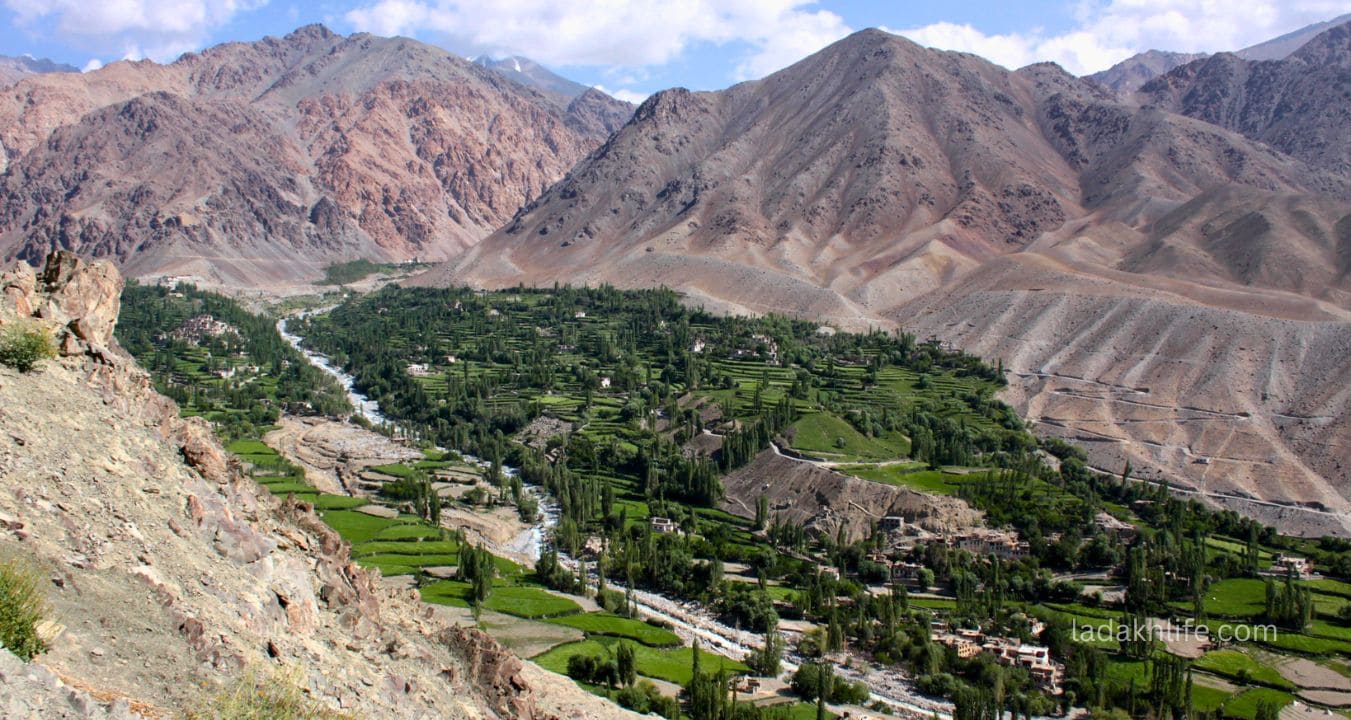
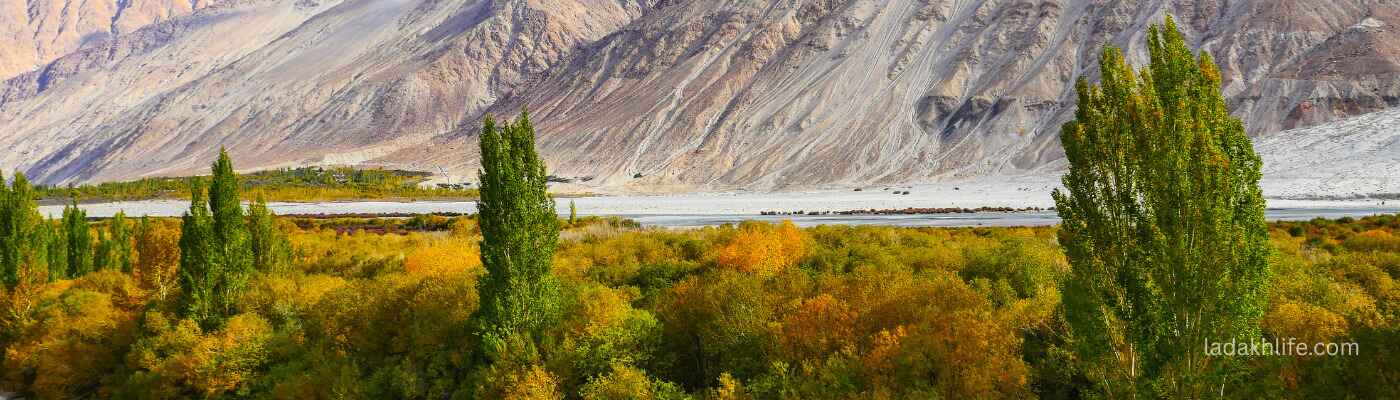
- Green fields and apricot orchards. Sumur is lush and green in summer, a stark contrast to the barren mountains surrounding it. The apricot orchards are beautiful, especially when the fruit is ripe in July and August.
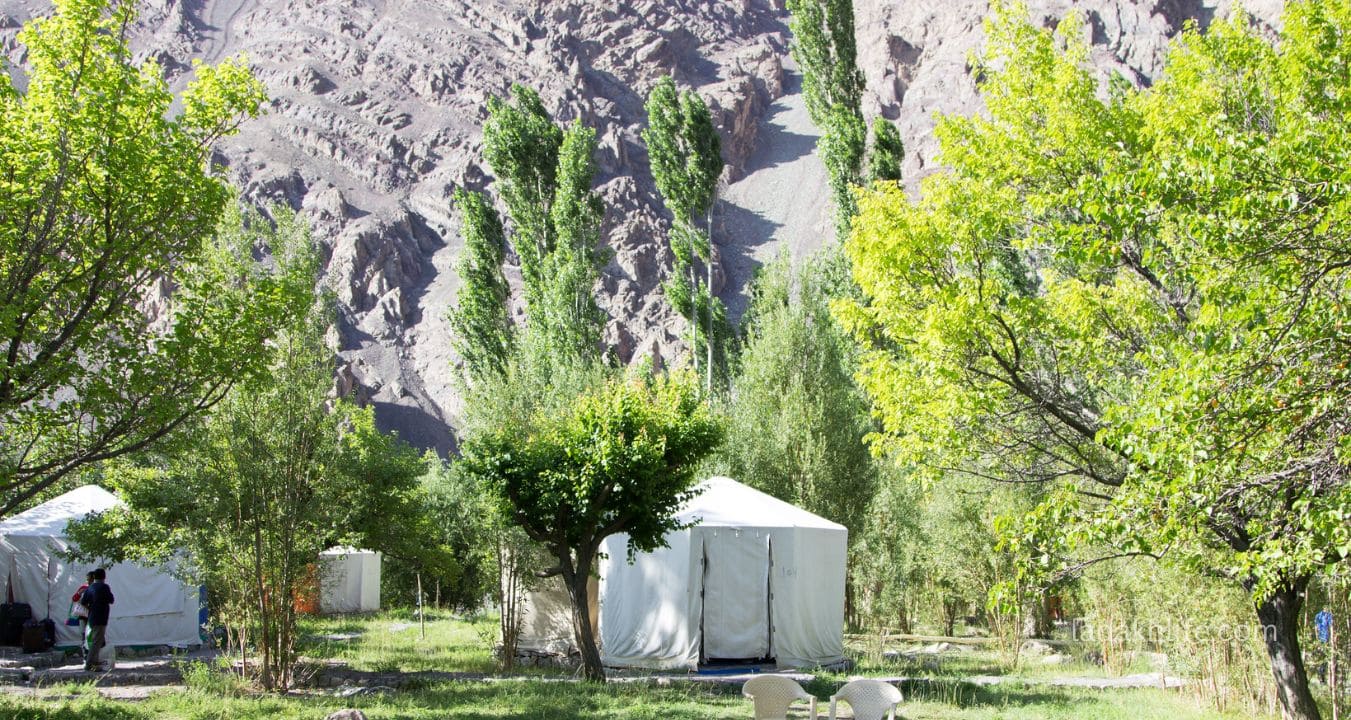
- Authentic homestays. Several families in Sumur offer homestays. You'll eat home-cooked Ladakhi food, sleep in a traditional house, and experience village life firsthand.
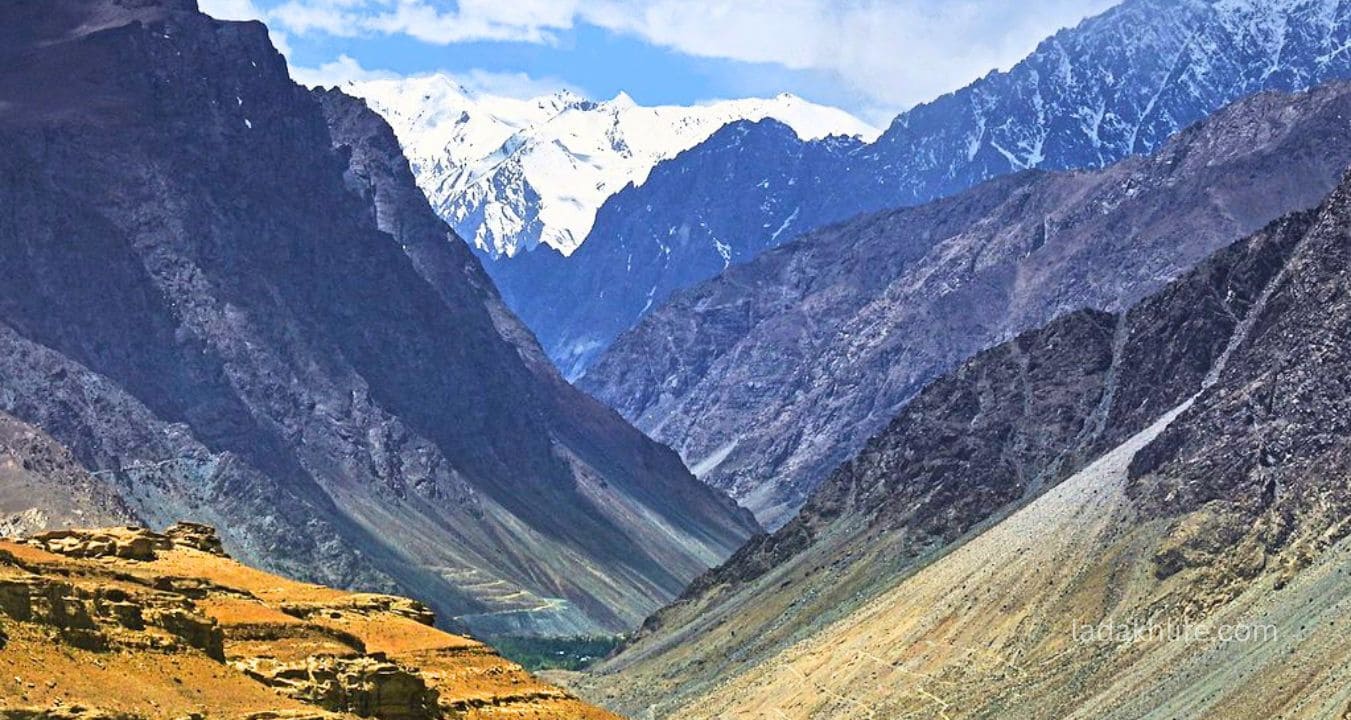
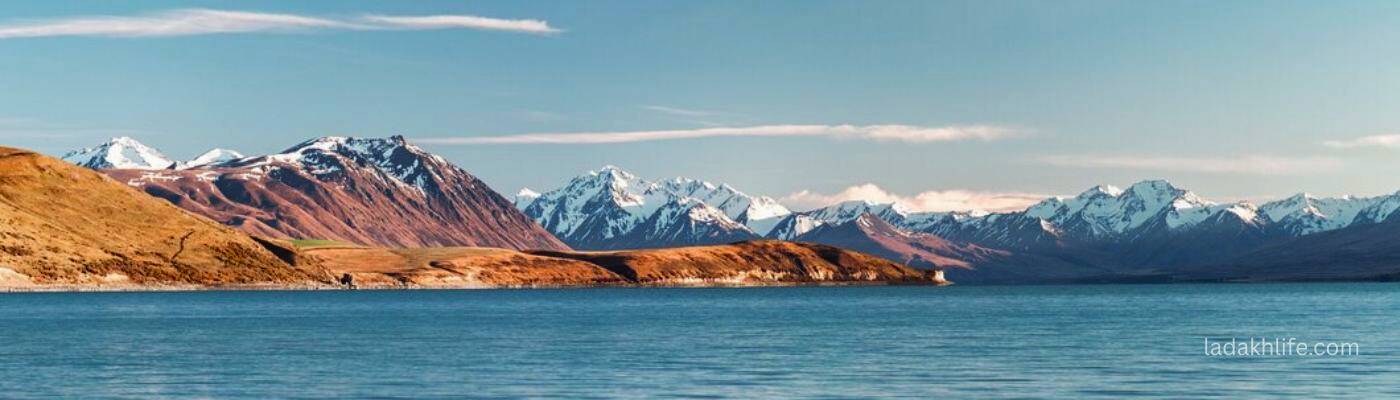
- Stunning mountain views. The village is surrounded by snow-capped peaks, with the Shyok River flowing nearby. The views are spectacular, especially at sunrise and sunset.
- Off the beaten path. Most tourists in Nubra never make it to Sumur. They stay in Diskit or Hunder and drive back to Leh. If you want to experience the real Nubra, the one without souvenir shops and camel rides, come to Sumur.
The Sumur Experience (The Honest, Peaceful Version)
Let me walk you through what actually happens when you visit Sumur. No filters. No fancy language.
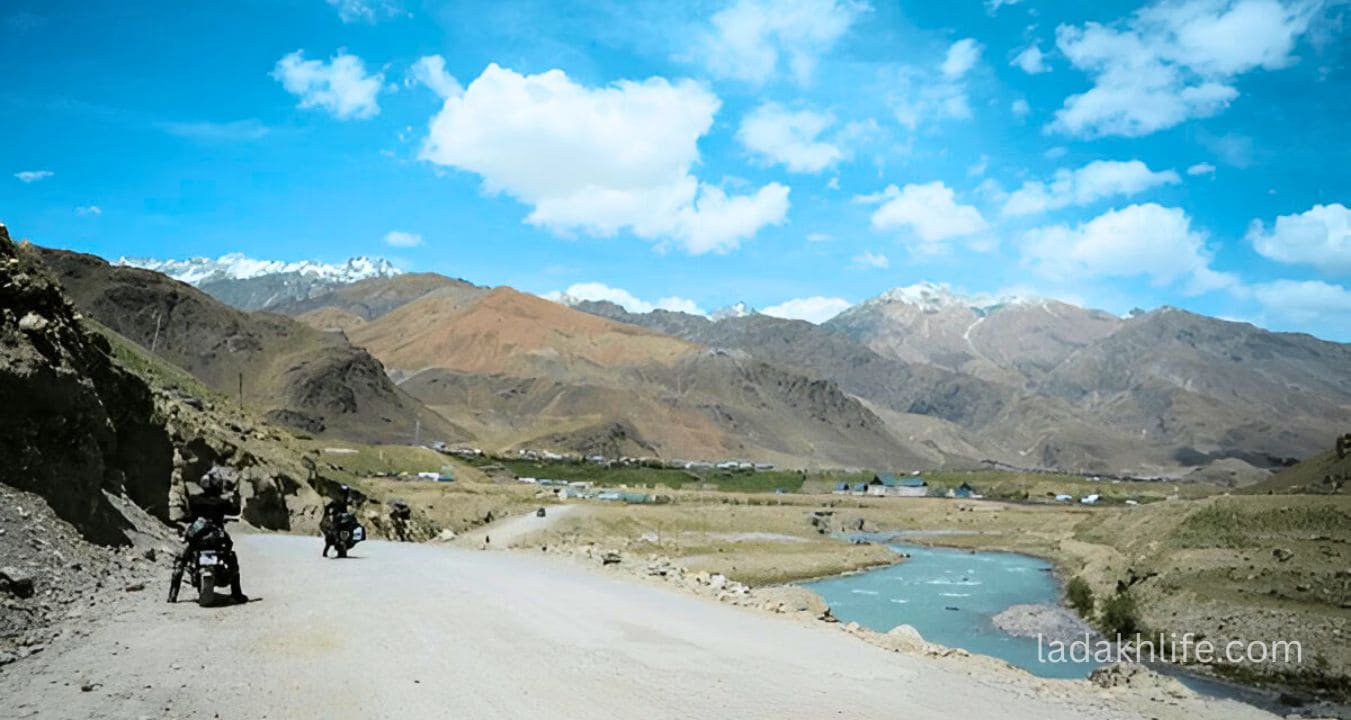
- The drive from Diskit or Hunder: You're on the road north, following the Shyok River. The valley is green, the mountains are brown, the sky is blue. You pass through small villages, fields of barley, apricot orchards. The drive is beautiful, one of the best in Nubra.
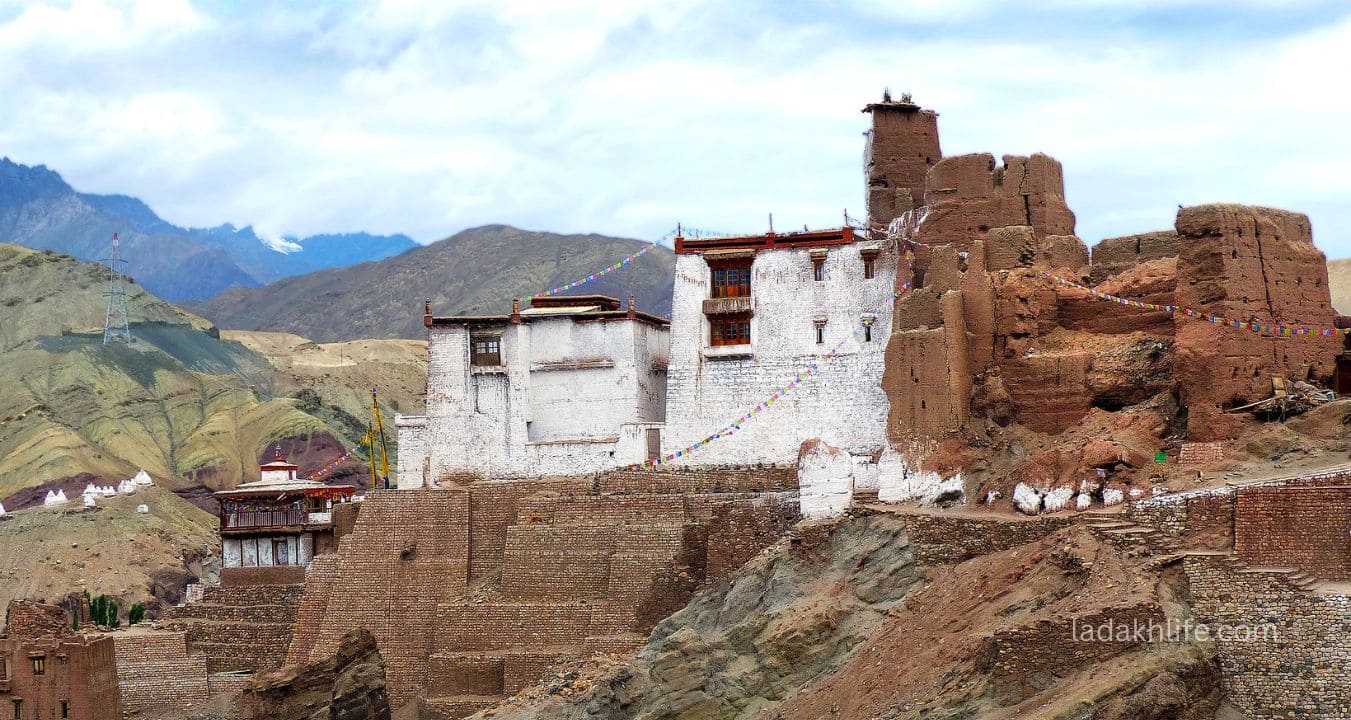
- Arriving in Sumur: The village is small, quiet. You see whitewashed houses with prayer flags, green fields, and above it all, the monastery on the hill. You park near the village center.
- The monastery: You climb the path to Samstanling Monastery. It's a gentle climb, maybe 10 minutes. The monastery is beautiful, white walls, golden roof, prayer flags fluttering. Inside, the prayer hall is filled with murals, thangkas, and statues. A monk might show you around. The atmosphere is peaceful and sacred.
- The view from the monastery: From the monastery courtyard, the view is spectacular, the entire Nubra Valley spread out below you, green fields, the Shyok River winding through the valley, snow-capped peaks in the distance. You sit on the steps, watching the clouds move. No other tourists. Just peace.
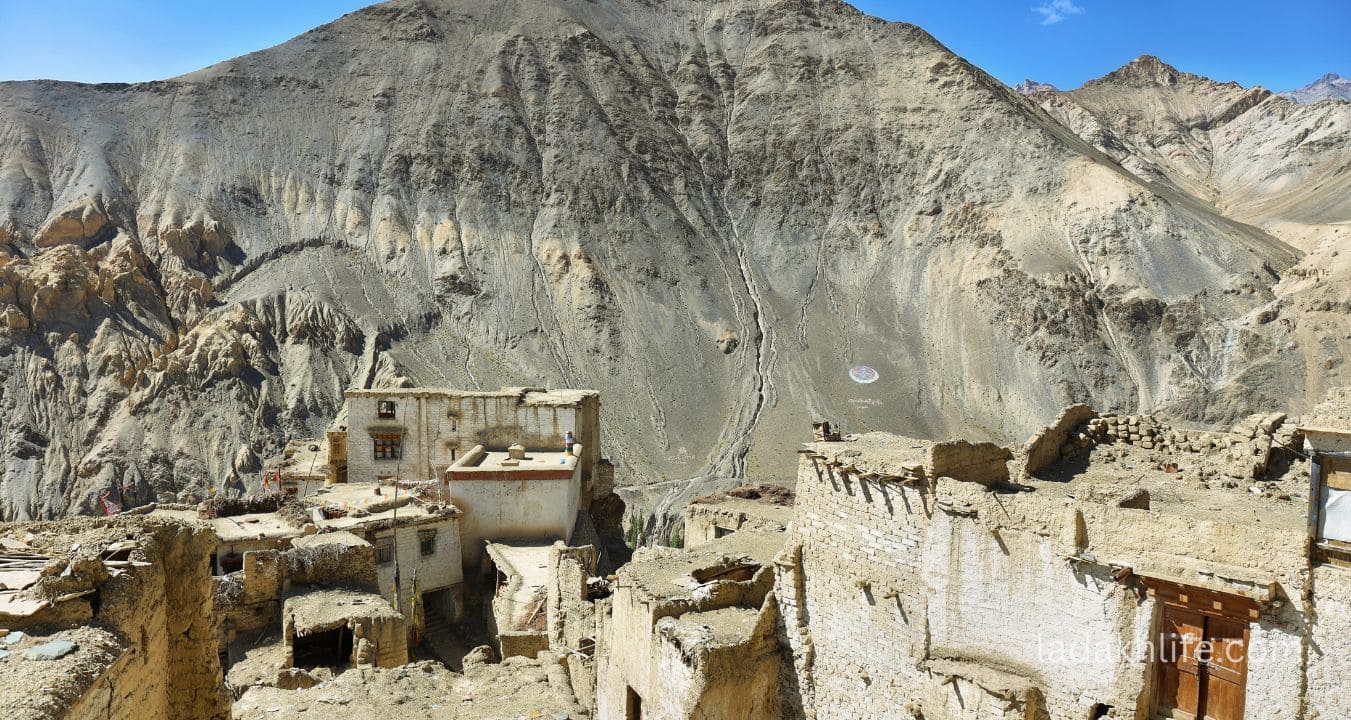
- Walking through the village: You walk through the narrow lanes of Sumur. Traditional stone houses, carved wooden doors, children playing. An old man sits in the sun, spinning his prayer wheel. He smiles and says "Juley." You smile back.
- A homestay: You stay with a local family. The house is warm, the food is delicious, momos, thukpa, fresh bread, apricot jam. The family tells you stories about life in Nubra, about the long winters, about the army convoys that pass through. You fall asleep to the sound of the river far below.
That's Sumur. Not exciting. Not adventurous. Just peaceful. And sometimes, that's exactly what you need.
The Crown Jewels of Sumur (Don't Miss These)
1. Samstanling Monastery, The Peaceful Hilltop Gompa
The Samstanling Monastery (also called Sumur Monastery) is the heart of the village. The monastery was founded over 100 years ago and belongs to the Gelugpa lineage of Tibetan Buddhism. The complex includes a prayer hall, a courtyard, and living quarters for monks. Inside the prayer hall, you'll find beautiful murals, thangkas, and statues of Buddhist deities. The atmosphere is peaceful and sacred. Unlike the larger monasteries in Ladakh, there's no entrance fee, no crowds, no pressure. Just peace. Climb to the monastery courtyard for stunning views of the Nubra Valley.
2. The View from the Monastery, Nubra Valley Panorama
From the monastery courtyard, the view is spectacular. The entire Nubra Valley spreads out below you, green fields, the Shyok River winding through the valley, tiny villages nestled among the fields, and snow-capped peaks rising in the distance. It's one of the best views in Nubra, and almost no one sees it because almost no one comes to Sumur. Go in the late afternoon, when the light is golden. The view will take your breath away.
3. The Green Fields and Apricot Orchards
Sumur is lush and green in summer, a stark contrast to the barren mountains that surround it. The fields are planted with barley, wheat, and potatoes. The apricot orchards are beautiful, especially in July and August when the fruit is ripe. Walk through the fields. Watch the farmers work. In late summer, you'll see families harvesting the crops by hand, just as they've done for centuries. If you're lucky, someone will offer you fresh apricots. Eat them. They're delicious.
4. The Homestays, Warm Ladakhi Hospitality
Several families in Sumur offer homestays. The accommodations are basic, a clean room, a shared bathroom (sometimes outside), a kitchen where the family cooks. But the warmth is extraordinary. You'll eat home-cooked Ladakhi food, momos, thukpa, khambir (traditional bread), and endless cups of butter tea. You'll sit with the family, listening to their stories. You'll learn about life in Nubra, the long winters, the army convoys, the festivals. You'll leave with new friends. Cost: ₹800-1200 per night including dinner and breakfast.
5. The Shyok River, Following the Water
The Shyok River flows right past Sumur, wide and grey-green, carrying meltwater from the glaciers of the Karakoram. Walk down to the riverbank. Sit on a rock. Watch the water flow. The sound is calming. The views up and down the valley are beautiful. This is a good place to sit, reflect, and appreciate where you are.
6. The Prayer Flags, Fluttering in the Wind
Prayer flags flutter everywhere in Sumur, on the monastery, on the houses, on the bridges. Blue, white, red, green, yellow, the five colors representing the five elements. The sound they make is like nothing else, a constant, gentle flapping that feels like a prayer. Walk through them. Listen. Buddhists believe the wind carries the prayers on the flags to the heavens.
7. The Nearby Diskit Monastery, The Giant Buddha
Sumur is just 15 kilometers from Diskit Monastery, the oldest and largest monastery in Nubra Valley. Diskit is famous for its 32-meter (105-foot) golden statue of Maitreya Buddha (the future Buddha). The statue faces south toward Pakistan, a symbol of peace and protection. The views from Diskit Monastery of the Nubra Valley are spectacular. Visit Diskit in the morning, then retreat to peaceful Sumur in the afternoon. It's the perfect combination.
8. The Stargazing, No Light Pollution
Sumur is far from any town. At night, the sky is dark. The stars are bright. The Milky Way stretches from horizon to horizon. Lie on the roof of your homestay or walk down to the riverbank. Look up. You'll see satellites moving, shooting stars, and maybe the faint glow of the northern lights (rare, but possible). It's the kind of sky that makes you feel small and grateful.
Best Time to Visit Sumur
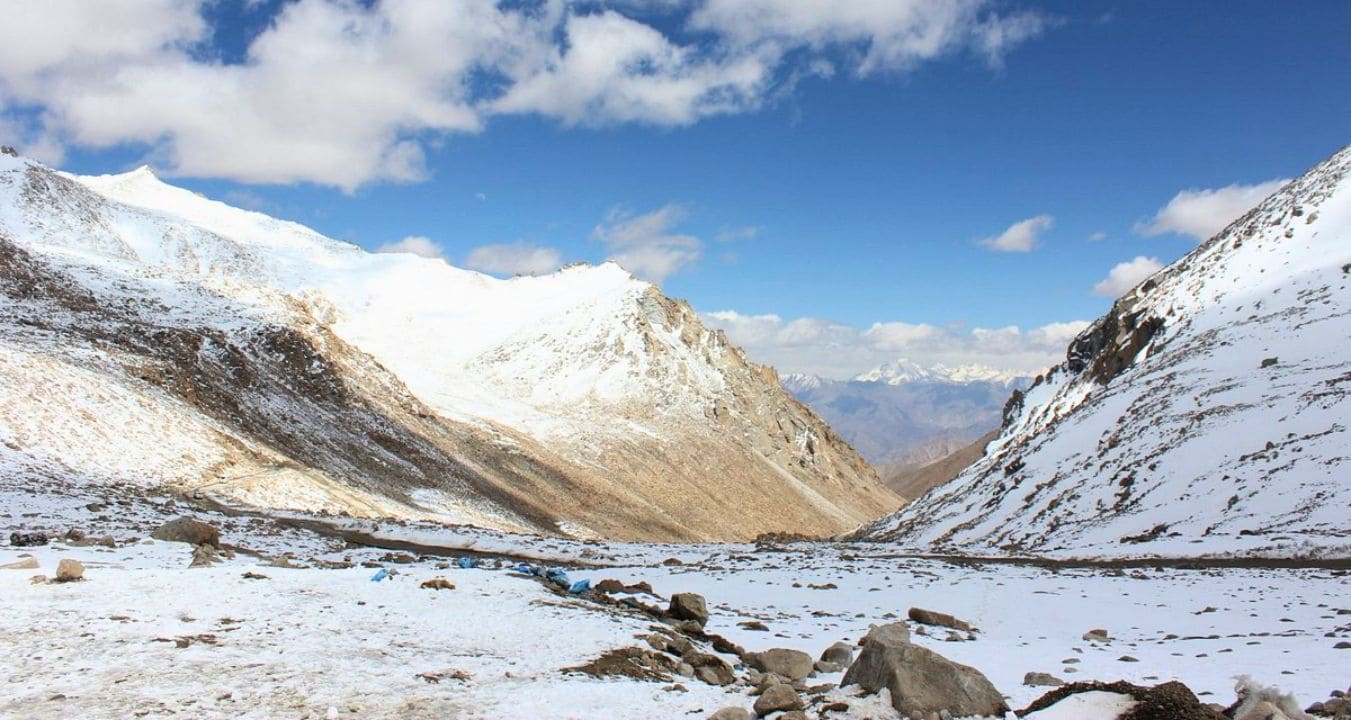
Sumur is in Nubra Valley, which has a short season due to Khardung La.
June to September is the main season. July and August are the warmest months, daytime temperatures 15-25°C, nights cool (5-10°C). The fields are green, the apricots are ripe (July-August), and the weather is perfect for exploring. August is peak tourist season in Nubra, but even then, Sumur is quiet.
May and October: Shoulder months. May is cooler (10-20°C) and less crowded. Some homestays may still be closed. October is beautiful, clear skies, crisp air, autumn colors, but nights are cold (near freezing). Khardung La can close by mid-October, so plan accordingly.
November to April: Khardung La is closed. Sumur is inaccessible. Don't attempt.
Pro tip: September is the best month. The weather is perfect, the crowds of July-August have thinned (though Sumur is never crowded), the skies are clear, and the light is golden. Visit on a weekday for maximum peace.
Where to Stay in Sumur
Homestays are the best option in Sumur, and they're wonderful.
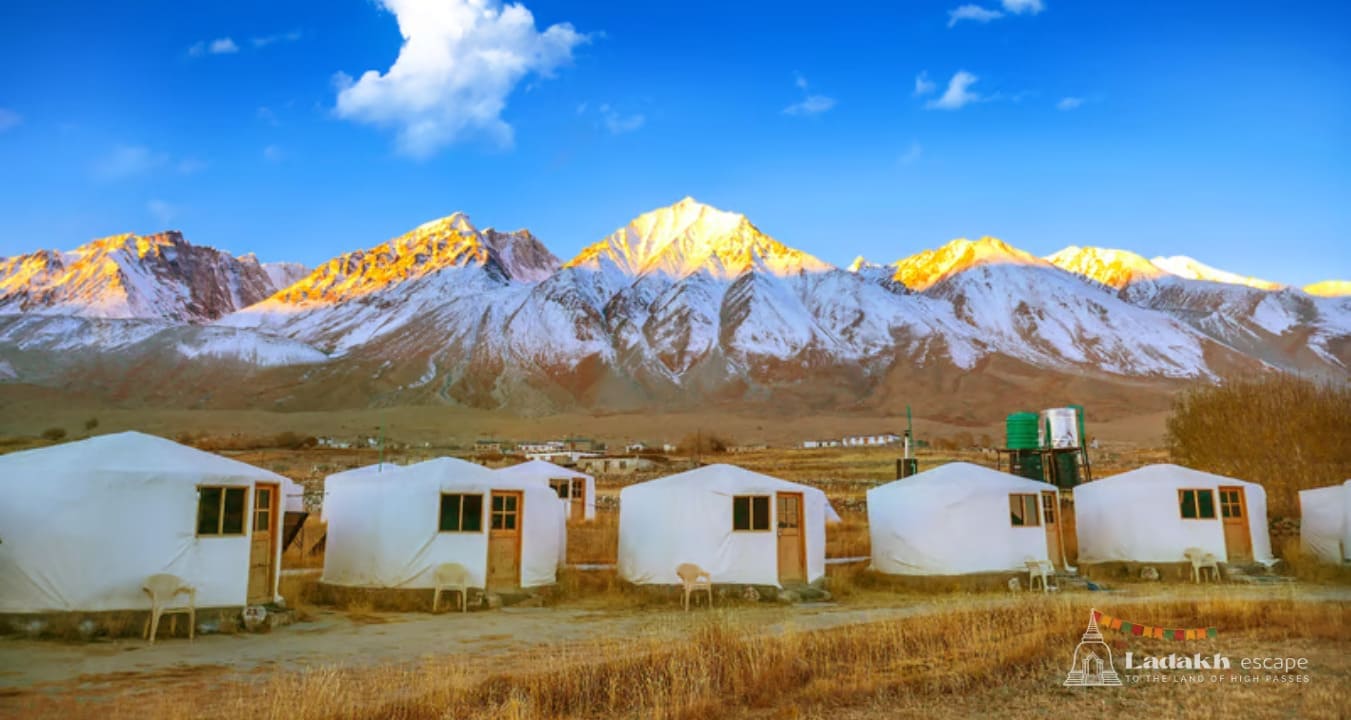
Homestays (₹800-1,200 per night): Several families in Sumur offer homestay accommodations. Expect basic but clean rooms, shared bathrooms (squat toilet, sometimes outside), and home-cooked meals. Popular options include Sumur Homestay and Nubra Eco Homestay. Ask around when you arrive, someone will point you to a family with space. This is the most authentic way to experience Sumur.
In Diskit (15 km south): More options, including hotels and guesthouses. Hotel Diskit and Nubra Valley Hotel are good options. A good alternative if Sumur is full.
In Hunder (20 km south): Desert camps and guesthouses. More expensive and more crowded. Not recommended if you want peace.
No hotels in Sumur. Embrace the homestay. It's part of the experience. The warmth of Ladakhi hospitality will stay with you long after you leave.
How to Get to Sumur
Sumur is in Nubra Valley. You must cross Khardung La to get here.
Route: Leh → Khardung La (18,380 ft) → Diskit → Sumur (15 km north of Diskit).
From Leh (about 150 km, 5-6 hours): Drive Leh → Khardung La (2-3 hours) → Diskit (2-3 hours) → Sumur (15 minutes). This is a full day's drive. Most travelers break the journey with an overnight stay in Nubra.
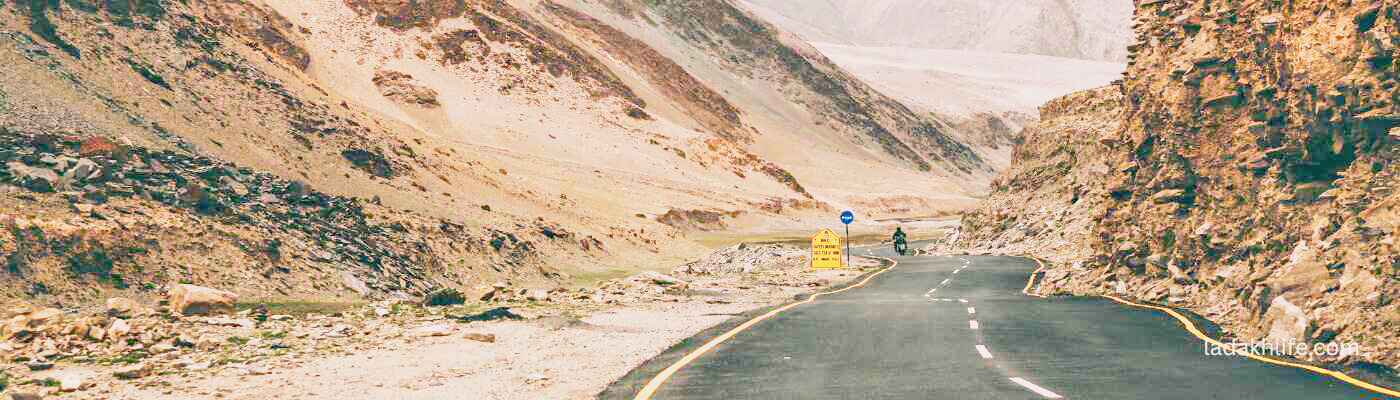
From Diskit (about 15 km, 20 minutes): Drive north on the road toward Turtuk. The road follows the Shyok River. Sumur is on the right, just past the airfield. The road is paved and easy.
From Hunder (about 20 km, 30 minutes): Drive north from Hunder toward Diskit, then continue north toward Turtuk. Sumur is about 5 km north of Diskit.
By bike: Easy and beautiful. The ride from Diskit to Sumur follows the Shyok River through green fields and barren mountains. If you've made it to Nubra, you can easily reach Sumur.
By car (any car is fine): The road is paved and well-maintained. No 4x4 needed.
By taxi: Hire a taxi from Leh for a 2-3 day trip to Nubra. Ask your driver to include Sumur, most drivers will agree. From Diskit, a local taxi to Sumur and back costs ₹500-1,000.
By bus: Buses from Leh to Diskit run daily during the season. From Diskit, you may find a shared taxi to Sumur, but it's not guaranteed. A private taxi is easier.
What to Pack for Sumur
Sumur is at lower altitude than Leh, but nights can be chilly. Here's what you need:
- Daytime: T-shirts, light pants, a hat for sun protection, sunglasses. It can be warm in summer (20-25°C).
- Evenings: A fleece or light sweater. The temperature drops at night.
- Monastery visit: Cover your shoulders and knees. Remove your shoes before entering the prayer hall.
- Shoes: Comfortable walking shoes for exploring the village and climbing to the monastery.
- Sun protection: Sunscreen (SPF 30+), lip balm, sunglasses. The sun is strong at 10,500 feet.
- Water & snacks: There are small shops in Sumur, but options are limited. Carry water and snacks from Leh or Diskit.
- Cash: No ATMs in Sumur. The nearest ATM is in Diskit (15 km away, and it's often empty). Bring enough cash for your entire stay in Nubra.
- Camera: You'll want it. The monastery, the views, the fields, Sumur is beautiful.
- Power bank: Electricity can be limited in homestays. Keep your devices charged.
Essential Tips for Visiting Sumur
- Get permits before you go. Nubra Valley is near the border. Indian nationals need an Inner Line Permit (ILP). Foreign nationals need a Protected Area Permit (PAP). Arrange these in Leh through a travel agent or at the DC office. Make sure Sumur is on your permit, most permits cover all of Nubra, but check.
- Stay overnight. Most visitors come as a day trip from Diskit or Hunder. That's a mistake. Stay overnight in a homestay. You'll experience Sumur's magic in a way that day-trippers miss, the sunsets, the stargazing, the morning light, the family dinners.
- Climb to the monastery. The path is short, the climb is gentle, and the views are spectacular. Don't miss it.
- Dress modestly at the monastery. Cover your shoulders and knees. Remove your shoes before entering the prayer hall.
- Ask before taking photos inside the monastery. Photography is usually allowed, but always ask first. No flash, it damages the ancient murals.
- Be respectful of the village. Sumur is a real village, not a tourist resort. Dress modestly when walking through the village. Ask before taking photos of people. A smile and a "Juley" go a long way.
- Eat the apricots. In July and August, the apricot orchards are heavy with fruit. Buy some from a local family. They're the best you'll ever taste.
- Don't litter. Carry your waste back to Leh. There's limited garbage collection in Sumur. Keep this beautiful village clean.
- Combine with Diskit and Hunder. Sumur is perfectly located between Diskit and Turtuk. Visit Diskit Monastery and Hunder's sand dunes during the day, then retreat to peaceful Sumur at night. It's the perfect Nubra itinerary.
Sumur vs Other Nubra Valley Villages
- Sumur vs Diskit: Diskit is the main town of Nubra, larger, more developed, has hotels, restaurants, and the famous monastery with the giant Buddha. Sumur is smaller, quieter, and more peaceful. Visit Diskit for the sights. Stay in Sumur for the peace.
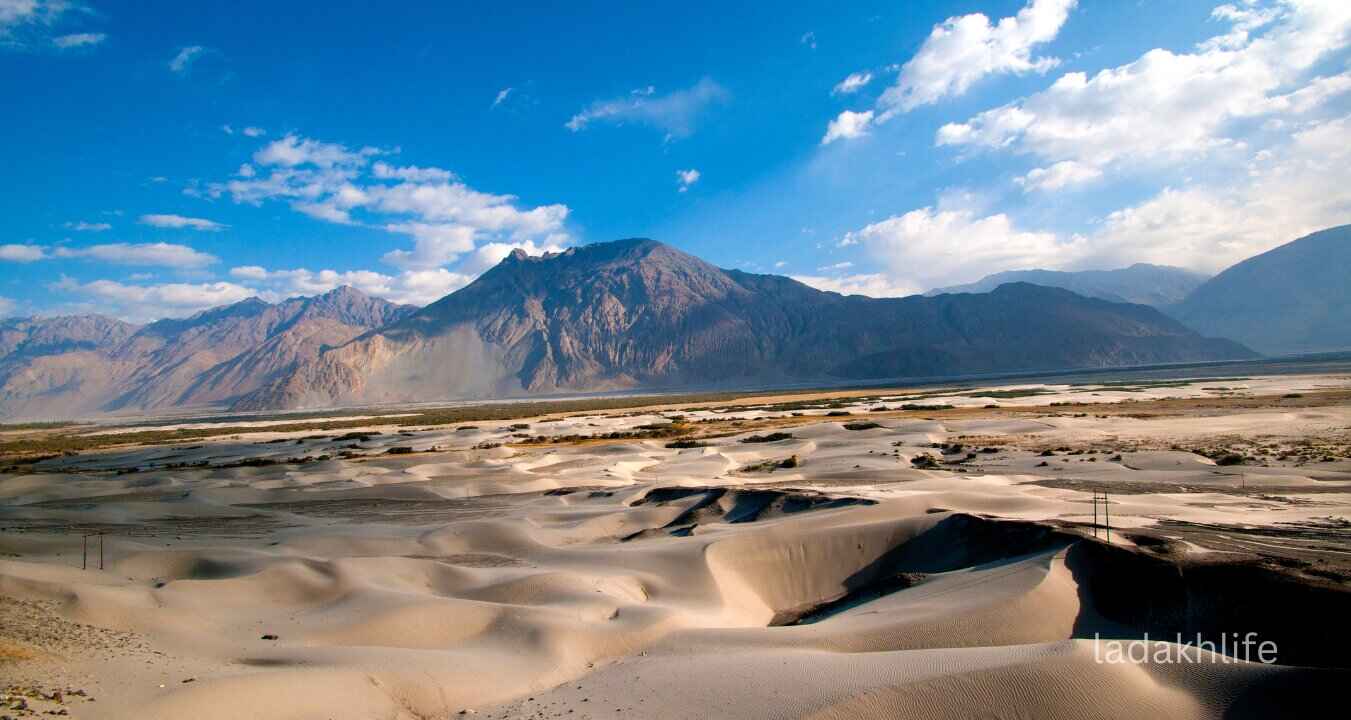
- Sumur vs Hunder: Hunder is famous for sand dunes and Bactrian camels, fun, photogenic, and crowded. Sumur is quiet, green, and authentic. Do Hunder for the adventure. Do Sumur for the soul. Stay in Sumur overnight, visit Hunder for a few hours.
- Sumur vs Turtuk: Turtuk is further north, closer to the border, and has a unique Balti Muslim culture. Sumur is Ladakhi Buddhist. Turtuk is more remote, more adventurous. Sumur is more accessible, more peaceful. Visit both if you have time.
- Sumur vs Panamik: Panamik is further north, famous for its hot springs. Sumur is on the way. Panamik is more remote, more rustic. Sumur is greener, more comfortable. Visit Sumur on your way to Panamik.
Why Sumur is Nubra Valley's Most Underrated Village
Let me be honest. Sumur is not famous. It doesn't have sand dunes or double-humped camels. It doesn't have a 100-foot Buddha statue or natural hot springs. It has a small monastery, some green fields, and a few homestays. That's it.
But that's exactly why it's special.
After the chaos of Hunder, the camels, the crowds, the souvenir shops, the honking jeeps, Sumur feels like a sanctuary. The only sounds are the wind, the prayer flags, and the occasional cowbell. The people are not jaded by tourism, they're genuinely happy to see you. The monastery is not a tourist attraction, it's a place of worship, open and welcoming.
Sumur won't give you a photo for Instagram that gets a thousand likes. But it will give you something rarer, a quiet day in a beautiful village, a warm meal with a local family, a sunset from a monastery courtyard. It will remind you why you came to Ladakh in the first place: not for the sights, but for the peace.
So when you're planning your Nubra Valley trip, don't just stay in Diskit or Hunder. Drive a few kilometers further up the valley. Find Sumur. Stay overnight in a homestay. Climb to the monastery. Walk through the fields. Eat apricots. Sit by the river. And when you leave, you'll understand why Sumur is the best-kept secret in Nubra Valley.
Sumur is not famous. It doesn't have sand dunes or camel rides. It has a small monastery on a hill, green fields, and apricot orchards. It has homestays where families welcome you like their own. It has the kind of peace that's hard to find in Nubra's tourist season. This is the real Nubra, quiet, authentic, beautiful. Drive the extra kilometers. Stay the night. Climb to the monastery. You'll be glad you did.