So, What Exactly is Padum Village?
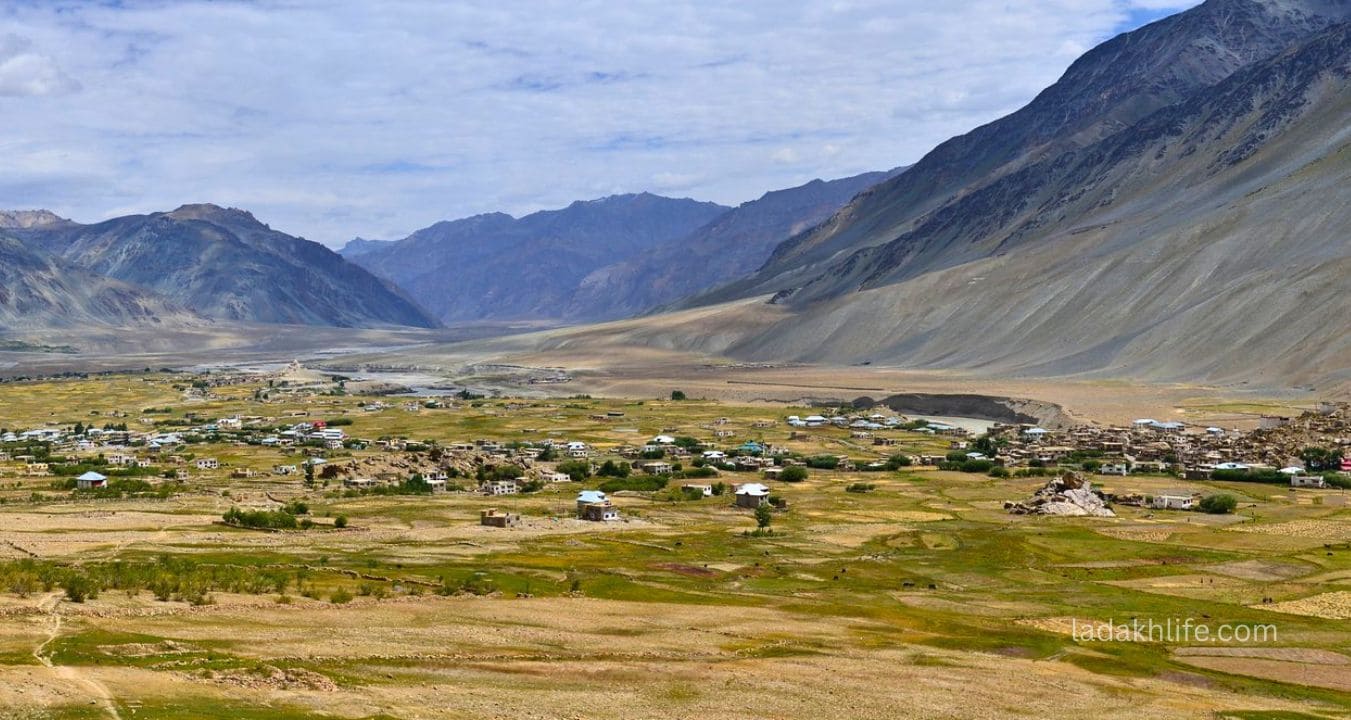
Padum (also spelled Padam) is the main town and administrative headquarters of the Zanskar Valley region of Ladakh, sitting at approximately 11,500 feet (3,505 meters). It's located about 240 kilometers south of Leh and about 120 kilometers southeast of Kargil, at the confluence of the Stod and Lungnak rivers (which together form the Zanskar River).
The town is small by any standard, maybe 1,000-2,000 people, a few shops, a handful of guesthouses, a hospital, a school, and a monastery. But in the context of Zanskar, a region as large as a small country, with a population of only about 20,000 people, Padum feels like a bustling metropolis.
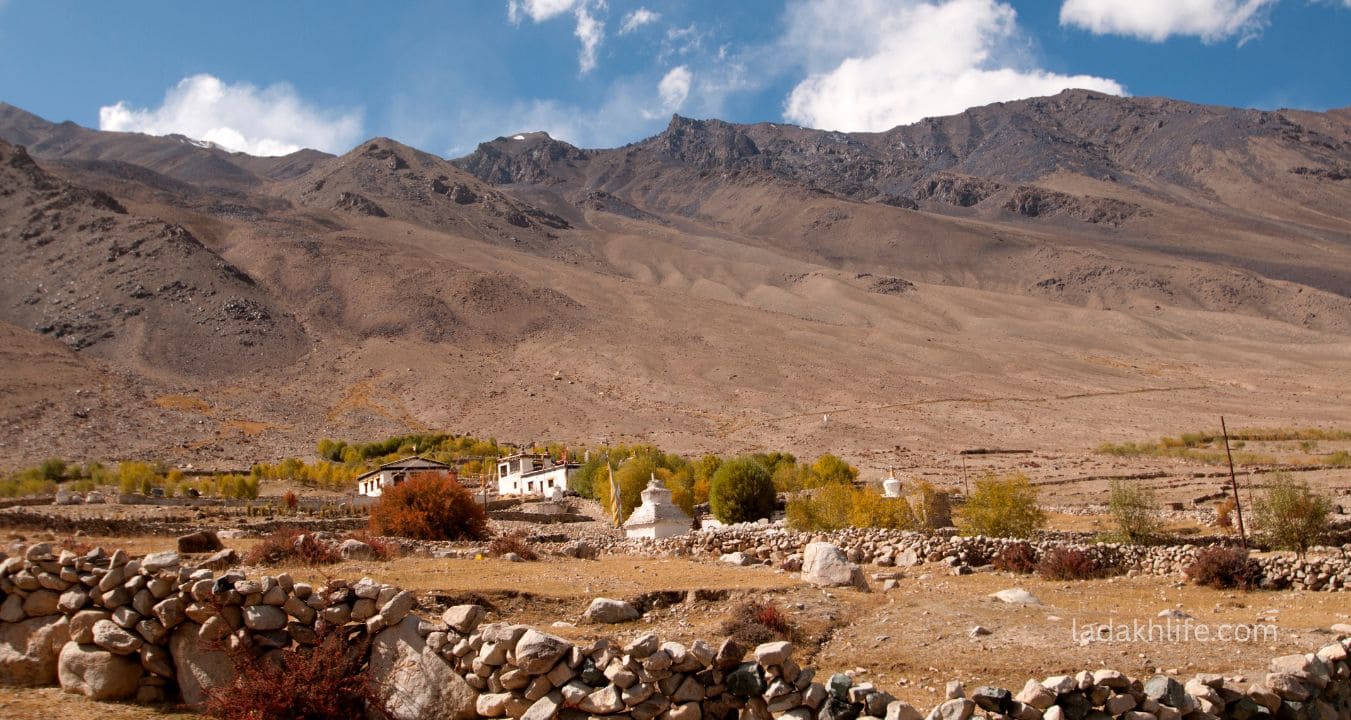
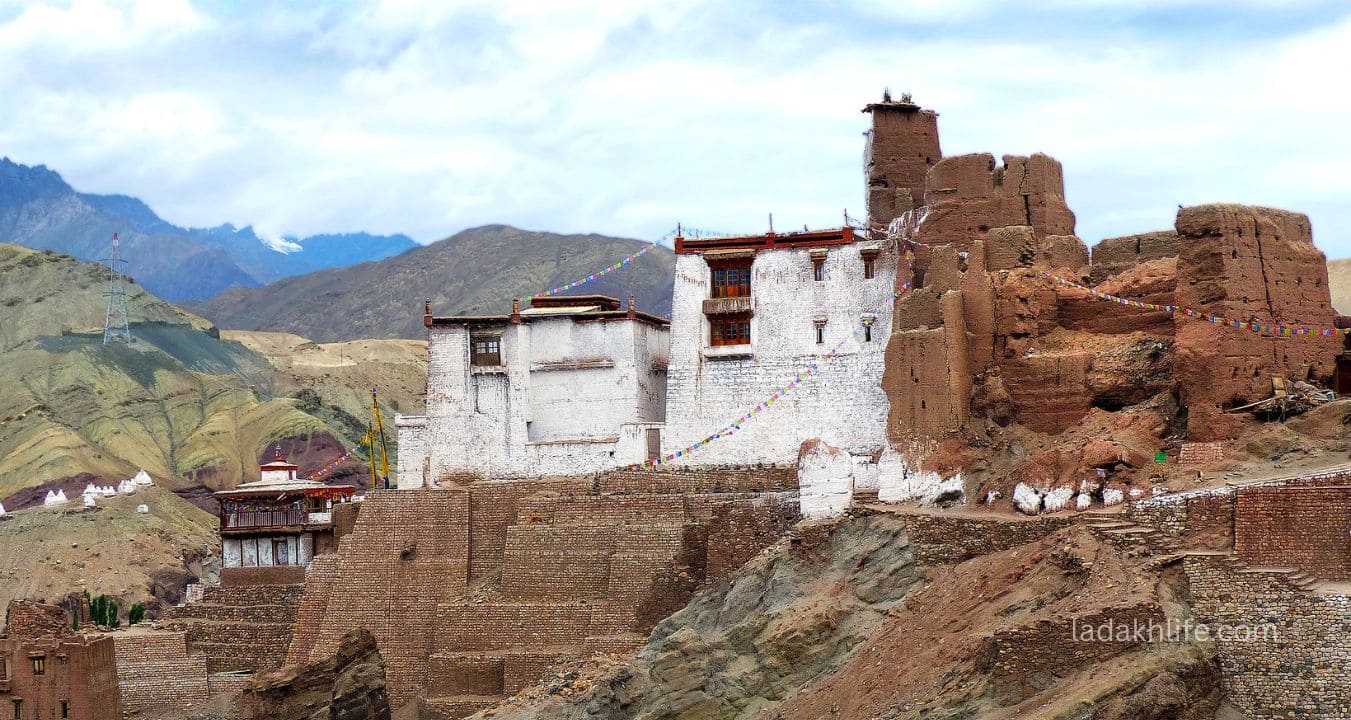
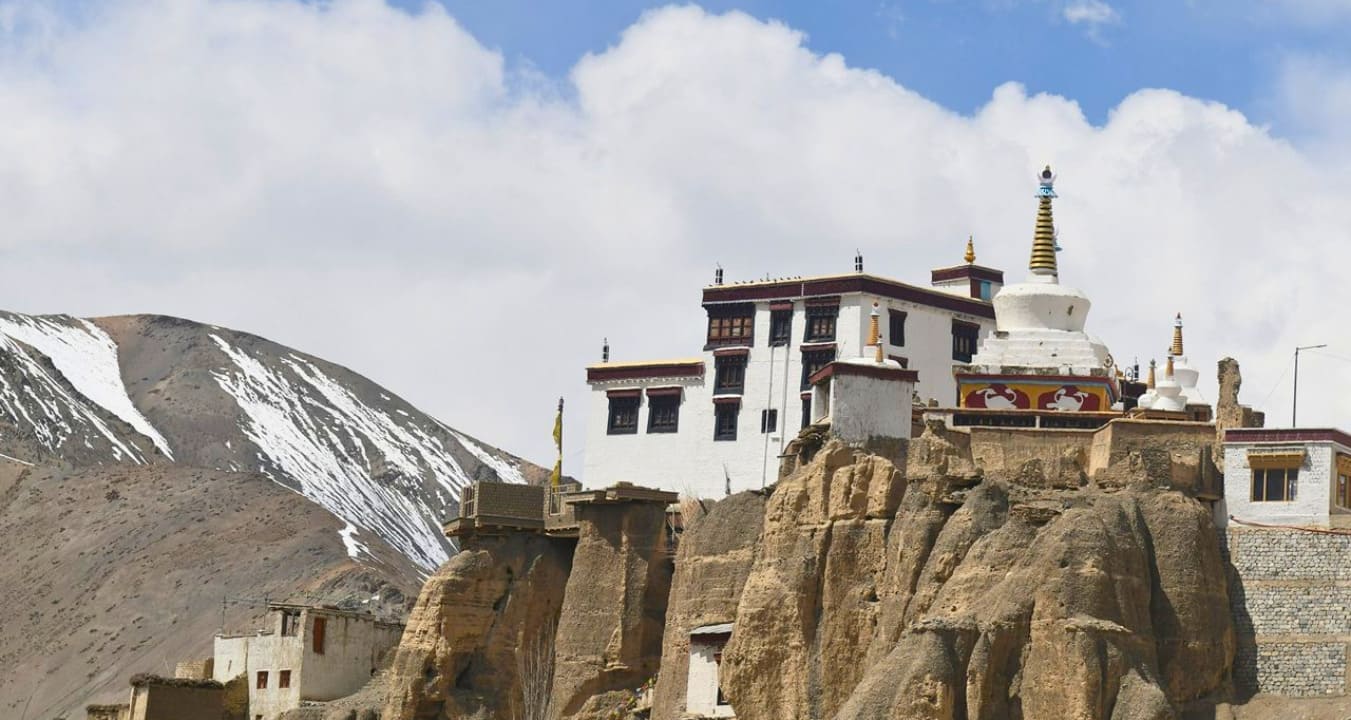
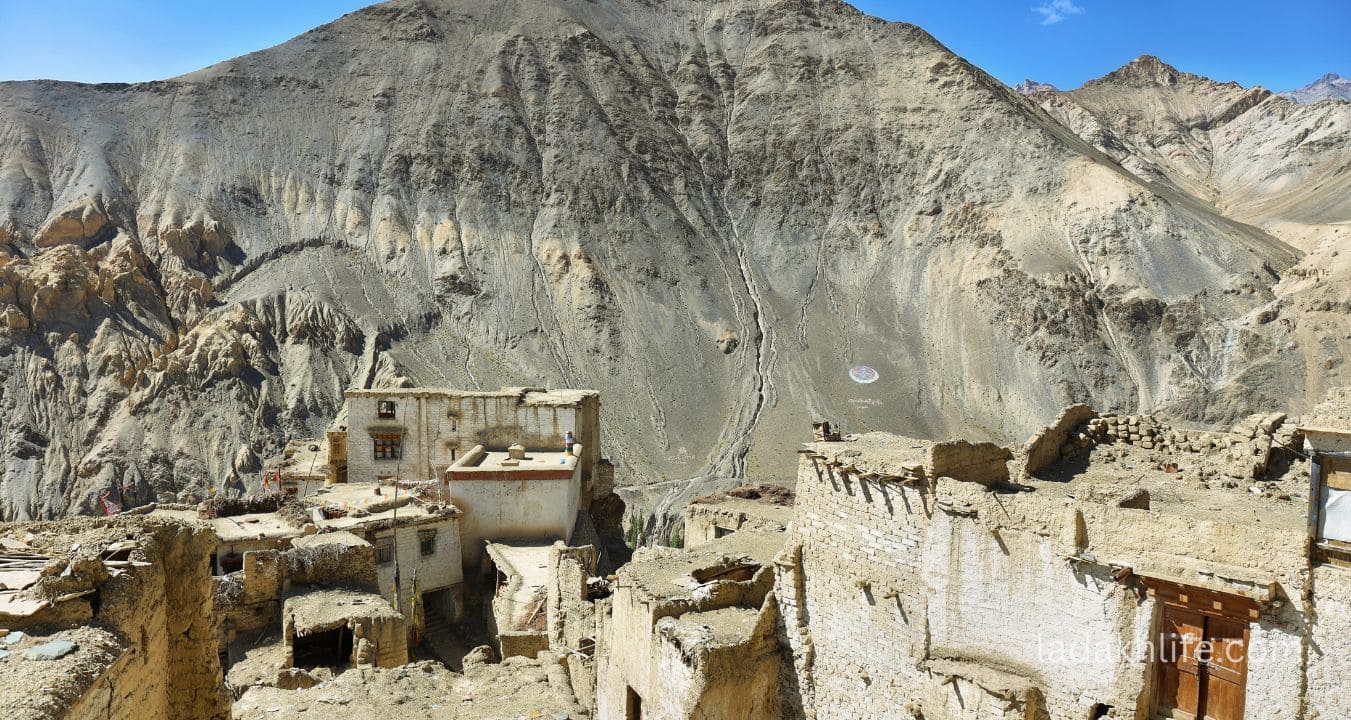
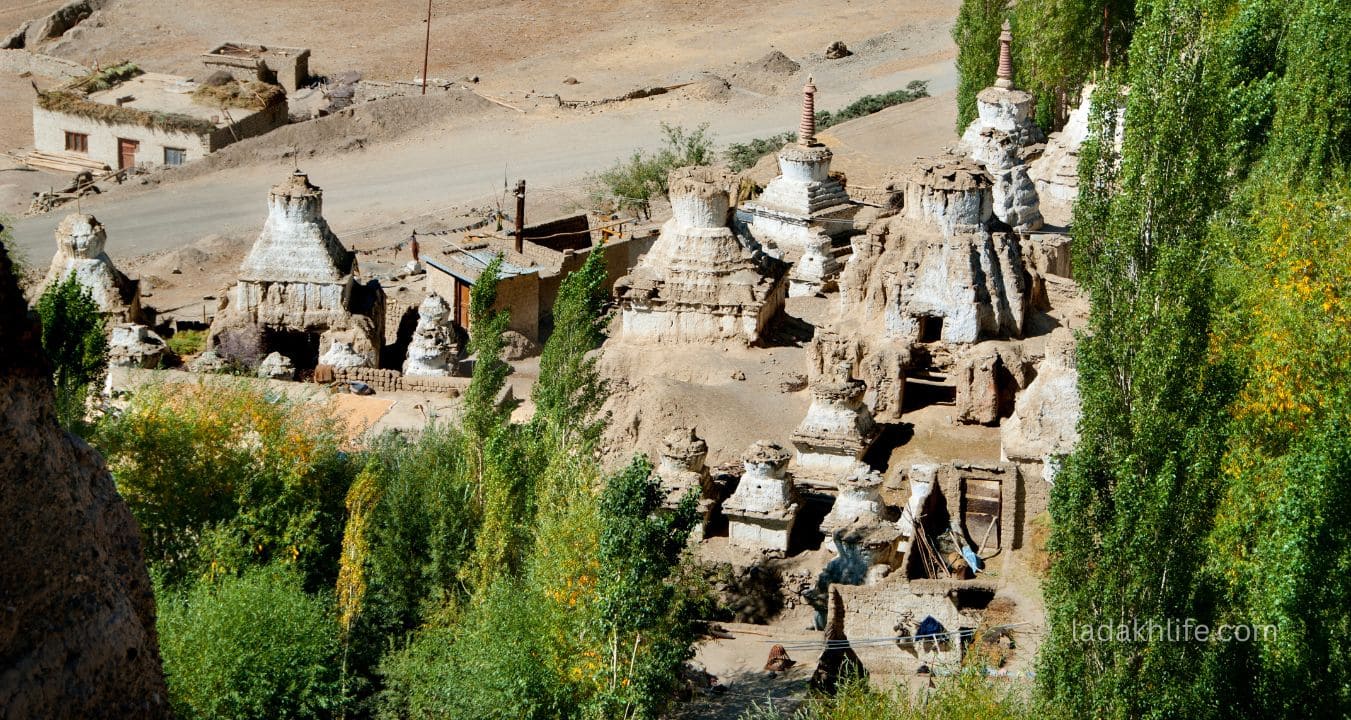
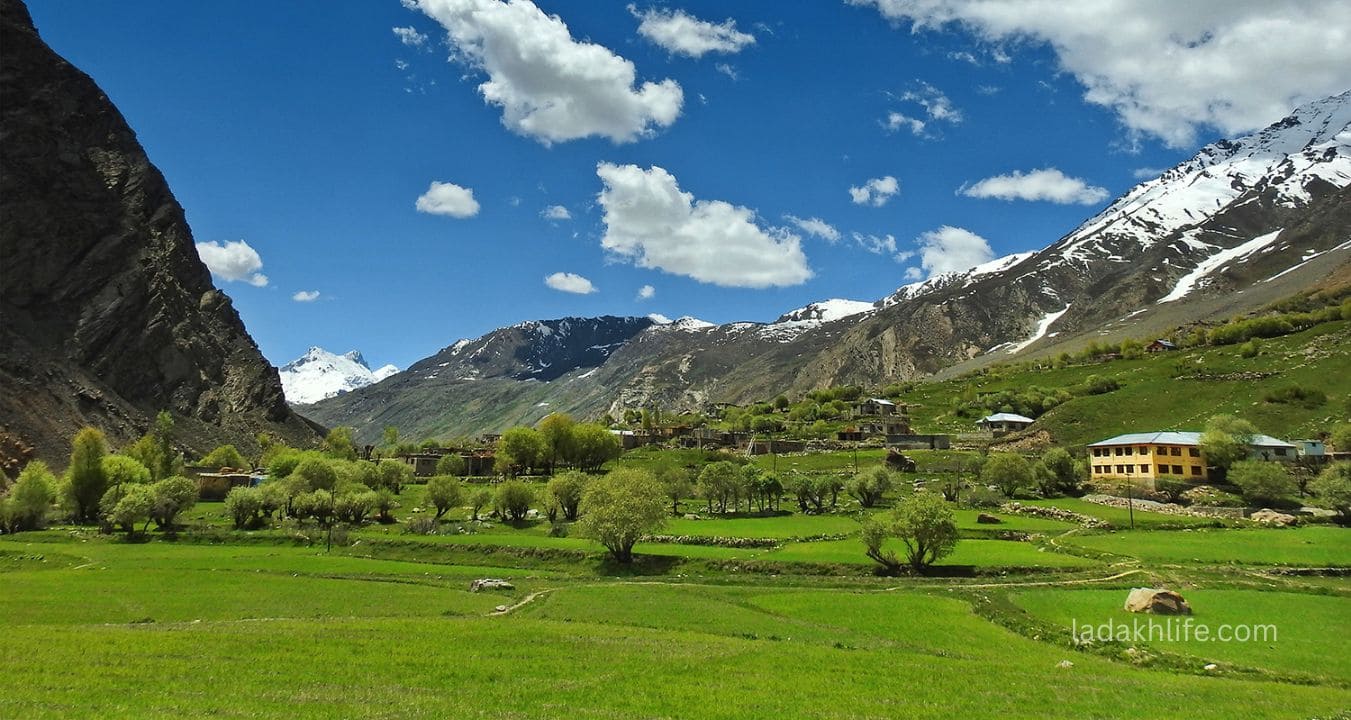
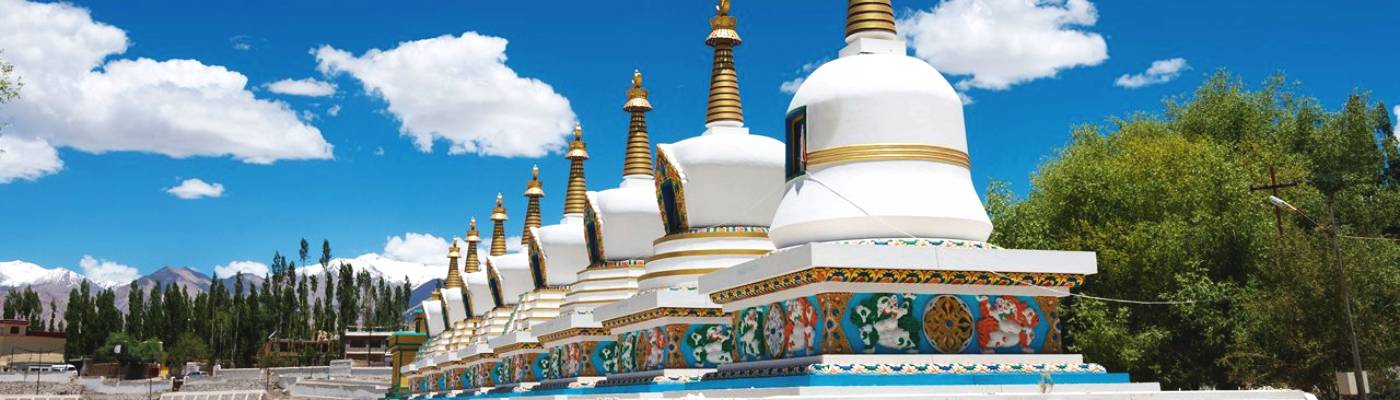
The residents are predominantly Tibetan Buddhist, and the town has a distinctly Tibetan feel, whitewashed houses, prayer flags, chortens (stupas), and monks in maroon robes. The main language is Zanskari (similar to Tibetan), though many people also speak Ladakhi, Hindi, and some English.
Padum is not a destination in itself, it's a base. From here, you can explore the surrounding villages, monasteries, and trekking routes. It's the only place in Zanskar where you'll find reliable accommodation, restaurants, and supplies. If you're traveling to Zanskar, you will almost certainly pass through Padum, and you should plan to spend several days here.
Why Padum is the Perfect Base for Exploring Zanskar
Padum is not flashy. But it's perfectly positioned for exploring the wonders of Zanskar. Here's why:
- Central location. Padum is located in the heart of Zanskar. From here, you can reach Karsha Monastery (7 km), Stongde Monastery (10 km), Sani Monastery (6 km), and Zangla Palace (30 km) within an hour.
- Accommodation options. Padum has the widest range of accommodation in Zanskar, from basic homestays to comfortable guesthouses. You'll find a bed here, even in peak season.
- Restaurants and shops. Need to stock up on supplies? Padum has a few shops selling basics, rice, dal, biscuits, instant noodles, even some vegetables when the trucks have arrived from Kargil.
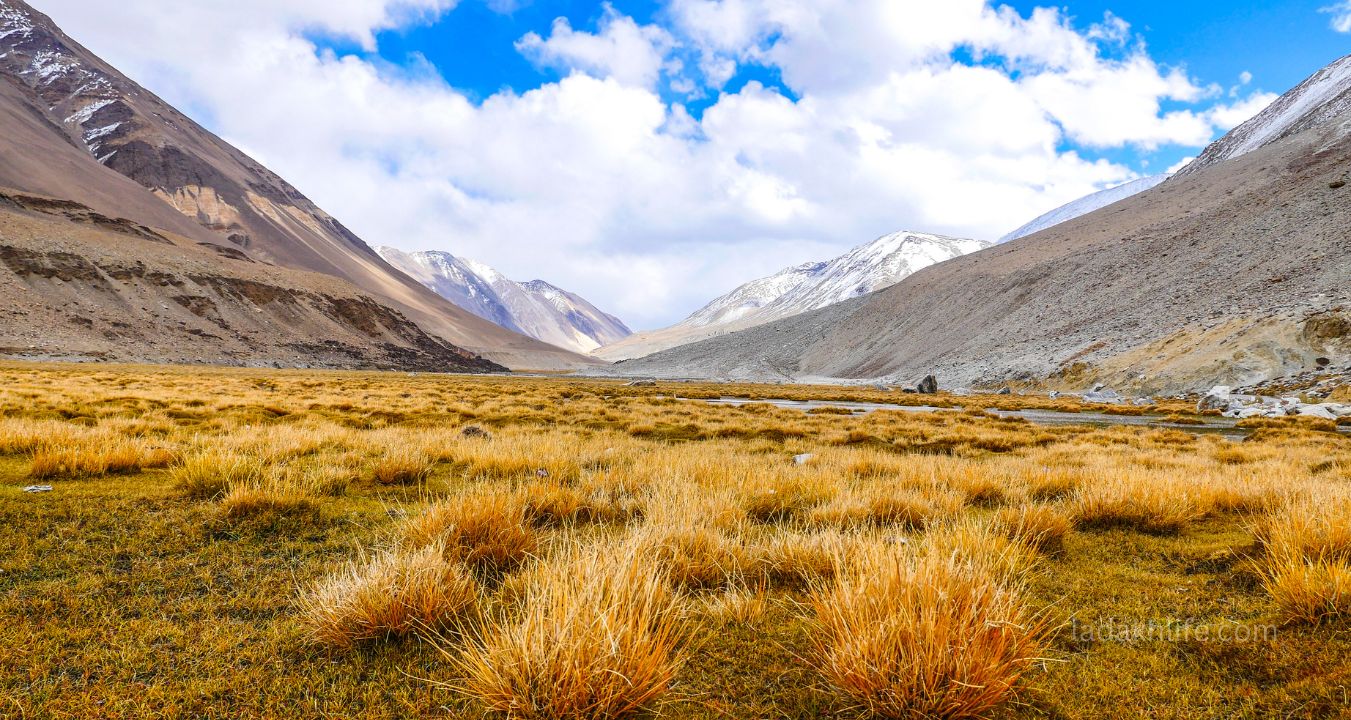
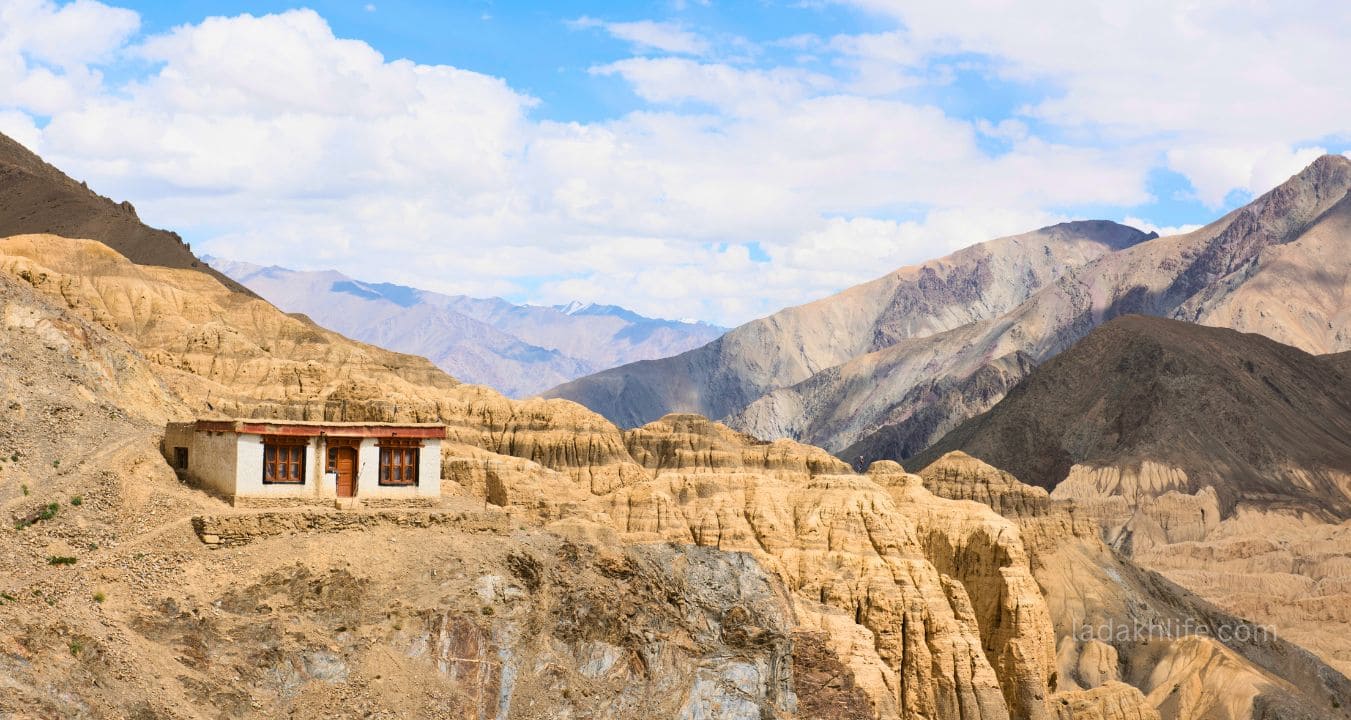
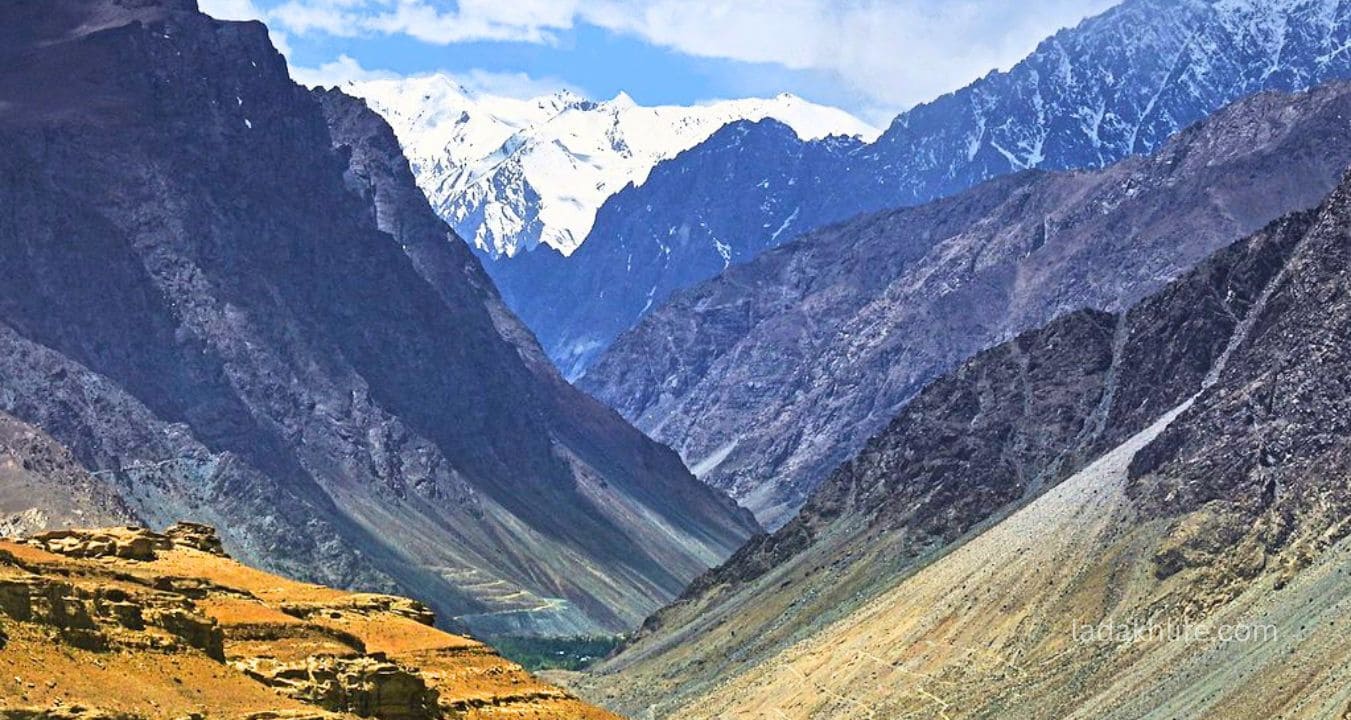
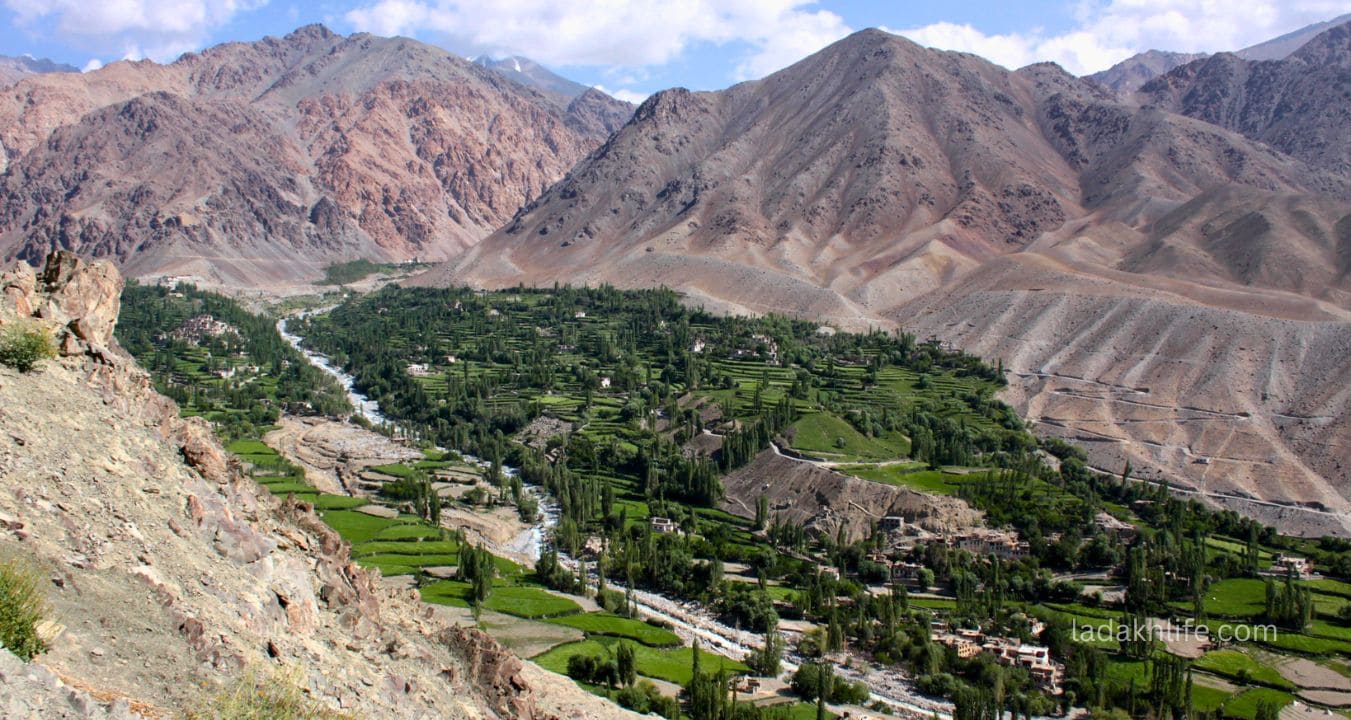
- Peaceful atmosphere. Unlike the busy towns of Leh or Kargil, Padum is quiet and peaceful. The Zanskar River flows nearby. The mountains rise on all sides. The pace of life is slow.
- Gateway to treks. Padum is the starting point or ending point for several treks, including the famous Padum to Lamayuru trek and the Padum to Darcha trek.
- Warm hospitality. The people of Padum are welcoming and proud of their home. Stay in a homestay, and you'll experience Zanskari hospitality at its best.
The Padum Experience (The Honest, Slow Version)
Let me walk you through what actually happens when you spend time in Padum. No filters. No fancy language.
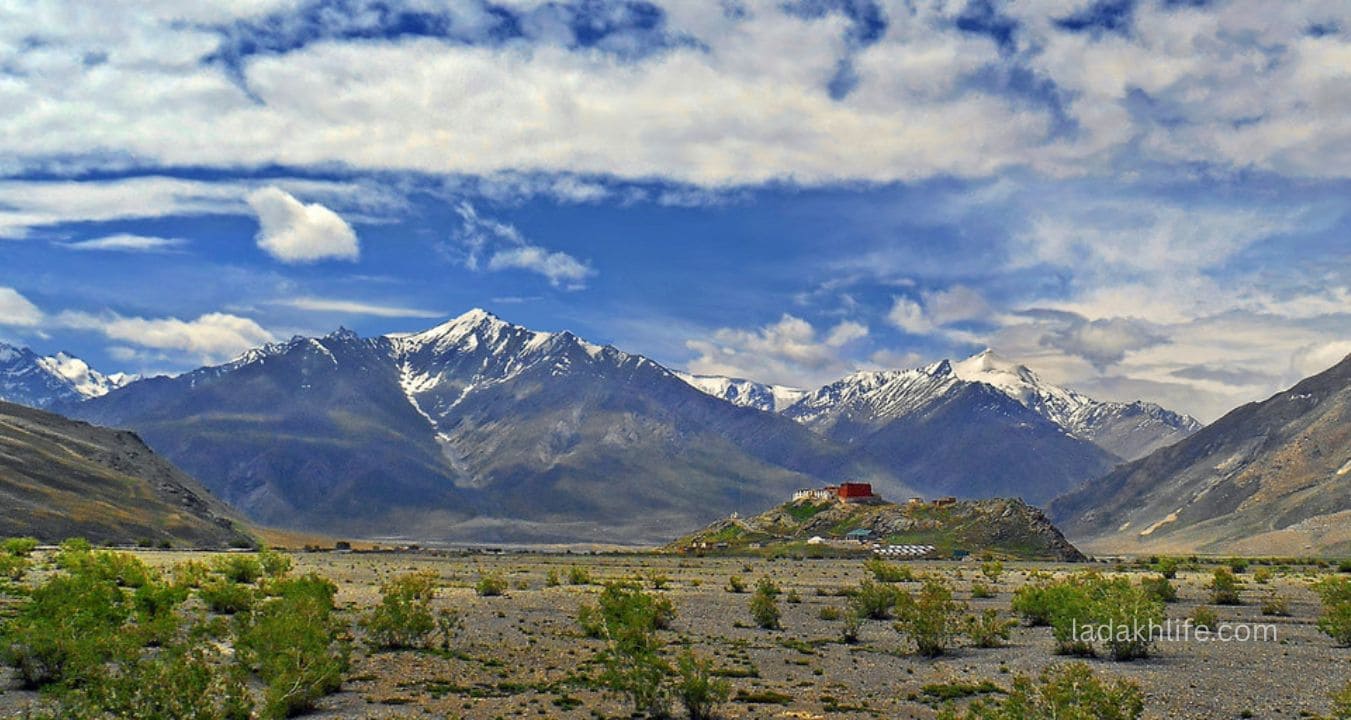
- Arriving in Padum: You've been driving for hours, from Kargil or from Leh. The road has been rough, the passes high. You're tired. You see the green fields, the white houses, the monastery on the hill. You find a guesthouse, check in, and collapse.
- The next morning: You wake up to the sound of the river. The sun is just hitting the peaks above the town. You walk outside. The air is crisp and clean. You feel peaceful.
- Exploring the town: You walk through the main bazaar, a few shops, a few restaurants, some local people going about their day. You buy some dried apricots, maybe a scarf. You stop for chai at a small stall.
- The riverbank: You walk down to the Zanskar River. The water is grey-green, flowing fast. You find a flat rock and sit down. The sound is calming. You watch the water flow toward the deep gorge where, in winter, the Chadar Trek takes place.
- Karsha Monastery: You drive or walk to Karsha (7 km), the largest monastery in Zanskar. The walk takes 2-3 hours. The views from the top are spectacular, the whole Zanskar Valley spread out below.
- Stongde Monastery: You drive to Stongde (10 km), perched on a rocky hill. The monastery is quieter than Karsha, the views even more dramatic.
- Sunset: You watch the sun set behind the mountains. The light turns the peaks pink, then purple. The prayer flags flutter in the evening breeze. You don't want to leave.
That's Padum. Not exciting. Not glamorous. But peaceful, beautiful, and perfectly positioned for adventure.
The Crown Jewels of Padum (Don't Miss These)
1. Karsha Monastery, The Largest Monastery in Zanskar
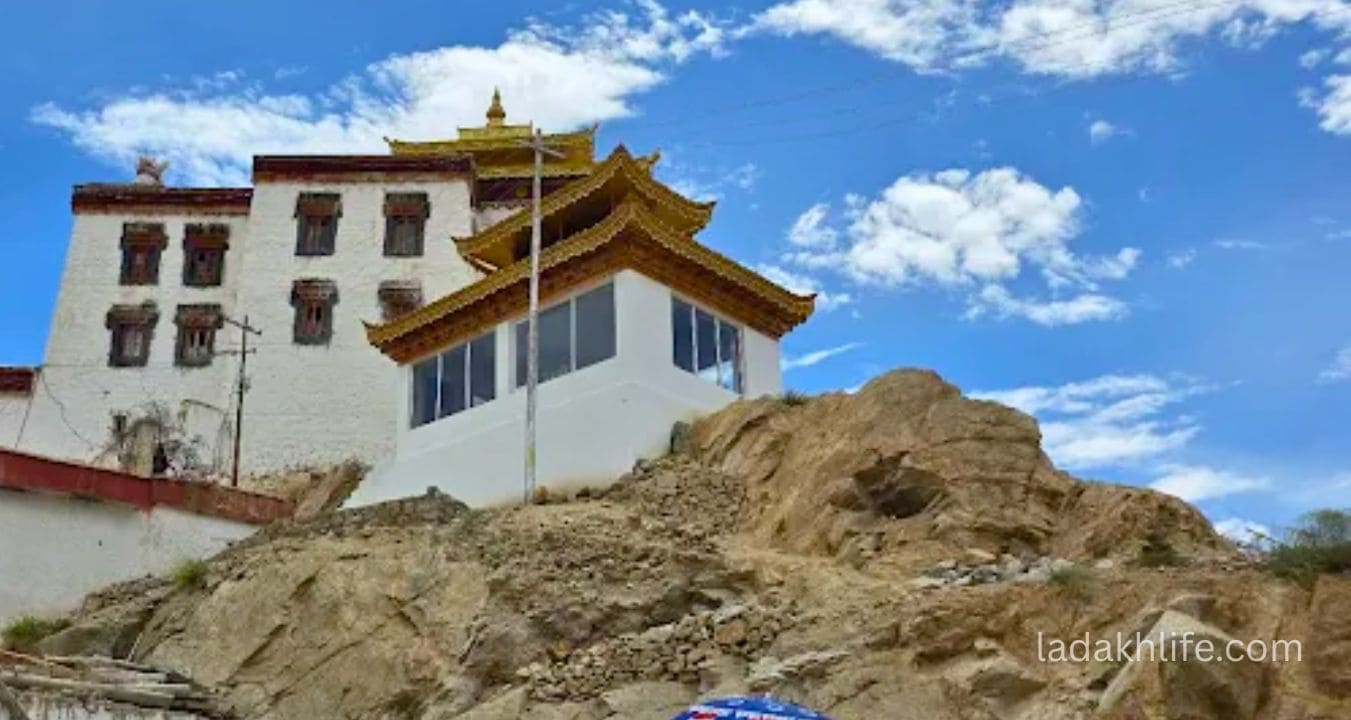
Just 7 kilometers from Padum, Karsha Monastery is the largest and most important monastery in Zanskar. It's built into a hillside, looking like a smaller version of the Potala Palace in Lhasa. The walk from Padum to Karsha takes 2-3 hours, follow the river, cross a bridge, and climb slowly. The views from the top are worth every drop of sweat. The prayer hall is ancient, filled with thangkas, statues, and the smell of butter lamps. If you're lucky, you'll hear the monks chanting. I sat there for an hour, not understanding a word, but feeling something shift inside me.
2. Stongde Monastery, The Hilltop Fortress
A few kilometers beyond Karsha is Stongde Monastery, sitting even higher on a rocky hill. The road is rough, but the walk from Karsha is beautiful, through barley fields, past nomad camps, with the entire Zanskar Valley spread out below you. The monastery itself is quieter than Karsha, with fewer visitors and more peace. The views of the snow-capped peaks from here are staggering. Bring water. There's no shop up there. The sunset from Stongde is unforgettable.
3. Sani Monastery, The Oldest Monastery in Zanskar
Just 6 kilometers west of Padum is Sani Monastery, believed to be the oldest in Zanskar, dating back to the time of the great translator Rinchen Zangpo (10th-11th century). Unlike other monasteries, Sani is a walled complex with a central temple that looks more like a Kashmiri wooden structure than a Tibetan gompa. The Sani Festival (held in July) is a spectacular event with masked dances and rituals. Even without the festival, the peaceful energy here is palpable.
4. Zangla Palace and Village, The Royal Legacy
About 30 kilometers from Padum is Zangla, the former capital of Zanskar and home to the royal family. The palace is more of a large fort-like house now, but it's still impressive. The village below is charming, narrow alleys, old wooden bridges, and a nunnery where young Buddhist nuns study. If you're lucky, the royal family might show you around. Ask at the village guesthouse. And don't miss the walk to the Zangla Gompa above the village, the sunset from there is unforgettable.
5. The Zanskar River, The Lifeline of the Valley
The Zanskar River flows right past Padum, wide and powerful, carrying meltwater from the glaciers of the Zanskar range. Walk down to the riverbank. Find a flat rock. Sit down. Watch the water flow. The sound is hypnotic. The view up and down the valley is beautiful. In summer, the river is wild. In winter, it freezes solid, this is where the famous Chadar Trek begins (further north, near Chilling). But even if you're not trekking, just sitting by the river is enough.
6. The Padum Bazaar, Simple and Authentic
The main bazaar in Padum is small, a few shops selling groceries, clothing, hardware, and basic supplies. There's no tourist tat here, no souvenir shops, no overpriced trinkets. What you'll find is what the locals need: rice, dal, spices, dried apricots, walnuts, and the famous Zanskari pashmina. Buy some dried apricots, they're the best you'll ever taste. Buy a pashmina scarf directly from a local weaver. You'll pay a fraction of what you'd pay in Leh.
7. The Stod River Confluence
Padum sits at the confluence of the Stod and Lungnak rivers, which join to form the Zanskar River. The confluence is just west of town. Walk to the point where the two rivers meet, you can see the different colors of water merging. It's a peaceful spot, with views of the surrounding mountains. Go in the late afternoon, when the light is golden.
8. The Stargazing, No Light Pollution
Padum is far from any city. At night, the sky is dark. The stars are bright. The Milky Way stretches from horizon to horizon. Lie on the roof of your guesthouse or walk outside the town. Look up. You'll see satellites moving, shooting stars, and maybe the faint glow of the northern lights (rare, but possible). It's the kind of sky that makes you feel small and grateful. Bring a warm jacket, nights are cold.
9. Bardan Monastery, A Hidden Gem
About 15 kilometers from Padum, on the road toward Kargil, is Bardan Monastery. The monastery is small and peaceful, with beautiful murals and friendly monks. Most tourists miss it because they're rushing between Padum and Kargil. Don't be most tourists. Stop here. Spend an hour. You'll have the place almost to yourself.
10. The People, Warmth in a Harsh Land
I'm putting this last, but it's the most important. The people of Padum, the monks, the shopkeepers, the homestay families, are some of the warmest you'll meet in Ladakh. They live in one of the harshest environments on earth, long winters, short growing seasons, isolation from the outside world, yet they welcome strangers with tea and smiles. Sit with them. Ask about their lives. Listen to their stories. You'll leave with new friends.
Best Time to Visit Padum
Padum is in Zanskar Valley, which has a very short season due to its remote location and high passes.
July to September is the only reliable window. August is the best month, the snow has melted, the roads are open, and the weather is relatively stable. Daytime temperatures are 15-20°C, nights are cool (5-10°C). The fields are green, the monasteries are open, and the trekking routes are passable.
June and October: Possible, but risky. June can have snow closures on Pensi La and Shinku La. October is beautiful, clear skies, crisp air, autumn colors, but nights are cold (near freezing), and the passes can close early. Only attempt if you're prepared for cold and have a 4x4.
November to May: Forget it. The passes are closed. Padum is inaccessible. Do not attempt.
Pro tip: September is the best month. The weather is perfect, the crowds are gone, the skies are clear, and the light on the mountains is spectacular. Visit monasteries in the morning for the best light. Visit the river in the late afternoon for golden hour.
Where to Stay in Padum
Padum has several options, from basic homestays to comfortable guesthouses.
Homestays (₹800-1,200 per night): Several families offer homestay accommodations. Expect basic but clean rooms, shared bathrooms (squat toilet, sometimes outside), and home-cooked meals. This is the most authentic way to experience Zanskar. Popular options: ask around when you arrive, someone will point you to a family with space.
Guesthouses (₹1,200-2,000 per night): Otsal Guest House and Zanskar Residency are popular options. Private rooms, attached bathrooms (some with hot water), and restaurants serving simple meals. Comfortable and reliable.
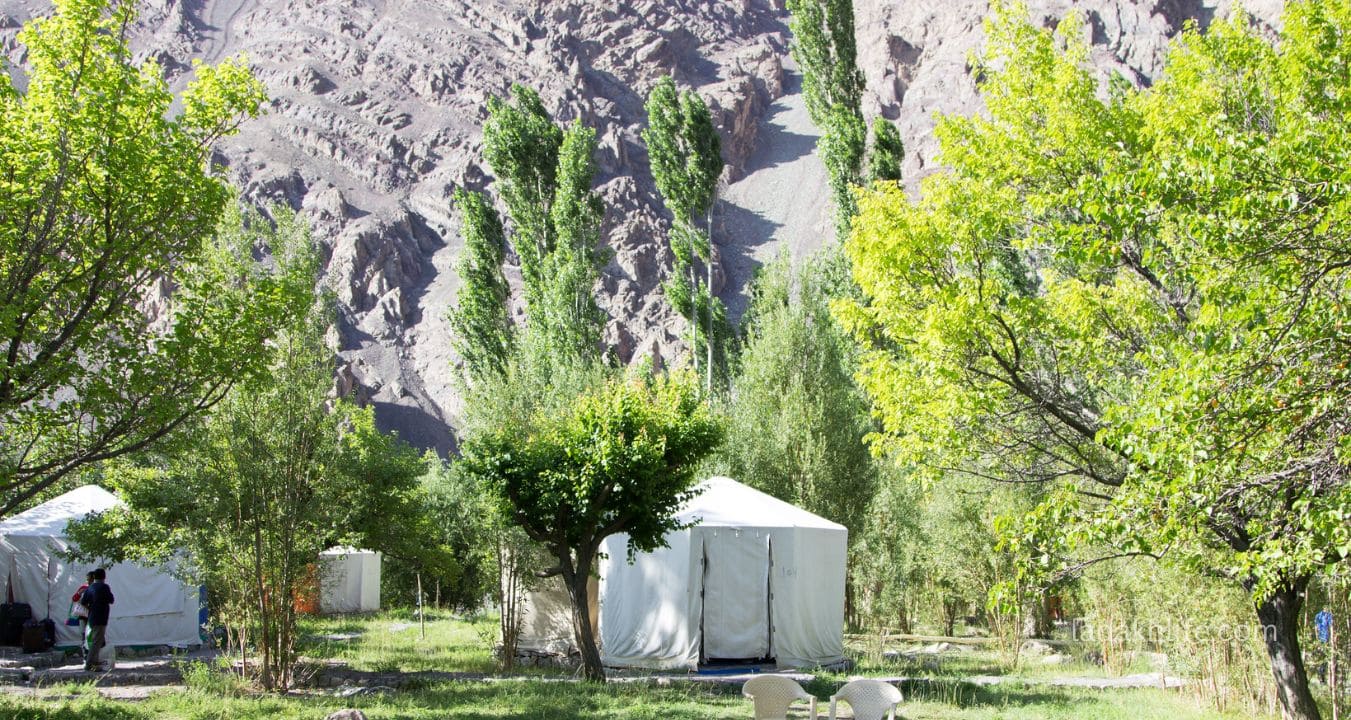
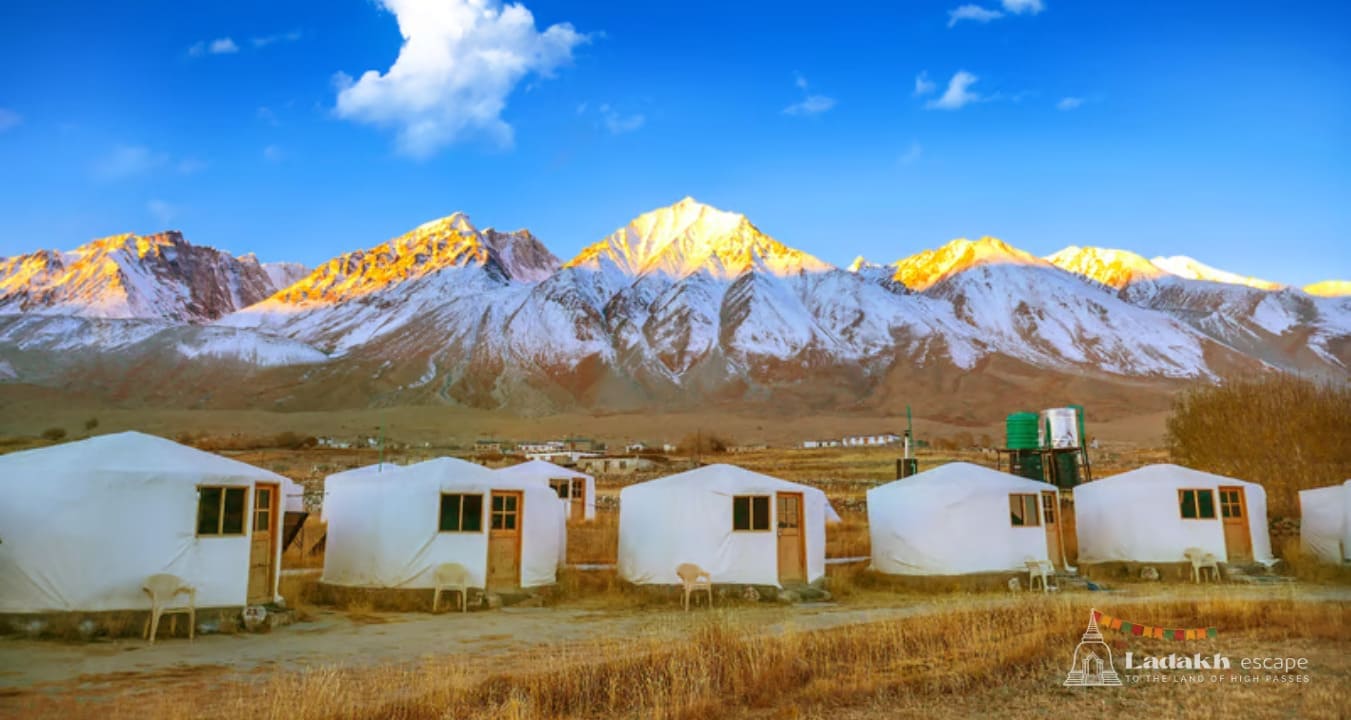
Camping (limited): You can camp near the river with permission. Bring a warm sleeping bag (rated to -5°C or -10°C). Nights are cold, even in summer. Only for experienced campers.
Book ahead in peak season (July-August). Padum gets busy with trekkers and travelers. Call ahead or book through a travel agent in Leh.
How to Get to Padum
Padum is remote. There are two main routes, from Kargil via Pensi La, and from Manali via Shinku La.
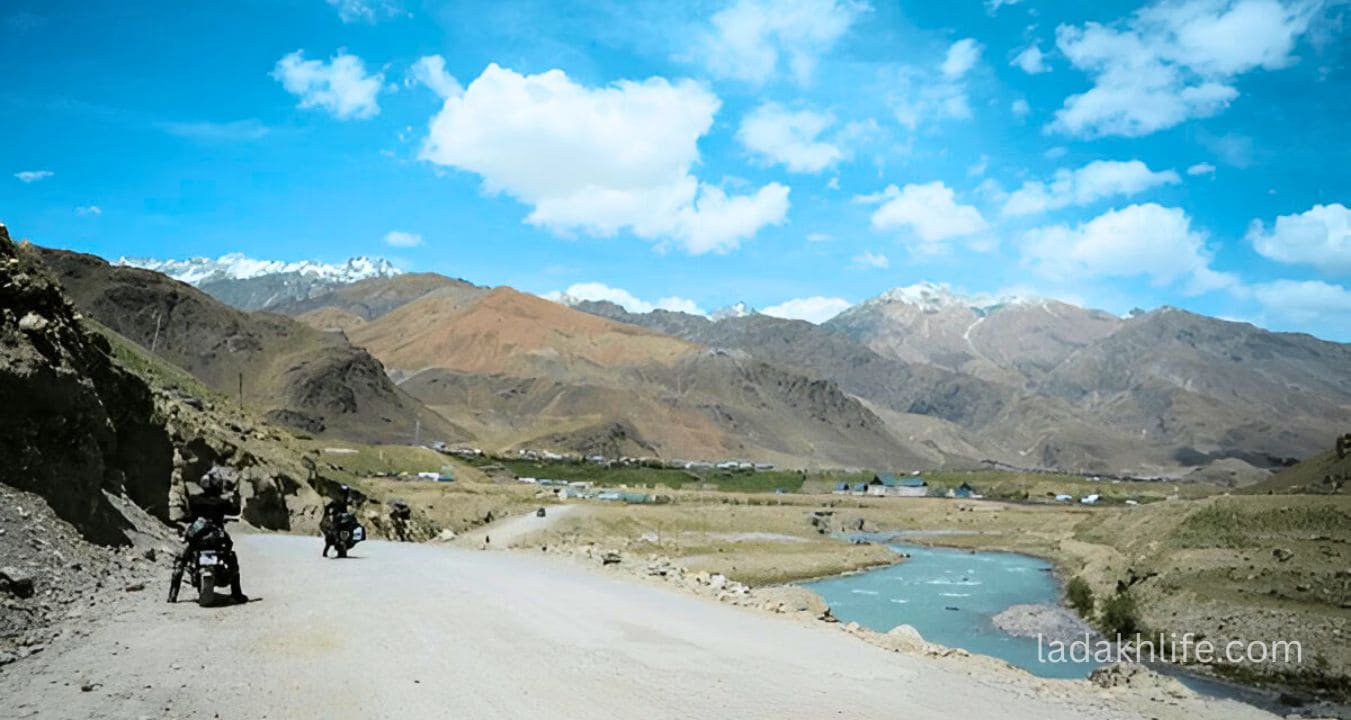
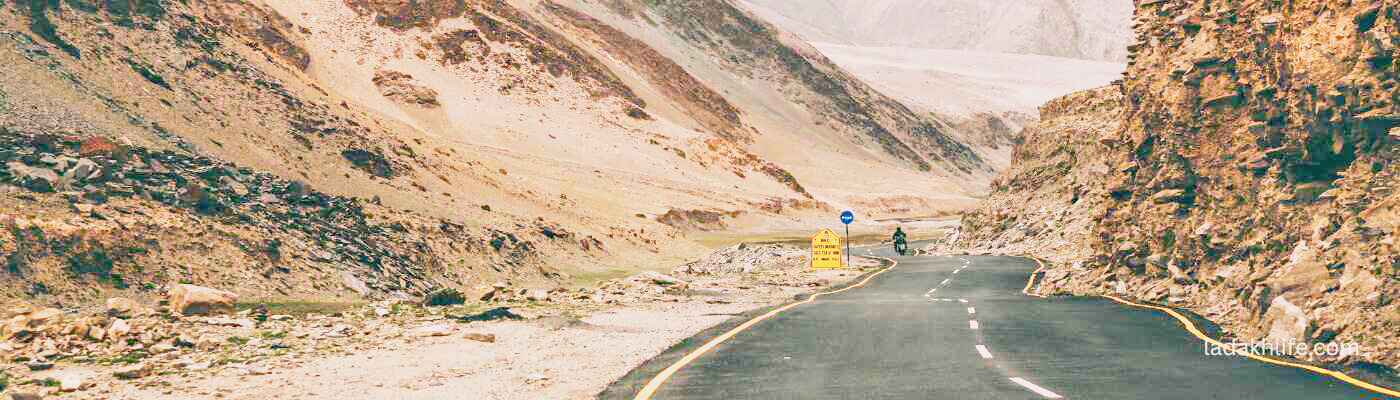
Route 1: From Kargil via Pensi La (about 120 km, 4-5 hours): Kargil → Sankoo → Panikhar → Parkachik → Rangdum → Pensi La (14,500 ft) → Padum. This is the most common route. The road is paved for the first 70 km (to Parkachik), then becomes rough. The last 50 km to Padum are unpaved, gravel, rocks, stream crossings. A 4x4 is highly recommended. The views are spectacular, green Suru Valley, then barren mountains, then the Drang Drung Glacier, then Pensi La, then the descent into Zanskar.
Route 2: From Manali via Shinku La (about 450 km, 2-3 days): Manali → Rohtang La → Keylong → Darcha → Shinku La (16,700 ft) → Rangdum → Padum. This route is only open July-September. The road is rough, high, and challenging. A 4x4 is essential. Most travelers break the journey in Keylong or Sarchu. This route is for adventurers only, but the landscapes are unforgettable.
By bike: Only for experienced high-altitude bikers. The roads are rough, especially near Pensi La and Shinku La. Your bike will struggle with the altitude and the rough terrain. Carry extra fuel, there's no petrol station between Kargil and Padum (or between Keylong and Padum).
By car (4x4 essential): A 4x4 is not recommended, it's essential. The roads to Padum are rough, gravel, rocks, stream crossings, steep passes. A regular car will not make it. Hire a proper 4x4 (Mahindra Thar, Scorpio, or similar).
By taxi: Hire a 4x4 taxi from Kargil to Padum. Expect to pay ₹8,000-12,000 for the one-way trip. Shared taxis are rare on this route, you'll likely need a private taxi. From Manali, expect to pay ₹15,000-20,000 for the journey to Padum.
By bus: There are no direct buses to Padum. Buses run from Kargil to Rangdum occasionally, but not all the way to Padum. You'll likely need to walk or hitch the last section. Not recommended. Take a taxi.
What to Pack for Padum
Padum is at high altitude, and nights are cold even in summer. Here's what you need:
- Daytime: T-shirts, light pants, a hat for sun protection, sunglasses. It can be warm in summer (15-20°C).
- Evenings/nights: A fleece sweater, down jacket or heavy woolen sweater, windproof outer layer. Nights are cold (5-10°C, colder in September).
- Monastery visits: Cover your shoulders and knees. Remove your shoes before entering prayer halls.
- Shoes: Comfortable walking shoes for exploring the town and walking to monasteries. Sturdy trekking shoes if you're planning longer walks.
- Sun protection: Sunscreen (SPF 30+), lip balm, sunglasses. The sun is strong at 11,500 feet.
- Water & snacks: There are shops in Padum, but options are limited. Carry water and snacks from Kargil or Leh.
- Cash: No ATMs in Padum. The nearest ATM is in Kargil (120 km away) or Leh (240 km away). Bring enough cash for your entire stay in Zanskar, at least ₹5,000-10,000 for a 3-4 day stay.
- Camera: You'll want it. The monasteries, the river, the mountains, the villages, Padum and the surrounding area are incredibly photogenic.
- Power bank: Electricity can be limited in homestays. Keep your devices charged.
- Flashlight/headlamp: Useful for nighttime walks and power outages.
Essential Tips for Visiting Padum
- Get permits before you go. Zanskar is near the border. Indian nationals need an Inner Line Permit (ILP) to enter Zanskar. Foreign nationals need a Protected Area Permit (PAP). Arrange these in Leh through a travel agent or at the DC office. Most permits cover Padum, but make sure Zanskar is explicitly mentioned.
- Check road conditions before you go. Ask at your hotel or at the taxi stand in Kargil or Leh. Pensi La and Shinku La can be closed due to snow even in July.
- Fill your fuel tank in Kargil or Keylong. There's no petrol station in Padum or anywhere in Zanskar. Carry extra fuel in jerry cans if possible.
- Dress modestly. Padum is a traditional Buddhist town. Cover your shoulders and knees, especially when visiting monasteries.
- Ask before taking photos of people. Most will say yes, but always ask first. A smile and a "Juley" make all the difference.
- Learn "Juley" (joo-lay). It means hello, thank you, goodbye, and everything in between. Say it to everyone. Watch how their faces light up.
- Don't litter. Carry your waste back to Kargil or Leh. There's no garbage collection in Zanskar. Keep this pristine valley beautiful.
- Stay for at least 3-4 days. Most visitors rush through Zanskar in 2 days. Stay longer. Visit Karsha, Stongde, Sani, and Zangla. Walk by the river. Sit in the monastery courtyards. You'll leave with more than photos, you'll leave with peace.
- Be patient with everything. Food takes time. Transport is unpredictable. The internet is a myth. Relax. You're not in a hurry anymore. You're in Zanskar.
Padum vs Other Villages in Zanskar
- Padum vs Karsha: Karsha is a monastery village on a hillside, not a town. You can stay there, but facilities are very basic. Padum has more amenities and is better for a base. Visit Karsha for the monastery. Stay in Padum for convenience.
- Padum vs Zangla: Zangla is smaller, quieter, and more remote, with a palace and nunnery. Padum is busier (relatively) and has more homestays and shops. Visit Zangla for a day trip from Padum.
- Padum vs Rangdum: Rangdum is a tiny village on the Suru-Zanskar border, with a stunning monastery and barren landscapes. Padum is larger, greener, and has more facilities. Both are worth visiting, Rangdum for the dramatic approach, Padum for the Zanskar heartland.
- Padum vs Leh: Leh is a tourist hub, cafes, restaurants, adventure sports, crowds. Padum is remote, quiet, and authentic. Leh for convenience and variety. Padum for peace and isolation.
Why Padum is the Most Underrated Destination in Ladakh
Let me be honest. Padum is not easy to reach. The roads are rough. The passes are high. The journey is long. There are no luxury hotels, no fancy restaurants, no nightlife. Most travelers never make it here.
But those who do, those who endure the bumpy roads and the thin air and the cold nights, discover something special. A place where time moves slowly. Where the mountains are so big they make you feel small. Where the monasteries are ancient and peaceful, filled with the sound of chanting and the smell of butter lamps. Where the river flows past the town, grey-green and powerful, carrying meltwater from glaciers that have been here for millennia.
Padum is not a destination for the casual traveler. It's for the one who wants to go deeper, beyond the tourist trail, beyond the comfort zone, into the heart of the Himalayas. If that sounds like you, Padum is waiting. The road is long. But the reward is worth it.
Padum is not Leh. It's not comfortable. It's not convenient. It's a small town in the middle of nowhere, surrounded by grey mountains and green fields, bisected by a wild river. The monasteries are ancient, the people are warm, the silence is profound. This is the heart of Zanskar, one of the last true wildernesses in India. The road is long. The passes are high. But if you make the journey, you'll leave with something more than photos. You'll leave with a memory that stays with you forever.