So, What Exactly is Kargil Town?
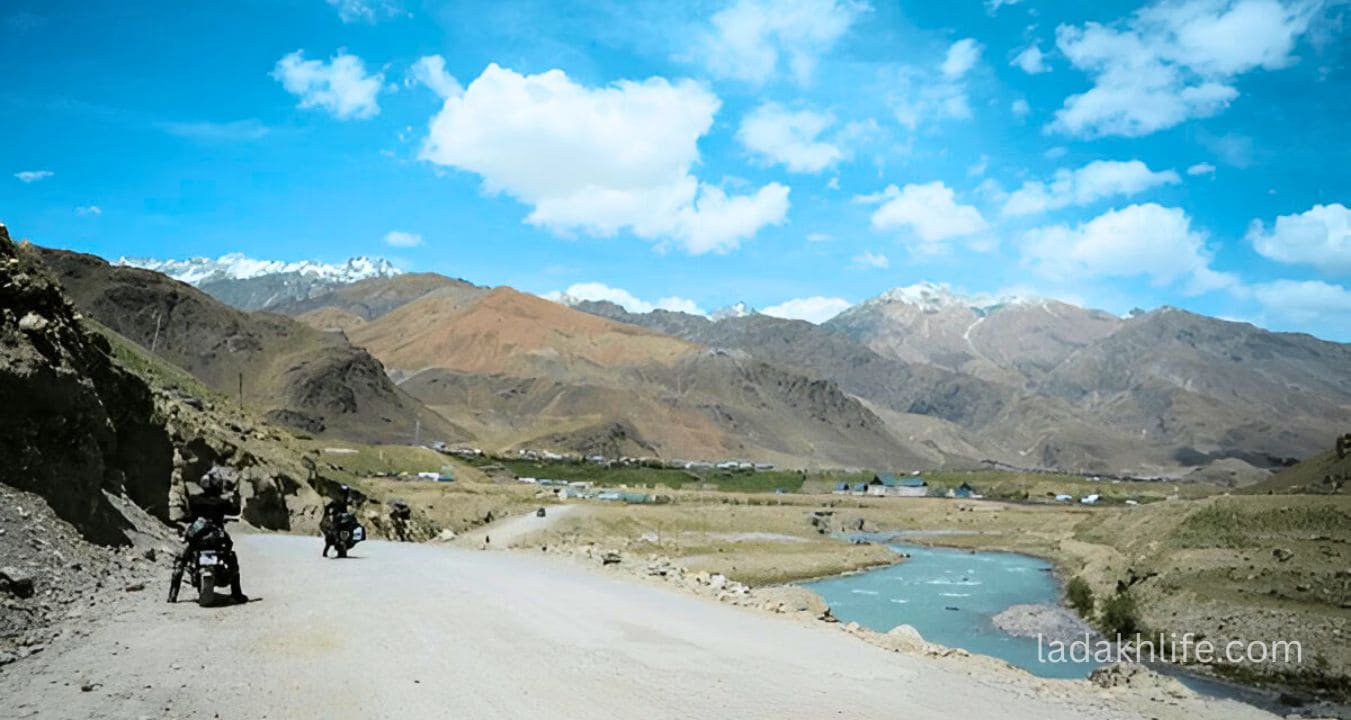
Kargil Town is the second largest town in Ladakh, sitting at approximately 8,800 feet (2,700 meters) along the banks of the Suru River. It's located about 200 kilometers west of Leh and about 200 kilometers east of Srinagar, at the natural midpoint of the Srinagar-Leh highway (NH 1).
The town is the administrative headquarters of the Kargil district, which covers much of western Ladakh, including the Suru Valley and the Zanskar Valley. The population is around 16,000, making it a bustling hub compared to the tiny villages that surround it.
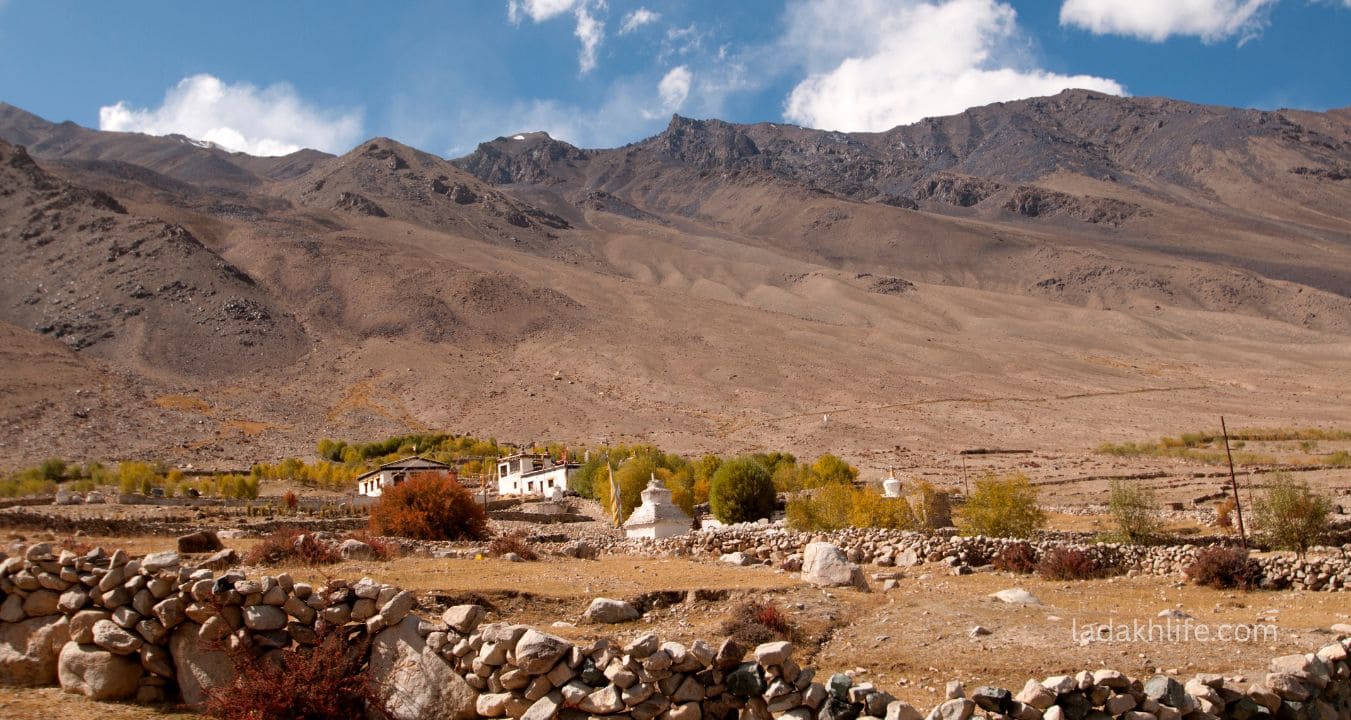
Kargil is unique in Ladakh because of its religious and cultural diversity. While Leh is predominantly Buddhist, Kargil is predominantly Shia Muslim. The town has several beautiful mosques and imambaras (congregation halls). There are also Buddhist communities in the surrounding villages, and a small Hindu population. The mix of cultures is visible in the architecture, the food, and the faces of the people.
Of course, Kargil is known worldwide for the Kargil War of 1999, when Indian and Pakistani forces clashed on the peaks above the town. The war left deep scars, but also a sense of pride and resilience. Today, the town is peaceful, welcoming, and slowly opening up to tourism.
Why Kargil is More Than Just a Pit Stop
Most travelers rush through Kargil. Here's why you should stay longer:
- The Kargil War Memorial (in nearby Dras). A moving tribute to the soldiers who fought and died in the 1999 war. Standing there, looking up at Tiger Hill and Tololing Peak, is an emotional experience you won't forget.
- The Suru River. The river flows right through the town, wide and powerful. Walk along its banks. Sit on the rocks. Watch the water flow. It's peaceful and beautiful.
- The local bazaars. Kargil's main bazaar is colorful, lively, and full of local life. Shop for dried apricots, walnuts, pashmina shawls, and local handicrafts.
- The mosques and imambaras. Kargil has several beautiful Shia mosques. The Kargil Mosque and Imambara are architectural highlights. Ask permission before entering, and dress modestly.
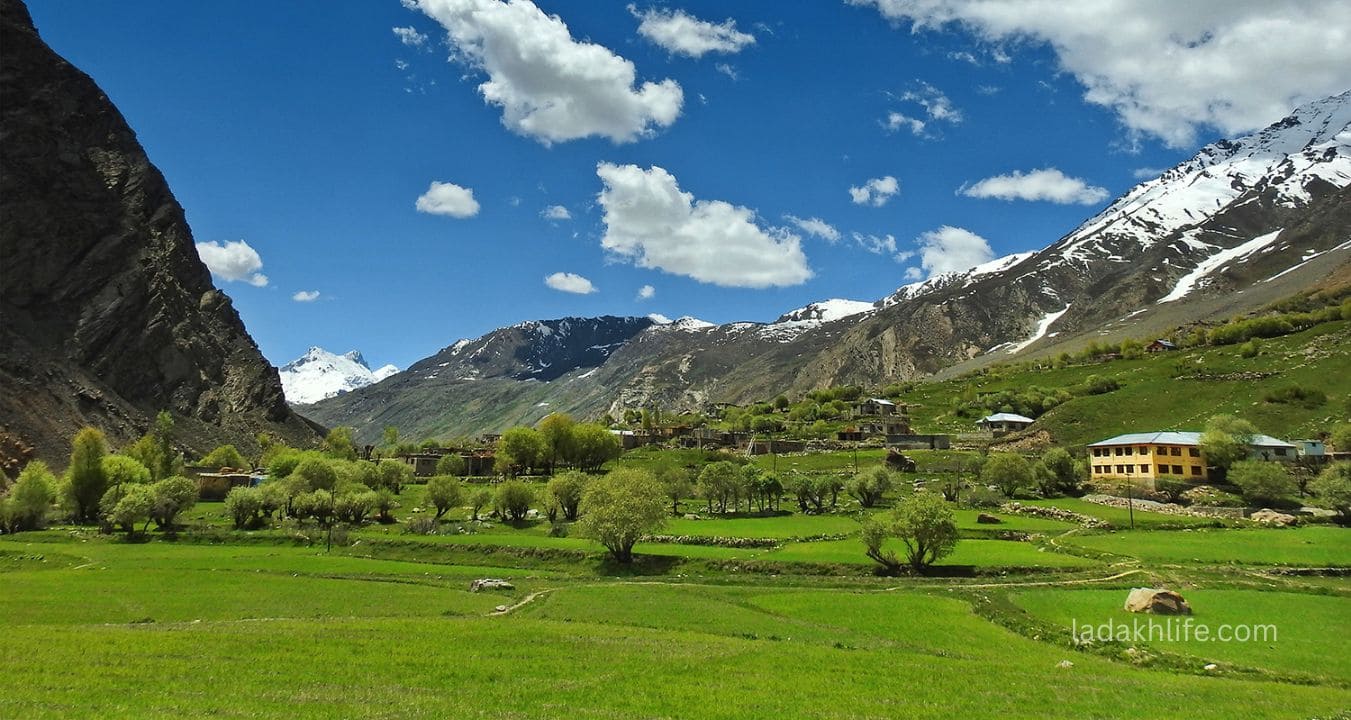
- Gateway to Suru and Zanskar. Kargil is the starting point for exploring the Suru Valley (green fields, Nun Kun peaks) and the Zanskar Valley (remote, barren, breathtaking). Don't just pass through, venture deeper.
- Warm hospitality. The people of Kargil are welcoming and proud of their town. Strike up a conversation. You'll learn more than you would from any guidebook.
The Kargil Experience (The Honest Version)
Let me walk you through what actually happens when you spend time in Kargil. No filters. No fancy language.
- Arriving in Kargil: You've been driving for hours, from Srinagar or from Leh. The road is long, the passes are high. You're tired. You see the town sprawled along the river, white houses climbing the hillsides. You find a hotel, check in, and collapse.
- The next morning: You wake up to the sound of the Suru River. The sun is hitting the peaks above the town. You walk out onto your balcony. The air is crisp, clean. You realize Kargil is beautiful.
- The Kargil War Memorial: You drive 60 kilometers west to Dras. The memorial is simple, powerful. Names of martyrs carved in stone. The peaks of Tiger Hill and Tololing loom above. You stand in silence. You feel a lump in your throat.
- The bazaar: You walk through the main market. Shopkeepers call out to you. The smell of fresh bread and spices fills the air. You buy dried apricots, walnuts, maybe a pashmina shawl. You drink tea at a small stall, watching the town go by.
- The riverbank: You walk down to the Suru River. The water is grey-green, powerful. You find a flat rock, sit down, and watch it flow. The sound is calming. You lose track of time.
- The mosque: You visit the main mosque. You remove your shoes, dress modestly, and step inside. The architecture is beautiful, Persian and Central Asian influences. A man offers to show you around. He explains the history, the traditions. You feel welcomed.
That's Kargil. Not glamorous. Not polished. But real, beautiful, and full of stories.
The Crown Jewels of Kargil (Don't Miss These)
1. The Kargil War Memorial, A Tribute to Heroes
The Kargil War Memorial is located in Dras, about 60 kilometers west of Kargil (and about 5 kilometers before Dras town). The memorial was built to honor the soldiers who died in the 1999 Kargil War. The names of the martyrs are carved in stone. The peaks where the battles were fought, Tiger Hill, Tololing, Point 4875, loom above you. There's a small museum with photos and weapons from the war. Every evening, there's a flag-lowering ceremony that will give you goosebumps. Standing here, looking up at the mountains, you feel the weight of their sacrifice. This is not just a tourist attraction. It's a place of remembrance.
2. The Suru River, The Lifeline of Kargil
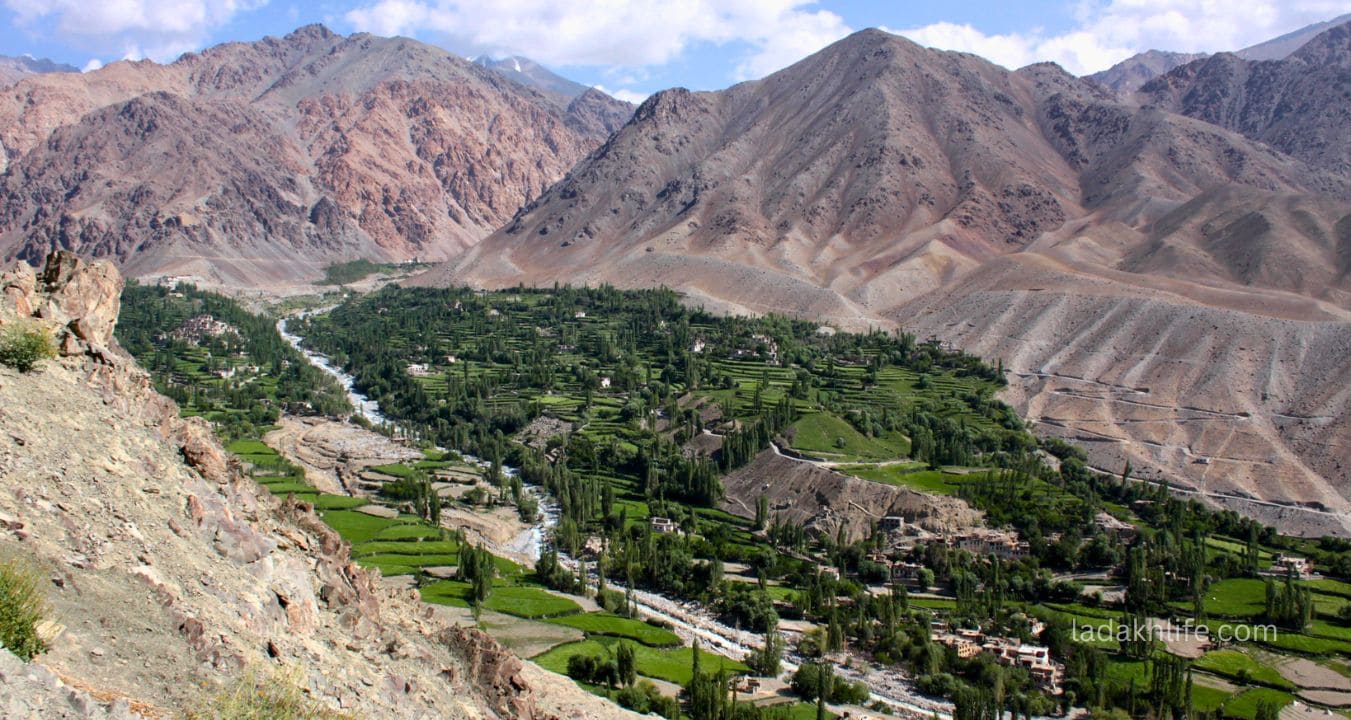
The Suru River flows right through the heart of Kargil, wide and powerful, carrying meltwater from the glaciers of the Nun Kun massif. Walk down to the riverbank. Find a flat rock. Sit down. Watch the water flow. The sound is hypnotic. The view up and down the valley is beautiful. This is the best free activity in Kargil. Go in the late afternoon, when the light is golden.
3. The Kargil Bazaar, Colorful and Lively
The main bazaar in Kargil is a feast for the senses. Colorful shops selling everything from dried apricots and walnuts to pashmina shawls, carpets, and local handicrafts. The smell of fresh bread (khambir) and spices fills the air. Shopkeepers call out to you, but they're not pushy. Take your time. Browse. Buy some dried apricots, they're the best you'll ever taste. A shawl or cap makes a great souvenir. And stop for chai at one of the small tea stalls. You'll leave with more than souvenirs, you'll leave with stories.
4. The Kargil Mosque and Imambara, Architectural Beauty
Kargil is predominantly Shia Muslim, and its mosques and imambaras (congregation halls) are beautiful. The Kargil Mosque has Persian and Central Asian influences, intricate tile work, arched windows, a peaceful courtyard. The Imambara is a large hall used for religious gatherings, especially during the month of Muharram. Ask permission before entering. Dress modestly (cover your head, shoulders, knees). Remove your shoes. A local may offer to show you around. Accept. You'll learn more about Shia Islam in 30 minutes than you would from any book.
5. The Drive to Suru Valley, Nun Kun Peaks
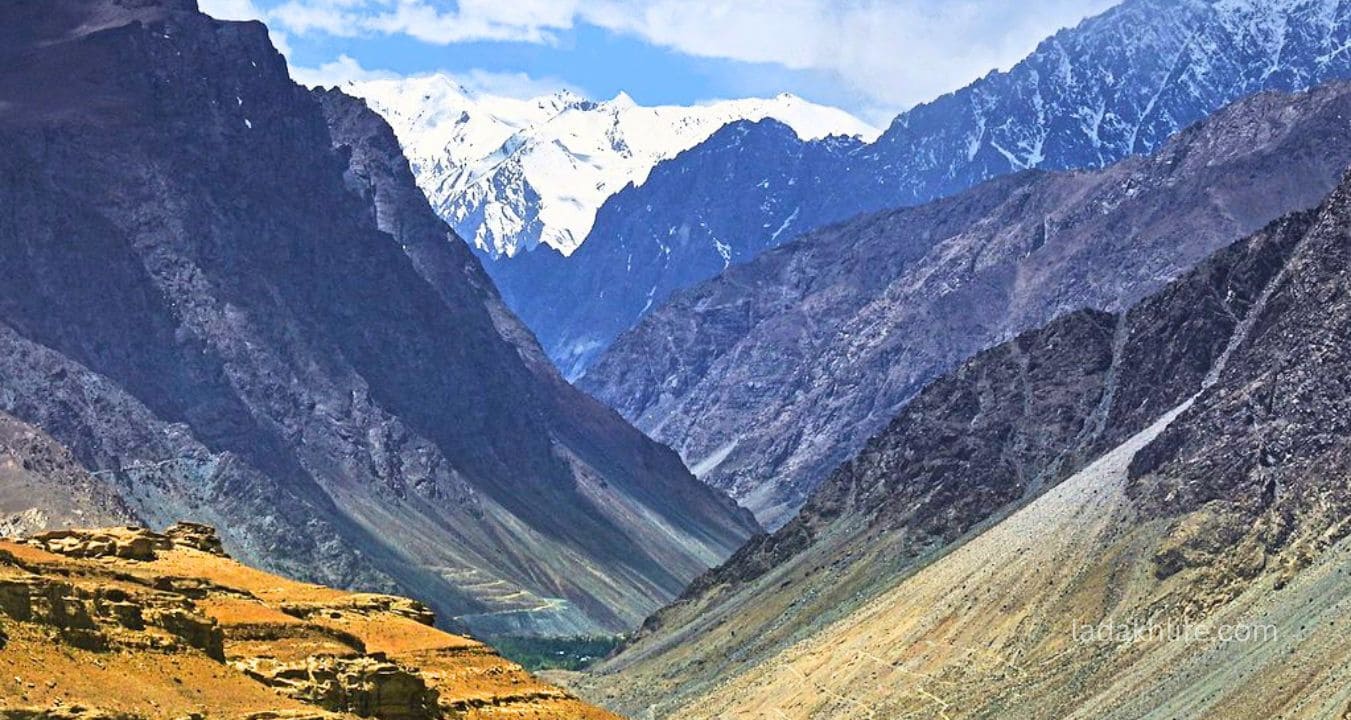
Kargil is the gateway to the Suru Valley, one of the most beautiful valleys in Ladakh. Drive south from Kargil toward Panikhar and Parkachik. You'll pass through green fields, traditional villages, and eventually reach the foothills of the Nun Kun massif (7,135m and 7,077m), the highest peaks entirely within Indian territory. The views are spectacular. You can drive as far as Rangdum (about 120 km south), or even continue to Zanskar if you have time. Don't just pass through Kargil, use it as a base to explore Suru Valley.
6. The Drive to Zanskar, Pensi La Pass
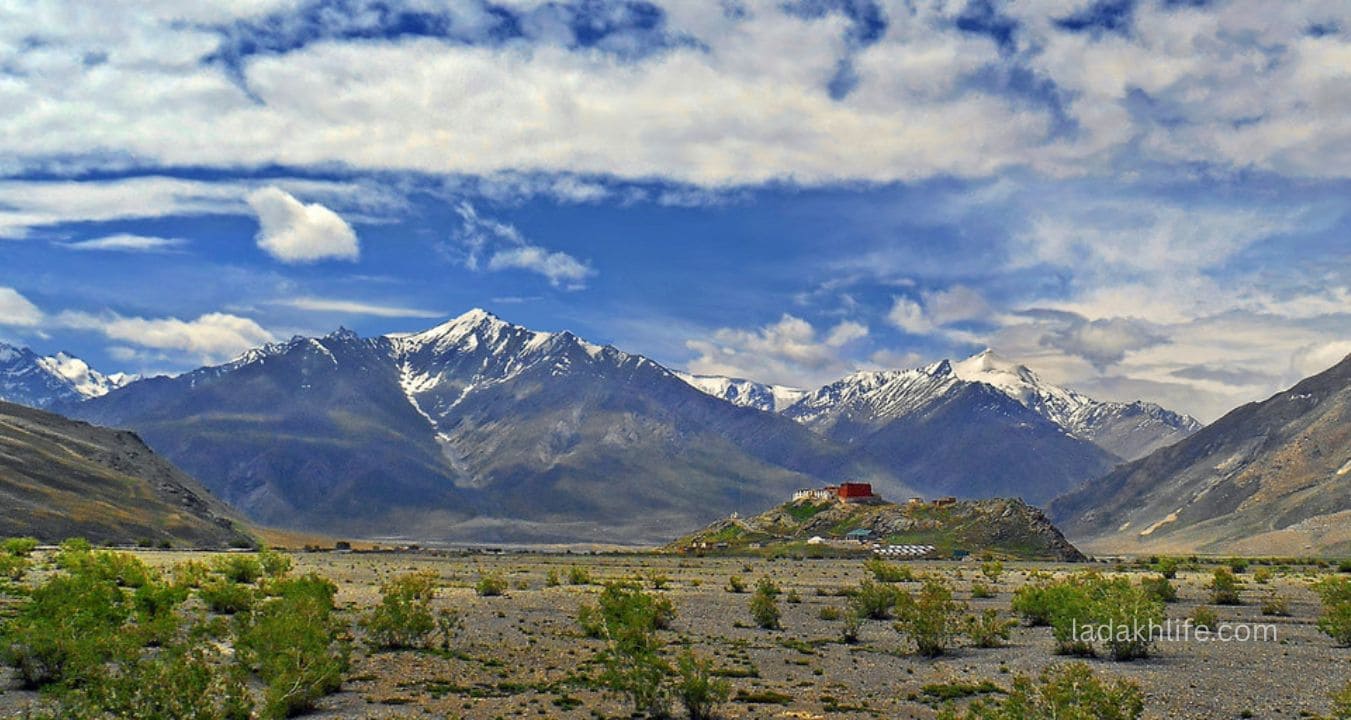
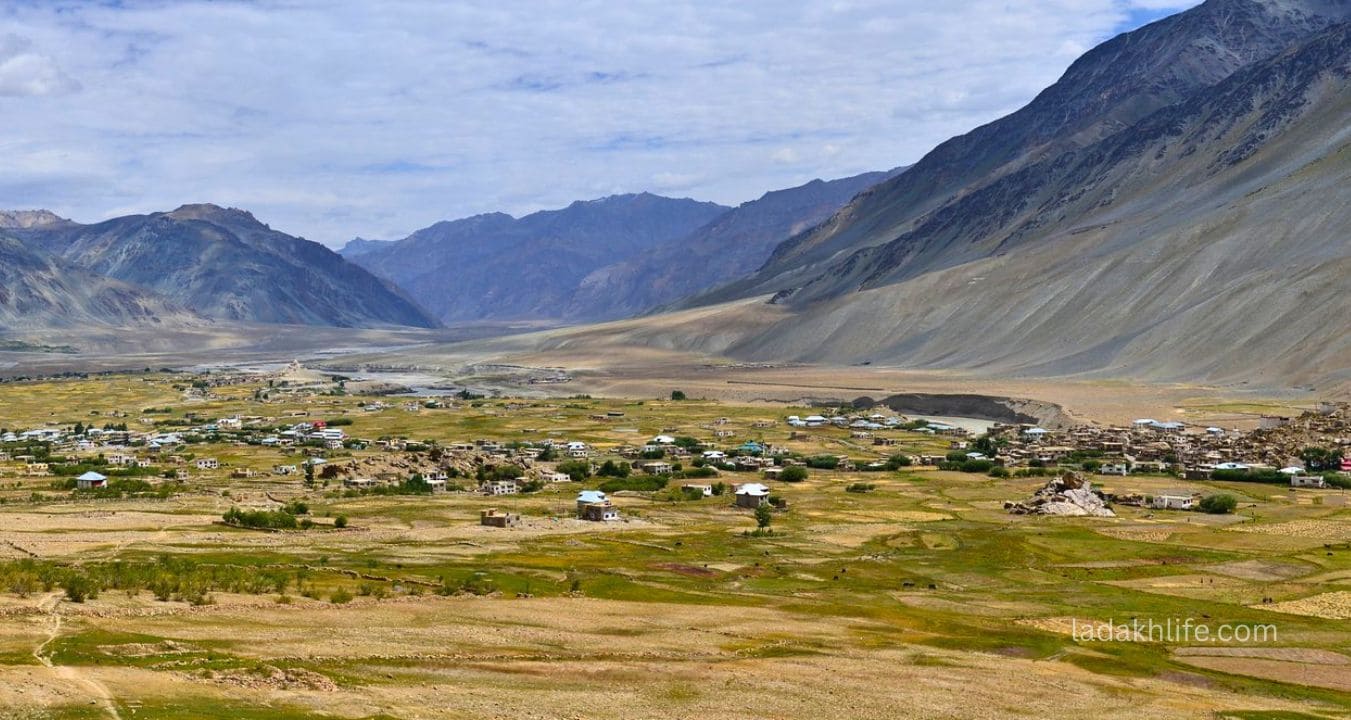
Kargil is also the gateway to the Zanskar Valley, one of the most remote and beautiful regions in India. The road from Kargil to Padum (the main town of Zanskar) crosses Pensi La (14,500 ft), a spectacular high-altitude pass. The drive takes 6-8 hours. The landscape is barren, dramatic, breathtaking. If you have time, don't just pass through Kargil, venture into Zanskar. You'll see a side of Ladakh that most tourists never experience.
7. Mulbekh Monastery and Giant Buddha
About 35 kilometers east of Kargil (on the road to Leh) is Mulbekh, home to a 9-meter tall rock-cut statue of Maitreya Buddha (the future Buddha). The statue is believed to be over 1,000 years old, carved into a massive rock face right next to the highway. There's also a small monastery (Mulbekh Gompa) on the hill above. Stop here on your way to or from Kargil. It's a quick detour, but it's worth it.
8. The People, Warmth in a Harsh Land
The people of Kargil are some of the warmest you'll meet in Ladakh. They're proud of their town, their culture, their history. Strike up a conversation. Ask about the war, about their lives, about the long winters. You'll hear stories that will stay with you. And you'll leave with new friends.
Best Time to Visit Kargil
Kargil has a longer season than most of Ladakh because it's at lower altitude.
June to September is the main season. July and August are the warmest months, daytime temperatures 20-25°C, nights cool (5-10°C). The Suru Valley is green, the roads are open, and the weather is perfect for exploring. August is peak tourist season, Kargil gets busy but not crazy.
May and October: Shoulder months. May is cooler (15-20°C) and less crowded. Some hotels may still be closed. October is beautiful, clear skies, crisp air, autumn colors, but nights are cold (near freezing). The roads are still open.
November to April: It's cold, winter temperatures drop well below freezing. The roads to Zanskar close, but the Srinagar-Leh highway may remain open. Kargil is quiet, stark, beautiful in a snowy way. Only visit if you're prepared for extreme cold and have a 4x4.
Pro tip: September is the best month. The weather is perfect, the crowds are gone, the skies are clear, and the light is beautiful. Visit the Suru Valley in September, the Nun Kun peaks are spectacular in the autumn light.
Where to Stay in Kargil
Kargil has several hotels and guesthouses, from basic to comfortable.
Mid-range hotels (₹1,500-3,000 per night): Hotel Barula is the most popular, comfortable rooms, good restaurant, central location. Kargil Continental and Zojila Residency are also good options. Most have attached bathrooms, hot water (sometimes limited), and restaurants serving Indian, Chinese, and Ladakhi food.
Budget guesthouses (₹500-1,000 per night): Several basic guesthouses near the bus stand and bazaar. Expect basic rooms, shared bathrooms, no frills. Fine for a night or two.
In Suru Valley (Panikhar, Parkachik): Basic homestays and guesthouses. If you're exploring Suru Valley, stay closer to the mountains. The views are spectacular.
Book ahead in peak season (July-August). Kargil gets busy with travelers between Srinagar and Leh. Book through a travel agent or call directly.
How to Get to Kargil
Kargil is on the main Srinagar-Leh highway, easy to reach from either direction.
From Srinagar (about 200 km, 6-7 hours): Drive Srinagar → Sonamarg → Zoji La (11,575 ft) → Dras → Kargil. The road is good most of the way, but Zoji La is narrow and can have traffic. Start early to avoid delays.
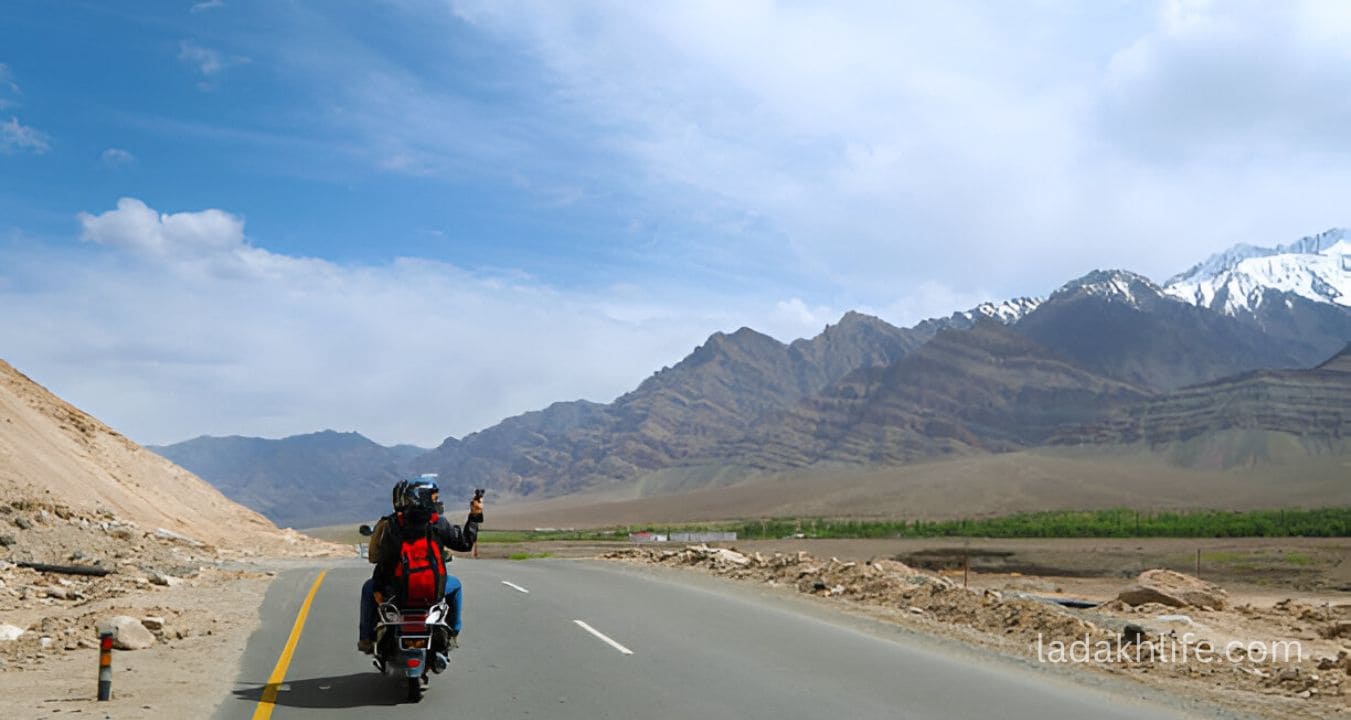
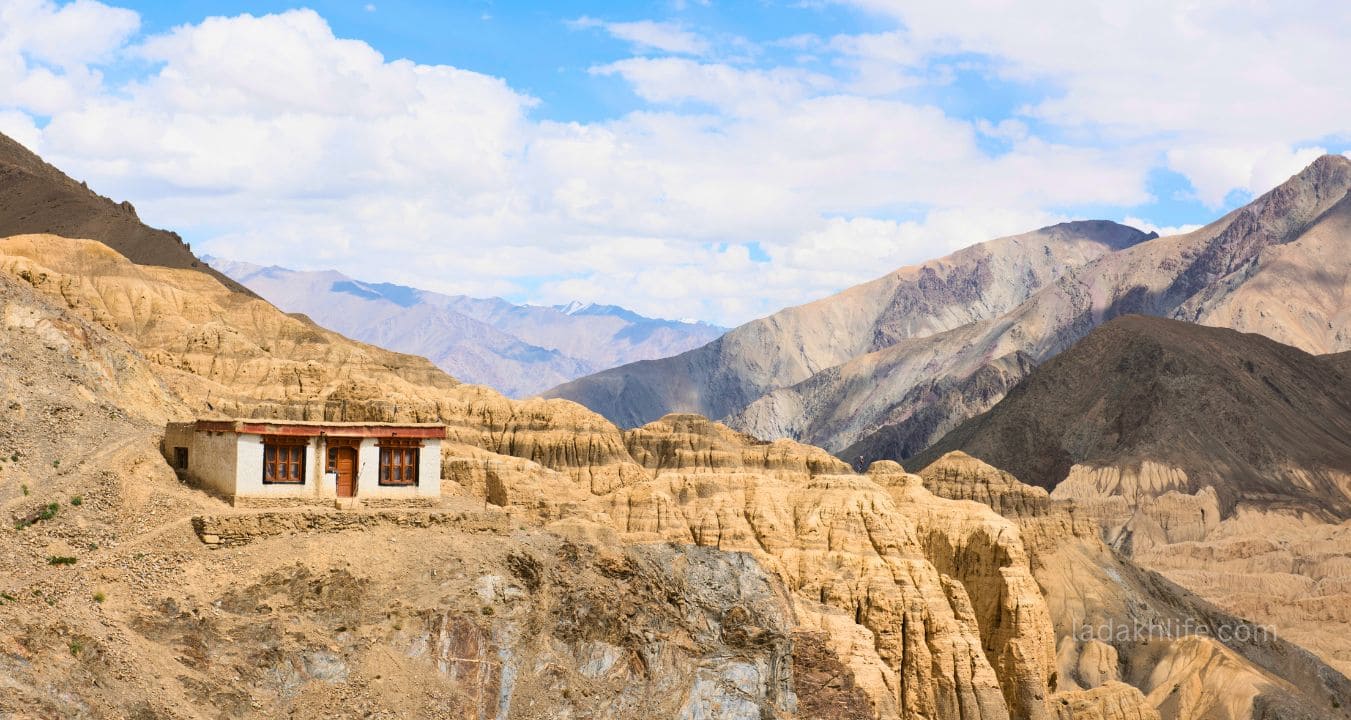
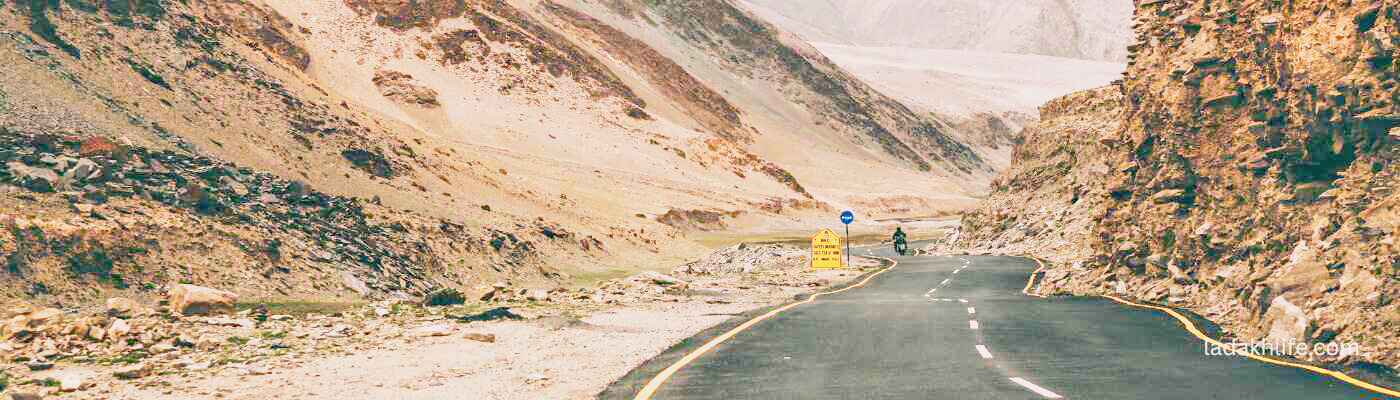
From Leh (about 200 km, 5-6 hours): Drive Leh → Lamayuru → Fotu La (13,479 ft) → Mulbekh → Kargil. The road is paved and in good condition. The drive is stunning, Moonland, the Indus River, mountain views.
From Manali (via Zanskar, 2-3 days): Drive Manali → Keylong → Darcha → Shinku La (16,700 ft) → Rangdum → Padum → Pensi La → Kargil. This route is only open July-September. It's a long, rough, stunning drive. Only attempt in a 4x4.
By bike: Popular and beautiful. The ride from Srinagar to Leh (or Leh to Srinagar) passes through Kargil. Watch for trucks on Zoji La and narrow roads. Carry extra fuel, stations are few.
By car (any car is fine on the highway): The Srinagar-Leh highway is paved and well-maintained. No 4x4 needed unless you're going to Zanskar or Suru Valley. Drive carefully on the passes.
By taxi: Shared taxis (sumos) run from Srinagar to Kargil and from Kargil to Leh. Expect to pay ₹1,500-2,500 per person. Private taxis are also available (₹8,000-12,000 for the whole vehicle).
By bus: Buses run daily between Srinagar and Leh, passing through Kargil. They're cheap but slow, crowded, and uncomfortable. Not recommended unless you're on a tight budget.
What to Pack for Kargil
Kargil is at lower altitude than Leh, but nights can be chilly. Here's what you need:
- Daytime: T-shirts, light pants, a hat for sun protection, sunglasses. It can be warm in summer (20-25°C).
- Evenings: A fleece or light sweater. The temperature drops at night.
- Mosque visit: Women should carry a scarf to cover their head. Everyone should cover shoulders and knees. Remove shoes before entering.
- Shoes: Comfortable walking shoes for exploring the town and riverbank.
- Sun protection: Sunscreen (SPF 30+), lip balm, sunglasses. The sun is strong at 8,800 feet.
- Water & snacks: Plenty of shops in Kargil. No need to carry much.
- Cash: ATMs are available in Kargil (several in the bazaar). But carry enough cash for smaller shops and homestays in Suru Valley or Zanskar.
- Camera: You'll want it. The river, the mountains, the bazaar, the war memorial, Kargil is photogenic.
Essential Tips for Visiting Kargil
- No permits needed for Kargil (but you need permits for Zanskar and Nubra). Kargil itself is not near the border, so no Inner Line Permit is required. However, if you're continuing to Zanskar or Nubra, you'll need permits. Arrange them in Leh or Srinagar before your trip.
- Dress modestly. Kargil is a conservative Muslim town. Women should cover their shoulders and knees. A scarf is useful for covering the head when visiting mosques.
- Respect the war memorial. The Kargil War Memorial in Dras is a place of remembrance. Dress modestly, speak quietly, and don't litter. Take a moment to read the names. It's humbling.
- Ask before taking photos of people. Most will say yes, but always ask first. A smile and a "Juley" or "Salaam" make all the difference.
- Learn a few words. "Salaam Alaikum" (hello) in Muslim areas. "Juley" (hello/thank you) in Buddhist areas. A little effort goes a long way.
- Don't drink alcohol in public. Kargil is a dry town, alcohol is not available in restaurants or shops. Respect local customs. Save your drinks for Leh.
- Fill your fuel tank in Kargil. If you're heading to Zanskar, there's no petrol station between Kargil and Padum. Fill up before you go. Carry extra fuel if possible.
- Check road conditions before heading to Zanskar or Suru Valley. Ask at your hotel or at the taxi stand. Pensi La (to Zanskar) can be closed due to snow even in July.
- Don't litter. Carry your waste back to Leh or Srinagar. Keep Kargil and its surrounding valleys beautiful.
Kargil vs Leh vs Other Ladakh Towns
- Kargil vs Leh: Leh is Buddhist, tourist-oriented, and has a bustling cafe culture. Kargil is Muslim, more traditional, and less touristy. Leh for monasteries and trekking. Kargil for culture, history, and gateway to Suru and Zanskar. Visit both, they're completely different and both fascinating.
- Kargil vs Srinagar: Srinagar is a large city with houseboats, gardens, and a different vibe. Kargil is a small town, more rugged, more authentic. Srinagar for luxury and gardens. Kargil for adventure and culture.
- Kargil vs Padum (Zanskar): Padum is tiny, remote, and the heart of Zanskar. Kargil is larger, more developed, and the gateway to Zanskar. Kargil for supplies and services. Padum for peace and remoteness.
Why Kargil Deserves More Than a Pit Stop
Let me be honest. Kargil is not a beautiful town in the traditional sense. It's not like Leh with its whitewashed houses and prayer flags. The architecture is functional, not pretty. The bazaar is dusty, not charming. The town sprawls along the river without a clear center.
But Kargil has something that Leh doesn't. History. Resilience. A sense of survival. This town has endured war, invasion, and the harshest winters imaginable. The people here have lost loved ones, rebuilt their homes, and kept living. There's a dignity to Kargil that you can feel when you walk its streets.
And then there's the Suru River. The river is the heart of Kargil. It flows through the town, wide and powerful, carrying meltwater from the Nun Kun peaks. Sit by the river for an hour. Watch it flow. You'll understand why Kargil is here, why it survives, why it matters.
So when you're driving from Srinagar to Leh, don't just use Kargil as a place to sleep. Stay two nights. Explore the bazaar. Walk by the river. Visit the war memorial. Drive into the Suru Valley. Talk to the people. You'll leave with more than memories. You'll leave with respect.
Kargil is not Leh. It's not pretty in the way Leh is pretty. It's not built for tourists. It's a real town, with a real history, a real culture, and real people who have survived war and winter. The Suru River flows through it, wide and powerful. The peaks of the Nun Kun massif tower to the south. The Kargil War Memorial stands as a reminder of sacrifice. Stay a day. Walk the bazaar. Sit by the river. Talk to the people. You'll leave with something more than photos. You'll leave with understanding.