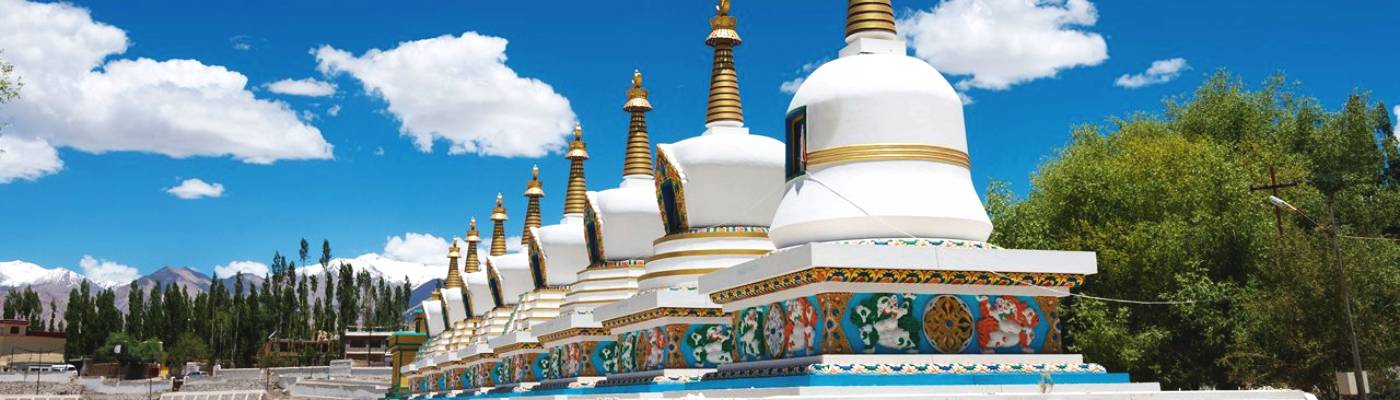
So, What Exactly is Sankoo Village?
Sankoo is a small village in the Suru Valley region of Ladakh, sitting at approximately 8,500 feet (2,600 meters). It's located about 35 kilometers south of Kargil and about 235 kilometers west of Leh, on the road that leads deeper into the Suru Valley toward Panikhar, Parkachik, and eventually the Zanskar Valley.
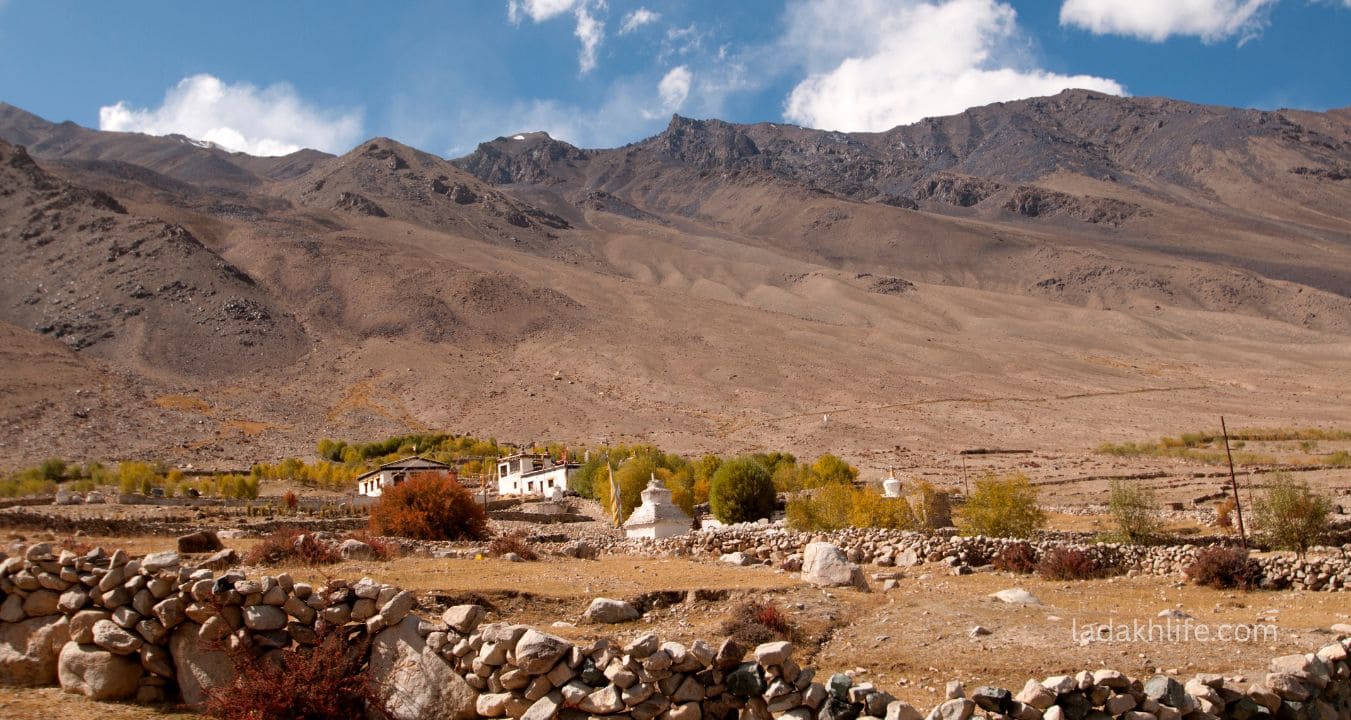
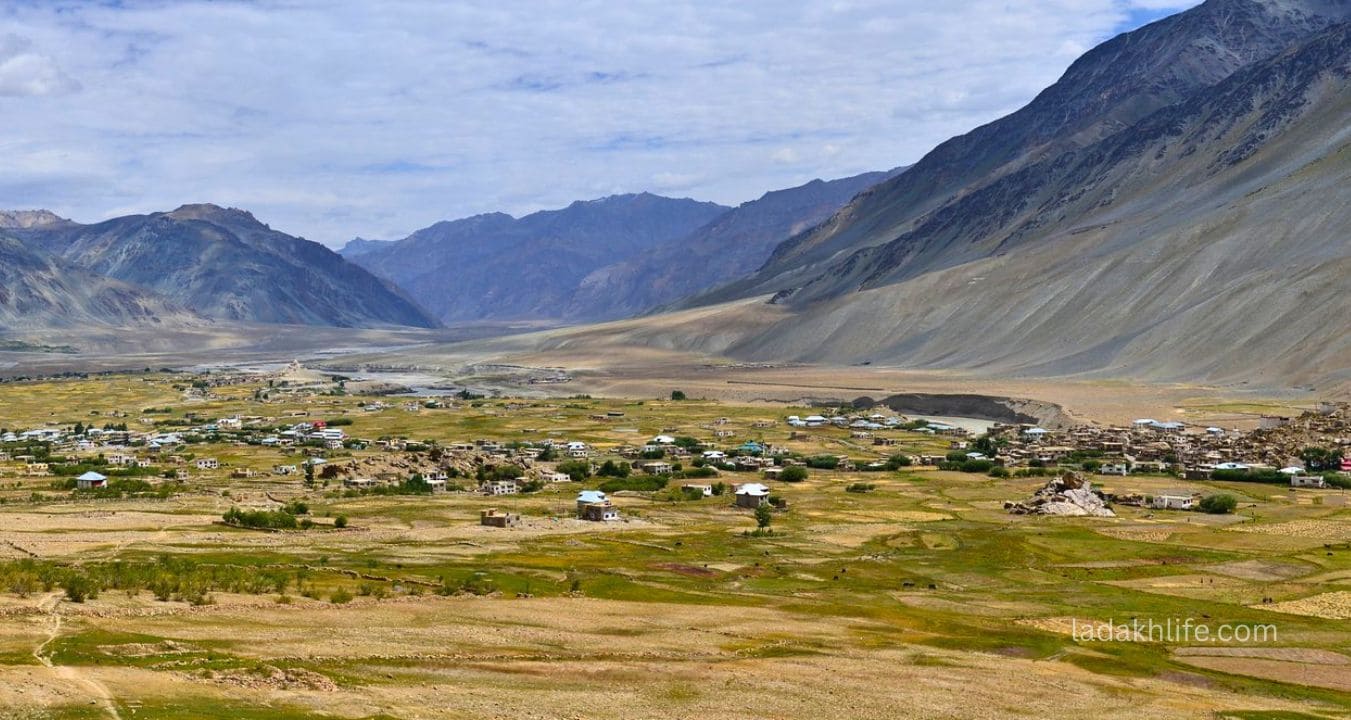
The village is small, maybe 30-40 houses, a few hundred people. The residents are predominantly Shia Muslim, like most of the Suru Valley, and life here revolves around farming (barley, wheat, potatoes) and apricot cultivation. The fields are green in summer, irrigated by channels from the Suru River.
Sankoo is famous for its apricot orchards. The apricots grown here are considered some of the best in Ladakh, sweet, juicy, and perfect for drying. In July and August, the village turns golden with fruit. You'll see apricots drying on rooftops, women making jam, children eating fresh fruit straight from the trees.
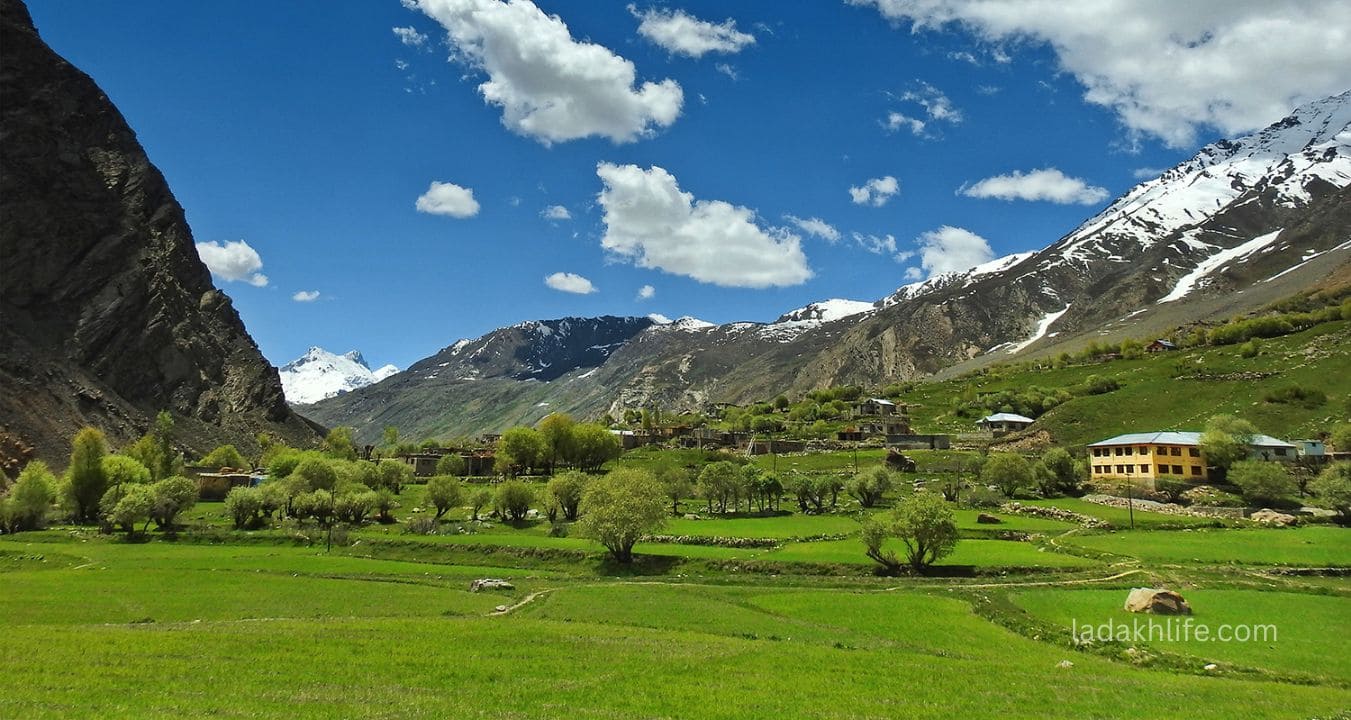
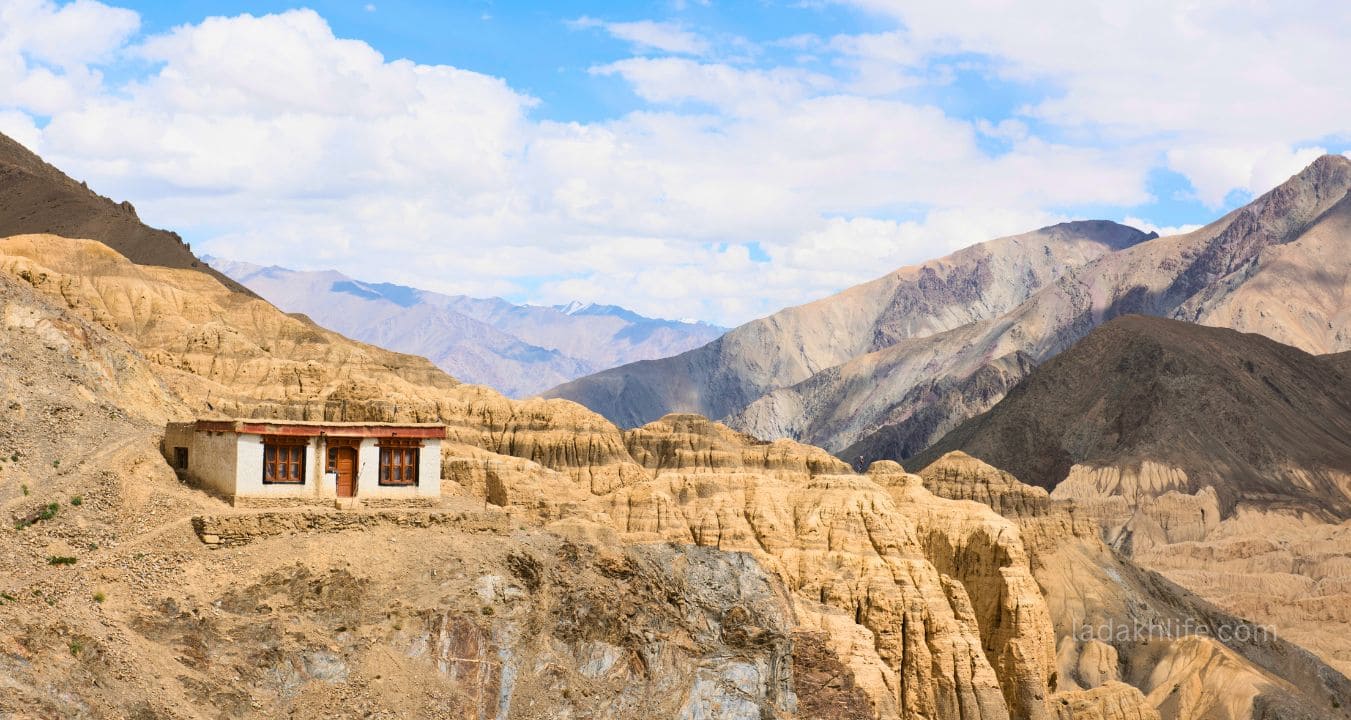
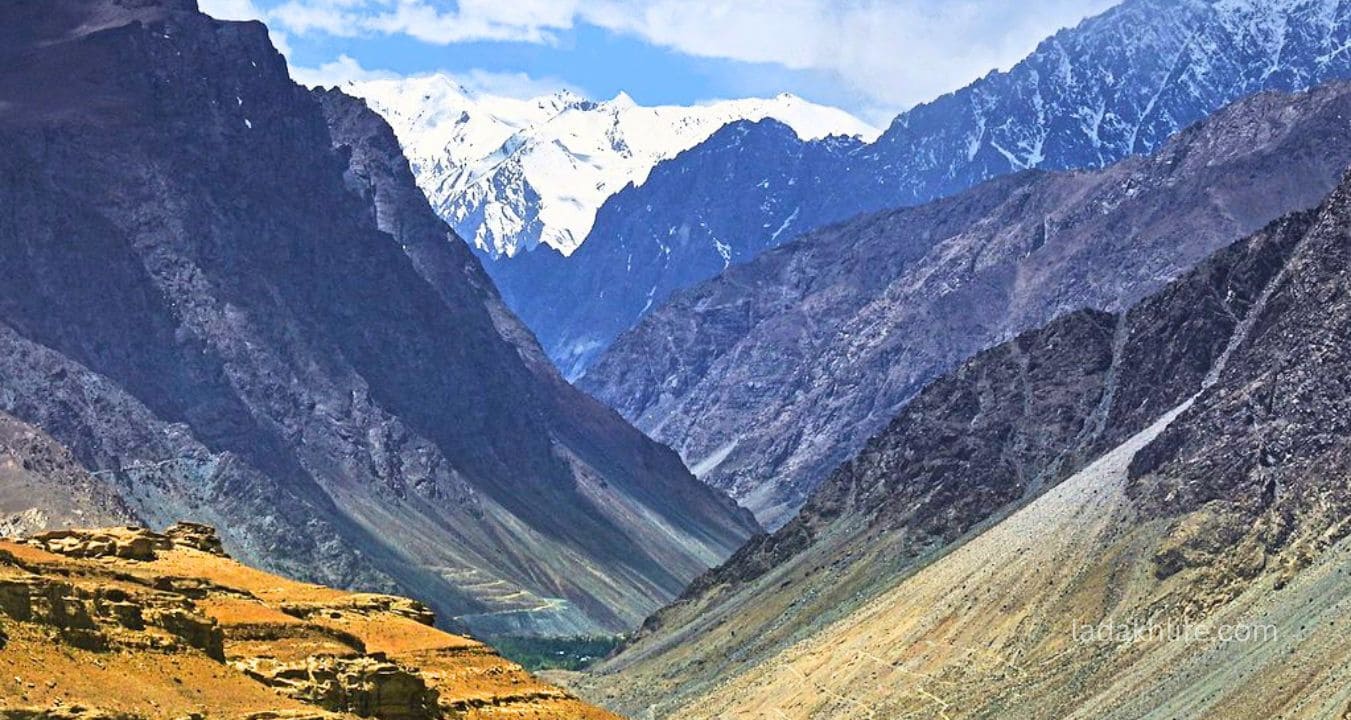
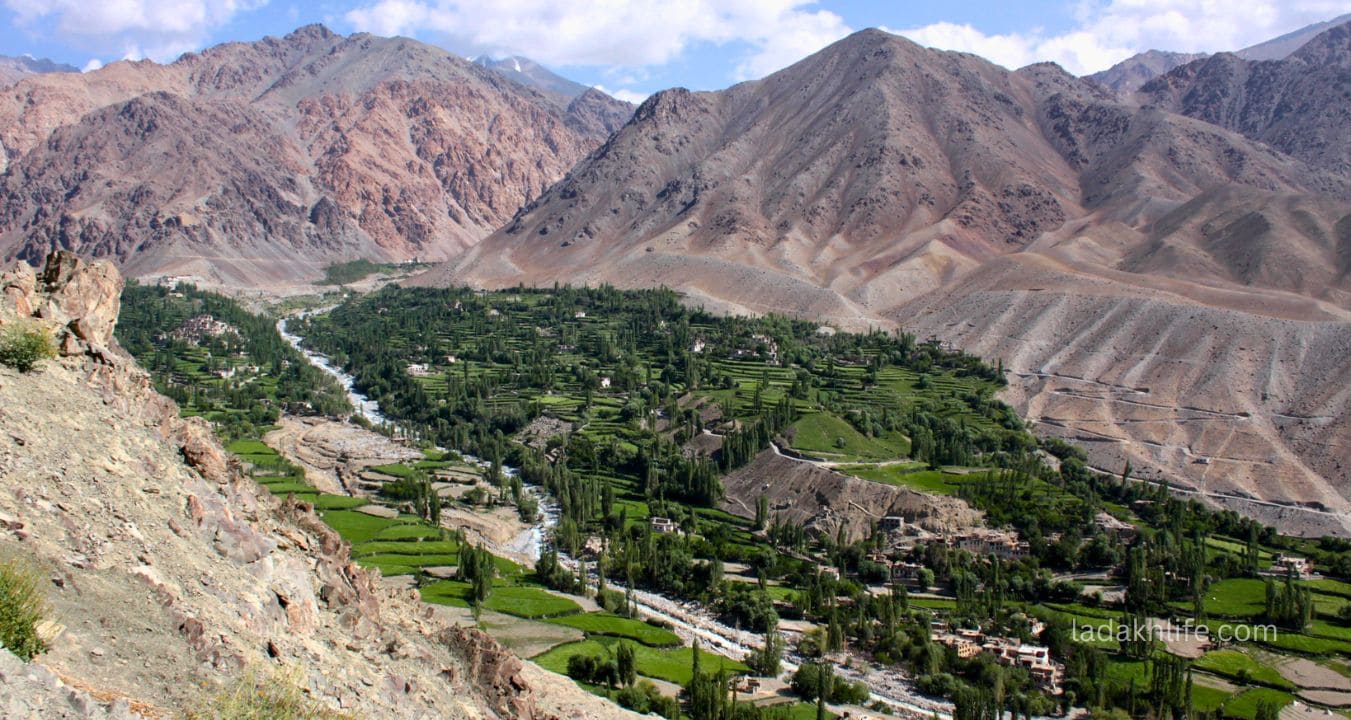
But the real draw of Sankoo is its setting. The village sits in a wide, fertile bend of the Suru River, surrounded by green fields and poplar trees. And towering above it all are the peaks of the Nun Kun massif, Nun (7,135m) and Kun (7,077m), the highest mountains entirely within Indian territory. The view from Sankoo, looking south toward the mountains, is breathtaking.
Why Sankoo is Suru Valley's Hidden Garden
Sankoo is not on the main tourist circuit. Here's why you should make the detour:
- The apricot orchards. Sankoo is famous for its apricots, some of the best in Ladakh. In July and August, the village turns golden with fruit. You can buy fresh apricots, dried apricots, apricot jam, and apricot oil from local families.
- The Nun Kun views. The village offers spectacular views of the Nun Kun massif, the highest peaks entirely within Indian territory. The mountains rise straight from the valley floor, snow-capped and majestic.
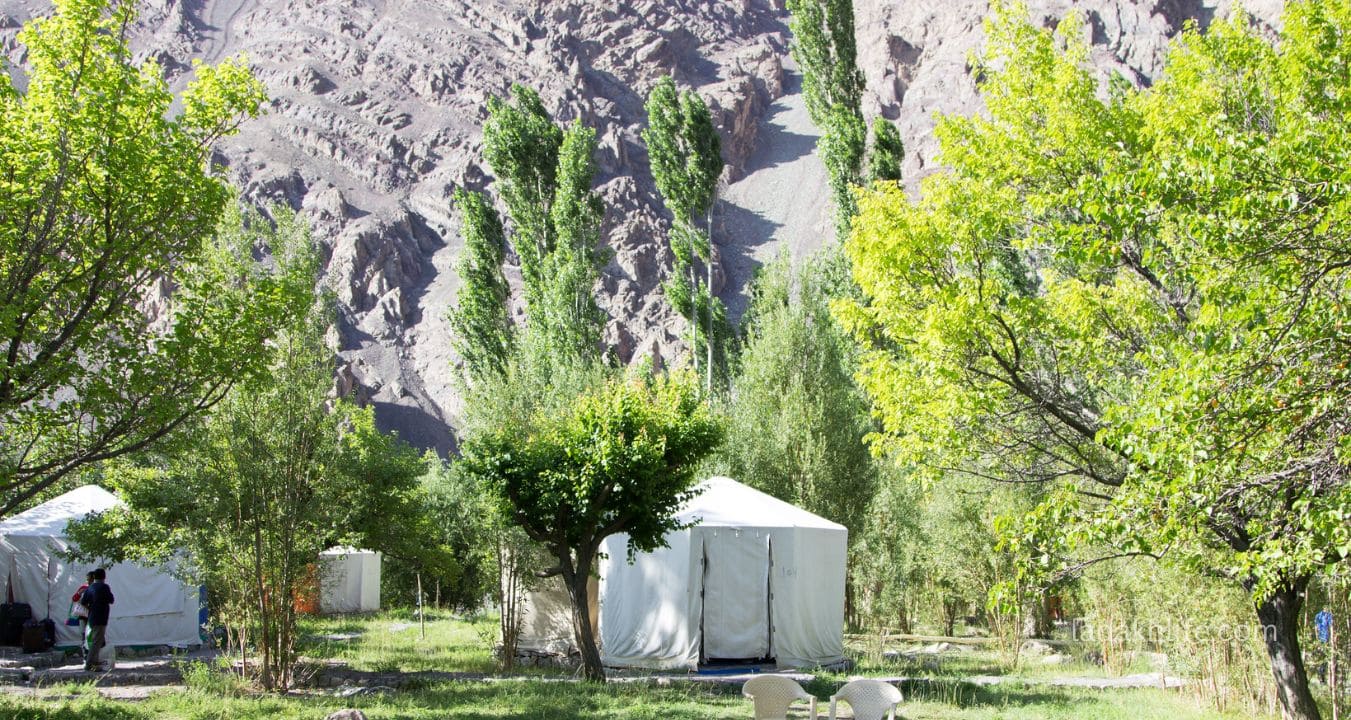
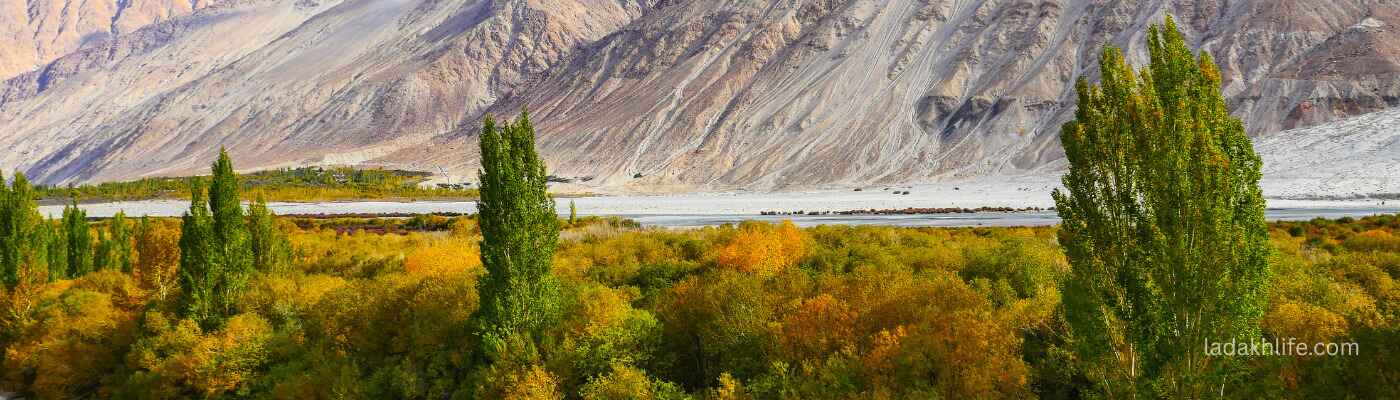
- Green fields and poplar trees. Sankoo is lush and green in summer, a stark contrast to the barren landscapes of eastern Ladakh. The fields are a patchwork of green and gold, the poplar trees line the roads, and the Suru River flows nearby.
- No crowds. While Leh and Kargil can be busy with tourists, Sankoo remains quiet and peaceful. You'll have the village almost to yourself.
- Gateway to Nun Kun. Sankoo is the last major village before the road climbs toward Panikhar and Parkachik, the best viewpoints for the Nun Kun peaks. Use Sankoo as a base for exploring the upper Suru Valley.
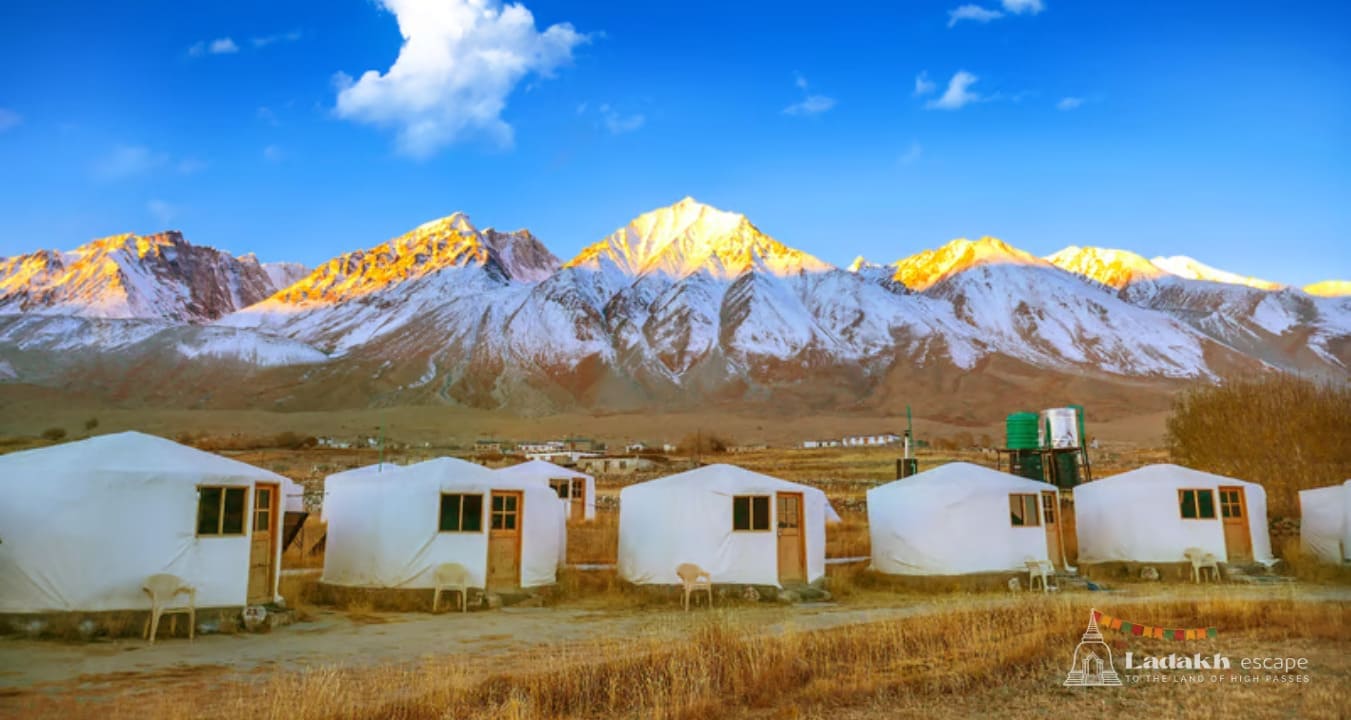
- Authentic homestays. A few families in Sankoo offer homestays. You'll eat home-cooked food, sleep in a traditional house, and experience village life firsthand.
The Sankoo Experience (The Honest, Peaceful Version)
Let me walk you through what actually happens when you visit Sankoo. No filters. No fancy language.
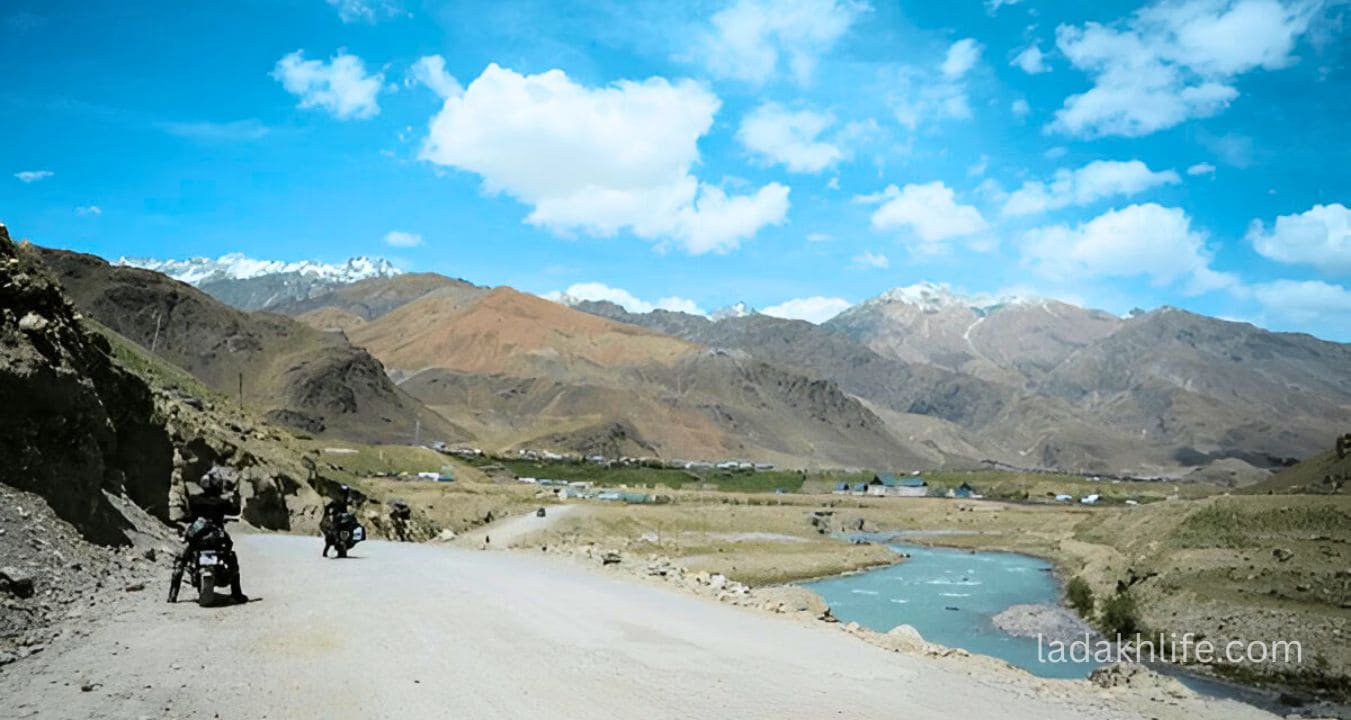
- The drive from Kargil: You're on the road south from Kargil, following the Suru River. The valley is wide, the mountains are dramatic. You pass through small villages, a few houses, some fields, prayer flags. The drive takes about 45 minutes to an hour.
- Arriving in Sankoo: You see the village, a cluster of whitewashed houses, green fields, and above it all, the snow-capped peaks of Nun Kun. You park near the river.
- The apricot orchards: You walk through the orchards. The trees are heavy with fruit (if you visit in July or August). The ground is covered with fallen apricots. You pick one from a low-hanging branch. It's warm from the sun, sweet, perfect.
- The riverbank: You walk down to the Suru River. The water is grey-green, flowing fast. You find a flat rock and sit down. The view of the river, the fields, and the mountains is beautiful. The sound of the water is calming.
- The village: You walk through the narrow lanes. Children playing. Women working in the fields. An old man sitting in the sun. Someone invites you for tea. You sit in their courtyard, sipping butter tea, watching the clouds move across the mountains.
- The sunset: In the late afternoon, you watch the sun drop behind the mountains. The light turns the peaks pink, then purple. The fields glow gold. You don't want to leave.
That's Sankoo. Not famous. Not crowded. But beautiful, peaceful, and full of good fruit.
The Crown Jewels of Sankoo (Don't Miss These)
1. The Apricot Orchards, A Golden Harvest
Sankoo is famous for its apricots. The orchards are beautiful any time of year, pink blossoms in spring, green leaves in summer, golden fruit in July and August. Walk through the orchards. Talk to the farmers. Buy fresh apricots (they're the best you'll ever taste). Buy dried apricots to take home. Buy apricot jam and apricot oil. The women of Sankoo have been making these products for generations. You're supporting a traditional way of life. And you're getting the best apricots in Ladakh.
2. The Nun Kun Views, The Highest Peaks in Indian Territory
Sankoo offers spectacular views of the Nun Kun massif, Nun (7,135m) and Kun (7,077m), the highest mountains entirely within Indian territory. The peaks rise straight from the valley floor, no foothills, no distance. Just green fields, then 7,000 meters of ice and rock. The view from Sankoo, looking south toward the mountains, is breathtaking. Go in the late afternoon when the light is golden. The peaks glow pink at sunset.
3. The Suru River, The Lifeline of the Valley
The Suru River flows right past Sankoo, wide and powerful, carrying meltwater from the glaciers of Nun Kun. Walk down to the riverbank. Find a flat rock. Sit down. Watch the water flow. The sound is hypnotic. The view up and down the valley is beautiful. This is the best free activity in Sankoo.
4. The Green Fields, A Patchwork of Colors
The fields around Sankoo are a patchwork of green and gold, barley, wheat, potatoes. In summer, they're lush and beautiful. Walk through the fields. Watch the farmers work. In late summer, you'll see families harvesting the crops by hand, just as they've done for centuries.
5. The Poplar Trees, Shimmering in the Wind
The road to Sankoo is lined with poplar trees, tall, straight, their leaves shimmering in the wind. In spring, they're bright green. In autumn, they turn gold. They're beautiful any time of year. Walk down the road. Listen to the sound of the leaves. It's a small thing, but it's one of the things you'll remember.
6. The Homestays, Warm Suru Valley Hospitality
A few families in Sankoo offer homestays. The accommodations are basic, a clean room, a shared bathroom, a kitchen where the family cooks. But the warmth is extraordinary. You'll eat home-cooked Suru Valley food, fresh bread, apricot jam, hearty soups, maybe a mutton curry. You'll sit with the family, listening to their stories. You'll learn about life in the Suru Valley, the long winters, the apricot harvest, the mountains. You'll leave with new friends.
7. The Drive to Panikhar and Parkachik, Nun Kun Close Up
Sankoo is the gateway to the upper Suru Valley. Drive south from Sankoo to Panikhar (about 15 km) and Parkachik (about 25 km). These villages offer even closer views of the Nun Kun massif. At Parkachik, you can trek to the Parkachik Glacier (2-3 hours). The glacier is massive, with ice caves and crevasses that glow blue in the sunlight. Even if you don't trek, the drive alone is worth it, the mountains get closer and more dramatic with every kilometer.
8. The Stargazing, No Light Pollution
Sankoo is far from any town. At night, the sky is dark. The stars are bright. The Milky Way stretches from horizon to horizon. Lie on the roof of your homestay or walk down to the riverbank. Look up. You'll see satellites moving, shooting stars, and maybe the faint glow of the northern lights (rare, but possible). It's the kind of sky that makes you feel small and grateful.
Best Time to Visit Sankoo
Sankoo is in Suru Valley, which has a longer season than most of Ladakh.
June to September is the main season. July and August are the best months, daytime temperatures 20-25°C, nights cool (5-10°C). The fields are green, the apricots are ripe (July-August), and the weather is perfect for exploring. August is peak apricot season, the village turns golden with fruit.
May and October: Shoulder months. May is cooler (15-20°C) and less crowded. The apricot blossoms are beautiful in May, pink flowers covering the trees. October is stunning, clear skies, crisp air, autumn colors, and the poplar trees turn gold. Nights are cold (near freezing), but days are pleasant.
November to April: It's cold, winter temperatures drop well below freezing. The roads may be open, but most homestays will be closed. Not recommended unless you're prepared for extreme cold.
Pro tip: August is the best month for apricots, the village is golden with fruit, and you'll eat the best apricots of your life. September is better for trekking and clear mountain views. Visit in late afternoon for the best light on Nun Kun.
Where to Stay in Sankoo
Accommodation options in Sankoo are limited to homestays, and that's part of the charm.
Homestays in Sankoo (₹600-1,000 per night): A few families offer simple homestay accommodations. Expect basic but clean rooms, shared bathrooms (squat toilet, sometimes outside), and home-cooked meals. This is the most authentic way to experience Sankoo. Ask around when you arrive, someone will point you to a family with space.
In Panikhar (15 km south): A few basic guesthouses and homestays. Panikhar has even better views of Nun Kun. A good alternative if Sankoo is full.
In Kargil (35 km north): Several hotels and guesthouses. Hotel Barula, Kargil Continental, and Zojila Residency are good options. Kargil is the best base if you want more facilities.
No hotels in Sankoo. Embrace the homestay. It's part of the experience. The warmth of Suru Valley hospitality will stay with you long after you leave.
How to Get to Sankoo
Sankoo is on the road from Kargil to Panikhar and Zanskar. Here's how to get there:
Route: Kargil → Sankoo (35 km south) → Panikhar (15 km further) → Parkachik (10 km further) → Rangdum → Pensi La → Zanskar.
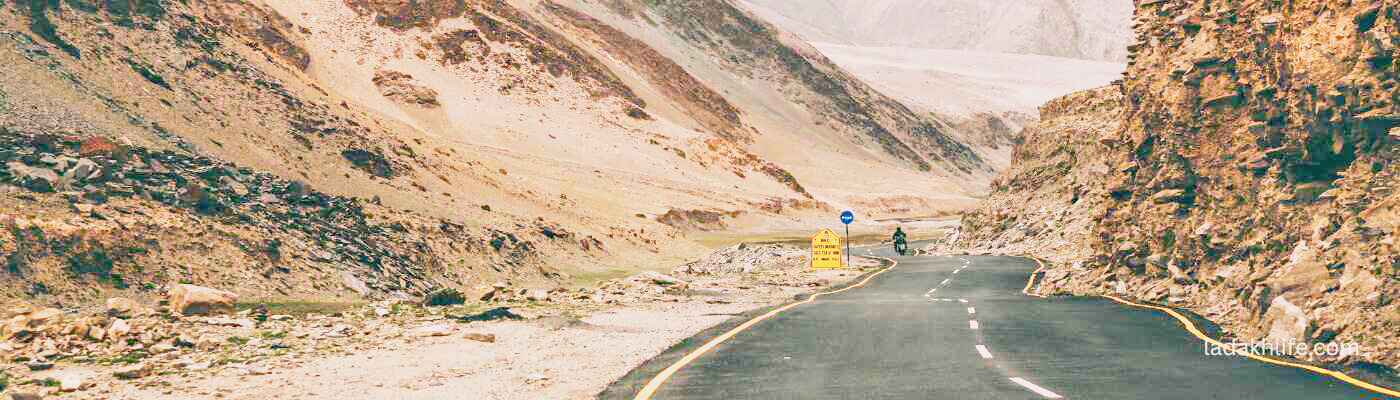
From Kargil (about 35 km, 45 minutes): Drive south on the road to Panikhar and Zanskar. The road follows the Suru River. It's paved and in good condition. You'll pass through small villages and green fields. The views of the mountains get better as you drive south.
From Leh (about 235 km, 5-6 hours): Drive Leh → Lamayuru → Fotu La → Mulbekh → Kargil → Sankoo. This is a long day's drive. Most travelers break the journey in Kargil overnight.
By bike: Easy and beautiful. The ride from Kargil to Sankoo follows the Suru River through green fields and dramatic mountains. The road is paved and in good condition.
By car (any car is fine): The road is paved and well-maintained. No 4x4 needed for Sankoo. If you're continuing to Panikhar, Parkachik, or Zanskar, a 4x4 is recommended for the rougher sections.
By taxi: Hire a taxi from Kargil for a half-day or full-day trip to Sankoo and Panikhar. Expect to pay ₹2,000-3,500 depending on the distance and waiting time.
By bus: Buses from Kargil to Panikhar or Rangdum will pass Sankoo. Ask the driver to drop you. This is a cheap option, but buses are infrequent. Check the schedule in Kargil.
What to Pack for Sankoo
Sankoo is at lower altitude than Leh, so it's warmer. Here's what you need:
- Daytime: T-shirts, light pants, a hat for sun protection, sunglasses. It can be warm in summer (20-25°C).
- Evenings: A fleece or light sweater. The temperature drops at night.
- Trekking (to Parkachik Glacier): Sturdy shoes, water, snacks, sun protection. The trail is rocky and uneven.
- Shoes: Comfortable walking shoes for exploring the village, fields, and orchards.
- Sun protection: Sunscreen (SPF 30+), lip balm, sunglasses. The sun is strong at 8,500 feet.
- Cash: No ATMs in Sankoo. The nearest ATM is in Kargil (35 km north). Bring enough cash for homestays, food, and any apricot purchases.
- Camera: You'll want it. The mountains, the orchards, the fields, the river, Sankoo is incredibly photogenic.
- Reusable bag: You'll want to buy dried apricots to take home. Bring a reusable bag to carry them.
Essential Tips for Visiting Sankoo
- No permits needed. Sankoo is not near the border, so no Inner Line Permit is required. Indian and foreign nationals can visit freely.
- Dress modestly. Sankoo is a Muslim village. Women should cover their shoulders and knees. A scarf is useful for covering the head, especially if visiting a mosque or a religious home.
- Ask before taking photos of people. Most will say yes, but always ask first. A smile and a "Juley" or "Salaam" make all the difference.
- Buy apricots directly from the farmers. You'll get the best quality and the best price. Dried apricots from Sankoo make excellent souvenirs, they're delicious and last for months.
- Try the local apricot products. Apricot jam, apricot oil, apricot kernels (which taste like almonds). The women of Sankoo have been making these for generations.
- Stay overnight if you can. Most visitors come as a day trip from Kargil. Stay overnight in a homestay if you can. You'll experience Sankoo's magic in a way that day-trippers miss, the sunsets, the stargazing, the morning light on Nun Kun, the family dinners.
- Don't litter. Carry your waste back to Kargil. There's no garbage collection in Sankoo. Keep this beautiful village clean.
- Combine with Panikhar and Parkachik. Sankoo is just the beginning. Drive further south to Panikhar and Parkachik for even closer views of Nun Kun. If you have time, trek to Parkachik Glacier. It's worth the extra effort.
Sankoo vs Other Suru Valley Villages
- Sankoo vs Panikhar: Panikhar is further south (15 km) and has even better views of Nun Kun. Sankoo is greener, more fertile, and famous for apricots. Panikhar for mountain views. Sankoo for orchards and fields. Visit both, they're only 15 minutes apart.
- Sankoo vs Parkachik: Parkachik is further south (25 km) and is the starting point for the Parkachik Glacier trek. Parkachik is more rugged, more remote. Sankoo is more comfortable, more agricultural. Visit Parkachik for adventure. Stay in Sankoo for peace.
- Sankoo vs Kargil: Kargil is the main town, larger, more developed, has hotels and restaurants. Sankoo is small, rural, and peaceful. Stay in Kargil for convenience. Stay in Sankoo for tranquility.
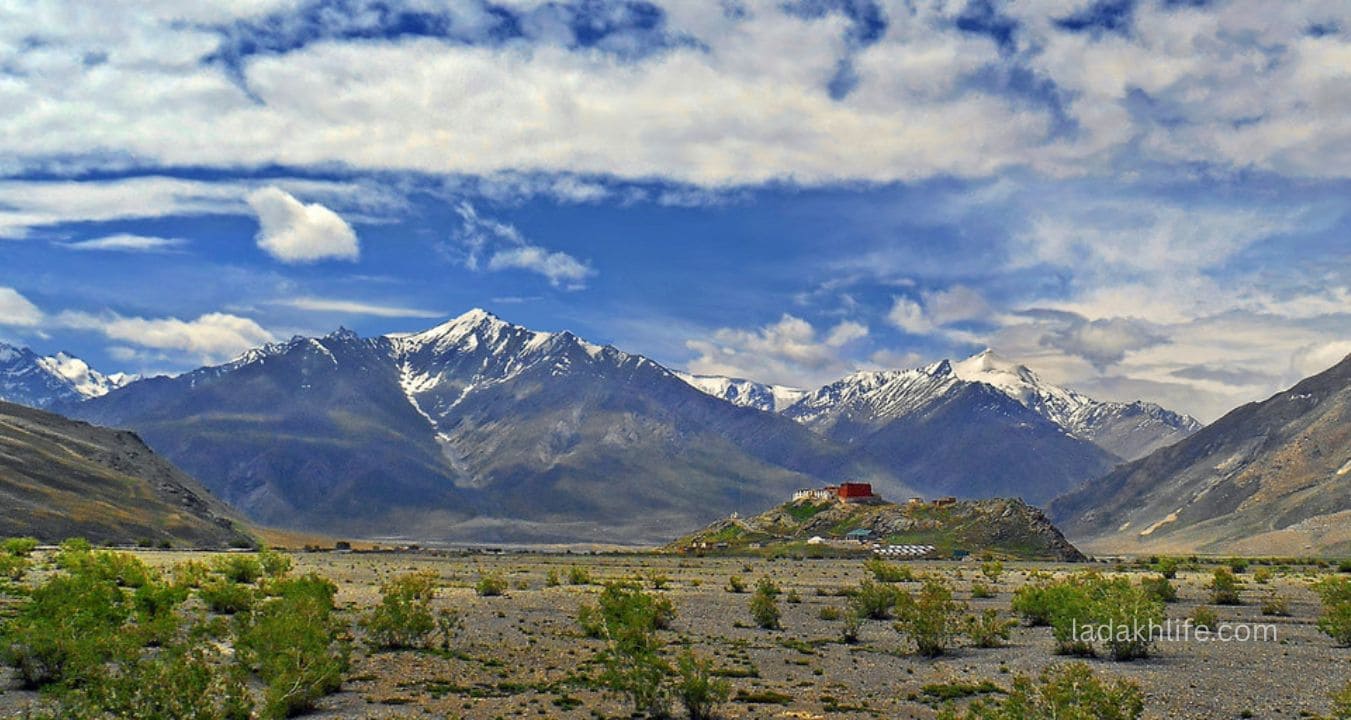
- Sankoo vs Rangdum: Rangdum is further south (about 80 km), near the Zanskar border. It's barren, dramatic, and has a beautiful monastery. Sankoo is green, fertile, and agricultural. Very different landscapes. Both are beautiful.
Why Sankoo is Suru Valley's Most Underrated Village
Let me be honest. Sankoo is not famous. It doesn't have a monastery or a palace or a war memorial. It has apricot orchards, green fields, and a river. That's it.
But that's exactly why it's special.
In a region where every village seems to have a monastery and every turn has a souvenir shop, Sankoo remains simple. The people here aren't trying to sell you anything. They're just living their lives, farming, harvesting apricots, raising their children. When you stay in a homestay, you're not a customer. You're a guest. The family welcomes you because that's what Suru Valley people do.
Sankoo won't give you a story for Instagram that gets a thousand likes. But it will give you something rarer, a quiet day in a beautiful village, a taste of the best apricots you'll ever eat, a sunset over the highest peaks in Indian territory. It will remind you why you came to Ladakh in the first place: not for the sights, but for the peace.
So when you're driving from Kargil to Zanskar, don't rush past Sankoo. Turn off the highway. Walk through the orchards. Eat fresh apricots. Sit by the river. Stay the night. And when you leave, you'll understand why Sankoo is the garden of Suru Valley.
Sankoo is not a destination. It's a detour. Turn off the road from Kargil. Follow the poplar trees to the Suru River. Walk through the apricot orchards, the fruit warm from the sun. Look up at Nun Kun, 7,000 meters of ice and rock, rising straight from the green fields. Sit by the river. Eat fresh apricots. Stay the night in a homestay. And when you leave, you'll understand why Sankoo is the garden of Suru Valley. Not because it's famous. Because it's real.