So, What Exactly is Lamayuru Village?
Lamayuru is a small village in the Sham Valley region of Ladakh, sitting at approximately 11,000 feet (3,350 meters). It's located about 125 kilometers west of Leh and about 15 kilometers east of the Fotu La pass (the highest point on the Srinagar-Leh highway).
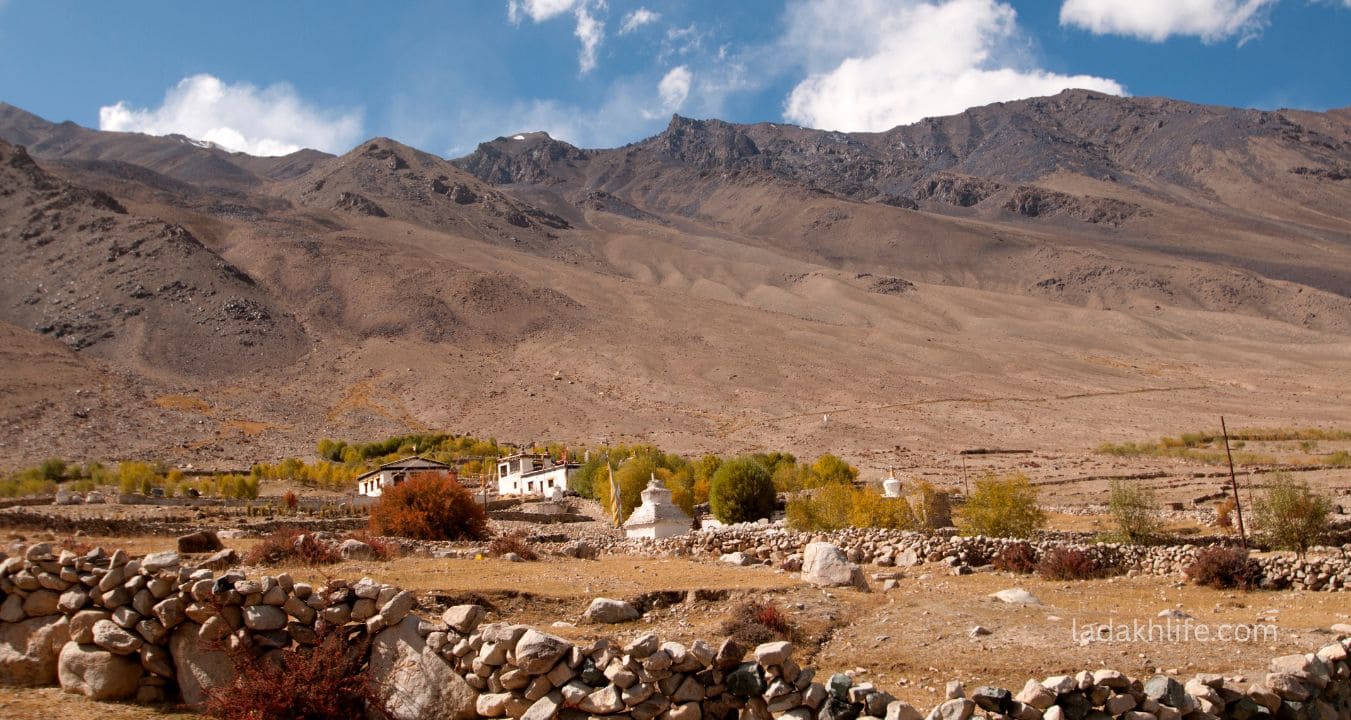
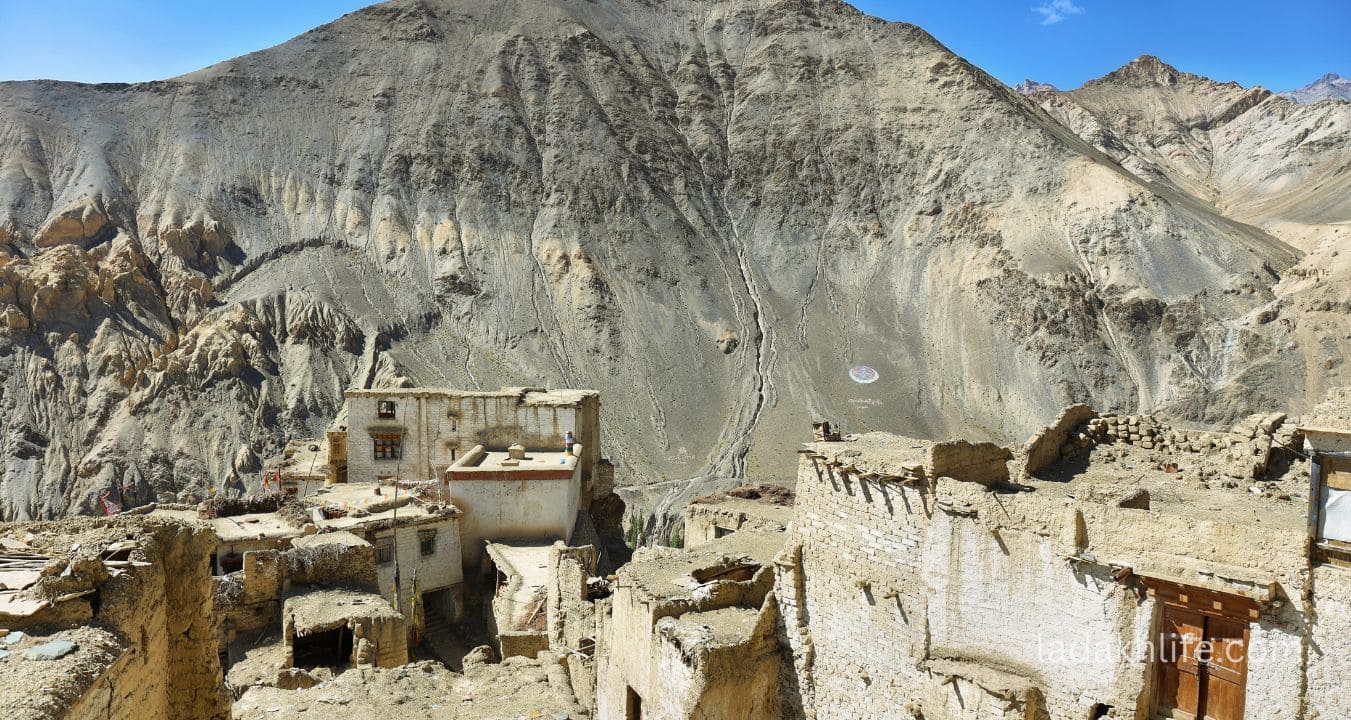
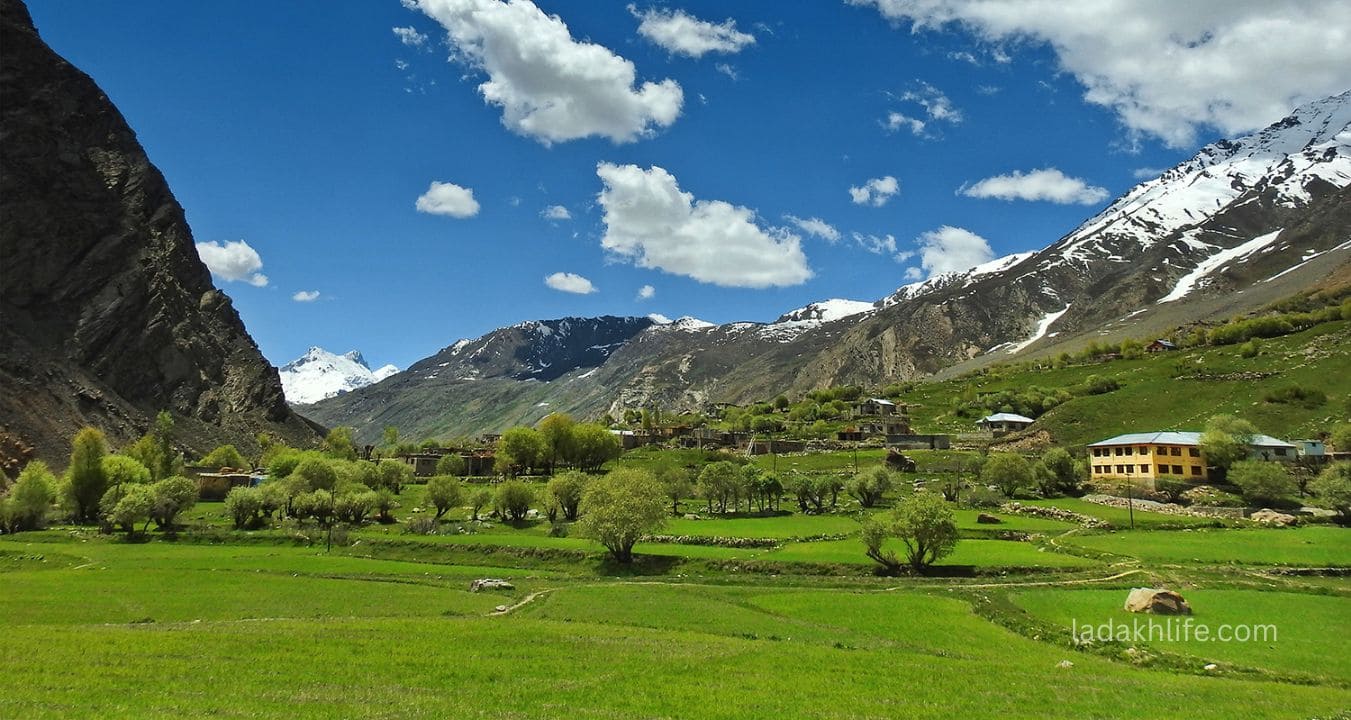
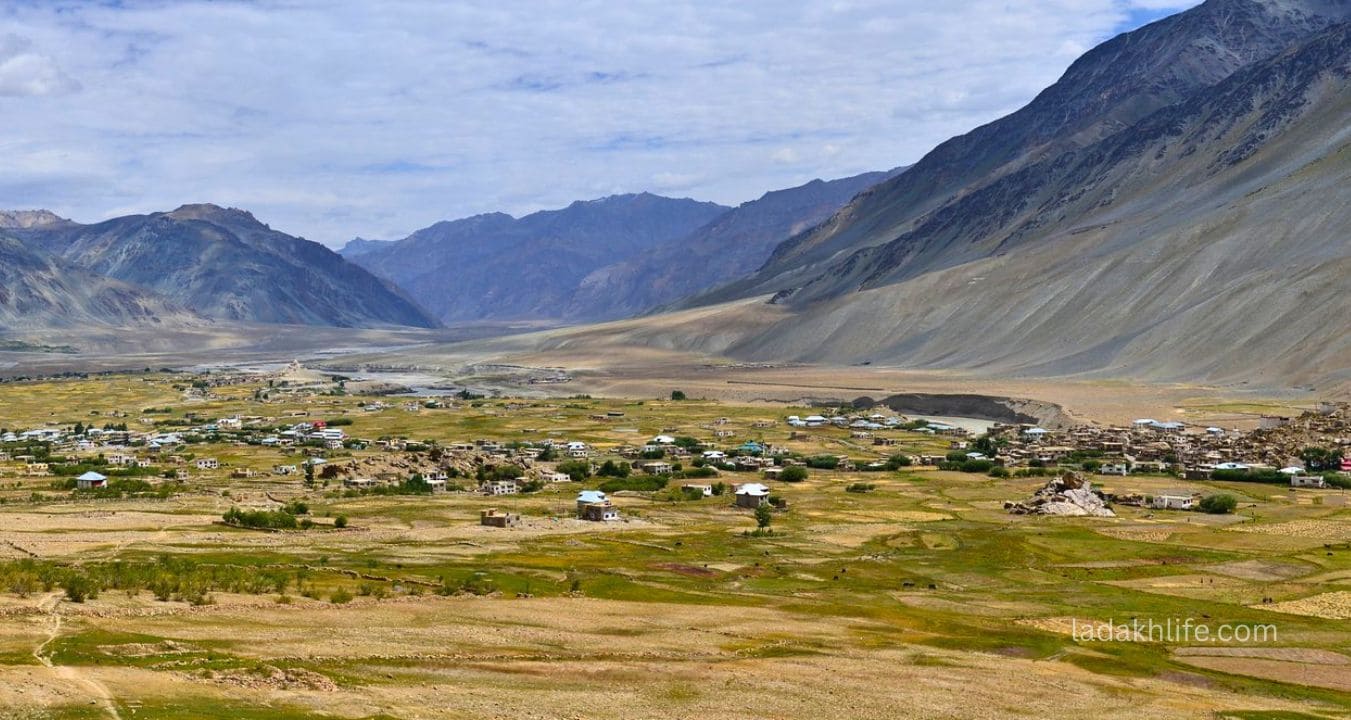
The village is tiny, maybe 50-60 houses, a few hundred people. The residents are Ladakhi Buddhists, and life here revolves around farming (barley, wheat, potatoes) and the monastery.
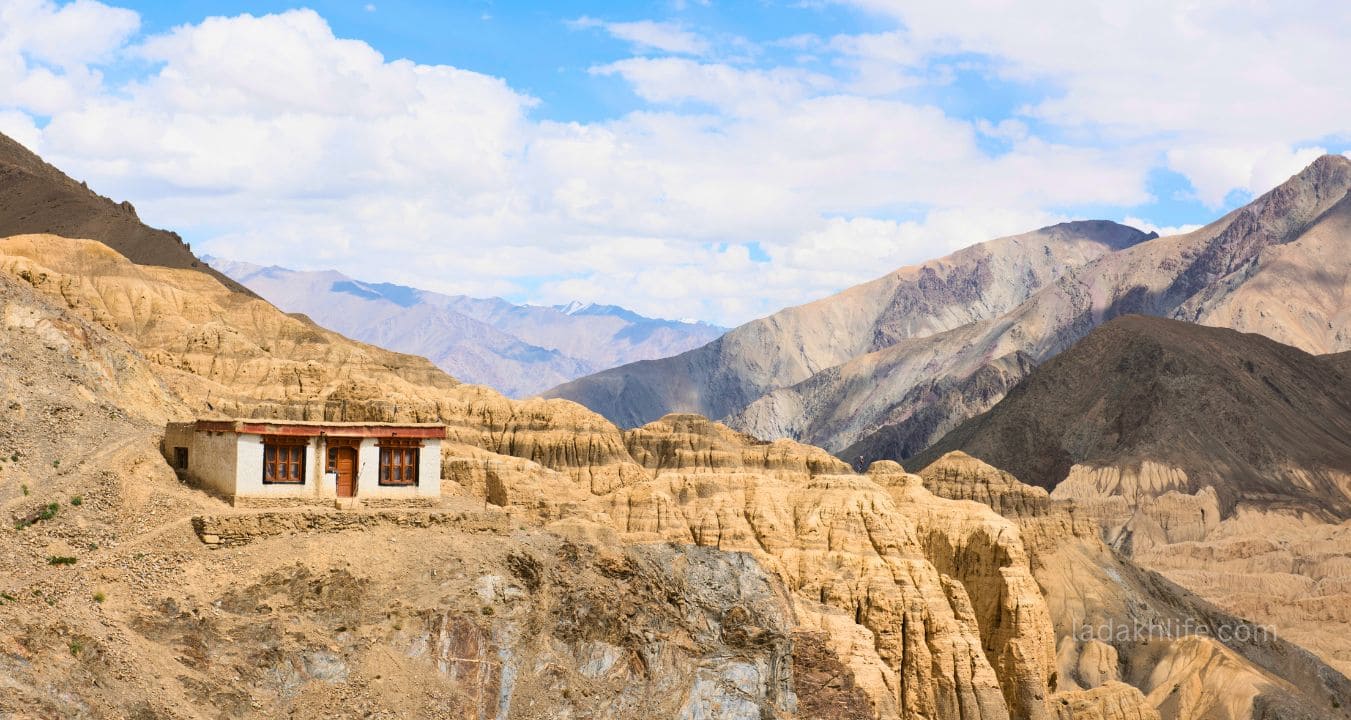
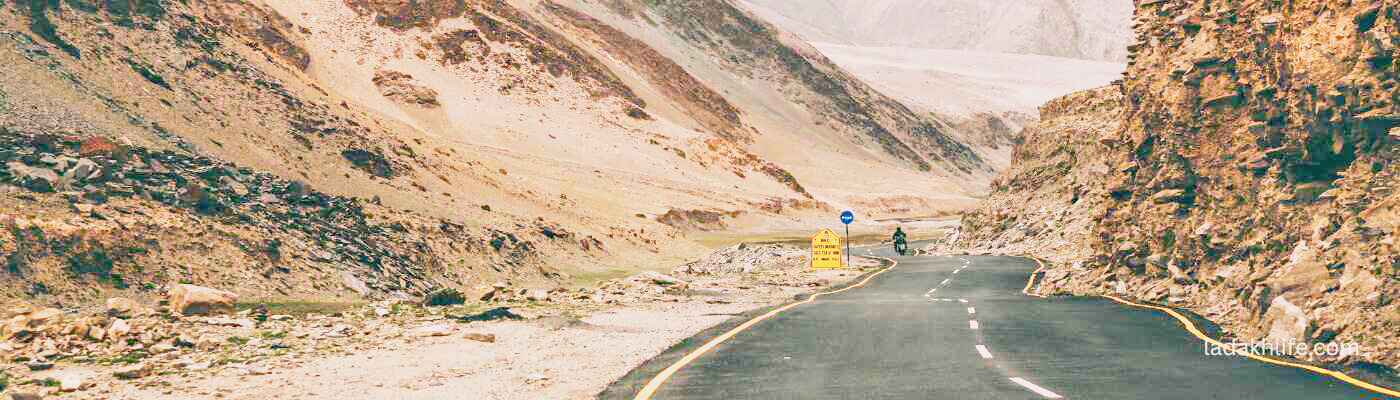
But the real reason to visit Lamayuru is the landscape. The area around Lamayuru is known as Moonland, a spectacular expanse of eroded rock formations that look like the surface of the moon. The mountains are striped with orange, yellow, white, and grey, carved into jagged spires, deep gorges, and strange, alien shapes by centuries of wind and water. It's one of the most photographed landscapes in Ladakh, and once you see it, you'll understand why.
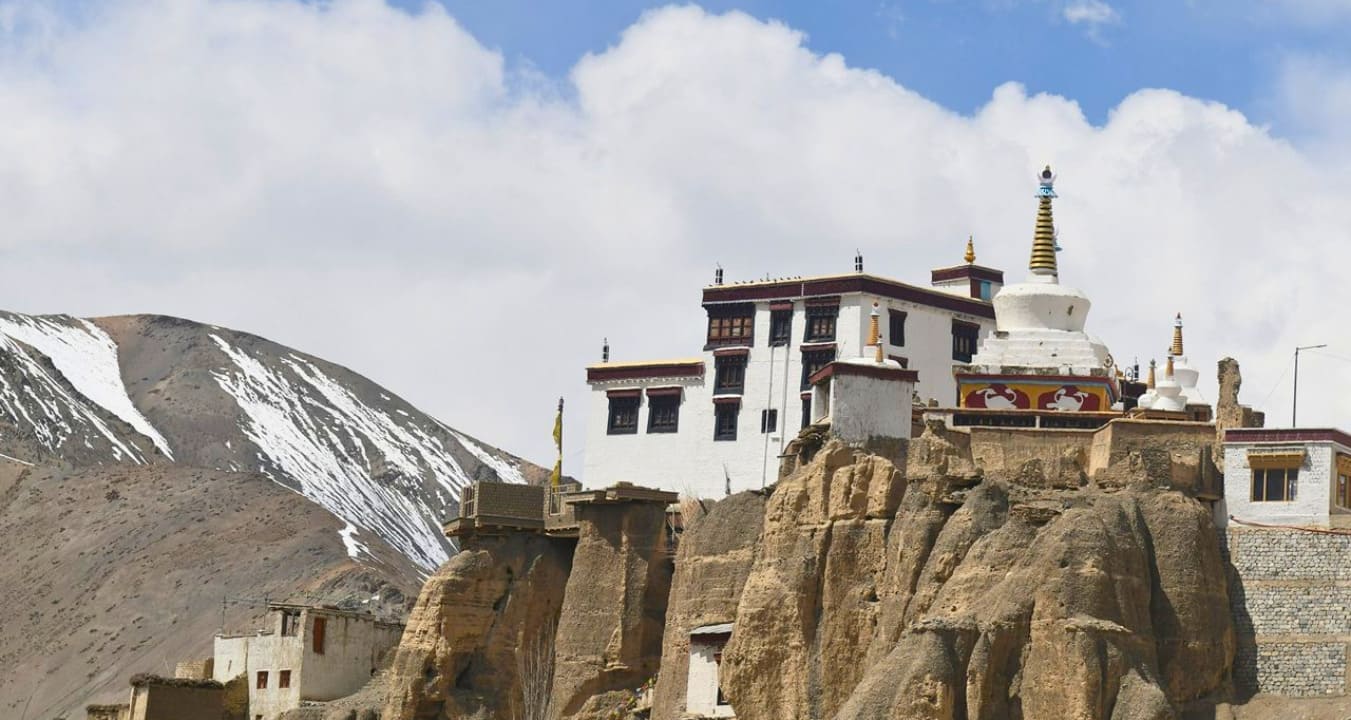
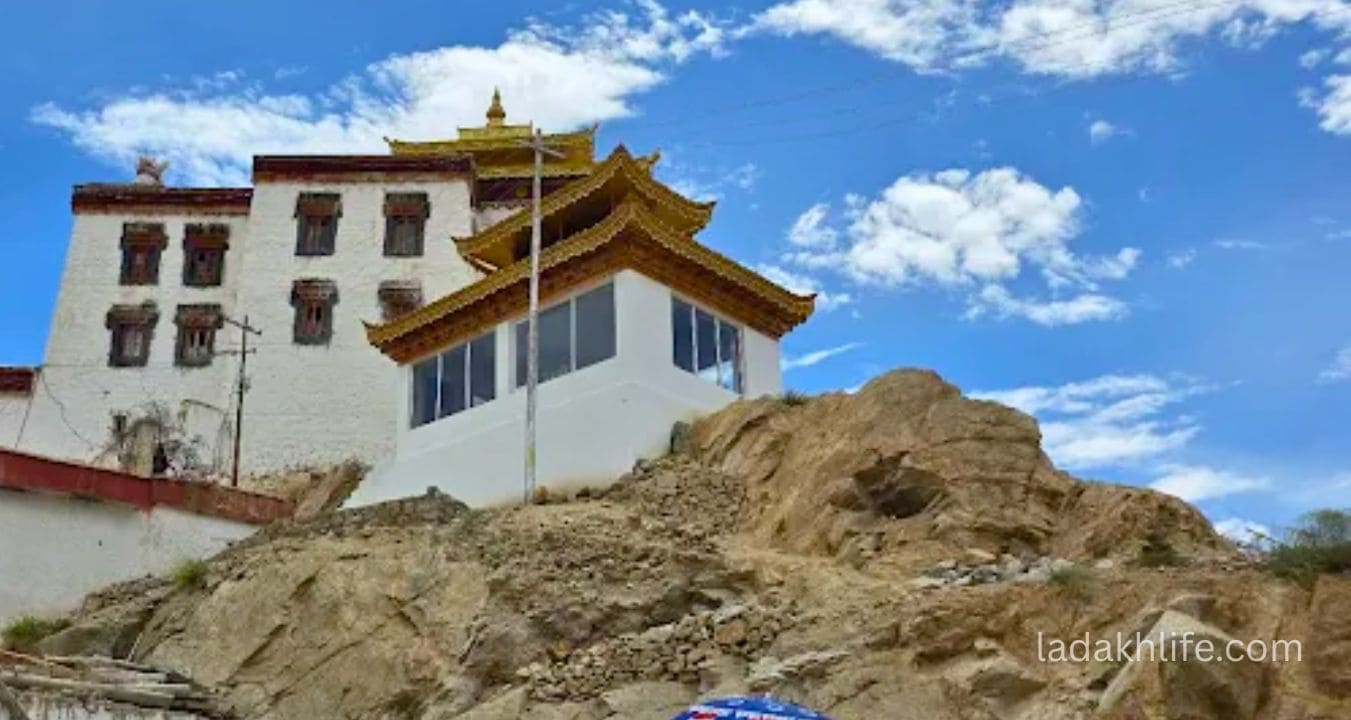
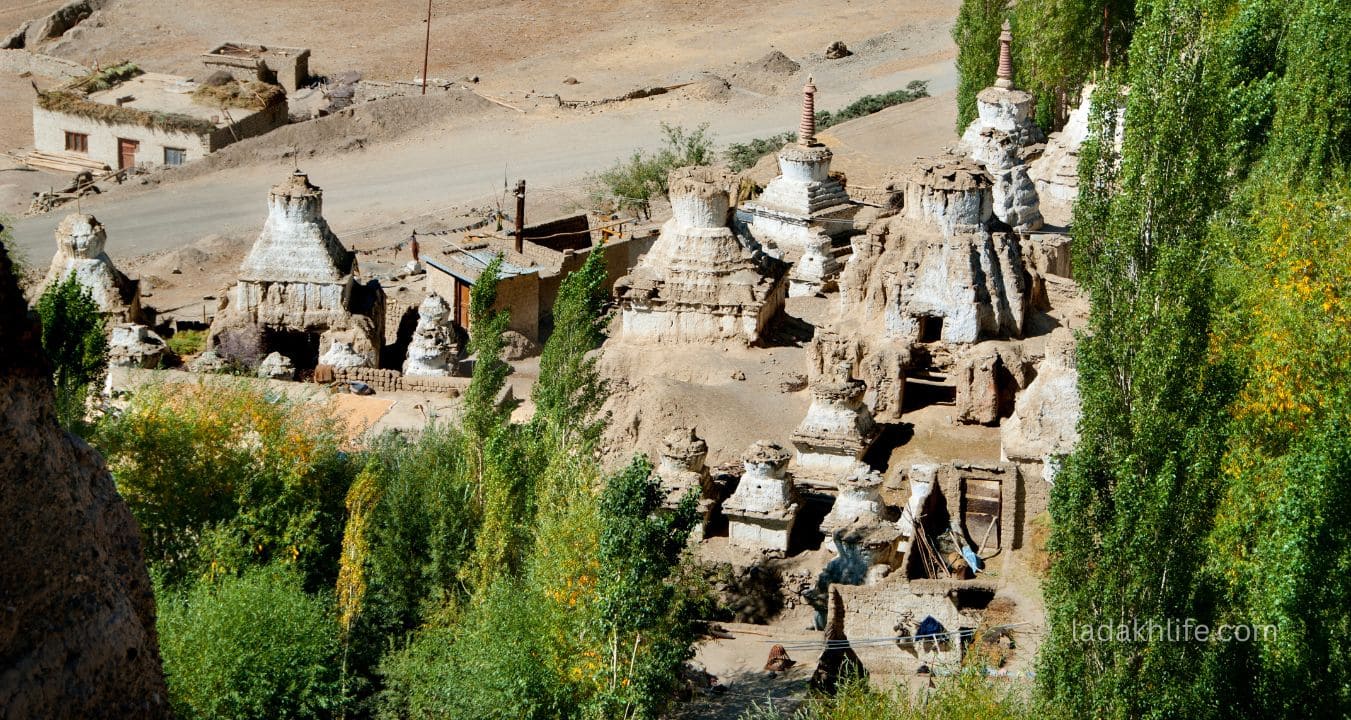
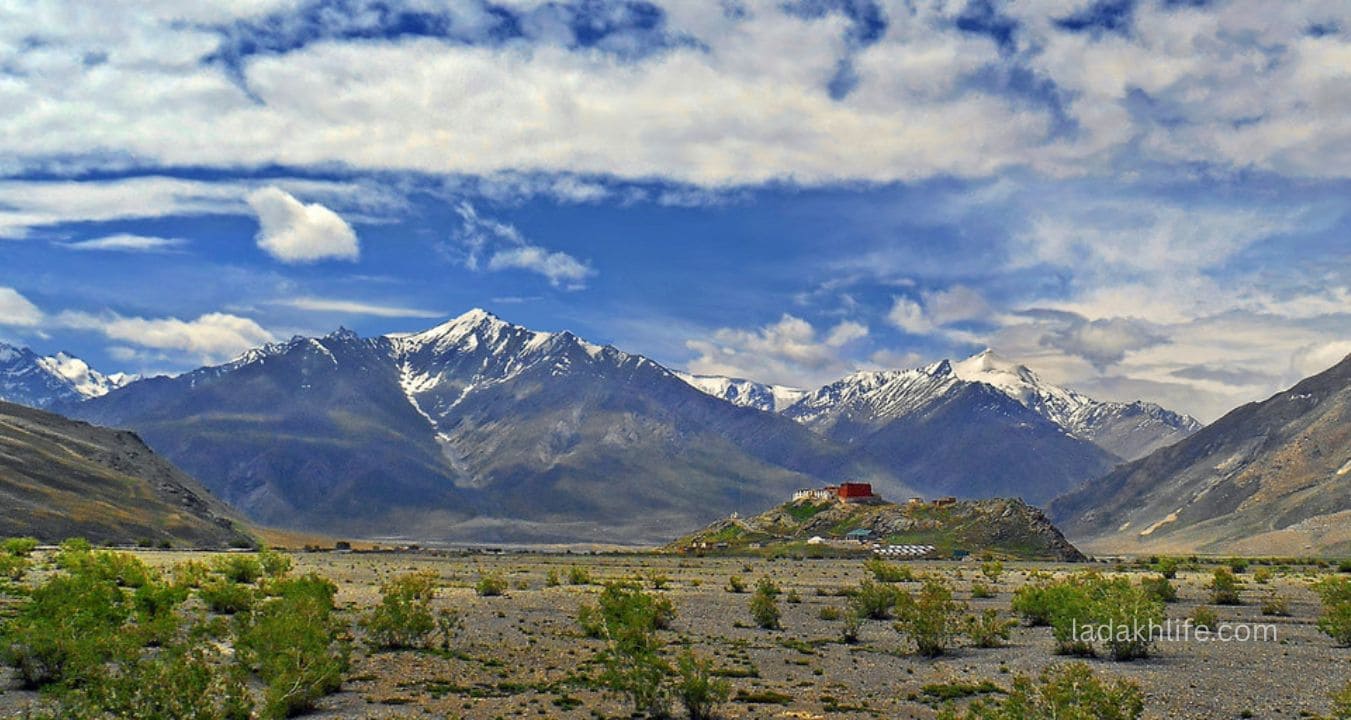
Above this lunar landscape, perched on a hill, is the Lamayuru Monastery (also called Yuru Gompa). Founded in the 11th century by the great translator Rinchen Zangpo, it's one of the oldest and largest monasteries in Ladakh. The monastery belongs to the Drikung Kagyu lineage of Tibetan Buddhism and has been an important center of Buddhist learning and practice for nearly 1,000 years.
Why Lamayuru is the Most Unique Village in Ladakh
Lamayuru is unlike anywhere else in Ladakh. Here's why:
- The Moonland landscape. Eroded rock formations that look like the surface of the moon, orange, yellow, white, grey. You won't see anything like it anywhere else in India.
- One of the oldest monasteries in Ladakh. Founded in the 11th century, Lamayuru Monastery has been a center of Buddhist learning for nearly 1,000 years.
- The "Gateway to Ladakh." For travelers coming from Srinagar, Lamayuru is the first glimpse of Ladakh's dramatic, barren landscapes. The transition from green Kashmir to lunar Ladakh happens right here.
- Spectacular views. From the monastery, you can see the entire Moonland spread out below, a view that's worth the drive alone.
- Trekking opportunities. Lamayuru is the starting point for several treks, including the popular Lamayuru to Alchi trek (4-5 days) and the Lamayuru to Chilling trek (3-4 days).
- No crowds (relatively). While Lamayuru is more visited than other Sham Valley villages, it's still quiet compared to Hemis or Thiksey. You can find peace here.
The Lamayuru Experience (The Honest Version)
Let me walk you through what actually happens when you visit Lamayuru. No filters. No fancy language.
- The drive from Leh or Kargil: You're on the Srinagar-Leh highway. The landscape changes as you approach Lamayuru, green patches disappear, the mountains become more dramatic, more barren. Then you see it, the Moonland. Orange and yellow spires rising from the valley floor. You pull over. You take photos. You can't believe your eyes.
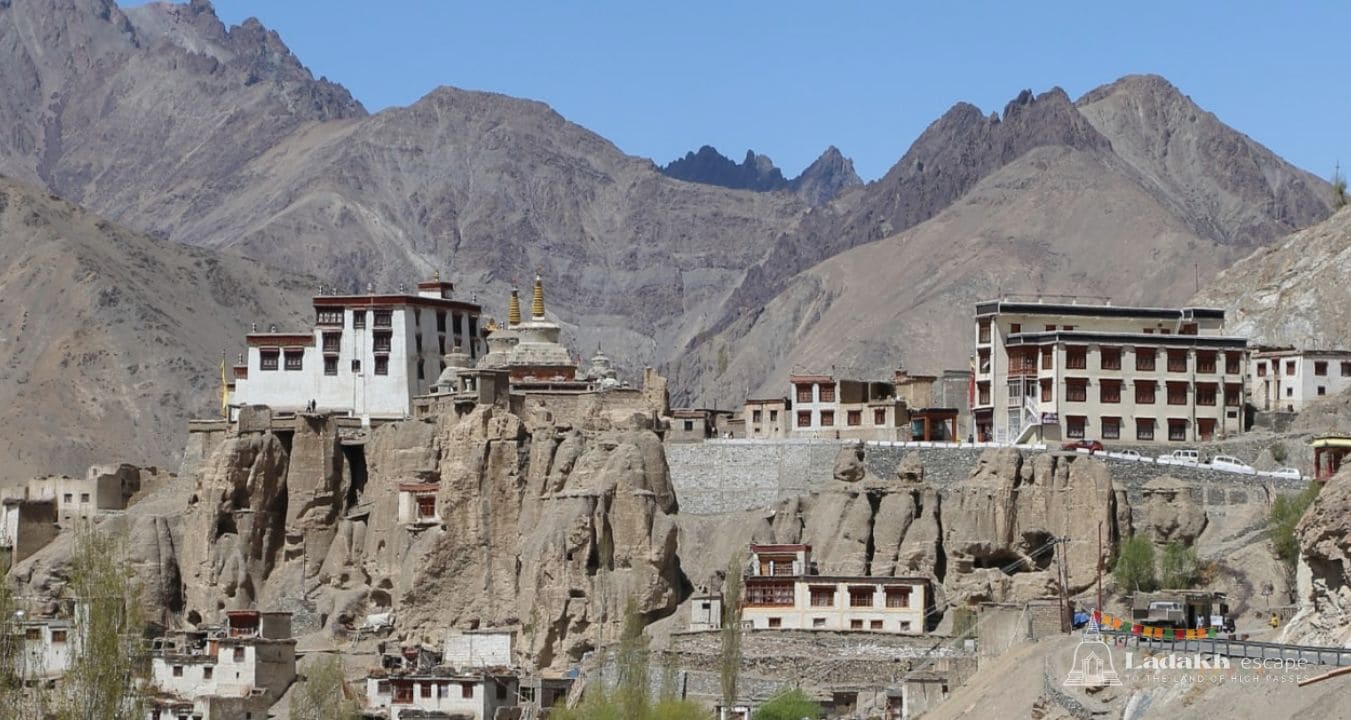
- The viewpoint: There's a famous viewpoint just before the village, on the side of the highway. Everyone stops here. It's the classic Lamayuru photo, the Moonland stretching to the horizon, the monastery perched on its hill. Take the photo. Then drive into the village.
- The village: Lamayuru is small, a few shops, a few guesthouses, a few restaurants. The monastery dominates the village, sitting on a hill above. You park near the base of the hill.
- The climb to the monastery: The path to the monastery is steep, stone steps, maybe 10-15 minutes. The altitude makes it harder. Take it slow. The views get better with every step.
- The monastery: The monastery is large, several prayer halls, a courtyard, living quarters for monks. The main prayer hall is filled with ancient murals, thangkas, and statues. The air is cool, filled with the smell of butter lamps. A monk might show you around, or you can explore on your own.
- The rooftop view: From the monastery rooftop, the view is spectacular, the entire Moonland spread out below you, orange and yellow spires rising from the valley floor, the Indus River winding in the distance. You sit on the edge, watching the clouds move. It's peaceful. It's beautiful. It's unforgettable.
- The Moonland walk: After visiting the monastery, walk down into the Moonland. There are trails through the eroded formations, no signs, just paths worn by travelers. You can walk for hours, exploring the strange, alien landscape.
That's Lamayuru. Dramatic, beautiful, and absolutely unique.
The Crown Jewels of Lamayuru (Don't Miss These)
1. The Moonland, Ladakh's Lunar Landscape
The Moonland is the main attraction. This spectacular landscape of eroded rock formations covers several square kilometers around Lamayuru. The mountains are striped with orange, yellow, white, and grey, carved into jagged spires, deep gorges, and strange, alien shapes by centuries of wind and water. There's a famous viewpoint on the highway just before the village, but the best experience is to walk down into the formations themselves. There are trails through the Moonland, no signs, just paths worn by travelers. You can walk for hours, exploring the strange, otherworldly landscape. Go at sunrise or sunset for the best light.
2. Lamayuru Monastery, 1,000 Years of History
The Lamayuru Monastery (also called Yuru Gompa) was founded in the 11th century by the great translator Rinchen Zangpo. It's one of the oldest and largest monasteries in Ladakh. The monastery belongs to the Drikung Kagyu lineage of Tibetan Buddhism. The complex includes several prayer halls, a courtyard, and living quarters for monks. The main prayer hall is filled with ancient murals, thangkas, and statues. The atmosphere is peaceful and spiritual. Climb to the rooftop for spectacular views of the Moonland. If you're lucky, you might hear the monks chanting.
3. The Viewpoint, The Classic Lamayuru Photo
There's a famous viewpoint on the Srinagar-Leh highway, just before the village. Everyone stops here, and for good reason. The view is spectacular: the Moonland stretching to the horizon, the monastery perched on its hill, the mountains rising in the distance. It's the classic Lamayuru photo. Stop here. Take the photo. Then drive into the village for a closer look.
4. The Lamayuru to Alchi Trek, A Multi-Day Adventure
Lamayuru is the starting point for the famous Lamayuru to Alchi trek (also called the Sham Valley trek). The trek takes 4-5 days and passes through some of the most beautiful landscapes in Ladakh, green valleys, barren mountains, remote villages, and ancient monasteries. You stay in homestays along the way. It's one of the easiest and most rewarding treks in Ladakh, perfect for beginners or anyone who wants to experience the Himalayas without extreme altitude.
5. The Singge Tsangpo (Indus) Valley View
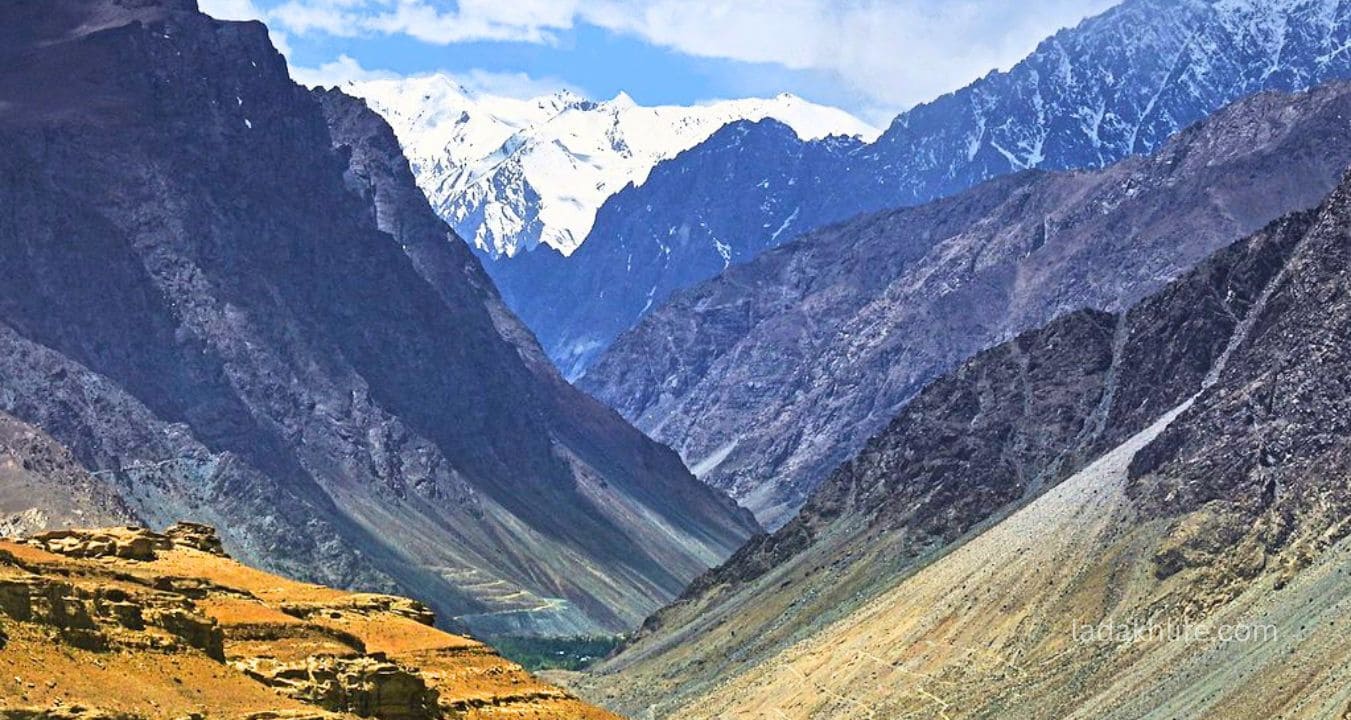
From Lamayuru, you can see the upper Indus Valley (called Singge Tsangpo in Tibetan). The river winds through the Moonland, a thin ribbon of grey-green against the orange and yellow rocks. The view from the monastery rooftop is spectacular, but there are also viewpoints along the highway where you can look down into the valley.
6. The Prayer Flags, Fluttering in the Wind
Prayer flags cover the monastery and the hills around Lamayuru, blue, white, red, green, yellow, fluttering in the wind. The sound they make is like nothing else, a constant, gentle flapping that feels like a prayer. Walk through them. Listen. Buddhists believe the wind carries the prayers on the flags to the heavens.
7. The Sunset, Moonland in Golden Light
The sunsets in Lamayuru are spectacular. The sun drops behind the mountains, and the light turns the Moonland orange, then pink, then purple. The monastery is silhouetted against the sky. The prayer flags flutter in the evening breeze. Walk to the viewpoint or climb to the monastery rooftop. Watch the light fade. It's the perfect end to a perfect day.
8. Nearby Fotu La, The Highest Point on the Highway
Lamayuru is just 15 kilometers east of Fotu La (13,479 ft), the highest point on the Srinagar-Leh highway. If you're driving from Leh to Kargil, you'll cross Fotu La before descending to Lamayuru. Stop at the pass. Feel the wind. Take a photo with the signboard. It's a quick detour that adds another high-altitude experience to your trip.
Best Time to Visit Lamayuru
Lamayuru is in Sham Valley, which has a longer season than most of Ladakh.
June to September is the main season. July and August are the warmest months, daytime temperatures 20-25°C, nights cool (5-10°C). The Moonland is beautiful in summer, and the weather is perfect for walking and exploring. August is peak tourist season in Ladakh, Lamayuru gets busy but not crazy.
May and October: Shoulder months. May is cooler (15-20°C) and less crowded. October is beautiful, clear skies, crisp air, autumn colors, but nights are cold (near freezing). The Moonland looks spectacular in the low autumn light.
November to April: It's cold, winter temperatures drop well below freezing. The road may be open (Sham Valley stays open longer than Nubra), but the monastery may have fewer monks, and walking in the Moonland could be icy. Only visit if you're prepared for cold.
Pro tip: September is the best month. The weather is perfect, the crowds are gone, the skies are clear, and the light on the Moonland is spectacular. Visit in the late afternoon for the best light on the landscape.
Where to Stay in Lamayuru
Lamayuru has several accommodation options, from simple guesthouses to homestays.
Guesthouses (₹1,000-2,000 per night): Several guesthouses in the village offer basic but clean rooms. Lamayuru Hotel and Moonland Guesthouse are popular options. Most have attached bathrooms (some with hot water), and some have restaurants serving simple meals.
Homestays (₹800-1,200 per night): A few families offer homestay accommodations. Expect basic rooms, shared bathrooms, and home-cooked meals. This is the most authentic way to experience Lamayuru.
In Leh (125 km east): Every budget, but staying in Leh means a long drive (2.5 hours each way). If you're day-tripping, it's doable, but staying overnight in Lamayuru is a much more relaxed experience.
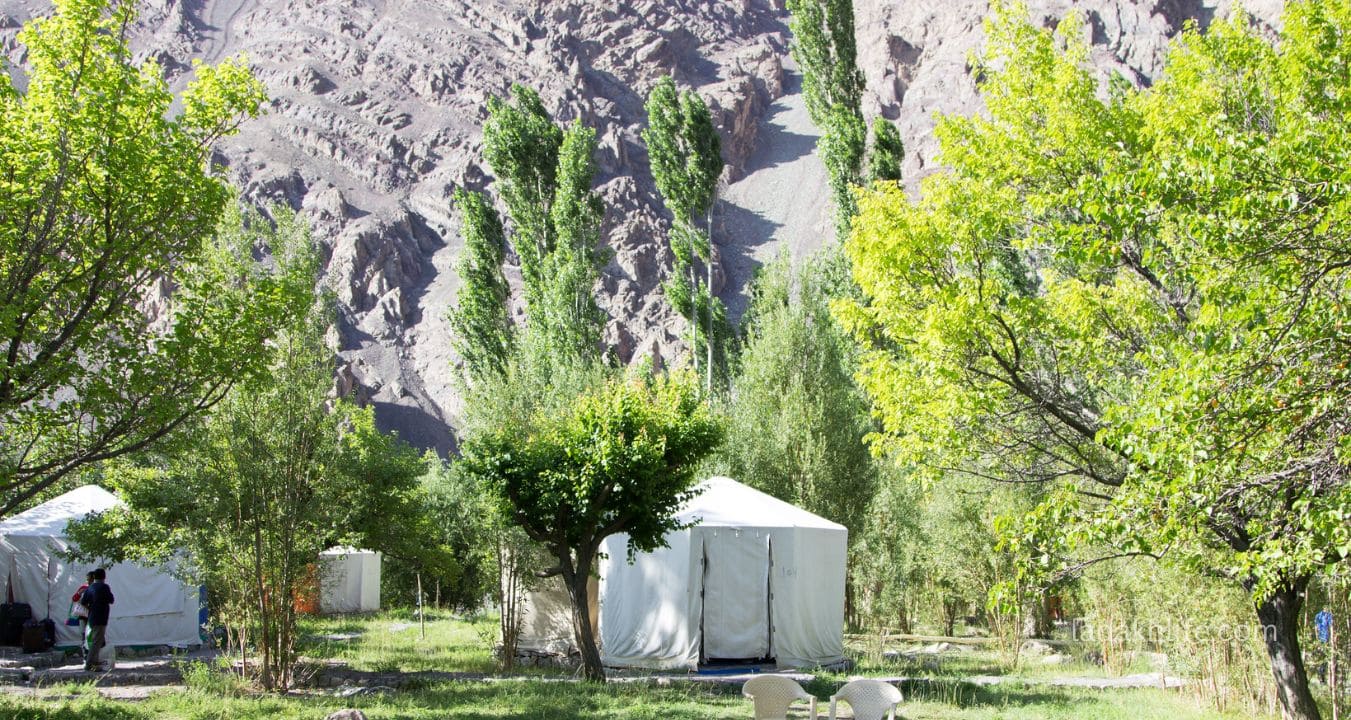
In Uleytokpo (35 km west): Riverside camps and guesthouses. A peaceful alternative if Lamayuru is full.
Book ahead in peak season (July-August). Lamayuru gets busy with day-trippers from Leh. Guesthouses can fill up. Book through a travel agent in Leh or call directly.
How to Get to Lamayuru
Lamayuru is on the Srinagar-Leh highway, easy to reach from Leh or Kargil.
Route: Leh → Basgo → Alchi → Uleytokpo → Lamayuru (125 km west) → Fotu La (15 km further west) → Kargil.
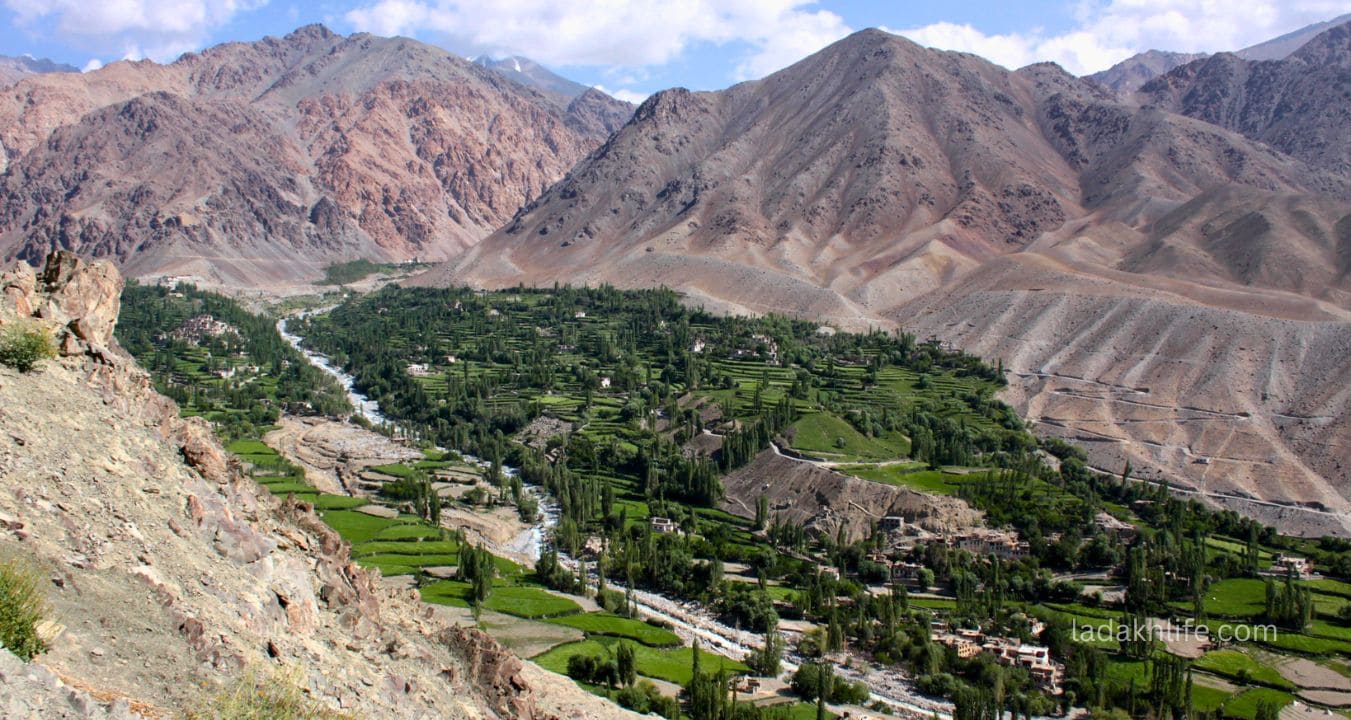
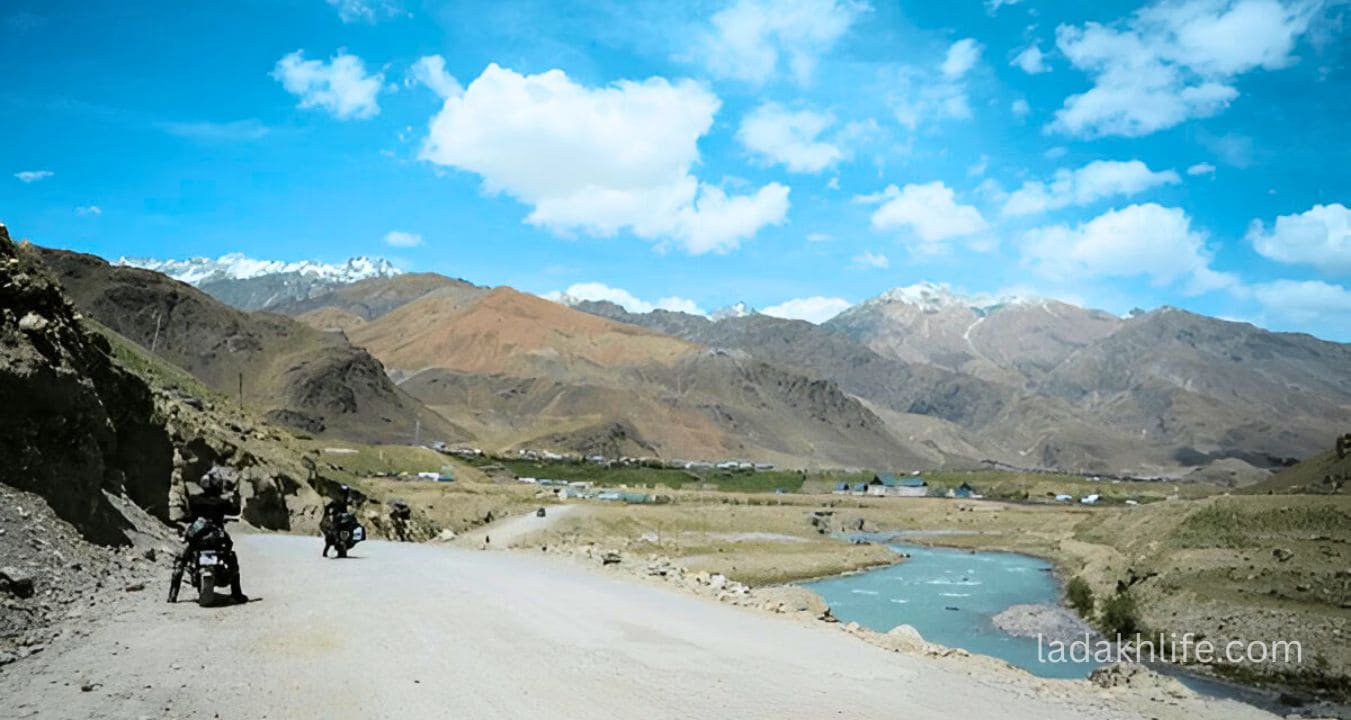
From Leh (about 125 km, 2.5 hours): Drive west on the Srinagar-Leh highway. The road is paved and in good condition. Follow the Indus River. You'll pass through Basgo, Alchi, and Uleytokpo before reaching Lamayuru. The drive is beautiful, green fields, poplar trees, the Indus River.
From Kargil (about 100 km, 2 hours): Drive east on the highway. You'll cross Fotu La (the highest point) before descending to Lamayuru.
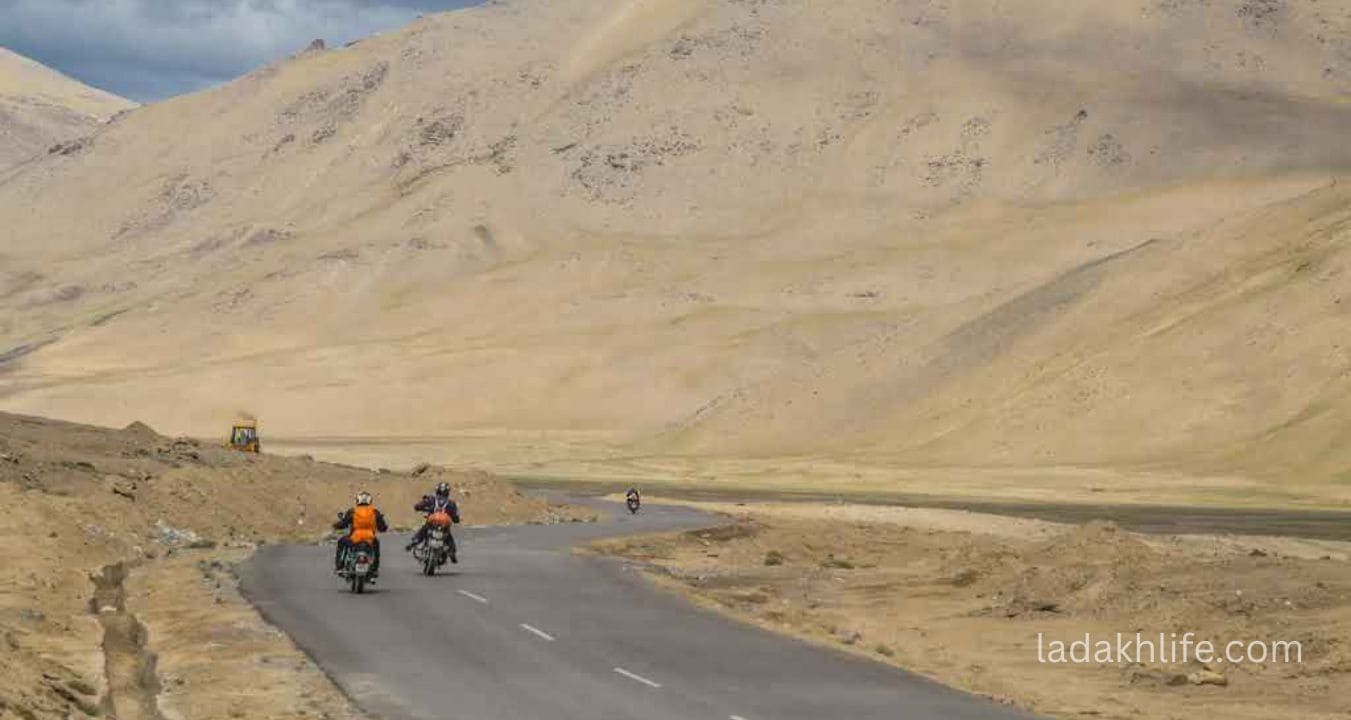
By bike: Easy and beautiful. The ride from Leh to Lamayuru is one of the best in Ladakh, green fields, poplar trees, the Indus River, and then the dramatic Moonland.
By car (any car is fine): The road is paved and well-maintained. No 4x4 needed.
By taxi: Hire a taxi from Leh for a full-day trip to Lamayuru (and optionally Alchi and Uleytokpo). Expect to pay ₹4,000-6,000 for a full day.
By bus: Buses from Leh to Kargil will pass Lamayuru. Ask the driver to drop you. This is a cheap option, but buses are slow and crowded.
What to Pack for Lamayuru
Lamayuru is at similar altitude to Leh, so prepare for sun and cool temperatures:
- Daytime: T-shirts, light pants, a hat for sun protection, sunglasses. It can be warm in summer (20-25°C).
- Trekking: If you're planning to walk in the Moonland, wear sturdy shoes. The terrain is uneven and can be slippery.
- Monastery visit: Cover your shoulders and knees. Remove your shoes before entering the prayer hall.
- Sun protection: Sunscreen (SPF 30+), lip balm, sunglasses. The sun is strong at 11,000 feet, and there's little shade in the Moonland.
- Water & snacks: Carry water and snacks for exploring the Moonland. There are shops in the village, but not in the landscape.
- Camera: You'll want it. The Moonland, the monastery, the views, Lamayuru is incredibly photogenic.
- Small donations: Offer a small donation (₹20-50) at the monastery. It helps with maintenance and is a respectful gesture.
Essential Tips for Visiting Lamayuru
- No permits needed. Lamayuru is not near the border, so no Inner Line Permit is required. Indian and foreign nationals can visit freely.
- Stop at the viewpoint first. The famous Lamayuru photo is taken from the viewpoint on the highway just before the village. Stop here before driving down into the village.
- Dress modestly at the monastery. Cover your shoulders and knees. Remove your shoes before entering the prayer hall.
- Ask before taking photos inside the monastery. Photography is usually allowed in the courtyard but may be restricted inside the prayer hall. Ask first.
- Walk down into the Moonland. Don't just take photos from the viewpoint. Walk down into the formations. There are trails, follow them. You'll see the landscape up close, and it's even more spectacular.
- Be careful on the trails. The Moonland terrain is uneven and can be slippery. Wear sturdy shoes. Watch your step.
- Don't climb on the fragile rock formations. The Moonland is beautiful, but the rocks are soft and eroding. Don't climb on them, you'll damage them and potentially hurt yourself.
- Don't litter. Carry your waste back to Leh. There's limited garbage collection in Lamayuru. Keep the Moonland clean.
- Stay for sunset. The Moonland is spectacular at sunset. Plan your visit so you're at the monastery rooftop or the viewpoint as the sun drops behind the mountains.
- Combine with Alchi and Uleytokpo. Lamayuru is perfectly located for a full Sham Valley tour. Visit Alchi (ancient monastery) in the morning, Uleytokpo (riverside camps) for lunch, and Lamayuru (Moonland and monastery) in the afternoon. It's a perfect day trip from Leh.
Lamayuru vs Other Sham Valley Destinations
- Lamayuru vs Alchi: Alchi is famous for its ancient Kashmiri-style murals and wood carvings. Lamayuru is famous for its dramatic Moonland landscape and ancient monastery. Alchi for art. Lamayuru for landscape. Visit both, they're only 40 km apart.
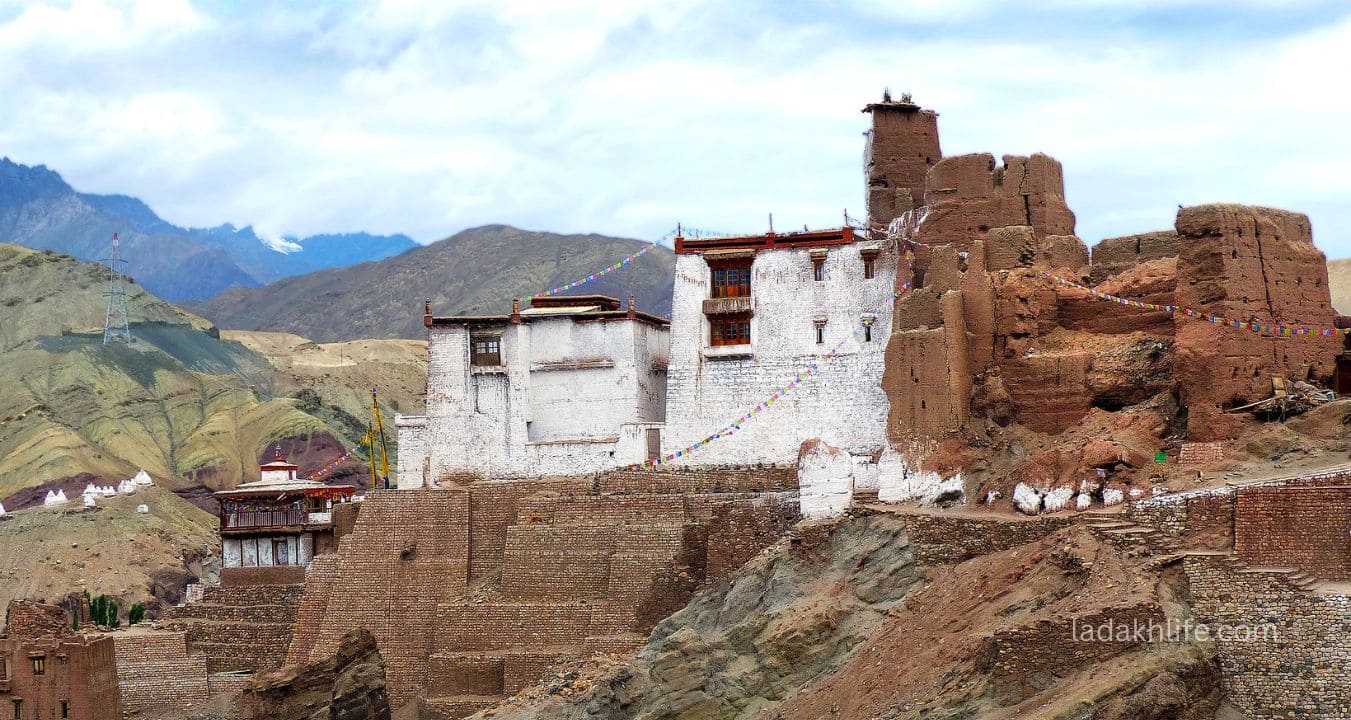
- Lamayuru vs Basgo: Basgo has a ruined fortress on a ship-shaped hill. Lamayuru has a lunar landscape and a living monastery. Basgo for history. Lamayuru for otherworldly beauty. Both are spectacular.
- Lamayuru vs Uleytokpo: Uleytokpo is for relaxing, riverside camps, doing nothing. Lamayuru is for exploring, Moonland walks, monastery visits. Do both, they're only 35 km apart.
- Lamayuru vs Fotu La: Fotu La is a high-altitude pass (13,479 ft) with strong winds and prayer flags. Lamayuru is a village with a monastery and Moonland. They're only 15 km apart, you'll cross Fotu La to reach Lamayuru from Kargil.
Why Lamayuru is the Most Unique Place in Sham Valley
Let me be honest. Lamayuru is not a secret. Thousands of tourists visit every year. The viewpoint can be crowded in peak season. The monastery gets its share of visitors. But even with the crowds, Lamayuru is special. Because there's nowhere else like it.
The Moonland is unique, you won't see landscapes like this anywhere else in India. The orange and yellow spires, the deep gorges, the strange alien shapes, it's the kind of place that makes you pull out your camera every few steps. And above it all, the monastery, 1,000 years old, still alive with prayer and chanting.
Lamayuru is often the first stop for travelers coming from Srinagar. It's the "Gateway to Ladakh", the first glimpse of the dramatic, barren landscapes that make this region famous. If you're coming from Kargil, Lamayuru will take your breath away. If you're coming from Leh, it's worth the 2.5-hour drive just to see the Moonland.
So when you're planning your Ladakh trip, don't skip Lamayuru. Drive to the viewpoint. Take the classic photo. Climb to the monastery. Walk down into the Moonland. Stay for sunset. You'll leave with photos that make your friends back home ask, where is that? And you'll know, that's Lamayuru. That's the magic of Ladakh.
Lamayuru is not just a village. It's a landscape. Orange and yellow spires rising from the valley floor, carved by wind and water into shapes that look like another planet. Above it all, an ancient monastery, 1,000 years old, still alive with prayer and chanting. This is the Gateway to Ladakh. The first glimpse of the magic that awaits. Stop here. Take the photo. Climb the hill. Walk the Moonland. And when you leave, you'll understand why Ladakh is unlike anywhere else on earth.