So, What Exactly is Alchi Village?
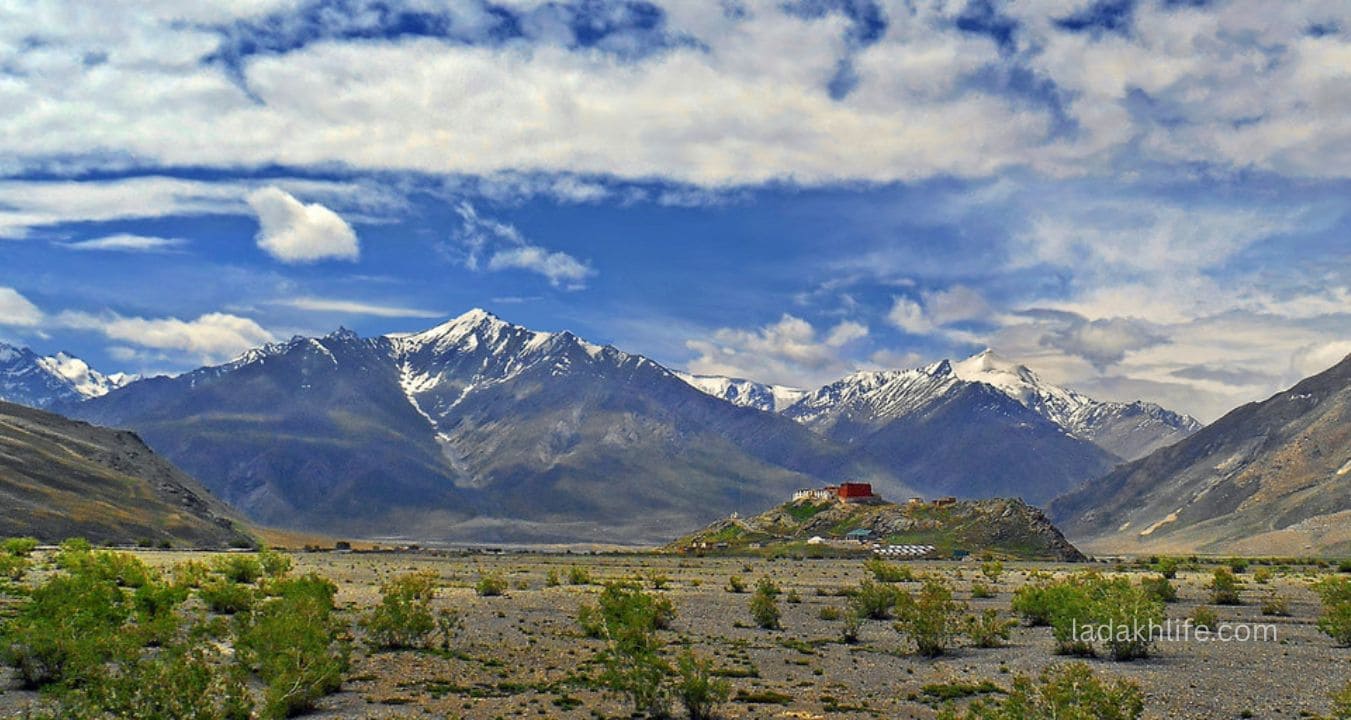
Alchi is a small village in the Sham Valley region of Ladakh, sitting at approximately 10,500 feet (3,200 meters). It's located about 70 kilometers west of Leh on the Srinagar-Leh highway (NH 1), on the south bank of the Indus River.
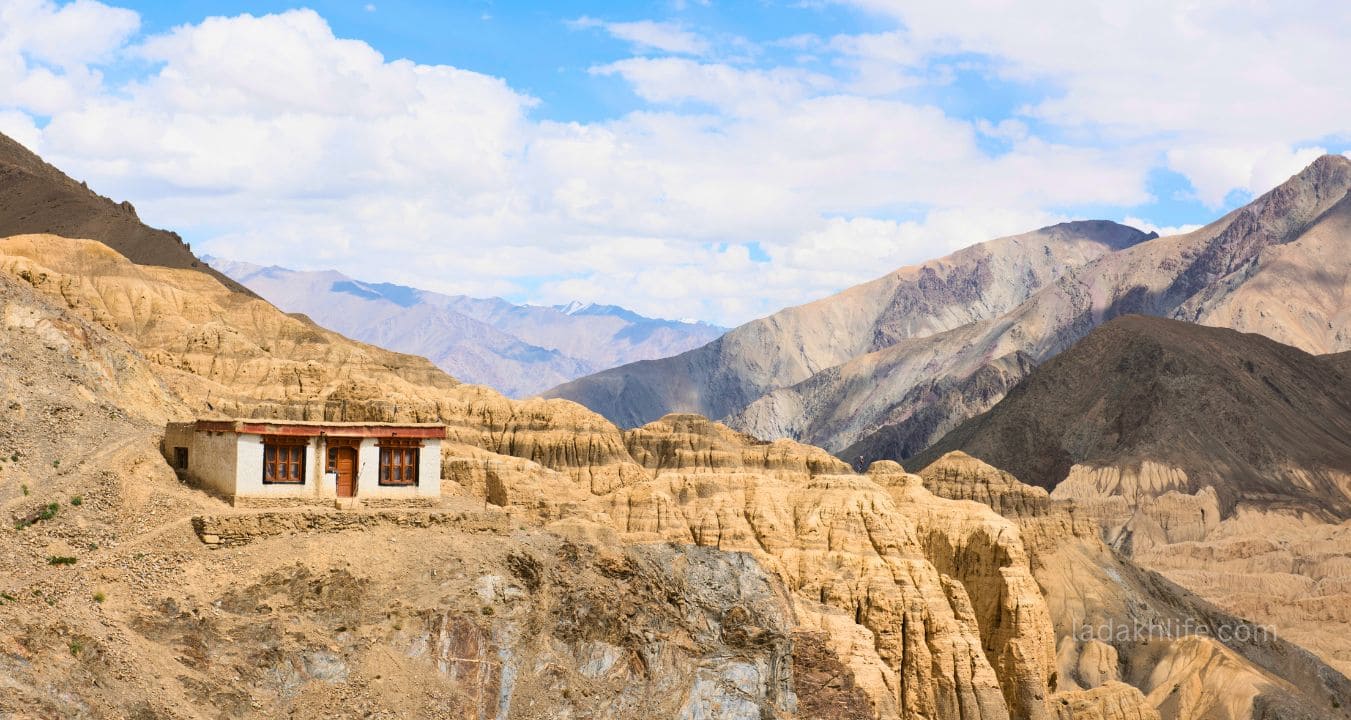
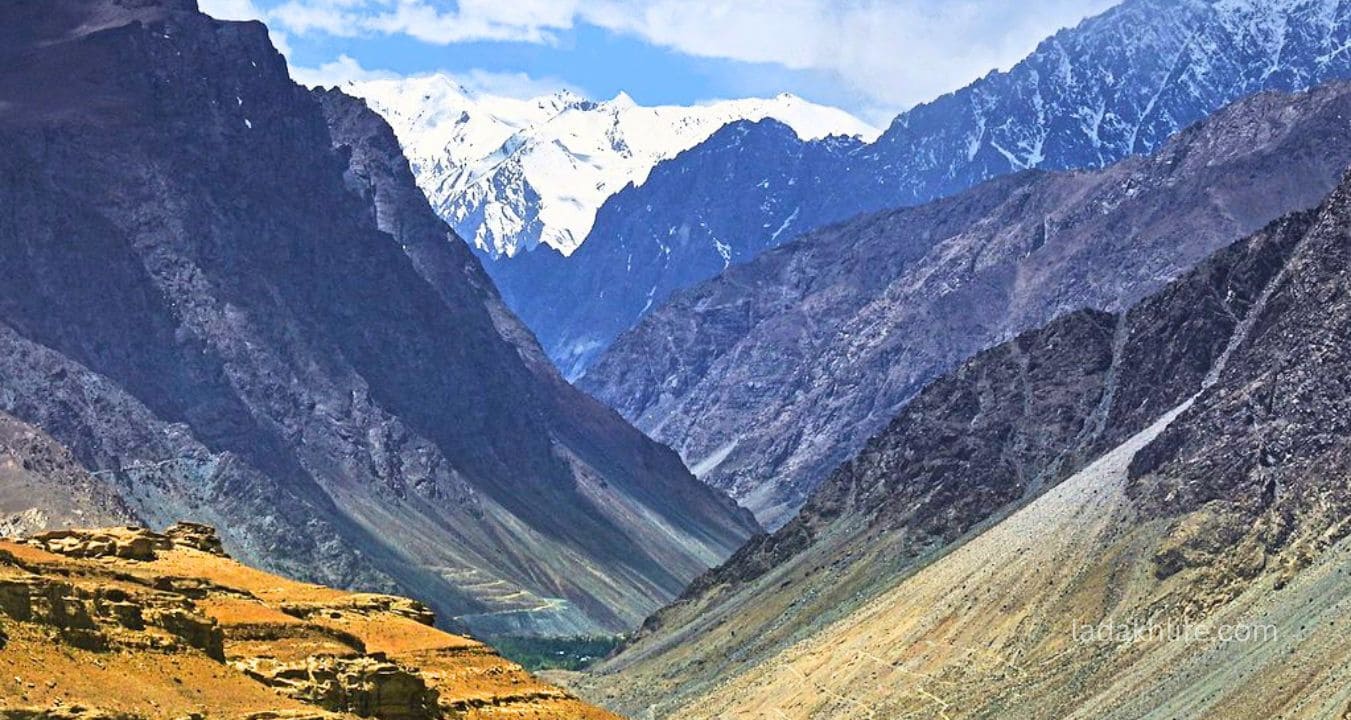
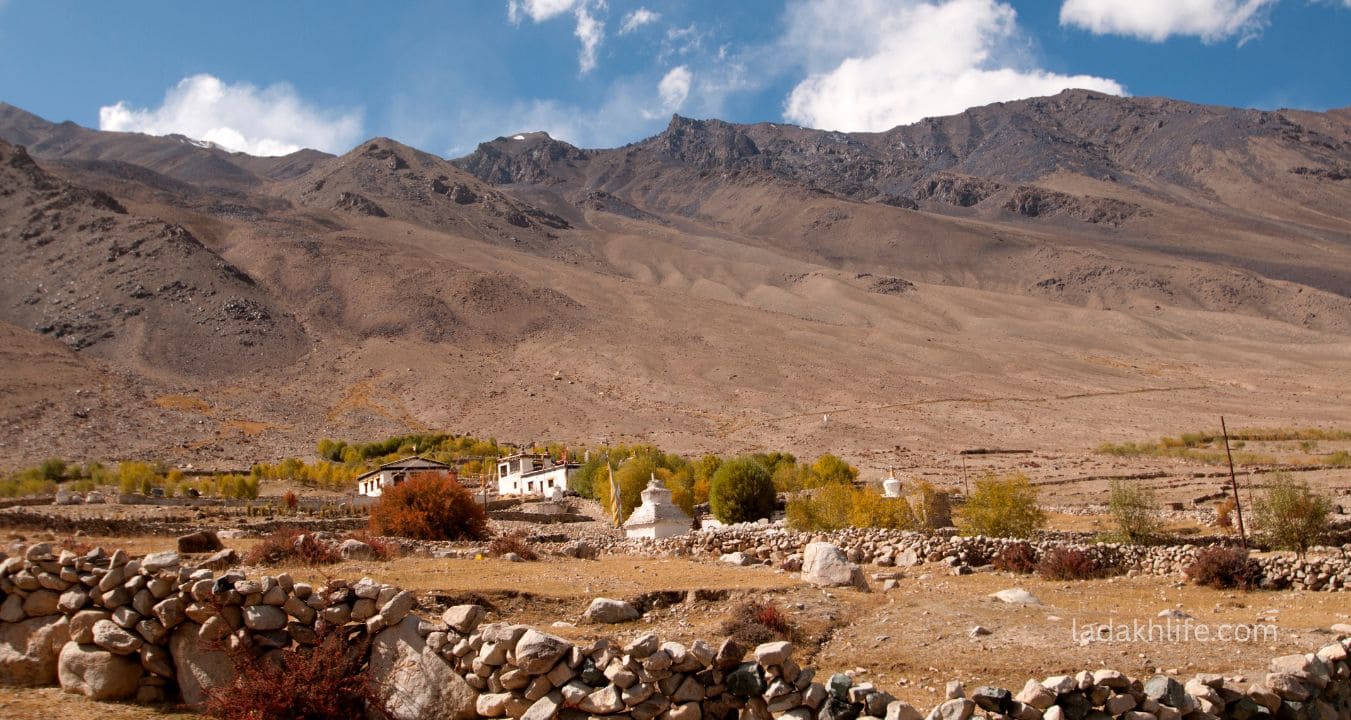
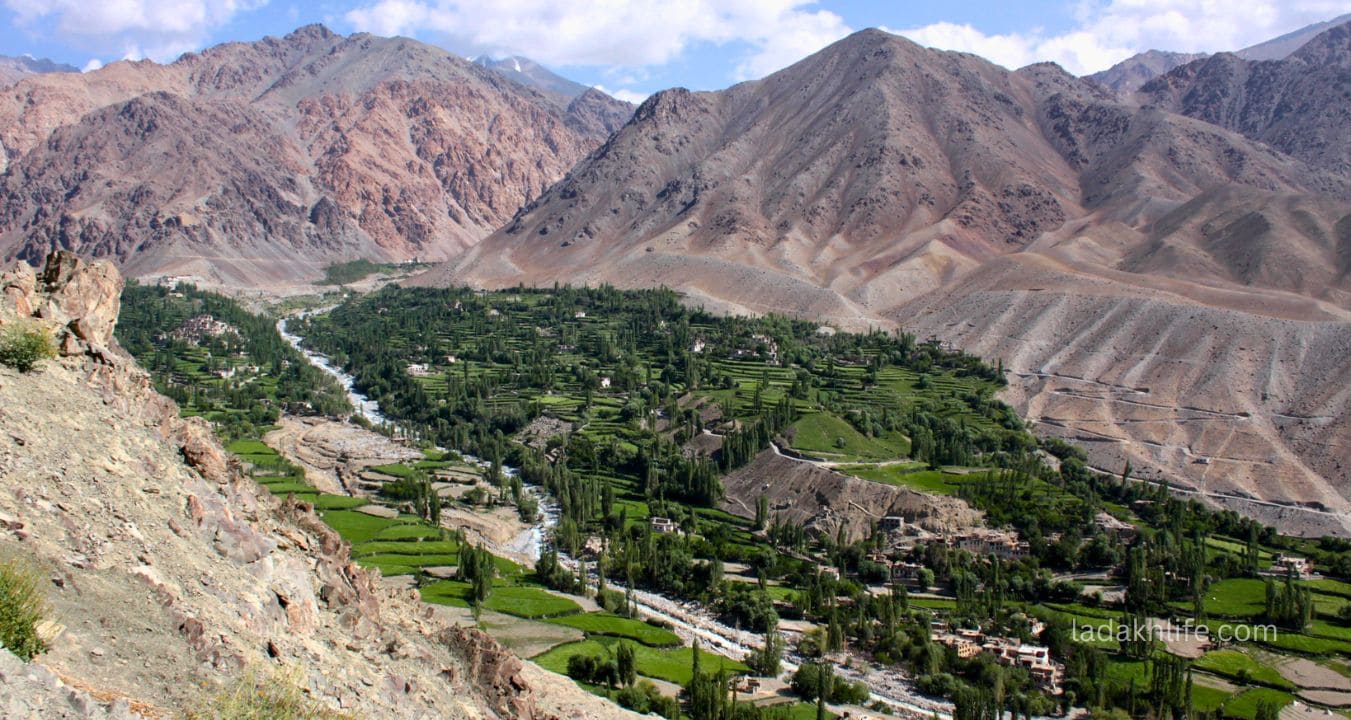
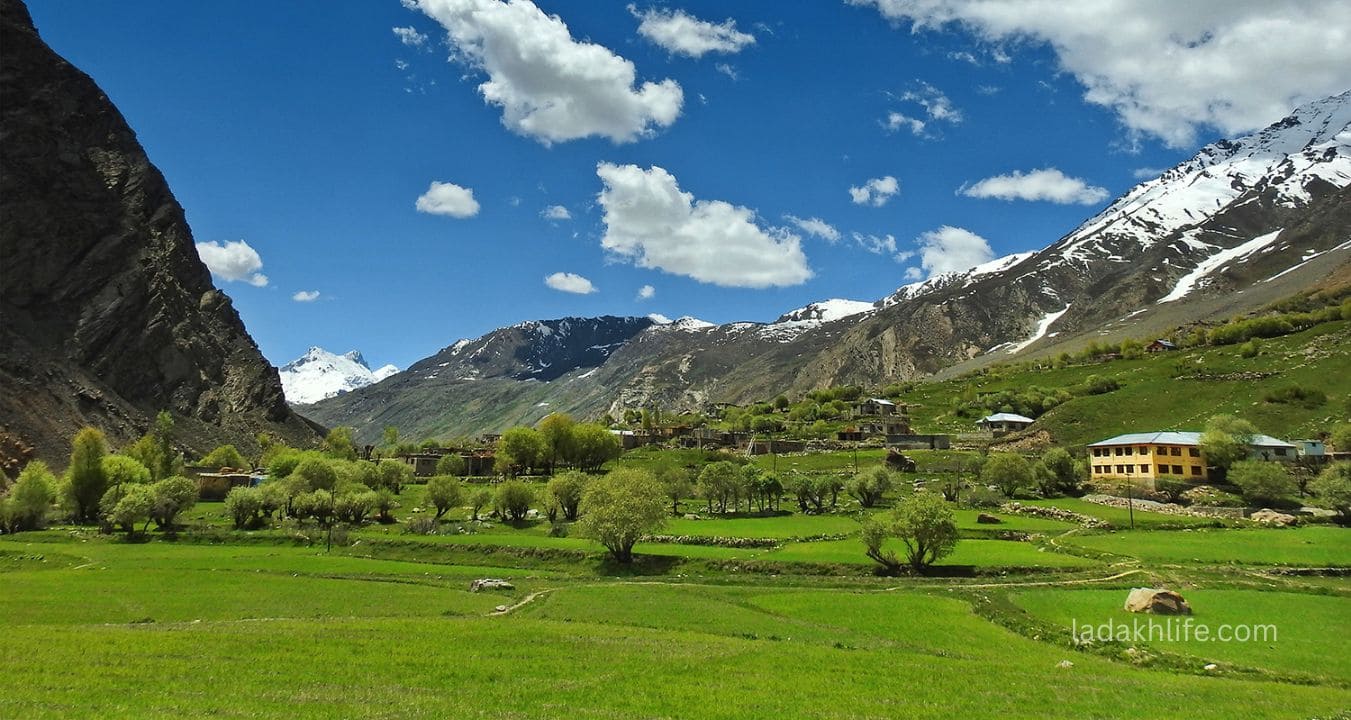
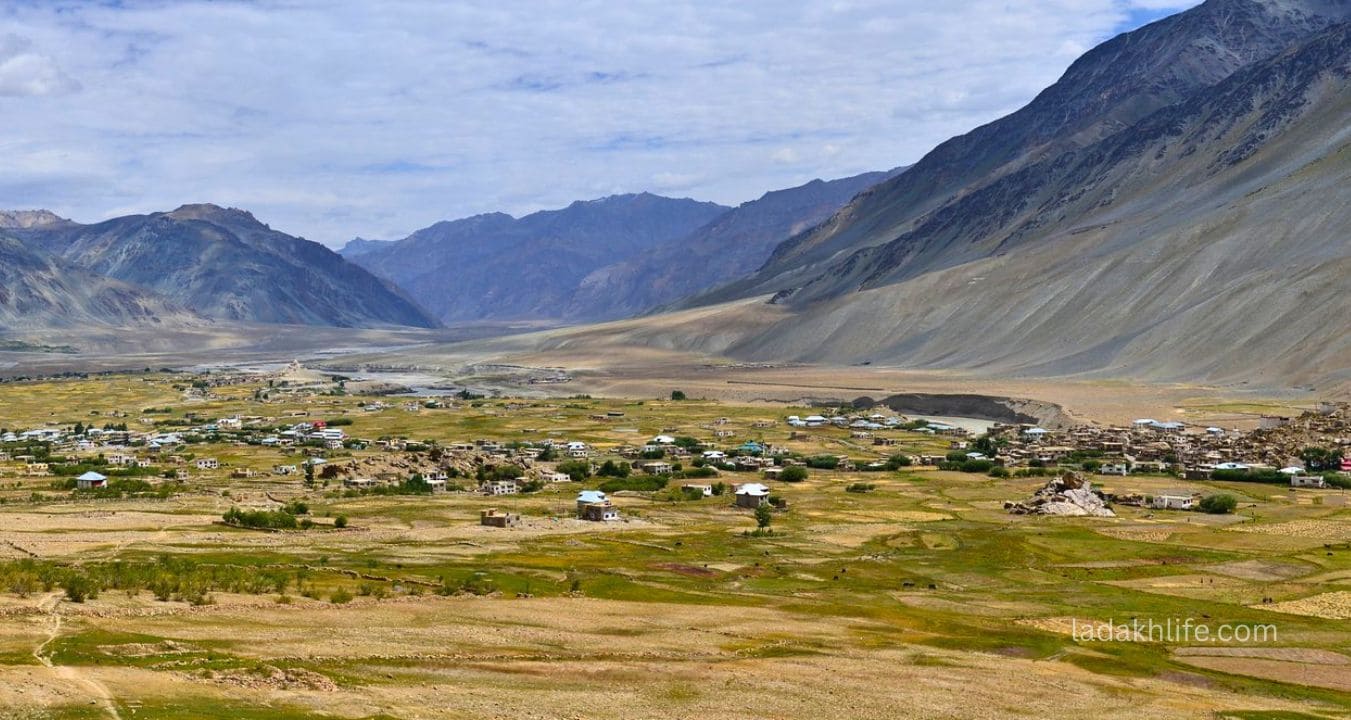
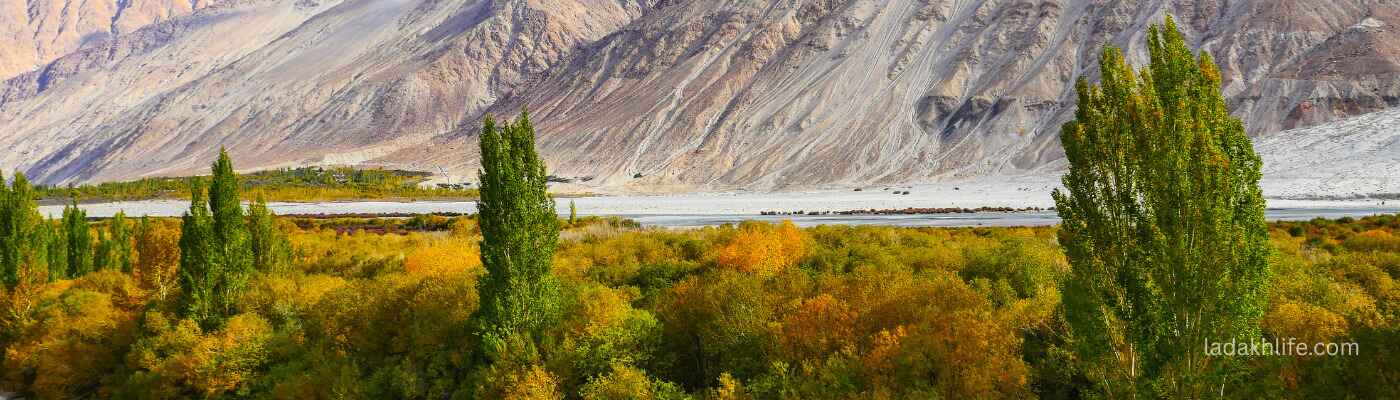
The village itself is tiny, maybe 30-40 houses, a few hundred people. The residents are Ladakhi Buddhists, and life here revolves around farming (barley, wheat, potatoes) and the monastery. The setting is peaceful, green fields, poplar trees, irrigation channels, and the wide grey-green Indus River flowing nearby.
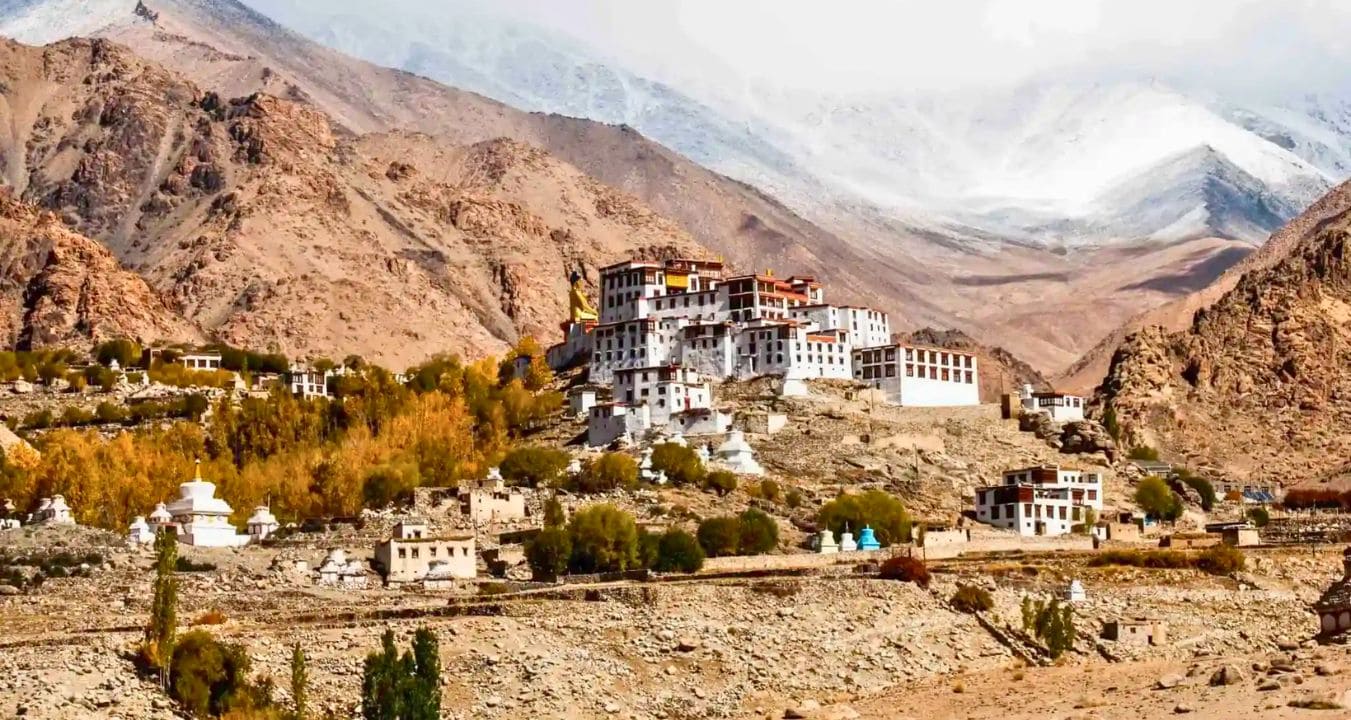
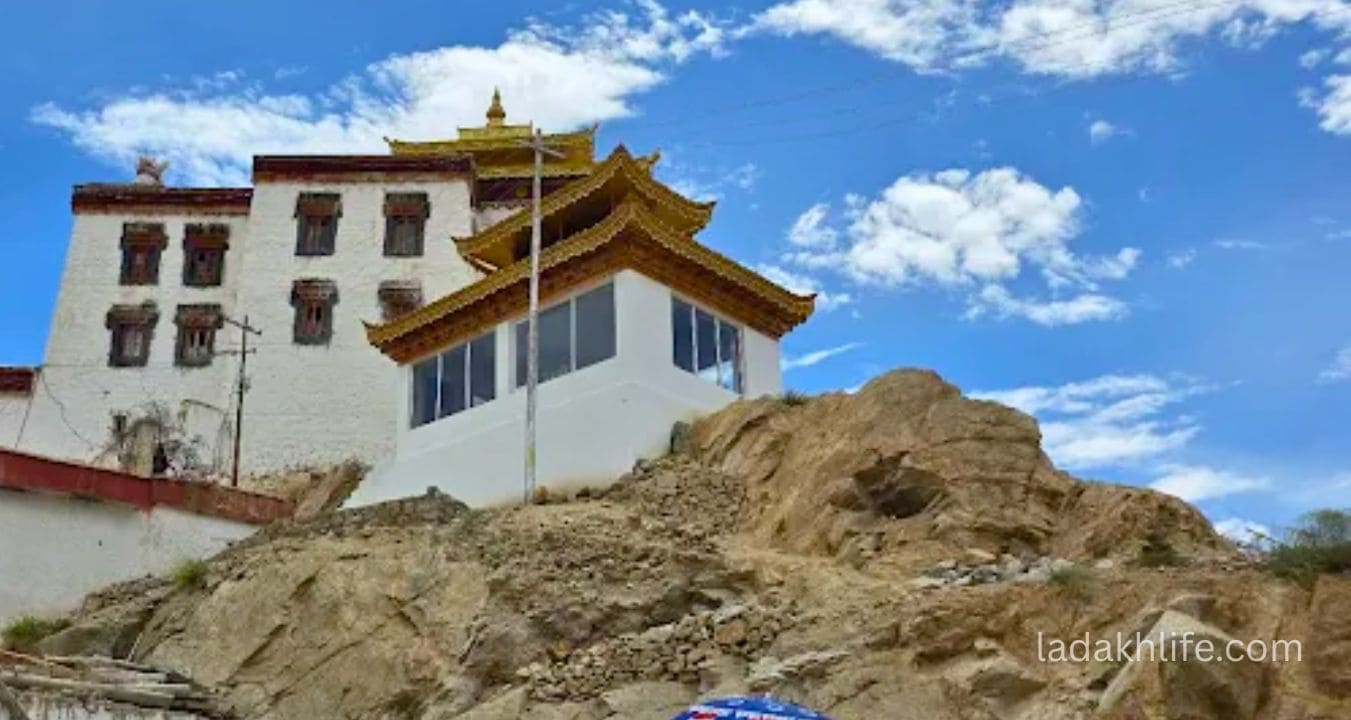
But the real reason to visit Alchi is the Alchi Monastery (also called Alchi Choskhor). The monastery complex was founded in the late 10th or early 11th century by the great Buddhist translator Rinchen Zangpo (958-1055 CE), who is credited with building many of the earliest monasteries in Ladakh. Unlike other monasteries in the region, which are typically built on hilltops for defensive purposes, Alchi was built on flat ground, close to the river and the trade route.
What makes Alchi truly unique is its artistic style. The murals and wood carvings at Alchi show strong influences from Kashmiri, Central Asian, and Tibetan traditions, a fusion that you won't see anywhere else in the Himalayas. The colors are vibrant, deep reds, bright blues, rich golds. The details are exquisite. And remarkably, after 1,000 years, the art is still in excellent condition.
Why Alchi is Different from Every Other Monastery in Ladakh
Alchi is not a typical Ladakhi monastery. Here's what makes it special:
- Not a hilltop gompa. Unlike Hemis, Thiksey, or Diskit, Alchi sits on flat ground, surrounded by green fields and poplar trees. It feels more like an ancient university than a fortress.
- Kashmiri-style murals. The paintings at Alchi show strong Kashmiri and Central Asian influences, not the Tibetan style you see elsewhere. They're unique in the Himalayas.
- Intricate wood carvings. The wooden doors, pillars, and ceilings are carved with exquisite detail, gods, goddesses, flowers, and geometric patterns. You won't see woodwork like this in other monasteries.
- 1,000 years old. Alchi has survived for a millennium, through invasions, earthquakes, and weather. The art is remarkably well-preserved.
- Peaceful setting. Alchi is not crowded like Hemis or Thiksey. The complex is quiet, surrounded by fields and trees. You can take your time, absorb the art, and enjoy the peace.
- No resident monks (mostly). Unlike other monasteries, Alchi does not have a large community of resident monks. It's primarily a historic monument and pilgrimage site. This makes it feel more like a museum, but a living, sacred one.
The Alchi Experience (The Honest Version)
Let me walk you through what actually happens when you visit Alchi. No filters. No fancy language.
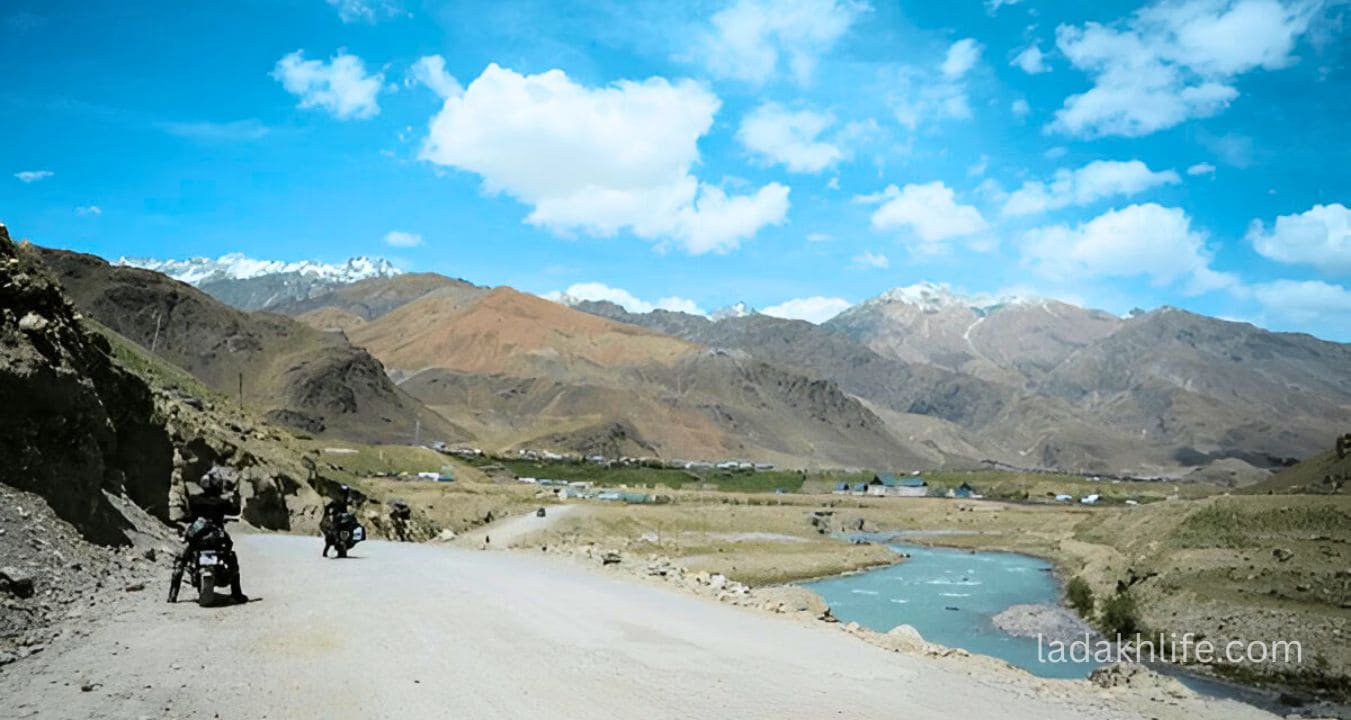
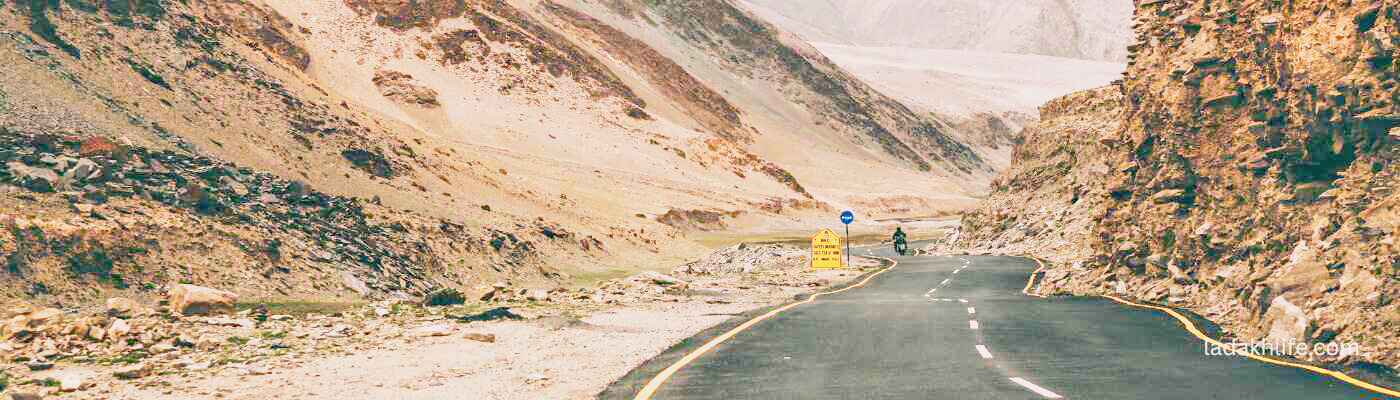
- The drive from Leh: You're on the Srinagar-Leh highway, driving west. The road follows the Indus River, green fields, poplar trees, barley waving in the wind. The drive is beautiful, one of the best in Ladakh. It takes about 1.5 hours.
- Arriving in Alchi: You turn off the highway, cross a small bridge, and drive through the village. The monastery complex is walled, with a small entrance. You buy your ticket (₹50-100) and walk inside.
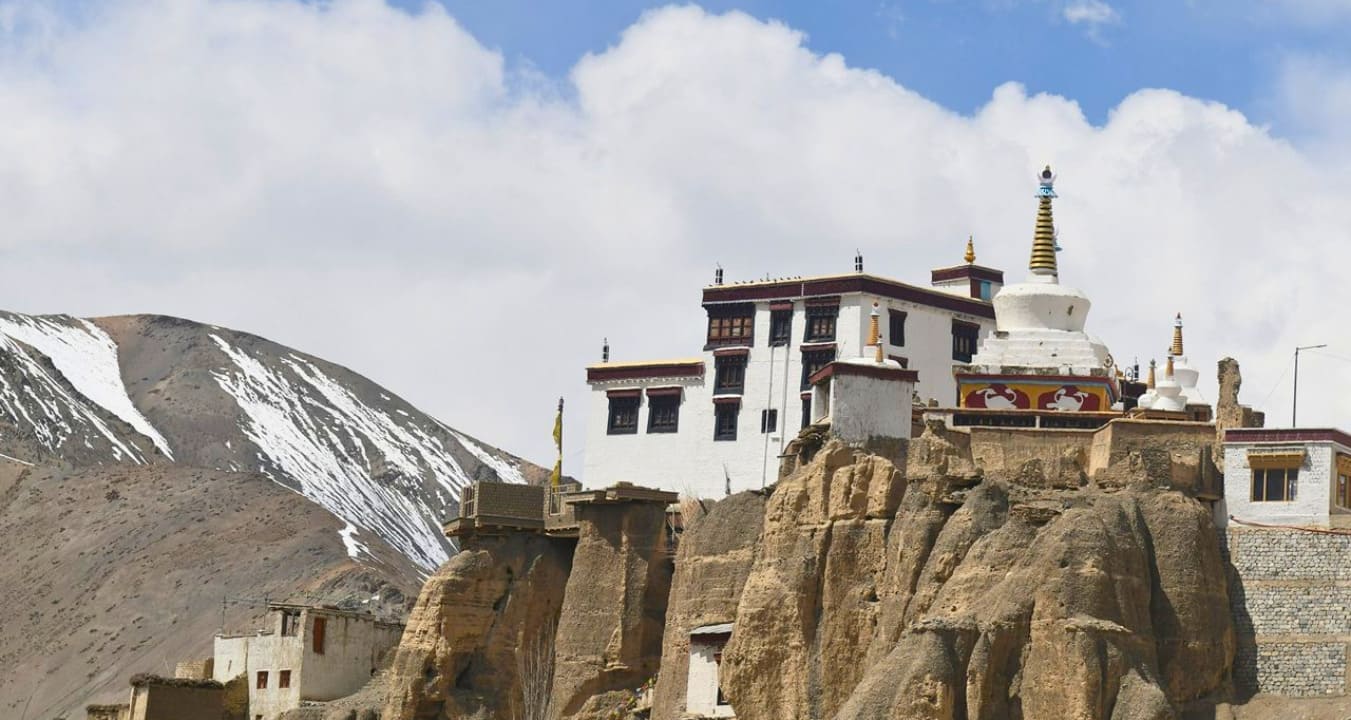
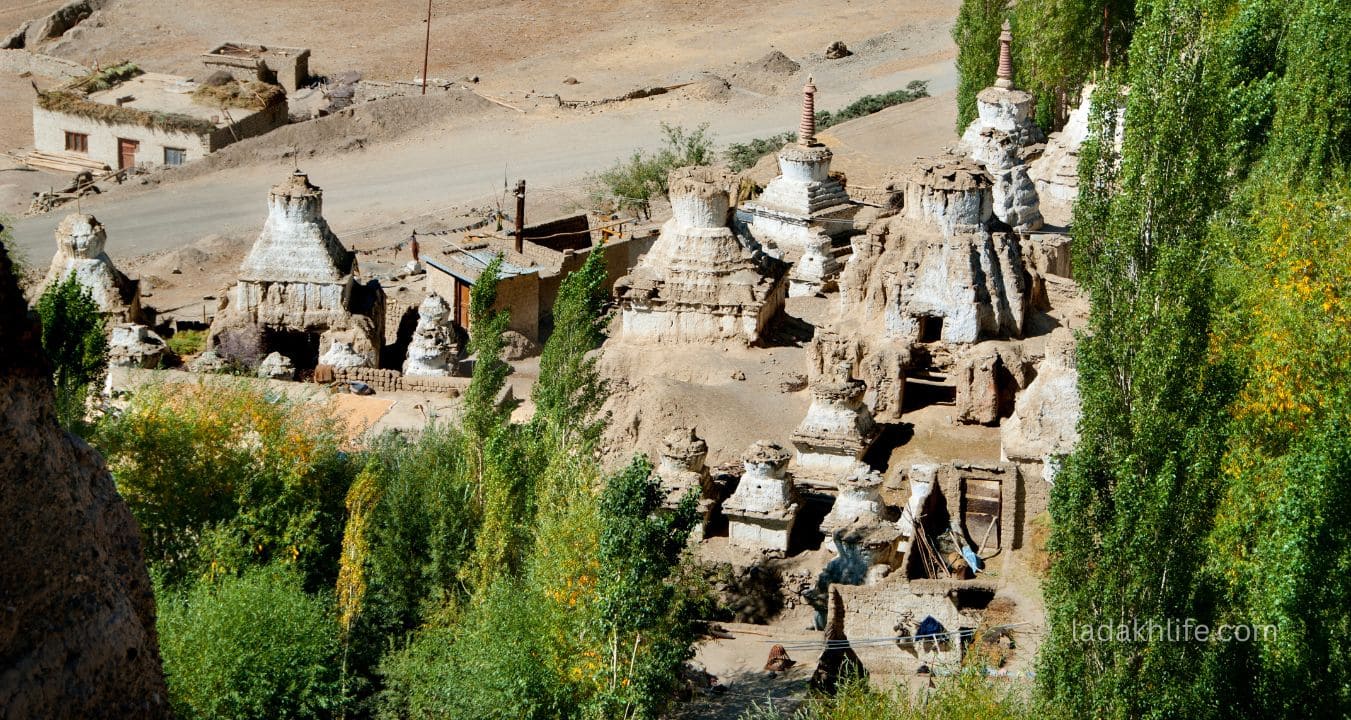
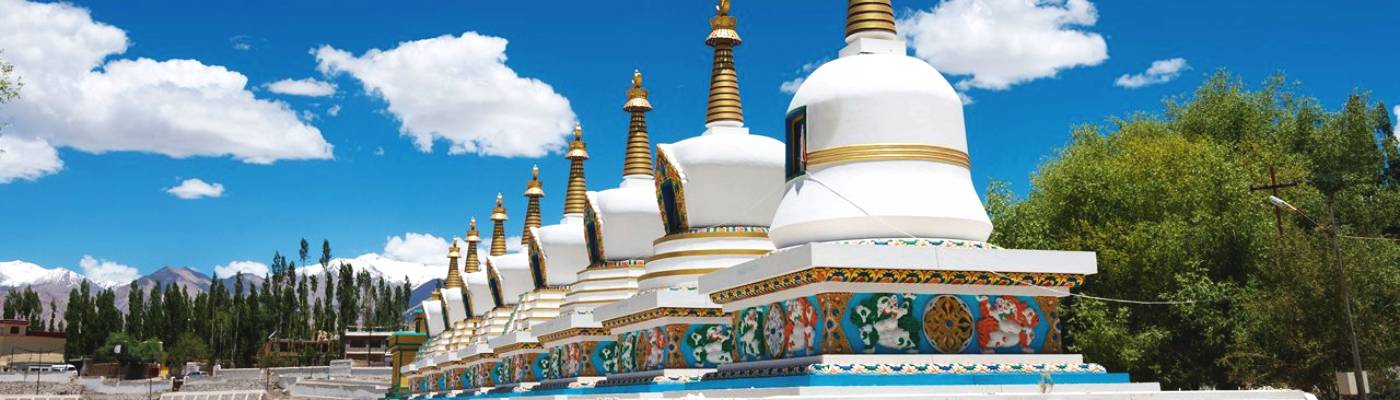
- The first glimpse: You see the ancient temples, stone and wood, with flat roofs and white walls. The main temple, the Sumtsek (three-tiered temple), rises above the others. Prayer flags flutter in the wind.
- The Sumtsek, the three-tiered temple: This is the heart of Alchi. You remove your shoes and step inside. The air is cool, dark, filled with the smell of old wood and butter lamps. And then you see the murals, huge, vibrant, covering every wall. The colors are astonishing, deep reds, bright blues, gold. The central statues are massive. You walk slowly, craning your neck, trying to take it all in. There's too much to see in one visit.
- The other temples: The complex includes several other temples, the Dukhang (assembly hall), the Manjushri temple, and the Lotsawa temple. Each has its own treasures, more murals, more statues, more wood carvings.
- The wood carvings: Don't miss the wooden doors and pillars. They're carved with incredible detail, gods, goddesses, flowers, animals, geometric patterns. The craftsmanship is extraordinary.
- The courtyard: After exploring the temples, sit in the courtyard. The sun is warm. The prayer flags flutter. A few other visitors wander past, but it's quiet. You feel peaceful, contemplative.
That's Alchi. Not dramatic like a hilltop fortress. Not bustling like a crowded temple. But peaceful, beautiful, and filled with art that will stay with you long after you leave.
The Crown Jewels of Alchi (Don't Miss These)
1. The Sumtsek, The Three-Tiered Temple
The Sumtsek is the main temple at Alchi and the highlight of the complex. The name means "three-tiered", a reference to the temple's unique architecture. Inside, the main hall is dominated by three massive statues: Avalokiteshwara (Bodhisattva of Compassion) at the center, Maitreya (the Future Buddha) to the left, and Manjushri (Bodhisattva of Wisdom) to the right. The statues are over 10 feet tall and are masterpieces of Buddhist art. But the real treasure is the murals, covering every wall, floor to ceiling. They depict Buddhist deities, mandalas, and scenes from the life of the Buddha. The colors are still vibrant after 1,000 years. Take your time. Look closely. You'll notice details you missed the first time. Photography is not allowed inside, and that's fine, some things are meant to be seen with eyes, not lenses.
2. The Dukhang, Assembly Hall with 1,000 Buddhas
The Dukhang (assembly hall) is another stunning temple. The walls are covered with murals, but the most striking feature is the ceiling, painted with hundreds of small Buddhas, each slightly different. Look up and you'll see a universe of enlightened beings watching over you. The altar at the front holds statues of the Buddha and other deities. The atmosphere is peaceful and sacred.
3. The Wood Carvings, Exquisite Detail
The wood carvings at Alchi are unique in Ladakh. The doors, door frames, pillars, and ceilings are carved with incredible detail, gods, goddesses, flowers, animals, and geometric patterns. The craftsmanship is extraordinary. Look at the main entrance to the Sumtsek, the door is a masterpiece of wood carving. The pillars inside the temples are also carved with intricate designs. Don't rush past them. They're as important as the murals.
4. The Kashmiri-Style Murals, A Fusion of Traditions
The murals at Alchi are unlike any others in Ladakh. Most monasteries in Ladakh follow Tibetan artistic traditions, dark colors, fierce deities, complex mandalas. Alchi's murals show strong Kashmiri and Central Asian influences, lighter colors, more naturalistic figures, elegant compositions. The artists were likely from Kashmir, not Tibet. The result is a unique fusion of styles that you won't see anywhere else in the Himalayas. The colors are still bright, deep reds, ultramarine blues, rich golds. The details are exquisite, jewelry, clothing, facial expressions. Spend time in each temple. Look at the murals closely. They're world-class art, hidden in a small village in Ladakh.
5. The Lotsawa Temple, Homage to the Translator
The Lotsawa Temple is dedicated to Rinchen Zangpo, the great translator who founded Alchi. The temple is small but contains beautiful murals and a statue of Rinchen Zangpo himself. "Lotsawa" means translator in Tibetan, a reminder of the importance of translation in spreading Buddhism from India to Tibet. This temple feels intimate and personal.
6. The Manjushri Temple, Wisdom Bodhisattva
The Manjushri Temple is dedicated to the Bodhisattva of Wisdom, Manjushri. The temple contains a beautiful statue of Manjushri and murals depicting his many forms. The atmosphere is peaceful and contemplative, a good place to sit and absorb the art.
7. The Indus River, A Moment of Serenity
After visiting the monastery, walk down to the Indus River. The river flows right past the village, wide and grey-green. Find a flat rock near the water's edge. Sit down. Listen to the water. Watch it flow toward Pakistan. The view of the river, the green fields, and the mountains is beautiful. It's a good place to sit and reflect on what you've seen.
8. The Green Fields of Alchi, Sham Valley Beauty
Alchi is surrounded by green fields, barley, wheat, potatoes, irrigated by channels from the Indus. In summer, the fields are brilliant green, a stark contrast to the brown mountains. Walk through the fields. Watch the farmers work. The poplar trees line the roads, their leaves shimmering in the wind. It's peaceful. It's beautiful. It's the Sham Valley at its best.
Best Time to Visit Alchi
Alchi is in Sham Valley, which has a longer season than most of Ladakh.
June to September is the main season. July and August are the warmest months, daytime temperatures 20-25°C, nights cool (5-10°C). The fields are green, the river is full, and the weather is perfect for visiting the monastery. August is peak tourist season, Alchi gets busy but not crazy. The monastery can handle the crowds.
May and October: Shoulder months. May is cooler (15-20°C) and less crowded. October is beautiful, clear skies, crisp air, autumn colors, but nights are cold (near freezing). The monastery is open.
November to April: It's cold, winter temperatures drop well below freezing. The road may be open (Sham Valley stays open longer than Nubra), but the monastery may have limited hours. Only visit if you're prepared for cold.
Pro tip: September is the best month. The weather is perfect, the crowds are gone, the skies are clear, and the light is beautiful. Visit in the morning for the best light on the monastery (the temples are dark inside, so the time of day doesn't matter much for the art, but the village is beautiful in the morning light).
Where to Stay Near Alchi
Alchi is easily visited as a day trip from Leh. But if you want to stay overnight in the area, here are options:
Guesthouses in Alchi (₹1,000-2,000 per night): Several guesthouses in the village offer basic but clean rooms. Alchi Guesthouse and Rinchenling Guesthouse are popular options. Most have attached bathrooms (some with hot water) and serve simple meals.
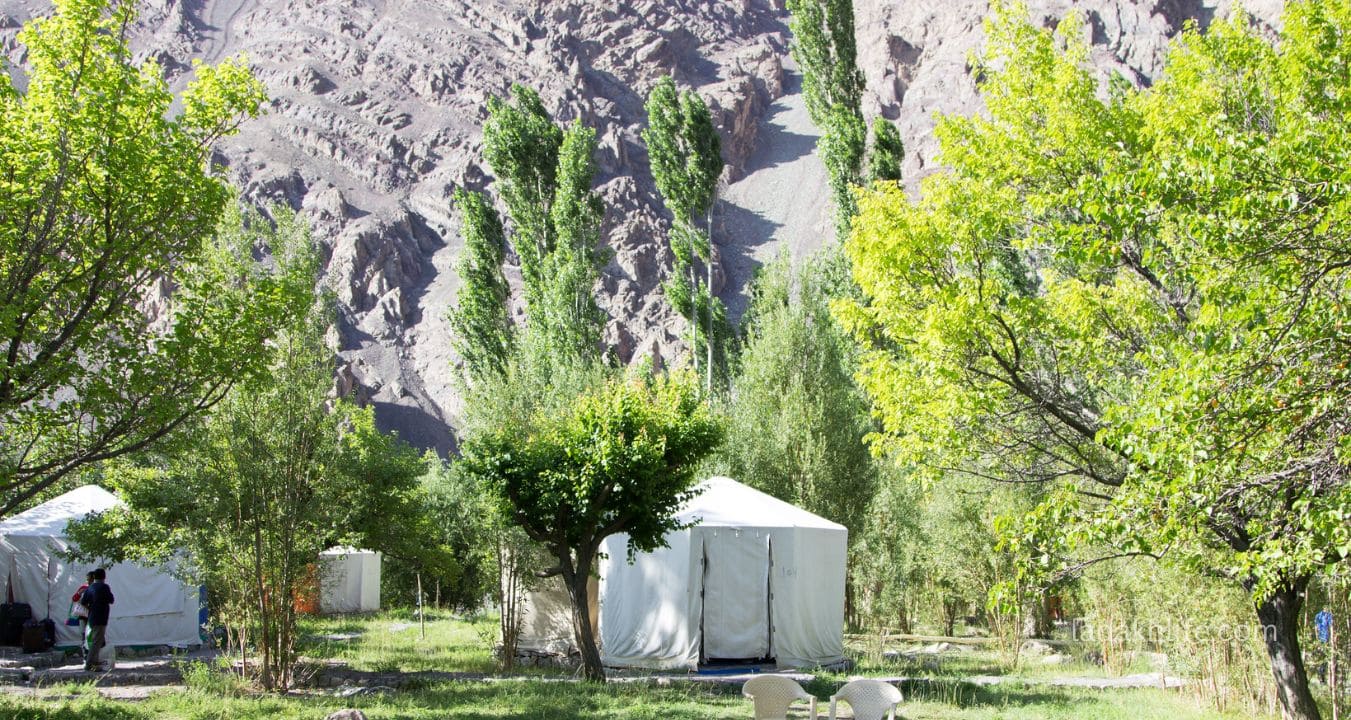
In Uleytokpo (20 km west): Riverside camps and guesthouses. Uleytokpo Camp and Indus River Camp offer comfortable tents right on the riverbank. A peaceful alternative to staying in Alchi.
In Leh (70 km east): Every budget, but staying in Leh means a long drive (1.5 hours each way). If you're day-tripping, it's fine, but staying overnight in Alchi or Uleytokpo is a more relaxed experience.
Book ahead in peak season (July-August). Alchi gets busy with day-trippers, but guesthouses are less crowded. Book through a travel agent in Leh or call directly.
How to Get to Alchi
Alchi is on the Srinagar-Leh highway, easy to reach from Leh or Kargil.
Route: Leh → Basgo → Saspol → Alchi (70 km west) → Uleytokpo (20 km further west) → Lamayuru (40 km further west).
From Leh (about 70 km, 1.5 hours): Drive west on the Srinagar-Leh highway. The road is paved and in good condition. Follow the Indus River. You'll pass through Basgo and Saspol before reaching Alchi. The drive is beautiful, green fields, poplar trees, the Indus River.
From Kargil (about 120 km, 2.5 hours): Drive east on the highway. You'll cross Fotu La and pass through Lamayuru and Uleytokpo before reaching Alchi.
By bike: Easy and beautiful. The ride from Leh to Alchi is one of the best in Ladakh, green fields, poplar trees, the Indus River, and distant snow peaks.
By car (any car is fine): The road is paved and well-maintained. No 4x4 needed.
By taxi: Hire a taxi from Leh for a full-day trip to Alchi (and optionally Basgo and Uleytokpo). Expect to pay ₹3,000-5,000 for a full day.
By bus: Buses from Leh to Kargil will pass Alchi. Ask the driver to drop you. This is a cheap option, but buses are slow and crowded. The bus will drop you on the highway, not at the monastery, you'll need to walk or take a short taxi from the highway to the village.
What to Pack for Alchi
Alchi is at similar altitude to Leh, so prepare for sun and cool temperatures:
- Daytime: T-shirts, light pants, a hat for sun protection, sunglasses. It can be warm in summer (20-25°C).
- Monastery visit: Cover your shoulders and knees. Remove your shoes before entering the temples. The temple floors are stone and can be cold, thick socks are nice.
- Shoes: Comfortable walking shoes for exploring the monastery complex and the village. You'll also need to remove your shoes inside the temples, slip-on shoes are convenient.
- Sun protection: Sunscreen (SPF 30+), lip balm, sunglasses. The sun is strong at 10,500 feet.
- Water & snacks: There are small shops near the monastery, but carry water and maybe a snack.
- Camera: You'll want it. The monastery exterior, the village, the river, the fields, Alchi is photogenic. But remember: photography is NOT allowed inside the temples (no photos of the murals or statues). Respect this rule, it's strictly enforced.
- Small donations: Offer a small donation (₹20-50) at each temple. It helps with maintenance and is a respectful gesture.
- Torch/flashlight (optional): The temples are dimly lit. A small flashlight can help you see the murals and wood carvings better. No flash photography, but a flashlight is fine.
Essential Tips for Visiting Alchi
- No permits needed. Alchi is not near the border, so no Inner Line Permit is required. Indian and foreign nationals can visit freely.
- Dress modestly. You're visiting a sacred site. Cover your shoulders and knees. Remove your shoes before entering any temple.
- No photography inside the temples. This is strictly enforced, and for good reason, camera flashes damage the ancient murals. Leave your camera in your bag inside the temples. You can take photos of the exterior, the village, the river, and the fields.
- Do not touch the murals or wood carvings. They are 1,000 years old and fragile. Look with your eyes, not your hands.
- Take your time. Don't rush through Alchi. The art deserves your full attention. Plan to spend at least 1.5-2 hours in the monastery complex. You could easily spend longer.
- Visit the Sumtsek first. It's the highlight. Start there, then explore the other temples.
- Bring a flashlight (optional but helpful). The temples are dimly lit. A small flashlight can help you see the murals and carvings better. No flash photography, but a flashlight is fine.
- Don't litter. Carry your waste back to Leh. Keep Alchi beautiful.
- Combine with Basgo and Uleytokpo. Alchi is perfectly located for a full Sham Valley tour. Visit Basgo (crumbling fortress) in the morning, Alchi (ancient monastery) for lunch and afternoon, and Uleytokpo (riverside camps) for sunset. It's a perfect day trip from Leh.
Alchi vs Other Monasteries in Ladakh
- Alchi vs Hemis: Hemis is the largest monastery in Ladakh, famous for its annual festival. Alchi is smaller, quieter, and famous for its art. Hemis is on a hilltop; Alchi is on flat ground. Visit both, they're very different and both are wonderful.
- Alchi vs Thiksey: Thiksey is spectacular, it looks like a mini-Potala Palace. It's also crowded. Alchi is quieter, more intimate, and has unique Kashmiri-style art. Thiksey for the architecture. Alchi for the art.
- Alchi vs Lamayuru: Lamayuru is famous for its dramatic Moonland landscape. Alchi is famous for its ancient murals. Lamayuru for the views. Alchi for the art. Visit both, they're only 40 km apart.
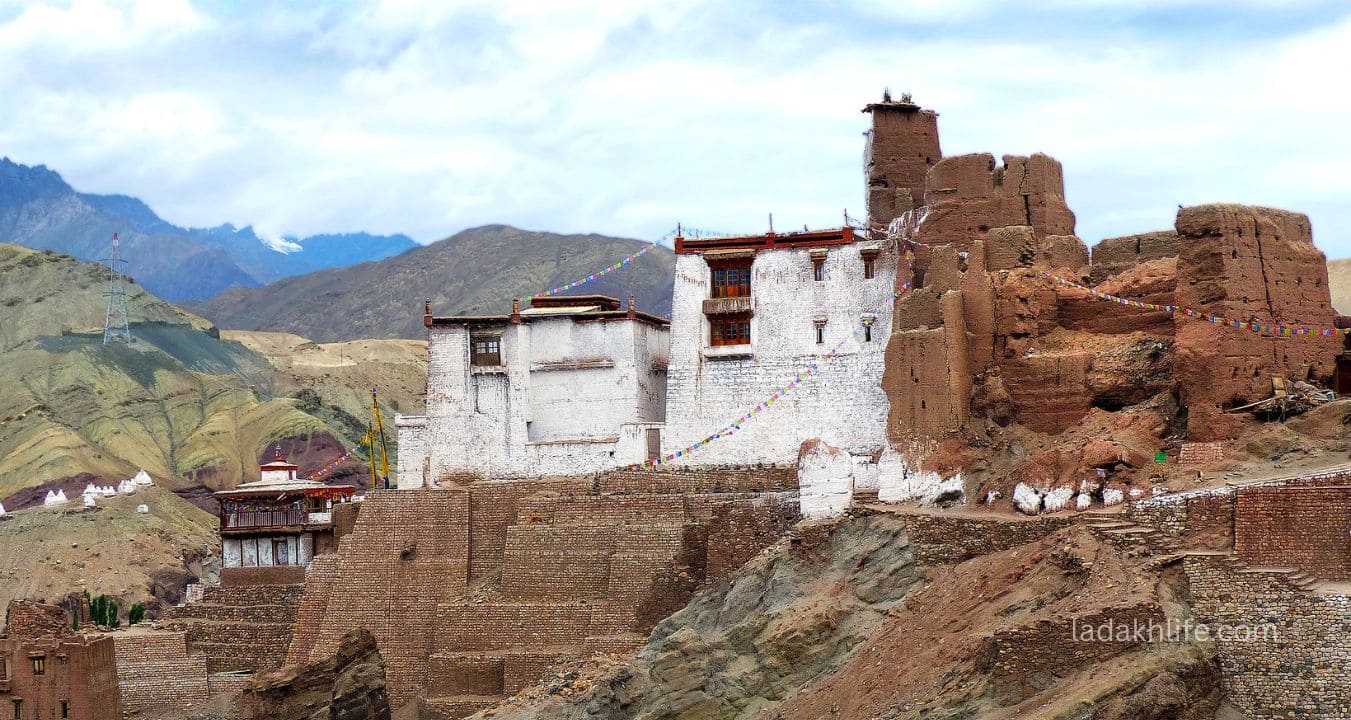
- Alchi vs Basgo: Basgo has a ruined fortress on a hill. Alchi has a living monastery on flat ground. Basgo for history and views. Alchi for art and peace. Visit both, they're only 25 km apart.
Why Alchi is the Most Unique Monastery in Ladakh
Let me be honest. Alchi is not the biggest monastery in Ladakh. It's not the oldest (though it's close). It doesn't have a giant Buddha statue or a famous festival. What it has is art, world-class, 1,000-year-old, uniquely beautiful art that you won't see anywhere else in the Himalayas.
The murals at Alchi are masterpieces. The colors are still bright after a millennium. The figures are elegant, naturalistic, unlike the fierce Tibetan-style deities you see elsewhere. The wood carvings are intricate, delicate, extraordinary. Standing in the Sumtsek, surrounded by these ancient treasures, you feel like you've stepped back in time. You feel the presence of the artists who painted these walls, who carved these doors, who created something beautiful for future generations.
Alchi is not just a monastery. It's an art gallery. A museum. A time capsule. And it's hidden in a peaceful village by the Indus River, away from the crowds, waiting for you to discover it.
So when you're planning your Ladakh trip, don't just visit the famous hilltop gompas. Drive to Alchi. Walk through the Sumtsek. Stare at the murals. Marvel at the wood carvings. Sit in the courtyard and listen to the wind. You'll leave with a deeper appreciation for the art, the history, and the culture of this incredible region.
Alchi is not a typical monastery. It's not on a hilltop. There's no giant Buddha. No crowds of monks chanting. What Alchi has is something rarer, 1,000-year-old art, preserved in vibrant color, hidden in a quiet village by the Indus. The murals are masterpieces. The wood carvings are exquisite. This is the ancient art gallery of the Himalayas. Come with time. Come with wonder. And leave with awe.