So, What Exactly is Zangla Village?
Zangla is a small village in the Zanskar Valley region of Ladakh, sitting at approximately 11,500 feet (3,500 meters). It's located about 30 kilometers northeast of Padum (the main town of Zanskar), in a side valley off the road that follows the Zanskar River.
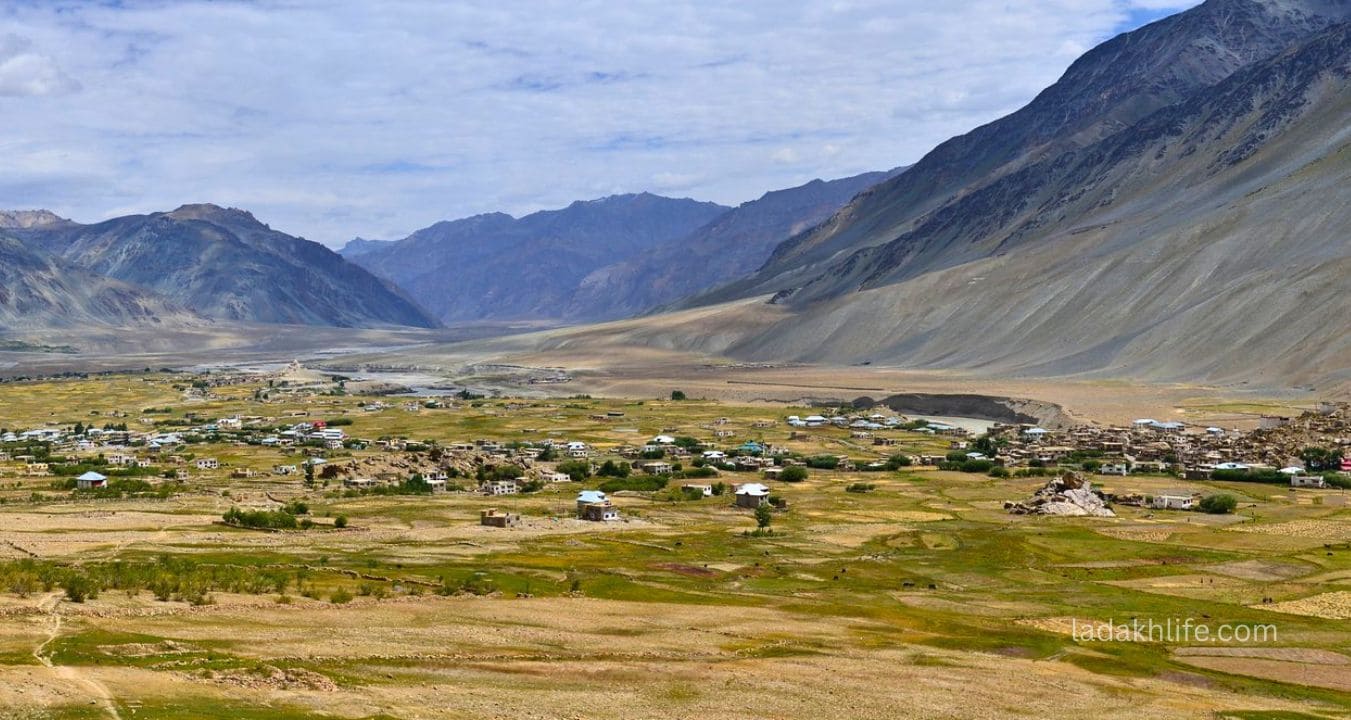
The village is tiny, maybe 30-40 houses, a few hundred people. The residents are predominantly Tibetan Buddhist, and life here revolves around farming (barley, wheat, potatoes), tending livestock, and the religious life of the nunnery and small temple.
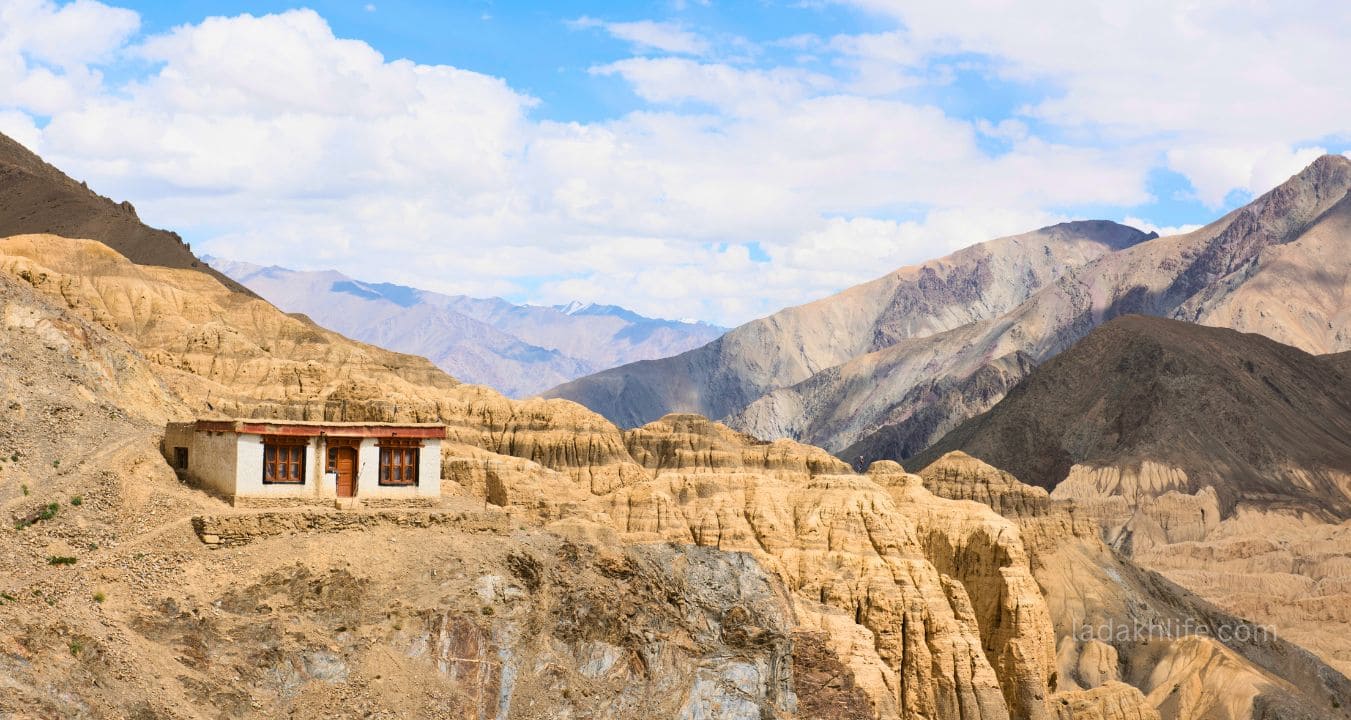
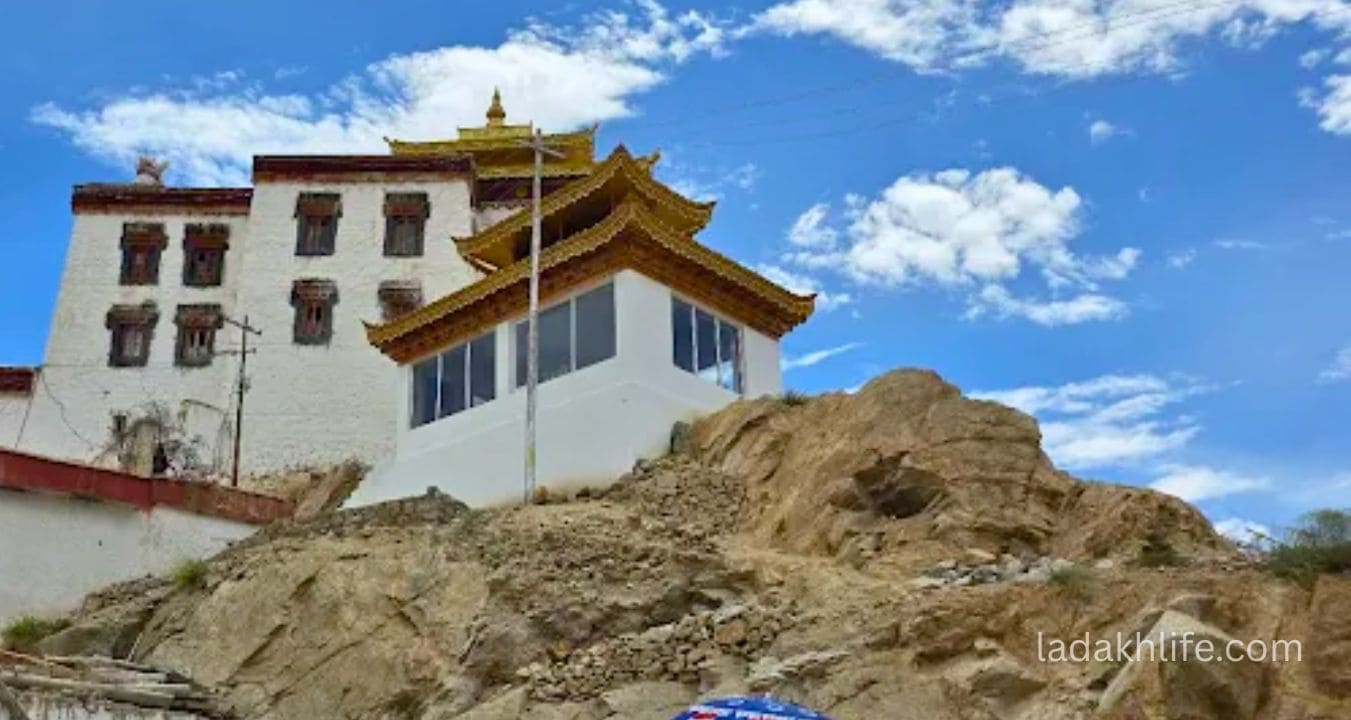
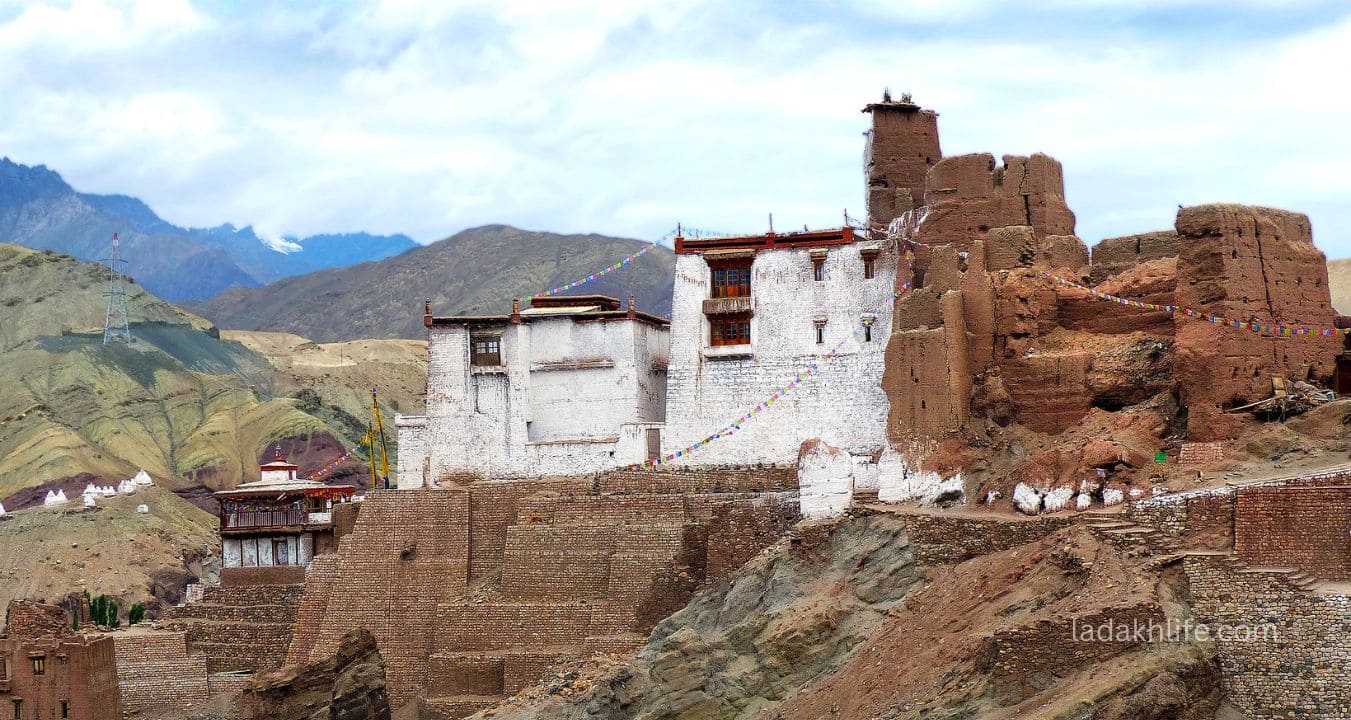
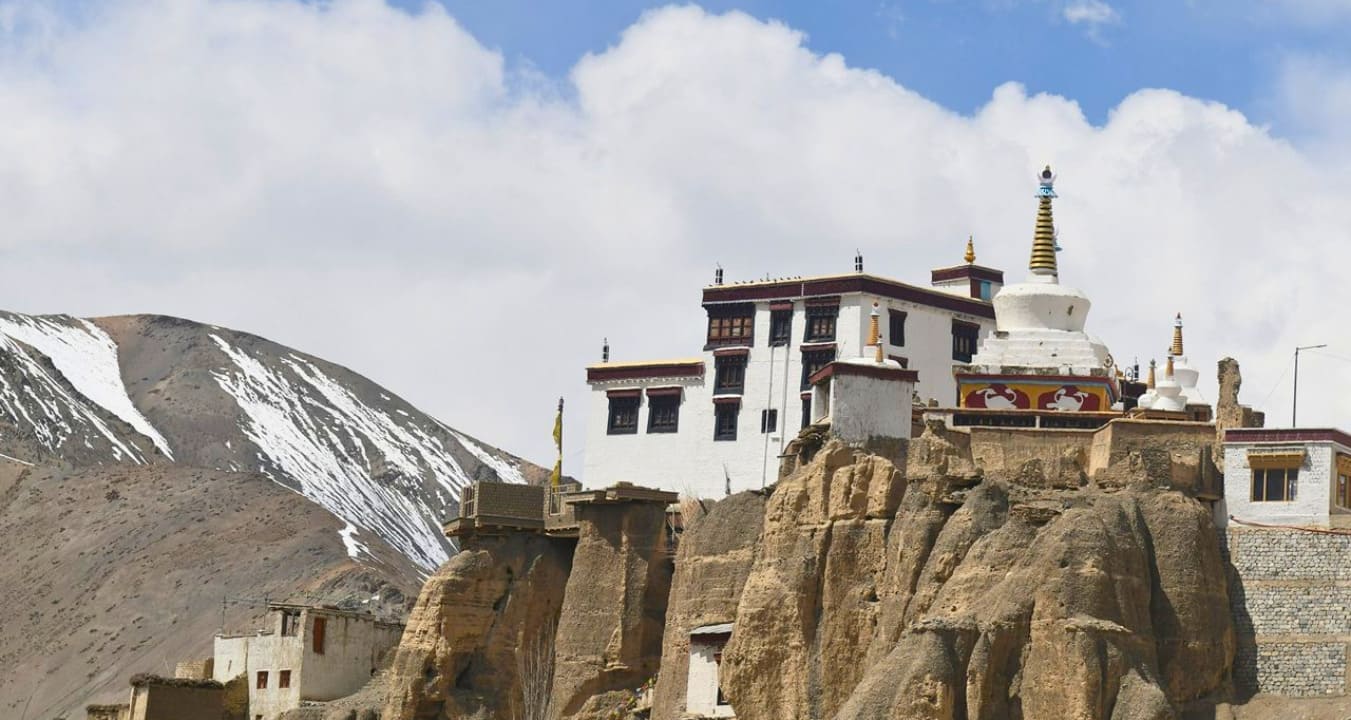
Zangla was once the capital of the Zanskar kingdom, ruled by a branch of the Namgyal dynasty. The kingdom was independent for centuries before being absorbed into the larger Ladakh kingdom. The Zangla Palace, a whitewashed structure on a hill, was the royal residence. Though now partly in ruins, it still stands as a reminder of Zanskar's royal past.
Today, Zangla is best known for its palace ruins, its nunnery (one of the few in Zanskar), and its peaceful, traditional atmosphere. This is not a tourist attraction, there are no entrance fees, no souvenir shops, no crowds. It's a living village, with real people going about their daily lives. And that's exactly what makes it special.
Why Zangla is Zanskar's Most Underrated Gem
Most visitors to Zanskar never make it to Zangla. Here's why you should:
- The Zangla Palace. A former royal palace, perched on a hill, with stunning views of the valley. It's not restored or touristified, just a beautiful old building, slowly crumbling, full of history.
- The Zangla Nunnery. One of the few nunneries in Zanskar. The nuns are welcoming and peaceful. Watching them pray is a moving experience.
- No crowds. Zangla sees only a handful of tourists. You'll likely have the palace and nunnery to yourself.
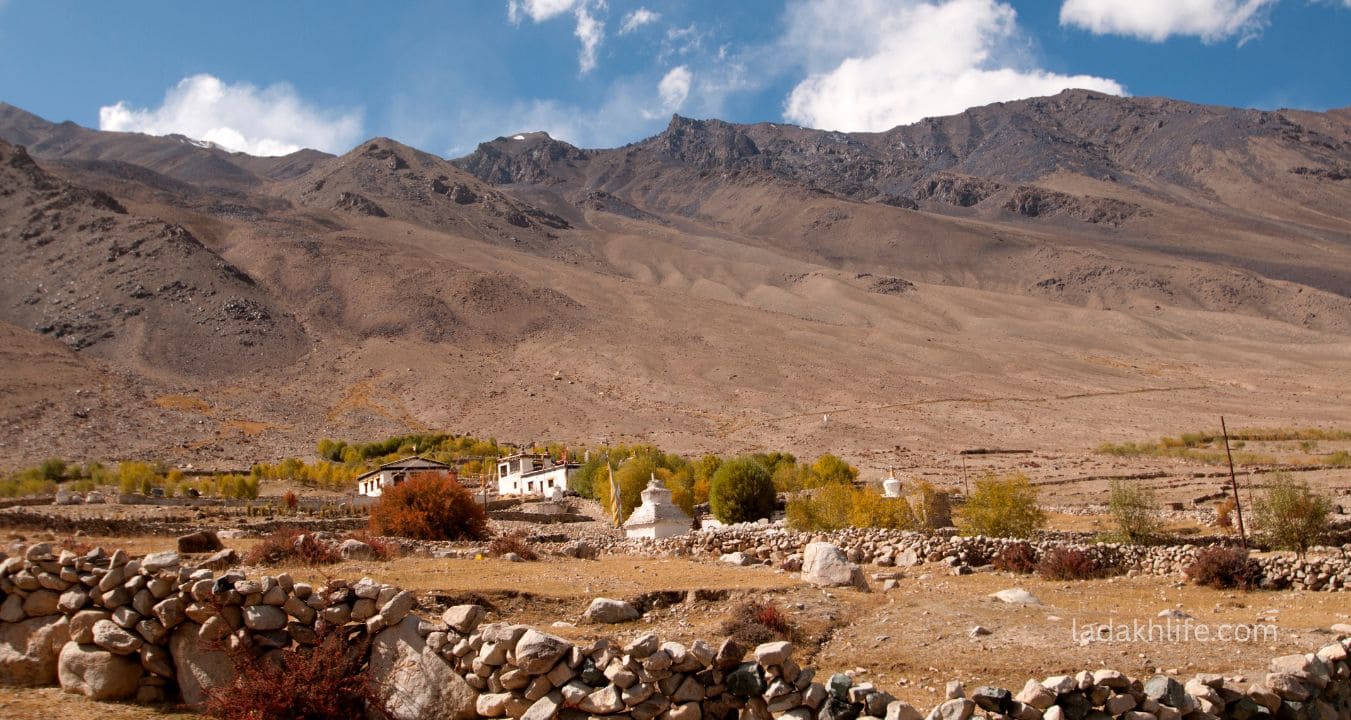
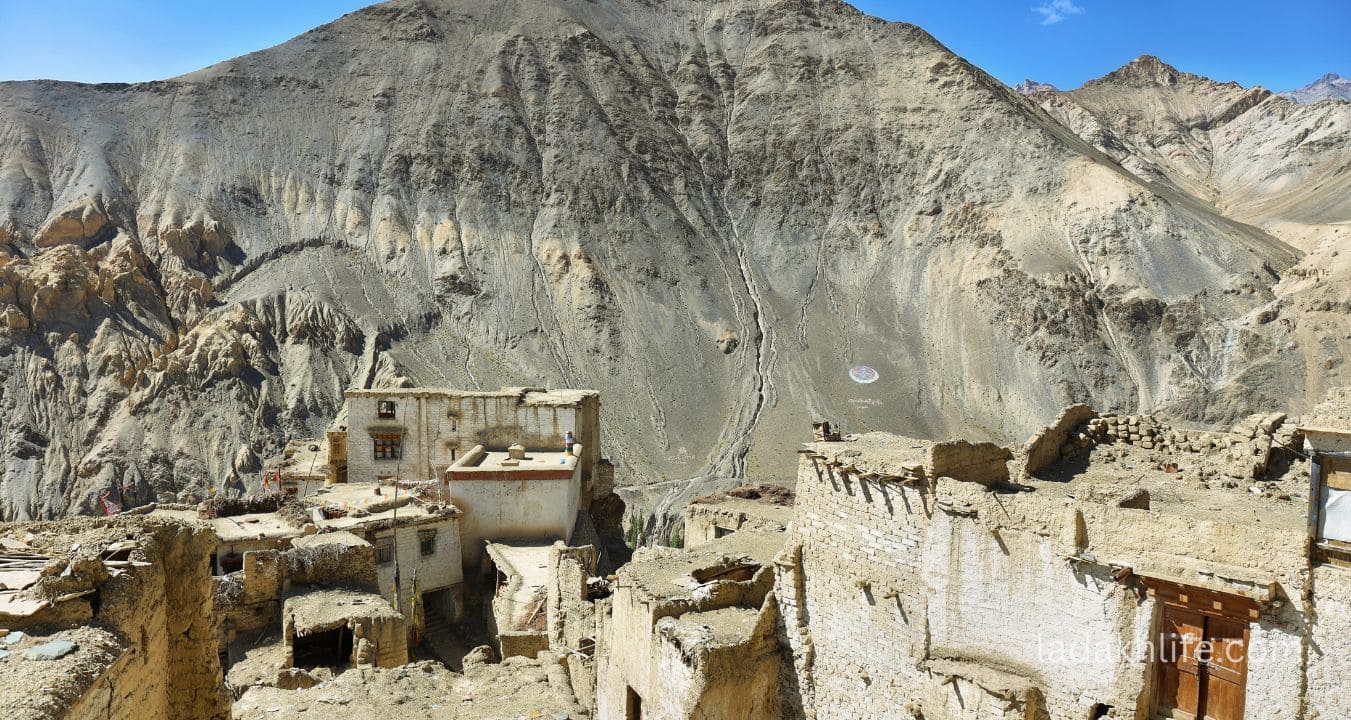
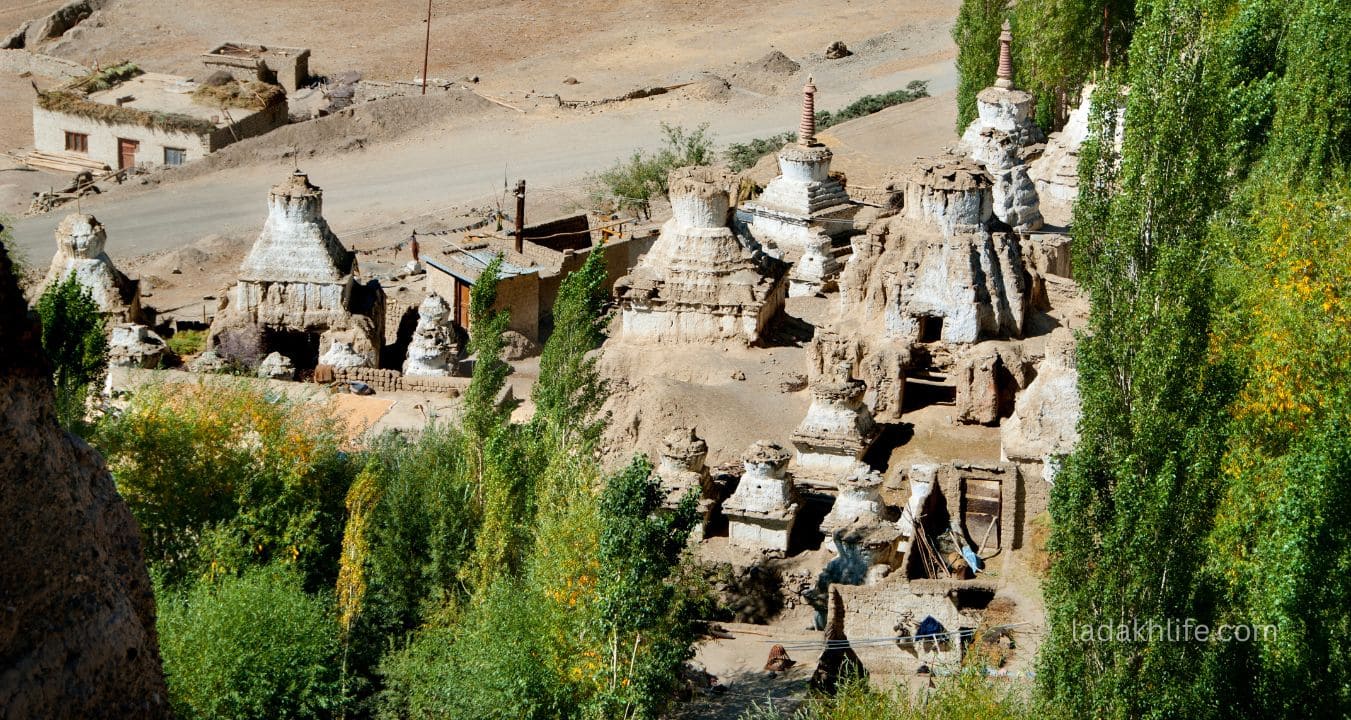
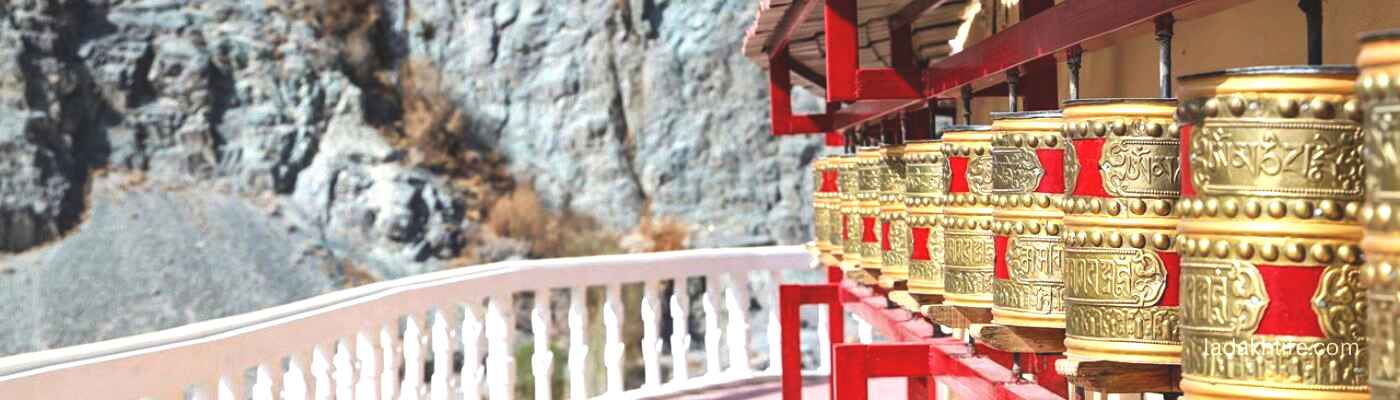
- Traditional village life. Narrow lanes, stone houses, prayer flags, old women spinning prayer wheels. This is the real Zanskar, untouched by mass tourism.
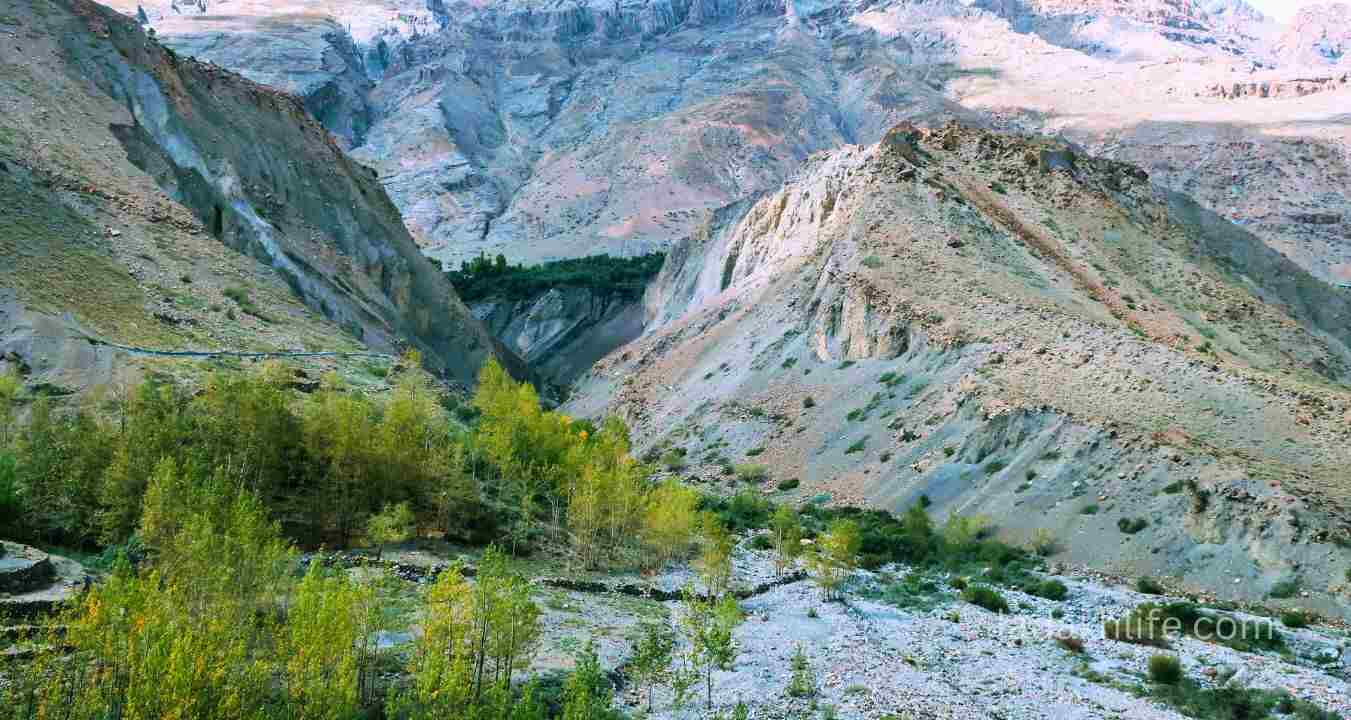
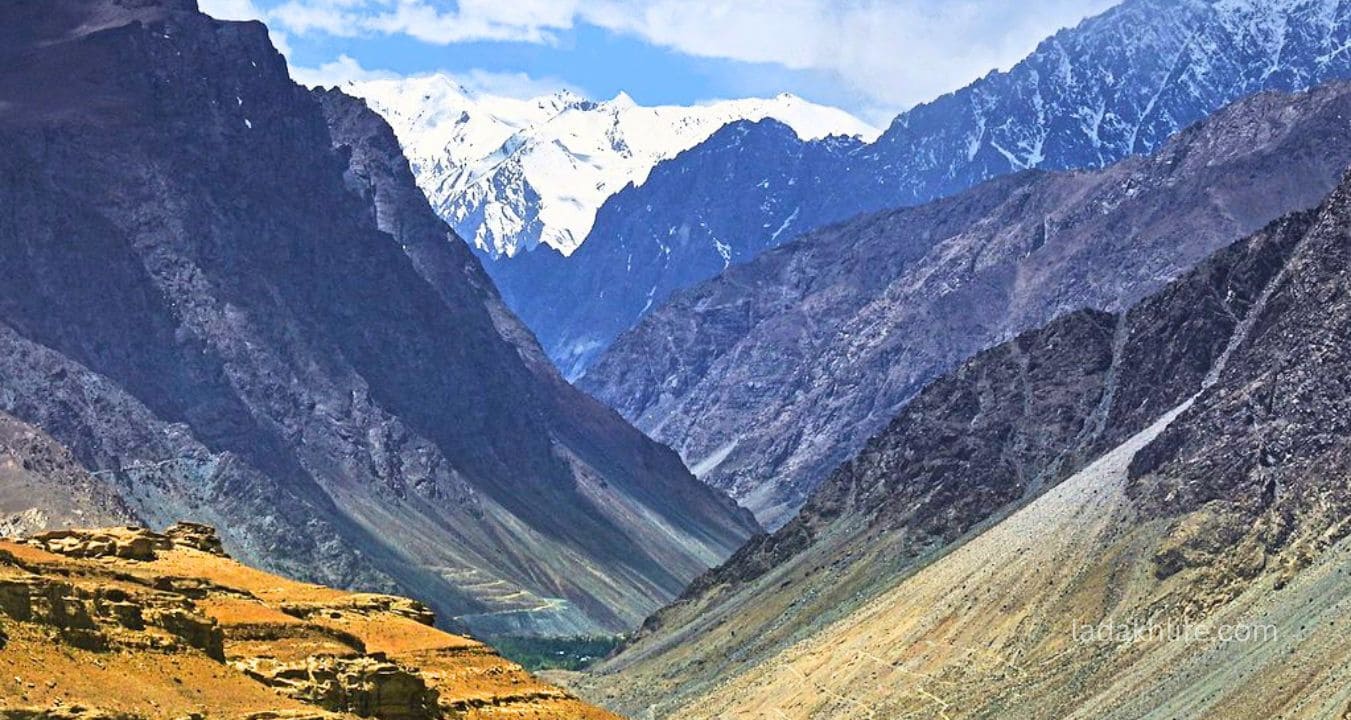
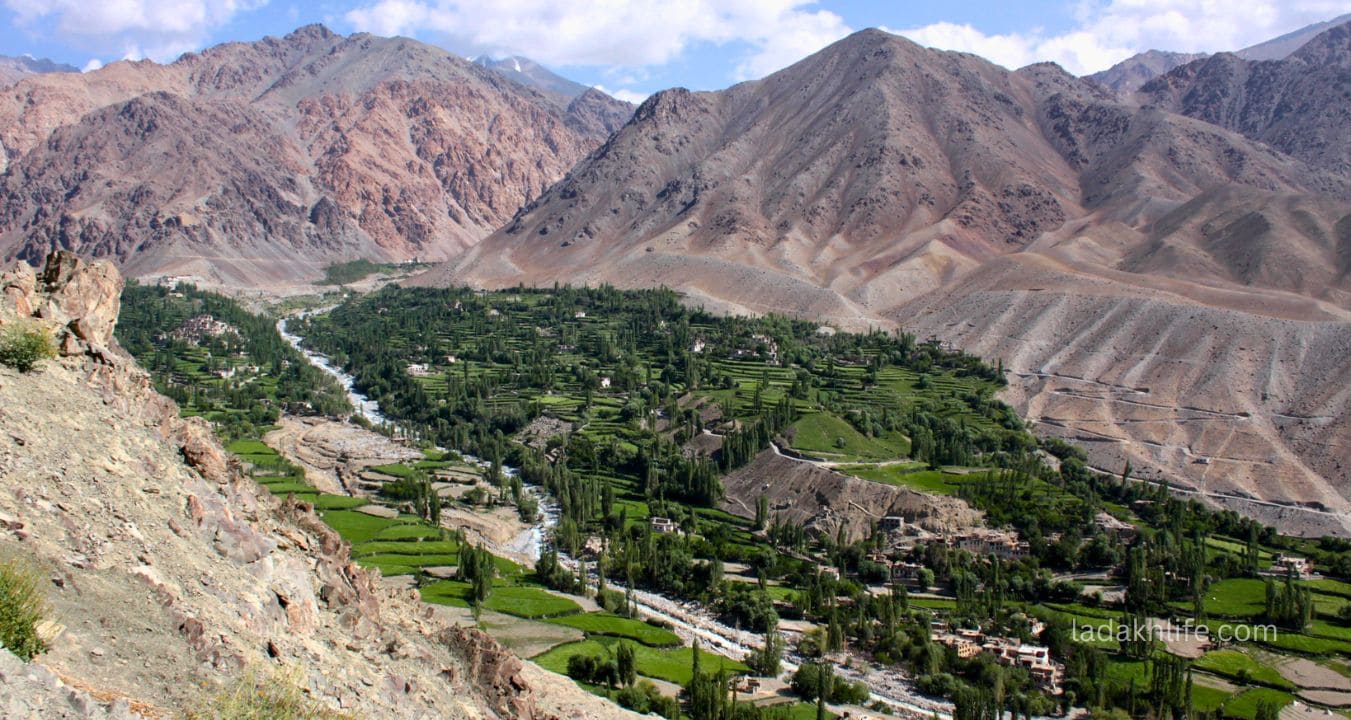
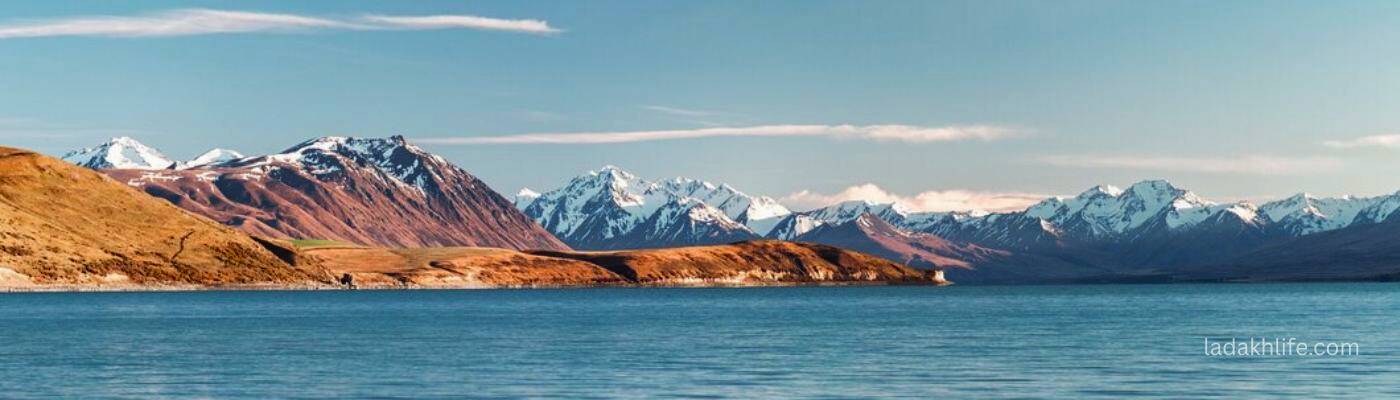
- Stunning views. The village is surrounded by barren mountains, with the Zanskar River flowing in the distance. The light at sunset is magical.
- Warm hospitality. The people of Zangla, the nuns, the villagers, the caretaker of the palace, are welcoming and kind. You'll feel like a guest, not a tourist.
The Zangla Experience (The Honest, Peaceful Version)
Let me walk you through what actually happens when you visit Zangla. No filters. No fancy language.
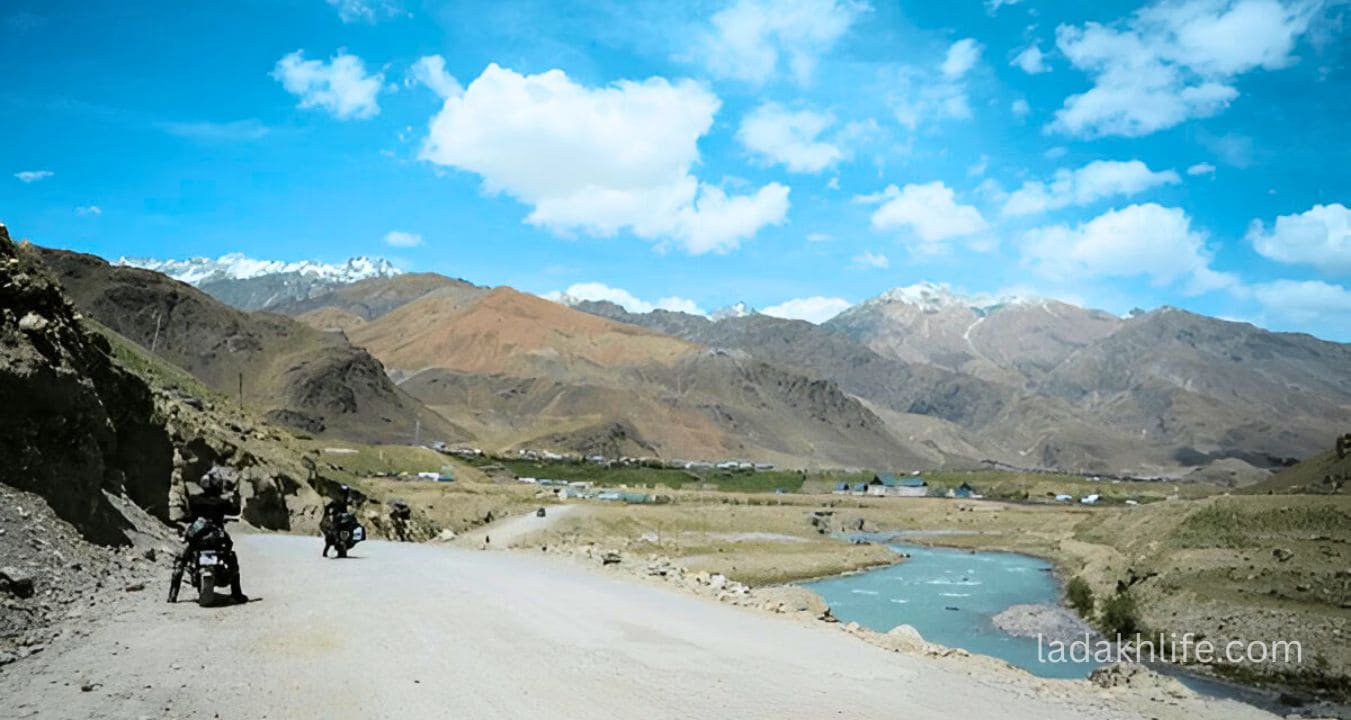
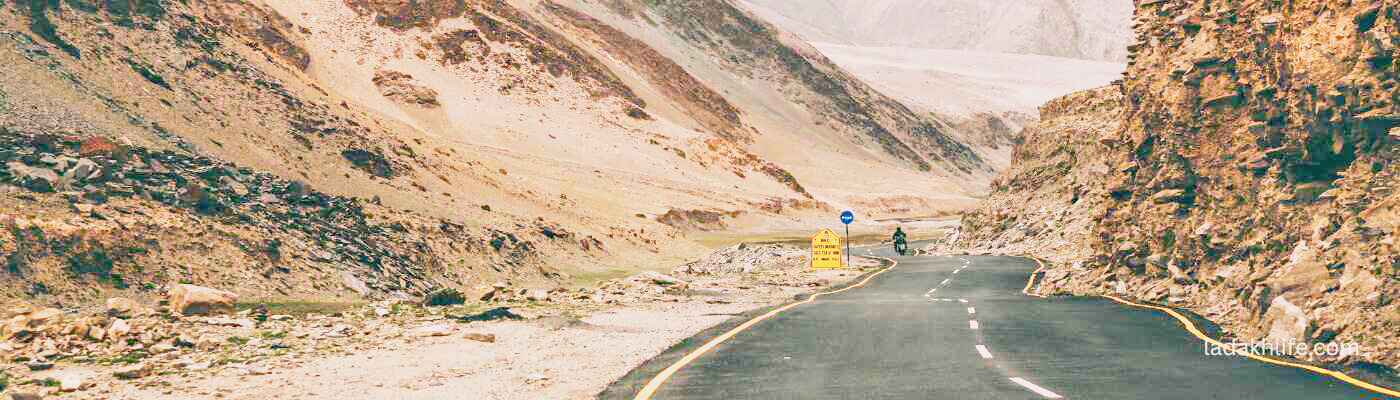
- The drive from Padum: You're on the road northeast from Padum, following the Zanskar River. The landscape is barren and beautiful, grey mountains, green fields, blue sky. The road is paved but narrow. The drive takes about 45 minutes to an hour.
- Arriving in Zangla: You see the village, a cluster of whitewashed houses, prayer flags, and above it all, the palace on the hill. You park near the village center.
- The palace: You climb the path to Zangla Palace. It's a gentle climb, maybe 10-15 minutes. The palace is old, crumbling, but beautiful. You walk through the empty rooms, looking out the windows at the valley below. A caretaker might show you around, he'll tell you stories of the kings who lived here, the wars they fought, the treaties they signed.
- The nunnery: You walk to the Zangla Nunnery. The nuns are young and old, dressed in maroon robes. They smile at you, shy but welcoming. A nun shows you the prayer hall, small, simple, filled with the smell of butter lamps. She offers you tea. You sit in the courtyard, watching the clouds move across the mountains.
- The village: You walk through the narrow lanes of Zangla. Stone houses, carved wooden doors, prayer flags strung across the alleys. Children playing. Old women spinning prayer wheels. An old man nods at you and says "Juley." You smile back.
- The view: From the hill above the palace, you can see the entire village, the green fields, the Zanskar River in the distance, and the barren mountains rising on all sides. Go at sunset. The light turns the mountains pink, then orange, then purple. It's spectacular.
That's Zangla. Not exciting. Not adventurous. But peaceful, beautiful, and full of quiet history.
The Crown Jewels of Zangla (Don't Miss These)
1. Zangla Palace, The Ruined Royal Residence
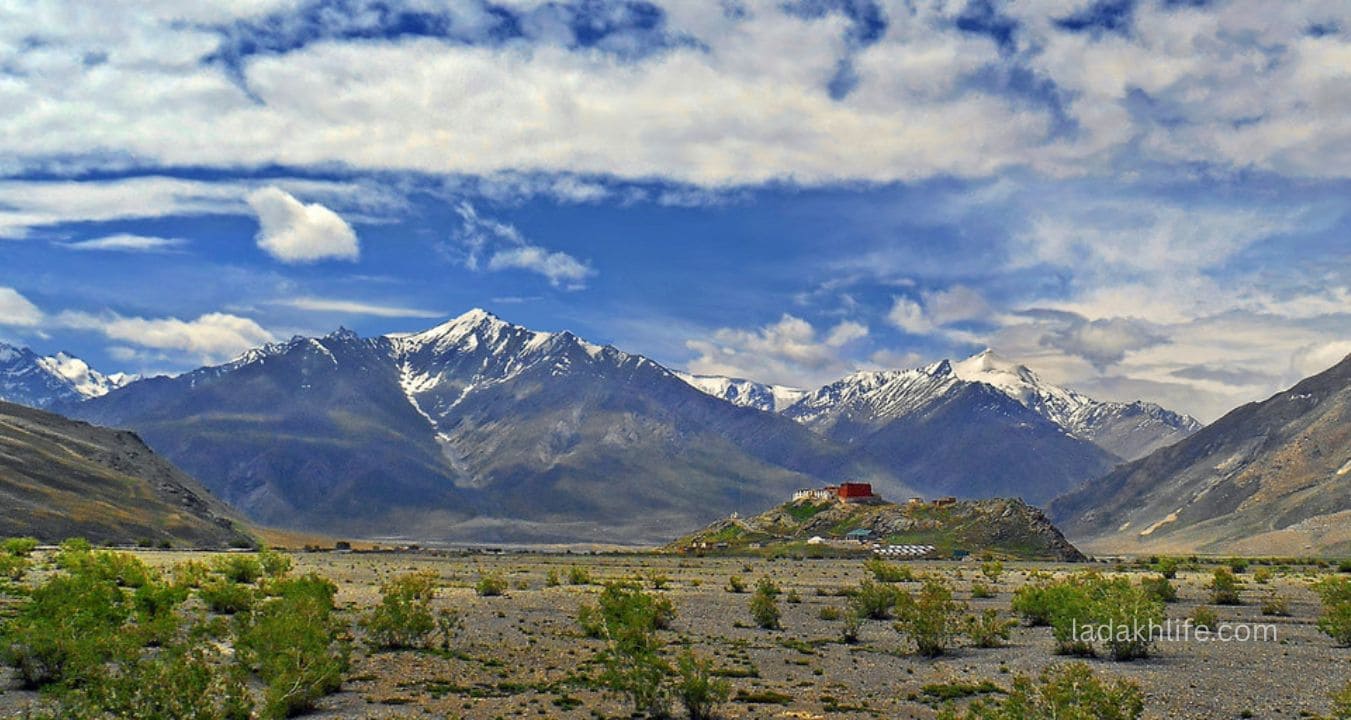
The Zangla Palace is the heart of the village. This whitewashed building on the hill was once the residence of the kings of Zanskar. The palace was built in the 16th or 17th century and was the seat of power for the Zangla branch of the Namgyal dynasty. Today, the palace is partly in ruins, some rooms are empty, some walls are crumbling, but it's still beautiful. Walk through the rooms. Look out the windows at the valley below. Imagine the kings who once walked these halls. A caretaker might show you around, he's usually there during the day. He'll tell you stories of the royal family, the wars, the treaties. The views from the palace are spectacular, especially at sunset.
2. Zangla Nunnery, A Haven of Peace
The Zangla Nunnery (also called Zangla Gompa) is one of the few nunneries in Zanskar. It's a small complex on a hill overlooking the village. The nuns here belong to the Gelugpa lineage of Tibetan Buddhism. The prayer hall is small but beautiful, filled with thangkas, statues, and the smell of butter lamps. The nuns are welcoming and peaceful. If you visit during prayer time, you can hear them chanting, a low, rhythmic sound that fills the valley. A nun may offer you tea. Accept. Sit in the courtyard. Watch the clouds. You'll leave feeling peaceful.
3. The Fort Ruins, Above the Palace
Above the palace, on the very top of the hill, are the ruins of an ancient fort. The fort was used to defend the kingdom from invaders. Today, only the stone walls remain, crumbling, covered in prayer flags. Climb to the top. The views are even more spectacular than from the palace, the entire Zangla valley spread out below, the Zanskar River winding through the distance, the barren mountains rising on all sides. It's a steep climb, but it's worth it. Go at sunset.
4. The Traditional Village, Step Back in Time
Zangla is not a museum. It's a living village, with real people going about their daily lives. Walk through the narrow lanes. Look at the stone houses with their carved wooden doors. Watch the women working in the fields, the children playing, the old men sitting in the sun. The village feels like it's from another century, and in many ways, it is. Be respectful. Ask before taking photos. A smile and a "Juley" go a long way.
5. The Zanskar River, Following the Water
The Zanskar River flows in the distance below Zangla. You can walk down to the riverbank from the village, it's about 15-20 minutes downhill. The river is wide and powerful, grey-green, carrying meltwater from the glaciers of the Zanskar range. Sit on a rock. Watch the water flow. The sound is calming. The views up and down the valley are beautiful. This is a good place to sit, reflect, and appreciate where you are.
6. The Fields, Green in Summer
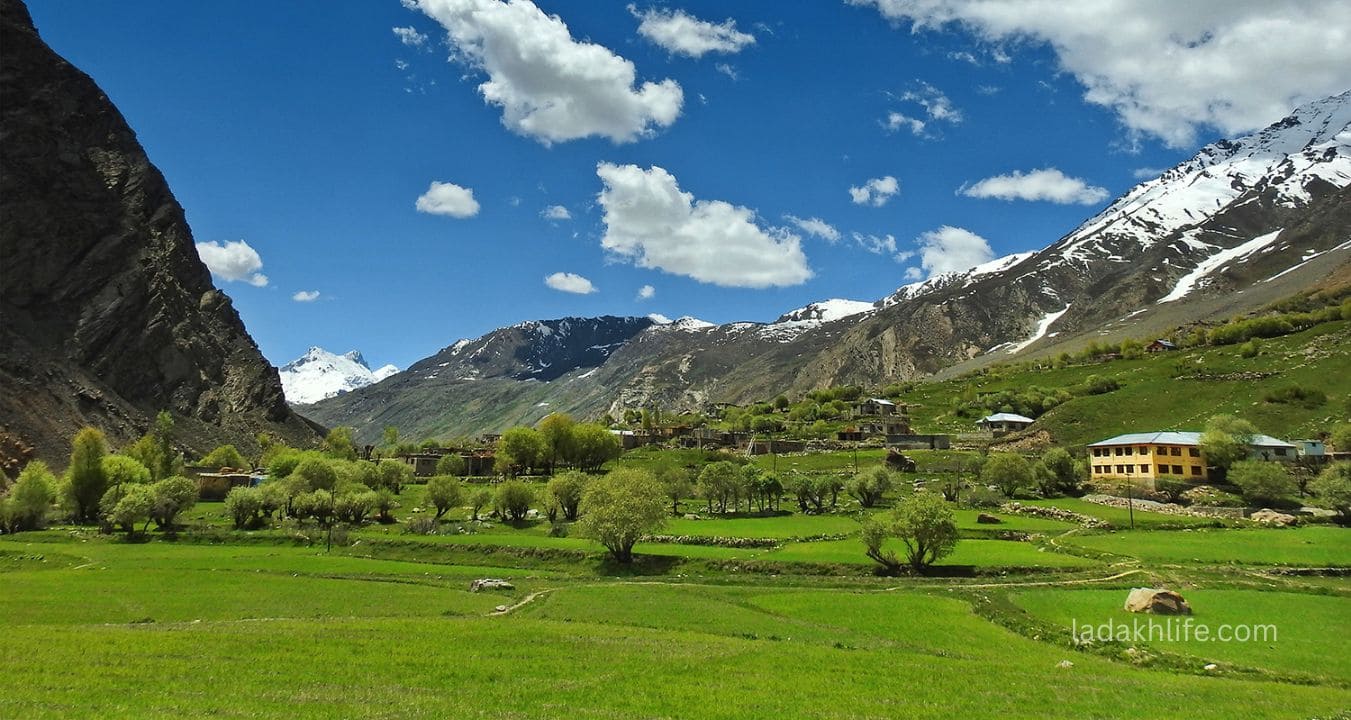
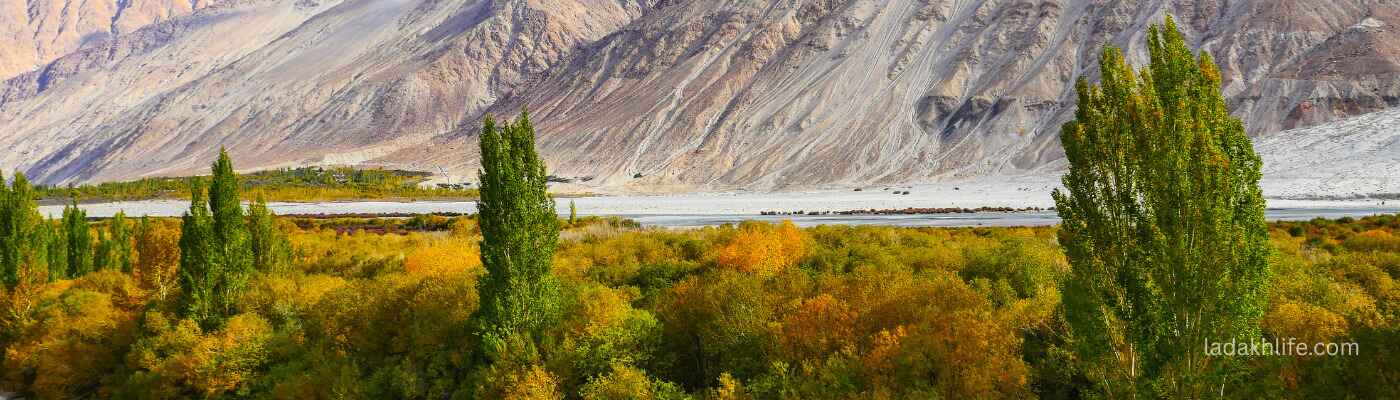
The fields around Zangla are green in summer, barley, wheat, potatoes. The contrast between the green fields, the white houses, the brown mountains, and the blue sky is beautiful. Walk through the fields. Watch the farmers work. In late summer, you'll see families harvesting the crops by hand, just as they've done for centuries.
7. The Stargazing, No Light Pollution
Zangla is far from any town. At night, the sky is dark. The stars are bright. The Milky Way stretches from horizon to horizon. Lie on the roof of the nunnery or walk outside the village. Look up. You'll see satellites moving, shooting stars, and maybe the faint glow of the northern lights (rare, but possible). It's the kind of sky that makes you feel small and grateful. Bring a warm jacket, nights are cold.
8. The People, Warmth in a Remote Valley
The people of Zangla, the nuns, the caretaker, the villagers, are warm and welcoming. They don't see many tourists, so when you arrive, they're genuinely curious. Someone will invite you for tea. A nun will show you around the nunnery. The caretaker will tell you stories of the palace. The hospitality is real, not rehearsed. Take time to talk to them. You'll leave with more than photos, you'll leave with new friends.
Best Time to Visit Zangla
Zangla is in Zanskar Valley, which has a very short season.
July to September is the only reliable window. August is the best month, the snow has melted, the roads are open, and the weather is relatively stable. Daytime temperatures are 15-20°C, nights are cool (5-10°C). The fields are green, and the views are spectacular.
June and October: Possible, but risky. June can have snow closures on the passes. October is beautiful, clear skies, crisp air, autumn colors, but nights are cold (near freezing), and the passes can close early.
November to May: Forget it. The passes are closed. Zangla is inaccessible.
Pro tip: September is the best month. The weather is perfect, the crowds are gone, the skies are clear, and the light on the mountains is spectacular. Visit in the late afternoon for the best light on the palace and the valley.
Where to Stay in Zangla
Accommodation options in Zangla are very limited. Most visitors visit as a day trip from Padum.
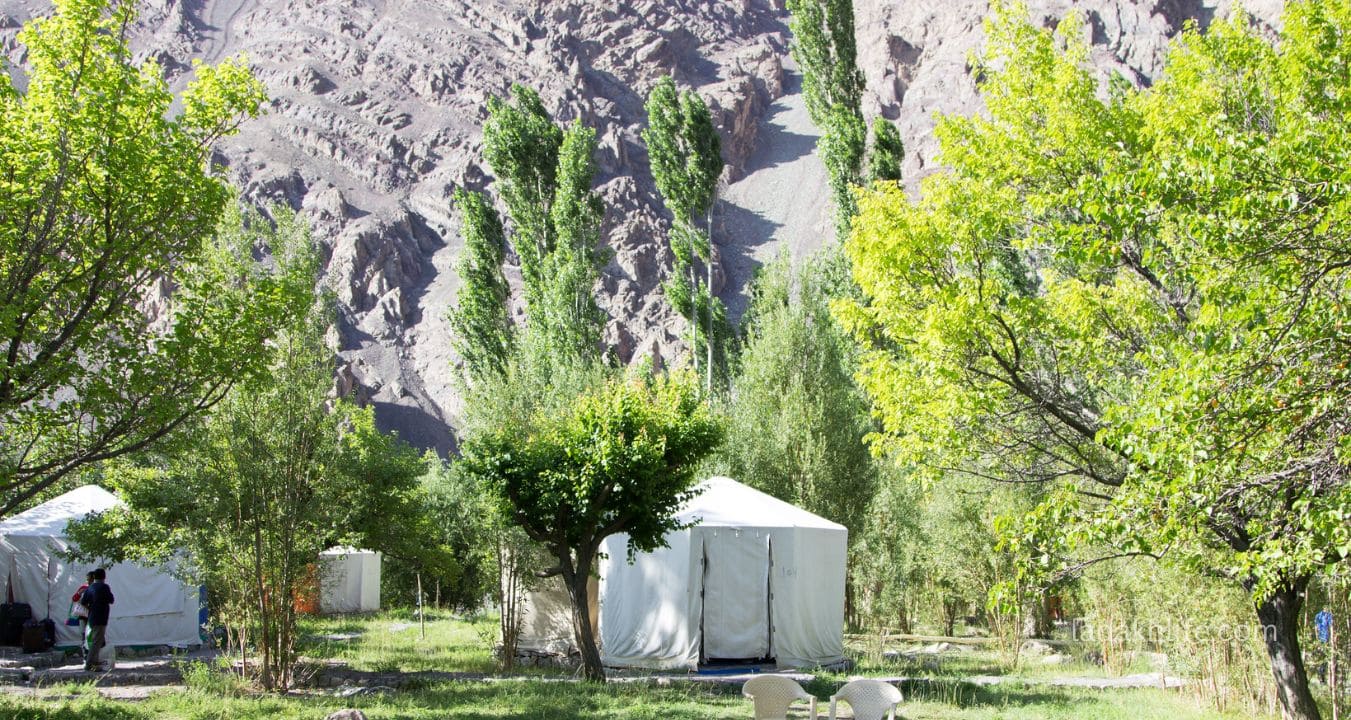
Homestays (₹600-1,000 per night): A few families in Zangla offer basic homestay accommodations. Expect a clean room, a shared bathroom (squat toilet, outside), and home-cooked meals. Ask around when you arrive, someone will point you to a family with space. Staying overnight in Zangla is a magical experience, the village is even more peaceful at night.
In Padum (30 km southwest): Several guesthouses and homestays. Otsal Guest House and Zanskar Residency are popular options. Most visitors stay in Padum and drive to Zangla for the day.
No hotels in Zangla. Embrace the homestay or day-trip from Padum.
How to Get to Zangla
Zangla is about 30 kilometers northeast of Padum. Here's how to get there:
Route: Padum → follow the Zanskar River northeast → Zangla (30 km). The road is paved but narrow. The drive takes about 45 minutes to an hour.
From Padum (about 30 km, 45 minutes): Drive northeast on the road to Zangla. The road follows the Zanskar River. It's paved but narrow in places. The landscape is beautiful, green fields, barren mountains, the river flowing alongside.
By bike: Possible and enjoyable. The ride from Padum to Zangla follows the river, it's one of the most beautiful rides in Zanskar. The road is paved and in good condition.
By car (any car is fine): The road is paved and well-maintained. No 4x4 needed for the drive to Zangla. However, getting to Padum itself requires a 4x4 (due to the passes). Once in Padum, any car can reach Zangla.
By taxi: Hire a taxi from Padum for a half-day trip to Zangla. Expect to pay ₹1,500-2,500 for the round trip with waiting time.
By bus: There are no buses to Zangla. Take a taxi or drive yourself.
What to Pack for Zangla
Zangla is at high altitude. Here's what you need:
- Daytime: T-shirts, light pants, a hat for sun protection, sunglasses. It can be warm in summer (15-20°C).
- Evenings: A fleece or light sweater. The temperature drops at night.
- Nunnery and palace visits: Cover your shoulders and knees. Remove your shoes before entering prayer halls.
- Shoes: Comfortable walking shoes for exploring the village, palace, and nunnery. The hills are steep, good grip is helpful.
- Sun protection: Sunscreen (SPF 30+), lip balm, sunglasses. The sun is strong at 11,500 feet.
- Water & snacks: There are no shops in Zangla (maybe a small shop with basics). Carry water and snacks from Padum.
- Cash: No ATMs in Zangla. The nearest ATM is in Padum (30 km away). Bring enough cash for any homestay or small purchases.
- Camera: You'll want it. The palace, the nunnery, the views, Zangla is beautiful.
Essential Tips for Visiting Zangla
- Permits needed for Zanskar. Zangla is in Zanskar Valley. Indian nationals need an Inner Line Permit (ILP). Foreign nationals need a Protected Area Permit (PAP). Arrange these in Leh before your trip.
- Check road conditions before you go. Ask at your guesthouse in Padum. The road to Zangla is paved but can be affected by landslides or construction.
- Dress modestly. Zangla is a traditional Buddhist village. Cover your shoulders and knees, especially when visiting the nunnery and palace.
- Ask before taking photos of people. Most will say yes, but always ask first. A smile and a "Juley" make all the difference. The nuns are usually happy to be photographed, but ask first.
- Don't climb on fragile walls. The palace and fort ruins are old and crumbling. Don't climb on them, you could damage them and hurt yourself.
- Don't litter. Carry your waste back to Padum. Keep this beautiful village clean.
- Be respectful at the nunnery. Don't interrupt the nuns during prayer. Remove your shoes before entering the prayer hall. A small donation is appreciated.
- Combine with Padum and Karsha. Zangla is best visited as a day trip from Padum. You can easily combine Zangla with Karsha Monastery (7 km from Padum) or Stongde Monastery (10 km from Padum) in a single day.
Zangla vs Other Villages in Zanskar
- Zangla vs Padum: Padum is the main town of Zanskar, larger, more developed, has hotels, restaurants, and shops. Zangla is smaller, quieter, and more traditional. Stay in Padum for convenience. Visit Zangla for peace and history.
- Zangla vs Karsha: Karsha is a monastery village on a hillside, not a town. It's famous for the largest monastery in Zanskar. Zangla is famous for its palace and nunnery. Karsha for monastery grandeur. Zangla for royal history and nunnery peace. Visit both.
- Zangla vs Stongde: Stongde has a beautiful monastery perched on a rocky hill. Zangla has a palace and nunnery. Both are on hills. Both have spectacular views. Visit both if you have time.
- Zangla vs Sani: Sani has the oldest monastery in Zanskar (11th century). Zangla has the palace (16th-17th century). Very different history. Visit both.
Why Zangla is Zanskar's Most Overlooked Village
Let me be honest. Zangla is not easy to reach. The road from Padum is long enough that most day-trippers skip it. The palace is not restored, it's crumbling, empty, quiet. The nunnery is small, not grand. There are no souvenir shops, no cafes, no restaurants.
But that's exactly why it's special.
In a world where every ancient site is being restored, ticketed, and crowded, Zangla remains raw and real. The palace doesn't have a gift shop. It has a caretaker who will tell you stories if you ask. The nunnery doesn't have a entry fee. It has nuns who will offer you tea and smile. The village doesn't have a tourist information center. It has narrow lanes, stone houses, and prayer flags fluttering in the wind.
Zangla is not for the traveler who wants to check off a list. It's for the traveler who wants to wander, to sit in a nunnery courtyard and watch the clouds, to stand in a crumbling palace and imagine the kings who once ruled here. If that sounds like you, drive the extra 30 kilometers. Zangla is waiting.
Zangla is not famous. It doesn't have a large monastery or a giant Buddha. It has a crumbling palace on a hill, where kings once ruled and now only the wind visits. It has a small nunnery, where nuns chant and spin prayer wheels and offer tea to strangers. It has narrow lanes, stone houses, and fields of barley. This was the capital of a kingdom. Drive the extra 30 kilometers. Climb the hill. Sit in the courtyard. Feel the history. You'll leave with more than photos. You'll leave with peace.