So, What Exactly is Chilling Village?
Chilling (also spelled Chiling) is a small village in the Sham Valley region of Ladakh, sitting at approximately 10,500 feet (3,200 meters). It's located about 70 kilometers southeast of Leh on the Leh-Manali highway (NH 3), at the dramatic confluence of the Zanskar and Indus Rivers.
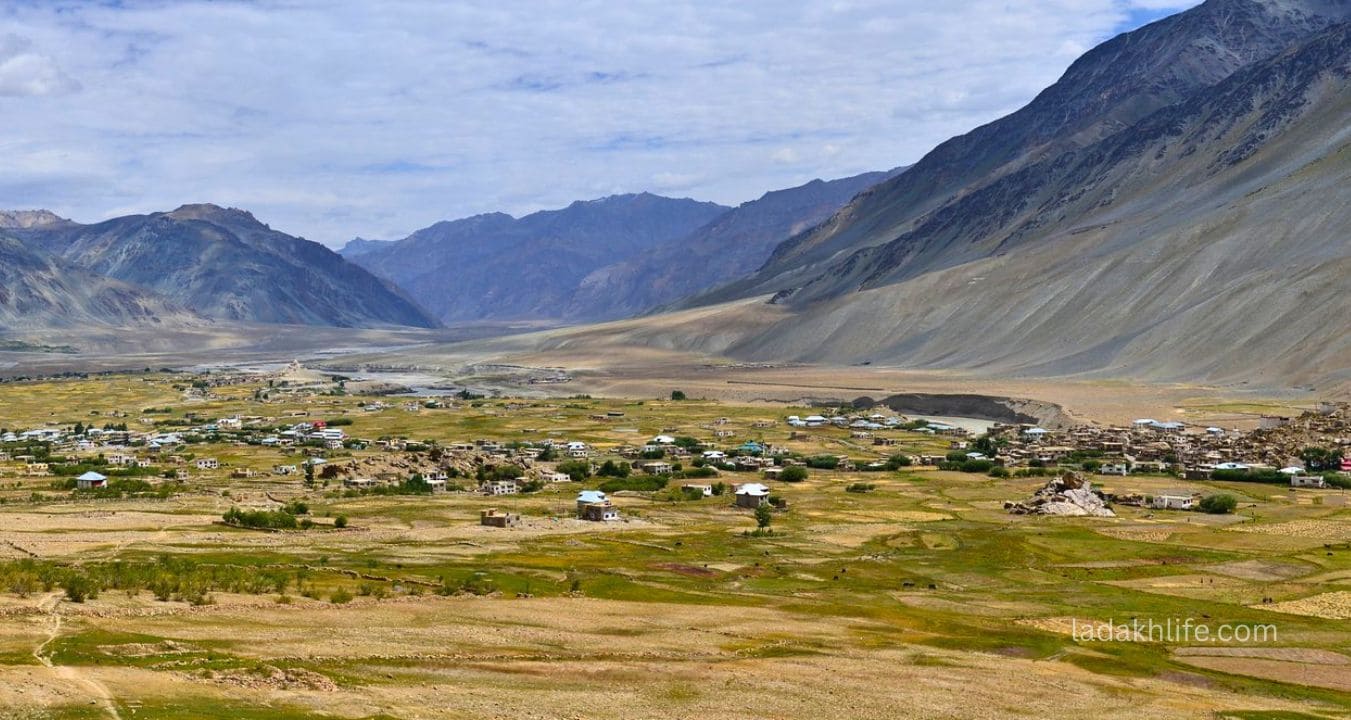
The village is tiny, maybe 10-15 houses, a few dozen people. Most of the residents are Ladakhi Buddhists, and life here revolves around farming (barley, potatoes) and, in winter, supporting trekkers on the Chadar Trek.
The name "Chilling" has nothing to do with temperature (though it is very cold in winter). It's believed to come from the local word for "confluence" or "meeting place", an apt description, since this is where the Zanskar and Indus Rivers meet.
Chilling is best known as the traditional starting point for the Chadar Trek. In winter (January to February), the Zanskar River freezes solid, and trekkers walk on the ice for 4-7 days to reach remote villages in the Zanskar Valley. The trek is one of the most unique and challenging in the world. Chilling is where the adventure begins.
Why Chilling is a Unique Destination in Ladakh
Chilling is not a typical tourist village. Here's why it's special:
- The river confluence. The Zanskar and Indus Rivers meet here, two powerful rivers, one grey-green, one muddy brown, crashing together in a dramatic swirl of water. It's one of the most dramatic river confluences in the Himalayas.
- The Chadar Trek. Chilling is the starting point for the world-famous Chadar Trek, where trekkers walk on the frozen Zanskar River. Even if you're not trekking, the village has an adventurous, frontier feel.
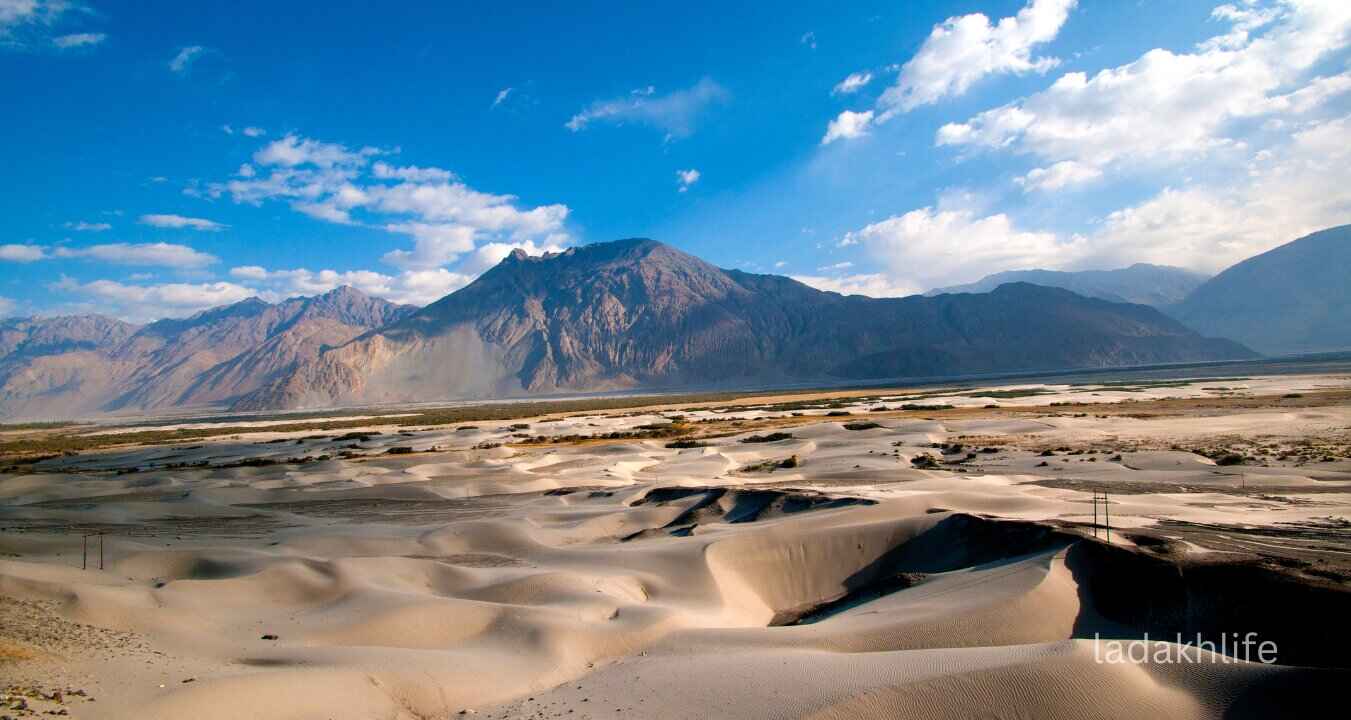
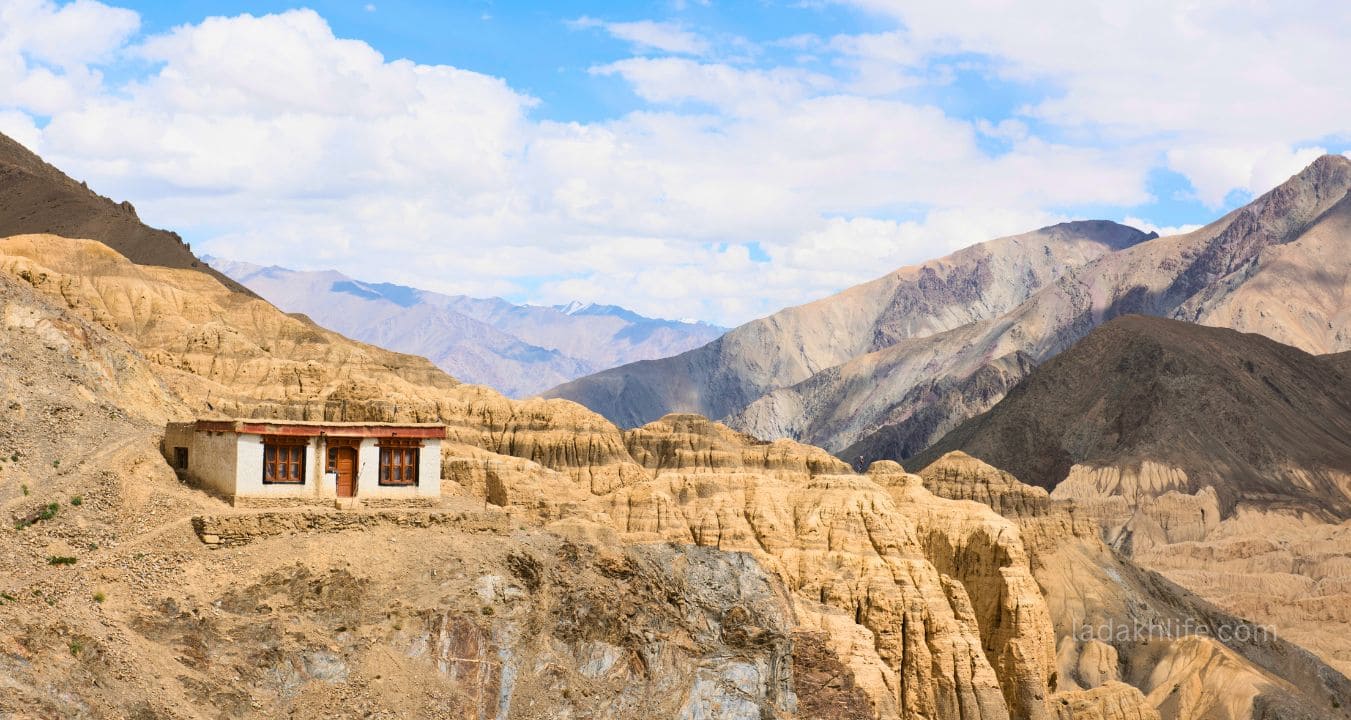
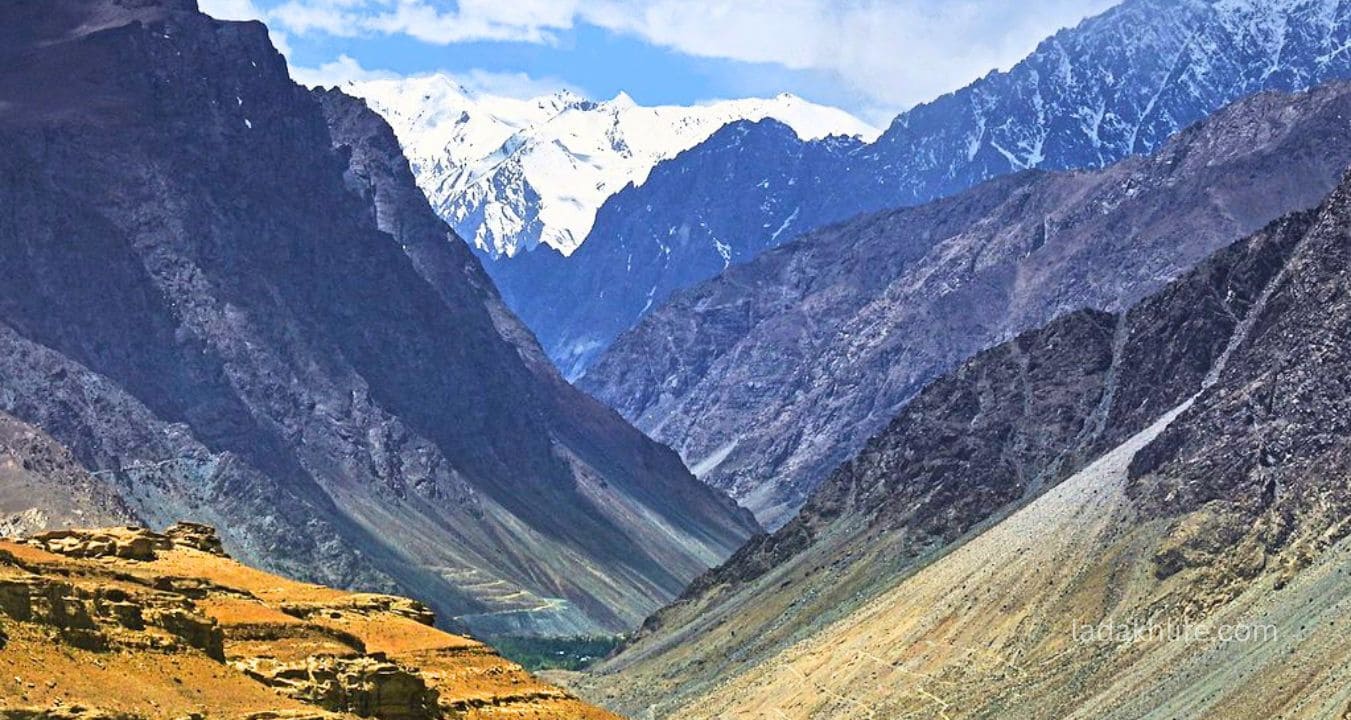
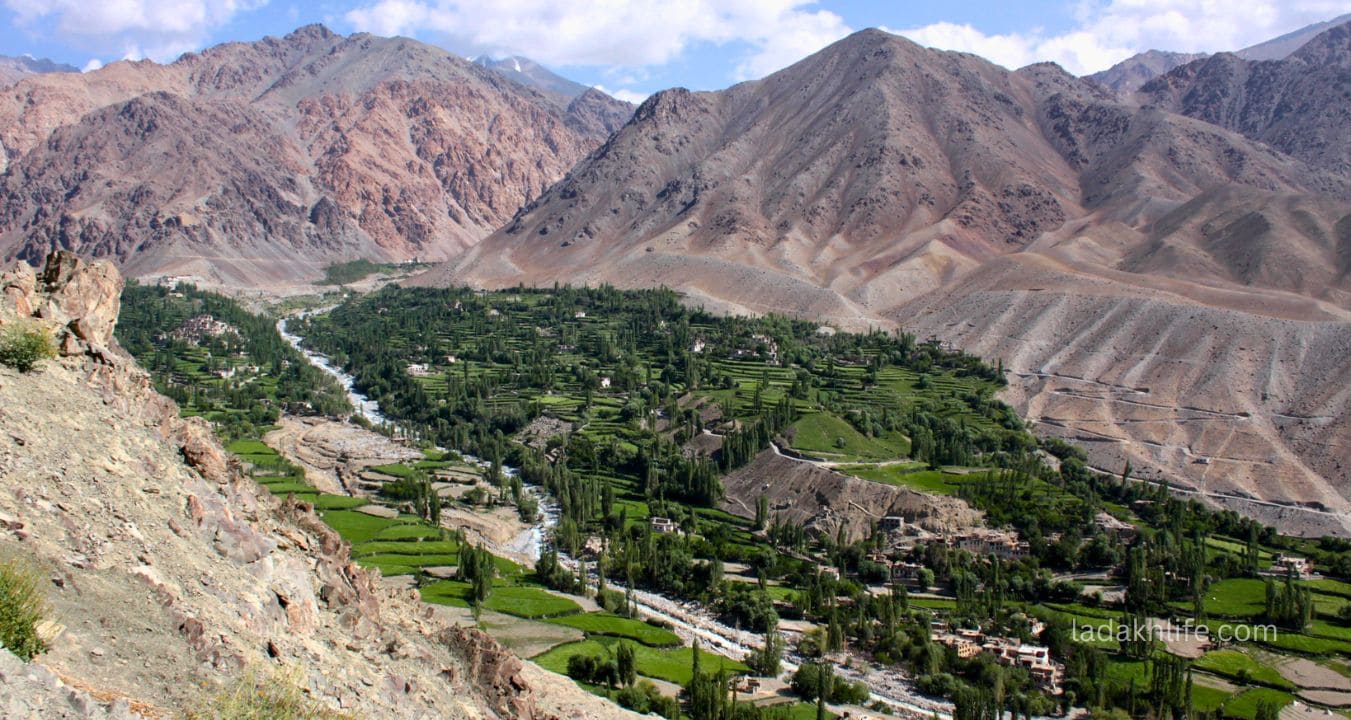
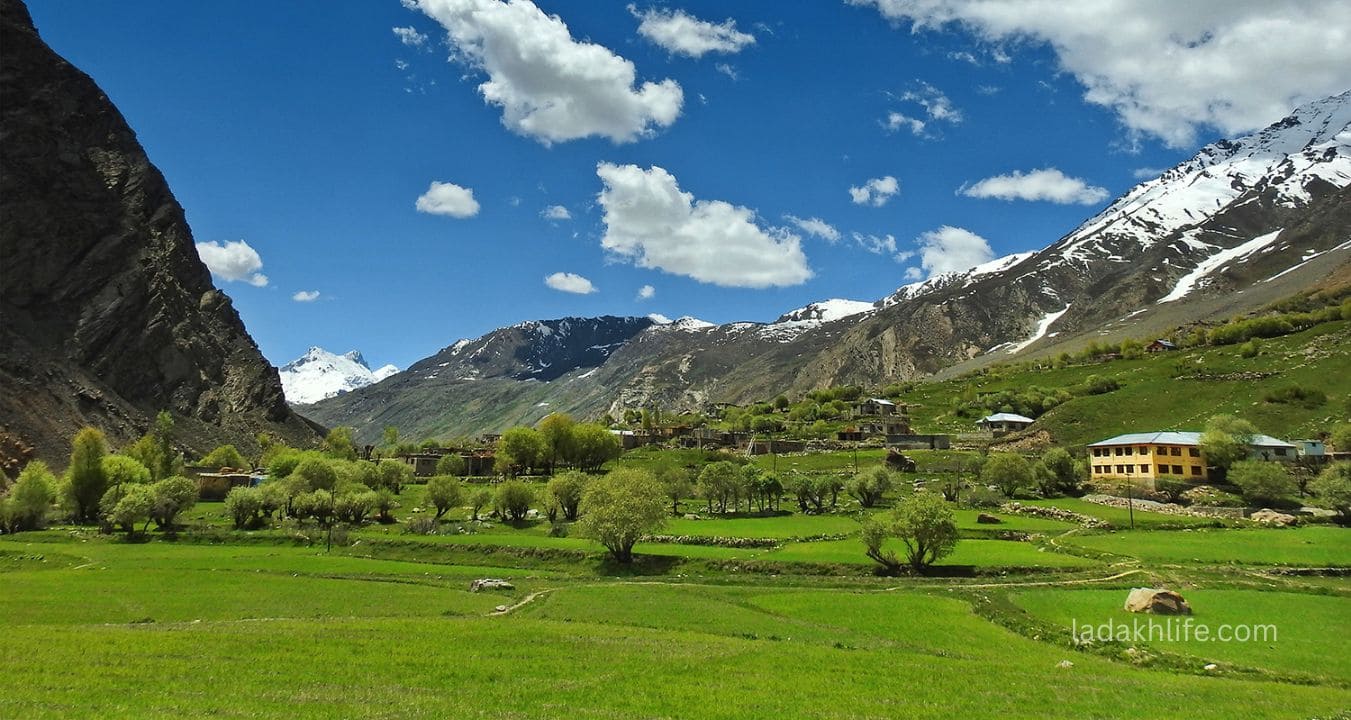
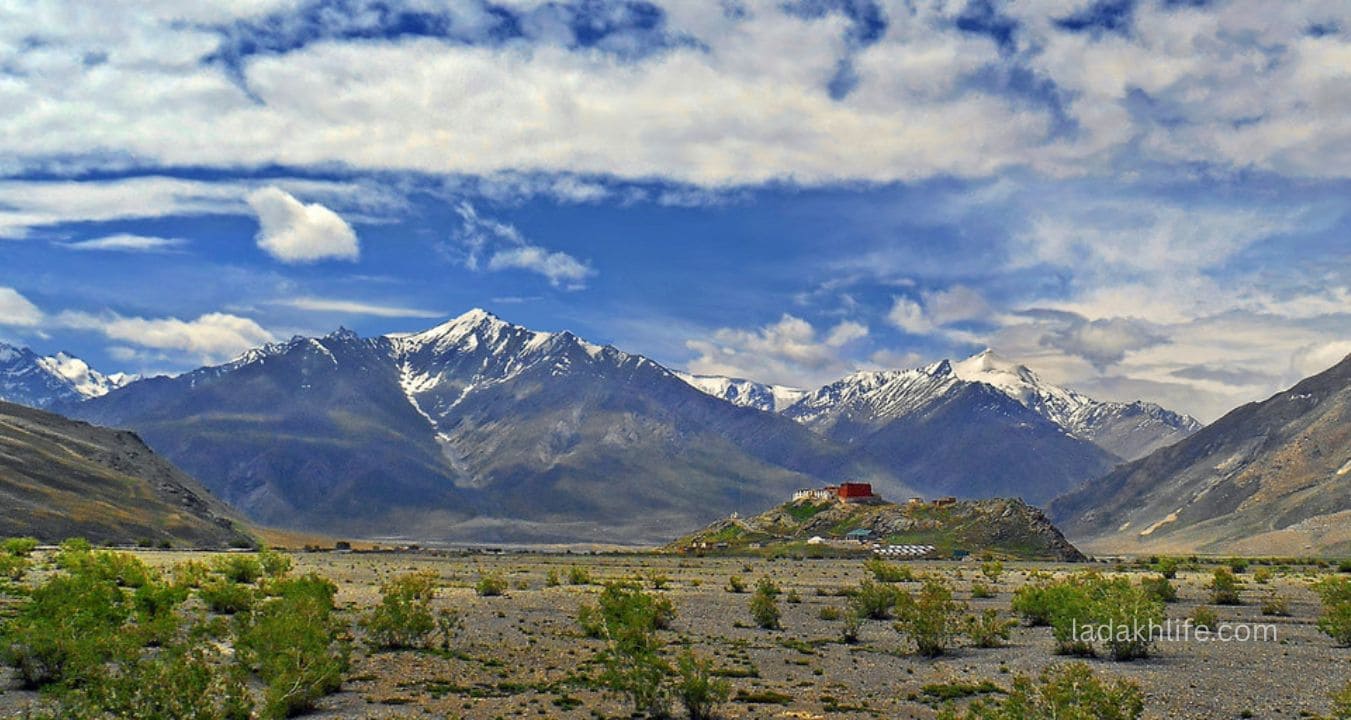
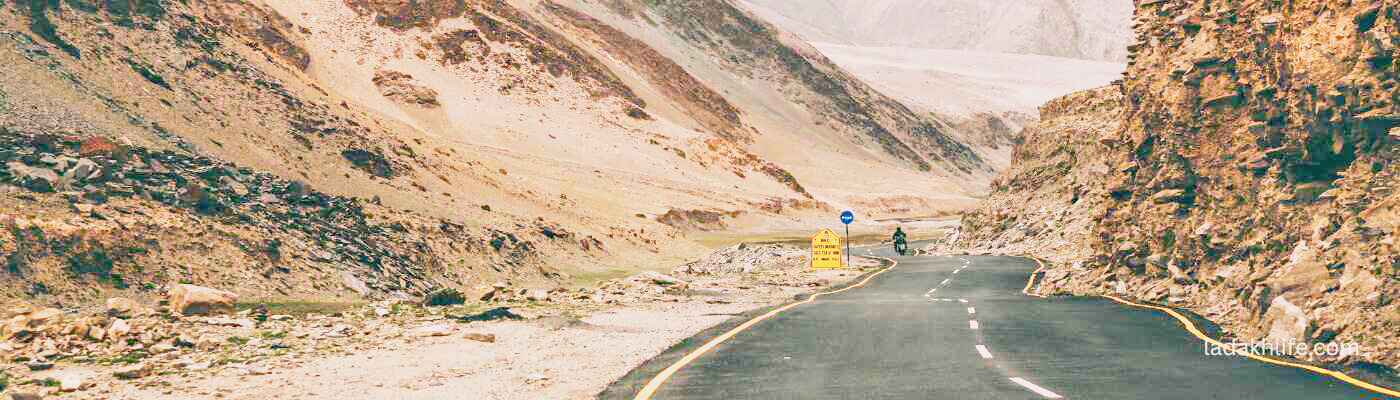
- Dramatic mountain views. The village is surrounded by steep, barren mountains that rise straight from the riverbanks. The views are spectacular, especially in the early morning and late afternoon.
- Peace and isolation. Chilling is off the main tourist circuit. It's quiet, peaceful, and feels far from the crowds of Leh. You'll likely have the confluence viewpoint to yourself.
- Photography opportunities. The confluence, the mountains, the rivers, the village, Chilling is incredibly photogenic. Bring your camera.
The Chilling Experience (The Honest Version)
Let me walk you through what actually happens when you visit Chilling. No filters. No fancy language.
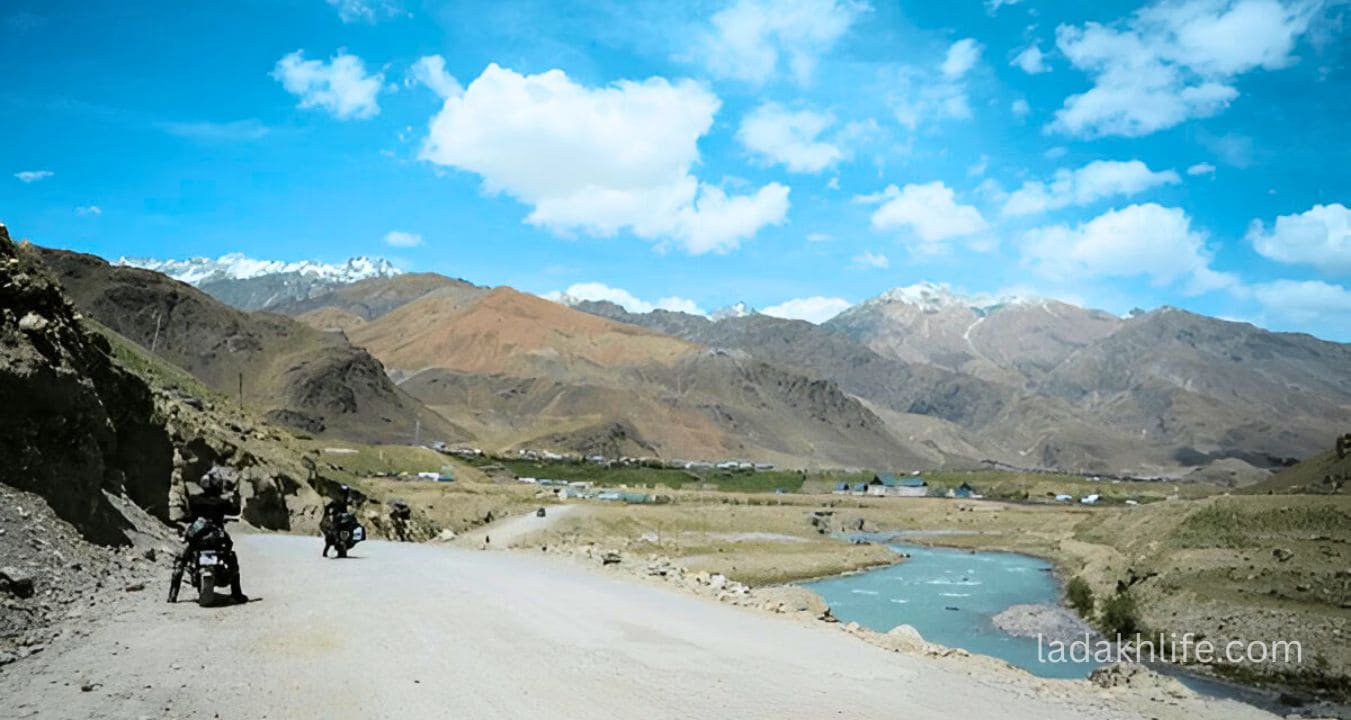
- The drive from Leh: You're on the Leh-Manali highway, driving southeast. The road follows the Indus River. The landscape is barren, dramatic, beautiful. The drive takes about 2 hours.
- Arriving in Chilling: You turn off the highway onto a narrow road that leads down to the river. The village is tiny, a few houses, a small bridge, prayer flags. You park near the riverbank.
- The confluence viewpoint: You walk to the point where the two rivers meet. The Zanskar River comes from the north, flowing out of a deep gorge. The Indus River comes from the east. They crash together, the water churning and swirling. The sound is loud, powerful. You stand there, watching, feeling the spray on your face.
- The bridge: There's a small footbridge over the Zanskar River. You cross it, looking down at the water below. On the other side, you can climb a short way up the hill for a better view of the confluence.
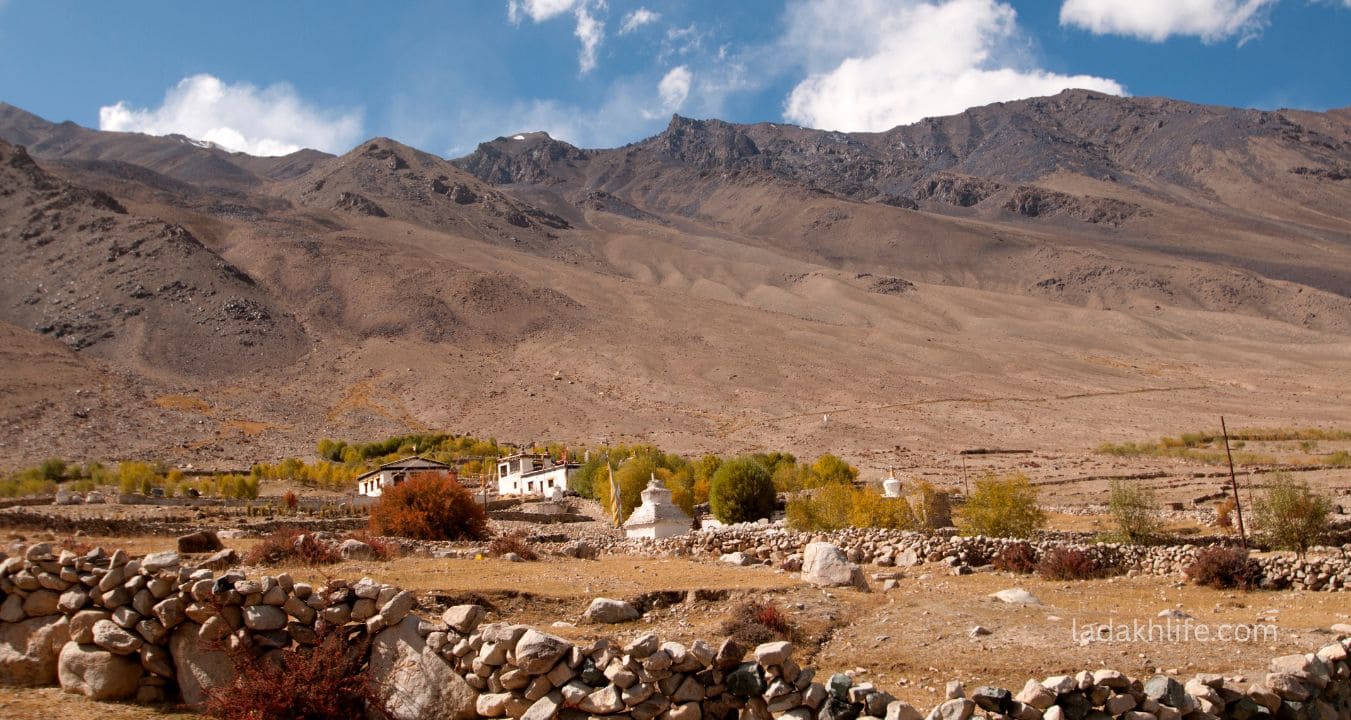
- The village: You walk through the village, a few houses, a small temple, children playing. Someone might invite you for tea. The people are friendly, curious about visitors.
- Thinking about the Chadar: If you're visiting in winter, you'll see trekkers preparing for the trek, packing gear, consulting guides, looking nervous and excited. If you're visiting in summer, you'll look at the river and try to imagine it frozen solid. Either way, you feel the adventurous energy of this place.
That's Chilling. Not a monastery. Not a palace. Just a village at the meeting point of two mighty rivers, at the edge of the wilderness.
The Crown Jewels of Chilling (Don't Miss These)
1. The Confluence of the Zanskar and Indus Rivers
The confluence is the main attraction. The Zanskar River flows down from the high peaks of Zanskar, cutting through a deep gorge. The Indus River comes from Tibet, wide and powerful. Where they meet, the water churns and swirls, two different colors mixing together. It's one of the most dramatic river confluences in the Himalayas. Stand on the riverbank. Listen to the roar. Feel the power of the water. It's humbling.
2. The Chadar Trek, Walking on a Frozen River
Chilling is the traditional starting point for the Chadar Trek, one of the most unique treks in the world. In winter (typically January to February), the Zanskar River freezes solid, forming a "blanket" of ice, "chadar" in Hindi. Trekkers walk on the frozen river for 4-7 days to reach remote villages like Nerak, staying in caves and tents along the way. The trek is challenging, dangerous, and unforgettable. Even if you're not trekking, standing at the starting point, looking at the river, you can imagine the adventure that begins here.
3. The Zanskar Gorge, A Deep Cut in the Earth
The Zanskar River flows through a deep gorge before reaching Chilling. The walls of the gorge rise steeply on both sides, hundreds of feet high. In winter, the gorge is where the Chadar Trek takes place, trekkers walk on the frozen river between the cliffs. In summer, the gorge is wild and dangerous, but still spectacular to look at. Follow the river upstream from Chilling to see the entrance to the gorge.
4. The Footbridge, A Scenic Crossing
There's a small footbridge over the Zanskar River. Cross it. On the other side, you can climb a short way up the hill for a better view of the confluence. The bridge itself is photogenic, prayer flags strung across it, the river rushing below. It's a good spot for photos.
5. The Mountain Views, Barren and Beautiful
Chilling is surrounded by steep, barren mountains. The colors change with the light, brown in the morning, gold in the afternoon, purple at sunset. The mountains rise straight from the riverbanks, dramatic and wild. Spend some time just looking at them. They're beautiful.
6. The Village, Traditional Ladakhi Life
Chilling is tiny, but it's real. Farmers work in the fields. Children play in the lanes. A small temple serves the community. You won't find souvenir shops or cafes. Just life, simple and honest. Walk through the village. Say "Juley" to the people you meet. You'll feel welcome.
7. Nearby Hemis and Thiksey Monasteries
Chilling is located near two of Ladakh's most famous monasteries. Hemis Monastery (30 km north) is the largest in Ladakh. Thiksey Monastery (25 km north) is spectacular, it looks like a mini-Potala Palace. You can easily combine Chilling with a visit to these monasteries in a single day trip from Leh.
8. The Stargazing, No Light Pollution
If you stay overnight in Chilling (or nearby), the stargazing is spectacular. The village is far from any town. The sky is dark. The stars are bright. The Milky Way stretches from horizon to horizon. Lie on the riverbank. Look up. Feel small and grateful.
Best Time to Visit Chilling
Chilling has two very different seasons, summer and winter. Both are beautiful, but they offer very different experiences.
Summer (June to September): This is the best time for most travelers. The roads are open, the weather is pleasant (15-25°C during the day), and the rivers are flowing. The confluence is dramatic, the mountains are beautiful, and you can easily combine Chilling with visits to nearby monasteries. July and August are the warmest months. September is beautiful, clear skies, crisp air, fewer tourists.
Winter (January to February): This is for the adventurous. The Chadar Trek happens during these months. The temperature drops to -20°C or lower. The Zanskar River freezes solid, and trekkers walk on the ice. Chilling becomes a base camp for trekkers. This is not a casual visit, you need serious cold-weather gear and experience. But if you're trekking, this is the only time to come.
May and October: Shoulder months. May is cool (10-20°C) and the roads are open. The rivers are flowing (snowmelt makes them high and dangerous). October is beautiful, clear skies, autumn colors, but cold at night. Not the best time for the confluence (the water is too high to get close), but still worth a visit.
November to April (non-trekking): Very cold. The roads may be open, but there's not much to do. The confluence viewpoint can be icy and dangerous. Only visit if you're prepared for extreme cold.
Pro tip: September is the best month for a summer visit. The weather is perfect, the crowds are gone, and the rivers are still flowing. Visit in the late morning for the best light on the confluence.
Where to Stay Near Chilling
Chilling itself has very few accommodations, a basic homestay or two. Most travelers visit as a day trip from Leh or stay nearby.
In Leh (70 km north): Every budget, from hostels and homestays to luxury hotels. This is the most convenient base for a day trip to Chilling.
In Kharu or Karu (30-40 km north): A few basic guesthouses. A good option if you want to be closer to Chilling but still have basic facilities.
In Hemis (30 km north): A few homestays and guesthouses near Hemis Monastery. A peaceful alternative to Leh.
No hotels in Chilling itself. The village is too small. Stay in Leh or nearby and drive.
How to Get to Chilling
Chilling is on the Leh-Manali highway, easy to reach from Leh.
Route: Leh → Karu (20 km) → continue southeast on the Leh-Manali highway → Chilling (50 km further, 70 km total from Leh).
From Leh (about 70 km, 2 hours): Drive southeast on the Leh-Manali highway. The road is paved and in good condition. Follow the Indus River. Look for the sign for Chilling, it's easy to miss. Turn off the highway and follow the narrow road down to the river (about 2-3 km). The road is paved but narrow, drive carefully.
From Hemis (about 30 km, 1 hour): Drive north from Hemis to the main highway, then east toward Chilling. There's a bridge over the Indus that connects the two sides of the valley.
By bike: Easy and beautiful. The ride from Leh to Chilling follows the Indus River through stunning barren landscapes.
By car (any car is fine): The main highway is paved and well-maintained. The road to Chilling is narrow but paved. No 4x4 needed. Drive carefully on the narrow sections.
By taxi: Hire a taxi from Leh for a half-day trip to Chilling. Expect to pay ₹3,000-4,500 depending on the waiting time. Combine with Hemis and Thiksey for a full-day tour.
By bus: Buses from Leh to Hemis or Manali will pass the Chilling turnoff. Ask the driver to drop you. From there, you'll need to walk or hitch the 2-3 kilometers to the village. Not ideal, take a taxi instead.
What to Pack for Chilling
Chilling is at similar altitude to Leh, so prepare for sun and cool temperatures:
- Daytime: T-shirts, light pants, a hat for sun protection, sunglasses. It can be warm in summer (20-25°C).
- Shoes: Comfortable walking shoes for exploring the riverbank and the village. The terrain can be rocky.
- Sun protection: Sunscreen (SPF 30+), lip balm, sunglasses. The sun is strong at 10,500 feet, and there's little shade at the confluence.
- Water & snacks: There are no shops at Chilling. Carry water and snacks.
- Camera: You'll want it. The confluence, the mountains, the bridge, Chilling is incredibly photogenic.
- Winter gear (if visiting for Chadar Trek): Extreme cold weather gear, down jacket rated to -20°C or -30°C, insulated boots, thick gloves, balaclava, thermal layers. This is not a casual visit. Prepare properly.
Essential Tips for Visiting Chilling
- No permits needed. Chilling is not near the border, so no Inner Line Permit is required. Indian and foreign nationals can visit freely.
- Check road conditions in winter. If you're visiting for the Chadar Trek, the road to Chilling may be affected by snow. Ask locally before driving.
- Don't get too close to the river. The current is strong and dangerous. The banks can be slippery. Stay a safe distance from the water's edge.
- Respect the confluence. The meeting of two rivers is considered sacred in Buddhist culture. Don't litter. Don't disturb the area.
- Don't attempt the Chadar Trek without a guide. The frozen river is dangerous, hidden currents, thin ice, extreme cold. Always go with an experienced local guide.
- Combine with Hemis and Thiksey. Chilling is just 30 km from Hemis and Thiksey monasteries. Visit all three in one day, monasteries in the morning, Chilling in the afternoon.
- Don't litter. Carry your waste back to Leh. There's no garbage collection at Chilling. Keep the confluence beautiful.
- Be respectful of trekkers (in winter). If you're visiting in winter, you'll see trekkers preparing for the Chadar Trek. They're nervous and excited. Give them space. Wish them luck.
Chilling vs Other Sham Valley Destinations
- Chilling vs Alchi: Alchi is famous for its 1,000-year-old monastery and ancient murals. Chilling is famous for its river confluence and the Chadar Trek. Alchi for art. Chilling for wilderness. Visit both, they're about 50 km apart.
- Chilling vs Hemis: Hemis is the largest monastery in Ladakh, famous for its annual festival. Chilling is tiny, quiet, and wild. Hemis for culture. Chilling for nature. Visit both, they're only 30 km apart.
- Chilling vs Thiksey: Thiksey is spectacular, it looks like a mini-Potala Palace. Chilling is humble, just a few houses at a river confluence. Very different. Visit both.
- Chilling vs Likir: Likir has a beautiful monastery on a hill. Chilling has a river confluence. Likir for views. Chilling for water. Different but both worth visiting.
Why Chilling is the Most Unique Village in Sham Valley
Let me be honest. Chilling is not a beautiful village. There are no ancient monasteries, no stunning palaces, no green fields. It's a tiny cluster of houses at the meeting point of two rivers. That's it.
But that's exactly why it's special.
Chilling is about the raw power of nature. The Zanskar River crashes down from the mountains, meeting the Indus in a swirl of water and spray. The sound is loud. The power is palpable. You feel small standing next to it. You feel alive.
And then there's the Chadar Trek. In winter, the same wild river freezes solid, becoming a highway of ice. Trekkers from around the world come here to walk on the frozen river, to sleep in caves, to experience one of the most unique adventures on earth. Standing at Chilling, you're at the edge of that adventure. You can feel it in the air.
Chilling is not for everyone. It's not a place to spend hours. It's a stop, a viewpoint, a beginning. But if you have an hour, drive down to the confluence. Watch the rivers meet. Feel the spray on your face. Imagine walking on the frozen river in winter. And know that you've visited one of the most unique places in Ladakh.
Chilling is not a destination. It's a threshold. The point where two rivers meet, the Zanskar and the Indus, crashing together in a swirl of water and spray. The point where adventure begins, the starting line for the Chadar Trek, the frozen river walk. Come in summer, when the rivers are wild. Come in winter, when they're frozen. Either way, stand at the confluence. Feel the power. And know that you're at one of the most unique places in Ladakh.