So, What Exactly is Chemrey Village?
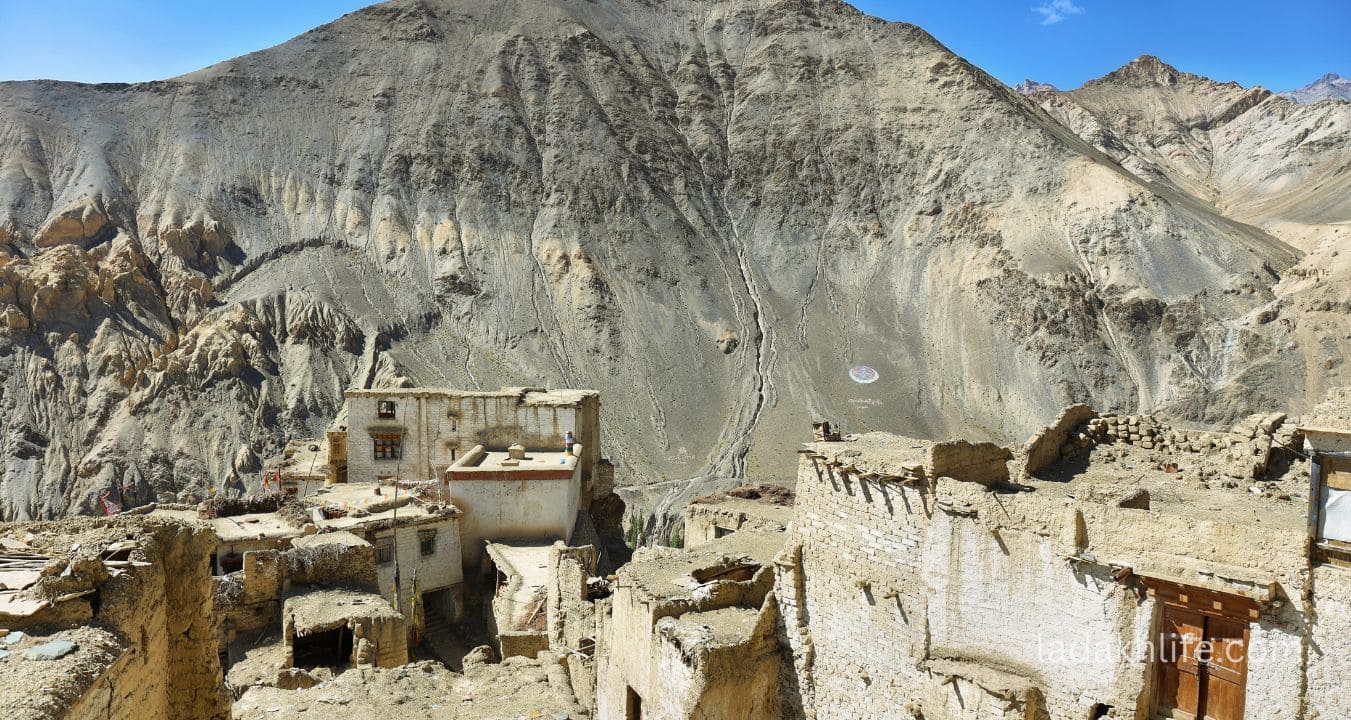
Chemrey (also spelled Chemre) is a small village in the Sham Valley region of Ladakh, sitting at approximately 11,000 feet (3,350 meters). It's located about 40 kilometers east of Leh on the Leh-Manali highway (NH 3), just off the main road between Karu and Upshi.
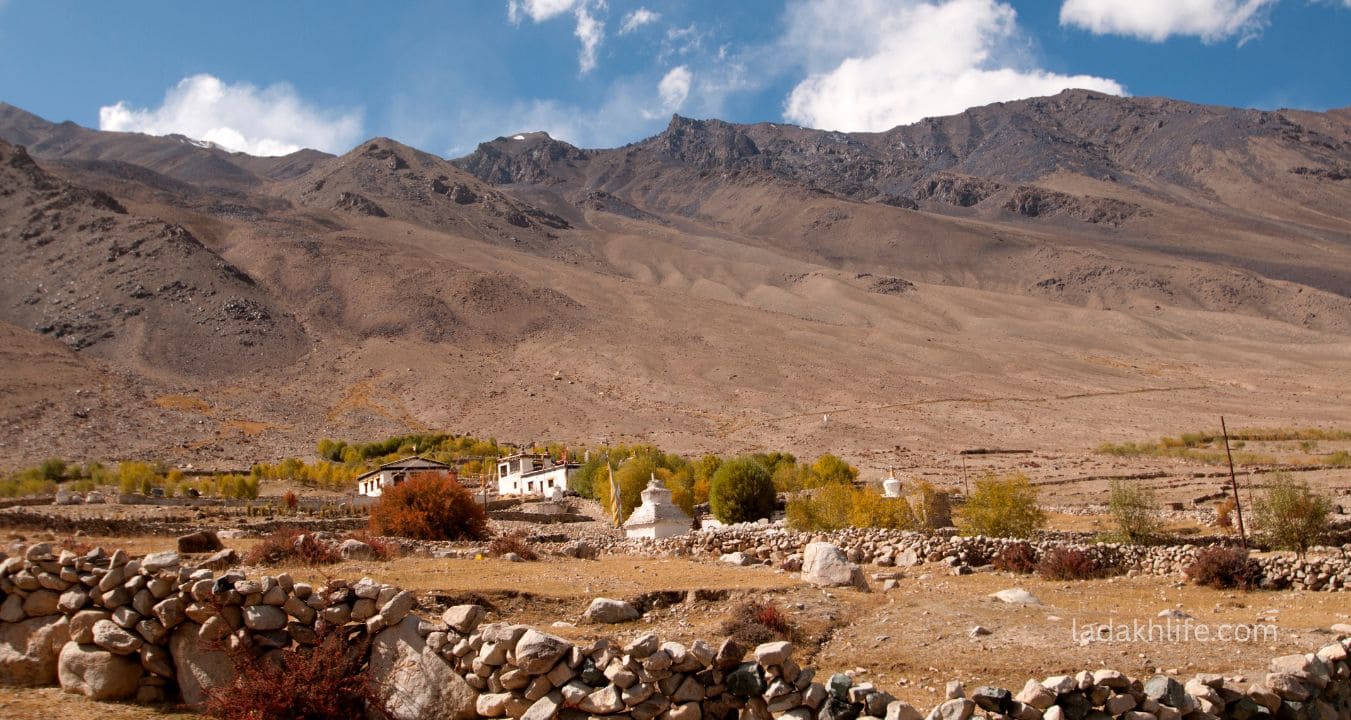
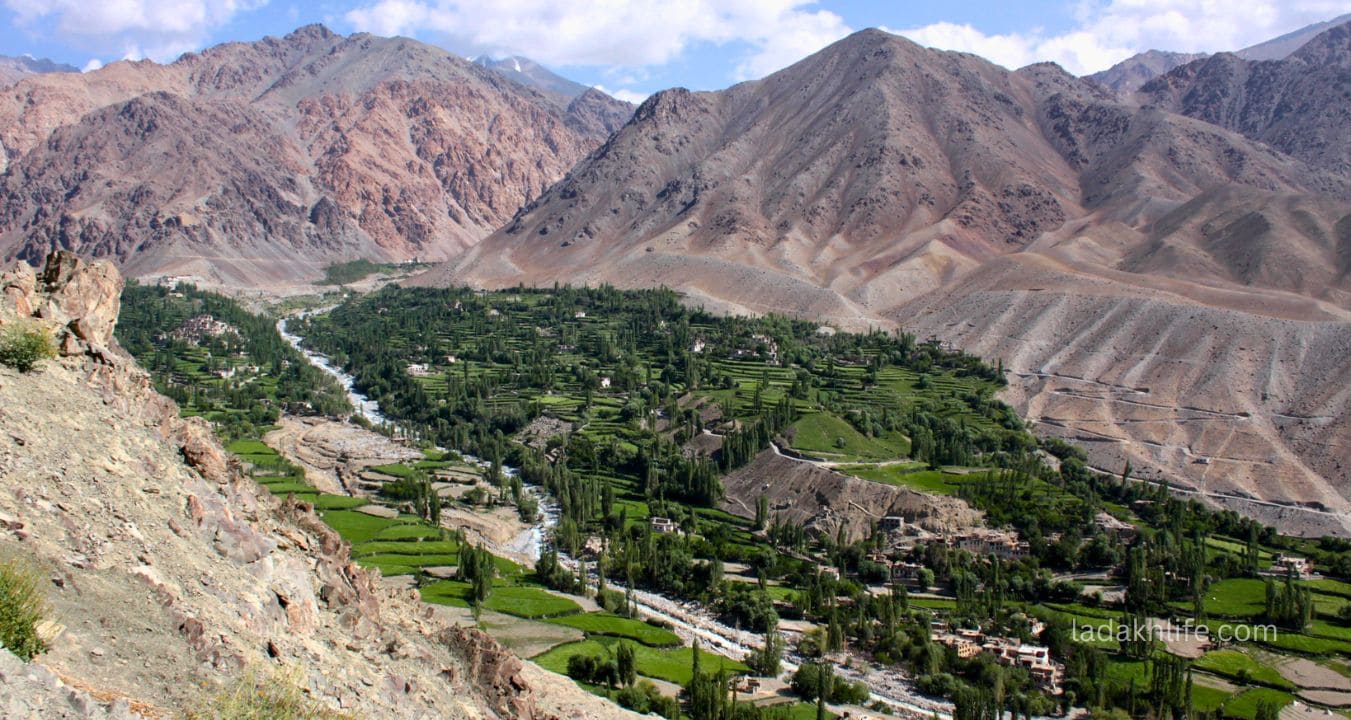
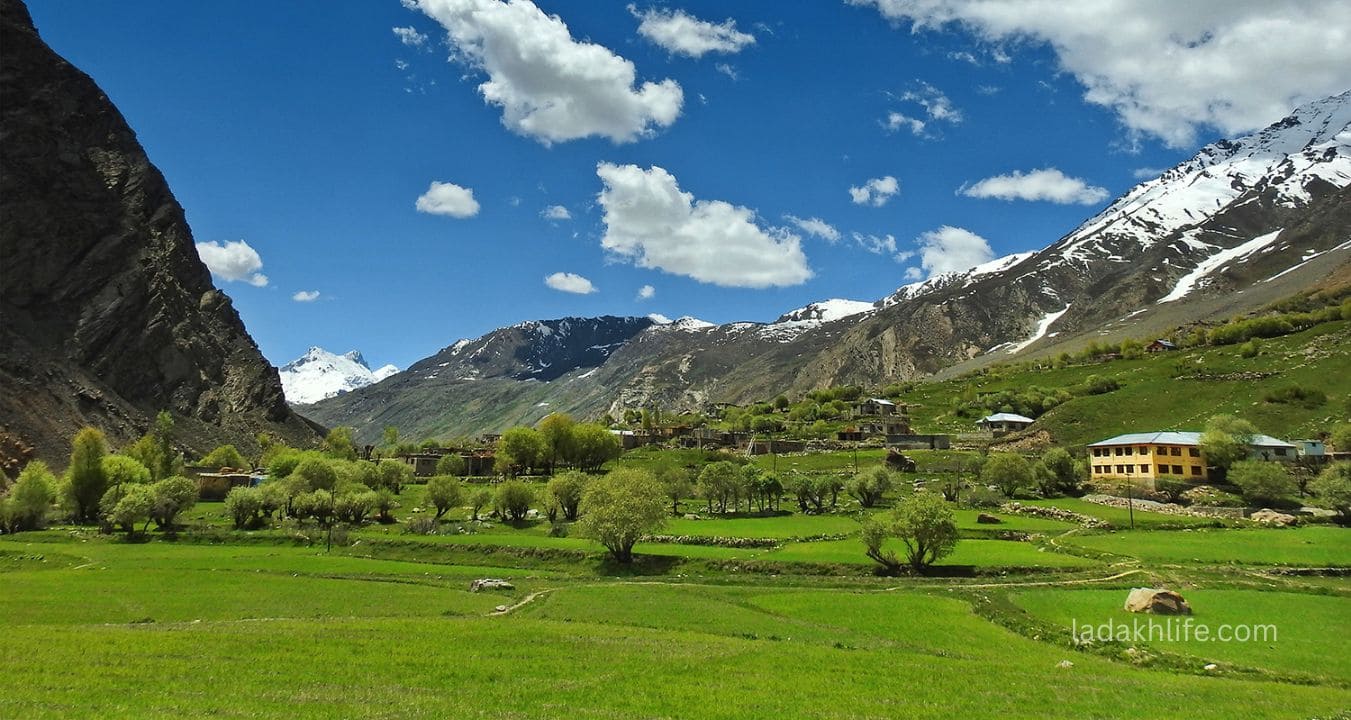
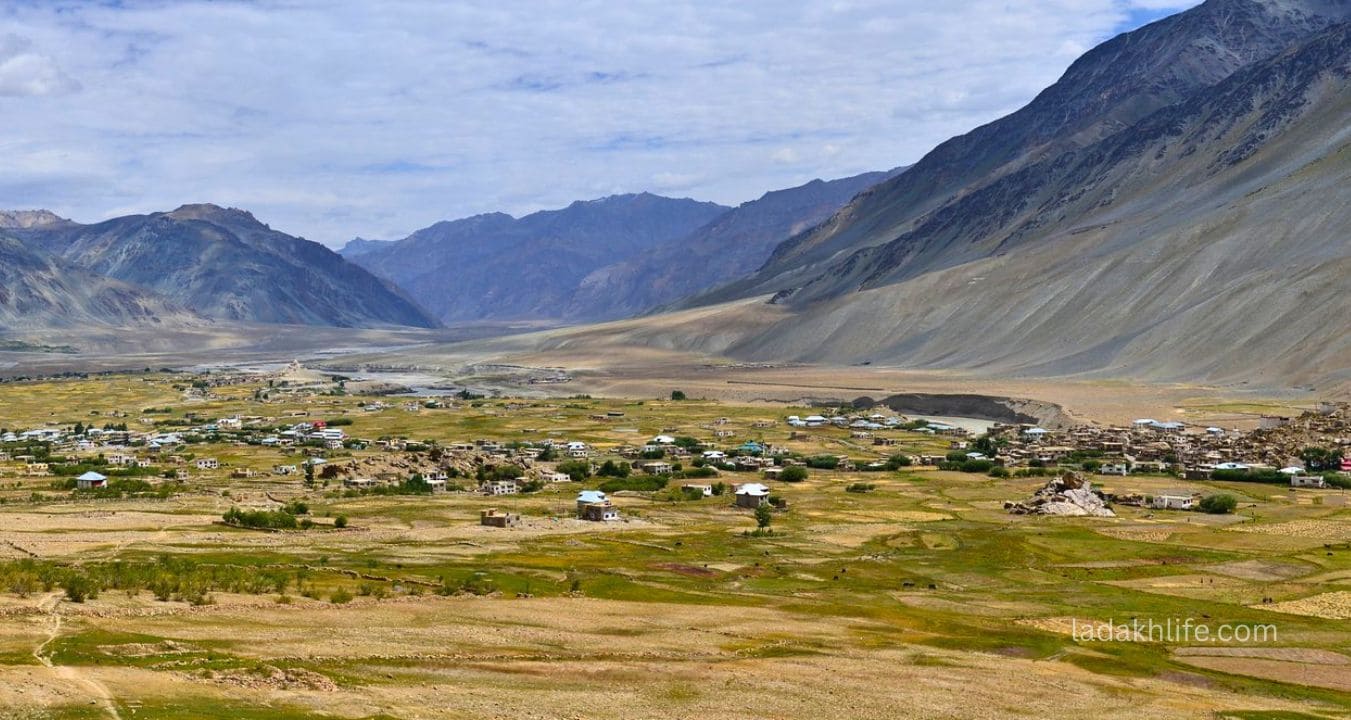
The village is small, maybe 30-40 houses, a few hundred people. The residents are Ladakhi Buddhists, and life here revolves around farming (barley, wheat, potatoes) and the monastery. The village sits on the banks of the Indus River, surrounded by green fields and barren mountains.
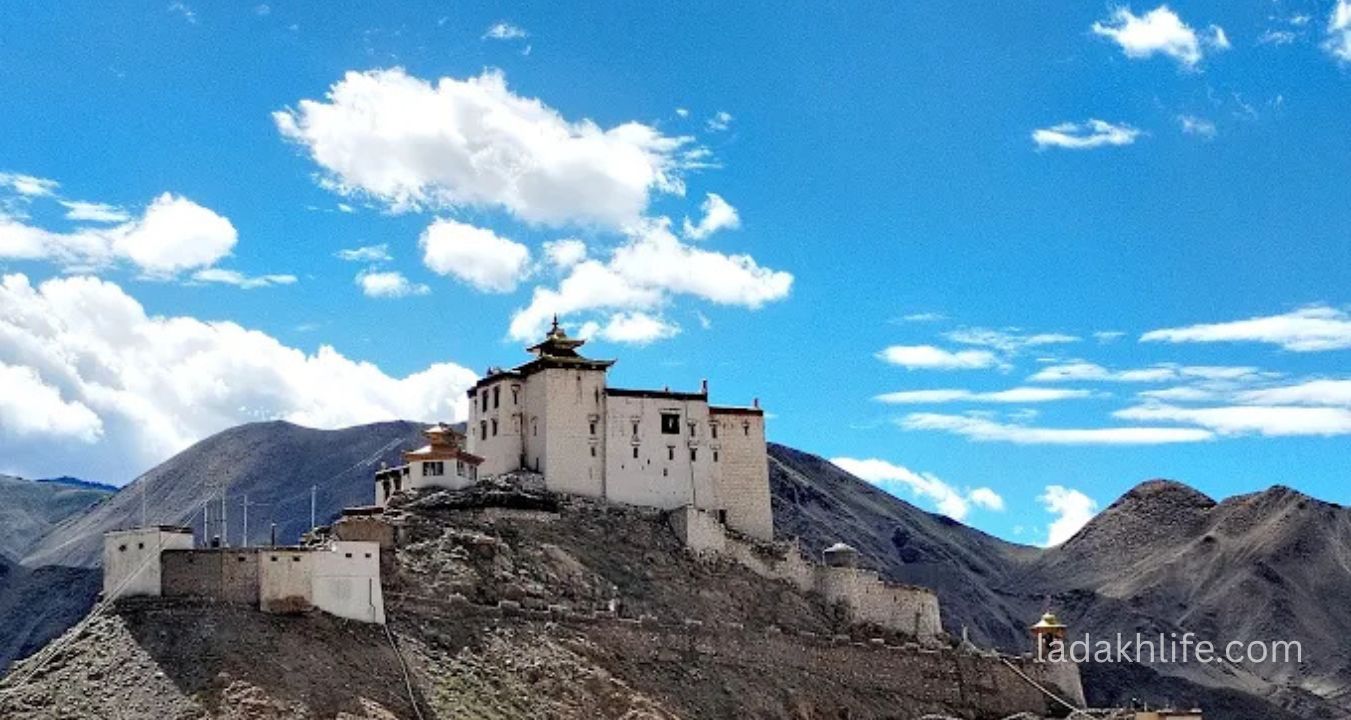
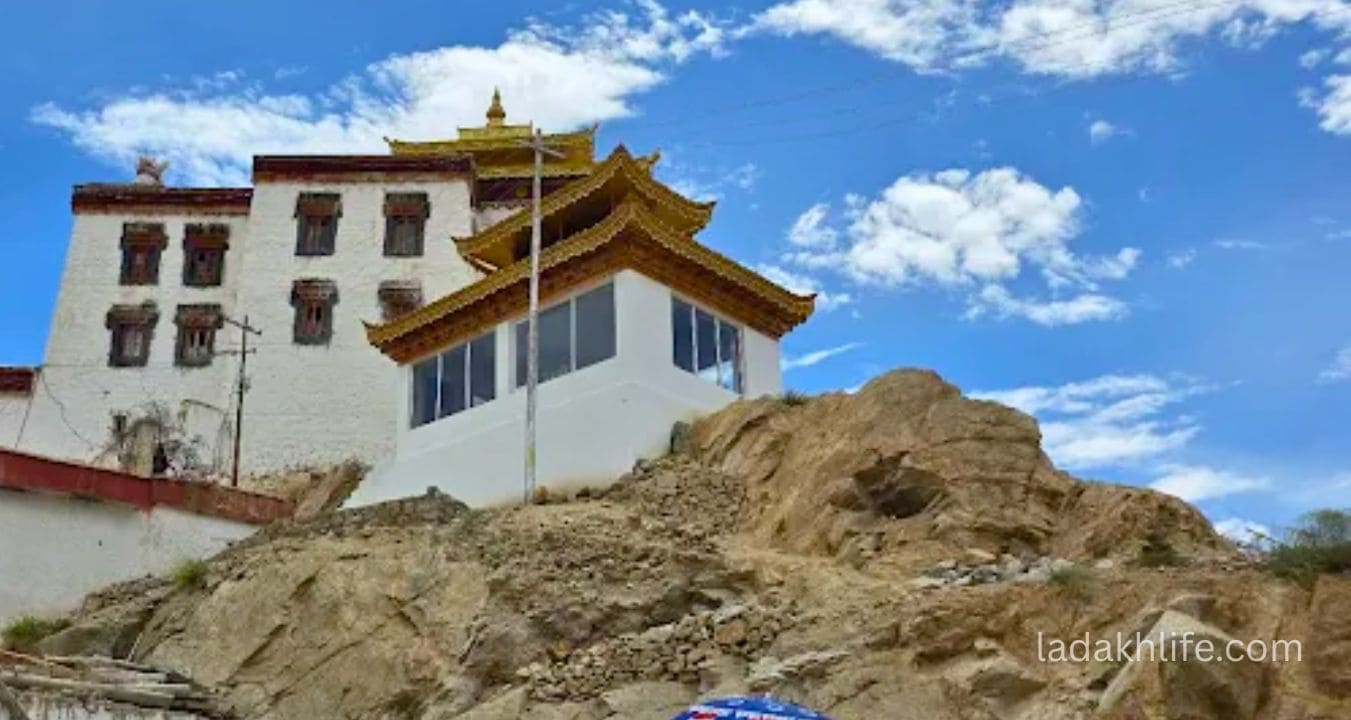
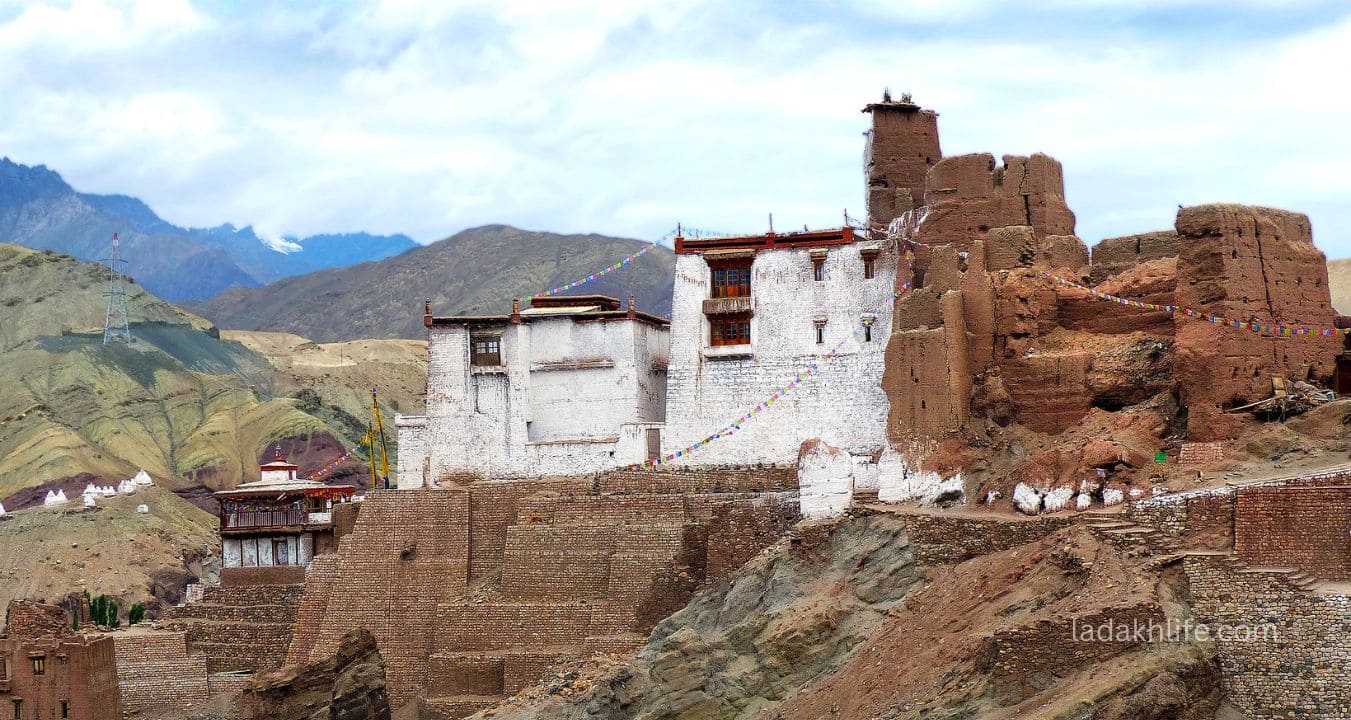
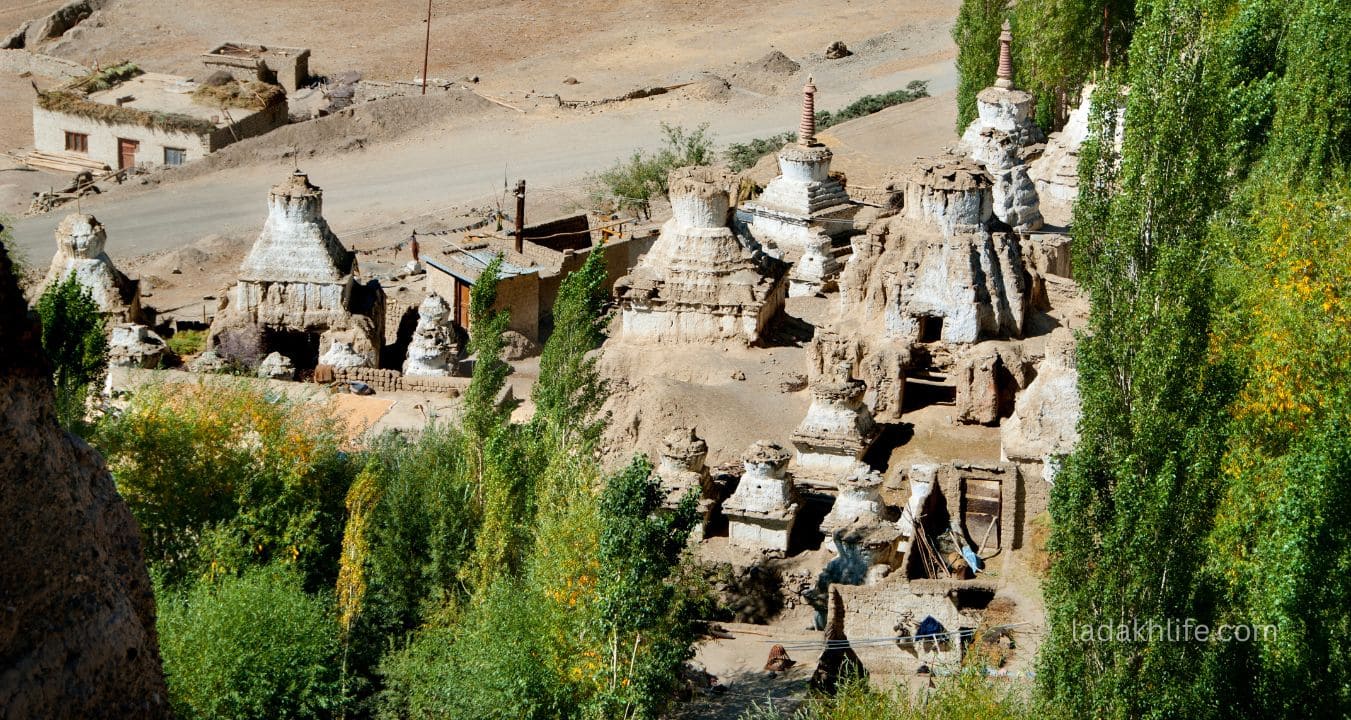
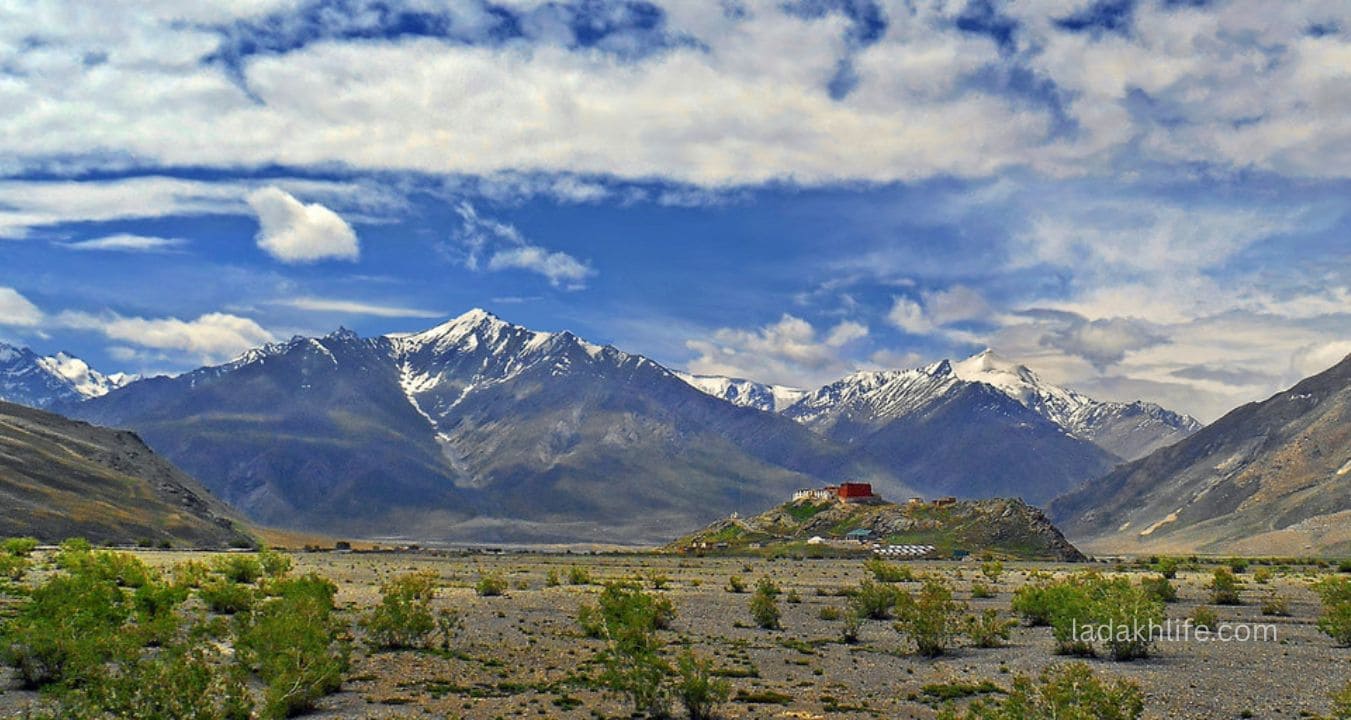
But the real reason to visit Chemrey is the Chemrey Monastery (also called Chemre Gompa). The monastery was founded in 1664 AD by the lama Chemre Nawang Dorje Rakpa, a disciple of the great Buddhist master Padmasambhava. It belongs to the Drukpa Kagyu lineage of Tibetan Buddhism, the same lineage as the famous Hemis Monastery.
Unlike the crowded monasteries near Leh, Chemrey sees very few visitors. On most days, you'll have the entire complex to yourself. The monks are friendly and welcoming. The views are spectacular. And the peace, the peace is profound.
Why Chemrey is Sham Valley's Hidden Monastery Gem
Chemrey is not as famous as Hemis or Thiksey. Here's why you should visit anyway:
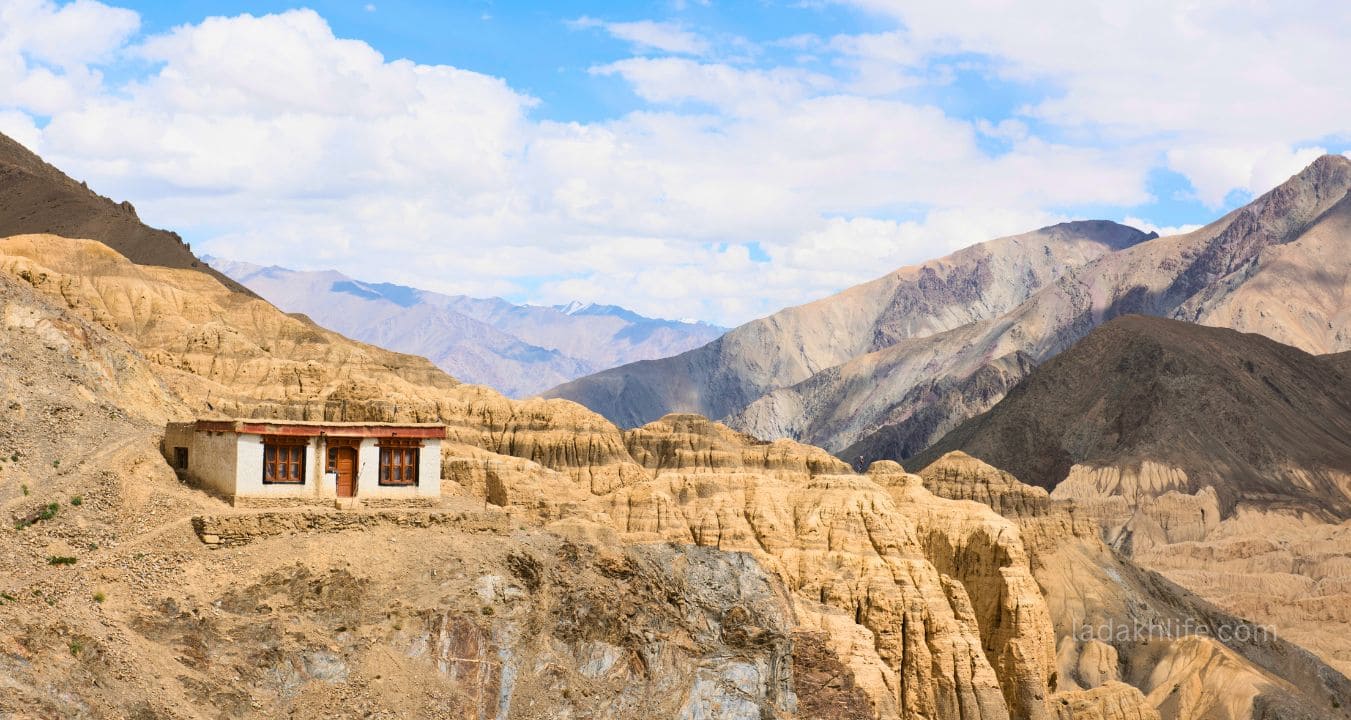
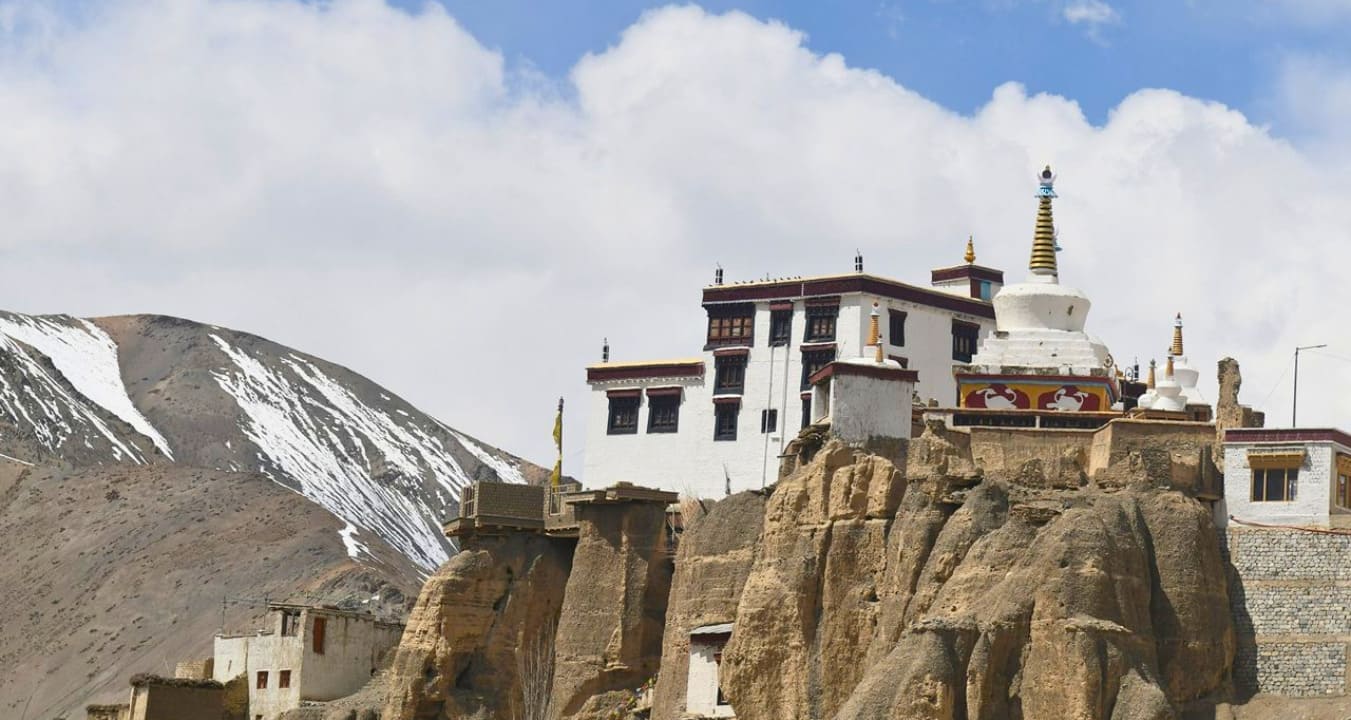
- Stunning hilltop location. The monastery is perched on a rocky hill, overlooking the village, the Indus River, and the surrounding mountains. The setting is spectacular.
- No crowds. While Hemis and Thiksey can feel like tourist attractions, Chemrey feels like a real monastery. You'll likely be the only visitor. The peace is palpable.
- Ancient murals and art. The prayer hall has beautiful ancient murals depicting Buddhist deities, mandalas, and scenes from the life of the Buddha. They're well-preserved and stunning.
- Friendly monks. The monks at Chemrey are welcoming and happy to show visitors around. Some speak a little English. They appreciate sincere interest in their culture and religion.
- Rooftop views. The rooftop of the monastery offers spectacular views of the Indus Valley, the green fields, and the snow-capped peaks of the Stok range.
- Off the beaten path. Most tourists on the Leh-Manali highway drive right past Chemrey. A detour here takes just an hour or two, but it's one of the most peaceful stops on the route.
The Chemrey Experience (The Honest Version)
Let me walk you through what actually happens when you visit Chemrey. No filters. No fancy language.
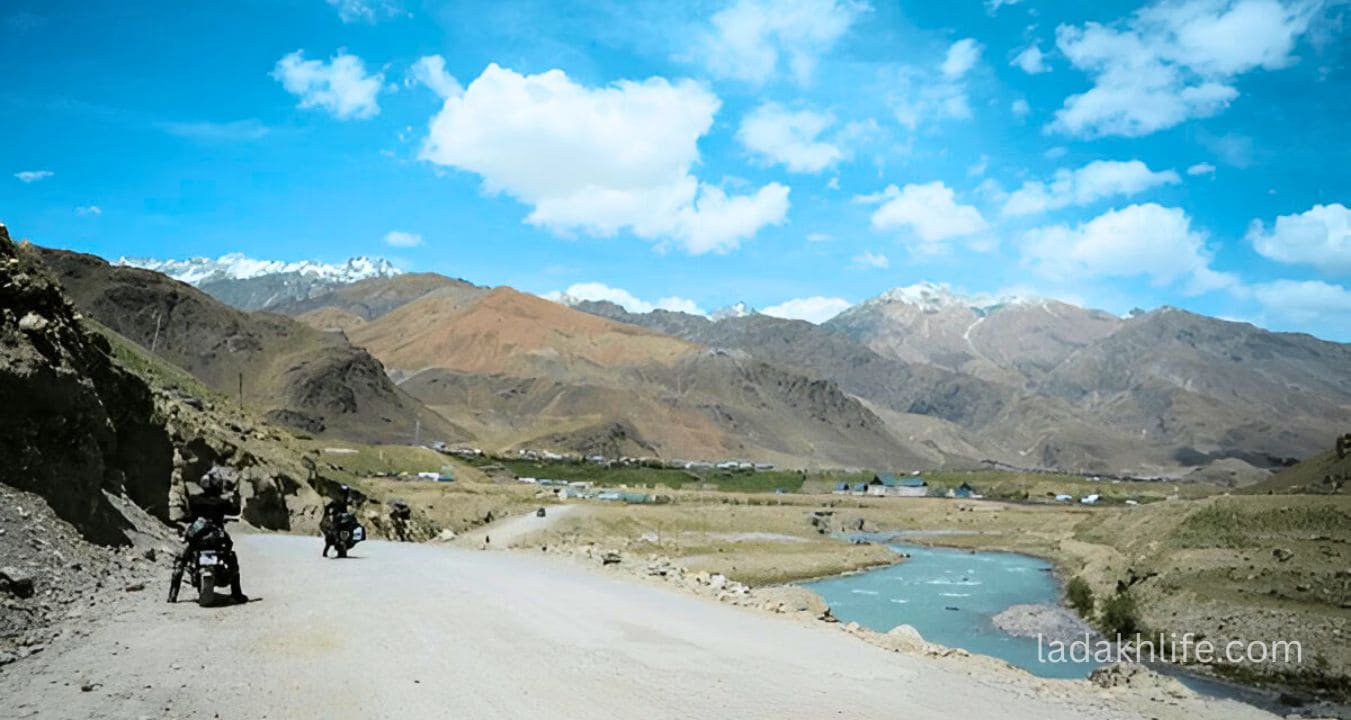
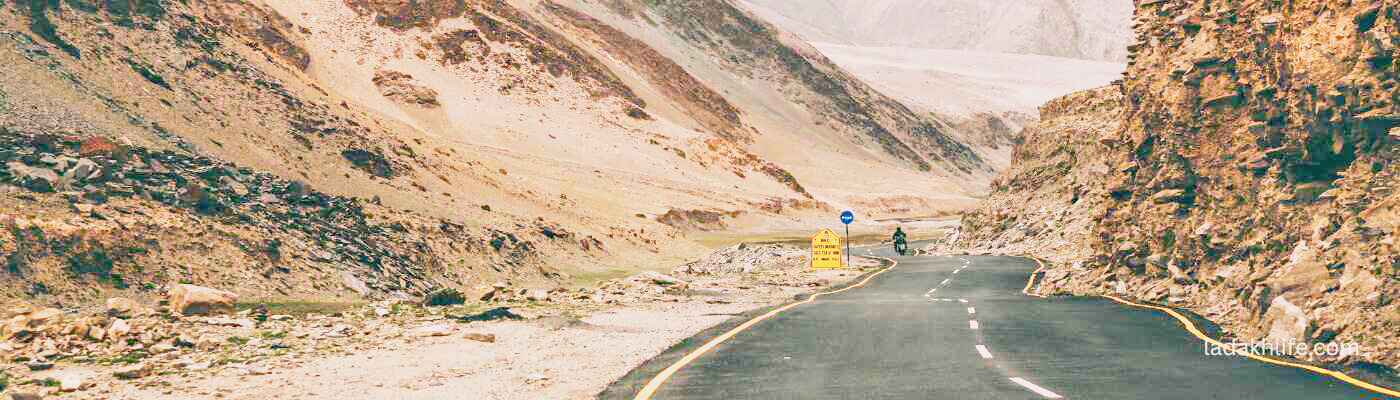
- The drive from Leh: You're on the Leh-Manali highway, heading east. The road follows the Indus River. Green fields on one side, barren mountains on the other. You pass through Karu, then a few small villages. Look for the sign for Chemrey.
- Turning off the highway: You cross a small bridge over a stream. The road winds through the village. The monastery is visible on the hill above, white walls, red roofs, prayer flags.
- The climb: You park near the base of the hill. The path to the monastery is steep, stone steps, switchbacks, maybe 10-15 minutes of climbing. The altitude makes it harder. Take it slow. Stop to catch your breath. The views get better with every step.
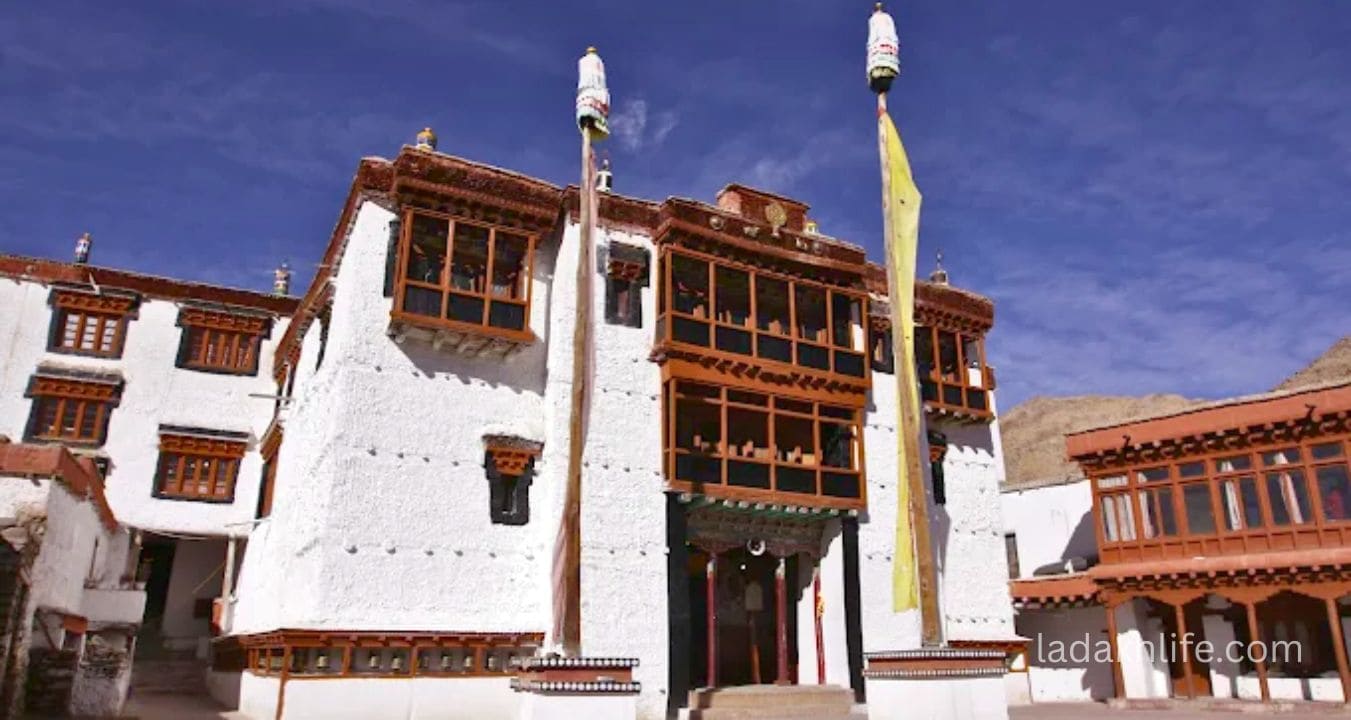
- Arriving at the monastery: You pass through a small gate. A monk greets you with a smile. He gestures for you to enter the prayer hall. You take off your shoes. The air inside is cool, filled with the smell of butter lamps and incense.
- The prayer hall: The murals are stunning, bright colors, intricate details, Buddhist deities staring down from the walls. Golden statues of the Buddha and Buddhist masters. Silk thangkas hanging from the ceiling. You walk slowly, taking it all in. The monk points out the important features, explaining in broken English.
- The rooftop: The monk leads you up a narrow staircase to the rooftop. The view is spectacular. The Indus River winds through the valley below. Green fields patchwork the landscape. Snow-capped peaks rise in the distance. You sit on the edge, dangling your feet, watching the clouds move. No other tourists. No noise. Just peace.
- The descent: You thank the monk, offer a small donation (₹50-100 is fine), and walk back down the path. The village children wave as you pass. You feel refreshed, calm, grateful.
That's Chemrey. Not famous. Not crowded. But peaceful, beautiful, and spiritually nourishing.
The Crown Jewels of Chemrey (Don't Miss These)
1. Chemrey Monastery, A 17th Century Gem
The monastery is the heart of Chemrey. Founded in 1664 AD, it's been a center of Buddhist learning and practice for over 350 years. The main prayer hall (Dukhang) is filled with beautiful murals, golden statues, and silk thangkas. Look for the statue of Padmasambhava (Guru Rinpoche), the founder of Tibetan Buddhism, and the ancient thangkas that are carefully preserved. The monks are usually happy to show you around, just ask politely.
2. The Ancient Murals, 350-Year-Old Masterpieces
The murals in Chemrey Monastery are one of its best-kept secrets. They date back to the 17th century and are remarkably well-preserved. The colors are still bright, deep reds, vibrant blues, rich golds. The paintings depict Buddhist deities, mandalas, and scenes from the life of the Buddha. Some also show local Ladakhi life and landscapes. Take your time. Look closely. These are masterpieces of Himalayan art.
3. The Rooftop View, Indus Valley Panorama
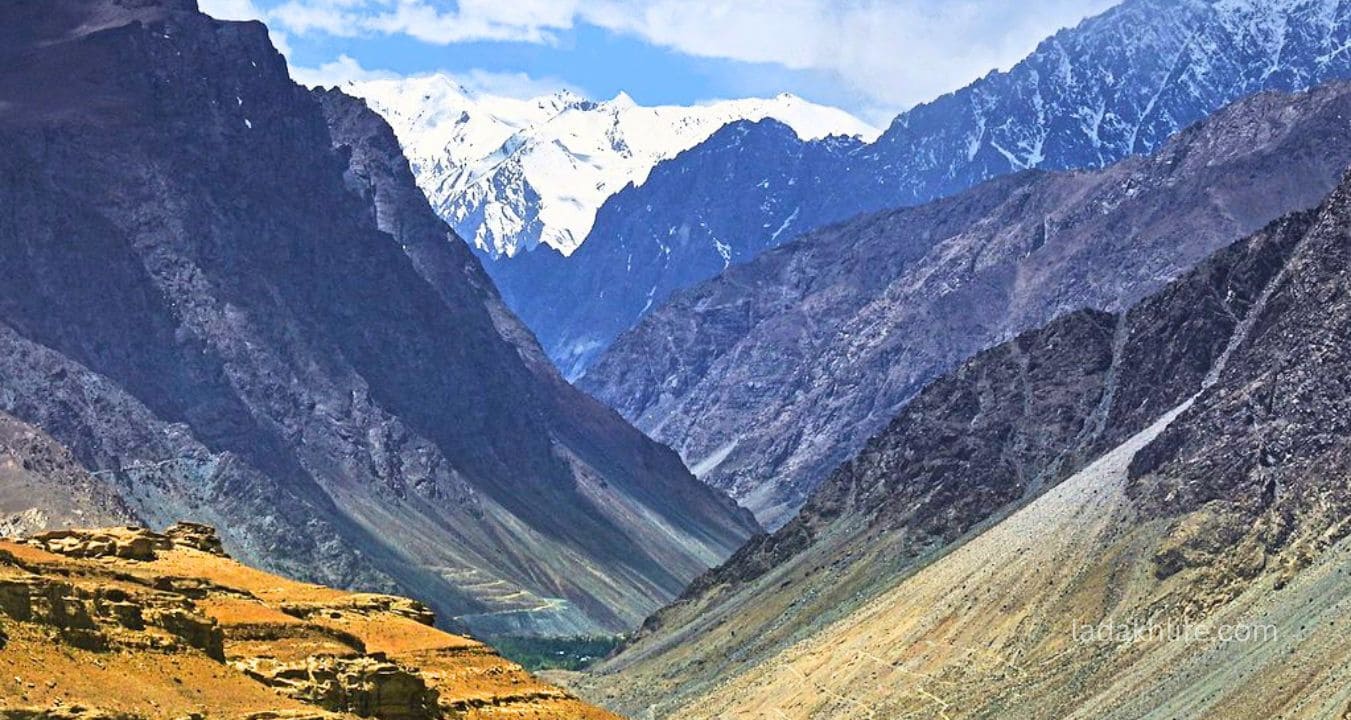
Don't leave without climbing to the rooftop. From here, you can see the Indus River winding through the valley, the green fields of the Sham Valley, the Stok range rising to the south, and the brown mountains of the Ladakh range to the north. On a clear day, the view stretches for miles. Go in the late afternoon, when the light is golden. It's spectacular.
4. The Prayer Flags, Fluttering in the Wind
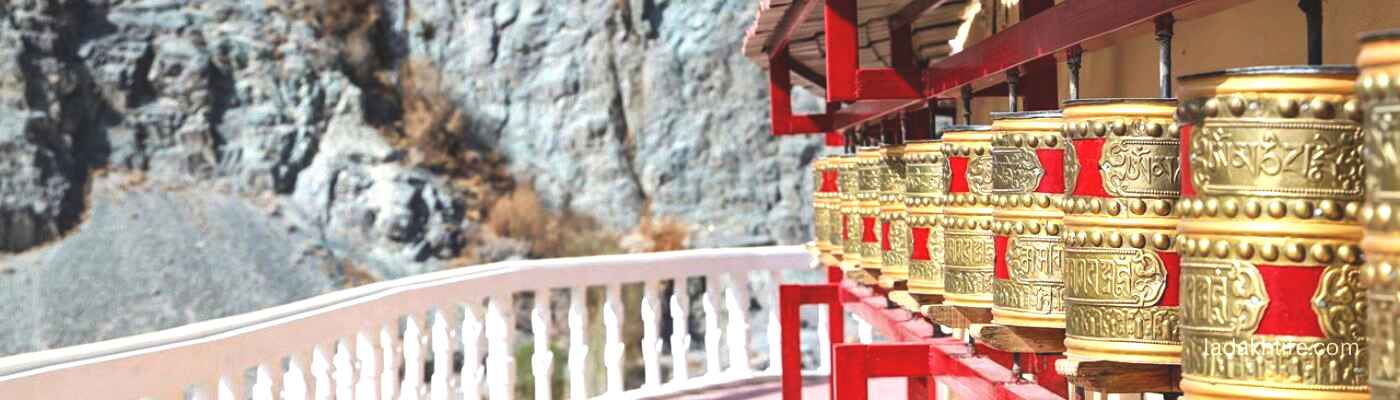
Prayer flags surround the monastery, on the hilltop, along the path, at the entrance. They flutter constantly in the wind, their bright colors (blue, white, red, green, yellow) representing the five elements. The sound they make is like nothing else, a constant, gentle flapping that feels like a prayer. Walk through them. Listen. Buddhists believe the wind carries the prayers on the flags to the heavens.
5. The Village, Green Fields and Rural Peace
After visiting the monastery, walk through Chemrey village. The houses are traditional Ladakhi, stone and wood, with flat roofs where apricots dry in the sun. The fields are green with barley and wheat, irrigated by channels from the river. The children will wave and say "Juley." The old men will nod as you pass. It's simple. It's real. It's beautiful.
6. The Drive from Leh, Scenic and Serene
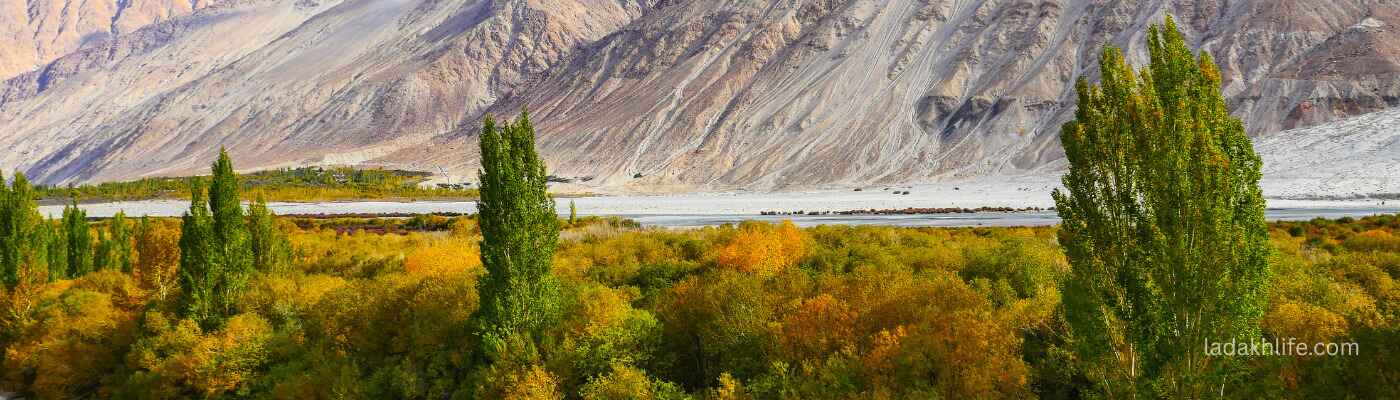
The drive from Leh to Chemrey follows the Indus River through the Sham Valley. It's one of the most beautiful drives in Ladakh, green fields, poplar trees, distant snow peaks, and the wide grey-green river flowing alongside. Stop at the viewpoints. Take photos. Don't rush. The journey is part of the experience.
7. Nearby Hemis Monastery, Combine Your Visit
Chemrey is just 15 kilometers from the famous Hemis Monastery, one of the largest and most important monasteries in Ladakh. You can easily combine the two in a single day trip from Leh. Visit Hemis in the morning (it's larger, takes more time), then drive to Chemrey in the afternoon for a quieter, more intimate experience. They're on opposite sides of the Indus River, there's a bridge that connects them.
8. The Silence, A Rare Gift
Unlike the busy monasteries near Leh, Chemrey is quiet. No tour buses. No souvenir shops. No crowds. Just the wind, the prayer flags, and the occasional sound of monks chanting. Sit in the courtyard. Close your eyes. Listen to the silence. It's a rare gift in today's world.
Best Time to Visit Chemrey
Chemrey is in Sham Valley, which has a longer season than most of Ladakh.
June to September is the main season. July and August are the warmest months, daytime temperatures 20-25°C, nights cool (5-10°C). The fields are green, the river is full, and the weather is pleasant. August is peak tourist season in Ladakh, but even then, Chemrey sees very few visitors.
May and October: Shoulder months. May is cooler (15-20°C) and less crowded. The fields are just starting to green. October is beautiful, clear skies, crisp air, autumn colors, but nights are cold (near freezing). The roads are still open.
November to April: It's cold, winter temperatures drop well below freezing. The roads may be open (Sham Valley stays open longer than Nubra), but the monastery may have fewer monks, and the climb could be icy. Only visit if you're prepared for cold.
Pro tip: September is the best month. The weather is perfect, the crowds are gone, the skies are clear, and the light is beautiful. Visit in the late afternoon for the best light on the monastery and the valley.
Where to Stay Near Chemrey
Chemrey is easily visited as a day trip from Leh. But if you want to stay overnight in the area, here are options:
In Leh (40 km west): Every budget, from hostels and homestays to luxury hotels. This is the most convenient base for exploring Chemrey and other Sham Valley attractions.
In Karu (20 km west): A small town at the junction of the Leh-Manali and Leh-Pangong highways. A few basic guesthouses. A good option if you want to be closer to Chemrey but still have basic facilities.
Near Hemis (15 km east): A few homestays and guesthouses near Hemis Monastery. Basic but peaceful. A good option if you want to combine Chemrey and Hemis over two days.
No hotels in Chemrey itself. The village is too small. Stay in Leh or Karu and drive.
How to Get to Chemrey
Chemrey is on the Leh-Manali highway, easy to reach from Leh.
Route: Leh → Karu (20 km) → continue east on the Leh-Manali highway → look for the sign for Chemrey (about 20 km past Karu) → turn left, cross the bridge, and follow the road to the village.
From Leh (about 40 km, 1 hour): Drive east on the Leh-Manali highway. The road is paved and in good condition. Follow the Indus River. Watch for the sign for Chemrey, it's easy to miss. After crossing the bridge, follow the narrow road to the village.
From Hemis (about 15 km, 30 minutes): Drive north from Hemis to the main highway, then east toward Chemrey. There's a bridge over the Indus that connects the two sides of the valley.
By bike: Easy and beautiful. The ride from Leh to Chemrey is one of the best in Ladakh, green fields, poplar trees, the Indus River, and distant snow peaks.
By car (any car is fine): The road is paved and well-maintained. No 4x4 needed. The road to the monastery is narrow but paved, you can drive almost to the base of the hill.
By taxi: Hire a taxi from Leh for a half-day trip to Chemrey. Expect to pay ₹1,500-2,500 depending on the waiting time. Combine with Hemis for a full-day tour.
By bus: Buses from Leh to Manali or Hemis may drop you on the main highway near Chemrey. From there, you'll need to walk or hitch the 2-3 kilometers to the village. Not recommended, take a taxi instead.
What to Pack for Chemrey
Chemrey is at similar altitude to Leh, so prepare for sun and cool temperatures:
- Daytime: T-shirts, light pants, a hat for sun protection, sunglasses. It can be warm in summer (20-25°C).
- Monastery visit: Cover your shoulders and knees. A scarf is useful for women to cover their heads (not required but respectful).
- Shoes: Comfortable walking shoes with good grip. The path to the monastery is steep and rocky. You'll also need to remove your shoes inside the prayer hall, slip-on shoes are convenient.
- Sun protection: Sunscreen (SPF 30+), lip balm, sunglasses. The sun is strong at 11,000 feet.
- Water & snacks: There are no shops near the monastery. Carry water and maybe a snack.
- Camera: You'll want it. The monastery, the murals, the views, Chemrey is incredibly photogenic. Ask before taking photos inside the prayer hall (usually allowed, but no flash).
- Small donations: Offer a small donation (₹50-100) at the monastery. It helps with maintenance and is a respectful gesture.
Essential Tips for Visiting Chemrey
- No permits needed. Chemrey is not near the border, so no Inner Line Permit is required. Indian and foreign nationals can visit freely.
- Dress modestly. You're visiting a religious site. Cover your shoulders and knees. Remove your shoes before entering the prayer hall.
- Ask before taking photos inside. Photography is usually allowed in the prayer hall, but always ask first. No flash, it damages the ancient murals.
- Be respectful of monks. Don't touch them without permission. Don't interrupt their prayers or study. A smile and a "Juley" go a long way.
- Don't point your feet at the Buddha statues. In Buddhist culture, pointing your feet at religious objects is disrespectful. Sit with your legs crossed or tucked to the side.
- Walk clockwise around the monastery. This is the traditional direction for circumambulation in Buddhism. Follow the path around the monastery in a clockwise direction.
- Offer a donation. A small donation (₹50-100) is appreciated. There's usually a donation box near the entrance of the prayer hall.
- Take your time. Don't rush through Chemrey. Sit in the courtyard. Listen to the wind. Watch the prayer flags. This is not a checklist stop, it's a place to be present.
- Combine with Hemis. Chemrey is just 15 km from Hemis Monastery. Visit both in one day, Hemis in the morning, Chemrey in the afternoon. They're very different but equally wonderful.
Chemrey vs Other Monasteries in Ladakh
- Chemrey vs Hemis: Hemis is large, famous, and crowded (especially during the Hemis Festival). Chemrey is small, quiet, and intimate. Visit Hemis for the scale and history. Visit Chemrey for the peace and personal experience. They're only 15 km apart, do both.
- Chemrey vs Thiksey: Thiksey is spectacular, it looks like a mini-Potala Palace. It's also crowded. Chemrey is smaller, less famous, and much quieter. Thiksey for the architecture. Chemrey for the peace.
- Chemrey vs Stok: Stok has a beautiful monastery and a palace (the former royal residence). Chemrey has a more dramatic hilltop setting. Both are worth visiting.
- Chemrey vs Alchi: Alchi is famous for its ancient Kashmiri-style murals and wood carvings (over 1,000 years old). Chemrey's murals are 350 years old, still ancient but more recent. Alchi is on the west side of Leh; Chemrey is on the east. Visit both if you have time.
Why Chemrey is the Most Peaceful Monastery in Sham Valley
Let me be honest. Chemrey is not the biggest monastery in Ladakh. It's not the oldest. It doesn't have a giant Buddha statue or a famous festival. What it has is something rarer, peace.
At Hemis, you'll share the prayer hall with dozens of other tourists. At Thiksey, you'll wait in line for photos. At Chemrey, you'll likely have the entire monastery to yourself. The only sounds are the wind, the prayer flags, and the distant chanting of monks. You can sit in the courtyard for an hour without anyone bothering you. You can climb to the rooftop and watch the clouds move across the valley. You can take your time, breathe deeply, and feel the stillness.
Chemrey is not for the traveler who wants to check off a list. It's for the traveler who wants to slow down, to connect, to just be. If that sounds like you, turn off the highway. Climb the hill. Find this monastery. You'll leave with more than photos. You'll leave with a feeling.
Chemrey is not famous. It doesn't have a festival or a 100-foot Buddha. It has a quiet hilltop, ancient murals, and a rooftop view of the Indus Valley. It has monks who smile when you arrive and say "Juley" when you leave. It has the kind of peace that's hard to find in today's world. If you have a few hours, turn off the highway. Climb the hill. Find Chemrey. You'll be glad you did.