So, What Exactly is Rangdum Village?
Rangdum is a small settlement in the Suru Valley region of Ladakh, sitting at approximately 13,000 feet (3,960 meters). It's located about 120 kilometers south of Kargil and about 45 kilometers north of the Pensi La pass (14,500 ft), which marks the boundary between the Suru Valley and the Zanskar Valley.
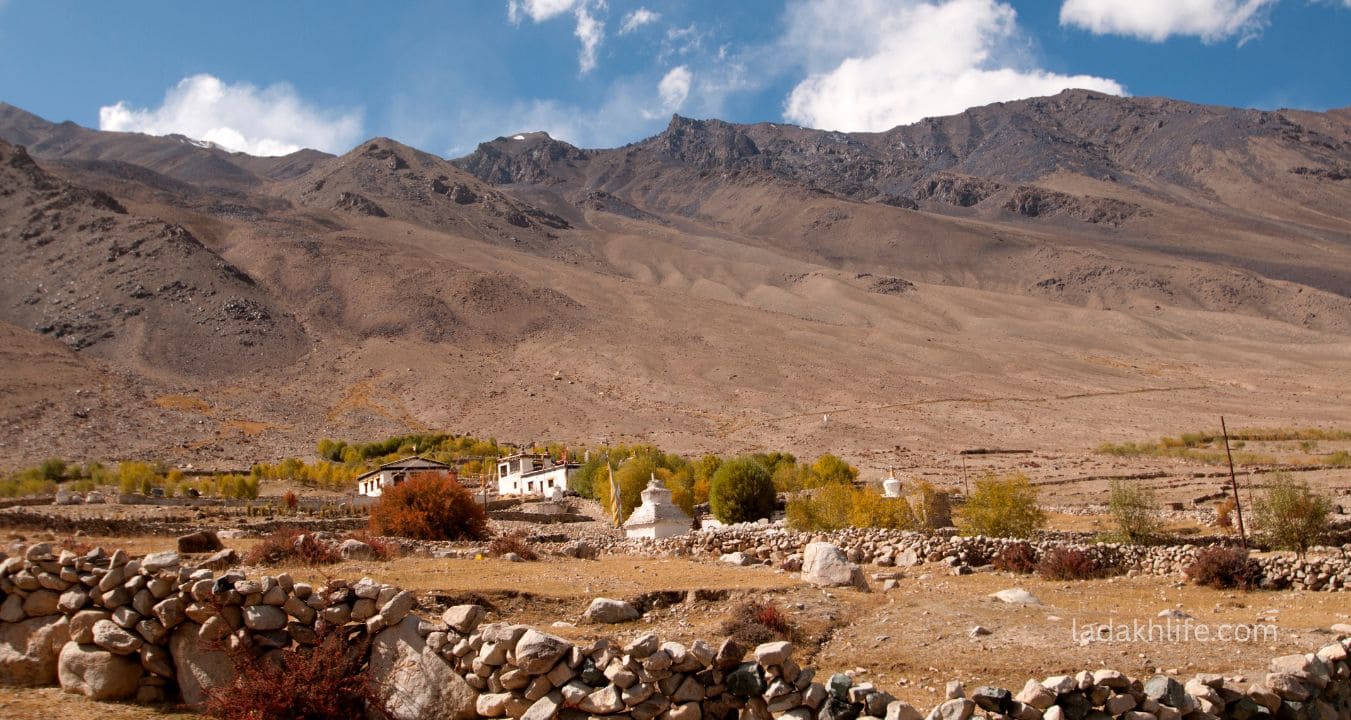
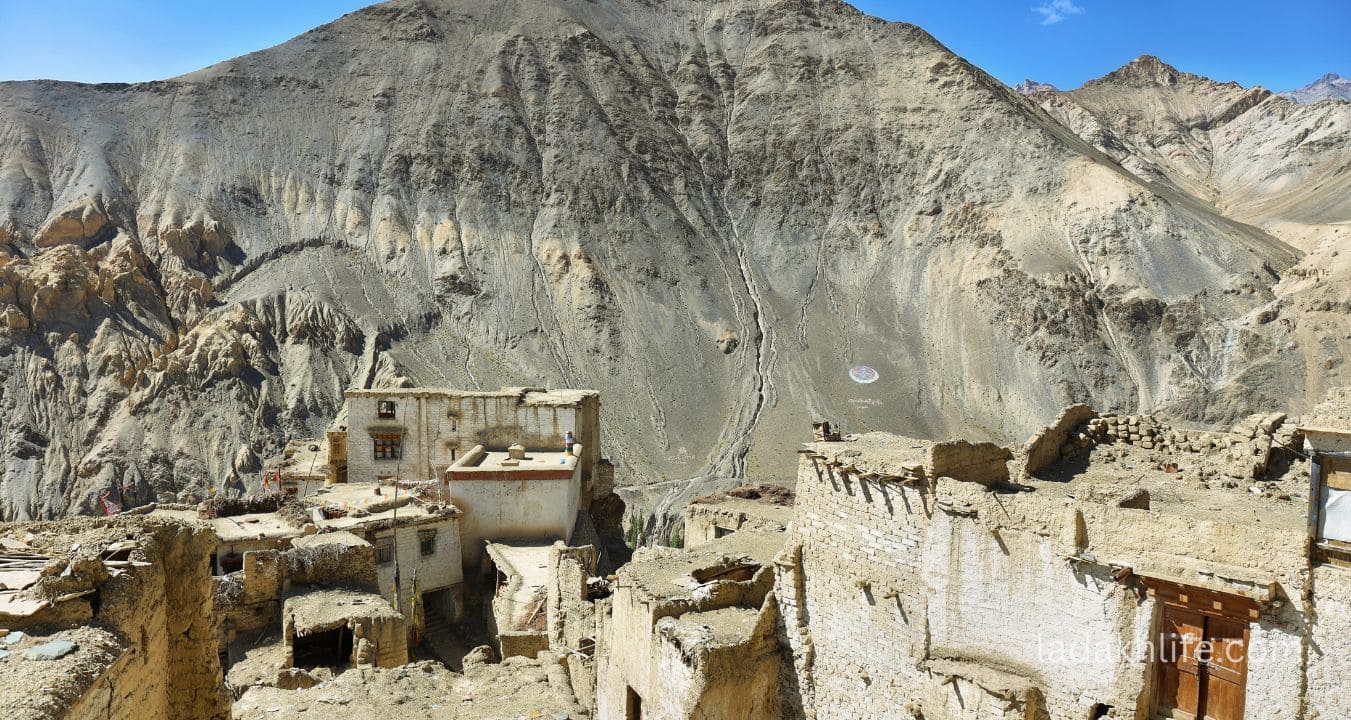
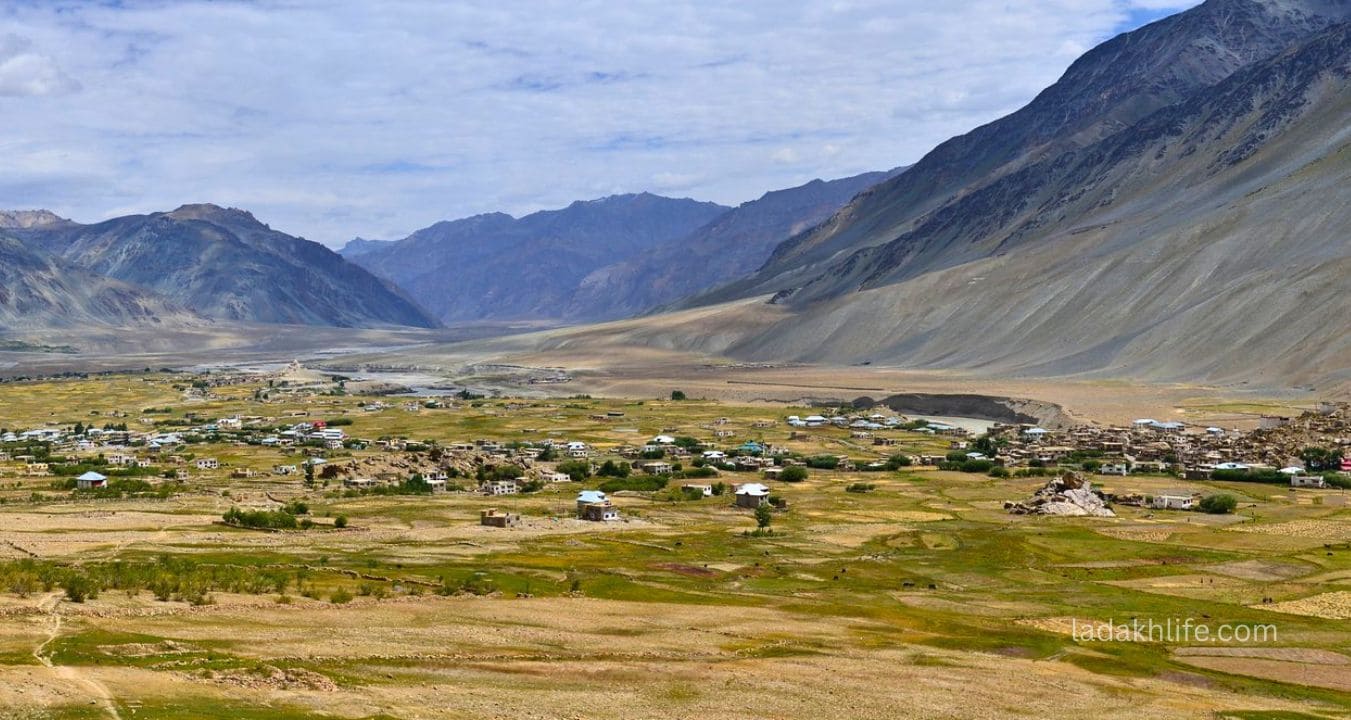
The village is tiny, maybe 10-15 houses, a small monastery, a few guesthouses, and an army camp. The population is a mix of Ladakhi Buddhists (who live in the village and monastery) and the Indian Army (who maintain a presence in this sensitive border area).
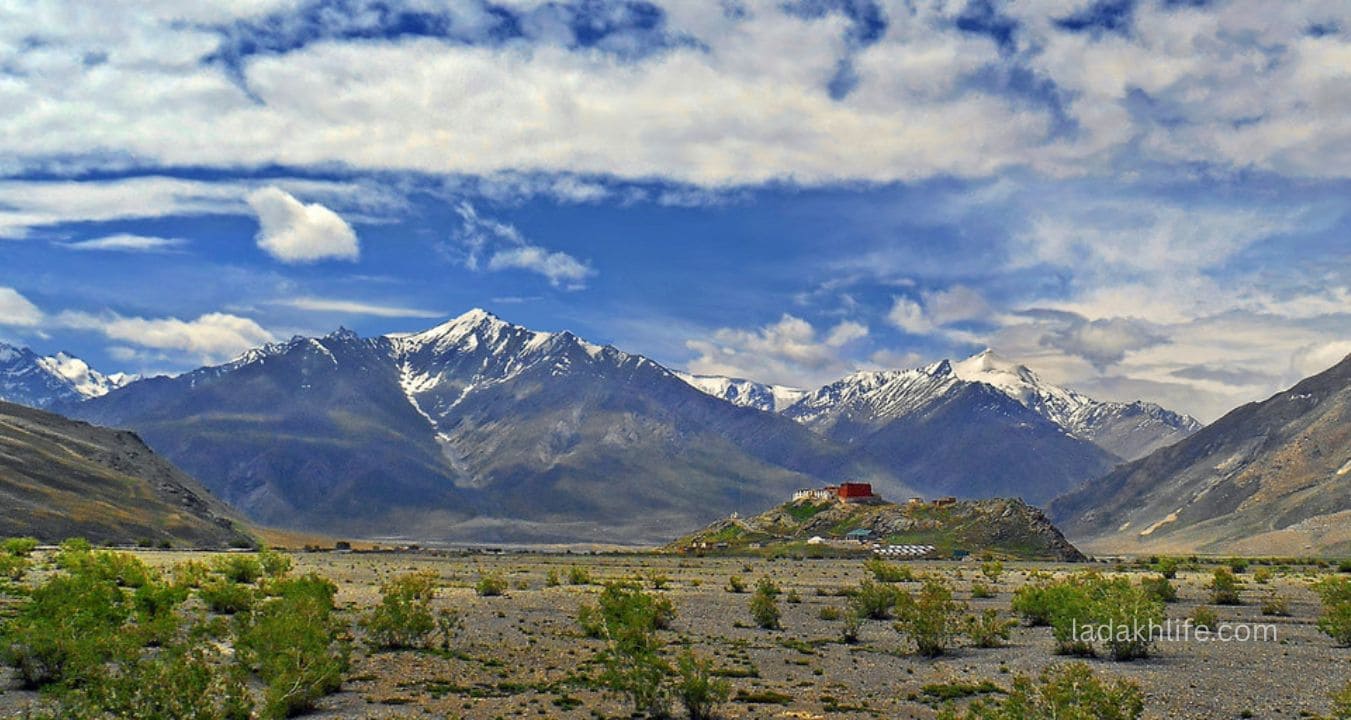
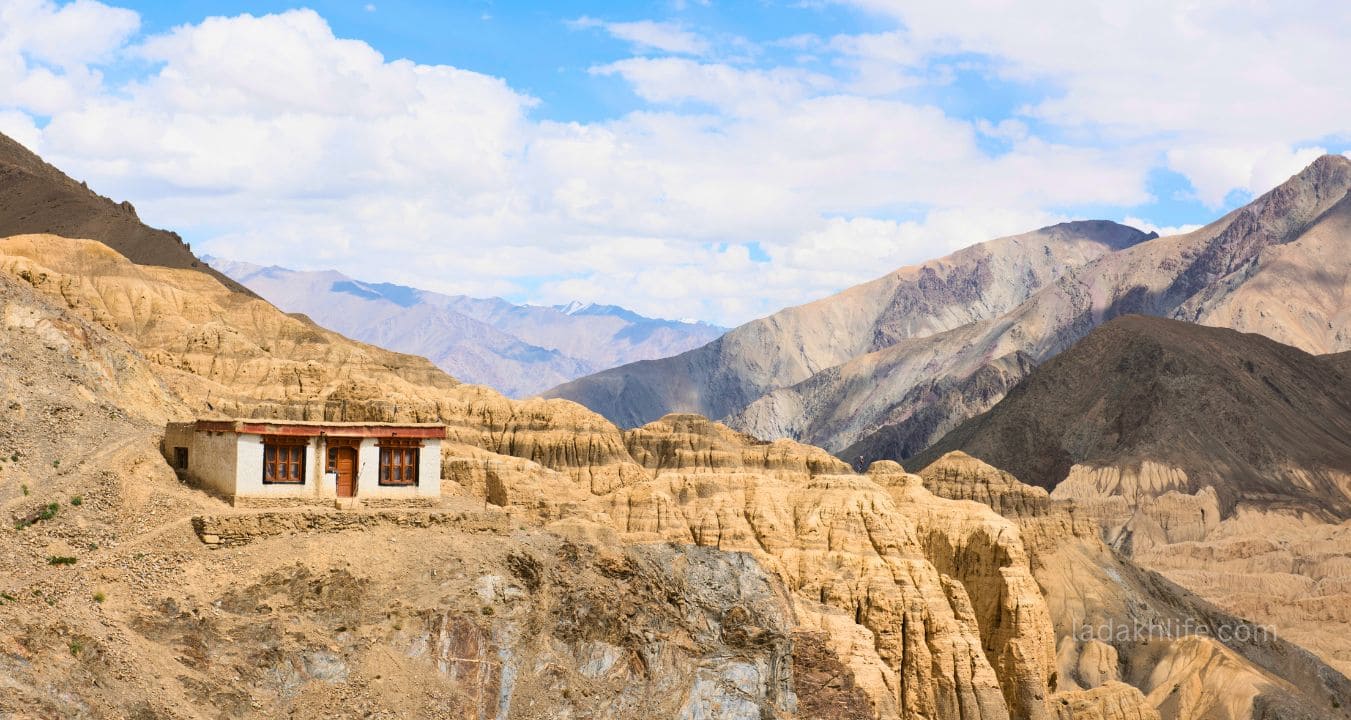
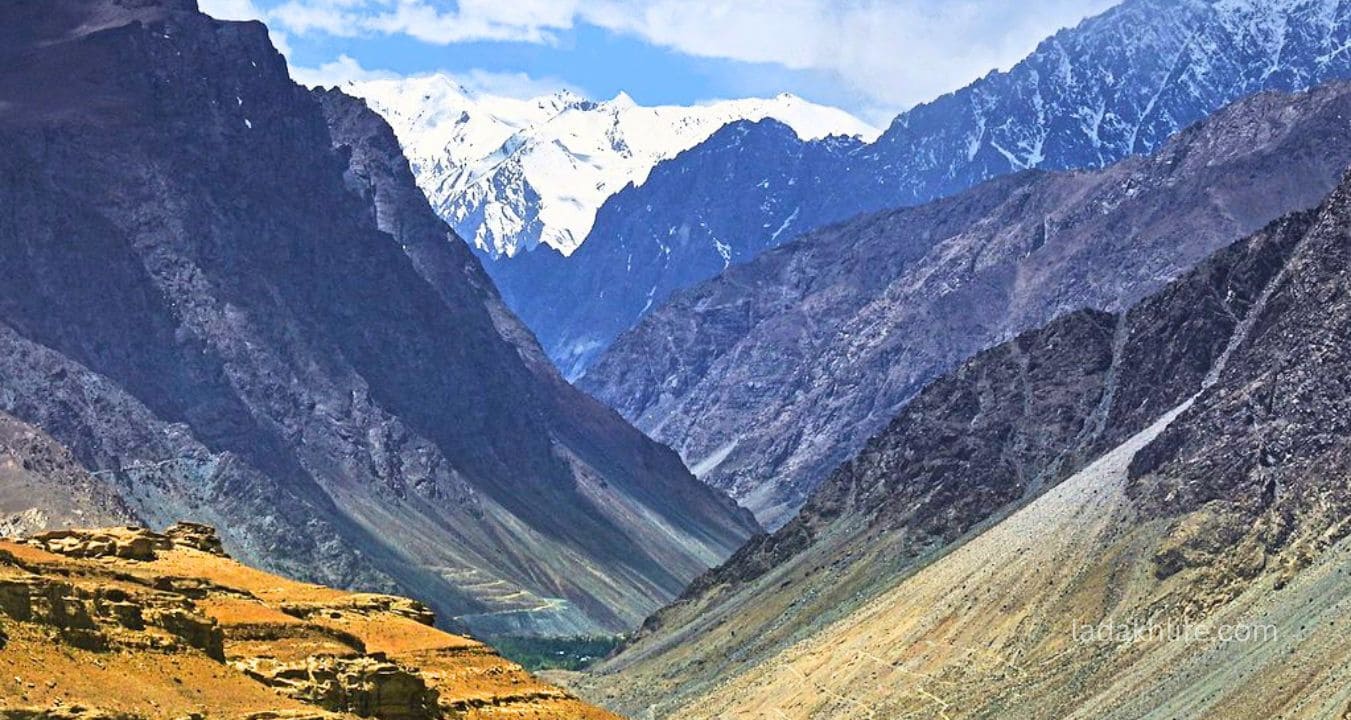
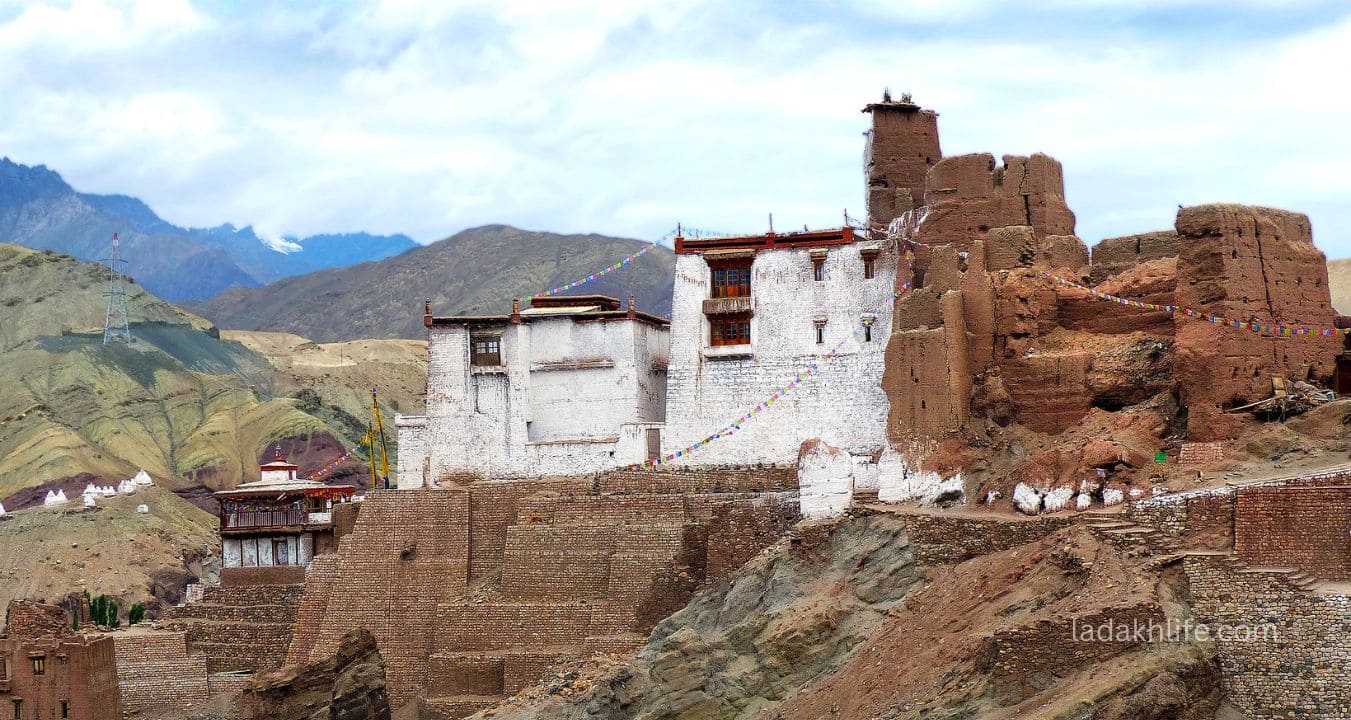
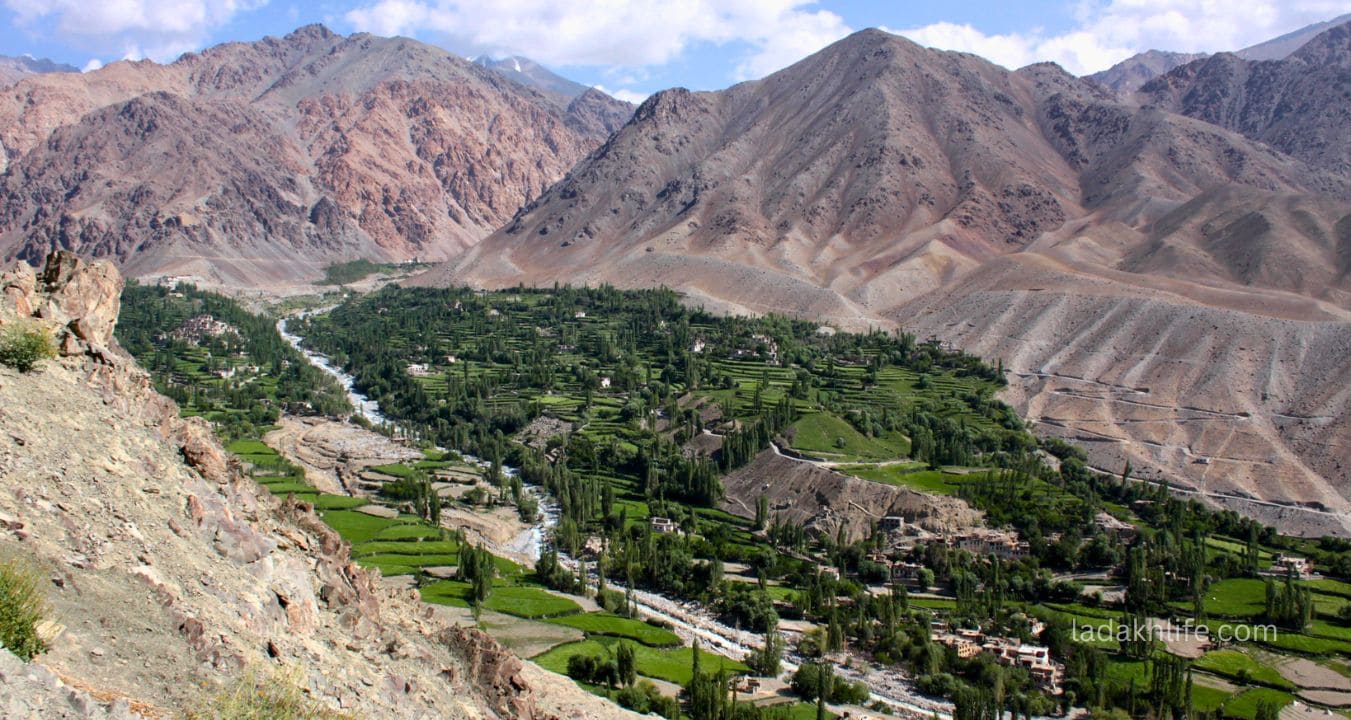
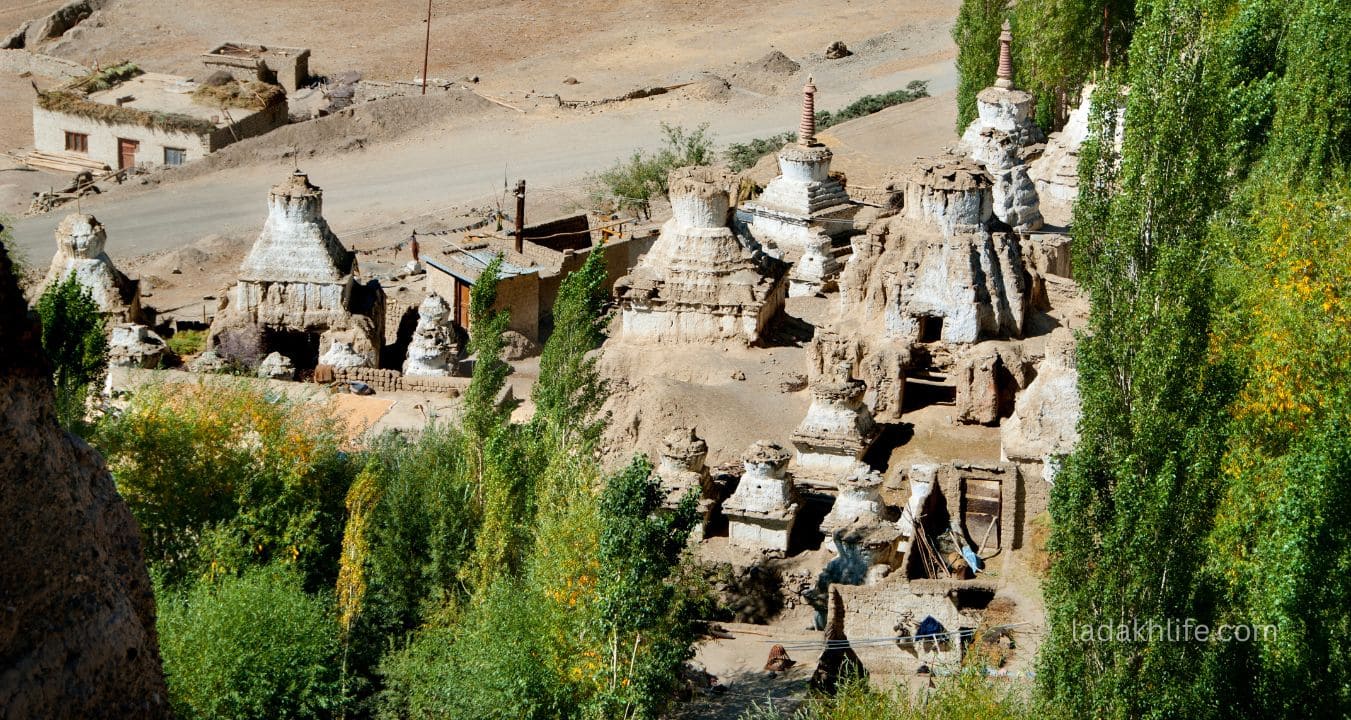
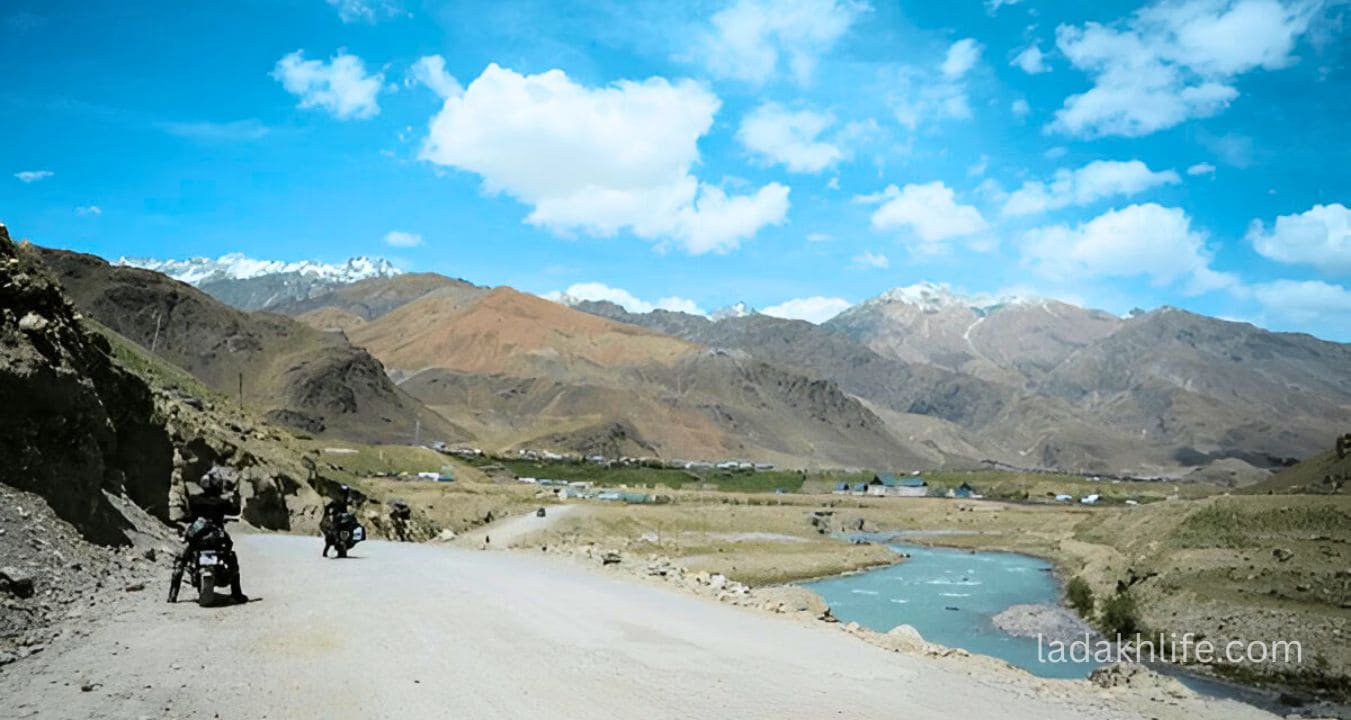
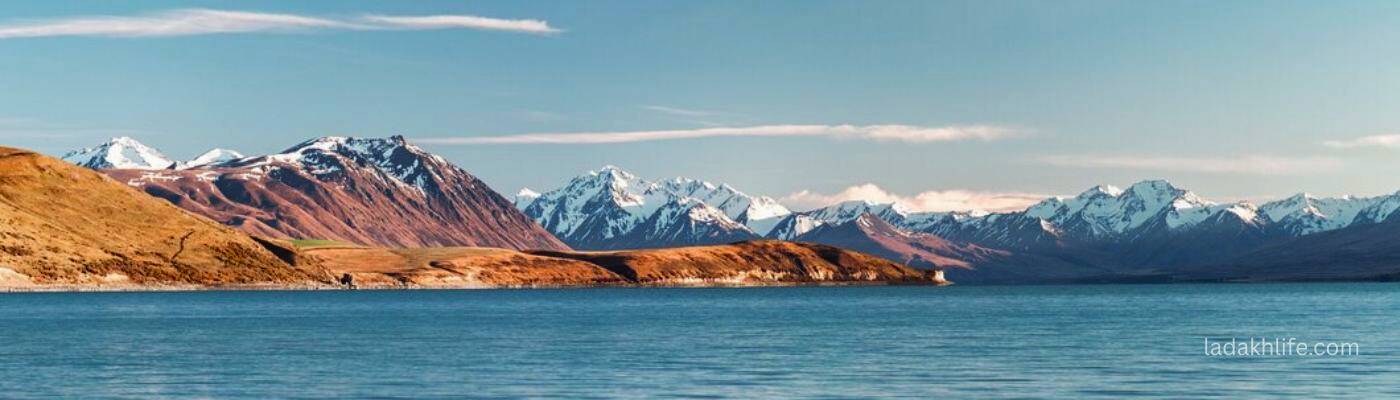
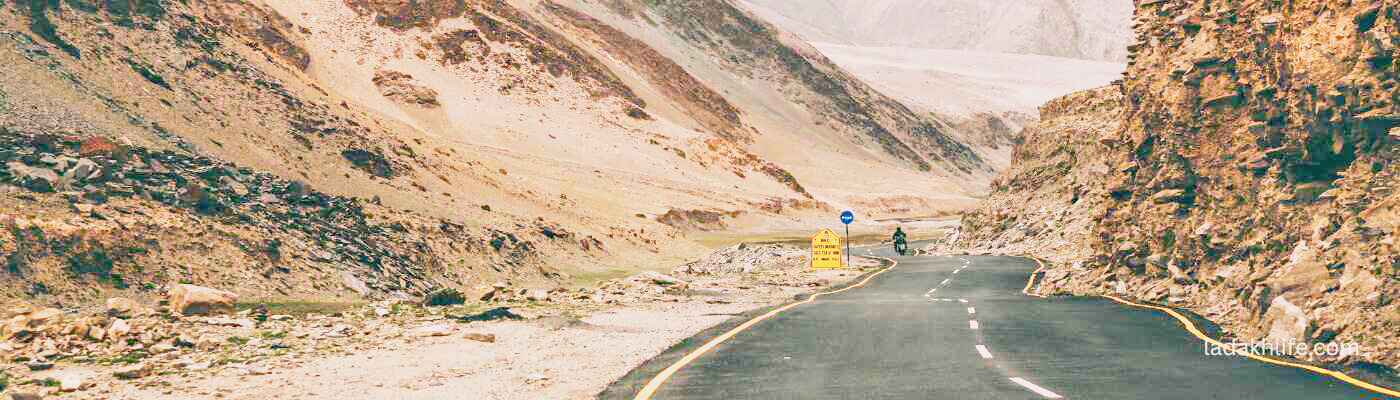
The name "Rangdum" is believed to come from the local word for "remote" or "isolated", and it's an apt description. The village sits in a wide, barren valley surrounded by jagged, grey mountains. The landscape is stark, dramatic, and beautiful. The wind is constant. The silence is profound.
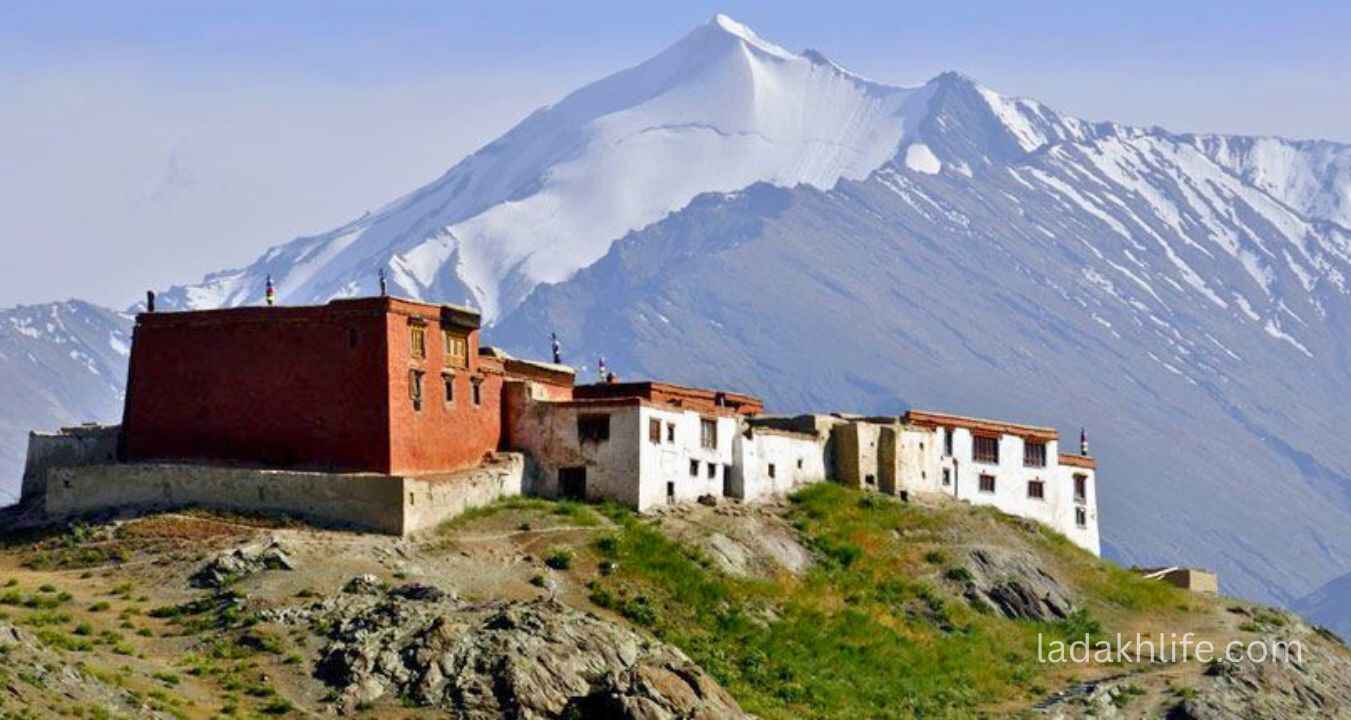
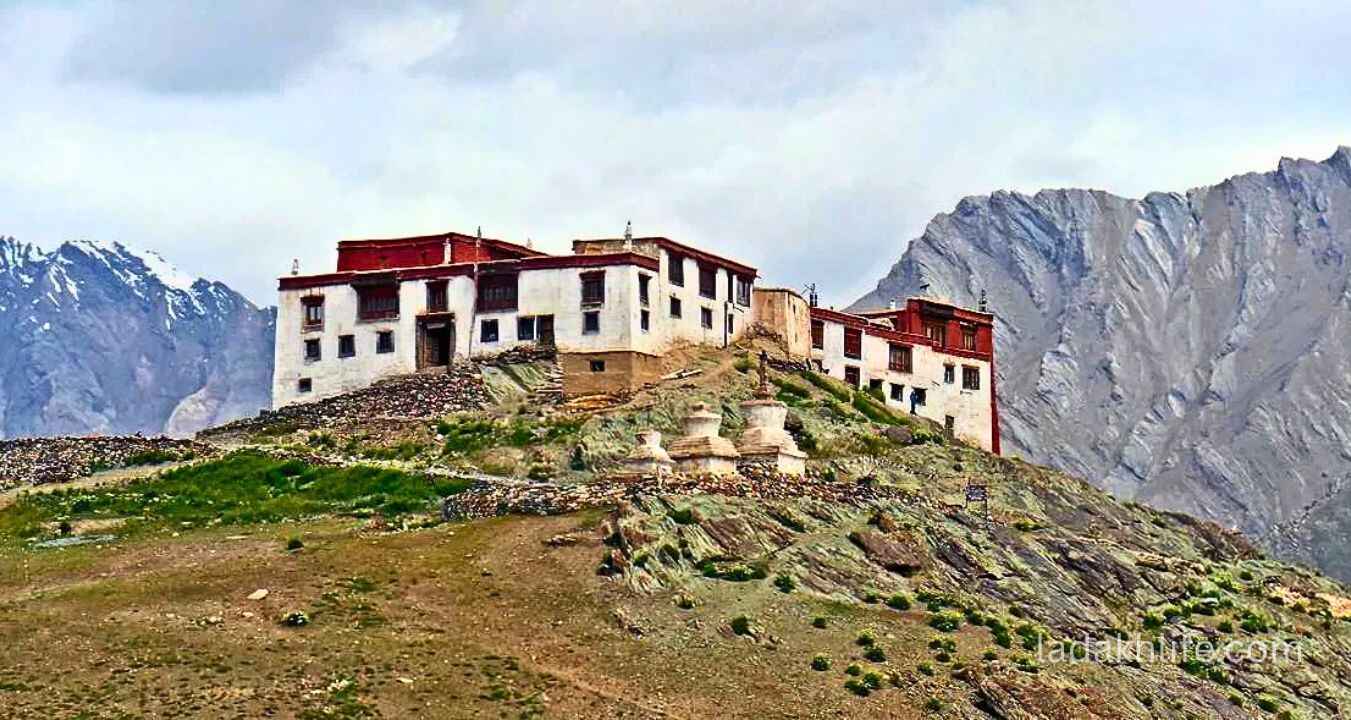
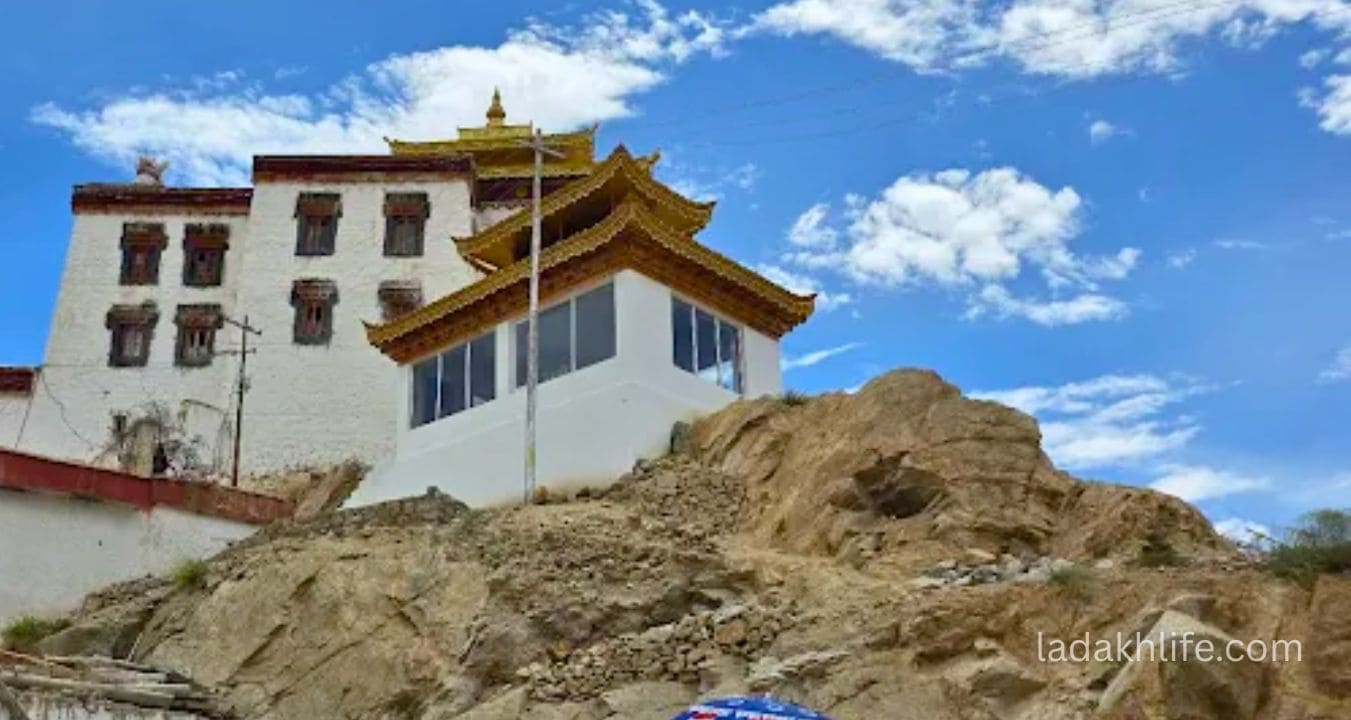
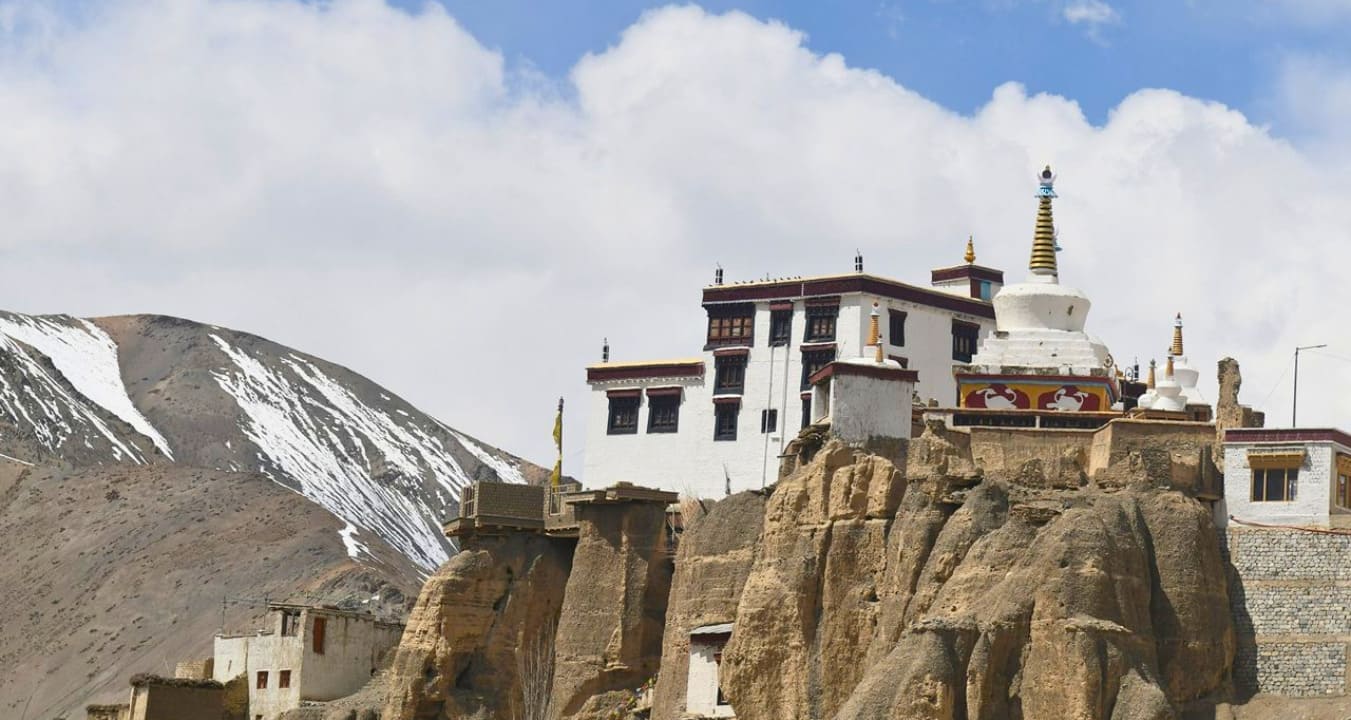
Rangdum is best known for the Rangdum Monastery (also called Rangdum Gompa), a Buddhist monastery that sits on a hill overlooking the valley. The monastery belongs to the Gelugpa lineage (the same as the Dalai Lama's tradition) and is home to about 30-40 monks. It was founded in the 18th century and has been a spiritual haven for travelers crossing the Pensi La pass for generations.
Why Rangdum is One of Ladakh's Most Dramatic Places
Rangdum is not for everyone. But for those who make the journey, it's unforgettable. Here's why:
- The landscape. The valley is barren, vast, and dramatic. Jagged grey mountains rise on all sides. The sky is huge. The wind never stops. It's like being on another planet.
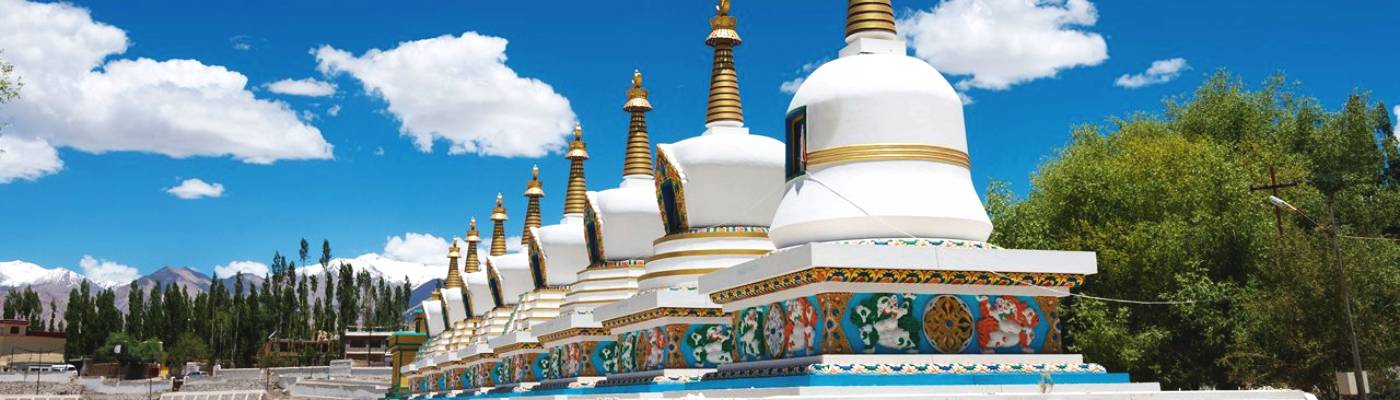
- Rangdum Monastery. A beautiful white monastery perched on a hill, visible from miles away. The contrast between the white walls and the grey mountains is stunning.
- The isolation. Rangdum is far from any town. The nearest settlement of any size is Kargil, 120 kilometers north. The sense of isolation is profound and humbling.
- Gateway to Zanskar. Rangdum is the last stop before Pensi La and the Zanskar Valley. For centuries, travelers have rested here before crossing the pass.
- Stunning views of the Drang Drung Glacier. Just south of Rangdum, on the road to Pensi La, is the Drang Drung Glacier, one of the largest glaciers in Ladakh. The views are spectacular.
- No crowds. Rangdum sees very few tourists. Most travelers drive through without stopping. Those who stop are rewarded with peace and solitude.
The Rangdum Experience (The Honest, Windswept Version)
Let me walk you through what actually happens when you visit Rangdum. No filters. No fancy language.
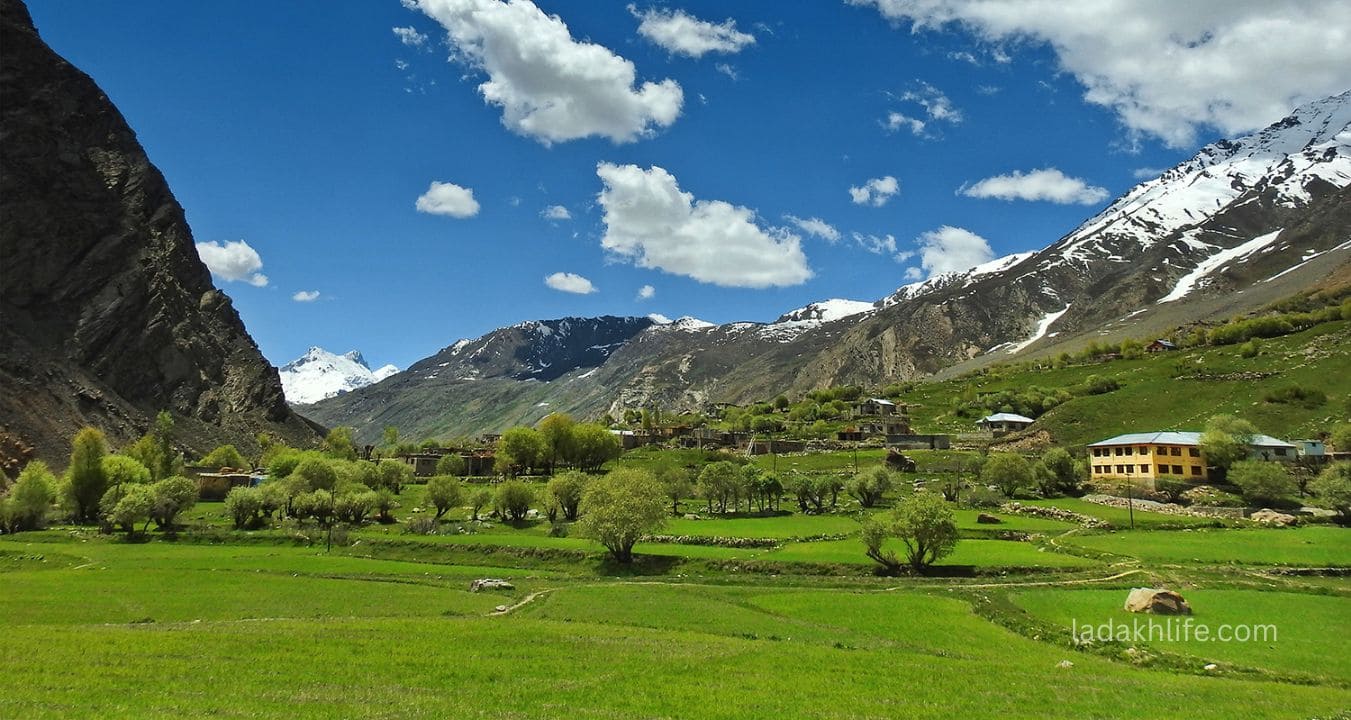
- The drive from Kargil or Sankoo: You've been driving south for hours. The landscape changes dramatically, from the green fields of Sankoo and Panikhar to the barren, grey mountains of the upper Suru Valley. The road gets rougher. The air gets thinner. You wonder if you're going the right way.
- Arriving in Rangdum: You see the monastery on the hill, white walls, prayer flags, golden roof. The village is tiny, a few houses, a guesthouse, an army camp. You park near the monastery.
- The monastery: You climb the path to Rangdum Gompa. It's steep, maybe 10 minutes. The altitude makes it harder. Take it slow. At the top, a monk greets you. He shows you the prayer hall, ancient murals, thangkas, statues. The atmosphere is peaceful, sacred.
- The view from the monastery: From the monastery courtyard, the view is spectacular. The barren valley stretches in all directions, grey mountains, blue sky, white clouds. You can see the road winding south toward Pensi La. You can see the army camp below. The wind is constant, cold. You feel small.
- The village: You walk through the village. A few houses, a small shop, some children playing. The people are friendly, curious. They don't see many tourists.
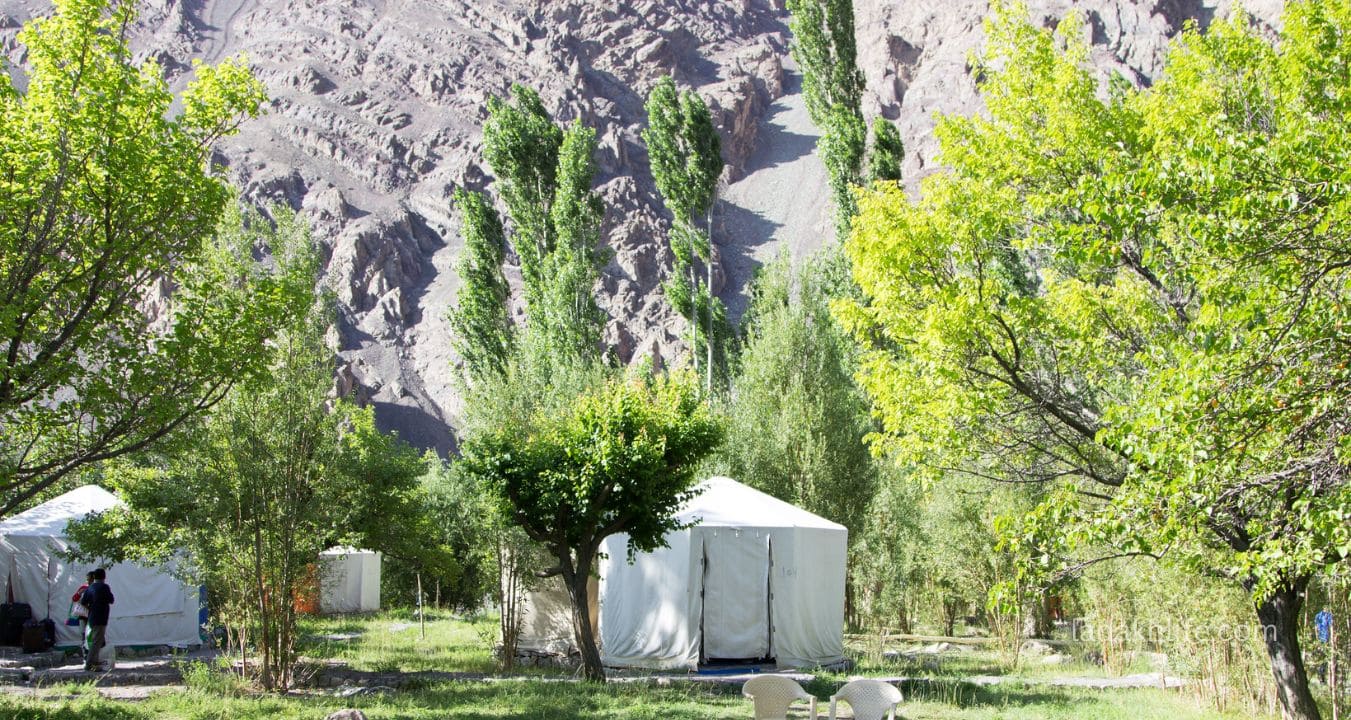
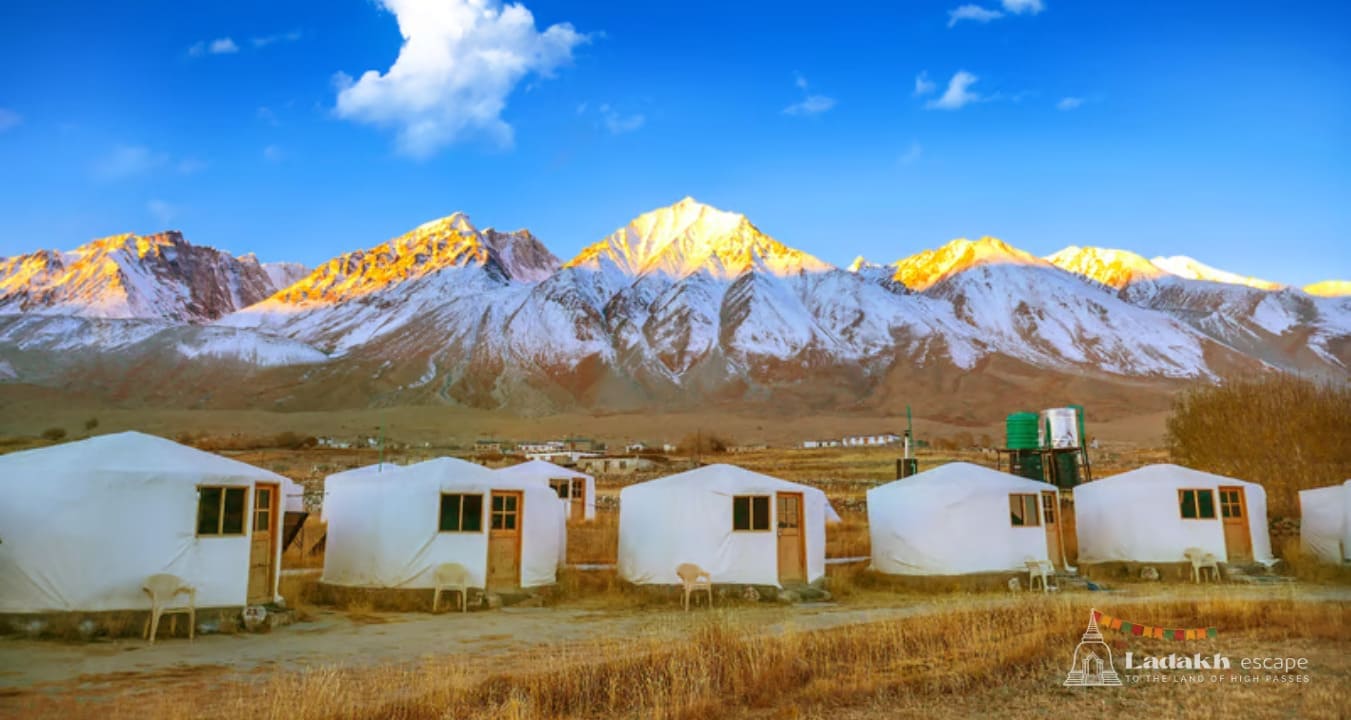
- The guesthouse: You stay in the basic guesthouse. The room is simple, a bed, a blanket, maybe a heater. The food is simple, dal, rice, vegetables. But the warmth is real. The family welcomes you like their own.
- The night: You fall asleep to the sound of the wind. The stars are bright, no light pollution here. The Milky Way stretches from horizon to horizon. You wake up to the sun rising over the grey mountains. You don't want to leave.
That's Rangdum. Not comfortable. Not easy. But beautiful, dramatic, and unforgettable.
The Crown Jewels of Rangdum (Don't Miss These)
1. Rangdum Monastery, The Lone Sentinel
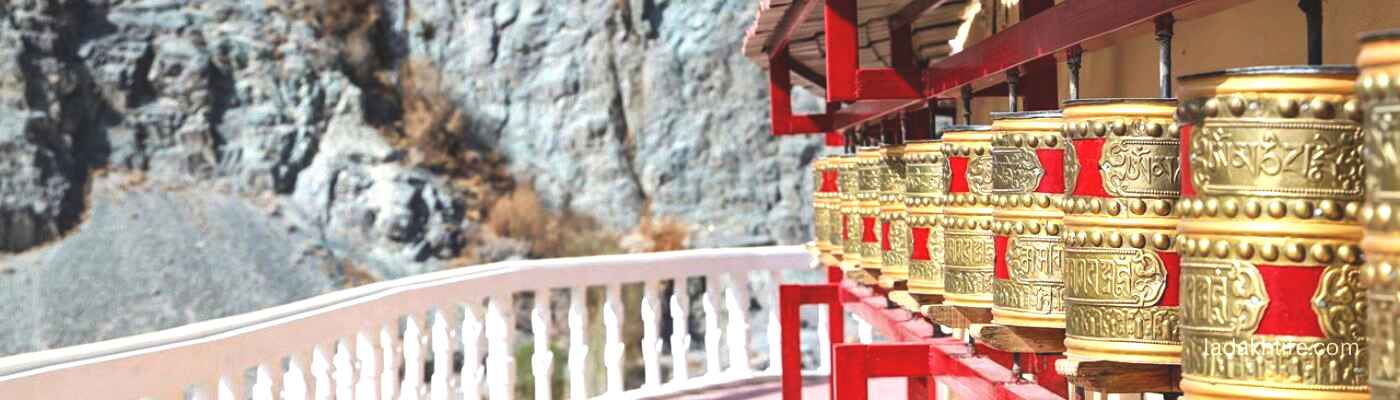
The Rangdum Monastery (Rangdum Gompa) is the heart of the village. The monastery sits on a hill overlooking the barren valley, white walls glowing against the grey mountains. It was founded in the 18th century and belongs to the Gelugpa lineage of Tibetan Buddhism. Inside, the prayer hall is filled with ancient murals, thangkas, and statues of Buddhist deities. The atmosphere is peaceful and sacred. A few monks live here, they're friendly and happy to show visitors around. The best part is the view from the courtyard: the entire valley spread out below, the road winding south toward Zanskar, the mountains rising on all sides. Go at sunset. The light turns the mountains pink, then purple. It's spectacular.
2. The Drang Drung Glacier, A River of Ice
About 10 kilometers south of Rangdum, on the road to Pensi La, is the Drang Drung Glacier, one of the largest glaciers in Ladakh. The glacier flows down from the peaks of the Zanskar range, a massive river of ice that stretches for miles. You can see it from the road, the white ice contrasting with the grey mountains. Stop at the viewpoint. Take photos. If you have time and a guide, you can trek closer to the glacier. The ice is blue, the crevasses are deep, and the silence is profound. Don't go alone, the glacier is dangerous if you don't know what you're doing.
3. The Barren Landscape, A Photographer's Dream
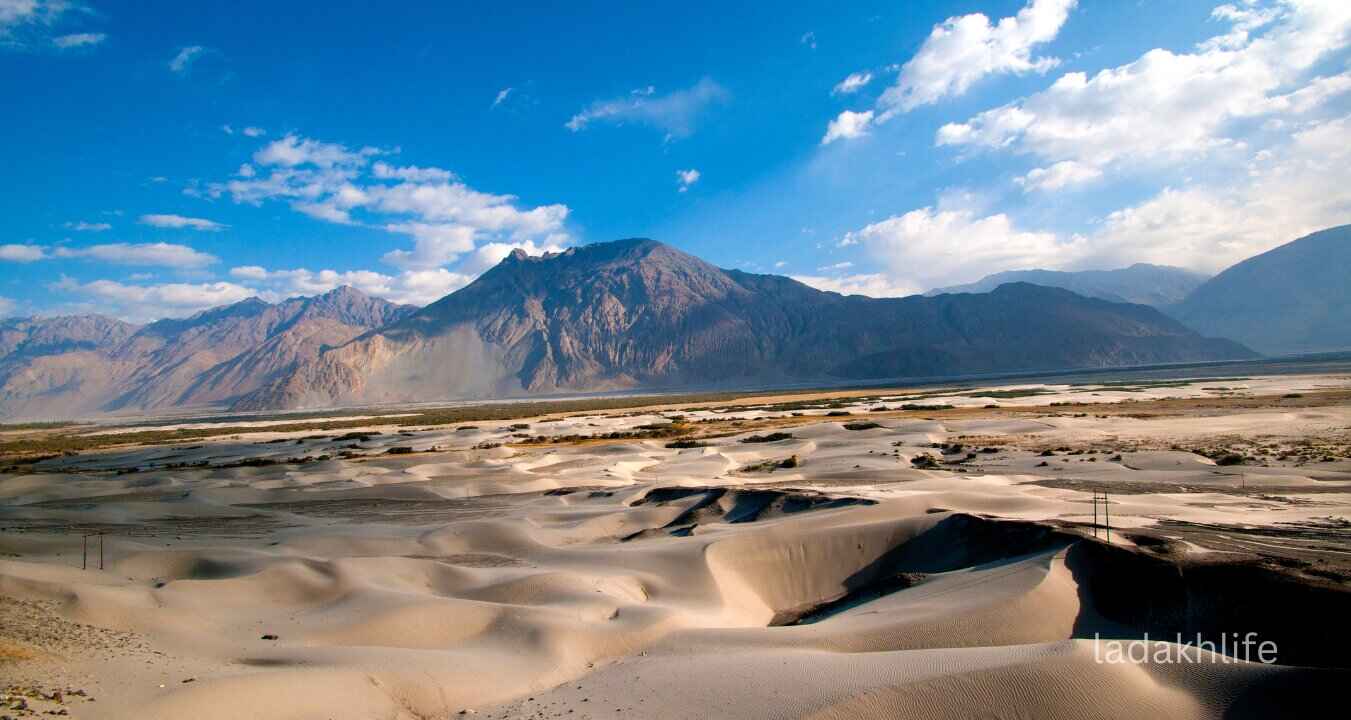
The landscape around Rangdum is stark, dramatic, and beautiful. The mountains are grey, jagged, and unforgiving. The valley is wide and empty. The sky is huge. The clouds cast moving shadows on the hills. It's the kind of landscape that makes you want to pull out your camera every few minutes. Stop on the road before and after Rangdum. Take photos. The light in the late afternoon is magical.
4. The Stargazing, No Light Pollution
Rangdum is far from any town. There's no light pollution. At night, the sky is dark. The stars are bright. The Milky Way stretches from horizon to horizon. Lie on the roof of your guesthouse or walk outside the village. Look up. You'll see satellites moving, shooting stars, and maybe the faint glow of the northern lights (rare, but possible). It's the kind of sky that makes you feel small and grateful. Bring a warm jacket, nights are cold.
5. The Drive to Pensi La, Gateway to Zanskar
Rangdum is the last stop before Pensi La (14,500 ft), the high-altitude pass that leads into the Zanskar Valley. The drive from Rangdum to the pass takes about an hour. The road climbs steeply, winding through barren mountains. The views are spectacular, the Drang Drung Glacier below, the Zanskar peaks ahead. At the top of Pensi La, prayer flags flutter in the wind. From here, you can see into Zanskar, a vast, barren valley that feels like another world. Even if you're not going all the way to Zanskar, drive to the pass and back. It's worth it.
6. The Army Camp, A Reminder of the Border
There's an Indian Army camp in Rangdum. The soldiers are stationed here to guard the border and the road to Zanskar. They're usually friendly, stop and chat if they're not busy. They have stories about the harsh winters, the avalanches, the long months away from home. Be respectful. Don't take photos of the camp or the soldiers without permission.
7. The Silence, A Rare Gift
Rangdum is quiet. Really quiet. No traffic, no honking, no generators, no crowds. Just the wind, the prayer flags, and the occasional bark of a village dog. The silence is profound. It's the kind of silence that makes you uncomfortable at first, then peaceful, then something you don't want to leave. Sit in the courtyard of the monastery. Close your eyes. Listen to the silence. It's a rare gift.
8. The Warm Hospitality, A Surprise in the Barren Land
The people of Rangdum, the monks, the villagers, the army soldiers, are welcoming. They don't see many tourists, so when you arrive, they're genuinely curious. Someone will invite you for tea. A monk will show you around the monastery. A soldier will tell you about life at 13,000 feet. The hospitality is warm, real, and unexpected in such a harsh landscape.
Best Time to Visit Rangdum
Rangdum has a very short season due to its high altitude and remote location.
July to September is the only reliable window. August is the best month, the snow has melted, the road is open, and the weather is relatively stable. Daytime temperatures are 10-15°C, but the wind makes it feel colder. Nights are cold (near freezing). Be prepared.
June and October: Possible, but risky. June can have snow closures on Pensi La. October is bitterly cold (below freezing at night), and the pass can close early. Only attempt if you're prepared for cold and have a 4x4.
November to May: Forget it. Pensi La is closed. The road to Rangdum is buried under snow. Do not attempt.
Pro tip: September is the best month. The weather is stable, the crowds are gone, the skies are clear, and the light on the mountains is spectacular. Visit in the late afternoon for the best light on the monastery and the valley.
Where to Stay in Rangdum
Accommodation options in Rangdum are very limited, and that's part of the charm.
Rangdum Guesthouse (₹500-1,000 per night): There's one basic guesthouse in the village, run by a local family. Expect a clean room, a bed with blankets, shared bathroom (squat toilet, outside), and simple home-cooked meals. No frills, but the warmth is real. Book ahead in peak season, there are only a few rooms.
Camping (limited): You can camp near the village with permission. Bring a warm sleeping bag (rated to -10°C or lower). The ground is rocky, the wind is cold. Only for experienced campers.
In Panikhar or Parkachik (about 60-70 km north): Basic guesthouses and homestays. A good alternative if Rangdum is full, but you'll miss the experience of staying in this remote valley.
No hotels in Rangdum. Embrace the basic guesthouse. It's part of the adventure.
How to Get to Rangdum
Rangdum is on the road from Kargil to Zanskar. Here's how to get there:
Route: Kargil → Sankoo → Panikhar → Parkachik → Rangdum (120 km south of Kargil) → Drang Drung Glacier → Pensi La → Zanskar.
From Kargil (about 120 km, 3-4 hours): Drive south on the road to Zanskar. The road is paved for the first 70 km (to Parkachik), then becomes rough. The last 50 km to Rangdum are unpaved, gravel, rocks, stream crossings. A 4x4 is highly recommended. The drive is stunning, green fields in the lower Suru Valley, then barren mountains as you approach Rangdum.
From Padum (Zanskar) (about 120 km, 4-5 hours): Drive north on the road from Zanskar. Cross Pensi La (14,500 ft), then descend to Rangdum. The road is rough, especially near the pass. A 4x4 is essential.
By bike: Only for experienced high-altitude bikers. The road is rough, especially after Parkachik. Your bike will struggle with the altitude and the rough terrain. Carry extra fuel, there's no petrol station between Kargil and Padum.
By car (4x4 essential): A 4x4 is not recommended, it's essential. The road from Parkachik to Rangdum is rough, gravel, rocks, stream crossings. A regular car will bottom out and get stuck. Hire a proper 4x4 (Mahindra Thar, Scorpio, or similar).
By taxi: Hire a 4x4 taxi from Kargil to Rangdum or Padum. Expect to pay ₹5,000-8,000 for the one-way trip. Shared taxis are rare on this route, you'll likely need a private taxi.
Public transport: None. There are no buses to Rangdum. You need a private vehicle.
What to Pack for Rangdum
Rangdum is cold, even in summer. Here's what you need:
- Daytime: Warm layers, fleece sweater, down jacket or heavy woolen sweater, windproof outer layer. The wind is constant and cold, even when the sun is shining.
- Evenings/nights: Thermal innerwear, thick socks, warm hat, gloves. Nights are freezing, even in August.
- Monastery visit: Cover your shoulders and knees. Remove your shoes before entering the prayer hall.
- Shoes: Sturdy shoes or boots. The terrain is rocky and uneven.
- Sleeping bag: Essential if you're camping. Recommended even for the guesthouse, the blankets are decent, but your own bag is warmer.
- Sun protection: Sunscreen (SPF 30+), lip balm, sunglasses. The sun is strong at 13,000 feet, even when it's cold.
- Water & snacks: There's a small shop in Rangdum, but options are limited. Carry water and snacks from Kargil.
- Cash: No ATMs in Rangdum. The nearest ATM is in Kargil (120 km north). Bring enough cash for your stay.
- Camera: You'll want it. The landscapes are stunning, the monastery, the mountains, the glacier, the barren valley.
- Power bank: Electricity is limited in the guesthouse. Keep your devices charged.
Essential Tips for Visiting Rangdum
- Get permits before you go. Rangdum is near the border. Indian nationals need an Inner Line Permit (ILP) to travel further south to Zanskar. Foreign nationals need a Protected Area Permit (PAP). Arrange these in Leh before your trip. Most permits cover Rangdum, but check.
- Check road conditions before you go. Ask at your hotel or at the taxi stand in Kargil. The road to Rangdum and Pensi La can be closed due to snow even in July.
- Fill your fuel tank in Kargil. There's no petrol station between Kargil and Padum. Carry extra fuel in jerry cans if possible.
- Dress warmly. The wind at Rangdum is relentless. Layer up. Don't underestimate the cold, it can be below freezing even in August.
- Be respectful at the monastery. Remove your shoes before entering the prayer hall. Don't touch the murals or statues. Ask before taking photos. A small donation (₹20-50) is appreciated.
- Don't litter. Carry your waste back to Kargil. There's no garbage collection in Rangdum. Keep this remote valley clean.
- Stay overnight if you can. Most visitors drive through Rangdum without stopping. Stay overnight. You'll experience the silence, the starlight, the sunrise. It's worth it.
- Drive carefully on the road to Pensi La. The road is rough, narrow, and has steep drop-offs. Drive slowly. Watch for army trucks. Don't rush.
Rangdum vs Other Remote Villages in Ladakh
- Rangdum vs Padum (Zanskar): Padum is the main town of Zanskar, larger, more developed, has more guesthouses. Rangdum is tiny, remote, and a stopover, not a destination. Padum for exploring Zanskar. Rangdum for the journey.
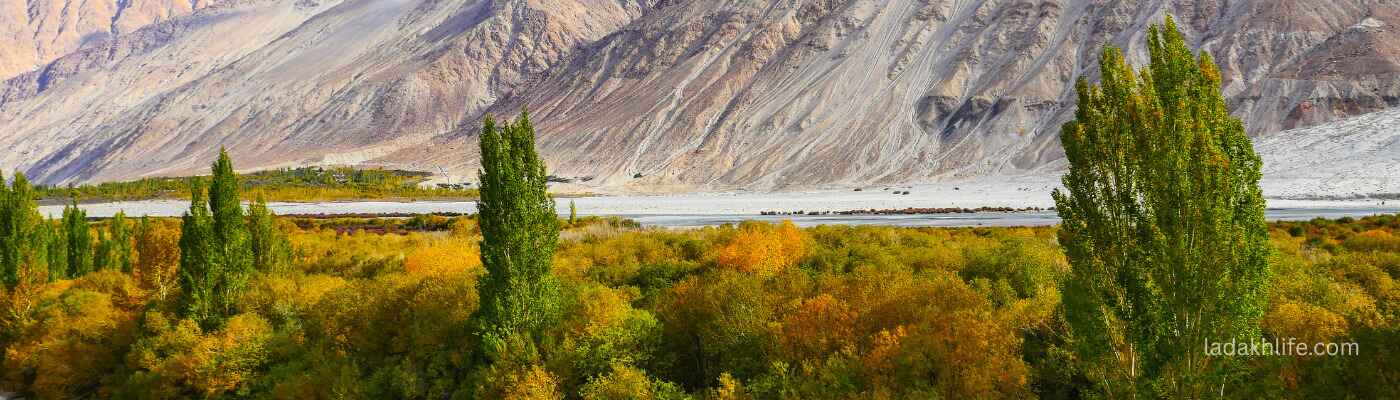
- Rangdum vs Parkachik: Parkachik is in the green Suru Valley, at the foot of the Nun Kun peaks. Rangdum is barren, high, and windswept. Very different landscapes. Both are beautiful.
- Rangdum vs Panikhar: Panikhar is also in the Suru Valley, with spectacular Nun Kun views. Greener, lower, more comfortable. Rangdum is higher, more remote, more dramatic.
- Rangdum vs Lamayuru: Lamayuru has the Moonland landscape and is on the main highway. Rangdum is further off the beaten path, higher, and more windswept. Lamayuru for otherworldly rock formations. Rangdum for barren valley isolation.
Why Rangdum is the Most Dramatic Stop on the Road to Zanskar
Let me be honest. Rangdum is not comfortable. The guesthouse is basic. The food is simple. The wind never stops. The altitude is punishing. The road is rough. Most travelers drive through without stopping.
But those who stop, those who spend a night in this barren valley, who climb to the monastery at sunset, who stand at the Drang Drung Glacier viewpoint, who fall asleep to the sound of the wind and wake up to the sun rising over the grey mountains, those travelers understand why Rangdum is special.
Rangdum is not about comfort. It's about the experience of being in a place that feels like the edge of the world. The monastery on the hill, the glacier in the distance, the vast empty valley, the endless sky. It's the kind of place that makes you feel small. And sometimes, that's exactly what you need.
So when you're driving from Kargil to Zanskar, don't rush through Rangdum. Stop. Stay the night. Climb to the monastery. Watch the sunset over the Drang Drung Glacier. Feel the wind on your face. And when you leave, you'll understand why this lonely sentinel in the barren valley has been welcoming travelers for centuries.
Rangdum is not for everyone. It's not for those who want comfort. It's for those who want to stand at 13,000 feet, wind in their face, looking out at a valley so barren it feels like another planet. The white monastery on the hill, the grey jagged peaks, the glacier in the distance, the silence so deep you can hear your own heartbeat. This is the edge of Ladakh. The gateway to Zanskar. The last stop before the pass. Stay a night. Feel the wind. Watch the stars. You'll leave with something more than photos. You'll leave with a memory.