So, What Exactly is Turtuk?
Turtuk is a village in the northernmost part of the Nubra Valley in Ladakh, sitting at approximately 9,500 feet (2,900 meters) along the Shyok River. It is located about 80 kilometers north of Diskit (the main town of Nubra) and just a few kilometers from the Line of Control (LoC) with Pakistan-administered Gilgit-Baltistan.
Turtuk was part of Pakistan-administered Baltistan until the Indo-Pak war of 1971, when the Indian Army captured the village. For nearly four decades after that, Turtuk remained a restricted military zone, closed to tourists and outsiders. It was only opened to tourism in 2010. That's why Turtuk feels so different from the rest of Ladakh, it's been isolated for generations, preserving a culture that has disappeared elsewhere.
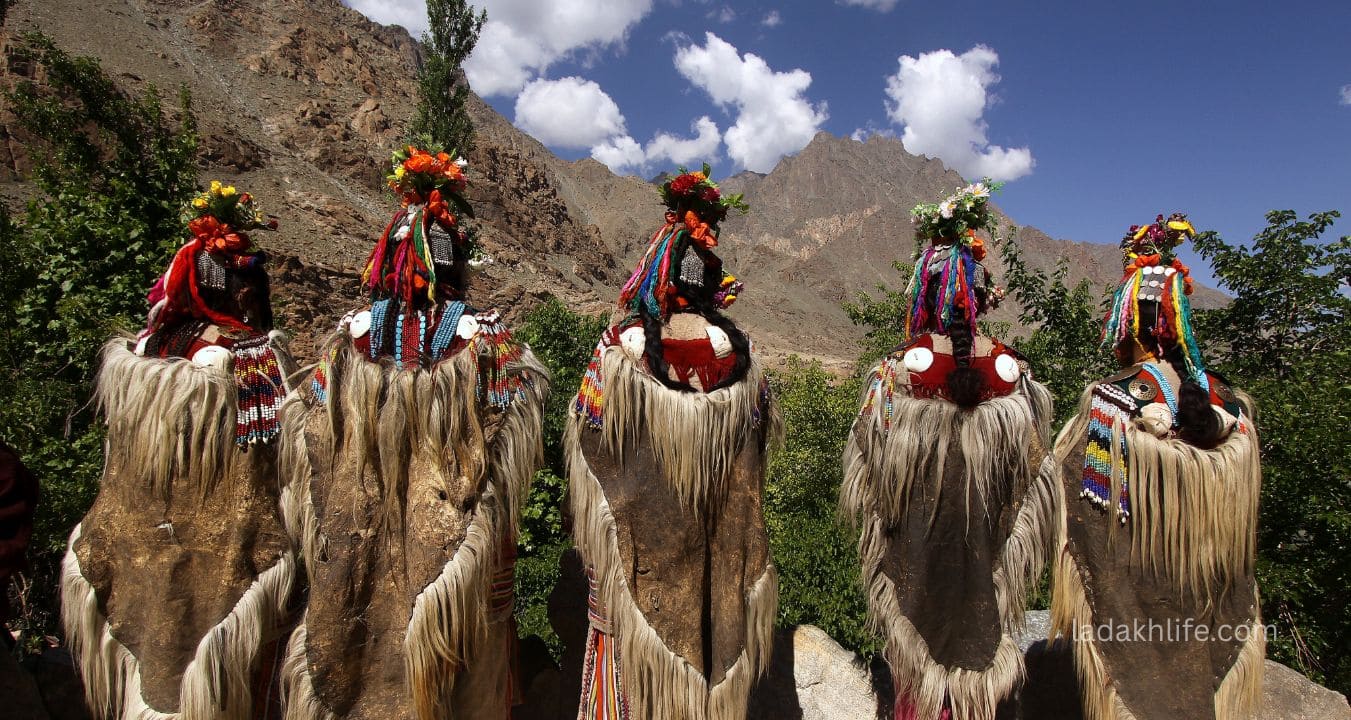
The village is home to the Balti people, an ethnic group of Tibetan origin who converted to Islam centuries ago. They speak Balti, a language closely related to Tibetan but written in the Persian script. Their culture, architecture, food, and traditions are unique, a blend of Tibetan, Central Asian, and Islamic influences that you won't find anywhere else in India.
Turtuk is often called the "Last Village of India" because it's one of the northernmost settlements in the country. Beyond Turtuk, the road continues for a few more kilometers to a place called Chalunkha (the last Indian army post), and then you're at the border. Standing in Turtuk, looking north toward the mountains, you feel like you're at the edge of the map.
Why Turtuk is Unlike Anywhere Else in Ladakh
Turtuk is not a typical Ladakhi village. Here's what makes it special:
- Balti culture. The people of Turtuk are Balti Muslims, not Ladakhi Buddhists. Their language, clothing, music, and architecture are completely different.
- Apricot orchards. Turtuk is famous for its apricots. In July and August, the village is covered in golden fruit. Every family grows apricots, and they make everything from it, dried apricots, apricot jam, apricot oil, apricot kernels.
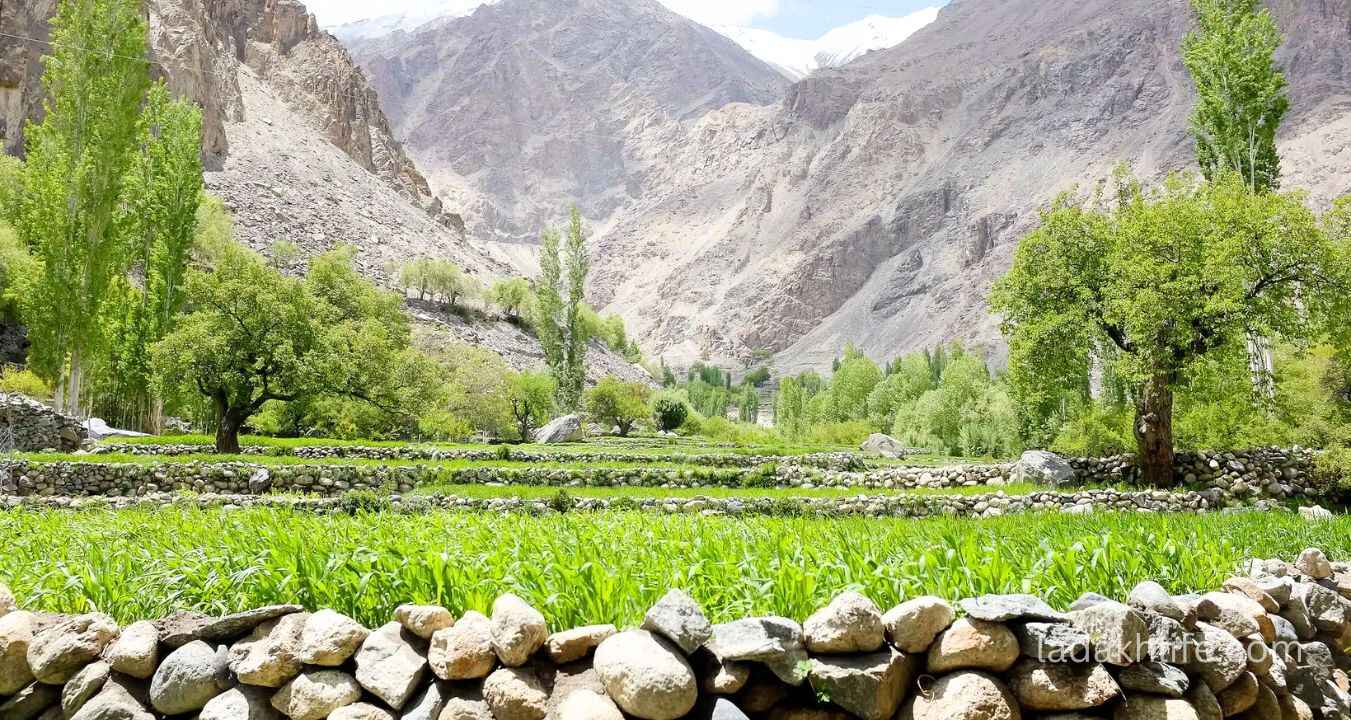
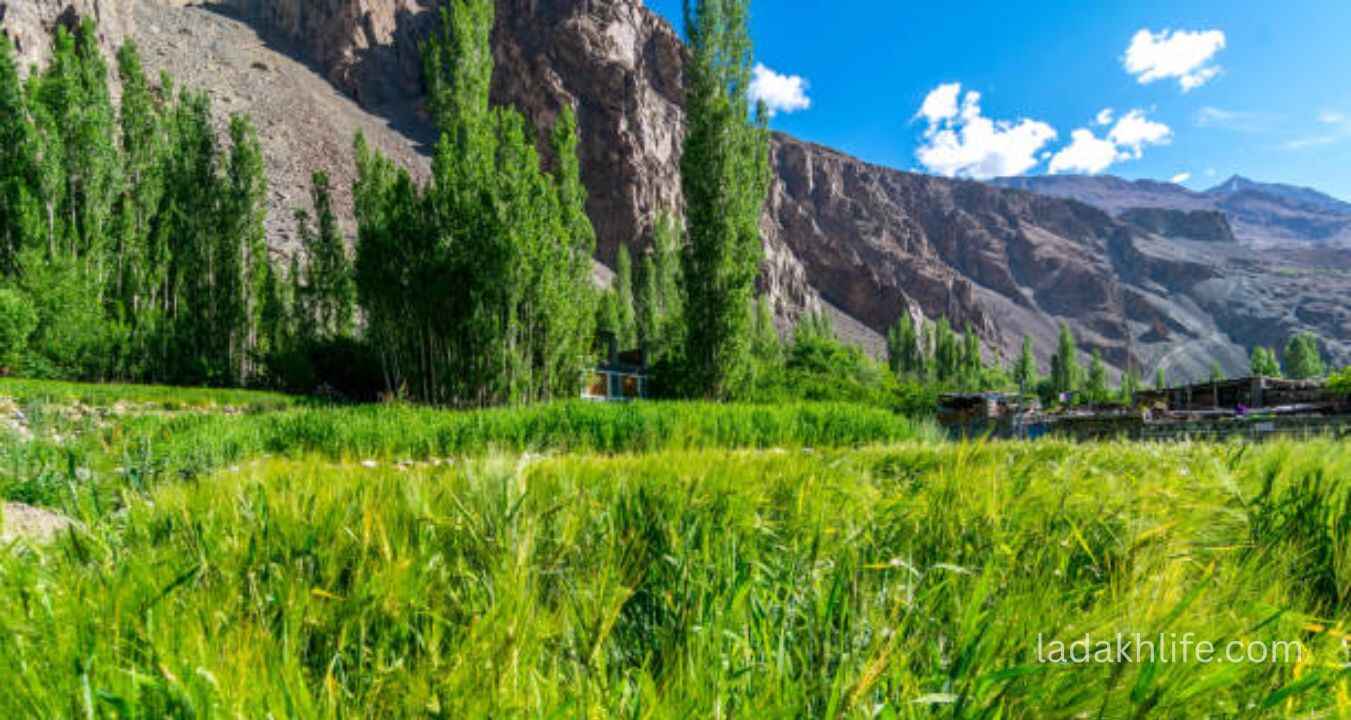
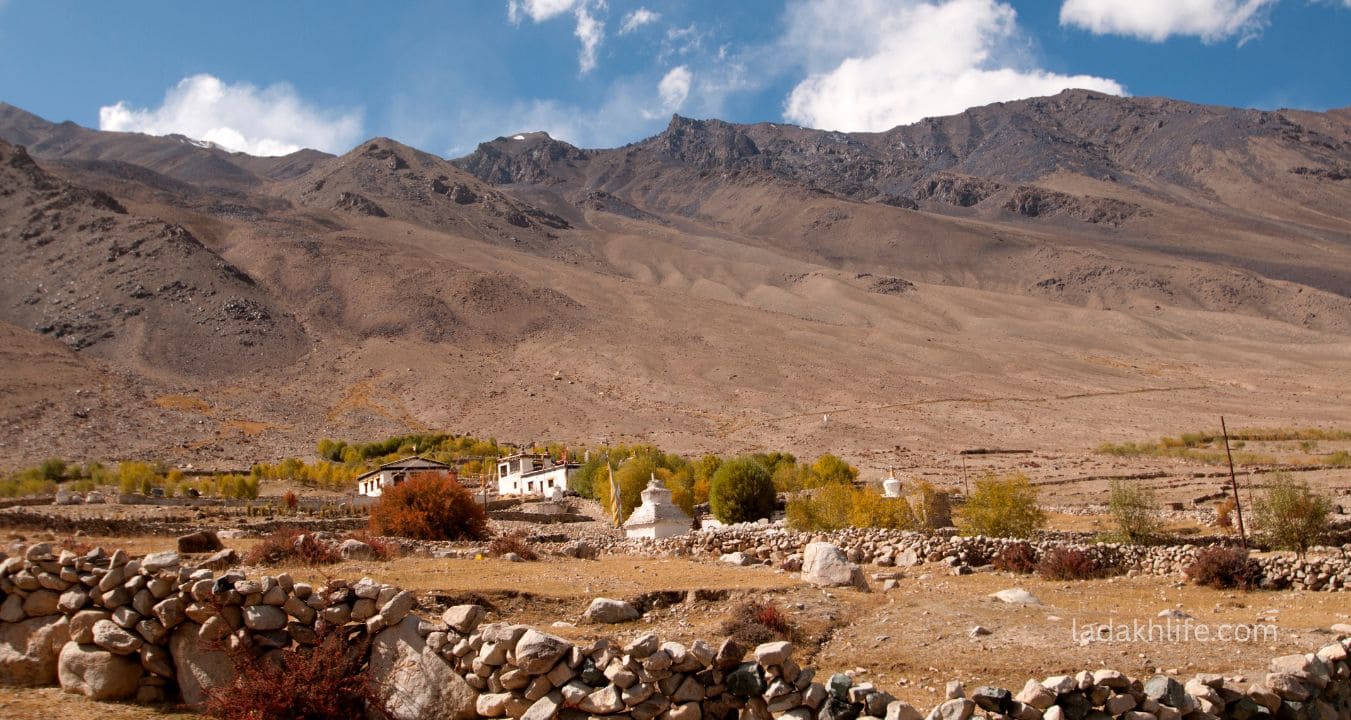
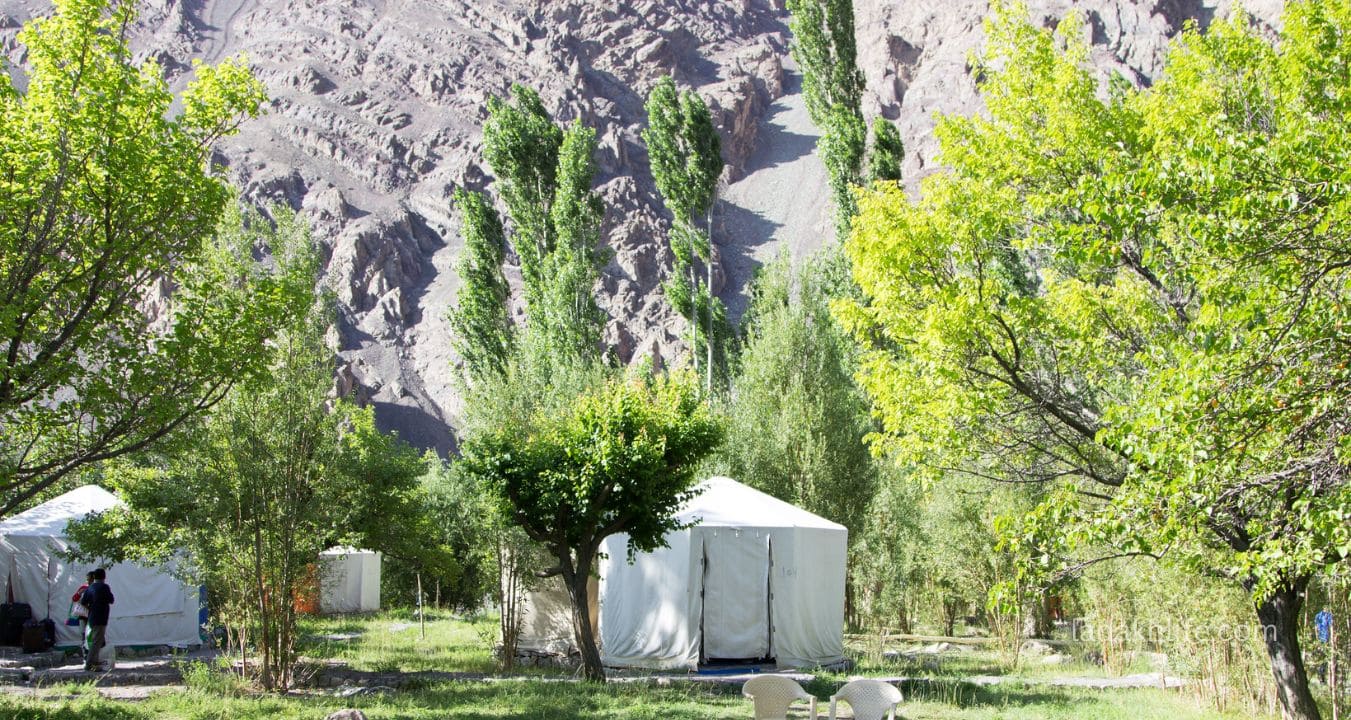
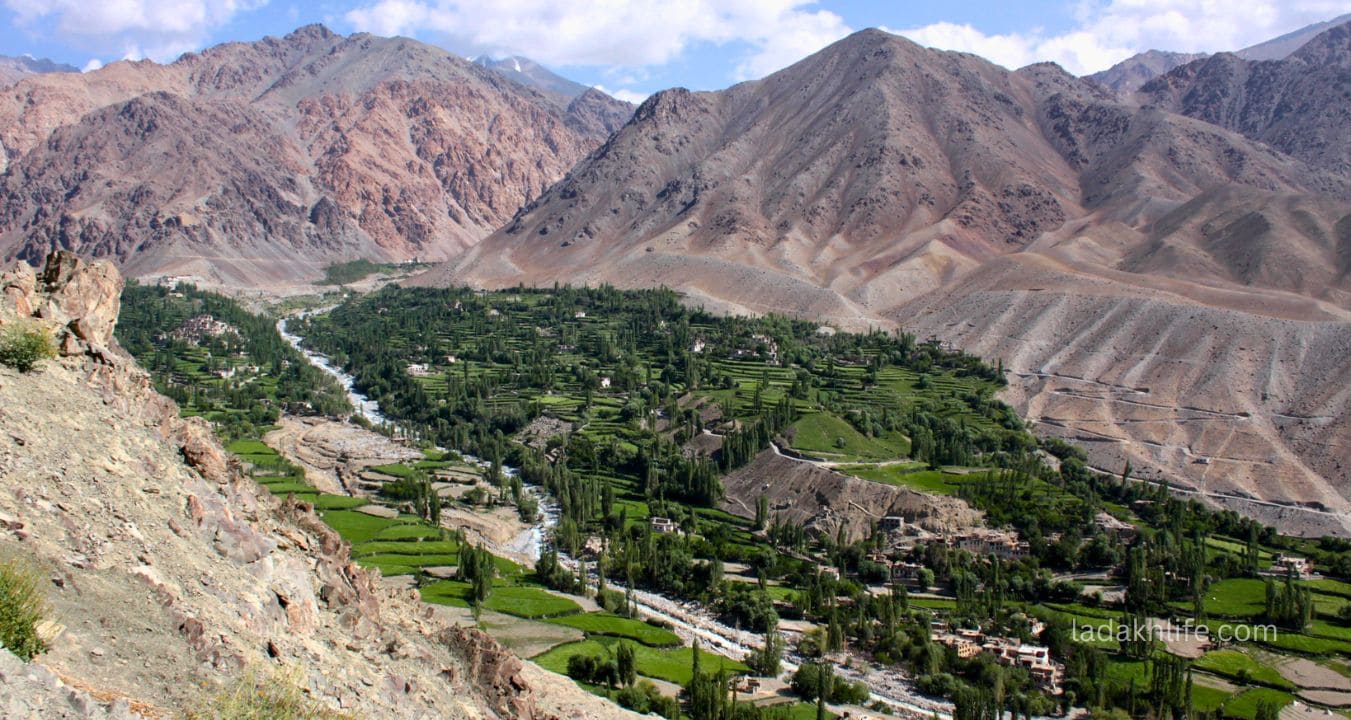
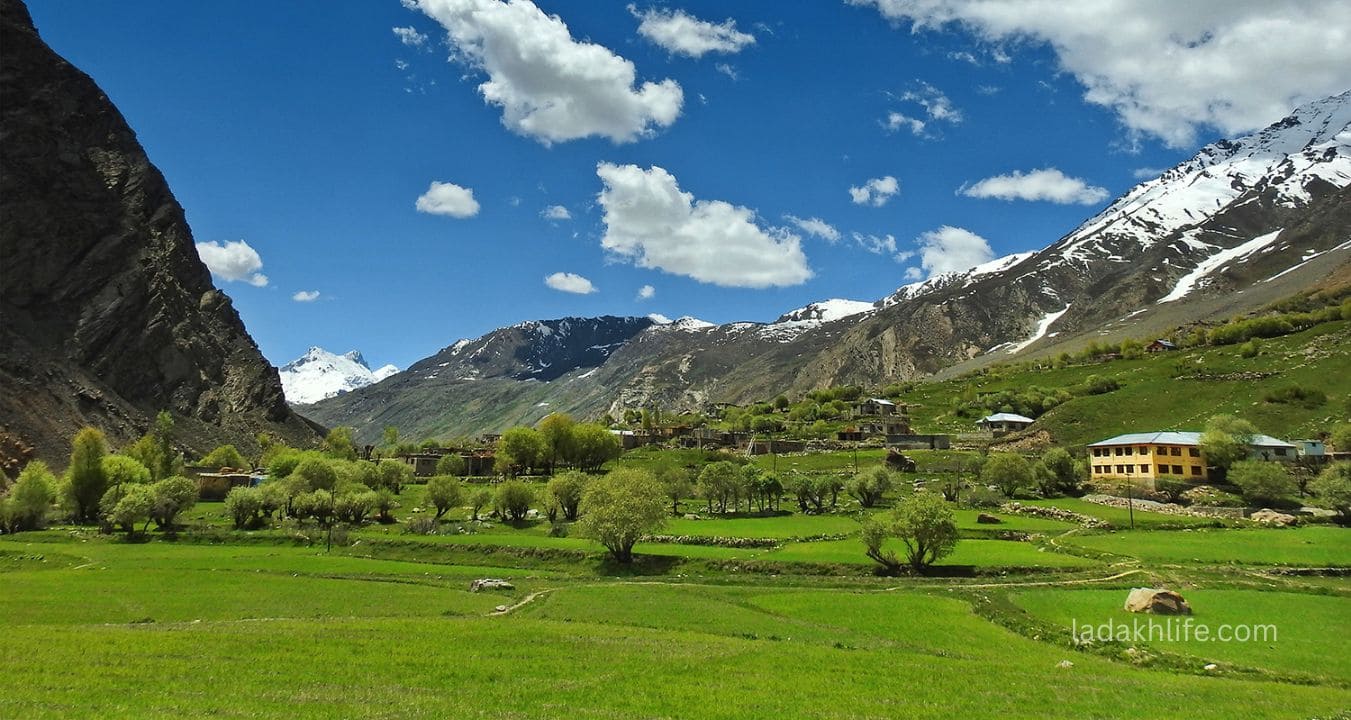
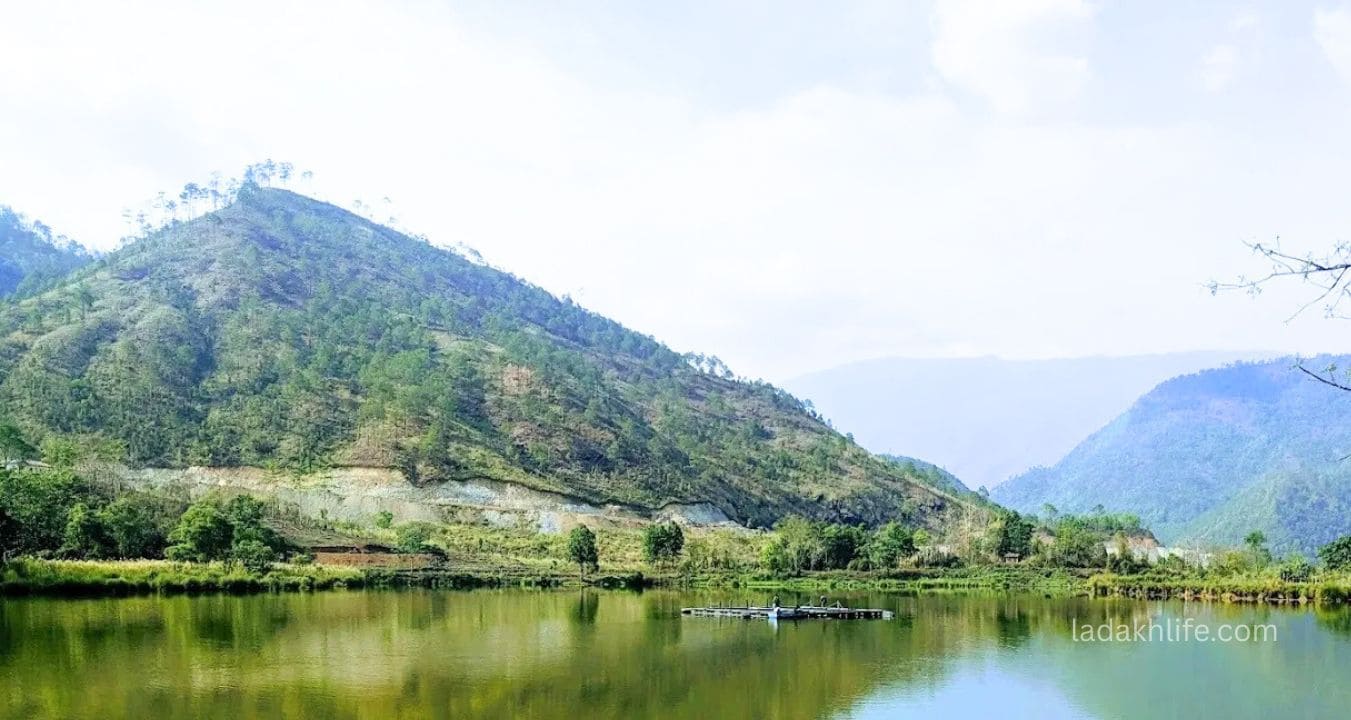
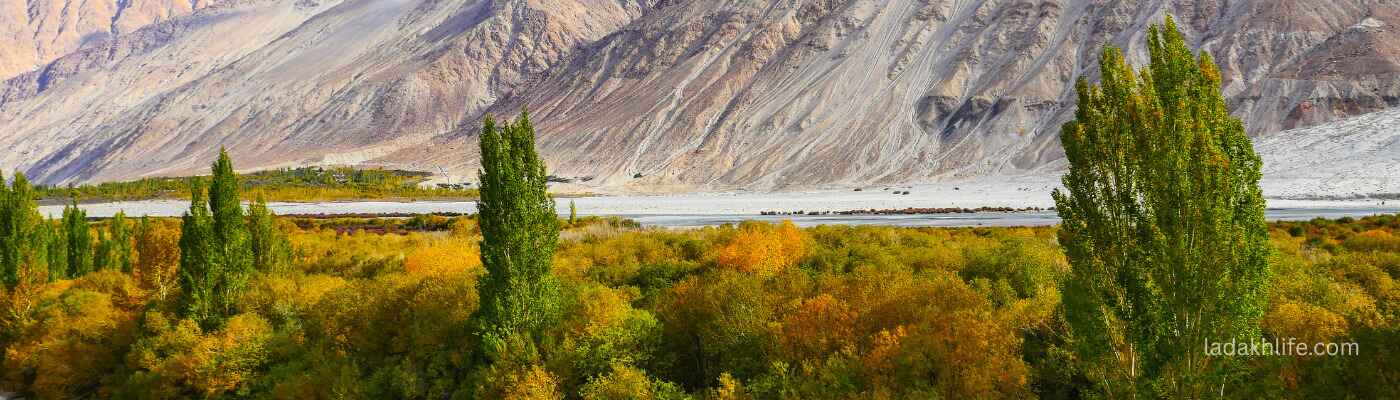
- Green and lush. Unlike the barren desert of most of Ladakh, Turtuk is green. The Shyok River provides water for irrigation, and the village is filled with poplar trees, willows, and fields of wheat and barley.
- Traditional Balti houses. The houses in Turtuk are made of stone and wood, with flat roofs and beautifully carved wooden balconies. Some of the oldest houses are over 300 years old.
- History everywhere. Because Turtuk was part of Pakistan until 1971, the memories of that time are still alive. The older generation remembers when the border was just a line on a map, and families were split overnight. You can feel the history in the air.
- Off the beaten path. Most tourists in Nubra never make it to Turtuk. The road is long, the checkposts are intimidating, and most people don't know it exists. That's exactly why you should go.
The Turtuk Experience (The Honest Version)
Let me walk you through what actually happens when you visit Turtuk. No filters. No fancy language.
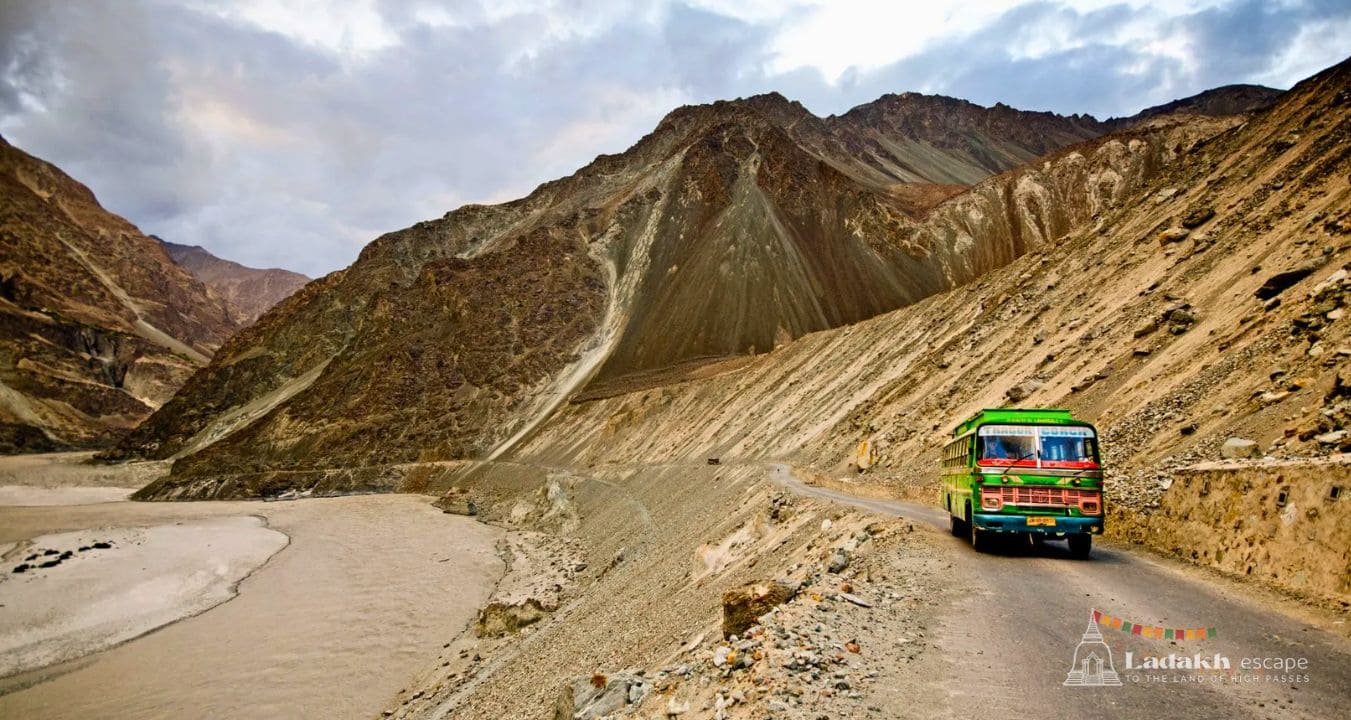
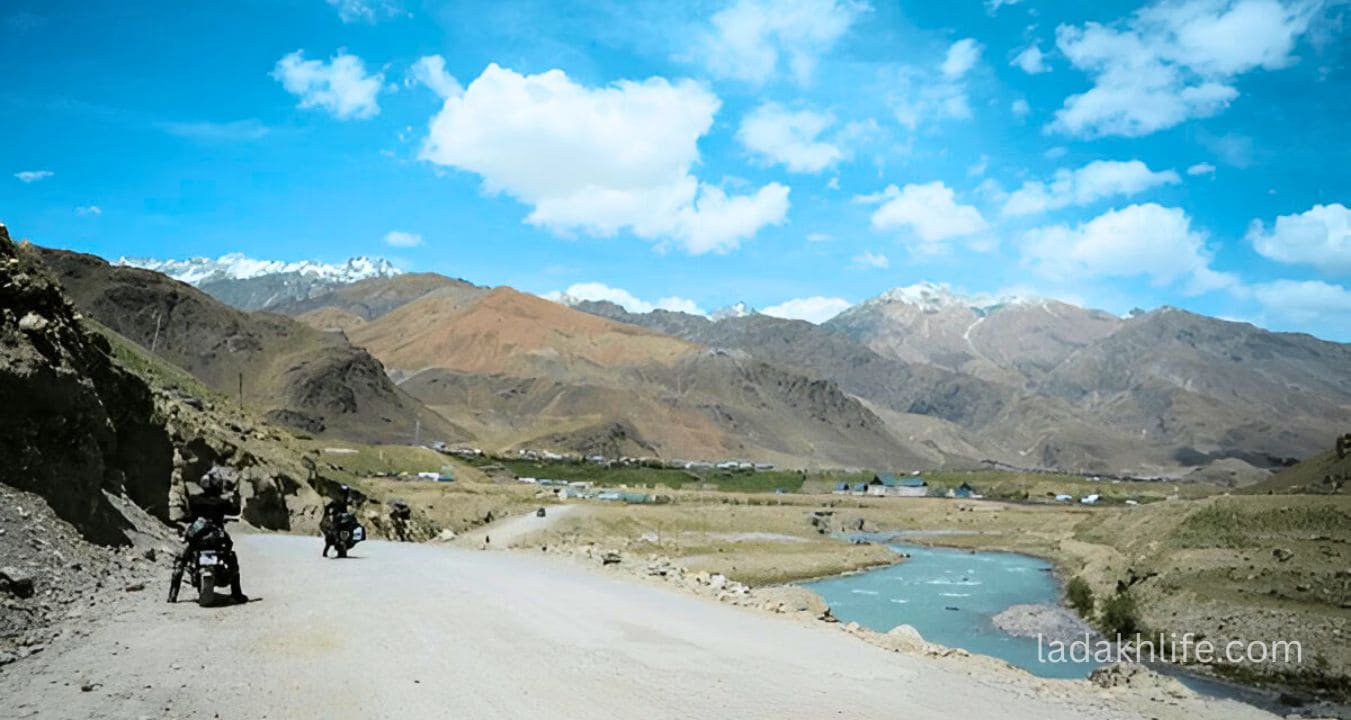
- Starting from Diskit or Hunder: You've already spent time in Nubra, maybe ridden a camel at Hunder, visited Diskit Monastery. Now you're driving north, following the Shyok River. The road is rough in places, but the scenery is stunning.
- The army checkposts: You'll encounter several army checkposts along the way. This is a sensitive border area. The soldiers will check your permits, ask where you're going, and maybe have a friendly chat. Be polite. Show your documents. Don't take photos of the checkposts.
- The drive through the valley: The road winds through a narrow gorge, then opens into a wide valley. You see the first green fields. Poplar trees. Mud-brick houses. Children waving at you from the side of the road. You feel like you've entered a different world.
- Arriving in Turtuk: You park near the main square. A few shops sell cold drinks and snacks. There's a small homestay office where you can arrange accommodation. The village is quiet, no honking, no crowds, no rush.
- Walking through the village: You wander through the narrow lanes, past ancient stone houses with carved wooden balconies. Children run up to say hello. Old men sit in the sun, spinning prayer beads (or counting their misbaha). Women work in the fields, their colorful dresses bright against the green.
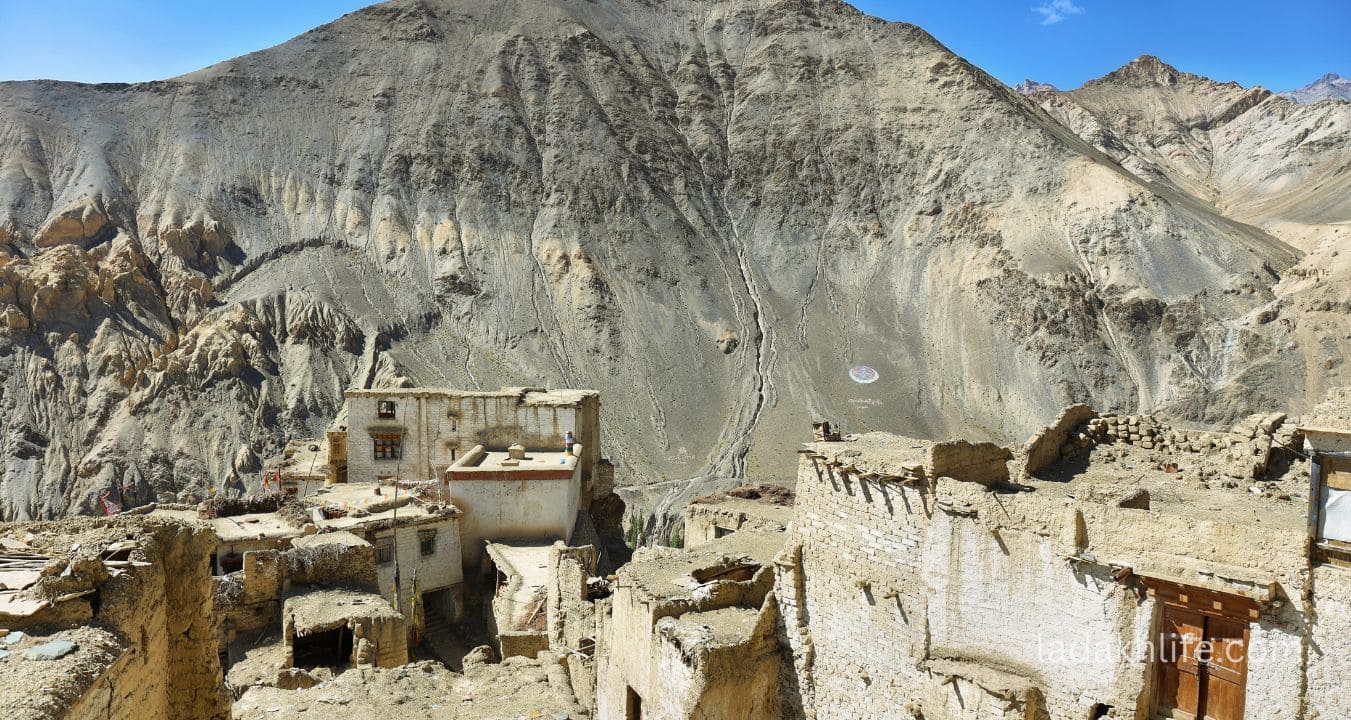
- Visiting the old village (Turtuk's original settlement): The oldest part of Turtuk is higher up the hill, where the original village stood. It was abandoned after a flood in the 1970s, and now it's a beautiful ruin, stone houses, narrow lanes, and stunning views of the valley below. Walk up here for sunset. It's magical.
- Sharing a meal with a local family: The best part of Turtuk. A local family invites you for dinner, Balti cuisine, completely different from Ladakhi food. You eat from a communal plate, using your hands. The food is simple but delicious, hearty soups, fresh bread, apricot chutney, and endless cups of tea.
That's Turtuk. Not a checklist destination. A place to slow down, wander, and connect.
The Crown Jewels of Turtuk (Don't Miss These)
1. The Old Village (Turtuk's Ruined Settlement)
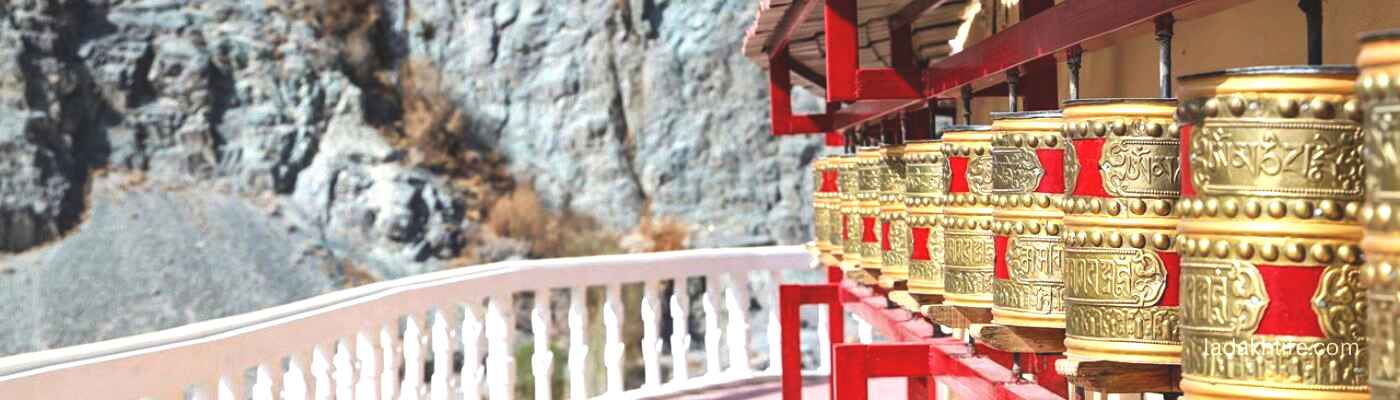
The original Turtuk village sits on a hill above the new village. It was abandoned after a flood in the 1970s, and now it's a beautiful ruin, stone houses with wooden balconies, narrow lanes, and prayer wheels that still turn in the wind. Walk up here. Wander through the ruins. Imagine what life was like before the flood. And when you reach the top, the view of the Shyok Valley below is breathtaking.
2. Balti Architecture, 300-Year-Old Houses
Some of the oldest houses in Turtuk are over 300 years old. The architecture is unique, stone walls, wooden beams, carved balconies, and flat roofs made of mud and straw. The style is closer to what you'd see in Gilgit-Baltistan than in Ladakh. Look closely at the carvings. They tell stories.
3. The Apricot Orchards (July-August)
Turtuk is famous for its apricots. In July and August, the village turns golden. The trees are heavy with fruit, and the ground is covered with fallen apricots. Every family grows them, and they make everything from them, dried apricots, apricot jam, apricot oil, and apricot kernels (which taste like almonds). If you visit in season, you'll eat more apricots than you thought possible. And you'll love every single one.
4. The Shyok River, Flowing Through History
The Shyok River flows right next to Turtuk, wide and grey-green, carrying meltwater from the glaciers of the Karakoram. Walk down to the riverbank. Sit on a rock. Watch the water flow. This river has been here for millennia, witnessing history that you can only imagine.
5. Balti Cuisine, A Taste of Another World
The food in Turtuk is different from anywhere else in Ladakh. Don't leave without trying:
- Balay: A hearty noodle soup with vegetables or meat, similar to thukpa but with a unique Balti twist.
- Khambir: Traditional Balti bread, baked in a tandoor. Eaten with butter, apricot jam, or chutney.
- Apricot chutney: Sweet, tangy, and absolutely delicious.
- Mamtu: Balti-style dumplings, similar to momos but with a thicker wrapper and spicier filling.
- Butter tea with salt, skip it unless you're brave. It's an acquired taste. I haven't acquired it yet.
6. The People, Warmth You Won't Forget
I'm putting this as a "crown jewel" because it is. The Balti people of Turtuk are some of the most welcoming I've met anywhere in Ladakh. They're proud of their heritage, happy to share their stories, and genuinely curious about where you come from. Strike up a conversation. Ask about the old days, before 1971. Listen to their stories. You'll leave with new friends.
7. The View from the Top (Yarlung viewpoint)
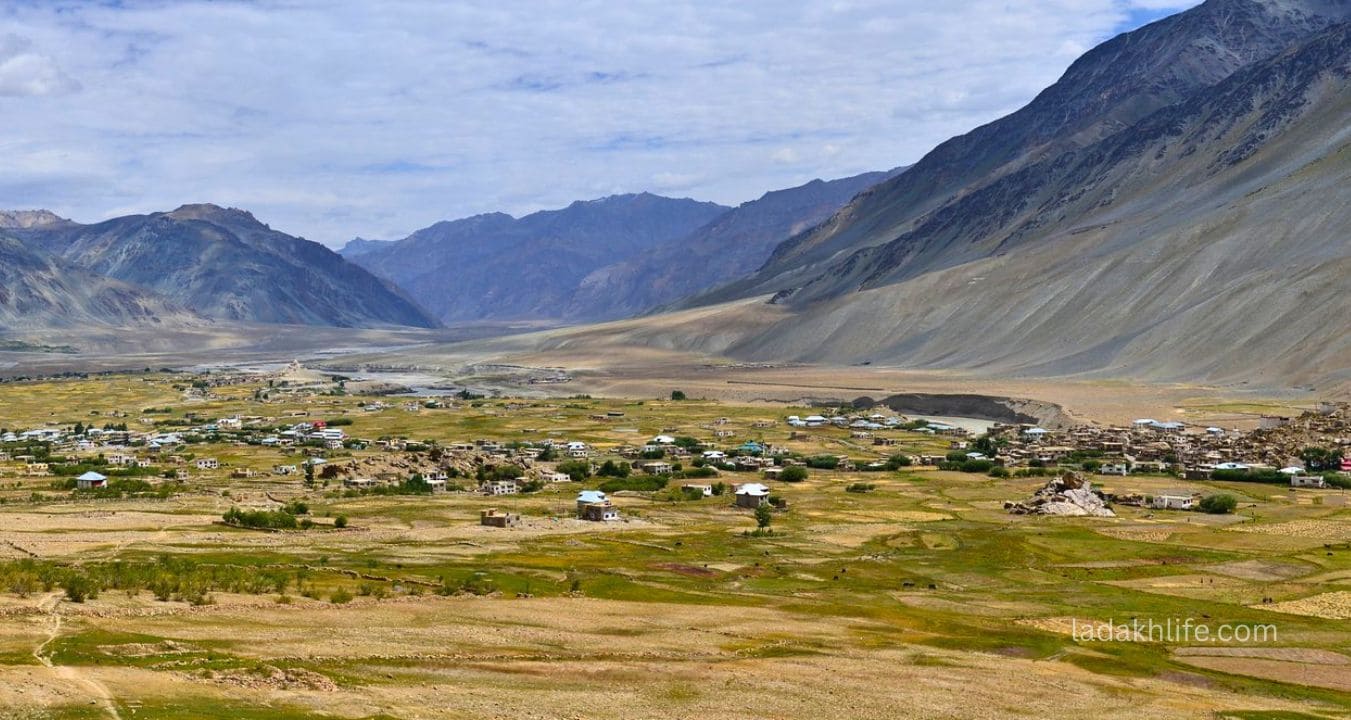
There's a viewpoint above the village called Yarlung. It's a short hike, maybe 20-30 minutes uphill. The view from the top is spectacular: the entire Turtuk valley spread out below, the Shyok River winding through it, the snow-capped peaks of the Karakoram in the distance. Go here for sunset. The light turns the valley gold. You won't want to leave.
8. The Border at Chalunkha
A few kilometers north of Turtuk is Chalunkha, the last Indian army post before the LoC. You can drive there (with permission, and accompanied by an army guide). Standing at Chalunkha, looking north toward Pakistan-administered Baltistan, you feel like you're at the edge of the country. The mountains are the same on both sides. The people are the same. But the border divides them. It's a sobering experience.
Best Time to Visit Turtuk
Turtuk has a short season due to its location in a high-altitude valley.
June to September is the main season. July and August are the best months, the weather is pleasant (15-25°C during the day), the apricots are ripe, and the valley is green and lush. August is peak apricot season, the village is covered in golden fruit.
May and early June: Possible, but the road from Nubra may still be closed due to snow at Khardung La. The pass typically opens in mid-to-late May. Even if the pass is open, Turtuk will be colder and less green.
September: Beautiful, clear skies, crisp air, fewer tourists. The apricots are gone by mid-September, but the autumn colors are stunning. Nights get cold (near freezing), but days are pleasant.
October to April: Khardung La closes in winter, so Turtuk is inaccessible. Even if you could get to Nubra, Turtuk would be freezing (-10°C to -20°C) and most homestays would be closed. Don't attempt.
Pro tip: August is the best month for apricots. September is the best month for clear skies and fewer crowds. Both are wonderful. Choose based on your priority.
Where to Stay in Turtuk
Homestays are the only option, and they're wonderful. There are no hotels in Turtuk. You stay with a local family. It's authentic, warm, and unforgettable.
Turtuk Homestays (several families): Ask at the small homestay office near the main square, or just ask around. Every family has a room or two for travelers. Expect basic but clean rooms, shared bathrooms (squat toilet, sometimes outside), and the warmest hospitality you'll find anywhere. Cost: ₹800-1200 per night including dinner and breakfast.
Popular homestays: Several families are well-known among travelers. Ask for Mohammad's homestay or Faruq's homestay, they're both wonderful. But honestly, any family will welcome you warmly.
No hotels, no resorts. That's the point of Turtuk. Embrace the simplicity. It's part of the magic.
Book ahead in peak season (July-August). Turtuk has limited homestays, and word has spread. Call ahead or arrange through a travel agent in Leh.
How to Get to Turtuk
Turtuk is in the northern part of the Nubra Valley. You need to cross Khardung La to get there.
Route: Leh → Khardung La (18,380 ft) → Diskit → Hunder → Turtuk.
From Leh (about 200 km, 6-7 hours): Drive Leh → Khardung La (2-3 hours) → Diskit (2-3 hours) → Turtuk (2-3 hours). This is a full day's drive. Most travelers break the journey: Day 1: Leh → Nubra (stay in Diskit or Hunder). Day 2: Diskit/Hunder → Turtuk (morning drive, explore Turtuk, return or stay overnight).
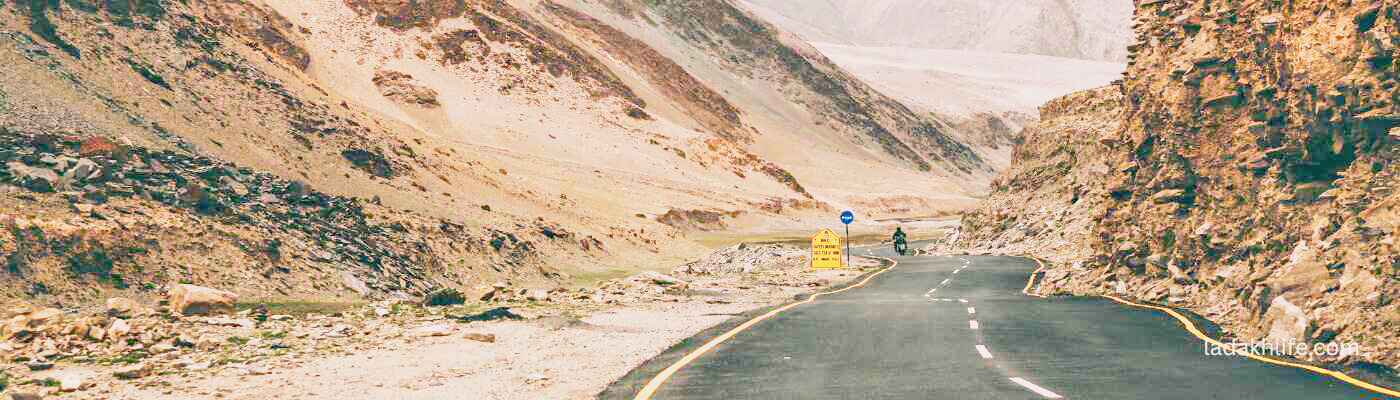
From Diskit (about 80 km, 2-3 hours): The road follows the Shyok River north. It's paved most of the way, with some rough patches. Stunning scenery, the river, the mountains, the green patches of villages along the way.
From Hunder (about 70 km, 2 hours): Same road as from Diskit, just a bit shorter.
By bike: Possible and popular. The road is good most of the way. But you must cross Khardung La to get to Nubra, that's the real challenge. If you're comfortable with Khardung La, the ride to Turtuk is beautiful.
By car (4x4 recommended): A regular car can make it, but a 4x4 is better for the rough patches near the river. The road is paved most of the way, but there are sections of gravel and potholes.
By taxi: Hire a taxi from Leh for a 2-3 day trip to Nubra and Turtuk. Expect to pay ₹10,000-15,000 for the entire trip. Ask your driver to include Turtuk, many drivers won't go that far unless you ask.
Public transport: Buses run from Leh to Diskit, and from Diskit to Hunder. But there are no buses to Turtuk. You'll need a private vehicle.
Army checkposts: There are several checkposts on the road to Turtuk. You'll need to show your permits. Don't take photos of the checkposts or the soldiers. Be polite. Answer their questions. They're there to keep the border safe.
Permits, Border Rules, and Army Formalities
Turtuk is near the Line of Control (LoC). Permits are essential.
- Inner Line Permit (ILP): Indian nationals need an ILP to enter Nubra Valley and Turtuk. Arrange this in Leh through a travel agent or at the DC office.
- Protected Area Permit (PAP): Foreign nationals need a PAP to visit Turtuk. These can be difficult to obtain for Turtuk specifically, check with a travel agent in Leh. Some nationalities are restricted from visiting border areas. Ask in advance.
- Army registration: At the checkposts before Turtuk, you'll need to register your name, vehicle number, and permit details. The army keeps track of who goes in and out of this sensitive area. Cooperate fully.
- Photography restrictions: No photos of army checkposts, army personnel, or the border itself. Ask before taking photos of anything that looks military. The army is friendly, but they take security seriously.
- Chalunkha (the last post): To visit Chalunkha (the last Indian army post before the LoC), you need special permission and an army escort. Ask at the Turtuk army camp. It's not always possible, but it's worth asking.
What to Pack for Turtuk
Turtuk is lower than Leh, so it's warmer. But nights can be chilly. Here's what you need:
- Clothing: T-shirts, a fleece or light sweater for evenings, a windproof jacket (the wind near the river can be cold), comfortable pants, a hat for sun protection.
- Sun protection: Sunscreen (SPF 30+), sunglasses, lip balm. The sun is strong even though Turtuk is lower than Leh.
- Water & snacks: There are small shops in Turtuk, but options are limited. Carry water and some snacks from Leh or Diskit.
- Cash: No ATMs in Turtuk. The nearest ATM is in Diskit (and it's often empty). Bring enough cash for homestays, food, and any purchases.
- Power bank: Electricity is limited in homestays. Solar power works during the day, but nights can be dark.
- Toiletries: Toilet paper, wet wipes, hand sanitizer. Homestays have basic facilities, but bring your own supplies.
- Camera: You'll want it. The views, the architecture, the people, Turtuk is incredibly photogenic.
Essential Tips for Visiting Turtuk
- Get your permits in Leh before you go. There's no way to get them in Turtuk. Don't forget.
- Start early from Nubra. The drive to Turtuk takes 2-3 hours. Leave Diskit or Hunder by 8 AM to have enough time to explore.
- Respect the army checkposts. Stop when signaled. Show your permits. Don't take photos. The soldiers are usually friendly, chat with them if they're willing. They have amazing stories.
- Dress modestly. Turtuk is a Muslim village. Cover your shoulders and knees, especially when walking through the village. Women, carry a scarf to cover your head if visiting the mosque.
- Learn a few words of Balti. "Ke-yee" is hello. "Shukuria" is thank you. A little effort goes a long way.
- Ask before taking photos of people. Most will say yes, but always ask first. A smile and a "Ke-yee" before the photo makes all the difference.
- Don't give candy or money to children. It creates bad habits. If you want to help, donate to the local school or buy something from a village shop.
- Be patient with food. Homestay meals are cooked fresh. It takes time. Relax. You're not in a hurry anymore.
- Carry cash. No ATMs. Credit cards are useless. Bring enough rupees for your stay.
- Don't litter. Carry your waste back to Diskit or Leh. There's no garbage collection in Turtuk.
- Stay overnight if you can. Most people visit Turtuk as a day trip from Diskit or Hunder. That's a mistake. Stay overnight. Watch the sunset from Yarlung. Eat dinner with a family. Wake up to the sound of the river. You'll understand Turtuk so much better if you stay.
Turtuk vs Other Villages in Nubra Valley
- Turtuk vs Diskit: Diskit is the main town of Nubra, larger, more developed, has hotels, restaurants, and the famous monastery. Turtuk is smaller, more rural, and culturally Balti rather than Ladakhi. Visit both. Stay in Diskit for convenience. Stay in Turtuk for authenticity.
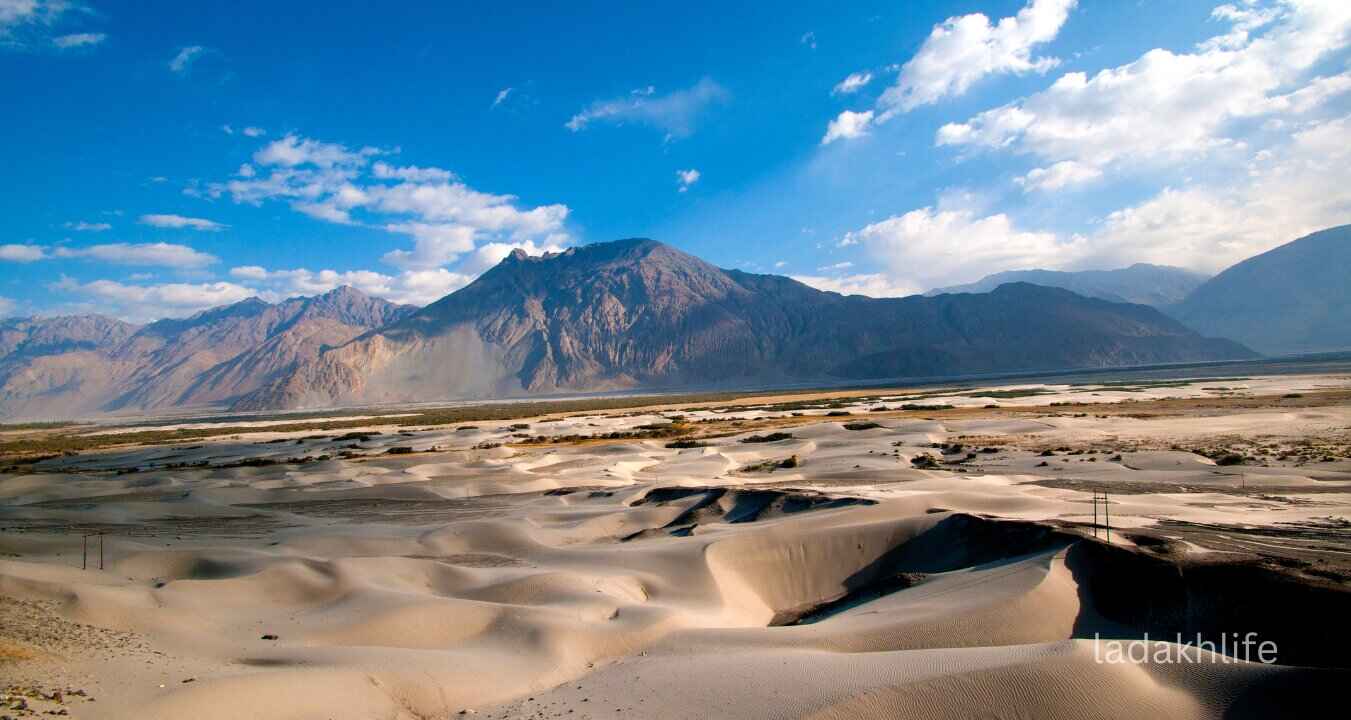
- Turtuk vs Hunder: Hunder is famous for sand dunes and Bactrian camels. It's touristy in peak season. Turtuk is the opposite, quiet, green, and almost tourist-free. Do Hunder for the adventure. Do Turtuk for the soul.
- Turtuk vs Sumur: Sumur is another Nubra village with a beautiful monastery. It's smaller than Diskit but larger than Turtuk. Turtuk is more remote, more unique, and more culturally distinct.
Why Turtuk is the Most Underrated Destination in Ladakh
Let me be honest. Most tourists who come to Ladakh never visit Turtuk. They do the standard circuit, Leh, Nubra, Pangong, and go home. They see the sand dunes, take a camel ride, and think they've seen Nubra.
That's a shame. Because Turtuk is the best part of Nubra.
Why? Because Turtuk is real. It's not built for tourists. The homestays are run by families, not hotel chains. The food is cooked by grandmothers, not restaurant chefs. The history is alive, not locked in a museum. The people welcome you not because they have to, but because they're genuinely curious about you.
Turtuk is also beautiful. Green fields, apricot orchards, the Shyok River, the old village ruins, the views of the Karakoram. It's like nowhere else in Ladakh. It's like nowhere else in India.
So here's my advice. When you go to Nubra, don't just stay in Diskit or Hunder. Drive the extra 80 kilometers to Turtuk. Stay overnight. Eat apricots until you're sick of them. Walk through the old village. Sit by the river. Talk to the Balti people. You'll leave with more than photos. You'll leave with memories that last a lifetime.
Turtuk is not just a village. It's a time capsule. A place where Balti culture survives, where the memory of a divided homeland is still fresh, where the apricots are sweeter than anywhere else, and where the people welcome you like family. Drive the extra kilometers. Stay the night. Walk the old village. Eat the apricots. And when you leave, you'll understand why Turtuk is the best-kept secret in Ladakh.